1. Introduction
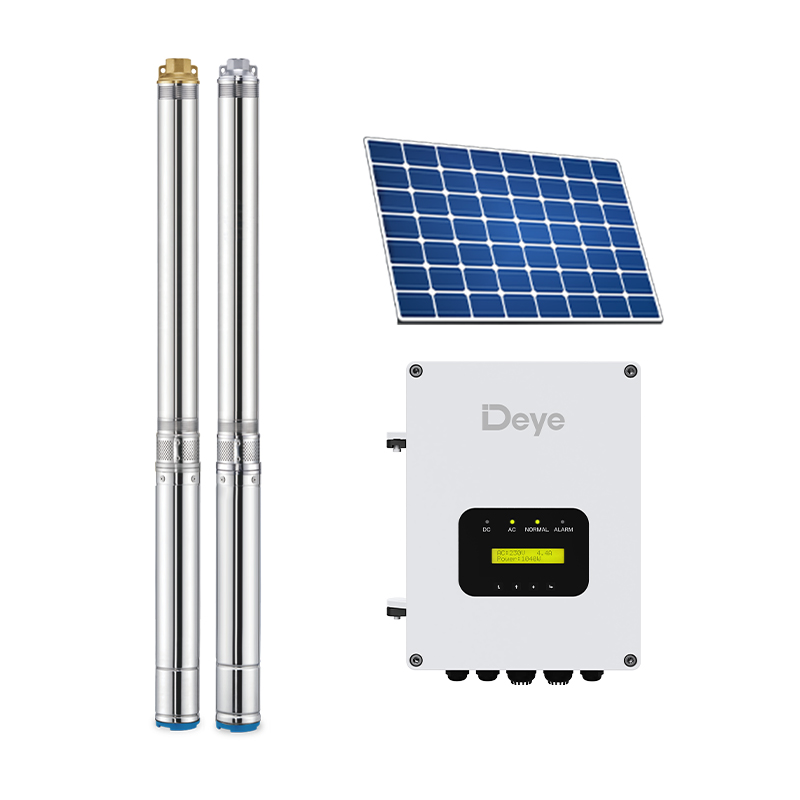
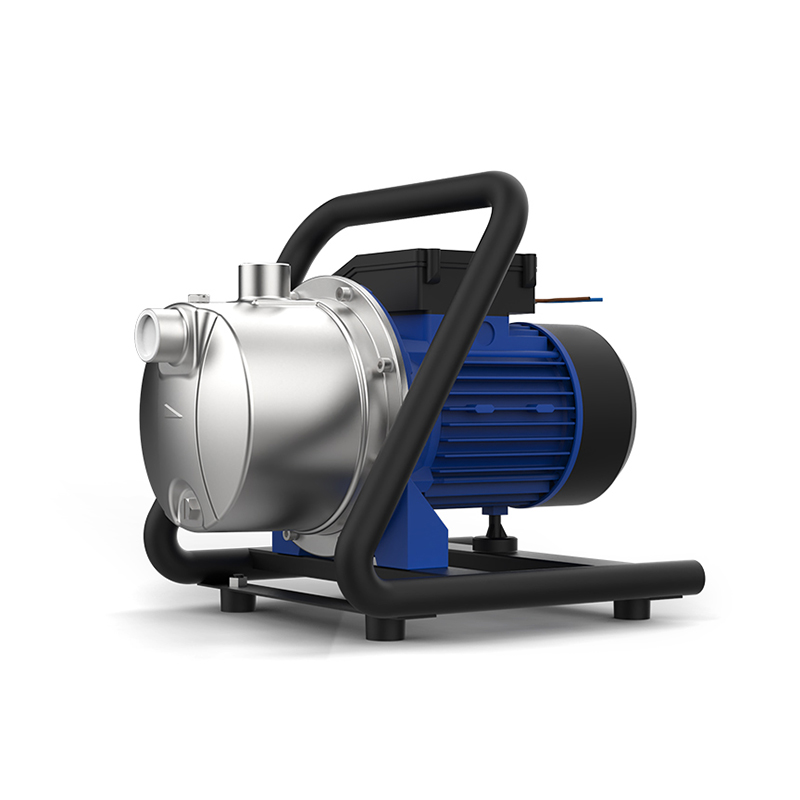
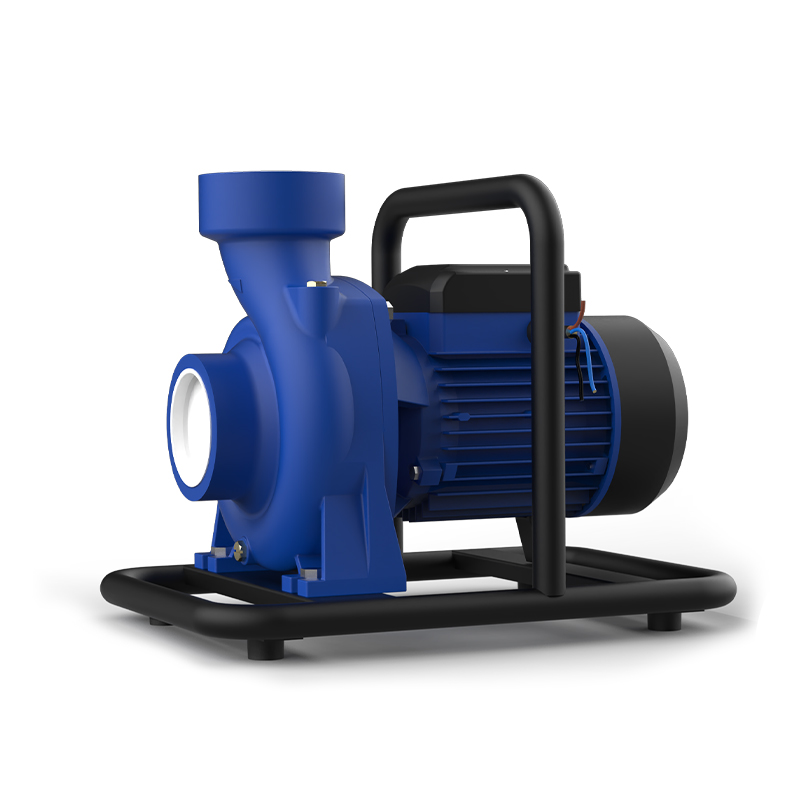
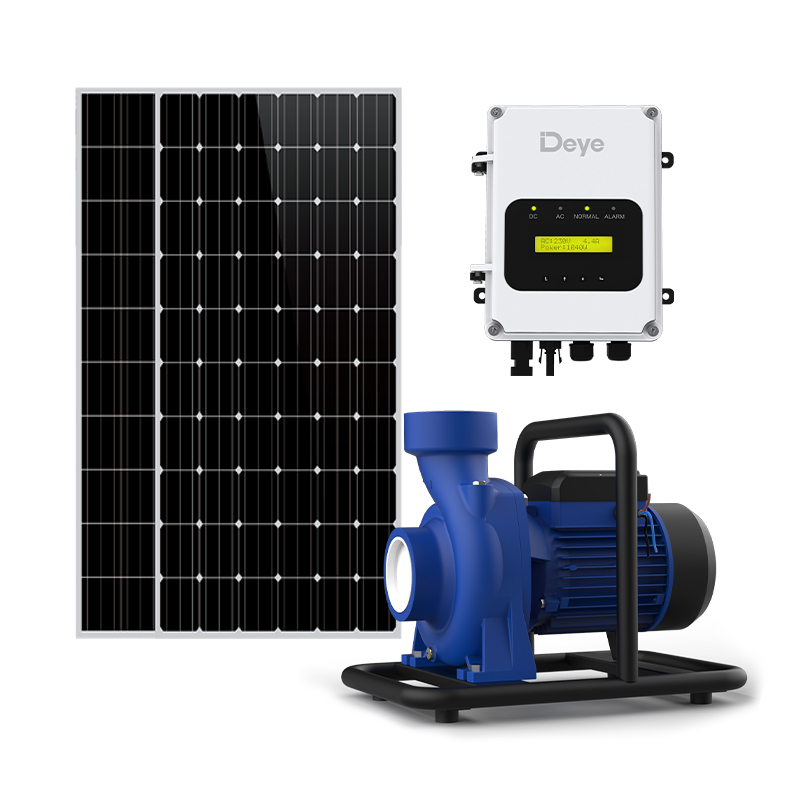
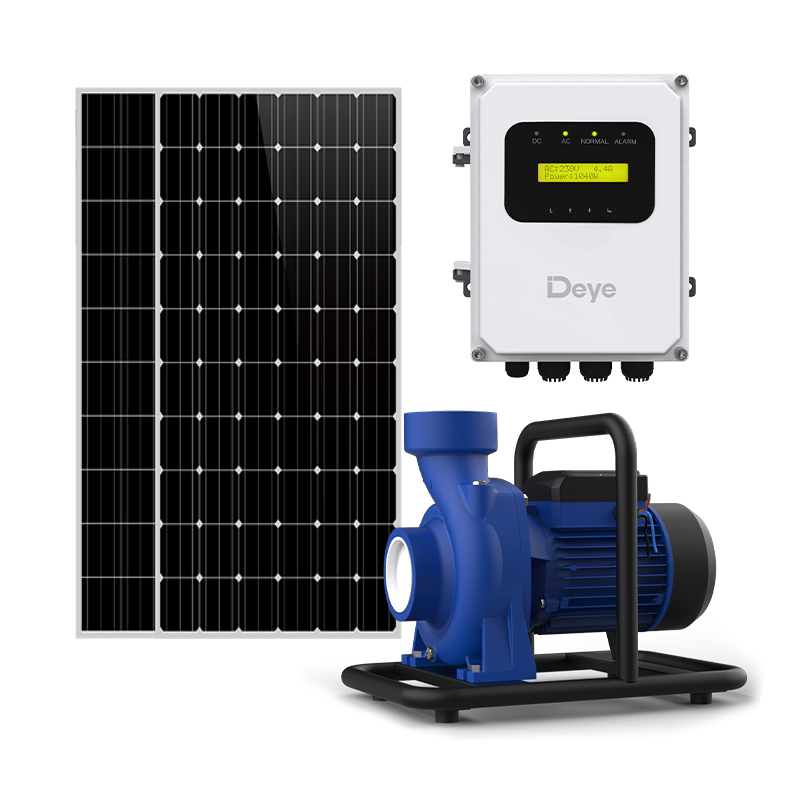
The combination of a self-priming centrifugal surface solar pump and an automatic solar switching AC/DC pump controller in the 2000W to 3600W power range represents a mid-to-high power surface pumping solution for agricultural, rural, and light industrial water supply applications. Unlike submersible pumps installed below the water surface, surface pumps are installed above ground and draw water upward through a suction pipe — a configuration that simplifies installation, maintenance, and inspection. The self-priming characteristic allows the pump to evacuate air from the suction line and establish flow without manual priming at each startup.
Deye Group has been engineering submersible pumps, surface pumps, and pump controllers since 1990. The self-priming surface solar pump product line reflects Deye's manufacturing discipline across both hydraulic design and electronic control systems, with quality verification integrated at every production stage.
2. Core Concepts
2.1 Self-Priming Centrifugal Surface Pump
A centrifugal pump transfers energy to water through the rotational motion of an impeller, converting mechanical energy into hydraulic pressure and flow. In a self-priming design, the pump casing incorporates a water-retaining chamber that preserves residual water after shutdown. On the next startup, this retained water mixes with air in the suction line through the rotating impeller, gradually expelling air and creating the suction vacuum needed to draw water from the source — without requiring manual water filling of the suction pipe before each start.
Key structural characteristics of this pump type include:
- Above-ground dry motor: The motor is not submerged, simplifying access for inspection and servicing.
- Volute casing with priming chamber: Retains water between operating cycles to enable self-priming function.
- Mechanical seal: Seals the interface between the rotating shaft and the pump casing to prevent water ingress into the motor.
- Three-phase induction motor: Standard motor type compatible with VFD-based solar controllers in this power class.
2.2 Automatic Solar Switching AC/DC Controller
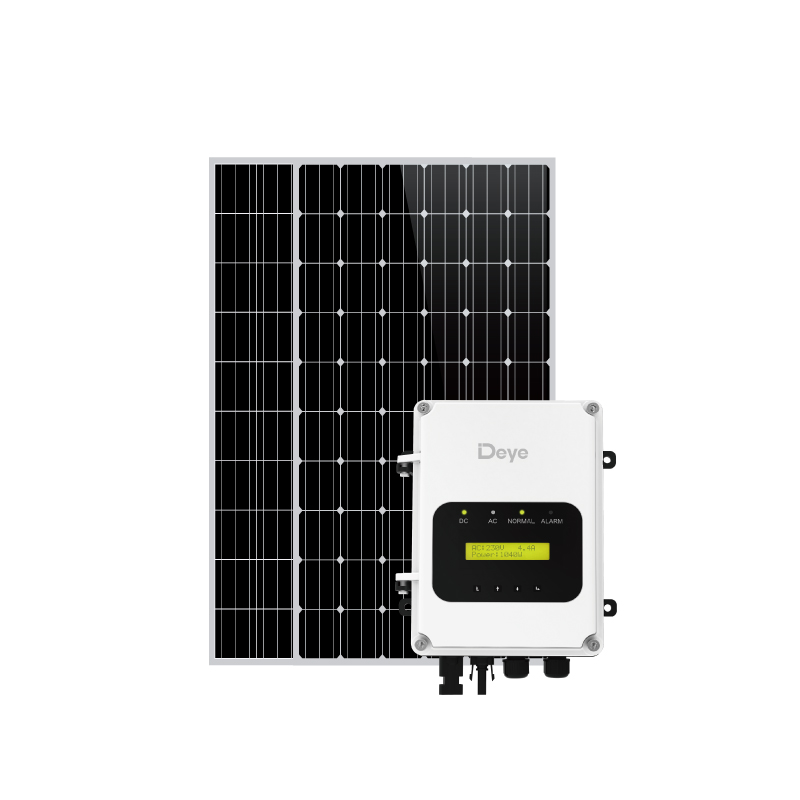
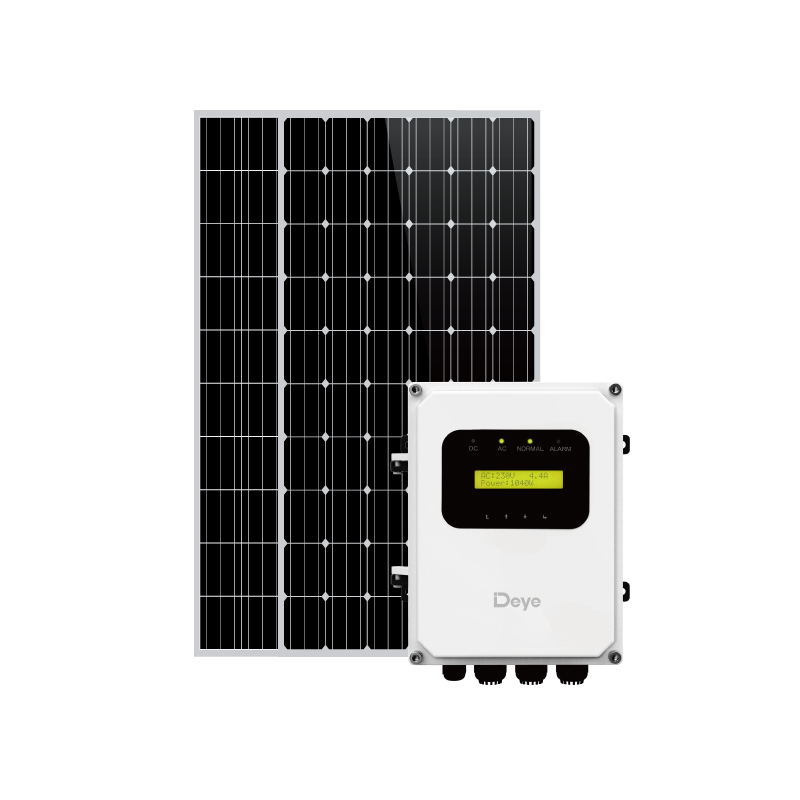
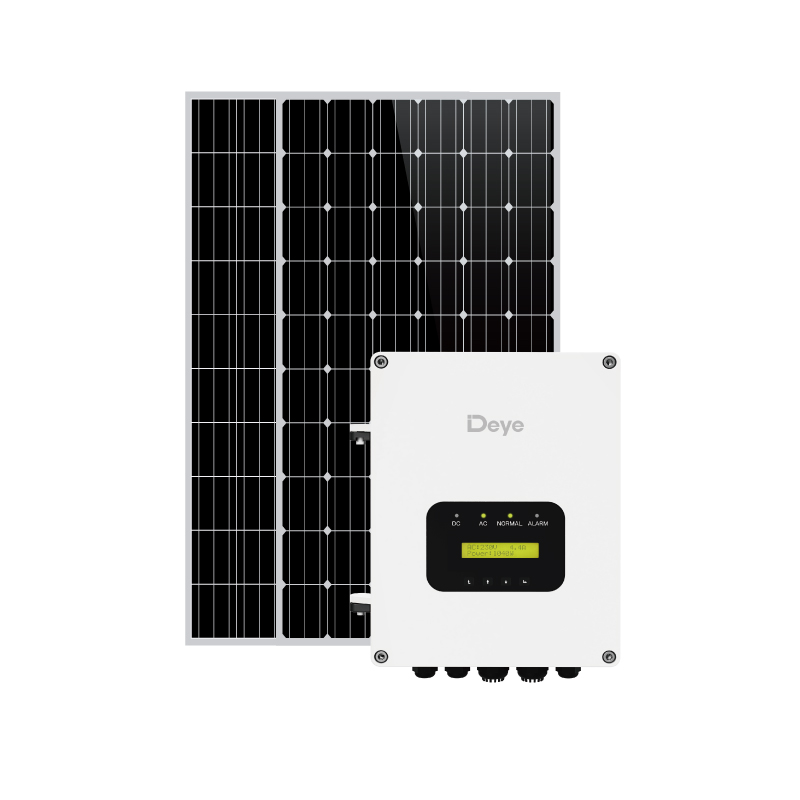
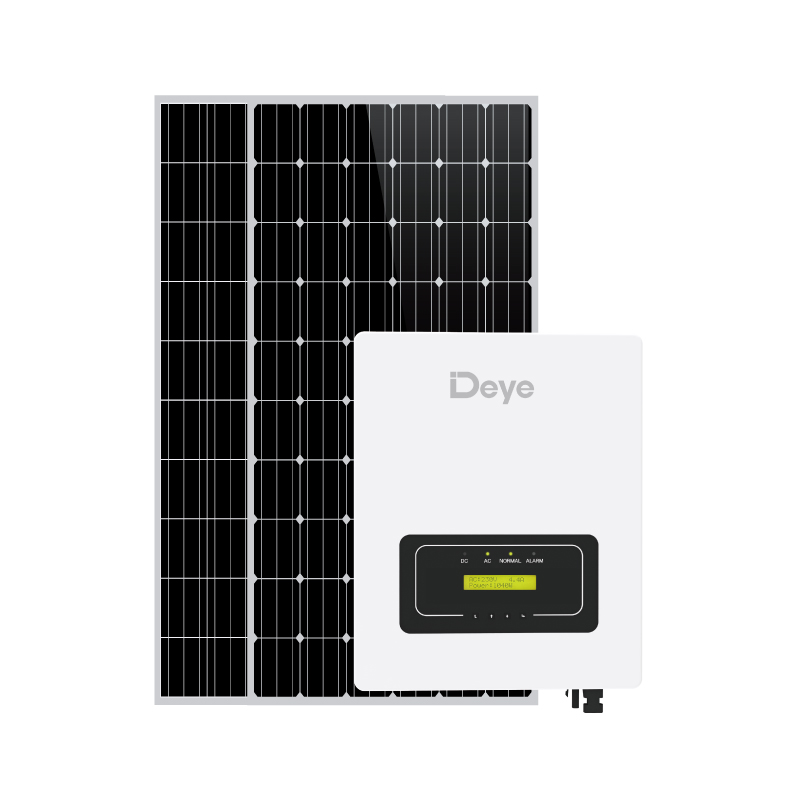
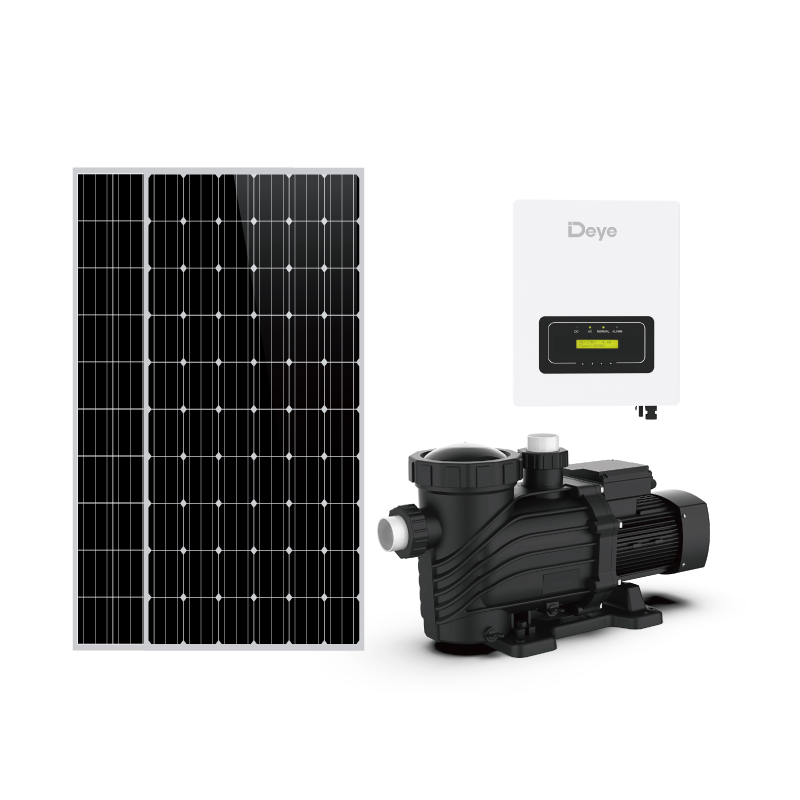
The automatic solar switching AC/DC controller manages power delivery to the pump motor from two input sources: DC from a photovoltaic array and AC from the utility grid or generator. The controller incorporates MPPT (Maximum Power Point Tracking) to optimize PV energy extraction and a Variable Frequency Drive (VFD) to regulate motor speed proportional to available solar power. The automatic switching function transfers between DC and AC sources without operator action based on configurable voltage thresholds, ensuring continuous pump operation regardless of solar conditions.
3. Typical Technical Specifications
| Parameter |
Controller |
Surface Pump |
| Rated Power |
2000W / 2200W / 3000W / 3600W |
Matched to controller rating |
| DC Input Voltage |
150V – 500V DC (typical) |
N/A |
| AC Input Voltage |
3-phase 220V / 380V AC |
N/A |
| Output to Motor |
3-phase 0 – 380V AC, 0 – 50/60Hz |
N/A |
| MPPT Efficiency |
Greater than 99% |
N/A |
| Max Flow Rate |
N/A |
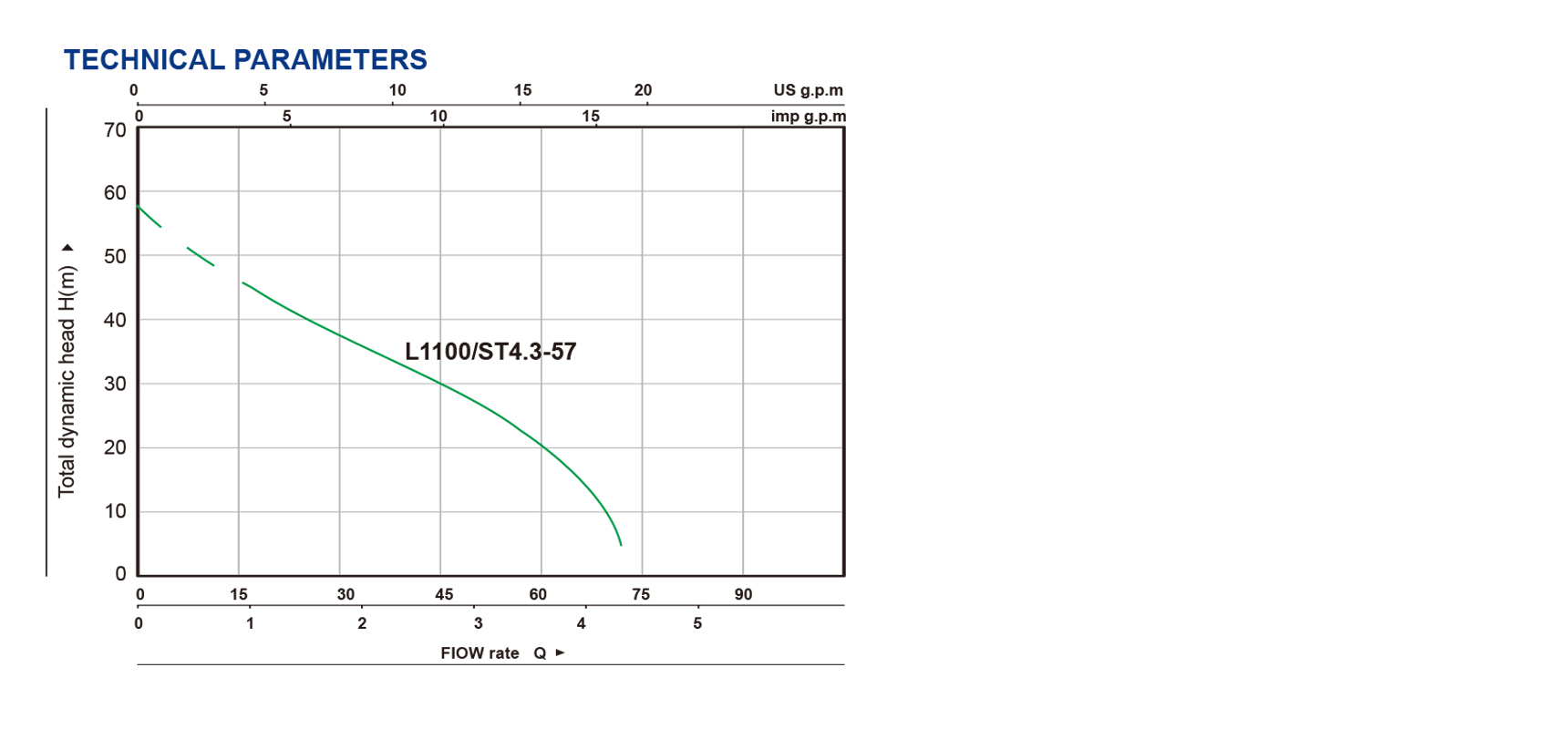
Up to 30 m3/h (model-dependent) |
| Max Head |
N/A |
Up to 45m (model-dependent) |
| Max Suction Head |
N/A |
Up to 8m (self-priming limit) |
| Controller Protection Rating |
IP65 |
IP55 (motor enclosure, typical) |
| Motor Type |
3-phase asynchronous induction |
Three-phase induction, air-cooled |
| Ambient Temperature |
-10 degrees C to +50 degrees C |
0 degrees C to +50 degrees C |
| Communication Interface |
RS485 / optional GPRS |
N/A |
4. Self-Priming vs. Non-Self-Priming Surface Pump
| Criteria |
Self-Priming Surface Pump |
Non-Self-Priming Surface Pump |
| Startup Requirement |
No manual priming after first fill |
Manual water filling of suction pipe required at each start if line drains |
| Solar Restart Suitability |
High — frequent automatic restarts (cloud cycles) do not require intervention |
Low — each restart may require manual priming if suction line empties |
| Installation Location |
Up to 8m above water surface |
Typically less than 4m, or installed close to water level |
| Operational Automation |
Fully automatable with solar controller |
Limited — requires foot valve and careful pipe management |
| Unit Cost |
Slightly higher |
Lower |
5. Surface Pump vs. Submersible Pump for Solar Applications
| Criteria |
Self-Priming Surface Pump |
Submersible Borehole Pump |
| Installation Depth |
Above ground; suction from open source up to 8m below |
Submerged in borehole or deep well |
| Water Source Type |
Ponds, rivers, open tanks, shallow wells |
Deep boreholes and confined aquifers |
| Maintenance Access |
Easy — pump and motor accessible above ground |
Requires extraction from borehole |
| Max Lift Capability |
Moderate (up to 45m total head typical) |
High (up to 200m or more for multi-stage) |
| Suitable Solar Restart Frequency |
High (self-priming supports frequent auto-restarts) |
High (always submerged, no priming needed) |
| Motor Cooling |
Air-cooled fan on motor |
Water-cooled by surrounding fluid |
6. Application Fields
- Irrigation from Open Water Sources: Drawing water from ponds, rivers, canals, or open reservoirs for drip, sprinkler, or flood irrigation of medium to large agricultural plots.
- Water Transfer Between Storage Tanks: Moving water from primary collection tanks to elevated secondary tanks or distribution reservoirs.
- Pressure Boosting Systems: Maintaining supply pressure in rural water distribution networks fed by gravity tanks or low-pressure sources.
- Livestock Water Supply: Pumping from surface water bodies to troughs and holding tanks across grazing areas.
- Light Industrial Process Water: Supplying cooling water, washdown water, or process feed water in off-grid or semi-grid light industrial facilities.
- Flood Control and Drainage: Temporary dewatering of low-lying agricultural land or construction sites using portable surface pump setups.
- Aquaculture Water Management: Circulation and replenishment of water in fish ponds and prawn farms from adjacent water sources.
7. Controller Protection and Safety Functions
| Protection Function |
Description |
| Dry-run Protection |
Detects insufficient load current and shuts down to prevent mechanical seal and motor winding damage under no-water conditions |
| Over-voltage Protection (DC and AC) |
Shuts down when DC PV input or AC mains voltage exceeds rated maximum input |
| Under-voltage Protection |
Prevents motor operation when input power is below the minimum stable operating threshold |
| Over-current Protection |
Output-side current limiting with fast fault isolation to protect motor windings |
| Over-temperature Protection |
Internal heatsink temperature monitoring; derating or shutdown above threshold |
| Soft-start Function |
Gradual output frequency ramp at startup reduces mechanical stress on mechanical seal, impeller, and motor bearings |
| Phase-loss Protection |
Detects missing output phase and halts operation to prevent single-phase motor damage |
| Auto AC/DC Source Switching |
Automatic seamless transfer between PV and AC input sources based on configurable voltage thresholds |
| Tank-full Auto Stop |
Float switch or pressure switch input for automatic stop and restart based on destination tank water level |
8. Installation Considerations
- Suction pipe sizing: Suction pipe diameter must be equal to or larger than the pump inlet diameter. Undersized suction piping increases friction loss and reduces effective suction lift, potentially preventing self-priming.
- Foot valve installation: A foot valve with strainer at the bottom of the suction pipe retains water in the suction line between operating cycles, reducing priming time at restart and protecting the pump from debris ingestion.
- Suction lift limit: The pump installation height above the water surface must not exceed the rated maximum suction head (typically 7–8m at sea level). Performance reduces at higher altitudes due to lower atmospheric pressure.
- Controller mounting: Mount the controller in a ventilated, shaded enclosure. Maintain minimum clearance of 150mm on all sides for airflow. Avoid locations with direct water spray or condensation exposure.
- PV DC wiring: DC cables must be rated for outdoor UV exposure and the maximum PV string short-circuit current. DC-rated fusing on the positive conductor at the array output is standard practice.
- Motor cable length: Long cable runs from controller to pump motor introduce resistive voltage drop. Increase cable cross-section for distances exceeding 30 meters to maintain rated motor terminal voltage.
- Pump foundation: The surface pump unit should be mounted on a rigid concrete or steel base to minimize vibration and prevent pipe stress at the inlet and outlet connections.
9. Frequently Asked Questions
Q1: How long does a self-priming surface pump take to prime at startup?
Priming time depends on suction pipe length, diameter, and the volume of air to be displaced. Under typical conditions with a correctly sized suction pipe and a functional foot valve, a self-priming pump in this power class primes within 1 to 3 minutes. Longer suction pipes and greater suction lifts increase priming time.
Q2: Can the system operate fully automatically without on-site personnel?
Yes. The combination of automatic AC/DC source switching, self-priming pump capability, dry-run protection, and tank-full auto stop enables fully unattended operation. The controller starts the pump when solar power is available or AC backup is active, switches sources automatically, and stops when the destination tank is full or a dry-run condition is detected — then restarts when conditions normalize.
Q3: What PV array capacity is required for a 3000W controller?
Applying a standard oversizing factor of 1.2 to 1.5, a 3000W controller requires approximately 3600Wp to 4500Wp of installed PV capacity. Using 400W panels, this corresponds to 9 to 12 panels. String voltage configuration must be verified against the controller MPPT input voltage window.
Q4: Is the surface pump suitable for sandy or turbid water sources?
Self-priming centrifugal surface pumps are generally designed for clean to lightly turbid water. Water with high suspended solids, sand content, or abrasive particles accelerates impeller and mechanical seal wear. For sources with elevated sediment loads, the use of an inlet strainer and periodic inspection of pump wet-end components is recommended. Pumps intended for heavily contaminated water sources require specialist impeller materials and design configurations not typical of standard centrifugal surface pumps.
Q5: Does Deye Group supply matched surface pump and controller systems in this power range?
Yes. Deye Group manufactures self-priming centrifugal surface pumps and compatible AC/DC solar pump controllers across the 2000–3600W range. Matched pump-controller packages with verified electrical and hydraulic compatibility are available, supported by Deye's in-house engineering and quality control processes established since 1990.


 русский
 Français
 Español
 عربى
عربى Deutsch
 Português
 italiano