

 русский
 Français
 Español
 عربى
عربى Deutsch
 Português
 italiano
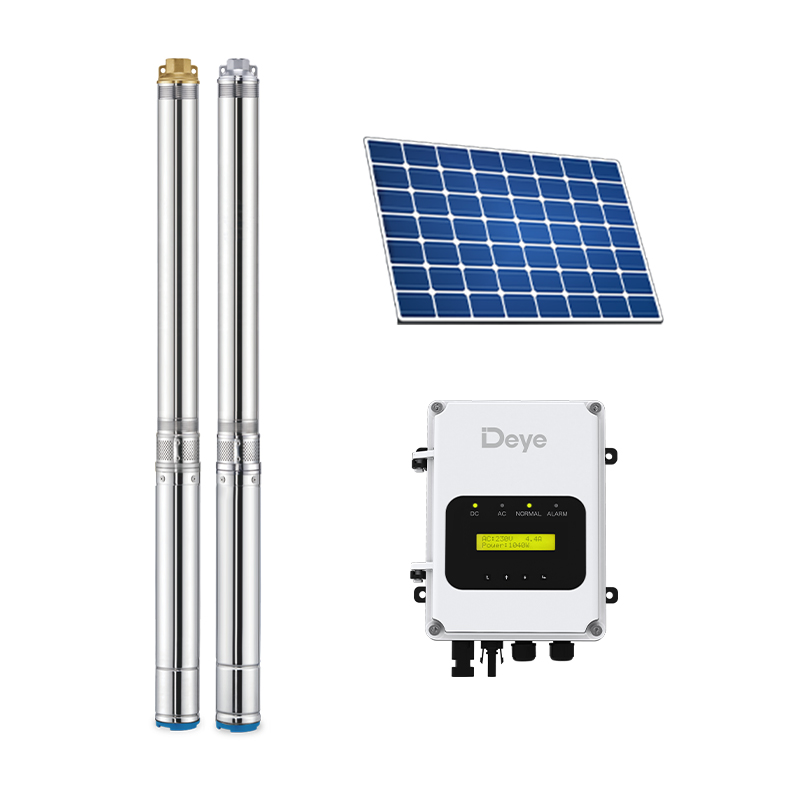
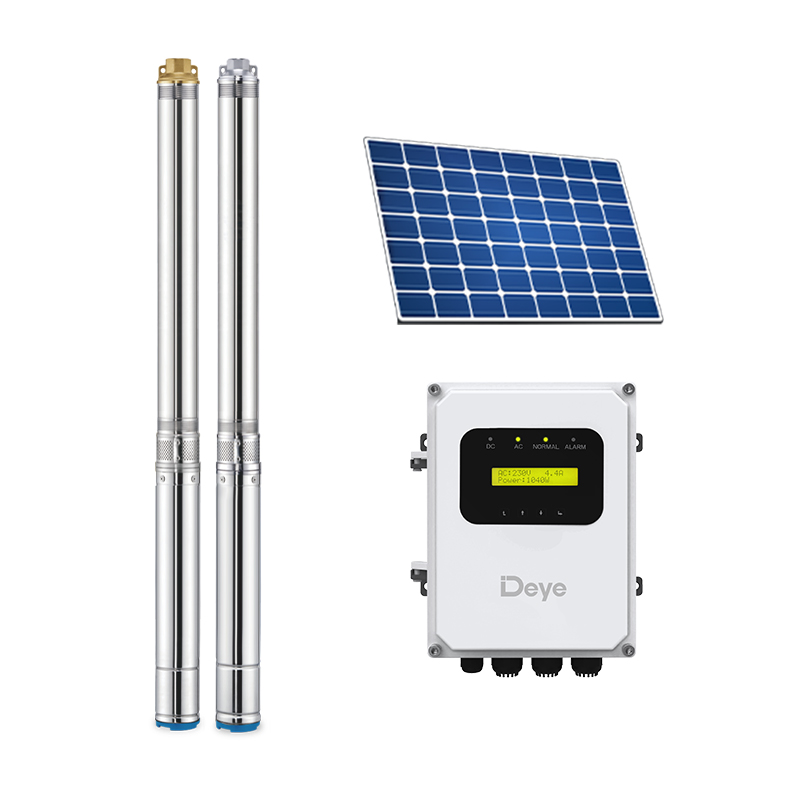
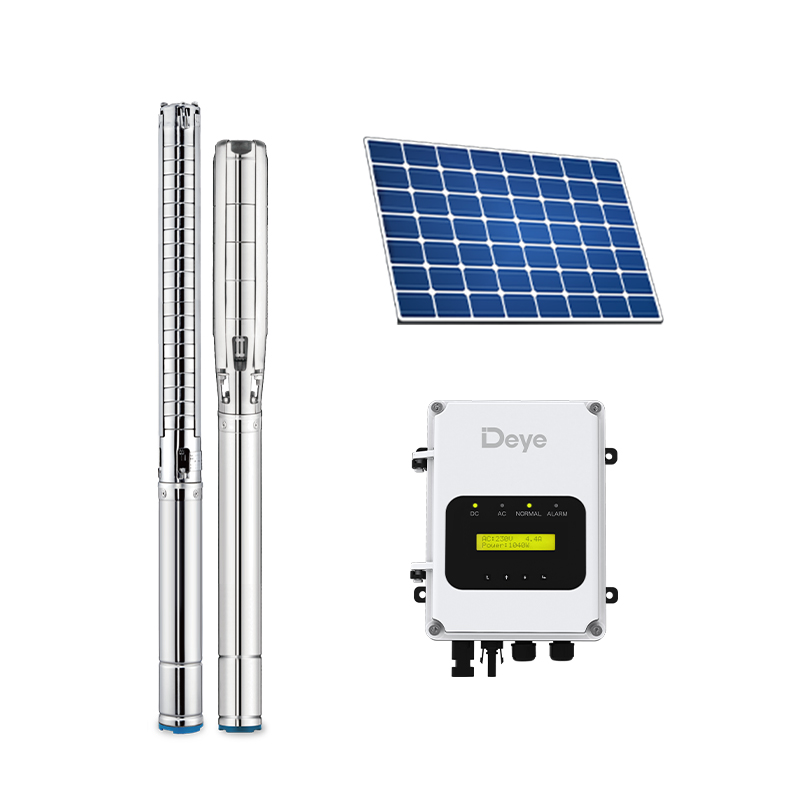
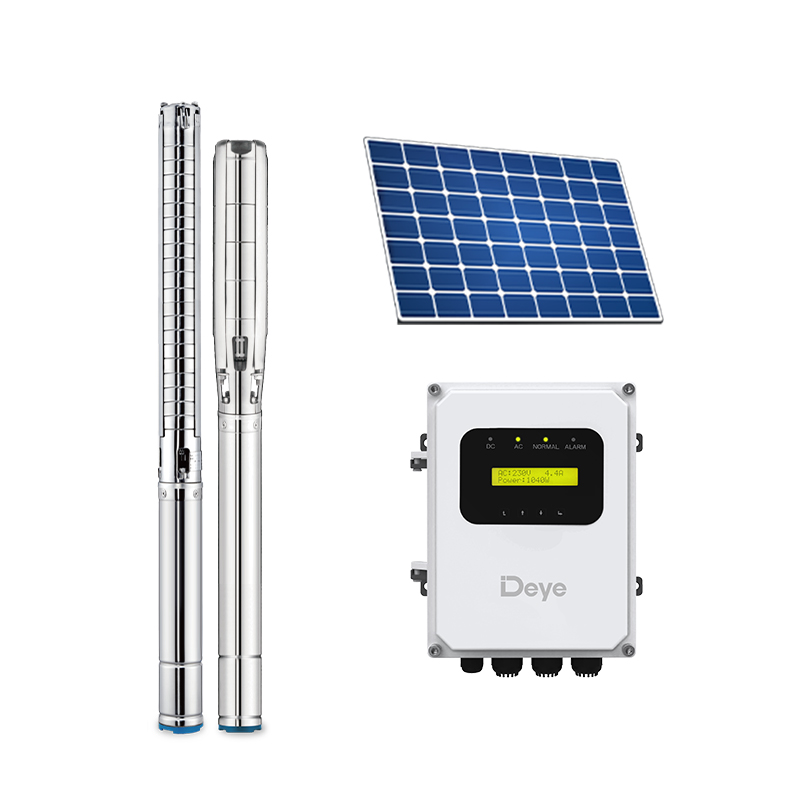
If you need to move water for irrigation, livestock, or off-grid living, a large solar water pump is usually defined as a system rated at 4 kW or higher. The right large solar pump can deliver 10 to 50 cubic meters per hour at heads from 30 to 150 meters, but only when the pump curve, solar array, and controller are correctly matched. This guide explains how large solar pumps work, how to size them, and where to place them for reliable, low-cost water supply.
Large solar pumps are not simply bigger versions of small 12 V pumps. They use high-voltage DC motors, multistage impellers, and AC/DC hybrid controllers that switch seamlessly between solar power and grid or generator backup. Because they move far more water, they require larger solar arrays and more careful engineering than small units.
content
- 1 What Defines a Large Solar Water Pump?
- 2 Key Components of a Large Solar Pump System
- 3 How Much Solar Power Does a Large Pump Need?
- 4 Flow Rate, Head, and Efficiency: What to Compare
- 5 How to Choose the Right Large Solar Water Pump
- 6 Common Sizing Mistakes and Buying Risks
- 7 Real Applications for Large Solar Pumps
- 8 Frequently Asked Questions About Large Solar Pumps
What Defines a Large Solar Water Pump?
In practical terms, a solar water pump is considered large when its motor power is above 4 kW or its pump diameter is 4 inches or larger. These pumps are built for high flow rates or high heads, not for garden watering.
Typical specifications of large solar pumps
A typical large solar pump has the following specifications.
- Power: 4 kW to 13 kW, sometimes higher
- Pump diameter: 4-inch or 6-inch submersible bodies
- Flow: 10-60 m3/h depending on head
- Head: 50-200 m for multistage models
- Controller: AC/DC auto-switching with MPPT
Key Components of a Large Solar Pump System
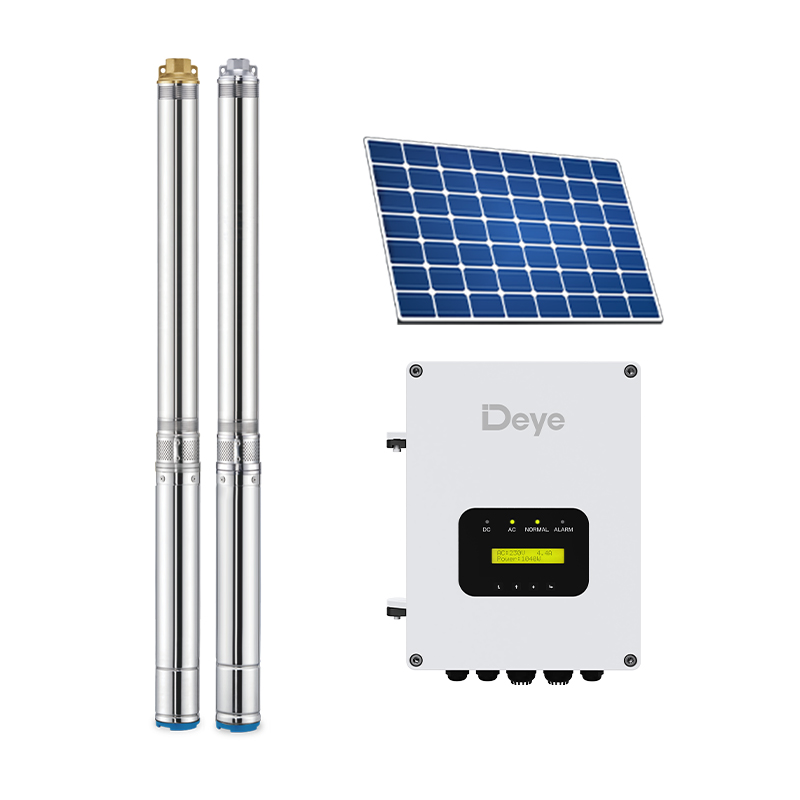
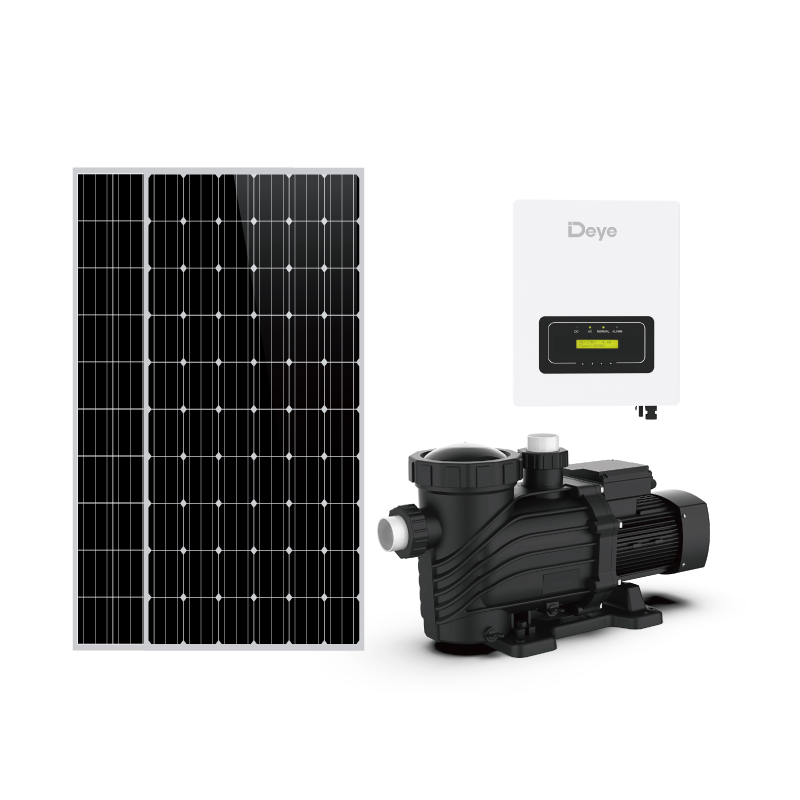
A complete large solar pump system has four critical parts: the solar array, the controller, the pump, and the water storage tank.
Solar array
The array must be sized for the pump motor plus losses. Large pumps usually use 48 V or higher DC voltages to reduce cable cost.
Controller
The controller performs MPPT, protects against reverse current, and manages AC/DC switching when you have backup power.
Pump unit
The pump can be submersible or surface; submersible units have the motor and impellers inside a sealed body lowered into the well.
Water storage
A tank or reservoir decouples water production from usage, so you do not need batteries or a constant flow matching intermittent sunlight.
How Much Solar Power Does a Large Pump Need?
As a rule of thumb, a large solar pump needs about 1.3 to 1.5 times the motor rating in solar panel capacity, so a 5.5 kW pump requires a 7-8 kW solar array.
System losses from wiring, MPPT conversion, and pumping efficiency mean you cannot expect one panel watt to equal one pump watt. The table below gives realistic ranges for medium to large systems.
| Pump power | Solar array | Flow at 50 m head | Flow at 100 m head | Best fit |
|---|---|---|---|---|
| 2.2 kW | 3-4 kW | 10-12 m3/h | 4-6 m3/h | Small plots, ponds |
| 4 kW | 5.5-6 kW | 16-20 m3/h | 8-10 m3/h | Medium irrigation |
| 5.5 kW | 7.5-8 kW | 24-28 m3/h | 12-15 m3/h | Large fields |
| 7.5 kW | 10-11 kW | 32-40 m3/h | 16-20 m3/h | Farm/community supply |
| 11 kW | 14-16 kW | 45-55 m3/h | 22-28 m3/h | Large irrigation schemes |
The controller is the brain of the system. For large pumps, an AC/DC auto-switch controller lets the pump run directly from solar during the day and fall back to grid or generator only when needed, which reduces total system cost without sacrificing reliability.
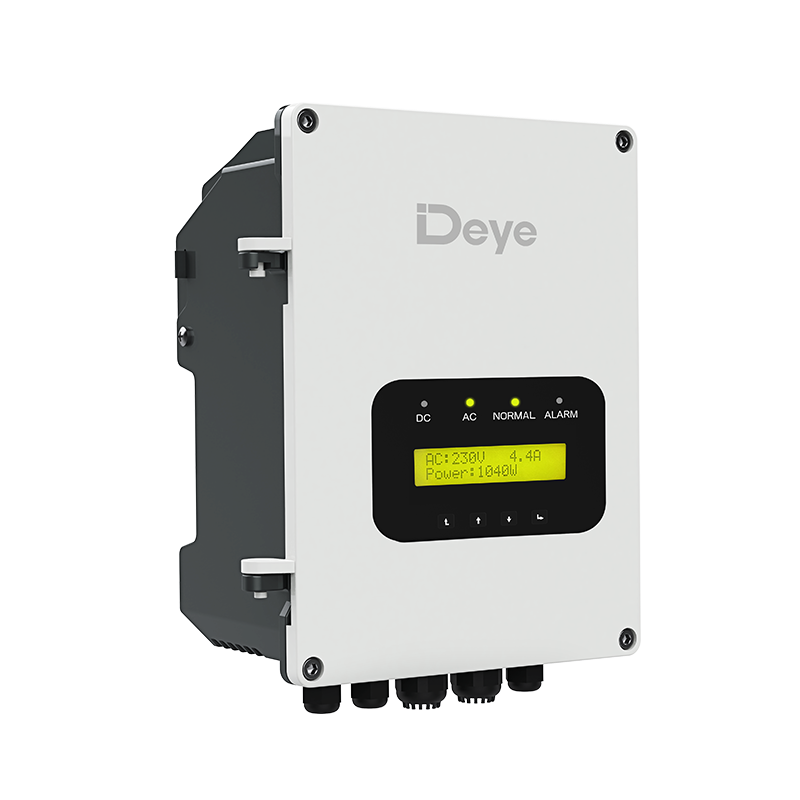
 Auto-switch AC/DC Controller for 5500–13000W Solar PumpsThis high-power controller automatically prioritizes solar operation and switches to AC mains when sunlight is insufficient, ensuring uninterrupted water supply for large-scale irrigation or community systems.View Product →
Flow Rate, Head, and Efficiency: What to Compare
The two numbers that decide if a pump is large enough are flow rate and total head, and they always work together; increasing head reduces the flow a pump can deliver.
Total head is not just depth to water. It includes static lift, discharge height, pipe friction losses, and any pressure needed at the outlet. A pump rated for 100 m head will produce less flow at 120 m and more flow at 70 m.
Submersible vs. Surface Pumps
For large systems, submersible pumps dominate because they can be lowered into boreholes and do not require priming.
- Submersible pumps: best for deep wells, high head, quiet operation, and large capacity.
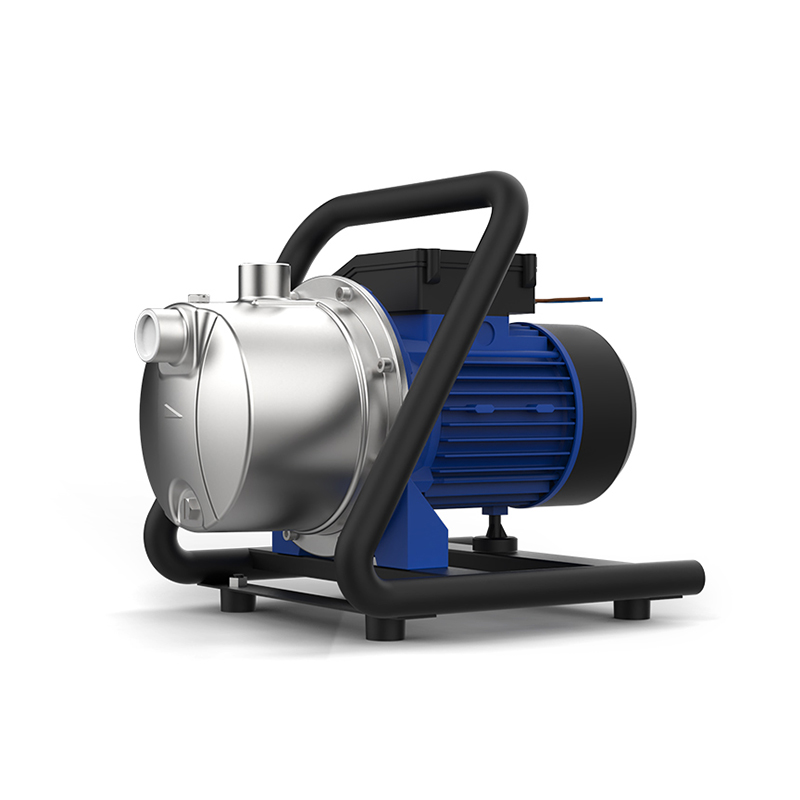
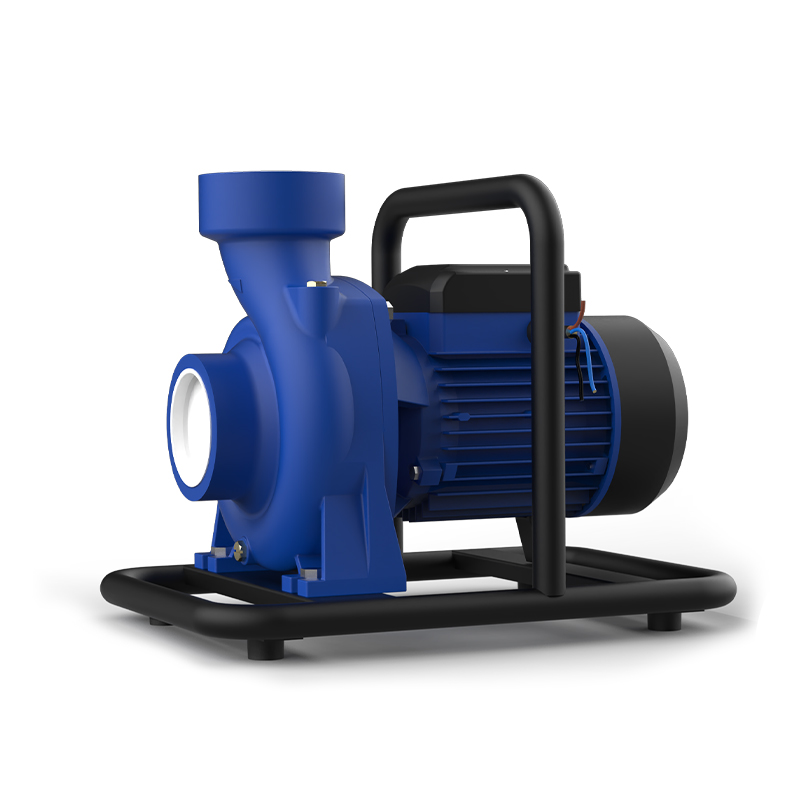
- Surface pumps: easier to access for servicing but limited to approximately 7-8 m suction lift; best for ponds, tanks, and shallow wells.
Impeller material also matters. Plastic impellers are light and cheap, but stainless steel impellers resist abrasion in sandy water and last longer in continuous irrigation. If your water contains sediment, choose stainless steel.
Always check the manufacturer's pump curve. A curve shows the flow at different heads, and it is the only reliable way to compare pumps from different product lines.
How to Choose the Right Large Solar Water Pump
Select a pump only after you calculate the required flow rate, total head, and daily solar hours; changing the array is easy, but changing the pump is expensive.
Selection checklist
Use this checklist in the same order to avoid missing critical data.
- Measure the static water level and the total vertical lift.
- Add friction losses from pipes and fittings; for long pipe runs this can add 5-10 m head.
- Estimate daily water demand in cubic meters and divide by peak sun hours to get required flow.
- Decide between submersible and surface based on well depth.
- Size the solar array using 1.3x motor power as a minimum.
- Choose a controller with MPPT and AC/DC auto-switch if you need backup power.
For example, a farm needing 60 m3/day with 5 peak sun hours needs 12 m3/h average flow. At 40 m head, a 4 kW submersible pump with a 5.5 kW array normally covers this. At 100 m head, the same demand might require a 7.5 kW pump.
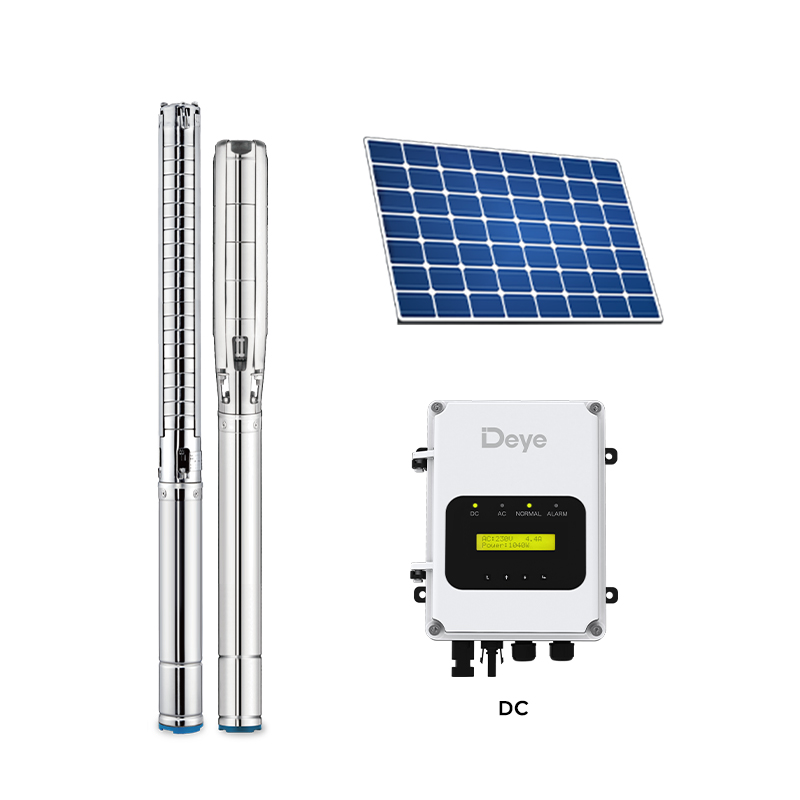 6-Inch Stainless Steel Impeller Submersible Solar Pump (800–3000W)Built with all-stainless steel flow parts, this pump handles high-volume water delivery in sandy or corrosive wells, making it a solid choice for large farms or village water projects that need durable performance.View Product →
Common Sizing Mistakes and Buying Risks
The most expensive mistake is buying a pump by power rating instead of by pump curve, because a 5.5 kW pump designed for low head cannot serve a deep well.
What to avoid
Watch for these five issues during design.
- Undersized solar array: leads to frequent starts/stops and reduced daily output.
- Ignoring friction loss: can reduce flow by 20-30 percent on long pipe runs.
- Wrong impeller material: plastic impellers wear quickly in sand or abrasive water.
- No controller protection: without low-voltage cutoff, batteries and motors can be damaged.
- Incorrect cable size: voltage drop on long DC runs causes controller shutdown.
Real Applications for Large Solar Pumps
Large solar pumps are most valuable where grid electricity is unavailable, expensive, or unreliable, and where water demand is too high for a small 1-2 kW pump.
Irrigation
For crop irrigation, large solar pumps often replace diesel pumps. A 5.5-7.5 kW system can serve several hectares daily; see the solar irrigation pump page for crop-specific sizing examples.
Off-grid living and livestock
Remote homes and ranches use large submersible pumps for daily domestic use. With an AC/DC hybrid controller, the pump can switch to off-grid water supply backup during cloudy periods.
Aquaculture and river maintenance
Ponds and hatcheries require continuous water circulation. Large solar pumps can aerate and exchange water throughout the day without running fuel lines to the site.
Water storage also matters. Large systems often pump into a tank or reservoir, allowing the pump to run during sunlight and supply water at night. This design avoids battery cost and keeps the pump in its efficient operating range.
 4-Inch High-Speed Submersible Solar Pump (5500–13000W) with Plastic ImpellerDesigned for very large irrigation or livestock systems, this powerful submersible pump runs on solar by day and can switch to AC backup automatically when paired with an auto-switch controller.View Product →
Frequently Asked Questions About Large Solar Pumps
How many solar panels do I need for a large solar water pump?
A 4 kW pump generally needs a 5.5-6 kW solar array, while a 7.5 kW pump needs 10-11 kW of panels.
Can a large solar pump work at night or when cloudy?
Yes, if the controller is a hybrid AC/DC model, you can switch to grid or generator power when solar input drops.
How deep can a large solar submersible pump lift water?
Multistage large submersible pumps can handle 100-200 m total head, but flow falls as head increases.
Do large solar pumps require batteries?
Most systems do not need batteries; they pump when the sun shines, and water storage is used instead of electricity storage.
What is the payback period for a large solar pump?
For farms replacing diesel, payback is typically 2-4 years, depending on fuel prices, daily pumping hours, and local solar output.