
 русский
 Français
 Español
 عربى
عربى Deutsch
 Português
 italiano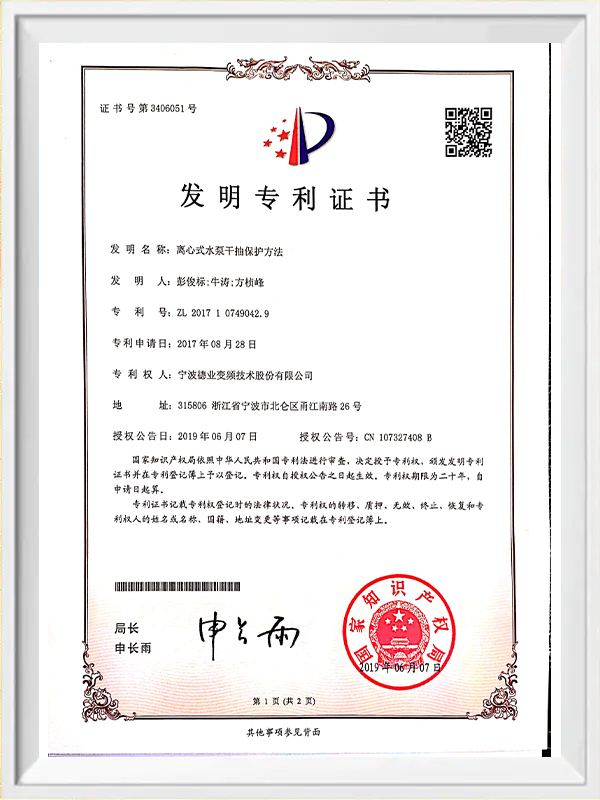
Two identical 3-inch submersible pumps, installed a few hundred metres apart on the same kind of borehole, can behave completely differently: one lifts water all afternoon, the other stalls before noon. The pumps are the same. The off-grid power architecture...
Read More
-
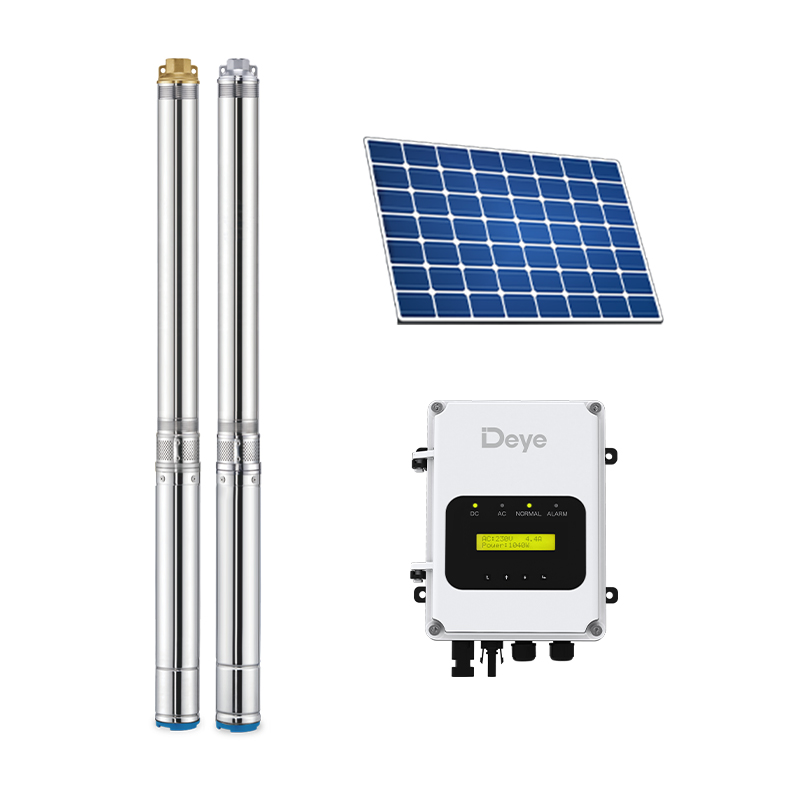
3 Inch Solar AC/DC Pump Controller (400-1500W) Plastic Impeller Submersible Pumps
-
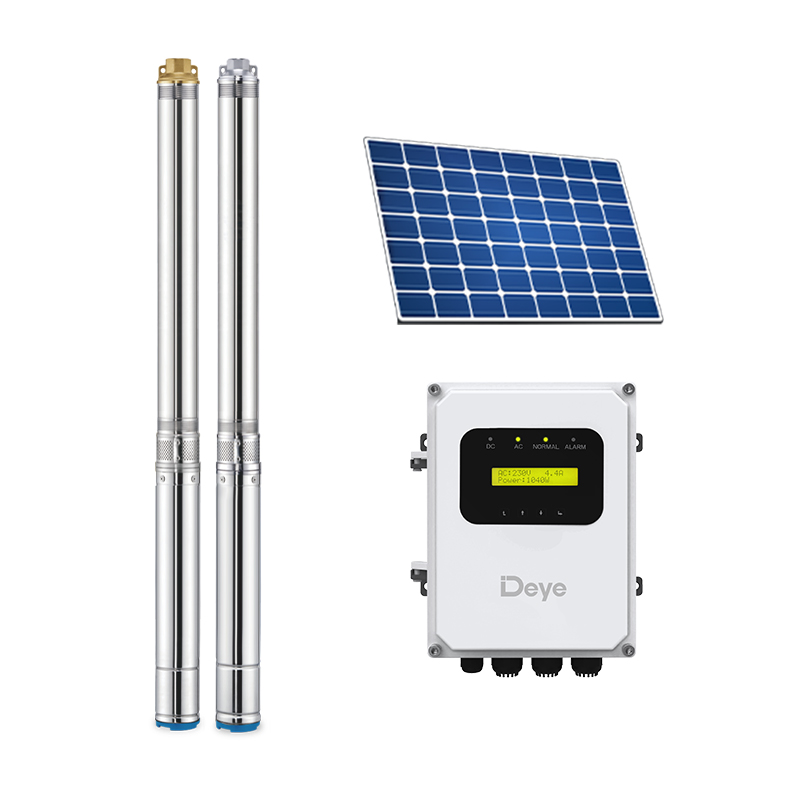
4 Inch Solar AC/DC Pump Controller (600-3000W) Plastic Impeller Submersible Pumps
-
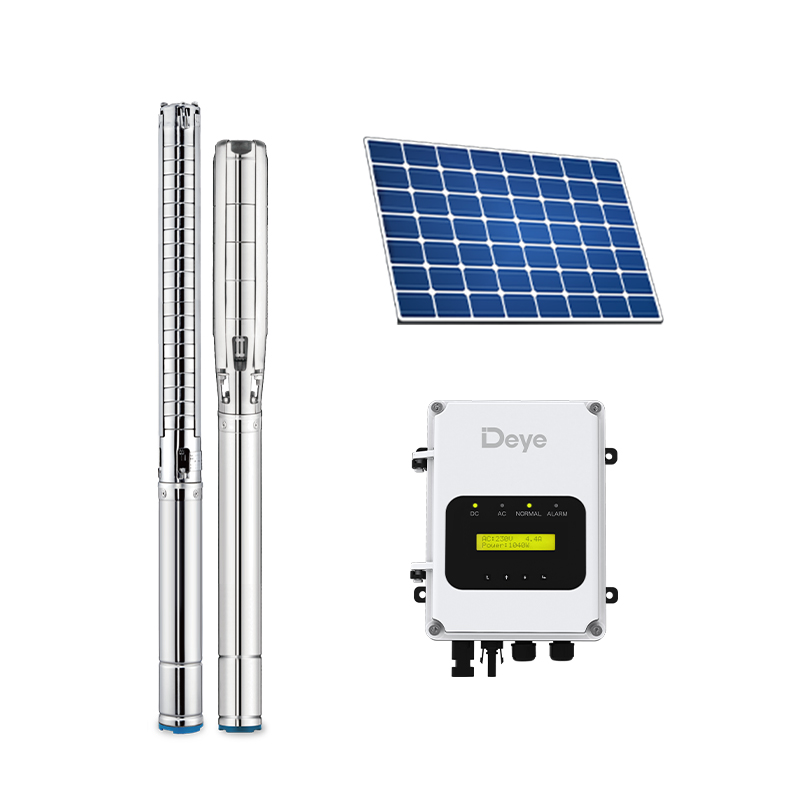
4 Inch Solar AC/DC Pump Controller (800-3000W) Stainless Steel Impeller Submersible Pumps
-
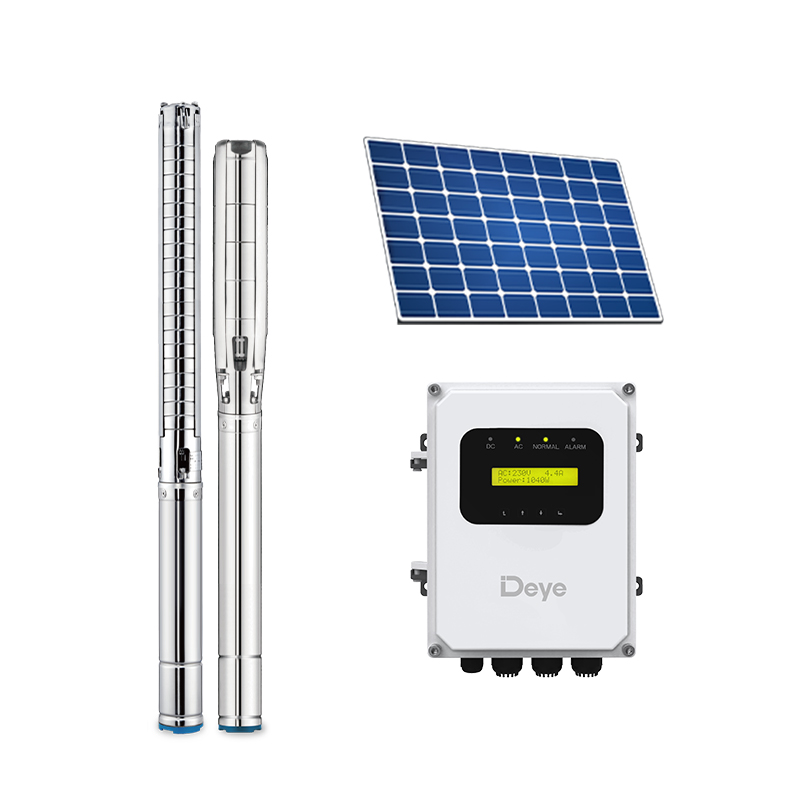
6 Inch Solar AC/DC Pump Controller (800-3000W) Stainless Steel Impeller Submersible Pumps
-
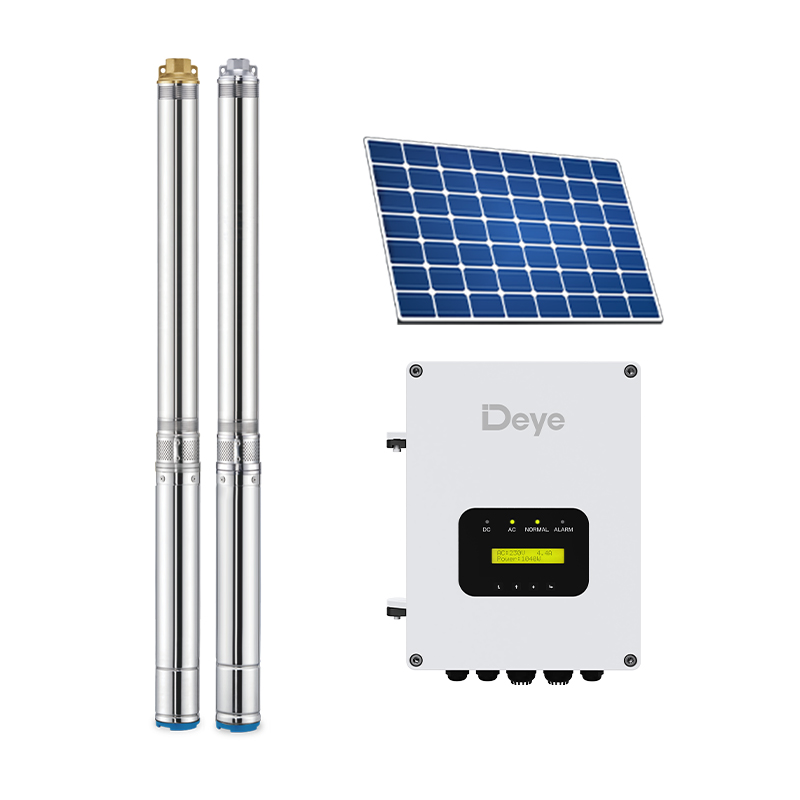
4 Inch High Speed Submersible Solar Pump(5500-13000W)Plastic Impeller Submersible Pumps
-
4 Inch Solar AC/DC Pump Controller (600-3000W) Plastic Impeller Submersible PumpsThis 4-inch AC/DC solar submersible pump (600-3000W, plastic impeller) works with solar panels and matched controller to build an eco-friendly household water supply system. Powered by solar energy to...
-
4 Inch Solar AC/DC Pump Controller (800-3000W) Stainless Steel Impeller Submersible PumpsPremium 4-inch stainless steel impeller pump features full anti-rust & anti-silt performance, tolerates slightly sandy underground water unavailable for plastic models. Oriented to formal village ...
-
6 Inch Solar AC/DC Pump Controller (800-3000W) Stainless Steel Impeller Submersible PumpsThis 6-inch stainless steel impeller AC/DC solar submersible pump (800~3000W) is developed for large-volume centralized water engineering. Equipped with robust all-stainless steel flow parts, it stand...
-
4 Inch High Speed Submersible Solar Pump(5500-13000W)Plastic Impeller Submersible Pumps4 inch High Speed AC/DC Solar Submersible Pump, 5500-13000W with plastic impeller. Optimized for large-scale farm irrigation and centralized livestock water supply on big ranches, also available for m...
-
3 Inch Solar AC/DC Pump Controller (400-1500W) Plastic Impeller Submersible PumpsCompact 3-inch plastic impeller solar pump with low power range, engineered for single-family scattered domestic water demand. Lightweight plastic wheel fits clean well water with zero silt, designed ...
-
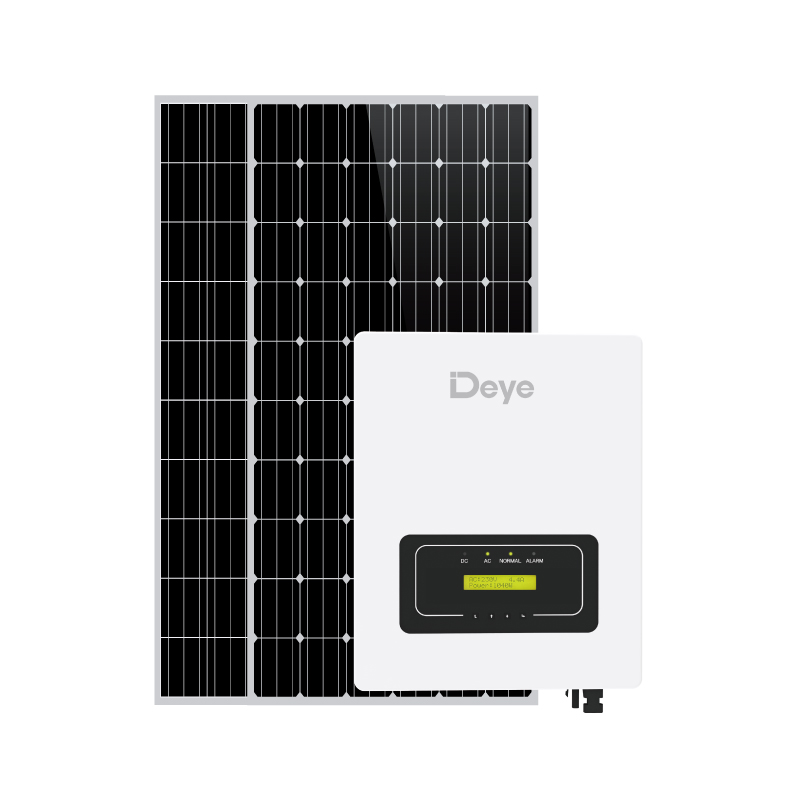 ACDC Hybrid Pump Controller Specifications (1100-2200W)This 1100-2200W hybrid ACDC controller is customized for residential & mid-size swimming pool circulation pumps. Unlike power-switch models, it enables PV and mains AC to output power simultaneous...
 -
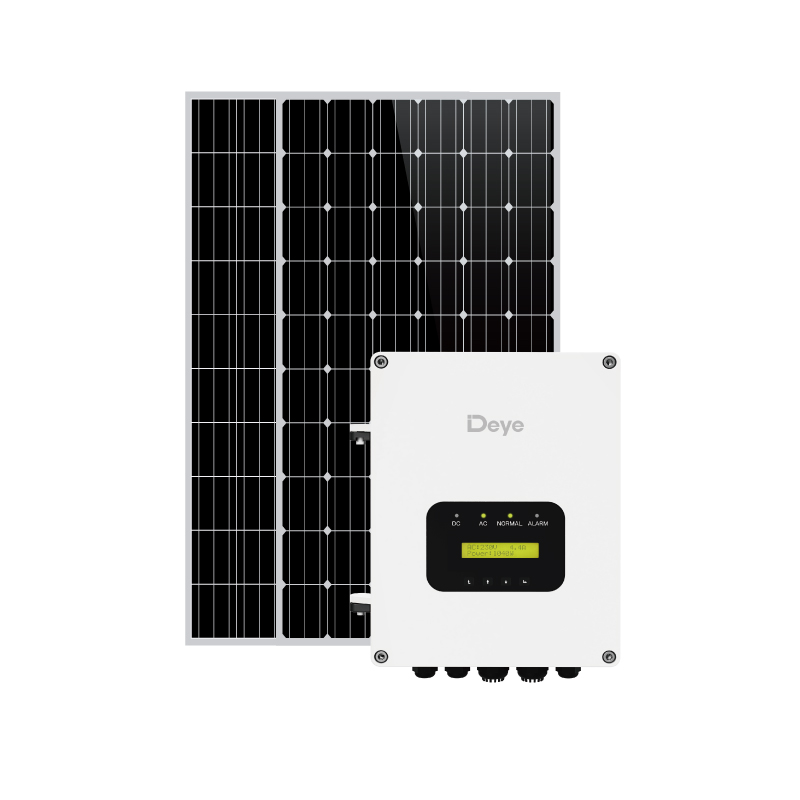 Auto-switch AC/DC Pump Controller Specifications (5500-13000W)This high-power AC/DC auto-switch controller covers 5500W to 13000W power range, specially designed for large-scale grid-connected solar water pumping systems. It adopts intelligent solar priority aut...
 -
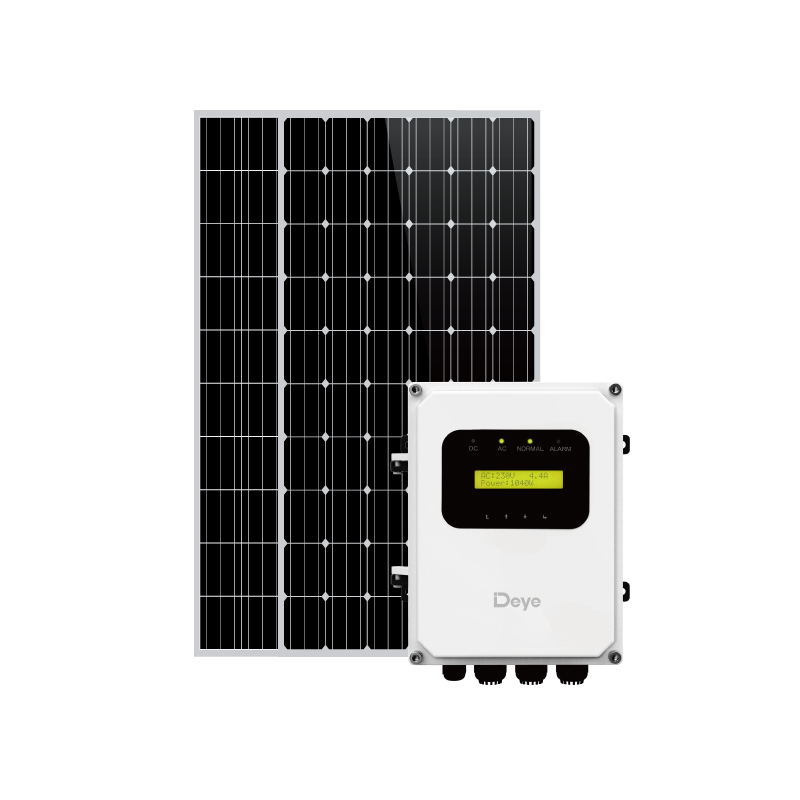 Solar Auto-switch AC/DC Pump Controller (1100-3000W)The AC/DC Auto Switch Controller adopts solar-first intelligent switching logic for a 24-hour uninterrupted water supply. It prioritizes solar power to cut operational electricity costs and automatica...
 -
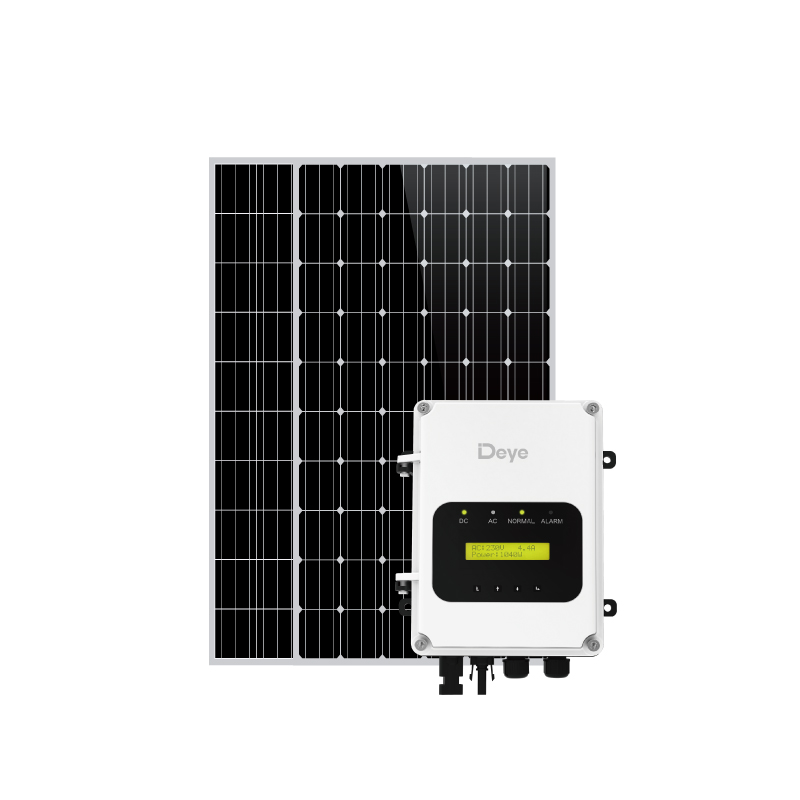 DC Pump Controller Specifications (400-1500W)Our DC solar pump controller is a professional off-grid control solution specially designed for pure DC solar water pumping systems. Featuring high solar energy utilization and ultra-low self-power co...
 -
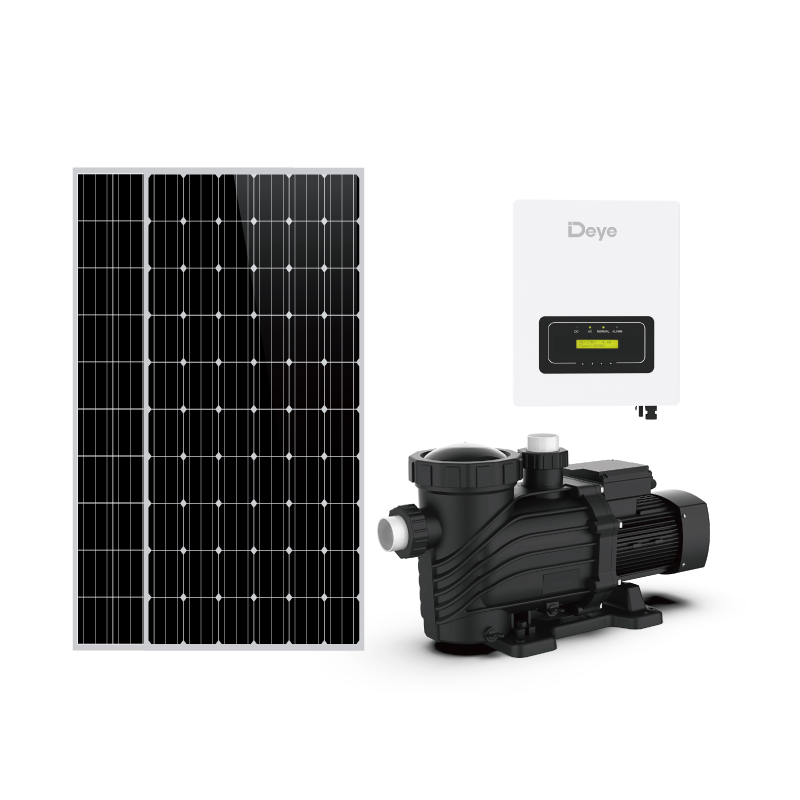 Solar Hybrid ACDC Pump Controller (1100-3000W) & Solar Swimming Pool PumpDeye Solar swimming pool pump is a simple, intelligent and worry-free solution that suitable for various household and commercial swimming pools, hot springs, landscape baths, aquariums and other envi...
 -
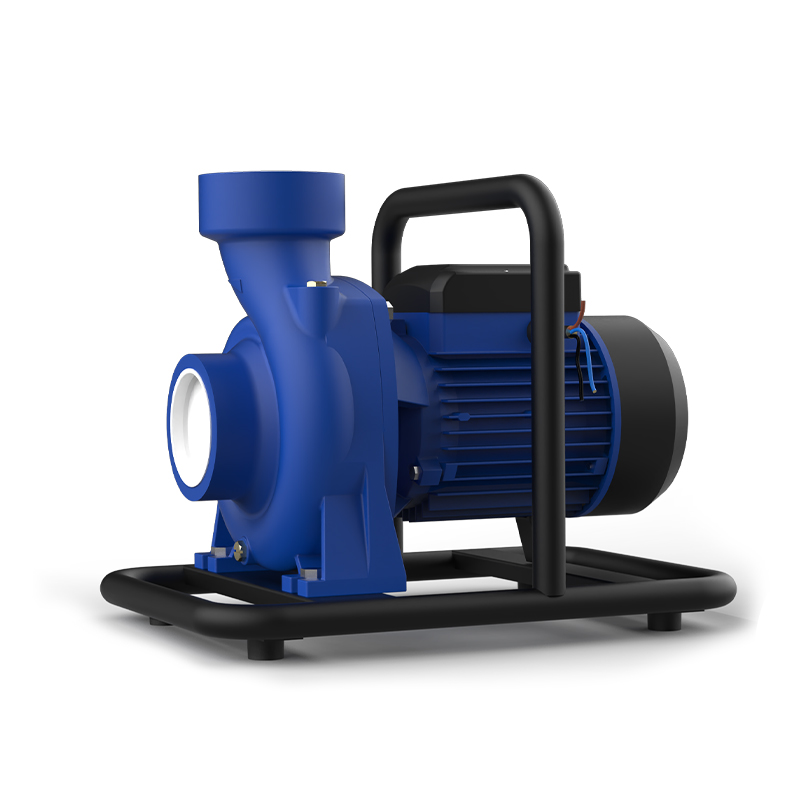 Self-Priming Surface Solar Pump with Automatic Solar Switching AC/DC Pump Controller (2000-3600W) Centrifugal Surface Solar PumpIt adopts exclusive jet hydraulic structure for powerful self-priming capacity; the whole pump can be fixed on the ground to draw water from shallow wells, rivers and ponds without submerging. Benefit...
 -
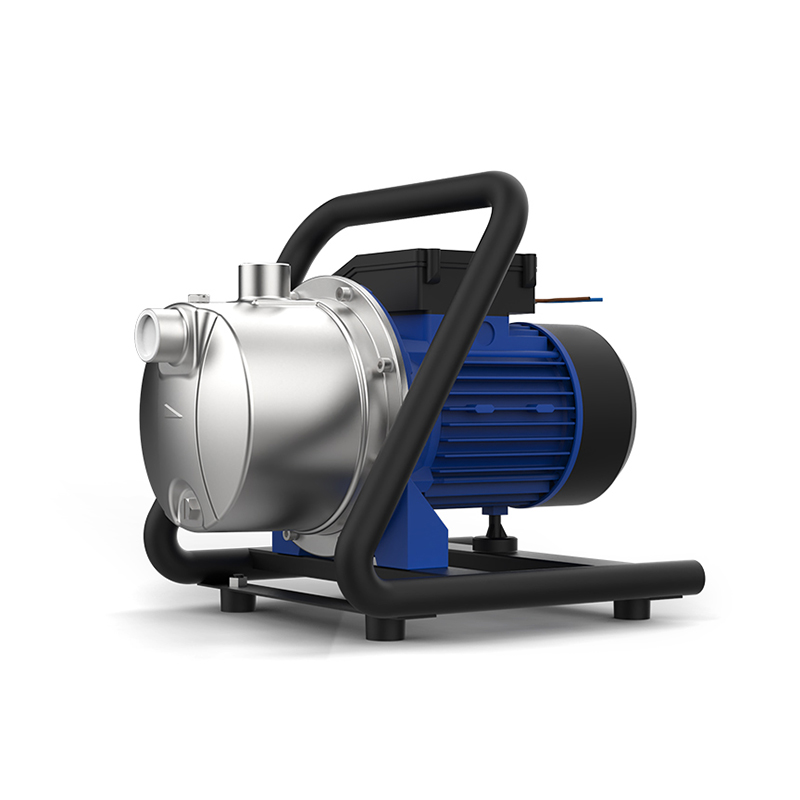 Centrifugal Surface Solar Pump with Automatic Solar Switching AC/DC Pump Controller (2000-3600W) Centrifugal Surface Solar PumpThis 2000–3600W AC/DC auto-switch centrifugal surface solar pump is fitted with high-efficiency PMSM brushless motor, genuine Japanese NSK bearings and full-copper winding; its AISI304 stainless steel...
Solar Powered Water Pump Supplier
About Deye
Zhejiang Deye Electrical Appliances Co., Ltd.
Since its establishment in 1990, Deye Group has been dedicated to the research, development, and manufacturing of submersible pumps and pump controllers. We are built on a foundation of precision engineering and a commitment to manufacturing excellence.
At Deye, advanced production technologies and stringent quality control processes are integrated into every stage of manufacturing. This disciplined approach, supported by our team of dedicated engineers, ensures that every submersible pump, pool pump, and controller we deliver meets the highest standards of performance, durability, and reliability.
We go beyond manufacturing pumps; we build trust. Deye Group is a China 3hp Solar Water Pump Factory and Solar Powered Water Pump Supplier, committed to providing stable, efficient, and intelligent water system solutions for global users, striving to be your trusted long-term partner.
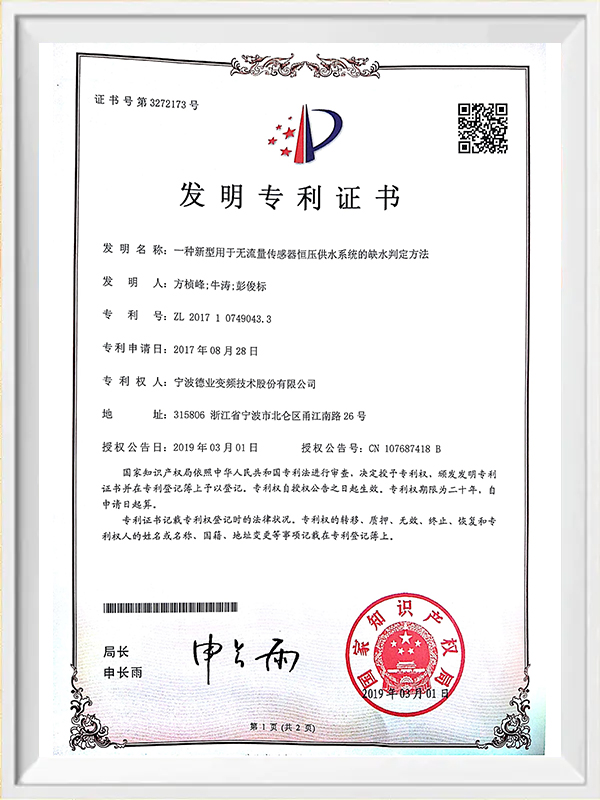
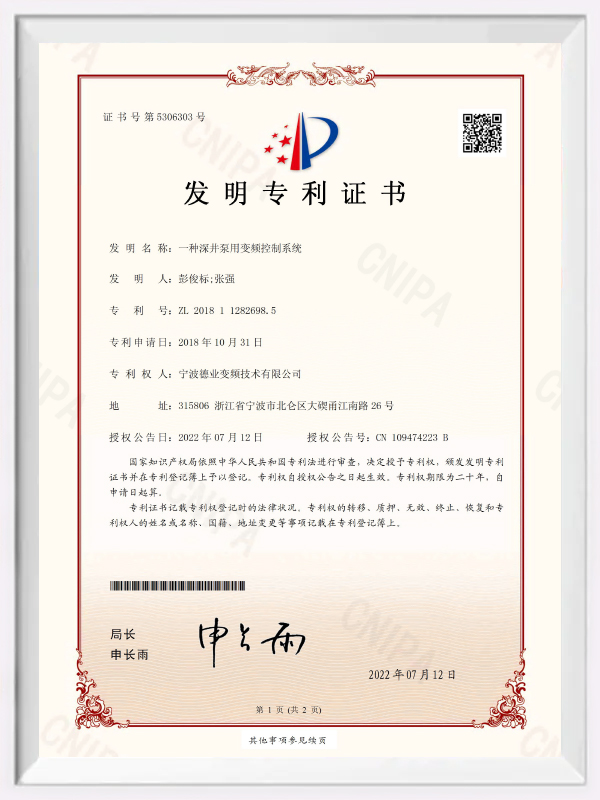
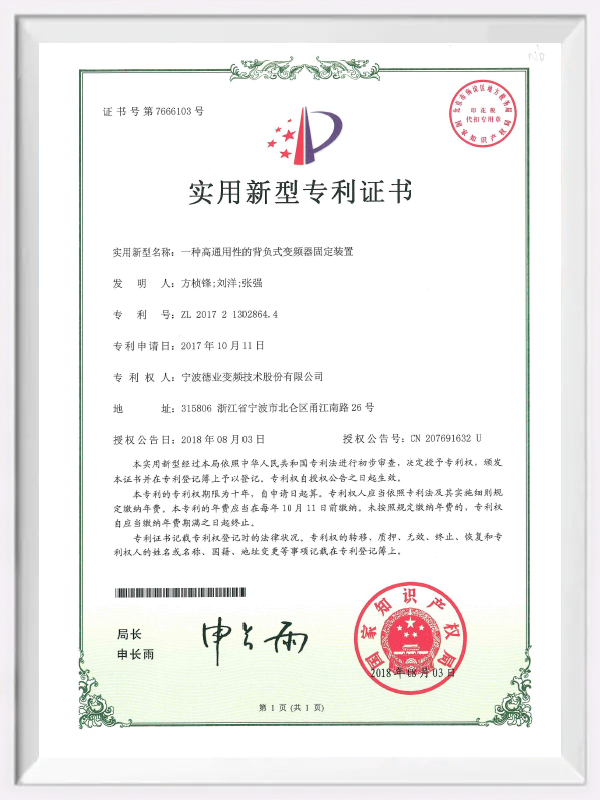
Certificate Of Honor
Recent News
-
-
A pond solar pump is a photovoltaic-powered water pump that moves water from a pond for aeration, circulation, irrigation, or transfer. If your pond has no reliable grid connection, a solar pump can keep water moving without trenching power lines or running ...
Read More -
A solar deep well water pump is a submersible pump powered by photovoltaic panels, designed to lift water from deep boreholes where grid electricity is unreliable or unavailable. The fastest way to pick the right system is to work out three numbers first: to...
Read More
Message Feedback
Products Industry Knowledge
1. What Is a Solar Powered Water Pump
A solar powered water pump is a pumping system that uses photovoltaic (PV) panels to convert sunlight into electrical energy, which then drives a pump motor to move water. Unlike grid-connected or diesel-powered systems, solar pump systems can operate independently of external power infrastructure, making them suitable for remote or off-grid locations.
The core components of a solar pump system include PV panels, a solar pump controller (MPPT/VFD), a pump motor, and associated wiring and mounting hardware. The controller plays a critical role in regulating power conversion and protecting the motor under variable solar conditions.
2. Types of Solar Powered Water Pumps
2.1 By Installation Type
- Submersible Solar Pump: Installed underwater in wells, boreholes, or tanks. Suitable for deep water extraction with high efficiency and low noise.
- Surface Solar Pump: Installed above ground, draws water from open water sources such as rivers, ponds, or shallow wells. Easier to maintain but limited to lower head applications.
2.2 By Motor Type
- DC Brushless Motor Pump: Direct current motor with no mechanical brushes. Lower maintenance requirement and longer service life.
- AC Motor Pump with Solar Inverter: Standard AC motor driven by a solar inverter or VFD controller. Compatible with both solar and grid power input.
2.3 By Power Range
- Small-scale (under 1 kW): Household water supply, garden irrigation, livestock watering.
- Mid-scale (1–10 kW): Agricultural irrigation, community water supply, fish farming.
- Large-scale (above 10 kW): Industrial water supply, large irrigation districts, municipal projects.
3. Key Technical Parameters
When selecting a solar pump system, the following parameters should be evaluated:
| Parameter | Description |
| Flow Rate (Q) | Volume of water delivered per unit time, typically in m3/h or L/min |
| Total Head (H) | Vertical lift plus pipe friction losses, measured in meters |
| Motor Power (kW) | Rated power consumption of the pump motor |
| Solar Panel Input (Voc / Vmp) | Open-circuit voltage and maximum power point voltage of the PV array |
| MPPT Efficiency | Efficiency of the controller in tracking the maximum power point of PV panels |
| Protection Rating (IP) | Dust and water ingress protection, commonly IP68 for submersible applications |
4. Application Scenarios
- Agricultural Irrigation: Solar pumps are widely deployed for drip and sprinkler irrigation in regions with limited grid access, reducing operational fuel costs.
- Drinking Water Supply: Rural communities and remote villages use solar borehole pumps to access groundwater for daily consumption.
- Livestock Watering: Automated solar pump systems deliver water to livestock troughs without requiring manual operation.
- Pool and Fountain Circulation: Solar-driven circulation pumps are used in residential pools and decorative water features.
- Aquaculture: Aeration and water circulation in fish ponds and shrimp farms can be supported by solar pump systems.
5. Solar Pump vs. Conventional Pump: Comparison
| Criteria | Solar Pump | Grid-Powered Pump | Diesel Pump |
| Energy Source | Sunlight (renewable) | Utility grid | Diesel fuel |
| Operating Cost | Low (no fuel, low maintenance) | Medium (electricity tariffs) | High (fuel + maintenance) |
| Remote Applicability | High | Limited by grid access | Medium (fuel supply needed) |
| Initial Investment | Higher upfront | Medium | Medium to high |
| Emission | Zero operational emission | Indirect emissions | Direct CO2 and NOx emissions |
| Nighttime / Cloudy Operation | Requires battery or hybrid setup | Uninterrupted | Uninterrupted |
6. The Role of the Solar Pump Controller
The solar pump controller is one of the most critical components in the system. It performs the following functions:
- MPPT (Maximum Power Point Tracking): Continuously adjusts the electrical operating point to extract maximum available power from the PV array under varying sunlight conditions.
- Variable Frequency Drive (VFD): Converts DC solar power to variable frequency AC output to smoothly regulate motor speed based on available solar energy.
- Protection Functions: Includes over-voltage, under-voltage, over-current, dry-run, and over-temperature protection to extend pump lifespan.
- Dual Power Input: Advanced controllers support both solar and grid/generator input, ensuring operation during insufficient sunlight.
Deye Group, with over 30 years of experience in submersible pump controllers and pump manufacturing, integrates precision electronics with robust mechanical engineering in its controller and pump product lines.
7. System Design Considerations
- Solar Resource Assessment: Daily peak sun hours at the installation site determine the required PV panel capacity.
- Hydraulic Calculation: Total dynamic head (TDH) and required flow rate must be calculated before selecting pump model and power rating.
- Panel Sizing: PV array capacity should be oversized by 20-30% to account for panel degradation, dust, and temperature losses.
- Battery Storage (Optional): For applications requiring water supply after sunset, battery banks can store excess solar energy.
- Water Storage Tank: A common and cost-effective alternative to batteries; water is pumped and stored during daylight for use at any time.
- Pipe Selection: Pipe diameter, material, and length affect friction losses and should be factored into the total head calculation.
8. Frequently Asked Questions
Q1: Can a solar pump operate on cloudy days?
Yes. Solar pumps can operate under diffuse light conditions, though at reduced capacity. The MPPT controller automatically adjusts motor speed to match available solar power, preventing system shutdowns from minor irradiance fluctuations.
Q2: What is the typical lifespan of a solar pump system?
PV panels generally have a rated lifespan of 20 to 25 years. Submersible pump motors typically last 5 to 15 years depending on water quality, usage frequency, and the effectiveness of protection mechanisms in the controller.
Q3: Is a battery required in a solar pump system?
A battery is not mandatory. Most solar pump systems use a water storage tank as a buffer, which is more cost-effective than battery storage for the majority of agricultural and domestic water supply applications.
Q4: How should the PV panel capacity be matched to the pump?
As a general guideline, the total PV panel wattage should be 1.2 to 1.5 times the rated motor power (in watts) to ensure adequate energy supply under real-world solar conditions. Specific sizing should always be based on a site-specific solar irradiance analysis.
Q5: What maintenance does a solar pump system require?
Routine maintenance includes cleaning PV panel surfaces to remove dust and debris, inspecting electrical connections for corrosion, and periodically checking pump performance against original specifications. Brushless DC and submersible motor designs generally require less frequent mechanical servicing.

- No. 26, Yongjiang South Road, Beilun Dirstrict, Ningbo City, Zhejiang, China.
-
[email protected] ( Daniel )
+86-13923361908 ( WhatsApp )
-
[email protected] ( Chris )
+86-18186995218 ( WhatsApp )
-
+86-15888503217 ( Mark Pan )
[email protected] ( WhatsApp )
QUICK LINK
SUPPORT
Copyright ©Zhejiang Deye Electrical Appliances Co., Ltd. All Rights Reserved. 3hp Solar Water Pump Factory Solar Powered Water Pump Supplier

 Back to Top