
 русский
 Français
 Español
 عربى
عربى Deutsch
 Português
 italiano
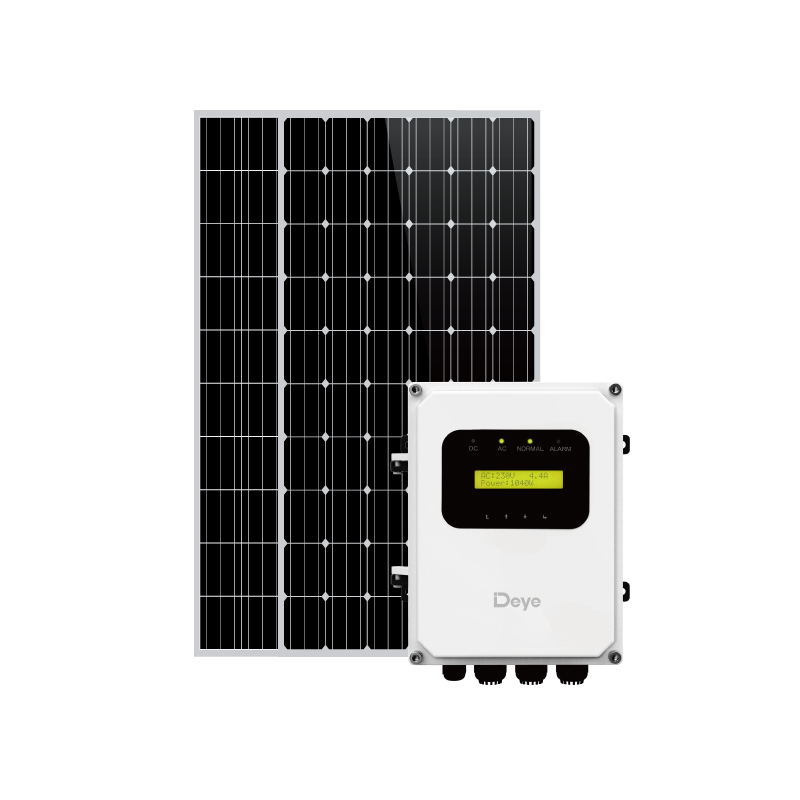
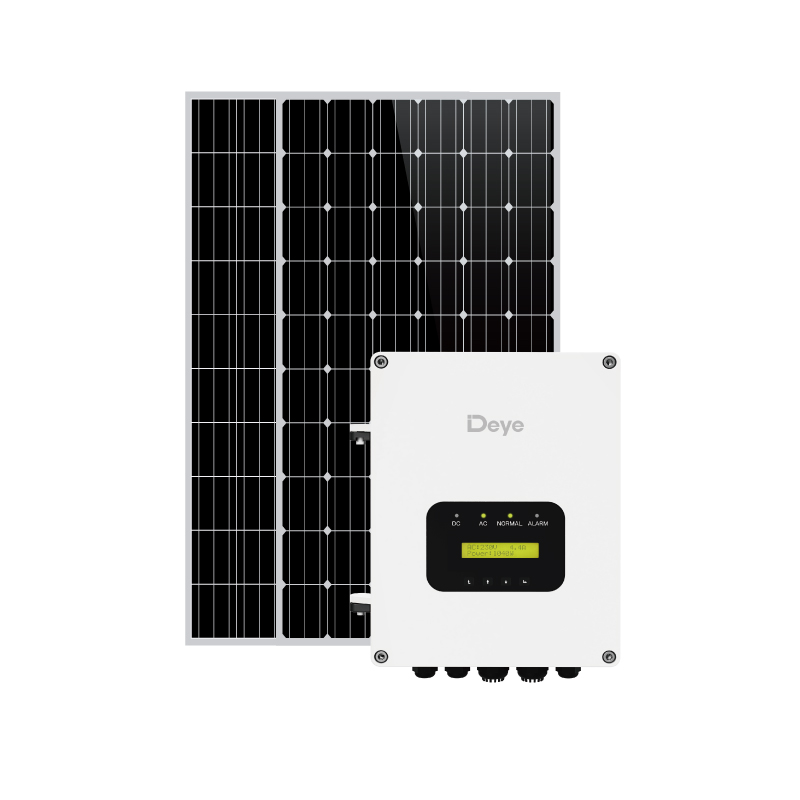
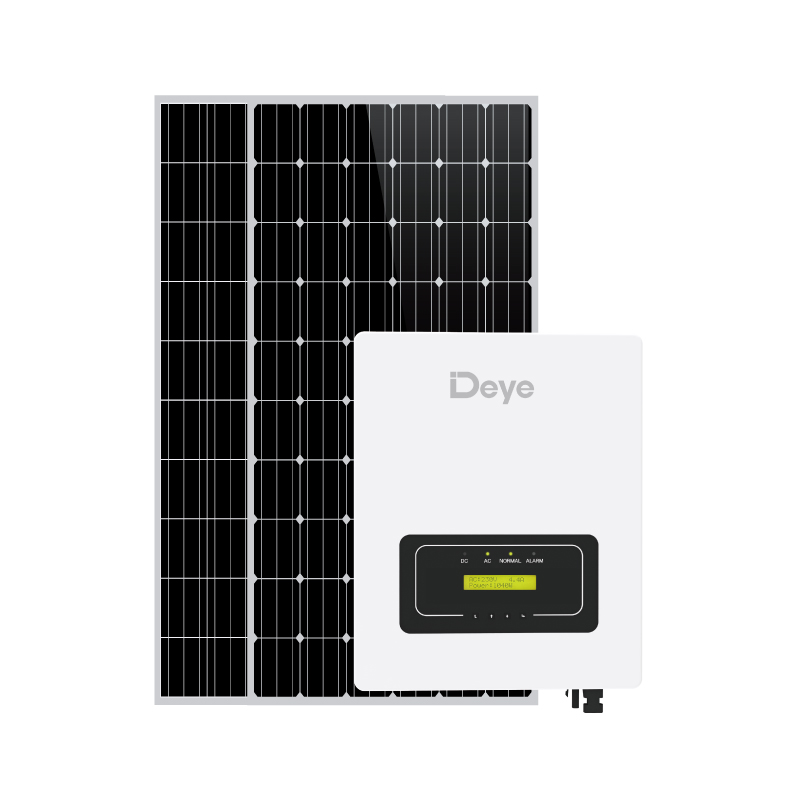
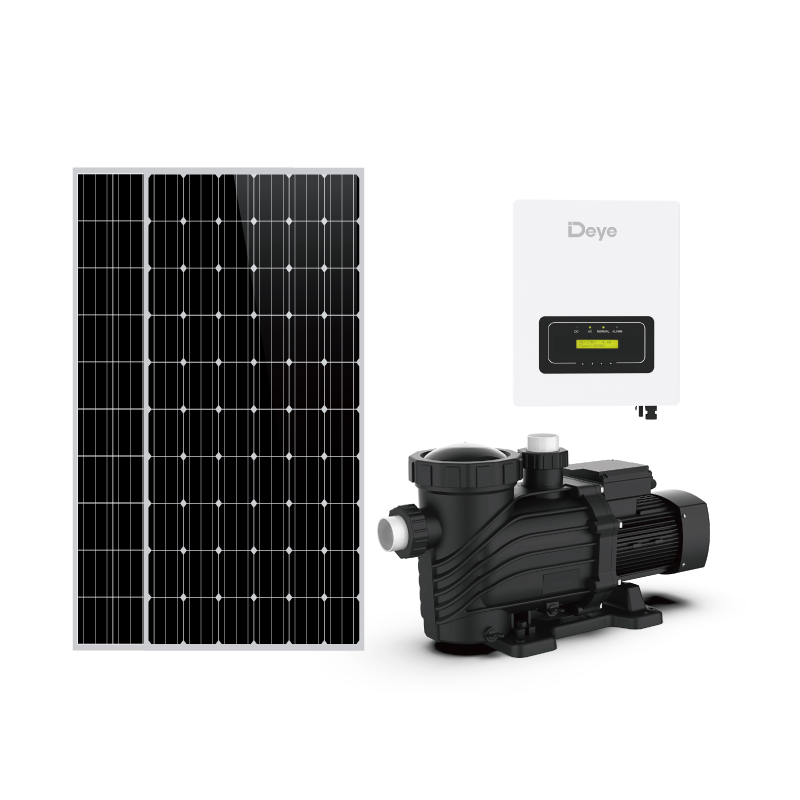
Two identical 3-inch submersible pumps, installed a few hundred metres apart on the same kind of borehole, can behave completely differently: one lifts water all afternoon, the other stalls before noon. The pumps are the same. The off-grid power architecture...
Read More
-
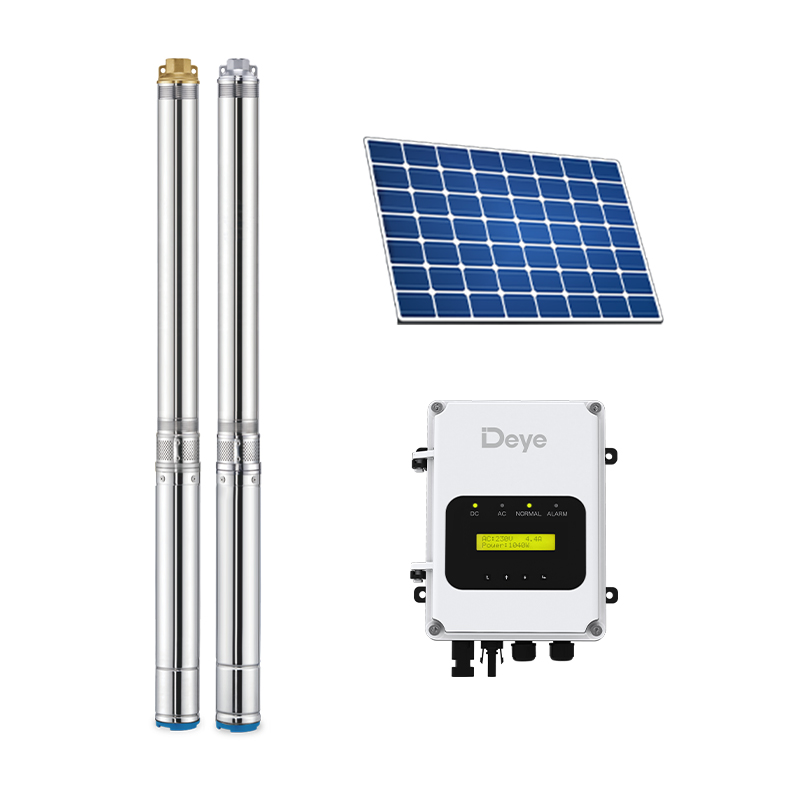
3 Inch Solar AC/DC Pump Controller (400-1500W) Plastic Impeller Submersible Pumps
-
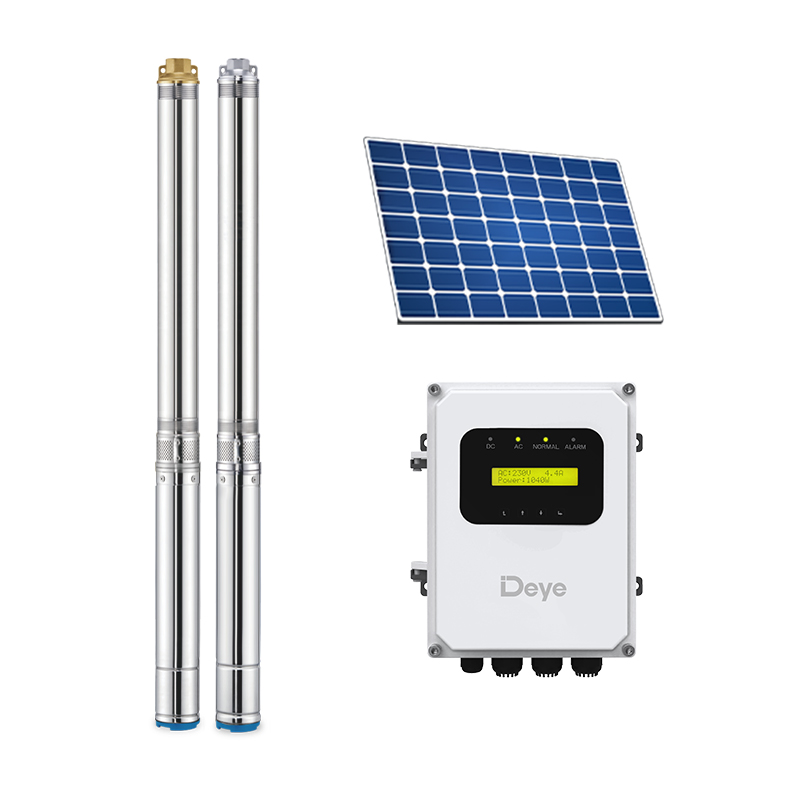
4 Inch Solar AC/DC Pump Controller (600-3000W) Plastic Impeller Submersible Pumps
-
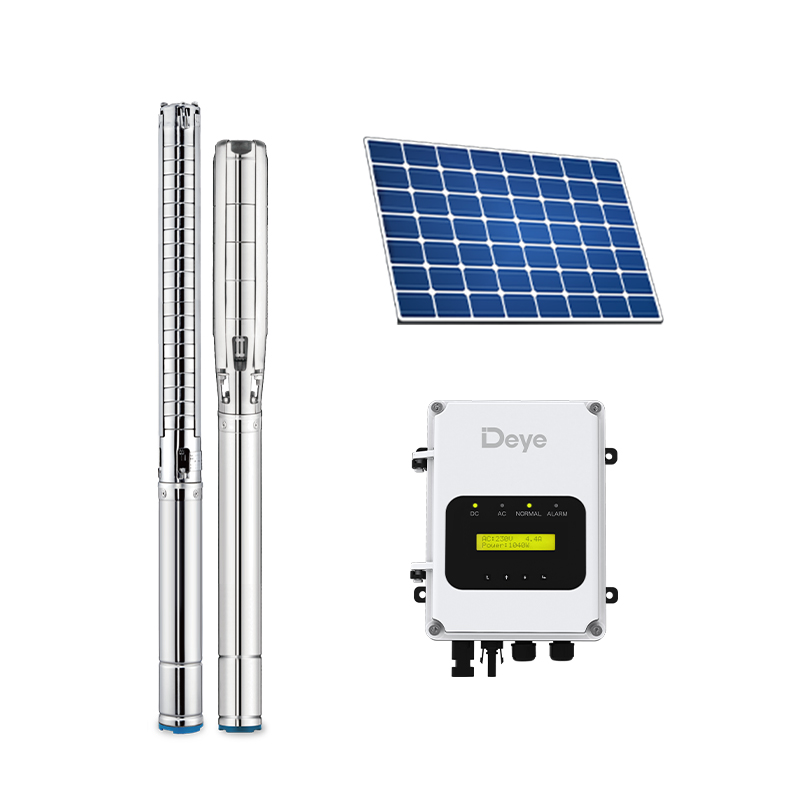
4 Inch Solar AC/DC Pump Controller (800-3000W) Stainless Steel Impeller Submersible Pumps
-
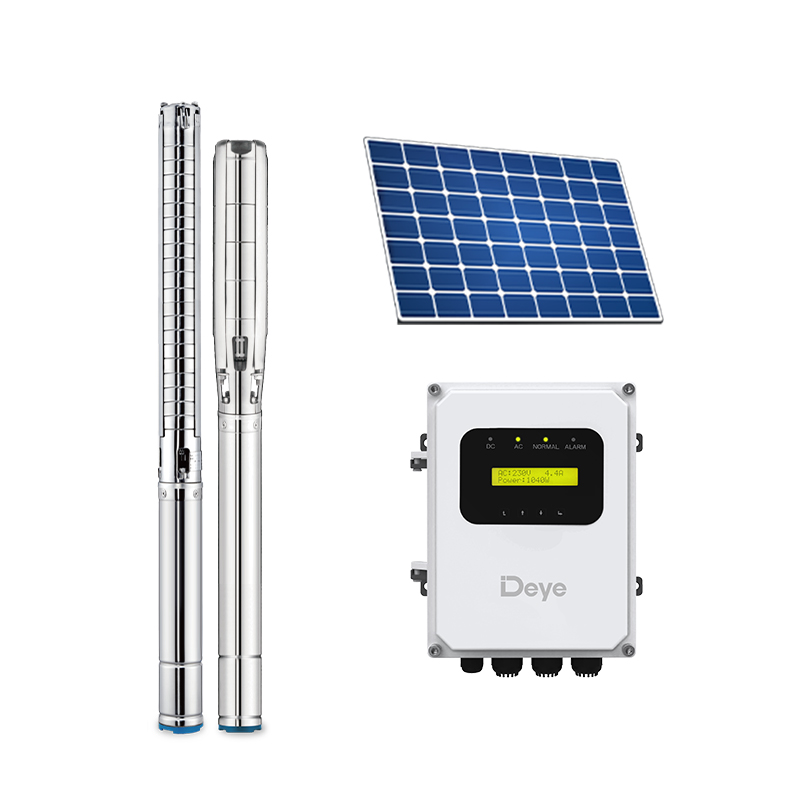
6 Inch Solar AC/DC Pump Controller (800-3000W) Stainless Steel Impeller Submersible Pumps
-
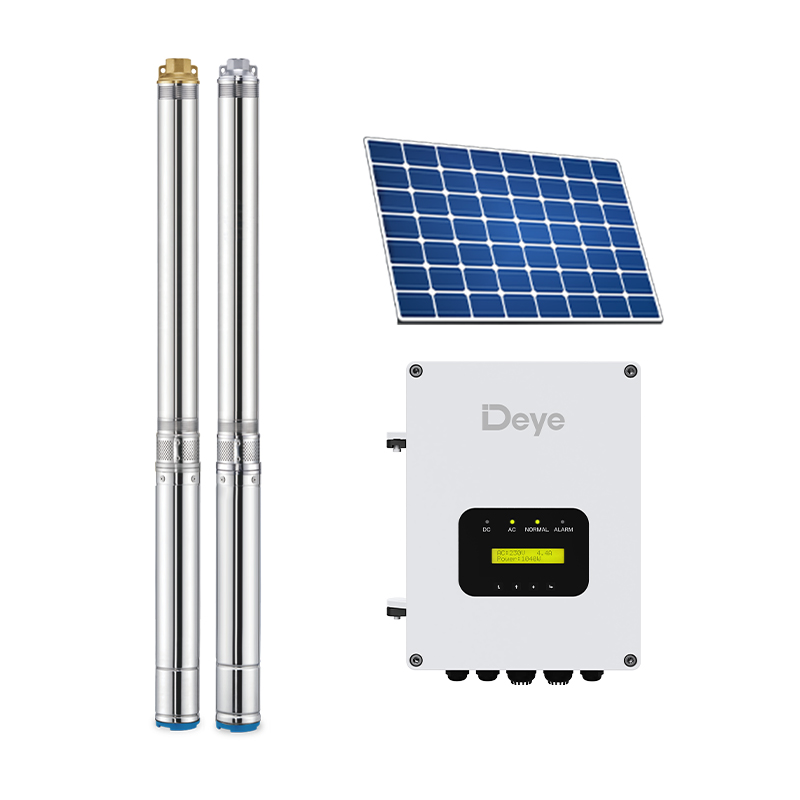
4 Inch High Speed Submersible Solar Pump(5500-13000W)Plastic Impeller Submersible Pumps
-
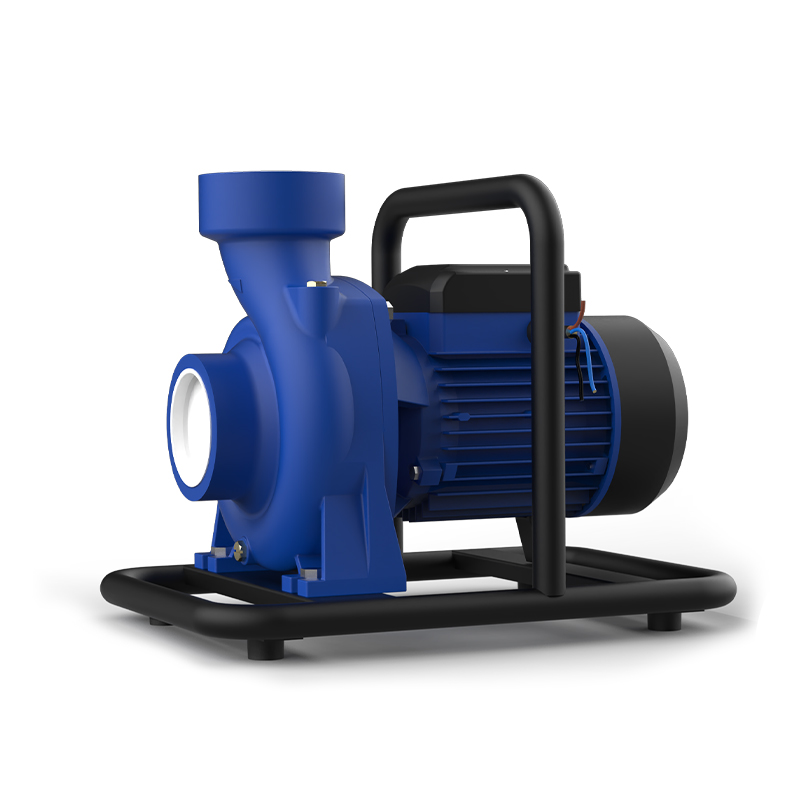 Self-Priming Surface Solar Pump with Automatic Solar Switching AC/DC Pump Controller (2000-3600W) Centrifugal Surface Solar PumpIt adopts exclusive jet hydraulic structure for powerful self-priming capacity; the whole pump can be fixed on the ground to draw water from shallow wells, rivers and ponds without submerging. Benefit...
 -
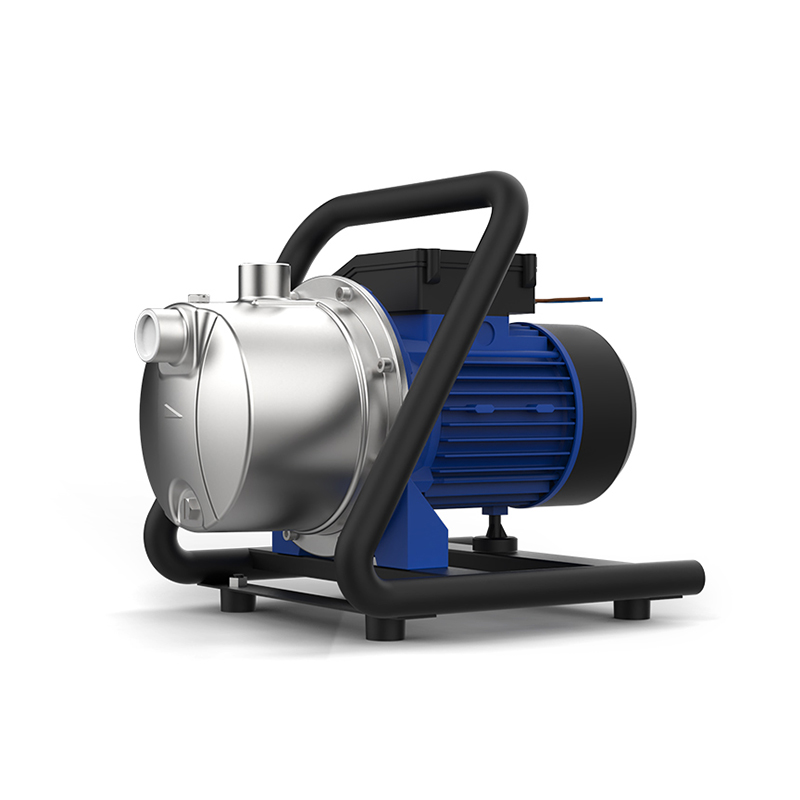 Centrifugal Surface Solar Pump with Automatic Solar Switching AC/DC Pump Controller (2000-3600W) Centrifugal Surface Solar PumpThis 2000–3600W AC/DC auto-switch centrifugal surface solar pump is fitted with high-efficiency PMSM brushless motor, genuine Japanese NSK bearings and full-copper winding; its AISI304 stainless steel...
Solar Surface Water Pump Manufacturer
Deye Solar surface pump main power source comes from the solar panels, and automatic switch to the grid when Solar power not enough, which realizes the off-grid only or off-grid/on-grid automatic maintenance-free working state to save operating costs. When the solar ground pump is running, it can pump water from ponds, lakes, and shallow water areas directly to the water source you need through the pumping pipe. It provides users with a convenient water supply environment. The Deye solar surface water pump has good anti-corrosion and anti-rust effects, easy installation, high efficiency, and good maintenance-free performance, ensuring that the solar water pump has low noise and long service life during use. maximizes the pumping efficiency, minimizes the user's use cost.
About Deye
Zhejiang Deye Electrical Appliances Co., Ltd.
Since its establishment in 1990, Deye Group has been dedicated to the research, development, and manufacturing of submersible pumps and pump controllers. We are built on a foundation of precision engineering and a commitment to manufacturing excellence.
At Deye, advanced production technologies and stringent quality control processes are integrated into every stage of manufacturing. This disciplined approach, supported by our team of dedicated engineers, ensures that every submersible pump, pool pump, and controller we deliver meets the highest standards of performance, durability, and reliability.
We go beyond manufacturing pumps; we build trust. Deye Group is a China Solar Centrifugal Pump Factory and Solar Surface Water Pump Manufacturer, committed to providing stable, efficient, and intelligent water system solutions for global users, striving to be your trusted long-term partner.
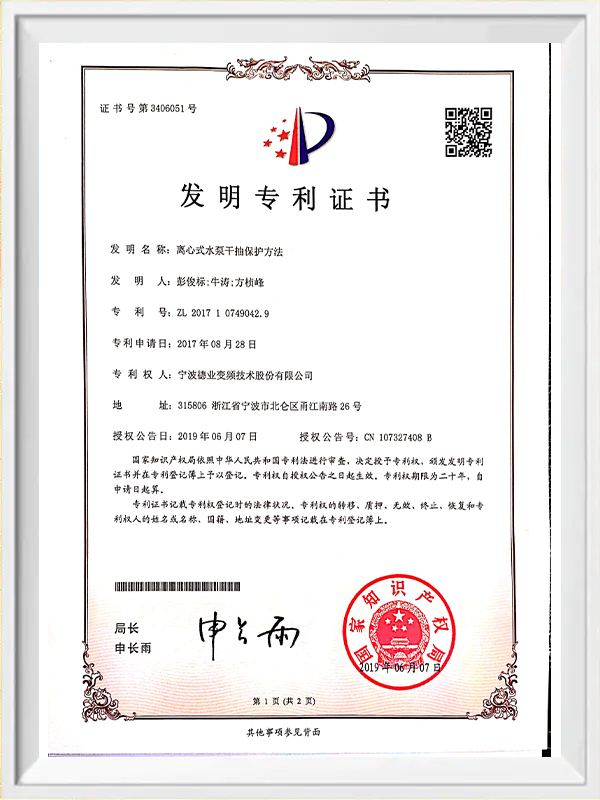
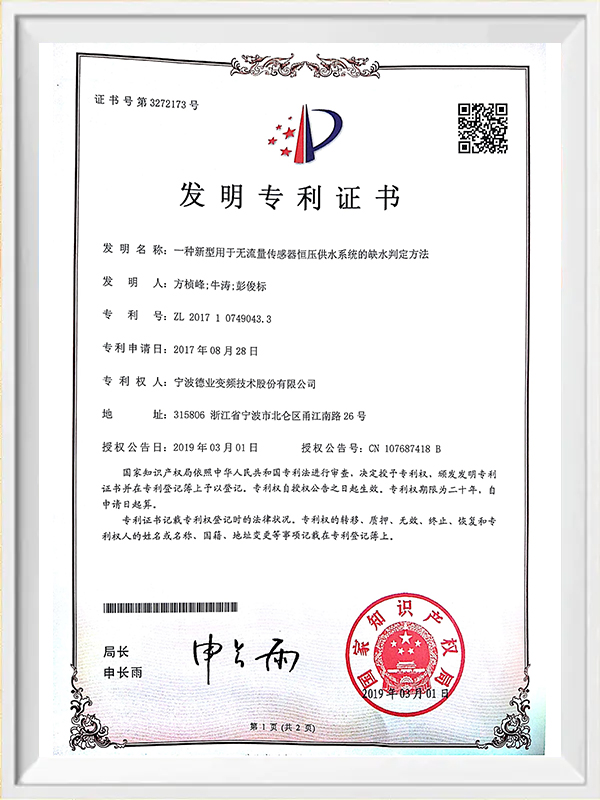
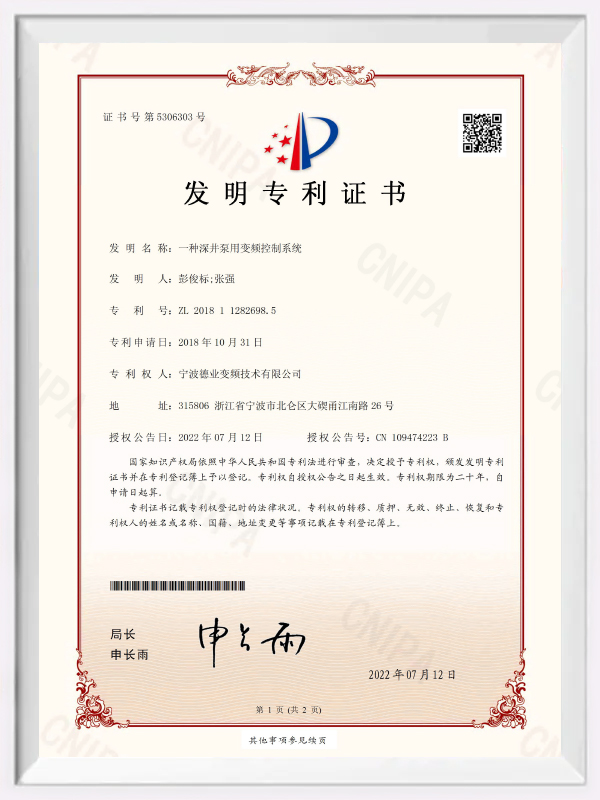
Certificate Of Honor
Recent News
-
-
A pond solar pump is a photovoltaic-powered water pump that moves water from a pond for aeration, circulation, irrigation, or transfer. If your pond has no reliable grid connection, a solar pump can keep water moving without trenching power lines or running ...
Read More -
A solar deep well water pump is a submersible pump powered by photovoltaic panels, designed to lift water from deep boreholes where grid electricity is unreliable or unavailable. The fastest way to pick the right system is to work out three numbers first: to...
Read More
Message Feedback
Solar Surface Pump Industry Knowledge
1. What Is a Solar Surface Pump
A solar surface pump is a pump unit installed above ground that draws water from a nearby open water source such as a river, pond, canal, lake, or shallow well, powered entirely or primarily by photovoltaic (PV) solar panels. The motor and pump are both mounted at the surface, connected to a solar pump controller that regulates power input and output.
Surface pumps operate on the principle of suction: they create negative pressure at the inlet to draw water upward through an intake pipe before pressurizing and discharging it through the delivery side. This distinguishes them from submersible pumps, which push water upward from below. Practical suction lift for surface pumps is limited by atmospheric pressure to approximately 7 to 8 meters under real-world conditions.
As part of Deye Group's water system solutions portfolio, surface pump systems complement the company's submersible pump product lines by addressing applications where water sources are accessible at or near the surface level.
2. Core Components of a Solar Surface Pump System
- PV Solar Panels: Generate DC electricity from sunlight to power the pump system.
- Solar Pump Controller: Manages MPPT power tracking, motor speed regulation, and protection functions; may support hybrid solar and grid input.
- Surface Pump Unit: Includes the motor and pump body mounted on a common base frame at the installation site.
- Inlet Pipe and Foot Valve: Conveys water from the source to the pump inlet; the foot valve prevents backflow and maintains pump prime.
- Strainer or Filter: Fitted at the inlet to prevent debris, leaves, and sediment from entering the pump body.
- Discharge Pipe and Pressure Gauge: Delivers pressurized water to the distribution system; a gauge monitors operating pressure.
- Priming Port: Used to fill the pump and inlet pipe with water before initial startup to establish suction.
3. Types of Solar Surface Pumps
3.1 By Pump Hydraulic Design
| Pump Type | Working Principle | Flow Characteristic | Typical Use |
| Centrifugal Surface Pump | Rotating impeller converts kinetic energy to pressure | High flow, moderate head | Irrigation, water transfer, pond pumping |
| Self-Priming Surface Pump | Centrifugal with internal recirculation for priming | Moderate flow and head | Domestic supply, small-scale irrigation |
| Multistage Surface Pump | Multiple impeller stages in series | Lower flow, higher head | Pressurized distribution, elevated tank filling |
| Peripheral (Regenerative) Pump | Vortex-assisted pressure build-up | Low flow, higher pressure | Clean water domestic use, garden irrigation |
3.2 By Motor Type
- DC Motor Surface Pump: Directly compatible with PV panel output; simpler system design with fewer conversion stages. Suited to small power ranges.
- AC Motor Surface Pump with Solar Inverter Controller: Standard AC induction motor driven by a solar pump inverter/controller. Supports wider power ranges and is compatible with both solar and grid power input.
4. Key Technical Parameters
| Parameter | Description |
| Max Suction Lift (m) | Maximum vertical distance below the pump inlet from which water can be drawn; typically 6 to 8 m in practice |
| Total Head (m) | Total pressure the pump can develop, including suction lift, delivery head, and friction losses |
| Flow Rate (m3/h) | Volume of water delivered per hour at rated operating conditions |
| Motor Power (kW) | Rated input power of the pump motor under design conditions |
| Pump Efficiency (%) | Ratio of hydraulic output power to mechanical shaft input power |
| Inlet/Outlet Diameter | Pipe connection size, which determines maximum flow velocity and must be matched to the piping system |
| Protection Rating (IP) | Dust and water ingress protection of the motor; IP44 or IP55 is typical for outdoor surface installations |
5. Application Scenarios
- Surface Water Irrigation: Drawing water from rivers, canals, or reservoirs to irrigate fields via drip, sprinkler, or furrow methods in areas without grid connectivity.
- Pond and Lake Water Transfer: Transferring water between storage ponds, irrigation channels, or treatment basins over flat terrain.
- Shallow Well Water Supply: Drawing water from open or lined shallow wells for domestic use, livestock, or small-scale agriculture where borehole depth does not exceed practical suction lift.
- Flood and Drainage Management: Removing accumulated surface water from low-lying agricultural land or construction sites.
- Water Tank Filling: Pumping water from a ground-level source to an elevated storage tank for gravity-fed distribution to buildings or irrigation systems.
- Aquaculture and Fish Pond Management: Supplying fresh water to fish ponds or maintaining circulation in aquaculture facilities.
6. Solar Surface Pump vs. Solar Submersible Pump
| Criteria | Solar Surface Pump | Solar Submersible Pump |
| Installation | Above ground, near water source | Submerged in borehole, well, or tank |
| Suitable Water Source | Open surface water, shallow wells | Deep boreholes, enclosed wells |
| Max Practical Lift | 7 to 8 m suction, varies by total head | 200 m or more (multi-stage) |
| Priming | Required before first start (non-self-priming types) | Not required |
| Maintenance Access | Directly accessible at surface | Requires extraction from borehole |
| Noise Level | Higher (exposed motor and pump) | Lower (motor submerged) |
| Initial Cost | Generally lower | Generally higher due to sealed construction |
| Risk of Theft or Damage | Higher (exposed equipment) | Lower (concealed underground) |
7. Installation Considerations
- Pump Placement: The pump should be installed as close to the water source as possible and as low as practical to minimize suction lift and reduce the risk of cavitation.
- Inlet Pipe Length and Diameter: Longer or narrower inlet pipes increase friction losses and reduce effective suction capacity. Pipe diameter should be equal to or larger than the pump inlet port.
- Foot Valve Installation: A foot valve at the base of the inlet pipe retains water in the pipe when the pump stops, allowing restart without manual re-priming.
- Shelter and Protection: Surface-mounted motors and controllers should be shielded from direct rainfall, dust, and extreme solar radiation to extend component life.
- Secure Mounting: The pump base frame must be anchored to a stable surface to prevent vibration-induced loosening and misalignment during operation.
8. Frequently Asked Questions
Q1: Why is suction lift limited to around 7 to 8 meters for surface pumps?
Atmospheric pressure at sea level can theoretically support a water column of approximately 10.3 meters. In practice, friction losses in the suction pipe, water temperature, altitude, and vapor pressure reduce the effective suction limit to 7 to 8 meters. Exceeding this limit causes cavitation, which damages the pump impeller and reduces performance.
Q2: Can a solar surface pump handle water containing sediment or algae?
Standard centrifugal surface pumps are designed for relatively clean water. Water with high sediment, sand, or algae content will accelerate wear on impellers and seals. An inlet strainer is essential, and in heavily contaminated sources, a pre-filtration stage should be considered before the pump inlet.
Q3: Does a solar surface pump need a dedicated controller?
Yes. A solar pump controller with MPPT is required to efficiently convert variable PV panel output into stable motor drive power. Without a controller, the motor is subject to voltage fluctuations that reduce efficiency and risk motor damage. The controller also provides essential protections such as dry-run shutdown and over-current cutoff.
Q4: What happens if the water level drops below the inlet pipe during operation?
If the inlet is exposed to air, the pump loses prime and begins running dry. Dry running causes rapid overheating of the pump seals and motor bearings. A dry-run protection feature in the solar pump controller detects the abnormal condition via current drop or a water level sensor and shuts the pump down automatically to prevent damage.
Q5: How many PV panels are needed for a solar surface pump?
The required PV array capacity depends on the motor rated power, daily peak sun hours at the site, and system efficiency losses. As a general guideline, total panel wattage should be approximately 1.2 to 1.5 times the motor rated power in watts. A site-specific solar irradiance assessment provides the most accurate sizing basis.

- No. 26, Yongjiang South Road, Beilun Dirstrict, Ningbo City, Zhejiang, China.
-
[email protected] ( Daniel )
+86-13923361908 ( WhatsApp )
-
[email protected] ( Chris )
+86-18186995218 ( WhatsApp )
-
+86-15888503217 ( Mark Pan )
[email protected] ( WhatsApp )
QUICK LINK
SUPPORT
Copyright ©Zhejiang Deye Electrical Appliances Co., Ltd. All Rights Reserved. Solar Centrifugal Pump Factory Solar Surface Water Pump Manufacturer

 Back to Top