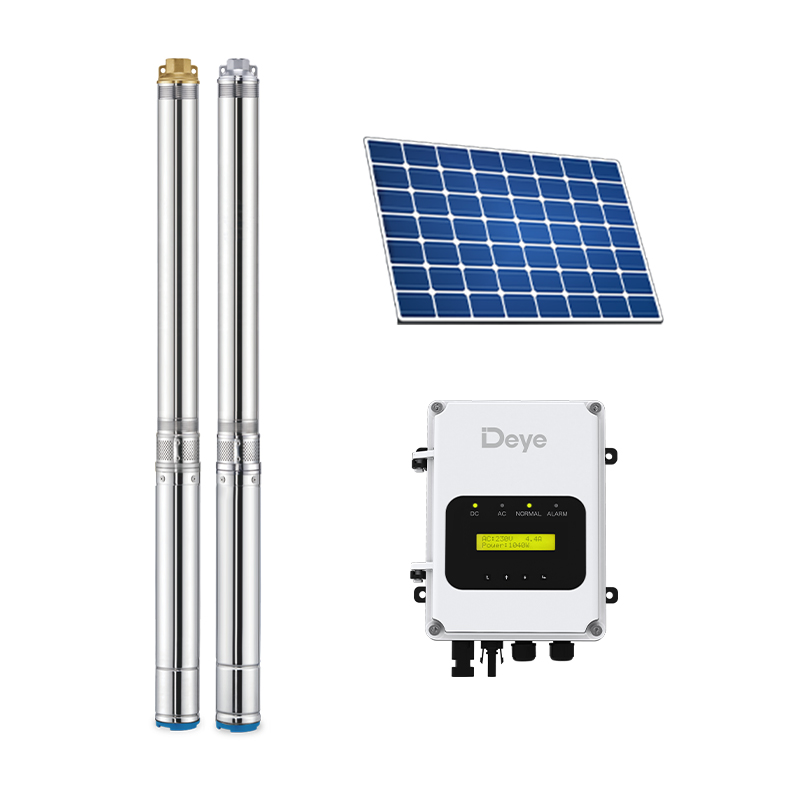
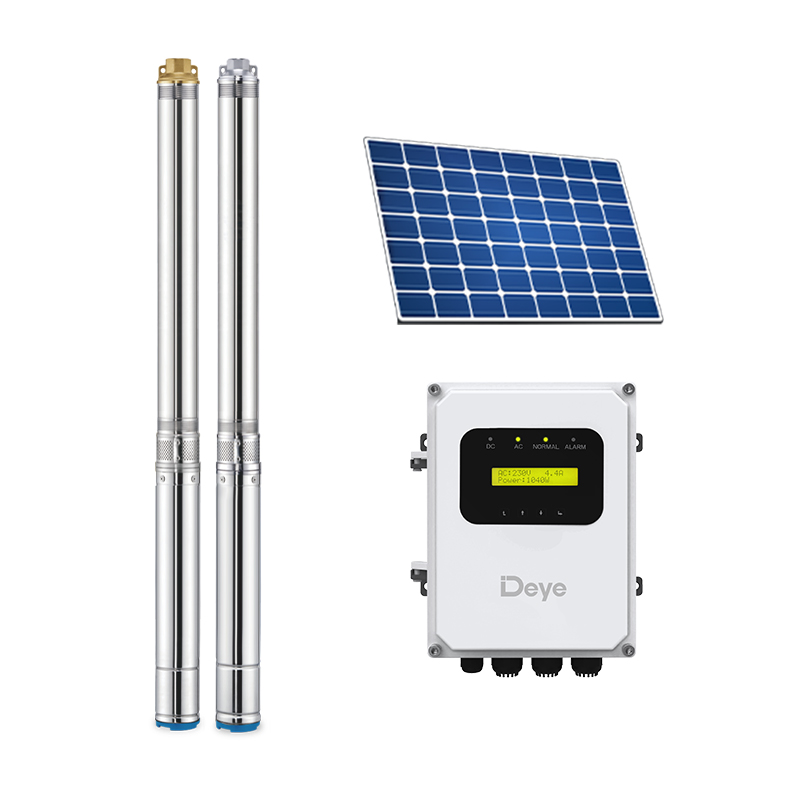
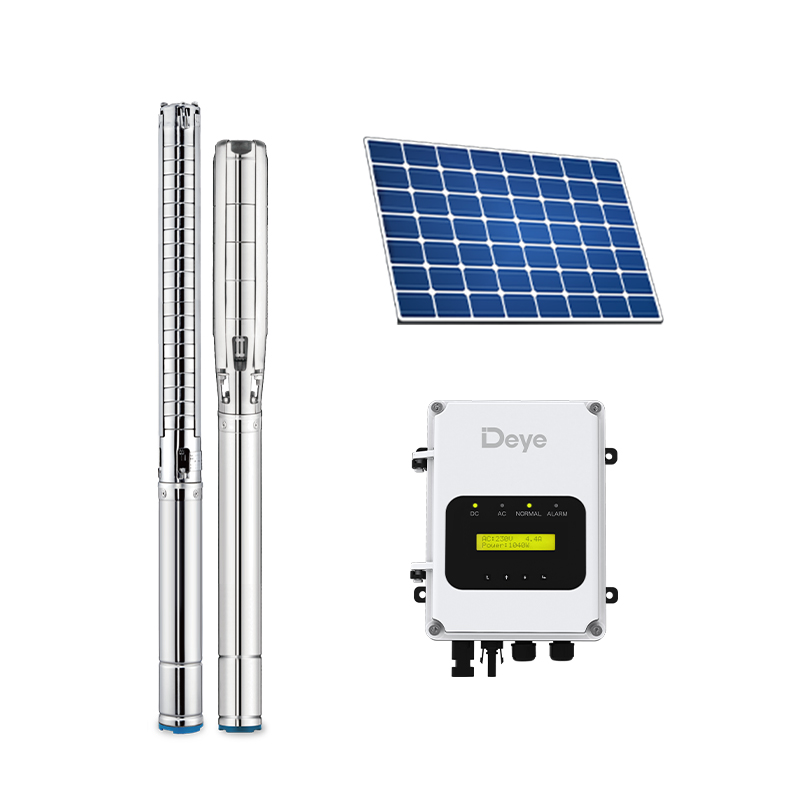
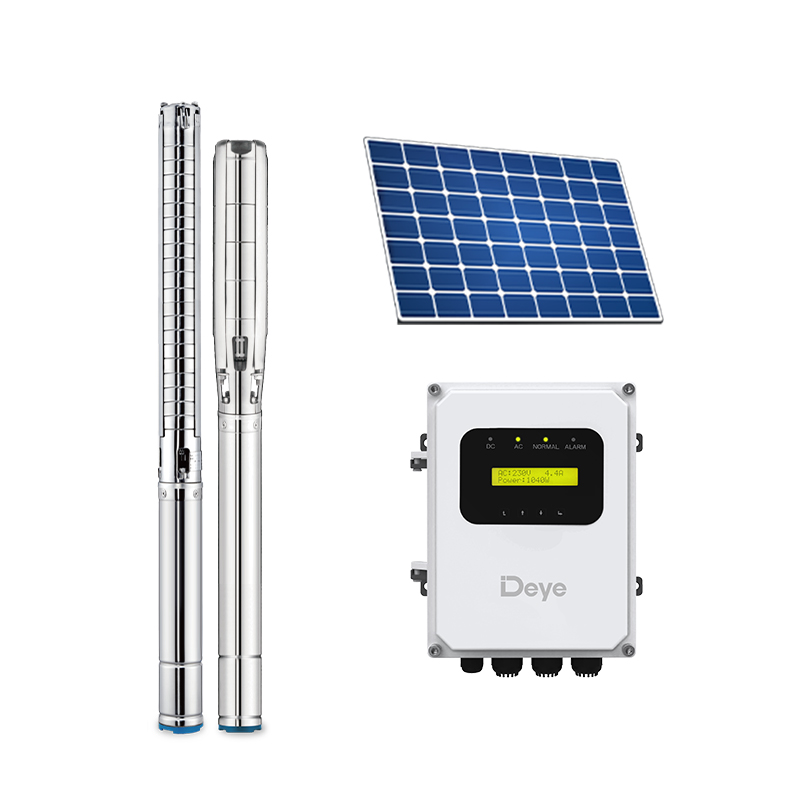
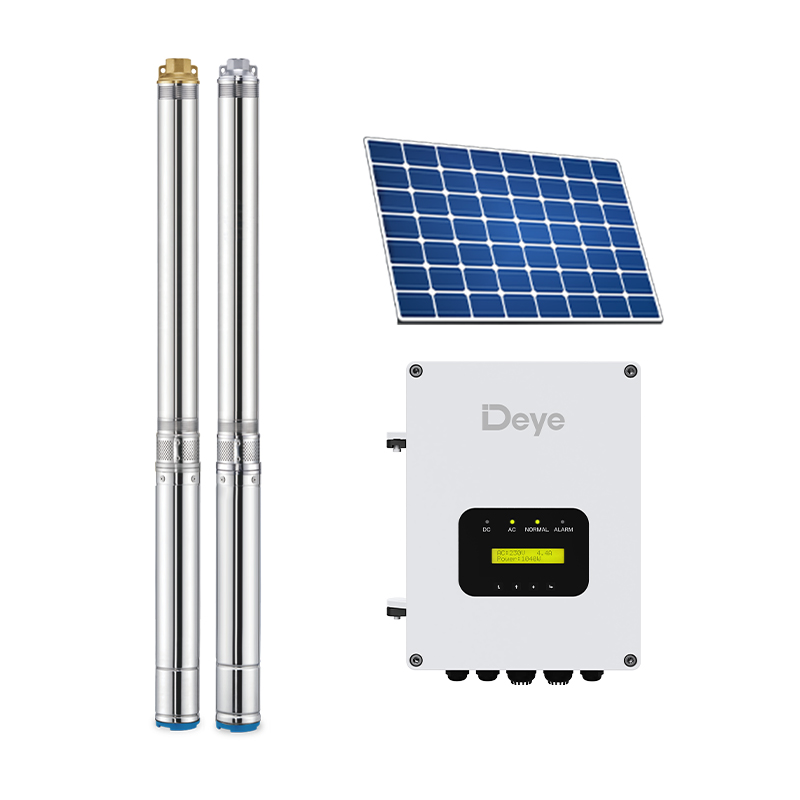
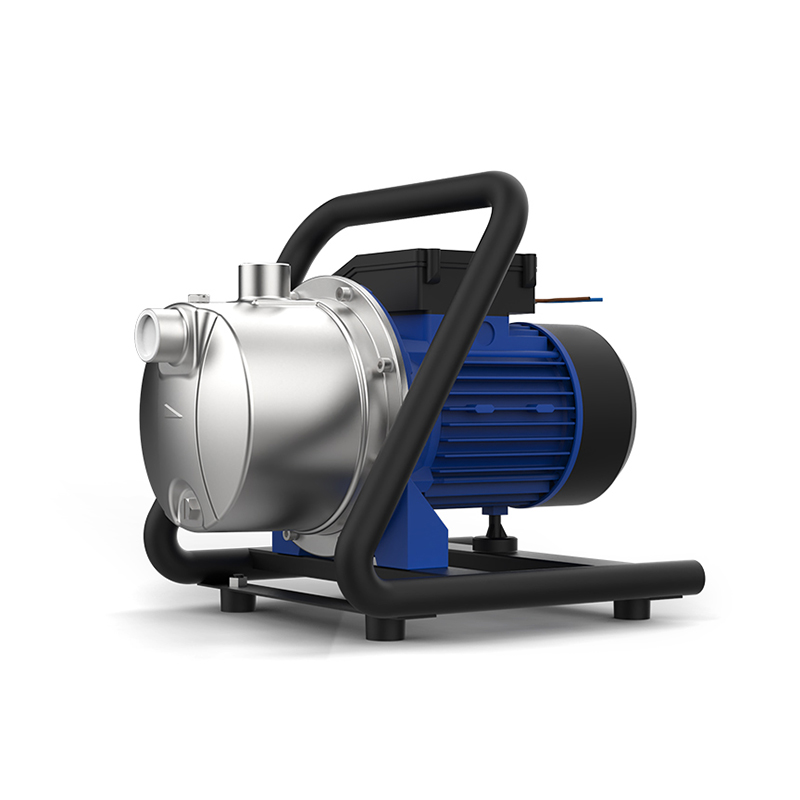
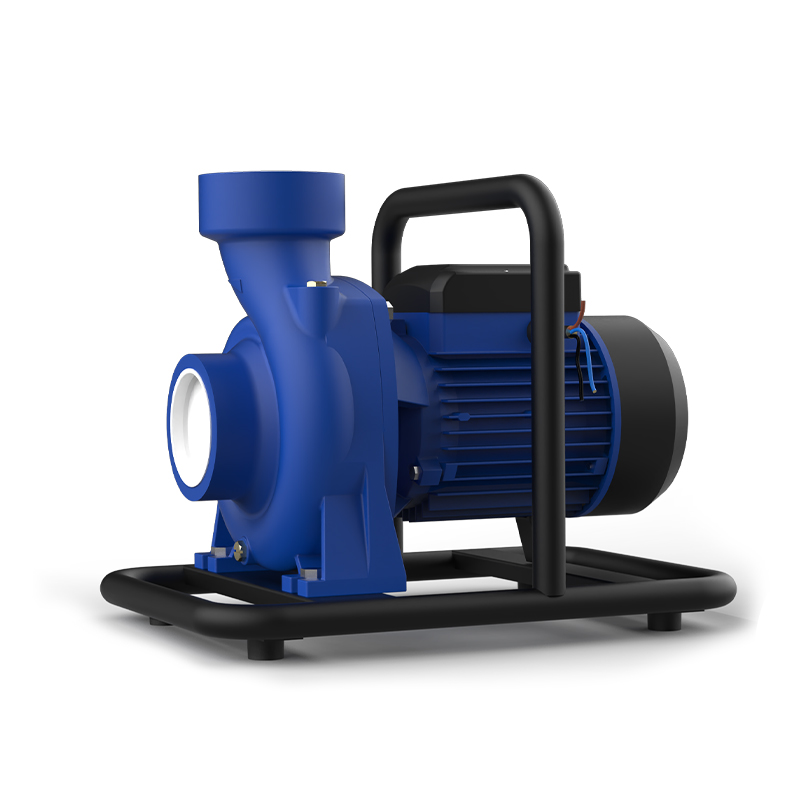
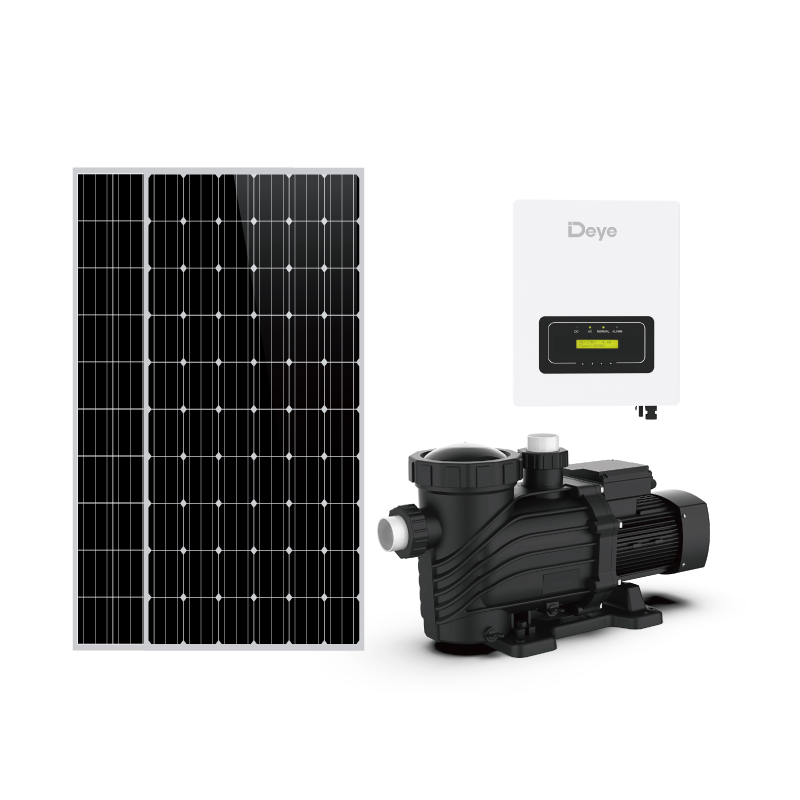
1. Product Concept and Definition
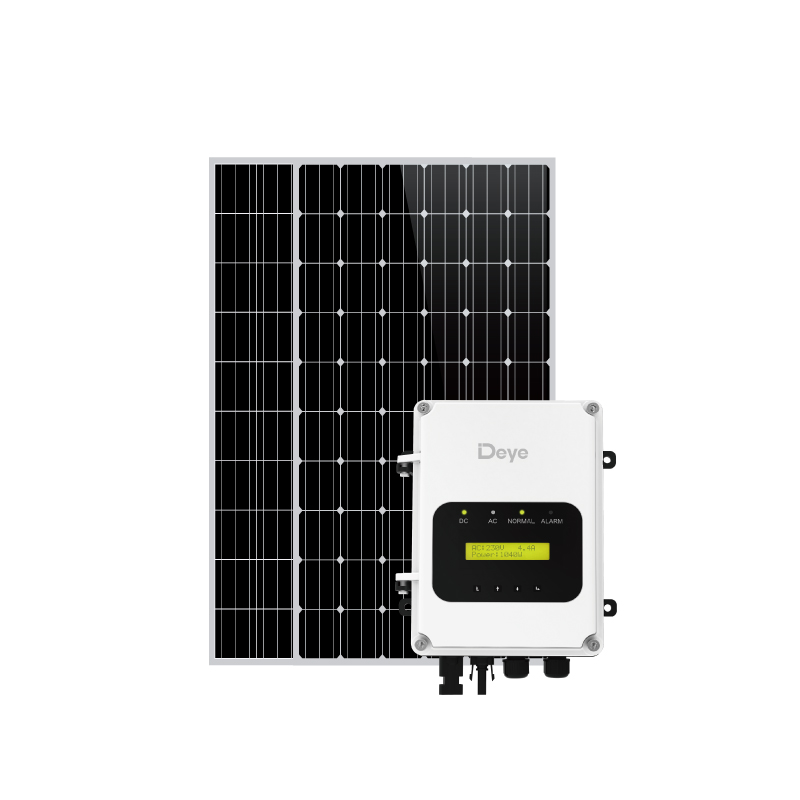
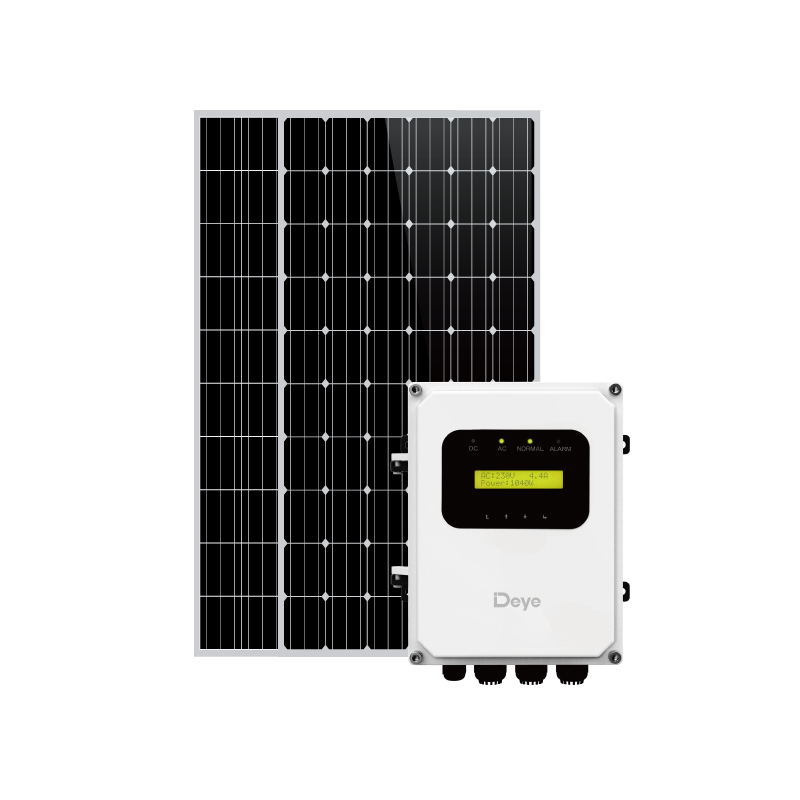
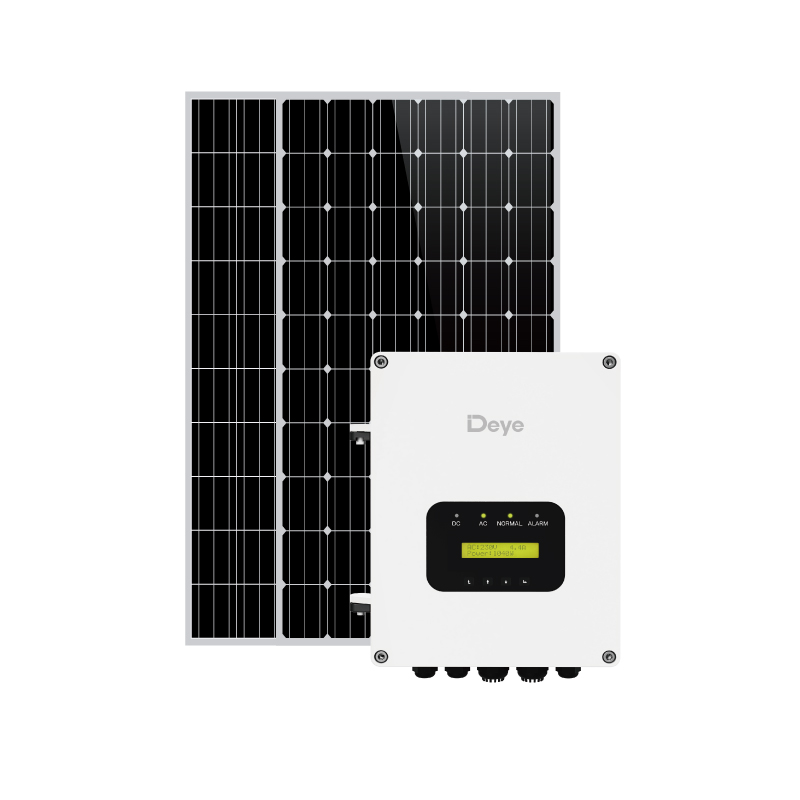
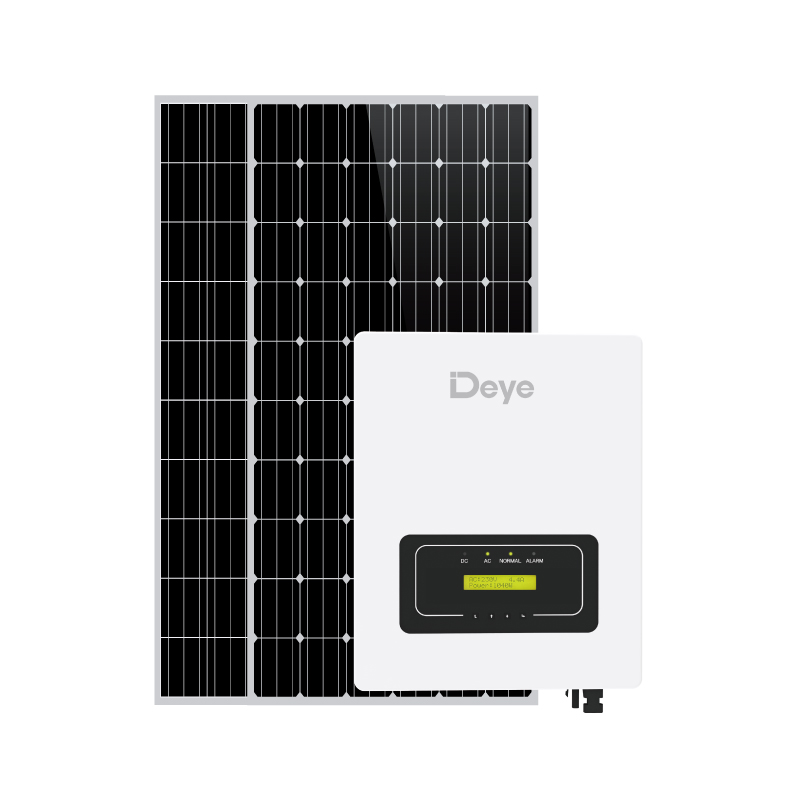
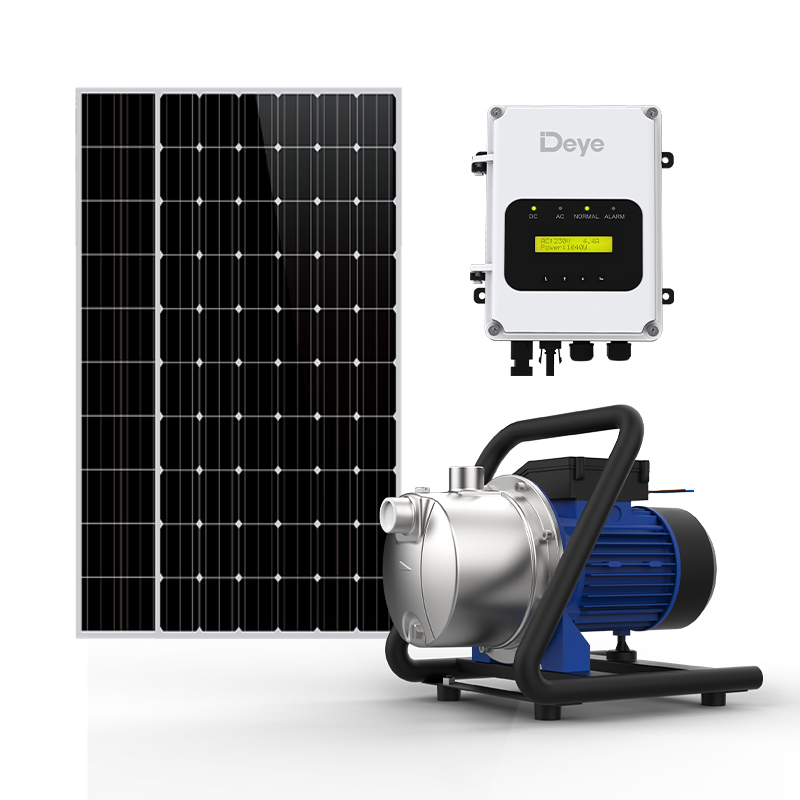
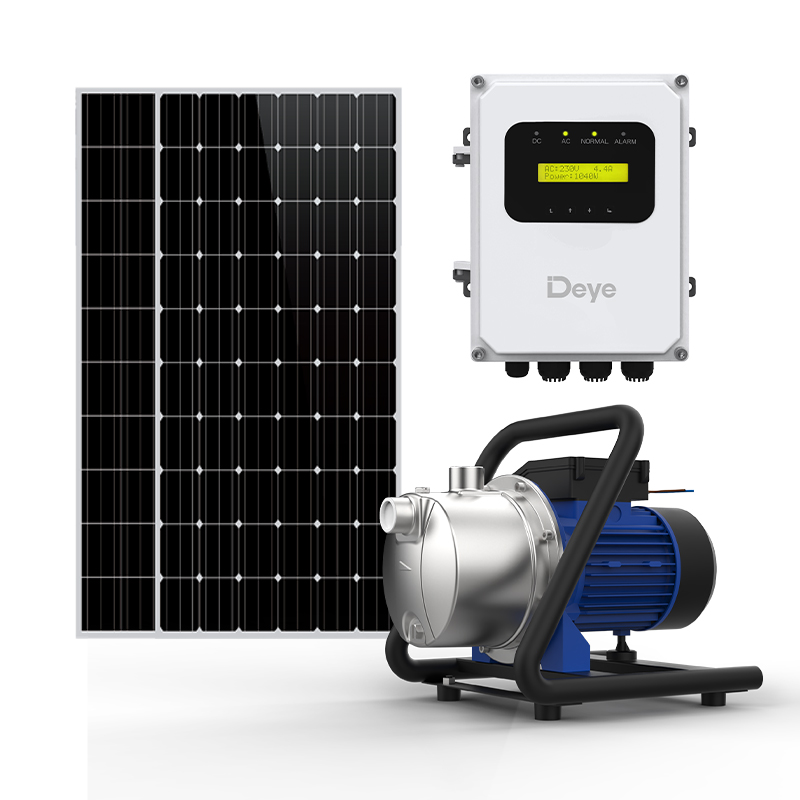
A centrifugal surface solar pump is a non-submersible pump installed above the water source, using centrifugal force to draw water from a suction inlet and discharge it through a pressurized outlet. Unlike submersible pumps, the motor and pump assembly remain above ground, making installation, inspection, and maintenance more accessible. When paired with an automatic solar switching AC/DC pump controller in the 2000–3600W range, the system operates primarily on photovoltaic energy and switches automatically to AC grid or generator power when solar availability is insufficient.
The term automatic solar switching denotes the controller's ability to detect available DC solar power and transition between DC and AC input sources without manual intervention, maintaining uninterrupted pump operation across varying irradiance conditions throughout the day.
Deye Group has manufactured submersible pumps and pump controllers since 1990. The centrifugal surface solar pump system represents an extension of this engineering competency into above-ground configurations, addressing applications where suction-lift water access is preferred over borehole deployment.
2. System Architecture and Key Components
2.1 Centrifugal Surface Pump Unit
- Pump housing: Cast iron, stainless steel, or engineered polymer construction depending on water quality and application
- Impeller: Single or multi-stage design; material selected based on water type (clean water, slightly turbid, or chemically treated)
- Motor: Surface-mounted AC or DC motor; directly coupled to the pump shaft via a mechanical coupling or integrated motor-pump assembly
- Suction inlet: Typically 1.5 to 3 inch diameter with provision for foot valve and suction strainer installation
- Discharge outlet: Sized to system pipe network; matched to rated flow velocity to minimize friction losses
2.2 Automatic Solar Switching AC/DC Controller
- MPPT circuit: Continuously adjusts PV operating point to extract maximum available power under changing irradiance and temperature
- Automatic source switching logic: Monitors DC input power level against a configurable threshold; initiates seamless switchover to AC input when solar power falls below operational minimum
- Variable frequency drive (VFD) output: Modulates motor speed in proportion to available solar power, enabling soft-start and proportional operation rather than on/off cycling
- Protection module: Integrates dry-run, over-voltage, over-current, over-temperature, and short-circuit protection in a single unit
3. Typical Technical Specifications
| Parameter |
Typical Specification |
Notes |
| Rated Power Range |
2000 – 3600 W |
Controller and pump matched by power rating |
| DC Input Voltage |
90 – 450V DC |
MPPT window; model-specific |
| AC Input Voltage |
Single-phase 220V / 3-phase 380V AC |
Grid or generator backup |
| MPPT Efficiency |
97 – 99% |
Maximizes solar harvest |
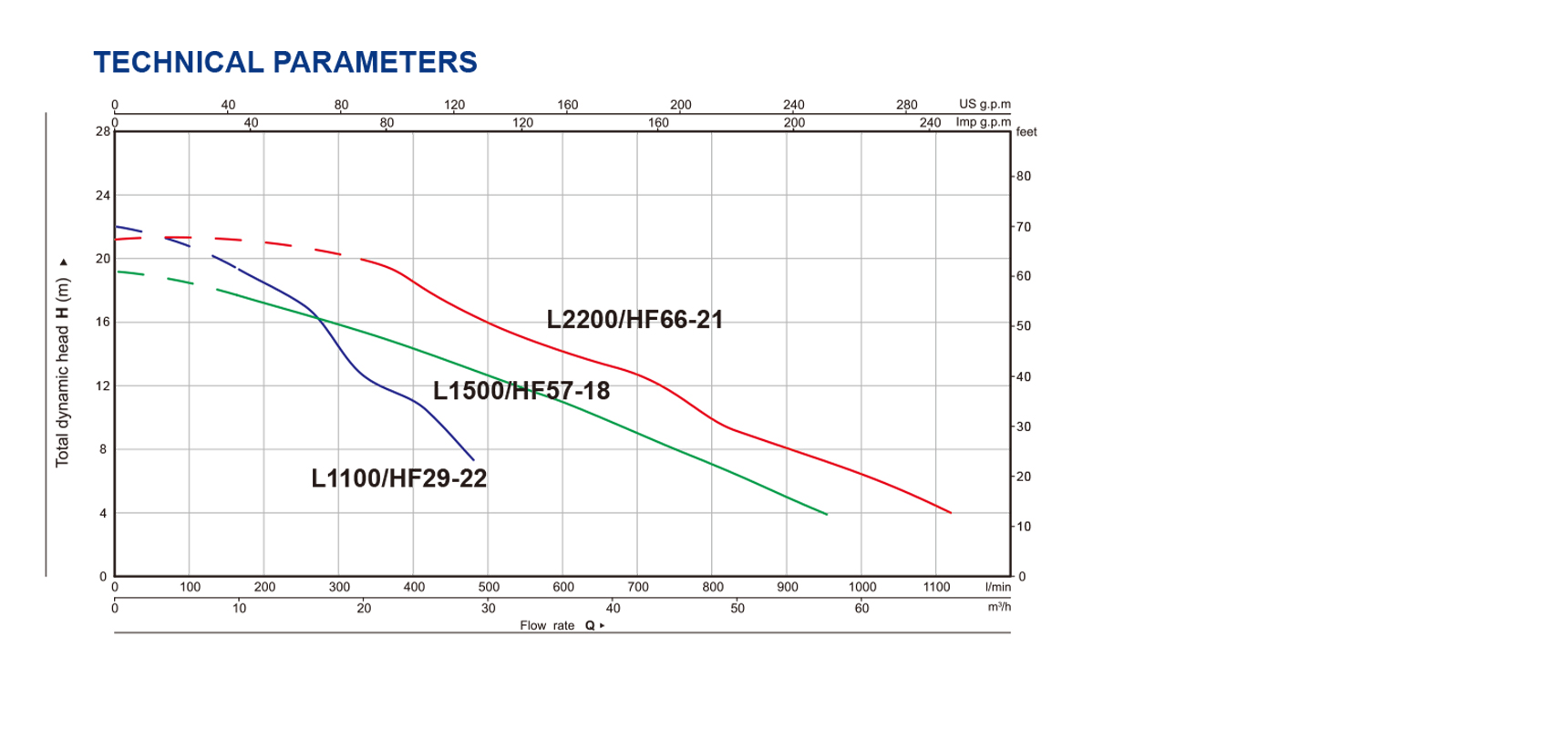
| Flow Rate |
5 – 50 m³/h |
Depends on head and pump model |
| Max Suction Lift |
Up to 8 m (atmospheric limit) |
Site altitude affects suction performance |
| Max Discharge Head |
20 – 80 m |
Single-stage centrifugal typical range |
| Controller Protection Rating |
IP54 – IP65 |
Outdoor wall-mount installation |
| Operating Temperature |
-10 to +55 degrees C |
Shaded installation recommended |
| Communication |
RS485 / Modbus RTU |
Optional remote monitoring |
4. Automatic Solar Switching Logic
The automatic switching feature is central to this product category. The controller follows a defined decision sequence:
| Condition |
Controller Action |
Outcome |
| Solar power above operating threshold |
Operates on DC solar input with MPPT |
Zero grid consumption |
| Solar power below threshold (clouds, dawn, dusk) |
Switches automatically to AC input |
Continuous pump operation |
| Solar recovers above threshold |
Returns to DC solar input automatically |
Grid use minimized |
| Both inputs unavailable |
Shuts down; auto-restart on input recovery |
Motor protected from unstable supply |
5. Centrifugal Surface Pump vs. Submersible Pump
| Criteria |
Centrifugal Surface Pump |
Submersible Pump |
| Installation Location |
Above ground, near water source |
Submerged in water (well, tank, pond) |
| Suction Depth Limit |
Typically up to 8 m (practical 6–7 m) |
No suction limit; pump is submerged |
| Access for Maintenance |
Easily accessible above ground |
Requires pump extraction from well |
| Water Source Type |
Open water (rivers, ponds, tanks, canals) |
Boreholes, deep wells, cisterns |
| Priming Requirement |
Required (self-priming models available) |
Not required |
| Noise Level |
Audible during operation |
Quieter (submerged motor) |
| Initial Installation Cost |
Generally lower |
Higher (borehole drilling, drop pipe) |
| Freeze Risk |
Pump must be winterized in cold climates |
Below frost line; lower freeze risk |
6. Application Scenarios
The 2000–3600W centrifugal surface solar pump system is suited to applications where water is accessible within suction range and moderate-to-high flow rates are required:
- River, canal, and pond irrigation: Direct suction from open water bodies for field irrigation where water table is within 6–8 m of pump level
- Surface water tank transfer: Pumping from ground-level storage tanks or collection ponds to elevated reservoirs for gravity distribution
- Greenhouse and drip irrigation supply: Consistent pressurized flow for drip tape or micro-sprinkler systems across large growing areas
- Flood irrigation for paddy and field crops: High-volume, low-head pumping from adjacent water channels into field basins
- Water treatment plant intake: Raw water abstraction from rivers or reservoirs feeding treatment processes
- Fire suppression reserve tank filling: Scheduled solar-powered filling of on-site fire water storage in remote facilities
This system is particularly suited to flat or low-relief terrain in tropical and subtropical zones where open water sources are at or near ground level and solar irradiance is consistently high.
7. Solar Panel Sizing Reference
Panel array sizing for the 2000–3600W controller range follows the same principles applicable to other solar pump systems. Key sizing inputs:
- Required pump power (W): Determines minimum panel array wattage after accounting for system losses (typically 10–15%)
- MPPT voltage window: Panel string Vmpp at operating temperature must fall within the controller input range; Voc must not exceed the maximum DC input limit
- Daily water volume target: Calculated from pump flow rate multiplied by estimated daily operating hours based on local peak sun hours
- Panel tilt and orientation: Fixed-tilt angle optimized to local latitude; south-facing in northern hemisphere, north-facing in southern hemisphere
As a general reference, a 3000W pump system with 5 peak sun hours can deliver approximately 15–25 m³/day at a discharge head of 20–40 m, subject to site-specific hydraulic conditions.
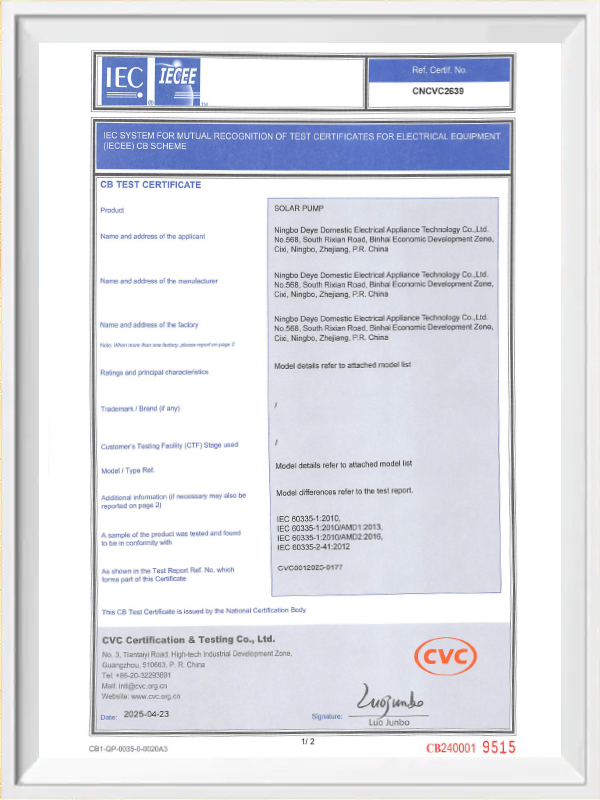
8. Relevant Standards and Certifications
- IEC 60034: Rotating electrical machines — motor classification and performance
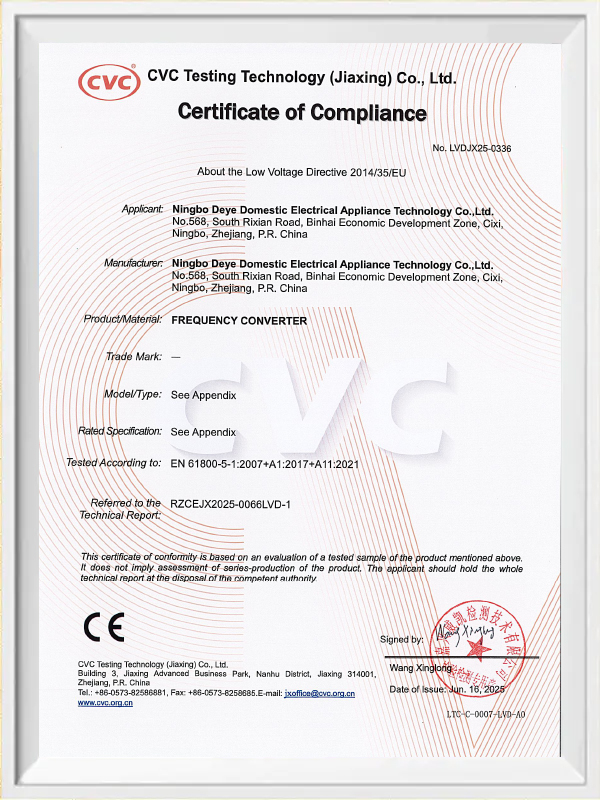
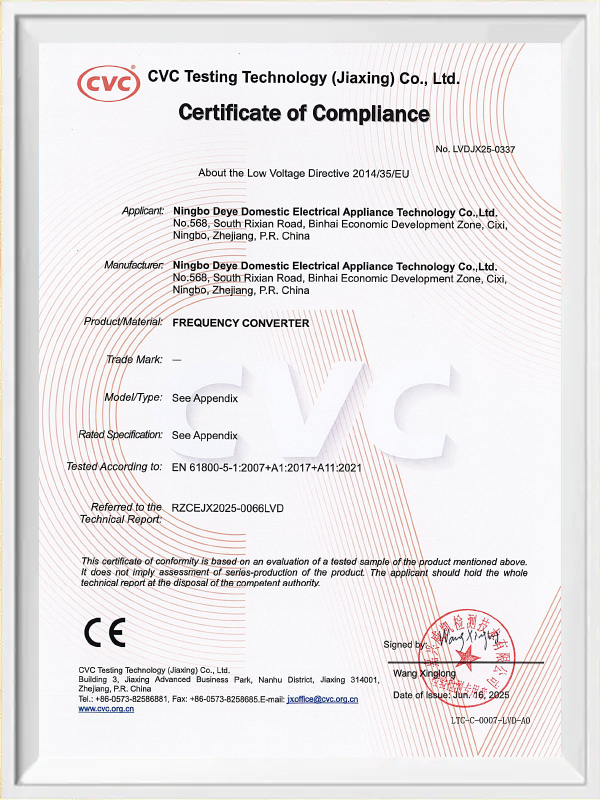
- IEC 61800-3 / IEC 61800-5-1: EMC and safety requirements for adjustable speed drive systems
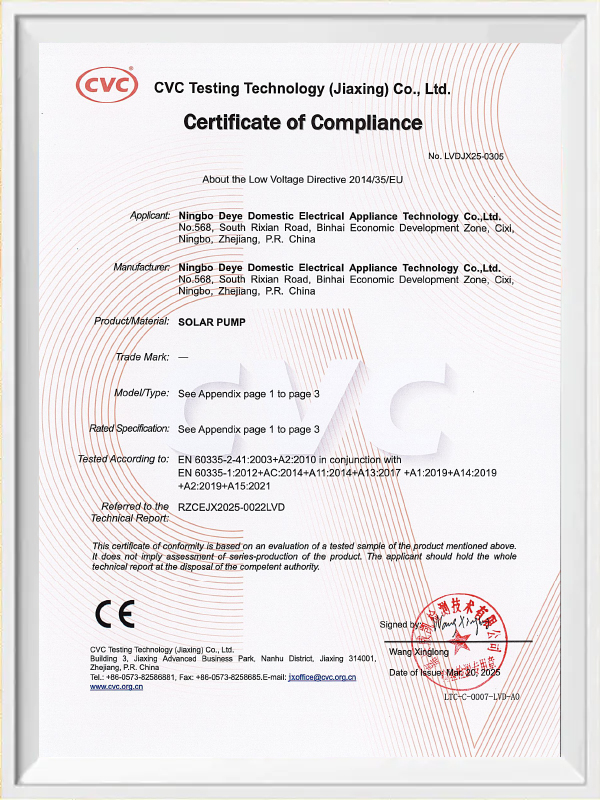
- CE Marking: Low Voltage Directive (LVD) and EMC Directive compliance for European market access
- IEC 60529 (IP54/IP65): Enclosure ingress protection for controller; IP55 or higher for pump motor housing
- ISO 9001: Quality management system applicable to product design and manufacturing
9. Frequently Asked Questions (FAQ)
Q1: Does a centrifugal surface pump require priming before each startup?
Standard centrifugal surface pumps must be primed — filled with water — before initial startup to establish suction. Self-priming centrifugal pumps retain water in the pump casing between cycles, eliminating the need for manual priming after the first fill. For solar applications where the pump starts and stops automatically with irradiance, self-priming models are generally the more practical choice.
Q2: What is the maximum practical suction lift for a surface centrifugal pump?
The theoretical maximum suction lift at sea level is approximately 10.3 m (atmospheric pressure equivalent). In practice, accounting for friction losses, vapour pressure, and pump efficiency, the practical suction lift limit is typically 6–8 m. At higher altitudes, reduced atmospheric pressure further reduces this limit. Suction pipe diameter, length, and the number of bends directly affect actual achievable suction head.
Q3: How does the automatic switching controller decide when to switch from solar to AC?
The controller monitors the DC input power level continuously. When available solar power falls below a factory-set or user-configurable threshold — typically the minimum power required to operate the pump at its lowest functional speed — the controller initiates an automatic switchover to AC input. The threshold value and switchover delay can be adjusted via the controller's parameter settings to suit site conditions and operational requirements.
Q4: Can this system pump water from a river or open canal?
Yes, provided the water surface is within the pump's suction lift range and the water quality (suspended solids, debris) is compatible with the impeller and seal specifications. A suction strainer or foot valve should be installed at the inlet to prevent debris ingestion and to maintain pump prime. For water with elevated suspended solids, a pump rated for lightly turbid water with wider impeller clearances is appropriate.
Q5: What maintenance does a centrifugal surface solar pump system require?
Routine maintenance includes periodic inspection of the mechanical seal for leakage (typically every 6–12 months), checking suction strainer cleanliness, verifying electrical connections and cable condition, cleaning the solar panel surface to maintain irradiance efficiency, and confirming controller parameter settings remain correctly configured. Bearing lubrication intervals depend on the specific motor design and operating hours.


 русский
 Français
 Español
 عربى
عربى Deutsch
 Português
 italiano