1. Introduction
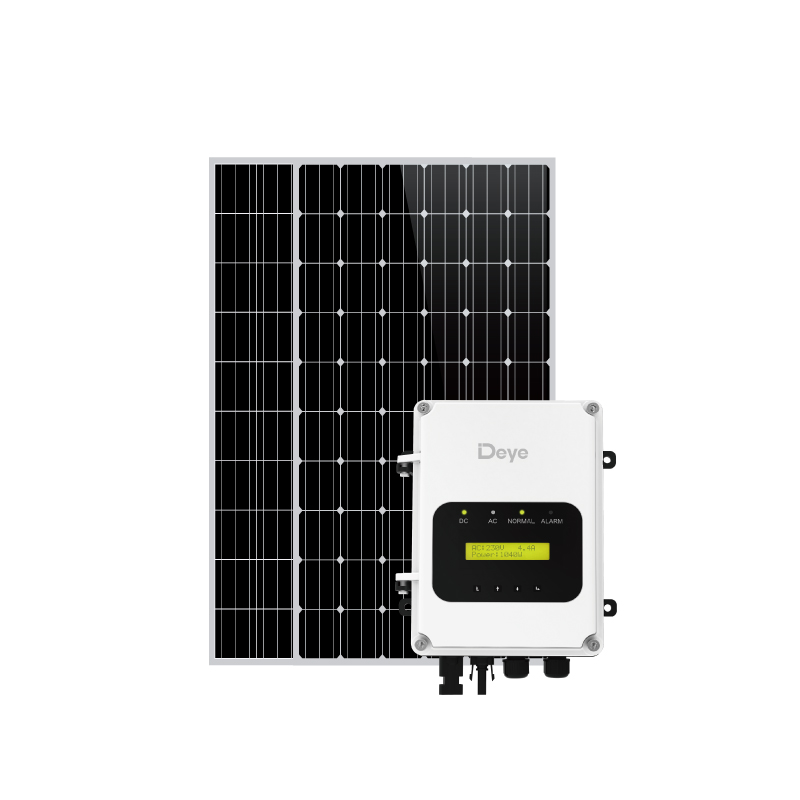
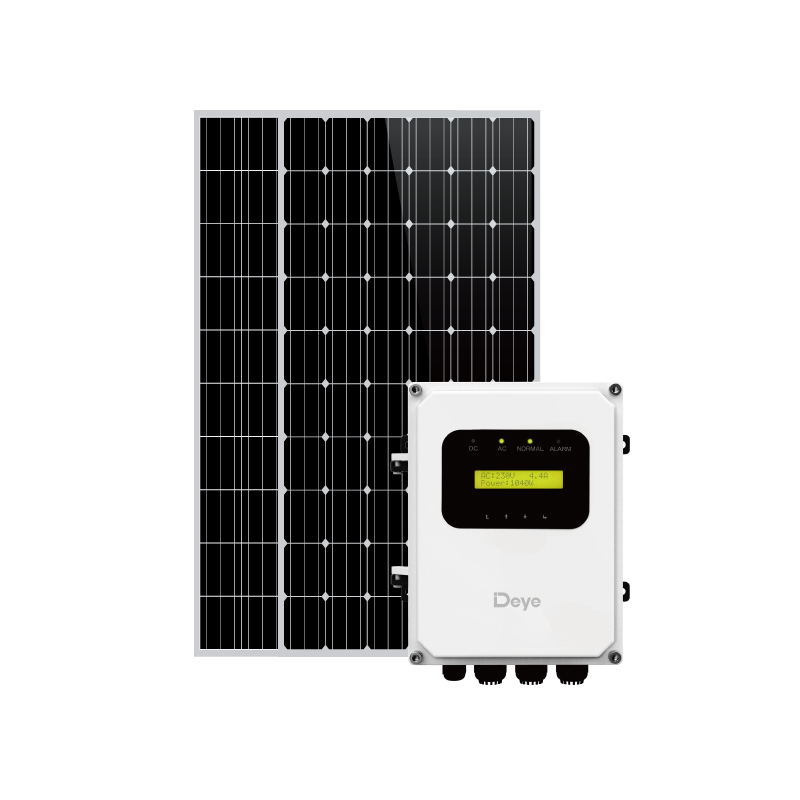
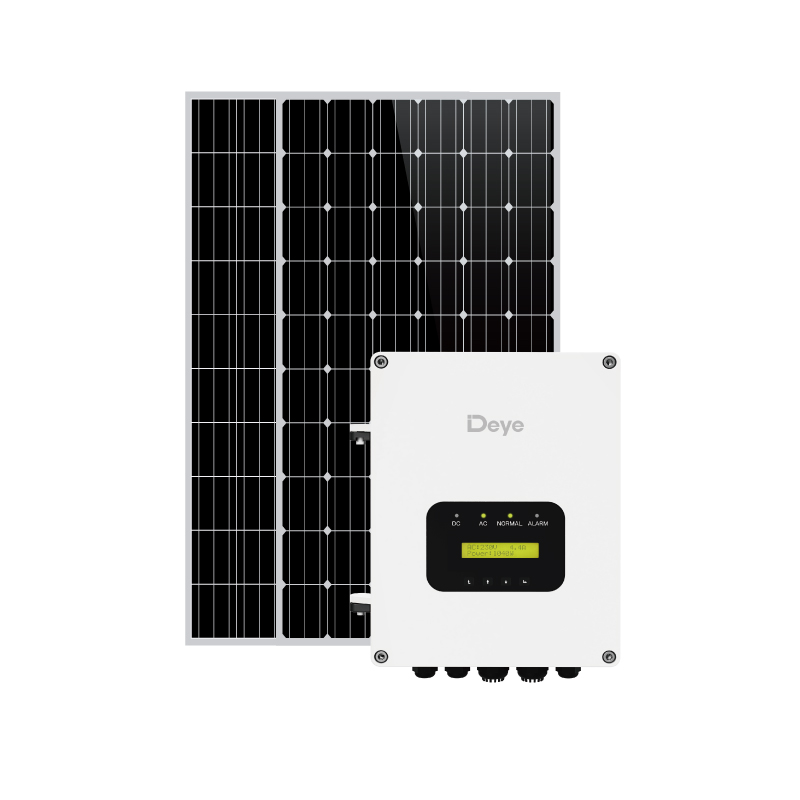
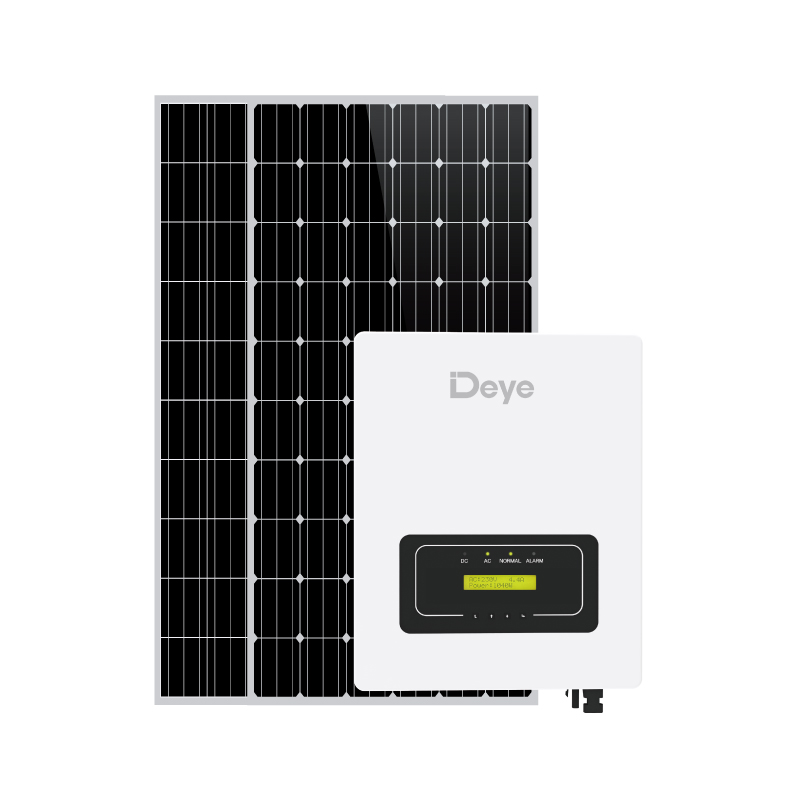
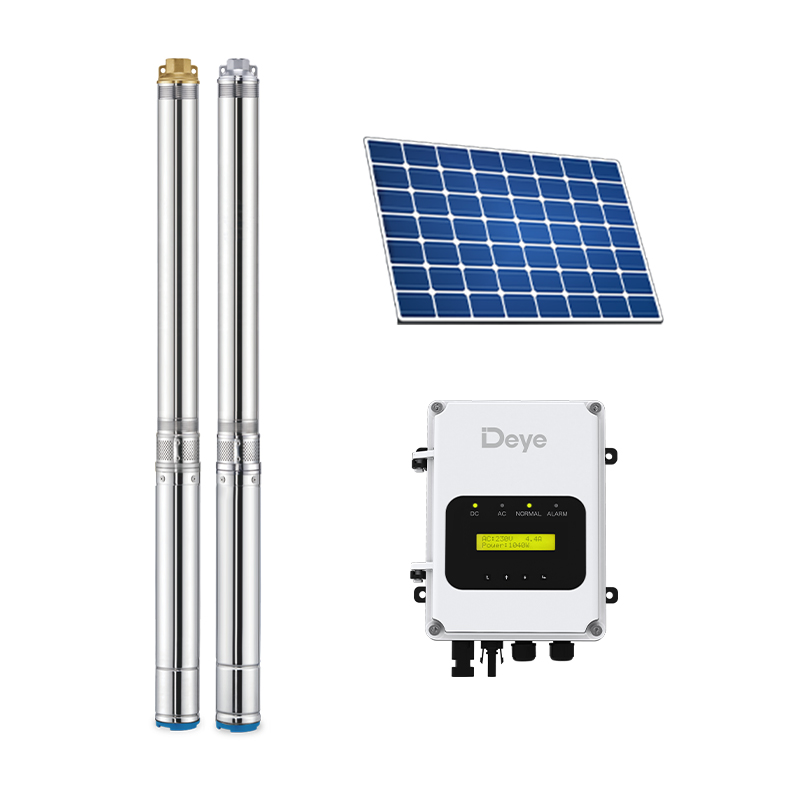
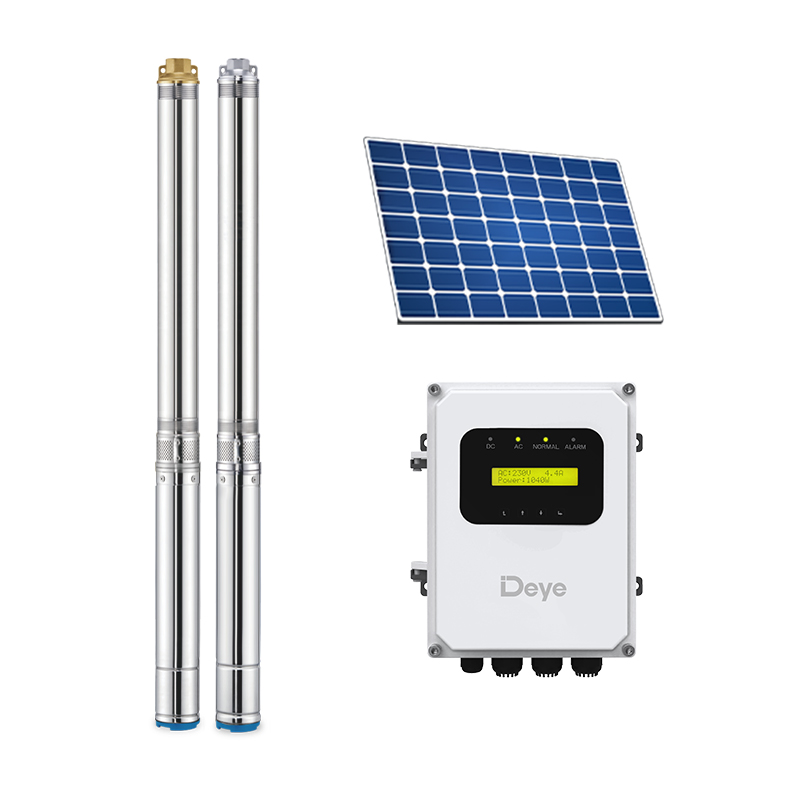
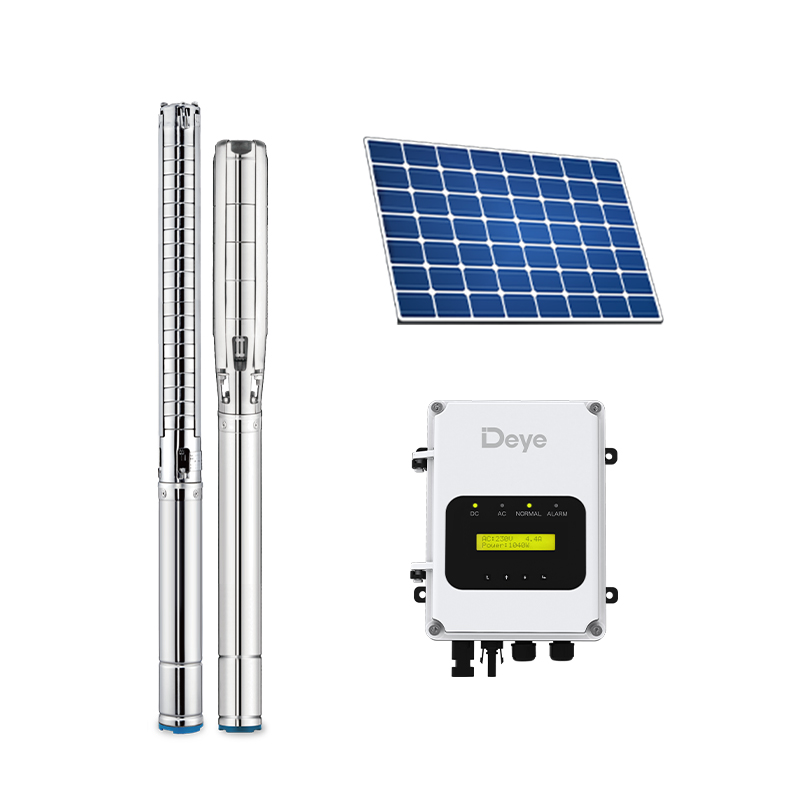
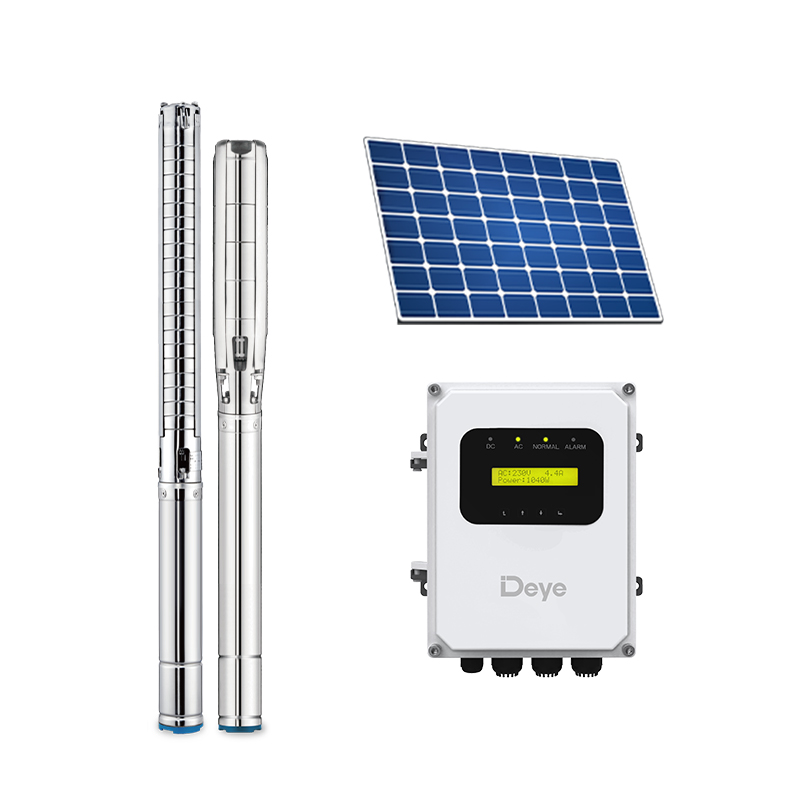
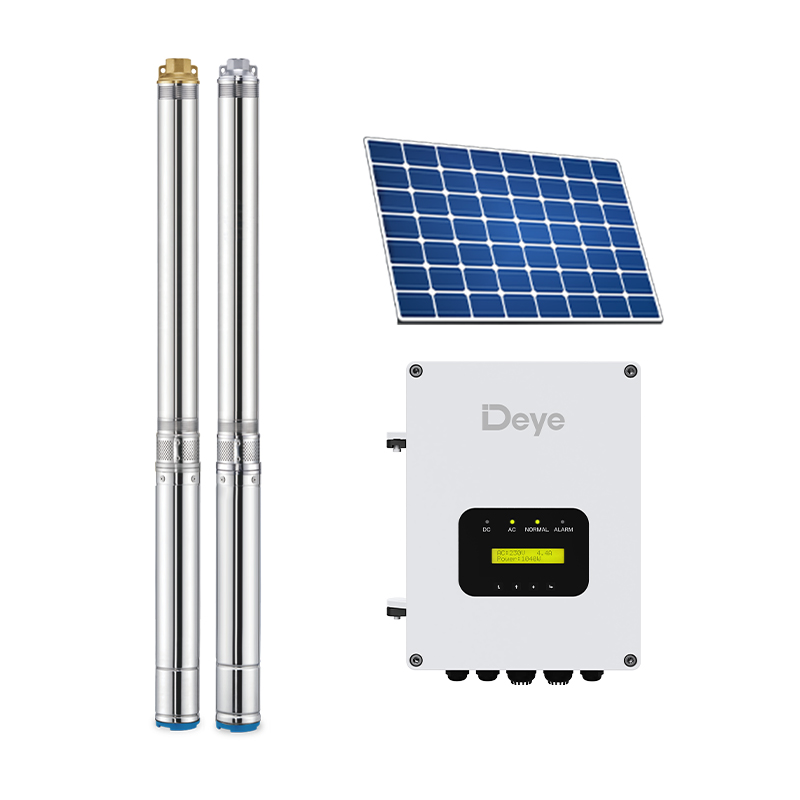
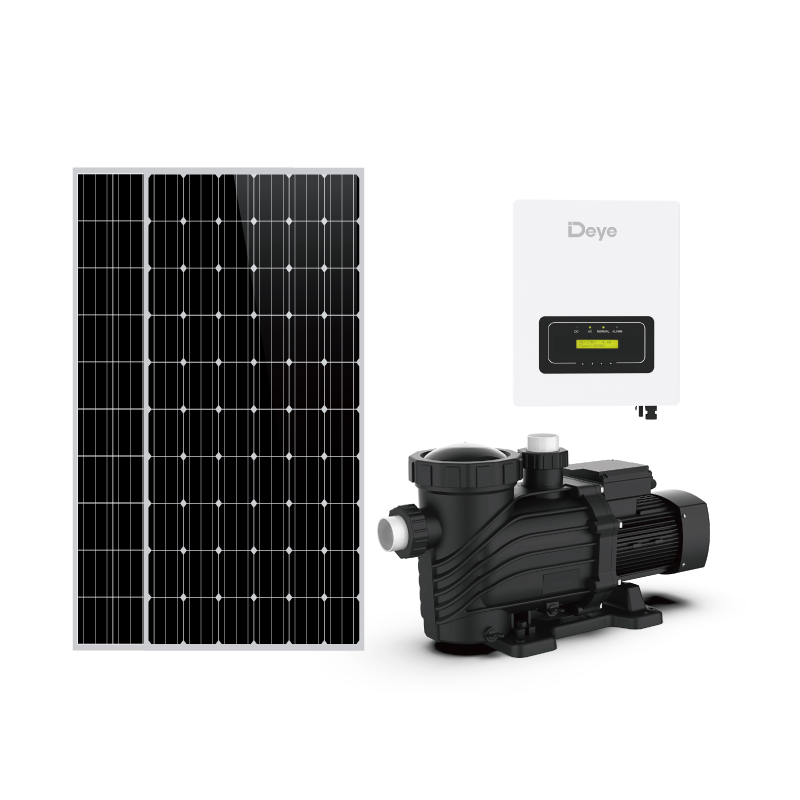
The DC Pump Controller is the fundamental power and control unit in solar-only pumping systems. Operating exclusively on direct current from photovoltaic (PV) panels, it converts variable solar DC input into regulated electrical output to drive a submersible or surface pump motor — without requiring any connection to the AC utility grid. In the 400W to 1500W power range, DC pump controllers are among the most widely deployed solar water pumping components globally, particularly in off-grid rural, agricultural, and domestic water supply contexts.
Deye Group has specialized in the engineering and manufacture of submersible pumps and pump controllers since 1990. The DC pump controller product line reflects Deye's disciplined approach to precision electronics manufacturing, incorporating stringent component selection and quality verification processes across each production stage.
2. Core Concepts and Operating Principles
2.1 What Is a DC Pump Controller
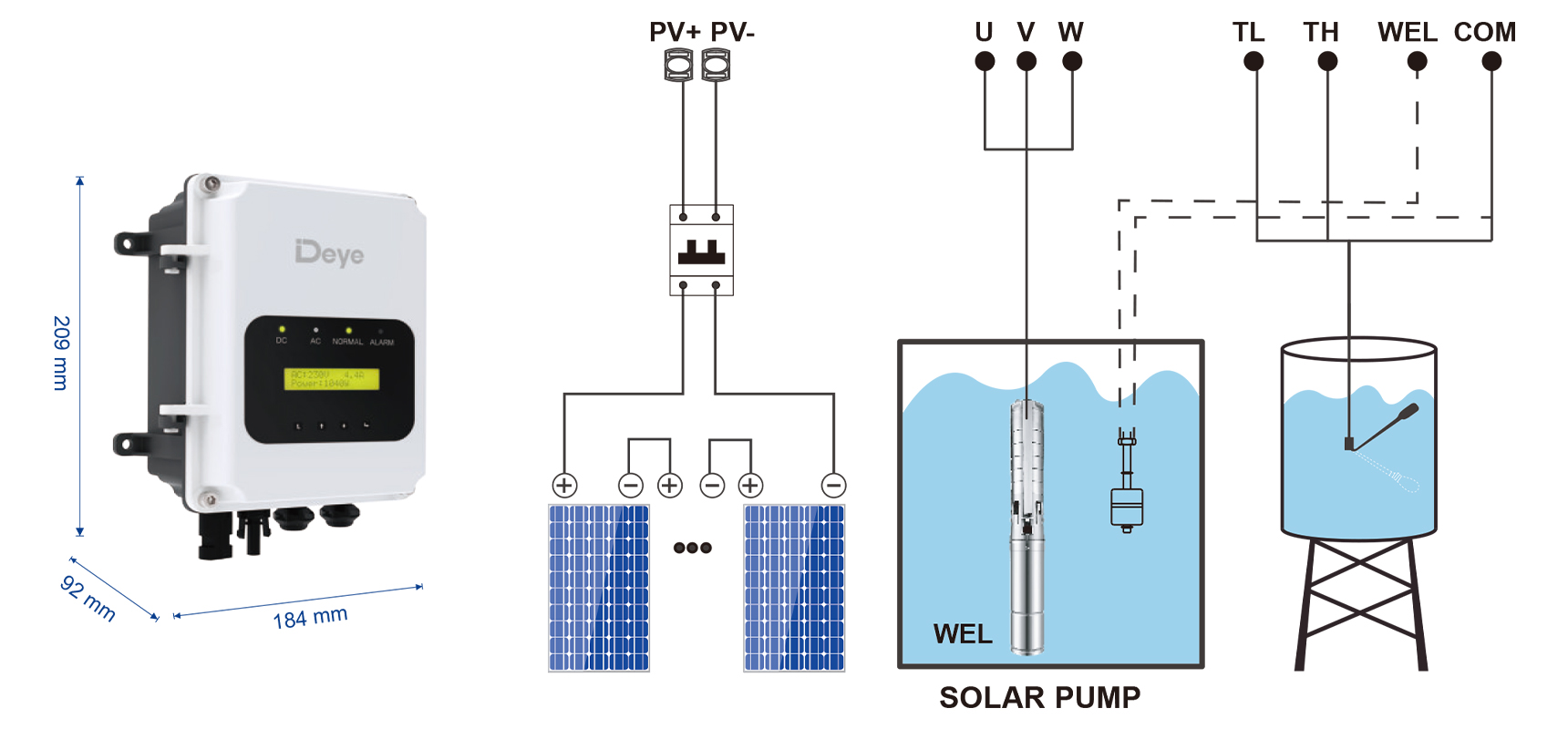
A DC pump controller (also referred to as a solar pump drive or solar VFD) accepts DC voltage from a PV array and processes it through an internal inverter stage to produce variable-frequency AC output (for AC motor pumps) or regulated DC output (for DC brushless motor pumps). The controller manages starting, speed regulation, protection, and shutdown of the connected pump motor based on available solar power.
Core functional modules include:
- MPPT (Maximum Power Point Tracking): Dynamically adjusts the input operating point to extract maximum available power from the PV array under changing irradiance and temperature conditions.
- DC-to-AC Inverter Stage: Converts PV DC input to variable-frequency three-phase AC output for driving standard asynchronous induction motors.
- Variable Frequency Drive (VFD): Regulates output frequency proportional to available PV power, enabling the pump to operate at reduced speed during low irradiance rather than stopping completely.
- Protection Circuits: Hardware and firmware-based protection covering input, output, motor, and environmental conditions.
2.2 How MPPT Benefits Pump System Performance
Without MPPT, a PV-connected load operates at a fixed electrical point, often far from the panel's maximum power output. MPPT tracking continuously scans and locks onto the voltage-current combination that delivers peak wattage from the array. In pump applications, this translates directly to more pumping hours per day, more total water volume per day, and earlier morning and later evening pump operation as the controller extracts usable power at low irradiance levels.
3. Typical Technical Specifications
| Parameter |
Specification Range |
Notes |
| Rated Output Power |
400W / 550W / 750W / 1100W / 1500W |
Model-dependent |
| DC Input Voltage Range |
60V – 400V DC (typical) |
PV array Voc dependent |
| MPPT Voltage Range |
45V – 360V DC (typical) |
Vmpp operating window |
| Output Type |
3-phase AC (0 – 240V / 0 – 380V) |
Variable frequency, 0 – 50/60Hz |
| Applicable Motor |
3-phase asynchronous induction motor |
Standard submersible pump motor |
| MPPT Efficiency |
Greater than 99% |
Industry standard for quality units |
| Overall Conversion Efficiency |
Up to 96% |
PV DC to motor AC |
| Protection Rating (Controller) |
IP65 |
Suitable for outdoor installation |
| Ambient Operating Temperature |
-10 degrees C to +50 degrees C |
Derated above 40 degrees C in some models |
| Display and Interface |
LED or LCD with parameter indicators |
Voltage, frequency, fault codes |
| External Control Inputs |
Float switch, pressure switch |
For auto stop/start based on water level |
4. DC Controller vs. AC/DC Hybrid Controller
Understanding the distinction between DC-only and AC/DC hybrid controllers is essential for correct system specification:
| Criteria |
DC Pump Controller |
AC/DC Hybrid Controller |
| Input Source |
PV panels (DC) only |
PV panels (DC) + AC grid or generator |
| Operation at Night |
Not possible |
Possible via AC input |
| Continuous 24/7 Operation |
Not supported |
Supported |
| Unit Cost |
Lower |
Higher |
| Installation Complexity |
Simpler (PV wiring only) |
More complex (PV plus AC wiring) |
| Suitable Scenario |
Fully off-grid; daytime pumping sufficient |
Semi-grid; continuous supply required |
| Grid Dependency |
None |
Optional backup reliance |
5. Application Fields
In the 400–1500W power range, DC pump controllers are suited to applications where daytime pumping hours are sufficient to meet daily water demand:
- Off-grid Rural Domestic Water Supply: Pumping from boreholes or shallow wells to household storage tanks in villages and homesteads without grid access.
- Small-scale Agricultural Irrigation: Drip or sprinkler irrigation on smallholder farms where daytime watering cycles are agronomically appropriate.
- Livestock Watering Points: Supplying water troughs in remote pasture areas where grid connection is economically impractical.
- Water Tank and Cistern Filling: Automated filling of above-ground or underground storage tanks with float-switch controlled stop function.
- Garden and Horticultural Irrigation: Scheduled daytime irrigation for nurseries, greenhouses, and market gardens.
- Remote Monitoring Stations and Camps: Potable water supply for temporary or semi-permanent off-grid facilities.
6. Protection and Safety Functions
| Protection Function |
Description |
| Dry-run Protection |
Monitors motor current signature or external sensor input; shuts down when water level is insufficient to protect motor windings |
| Over-voltage Protection |
Shuts down if PV open-circuit voltage exceeds controller maximum input rating |
| Under-voltage / Low Power Protection |
Prevents pump start when PV input is below minimum operating threshold to avoid motor stalling |
| Over-current Protection |
Output current limiting and fault isolation on the motor drive side |
| Over-temperature Protection |
Internal thermal sensor triggers derating or shutdown when heatsink temperature exceeds limit |
| Soft-start Function |
Gradual ramp-up of output frequency at startup reduces mechanical stress on pump and motor |
| Tank-full Auto Stop |
Float switch or pressure switch input triggers automatic stop when storage tank is full; restarts when level drops |
| Reverse Polarity Protection |
Protects internal circuitry against incorrect DC cable connection during installation |
7. PV Array Sizing Guidelines
Correct PV array design is critical to DC pump controller performance. Key rules for the 400–1500W controller range:
- Array peak power: Size PV array at 1.2 to 1.5 times the controller rated power to compensate for real-world derating from temperature, soiling, and cable losses. For a 1500W controller, this implies approximately 1800Wp to 2250Wp of PV capacity.
- String Voc check: The PV string open-circuit voltage at minimum ambient temperature must not exceed the controller maximum DC input voltage. This is particularly important in cold climates where Voc rises significantly.
- Vmpp alignment: The PV string maximum power point voltage (Vmpp) at standard test conditions should fall within the MPPT voltage window of the controller for optimal energy extraction.
- String configuration: Multiple panels connected in series increase voltage; parallel strings increase current. The configuration must satisfy both the voltage and current input limits of the controller.
- Shading avoidance: Partial shading of any panel in a series string disproportionately reduces total string output. Site assessment for shading from trees, structures, or terrain features is recommended.
8. Installation Considerations
- Controller mounting: Install in a location protected from direct solar radiation, with minimum 150mm clearance around the unit for airflow. Vertical mounting orientation is standard for natural convection cooling.
- DC wiring: Use DC-rated cables and connectors. Positive and negative conductors should be protected with appropriately rated DC fuses or a DC circuit breaker at the array output.
- Motor cable length: Long cable runs between controller and pump motor introduce resistance losses and voltage drop. Increase cable cross-section for runs exceeding 30–50 meters.
- Earthing and surge protection: PV array frames and controller enclosure should be grounded. DC surge protective devices (SPDs) on the PV input are recommended for installations in lightning-prone areas.
- Pump suspension: The submersible pump must be suspended with a dedicated safety rope independent of the water discharge pipe, rated for at least three times the pump assembly weight.
9. Frequently Asked Questions
Q1: Can a DC pump controller operate from a battery bank instead of PV panels?
Most DC pump controllers in this class are designed for direct PV input, not battery bank input. PV panels have a characteristic voltage-current curve that MPPT is designed to exploit; a battery bank presents a fixed voltage source and does not benefit from MPPT tracking. Some controller models specify a DC input voltage range compatible with 48V or 96V battery banks, but this must be verified against the individual product datasheet before connection.
Q2: What happens when a cloud passes and irradiance drops suddenly?
The MPPT algorithm responds within milliseconds to changes in PV output. When irradiance drops, the controller reduces output frequency proportionally, slowing the pump motor rather than stopping it. If irradiance falls below the minimum operating threshold, the controller enters standby and automatically restarts when sufficient solar input returns. This behavior maximizes daily pumping volume by utilizing partial irradiance periods.
Q3: Can the DC controller drive a single-phase AC pump motor?
DC pump controllers in the 400–1500W range are typically designed for three-phase motor output. Driving a single-phase motor requires a controller specifically rated for single-phase output, or a single-phase VFD module. Connecting a single-phase motor to a three-phase output controller without appropriate adaptation is not recommended and may cause motor damage.
Q4: How many PV panels are needed for a 1100W DC pump controller?
Using the 1.2 to 1.5 oversizing guideline, a 1100W controller requires approximately 1320Wp to 1650Wp of PV capacity. For 370W monocrystalline panels, this means 4 panels at series or series-parallel configuration. The exact string arrangement depends on panel Voc, Vmpp, and the controller MPPT voltage window.
Q5: Does Deye Group manufacture DC pump controllers matched to their submersible pumps?
Yes. Deye Group manufactures both DC pump controllers and submersible pumps across the 400–1500W power range. Matched pump and controller configurations are available, ensuring that motor electrical characteristics, rated frequency, and hydraulic performance are aligned within the same product specification. Deye's engineering team supports system parameter matching for project procurement.
This article is produced by Deye Group for informational and reference purposes. Specifications referenced are representative of industry-standard products in this category. Individual product parameters should be verified against official product datasheets prior to system design and procurement.


 русский
 Français
 Español
 عربى
عربى Deutsch
 Português
 italiano