
 русский
 Français
 Español
 عربى
عربى Deutsch
 Português
 italiano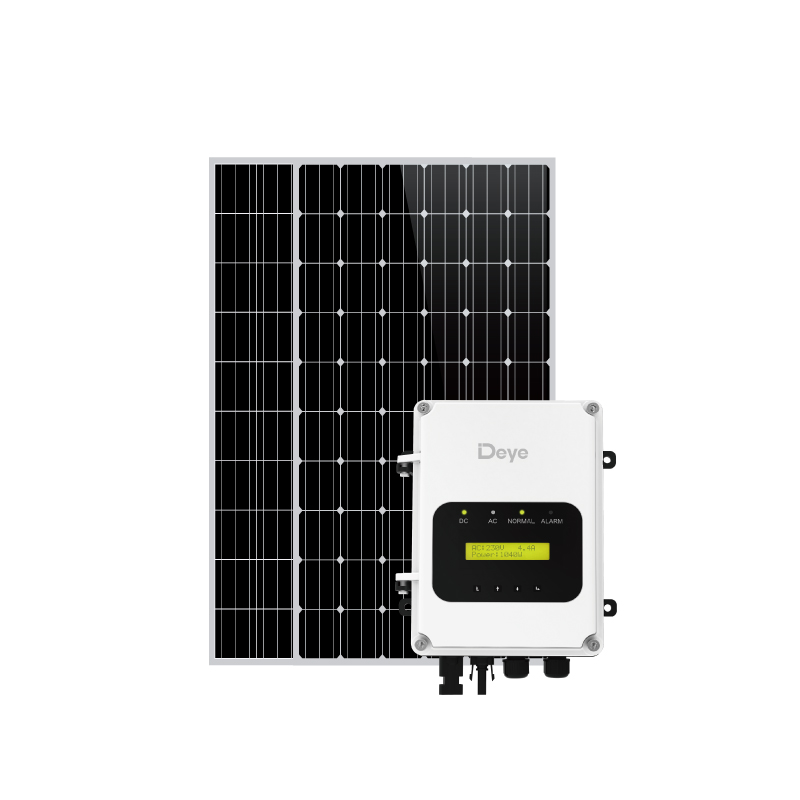
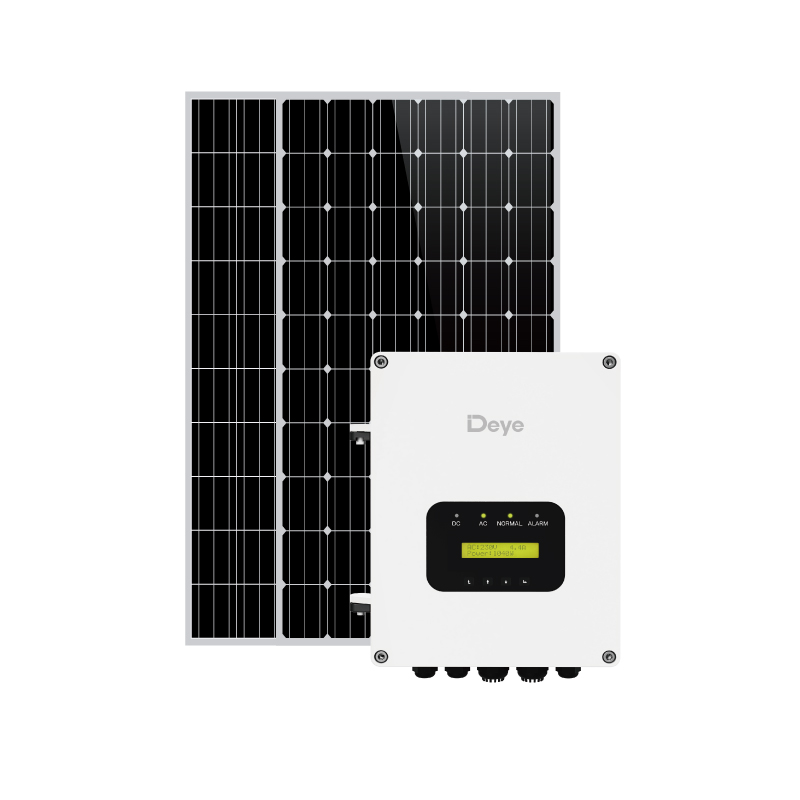
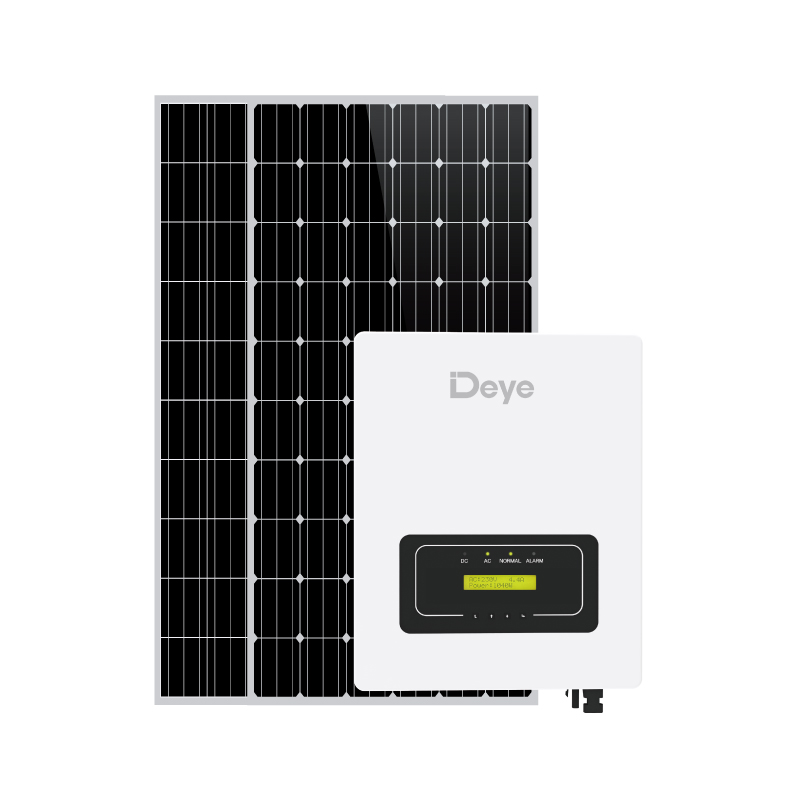
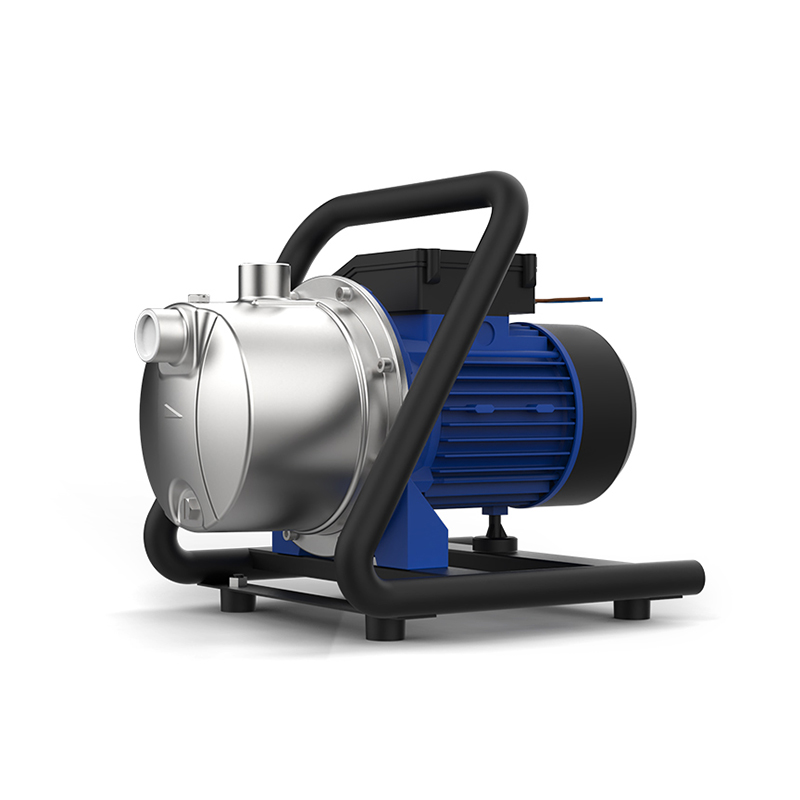
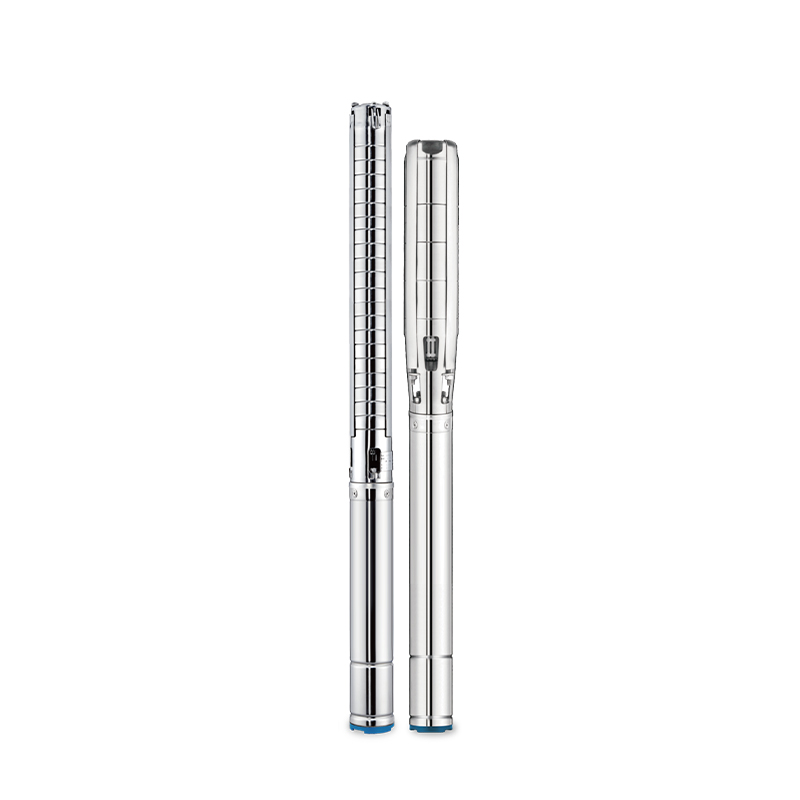
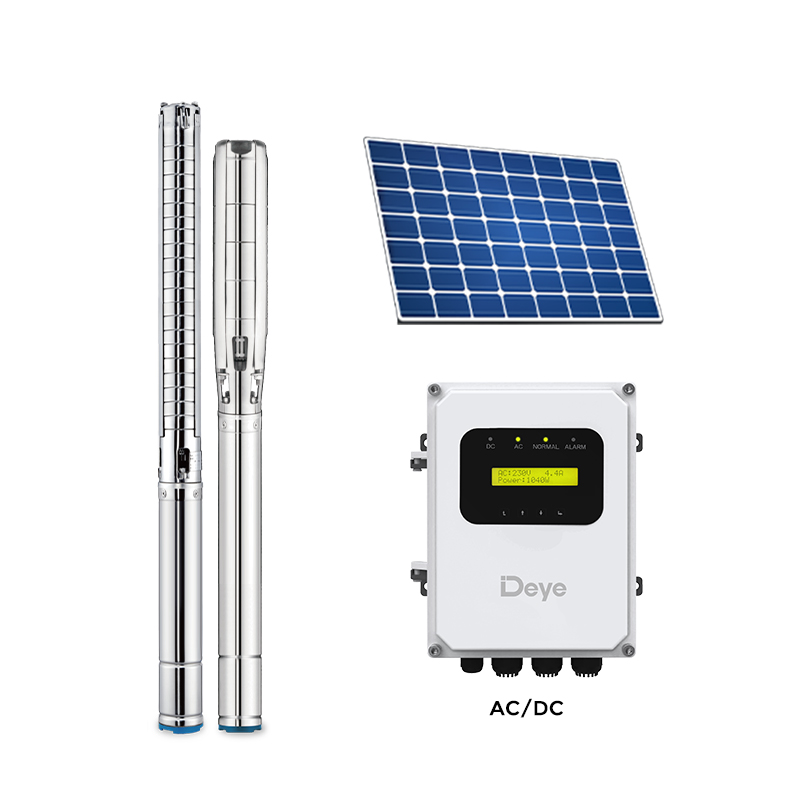
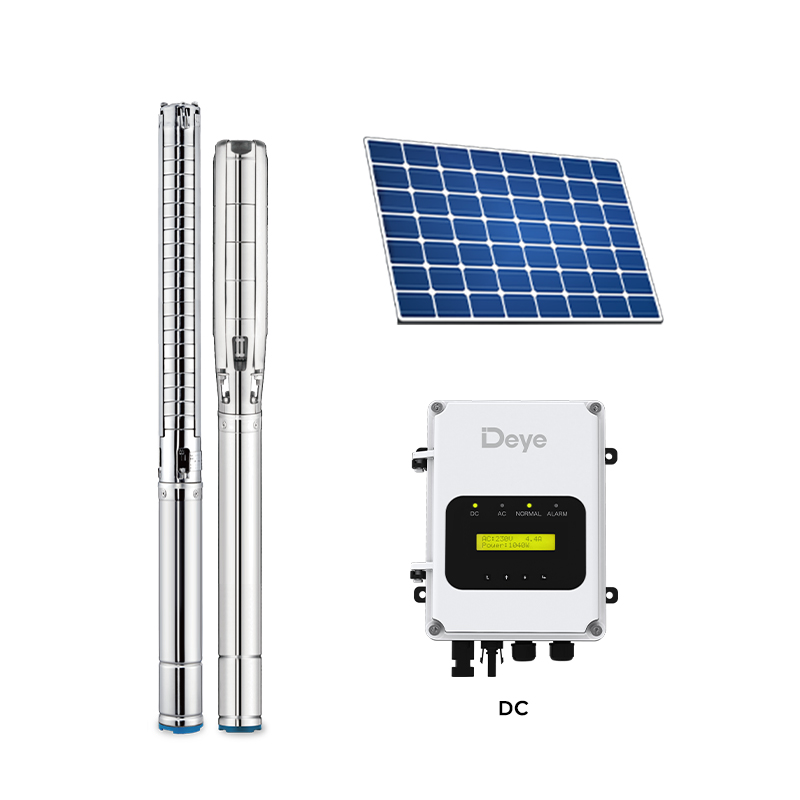
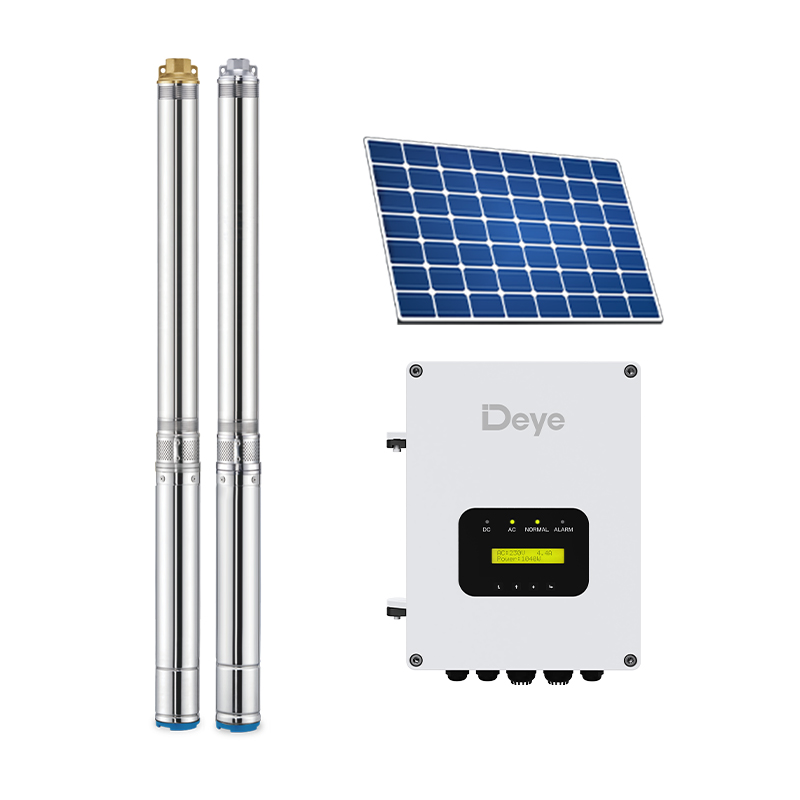
This 6-inch stainless steel impeller AC/DC solar submersible pump (800~3000W) is developed for large-volume centralized water engineering. Equipped with robust all-stainless steel flow parts, it stands against silt, corrosion and long-time heavy-duty running, compatible with complex sand-containing well water. Paired with PV panels and intelligent AC/DC controller, it prioritizes solar power for water lifting to slash operational power cost, ideal for large-scale farm irrigation, whole-village tap-water project, intensive breeding base and medium industrial water intake in remote off-grid regions.

-
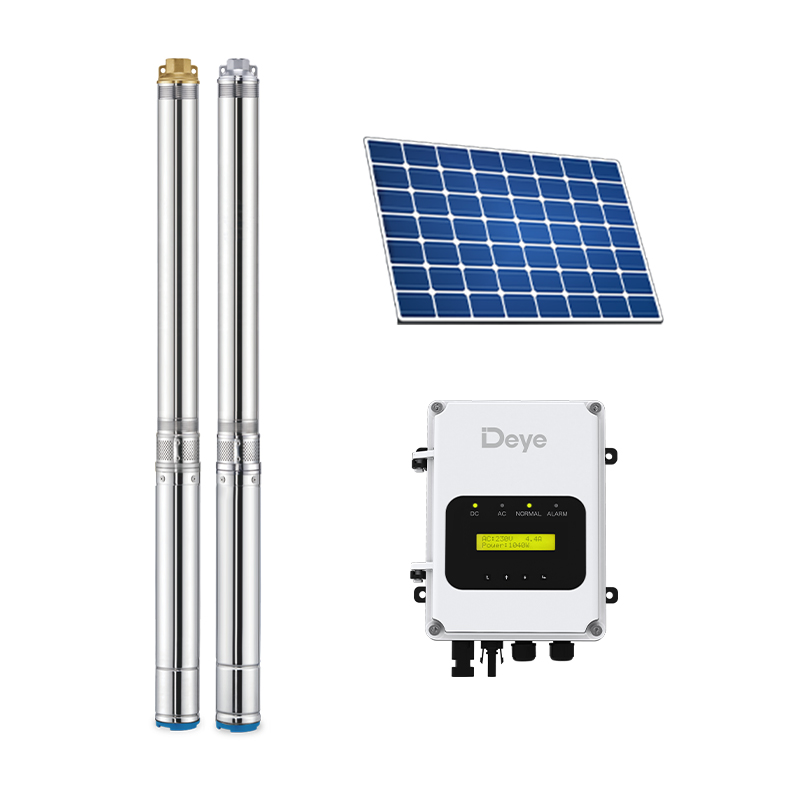
3 Inch Solar AC/DC Pump Controller (400-1500W) Plastic Impeller Submersible Pumps
-
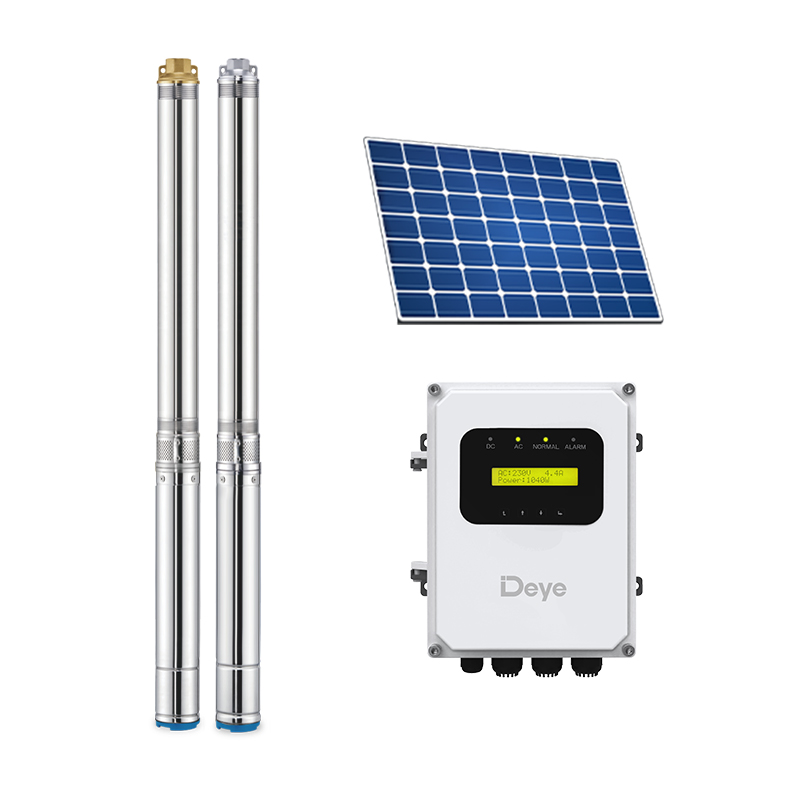
4 Inch Solar AC/DC Pump Controller (600-3000W) Plastic Impeller Submersible Pumps
-
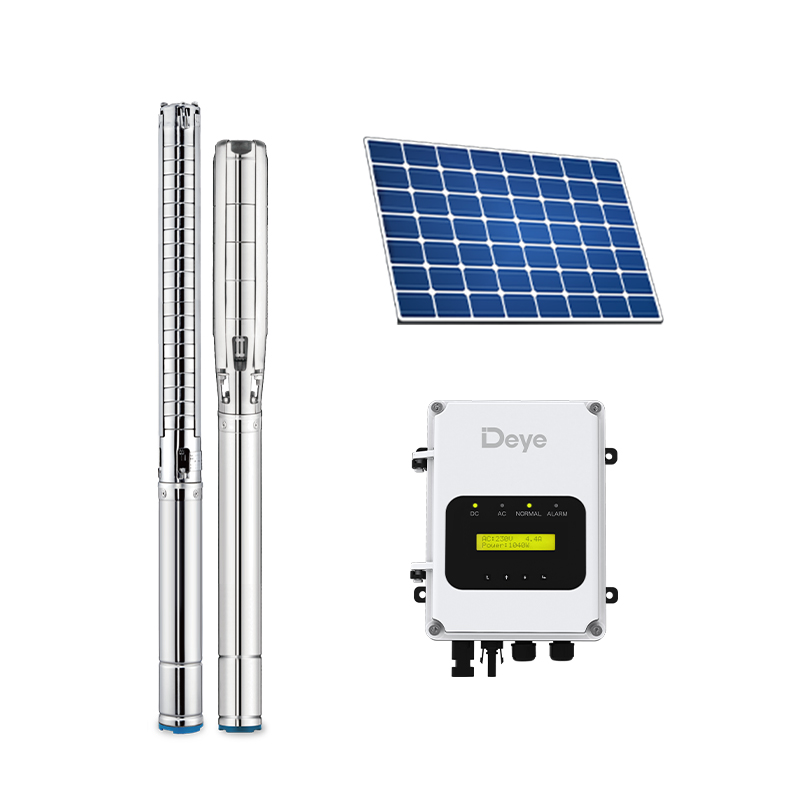
4 Inch Solar AC/DC Pump Controller (800-3000W) Stainless Steel Impeller Submersible Pumps
-
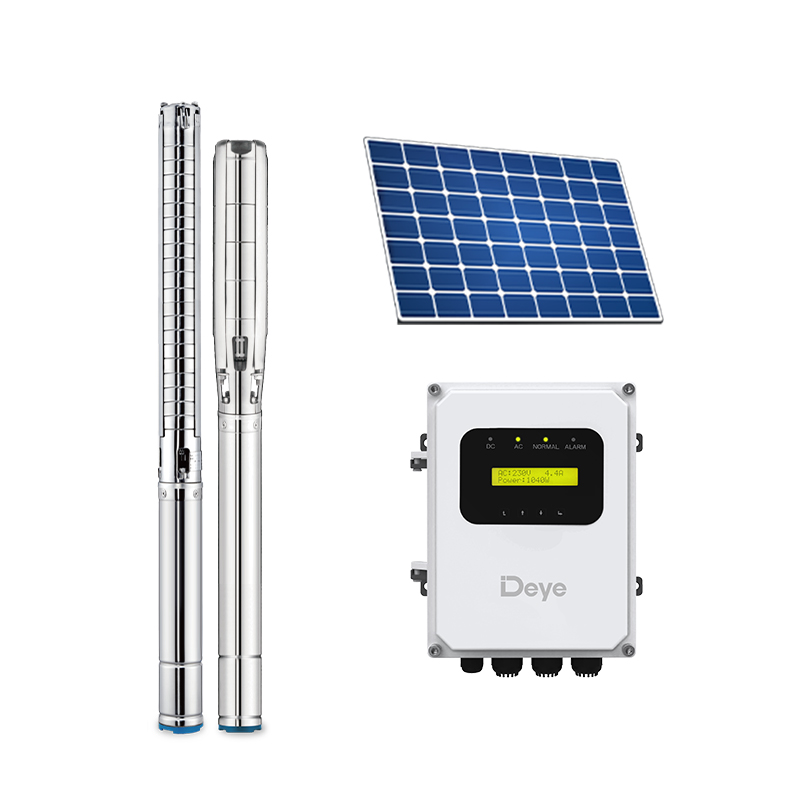
6 Inch Solar AC/DC Pump Controller (800-3000W) Stainless Steel Impeller Submersible Pumps
-
4 Inch High Speed Submersible Solar Pump(5500-13000W)Plastic Impeller Submersible Pumps
6 Inch Solar AC/DC Pump Controller (800-3000W) Stainless Steel Impeller Submersible Pumps
- Product Details
- Drawing
Product Details
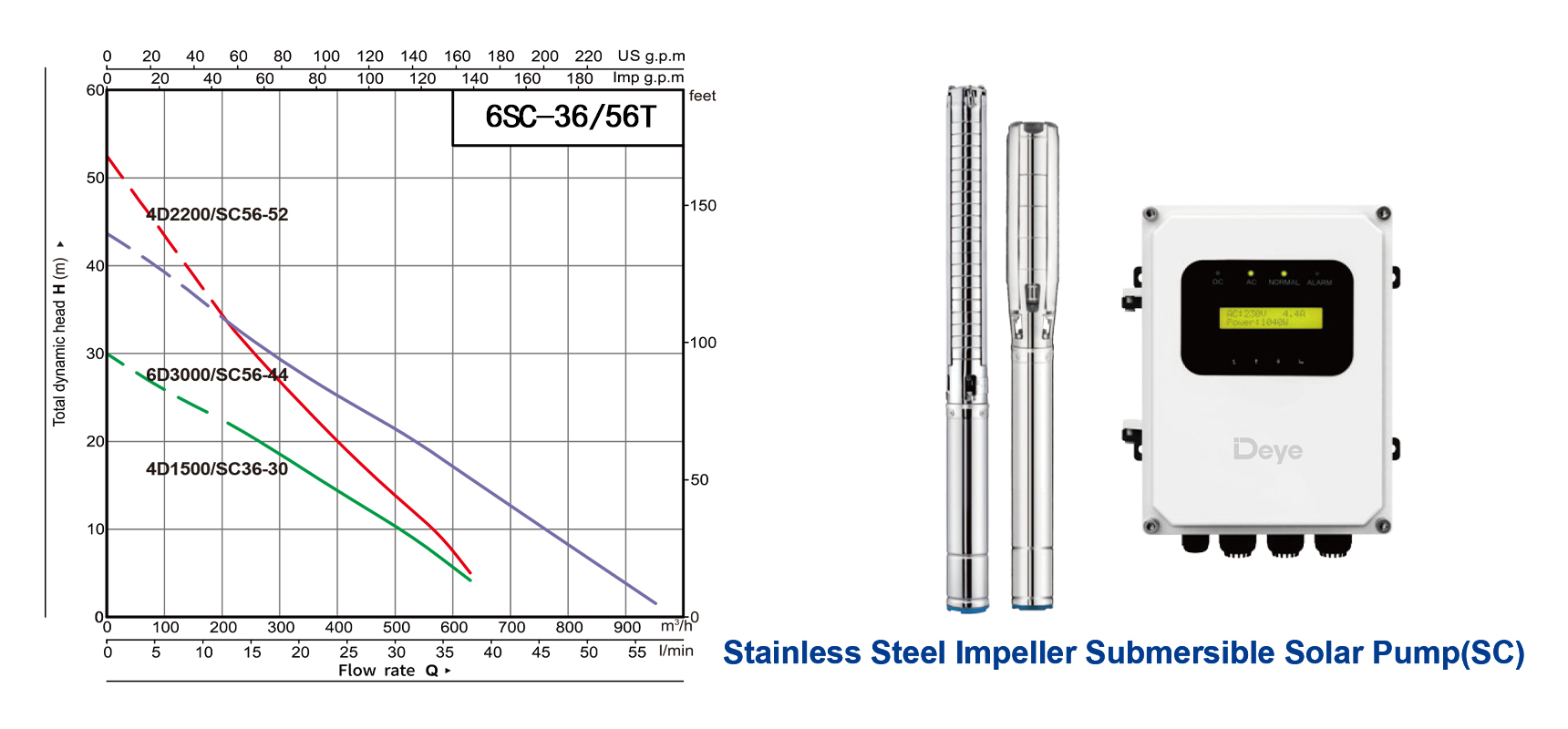
TECHNICAL DATA (6 inch 36m³/h)
| Model | DC Controller |
AC/DC Controller |
Power (W) |
Voltage (V) |
DELIVERY nmax≈4500r/min | ||||||||||
| Q | m³/h | 0 | 5.0 | 10 | 18 | 20 | 23 | 25 | 28 | 33 | |||||
| l/min | 0 | 83 | 167 | 300 | 333 | 383 | 417 | 467 | 550 | ||||||
| 6D1500/SC36-30 | DY-D2000DC | DY-D3600AC/DC | 1500 | 160~240 | H(m) | 30 | 27 | 23 | 17 | 16 | 14 | 13 | 11 | 8 | |
| 6D2200/SC36-52 | / | DY-D3600AC/DC | 2200 | 220~400 | 52 | 45 | 37 | 27 | 25 | 22 | 19 | 16 | 10 | ||
TECHNICAL DATA (4 inch 7m³/h)
| Model | DC Controller |
AC/DC Controller |
Power (W) |
Voltage (V) |
DELIVERY nmax≈4500r/min | ||||||||||
| Q | m³/h | 0 | 6.0 | 12 | 18 | 24 | 30 | 36 | 42 | 54 | |||||
| l/min | 0 | 100 | 200 | 300 | 400 | 500 | 600 | 700 | 900 | ||||||
| 6D3000/SC56-44 | / | DY-D3600AC/DC | 3000 | 280~400 | H(m) | 44 | 40 | 33 | 33 | 29 | 25 | 20 | 15 | 6 | |
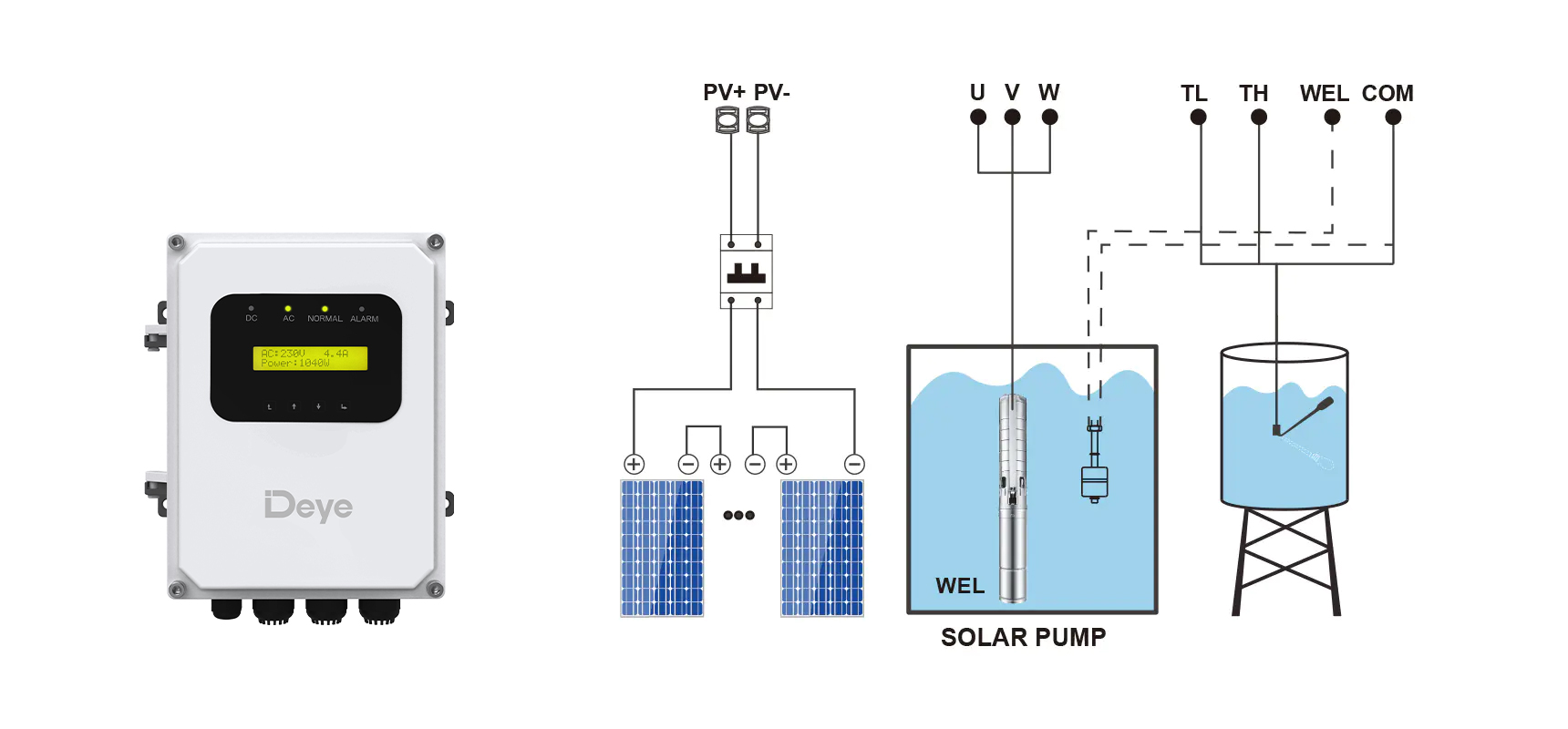
Drawing
Related Products
-
Premium 4-inch stainless steel impeller pump features full anti-rust & anti-silt performance, to...View Product
-
This 4-inch AC/DC solar submersible pump (600-3000W, plastic impeller) works with solar panels and m...View Product
-
Compact 3-inch plastic impeller solar pump with low power range, engineered for single-family scatte...View Product
-
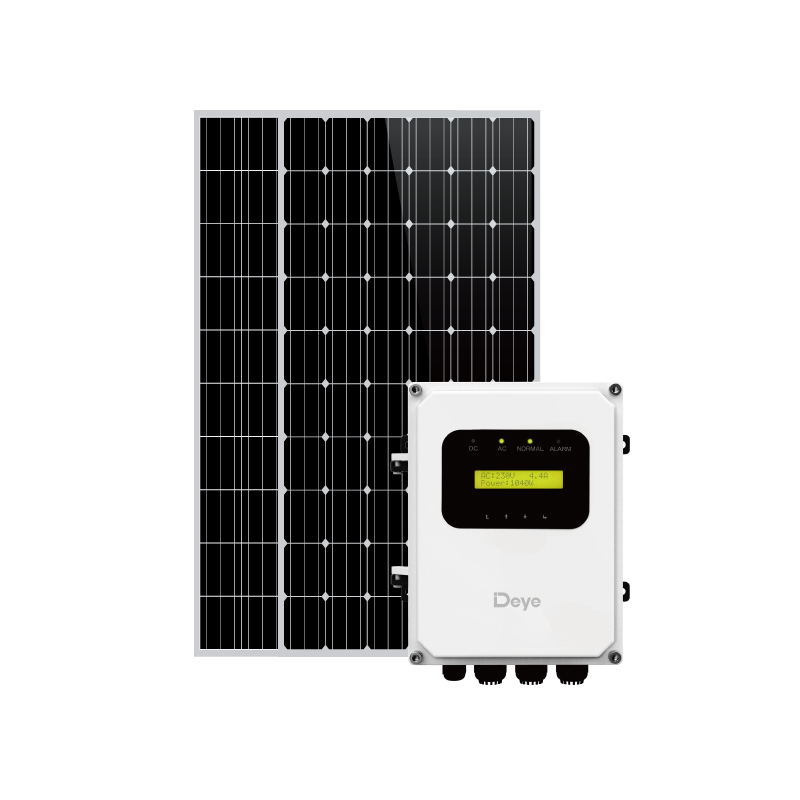 The AC/DC Auto Switch Controller adopts solar-first intelligent switching logic for a 24-hour uninte...View Product
 -
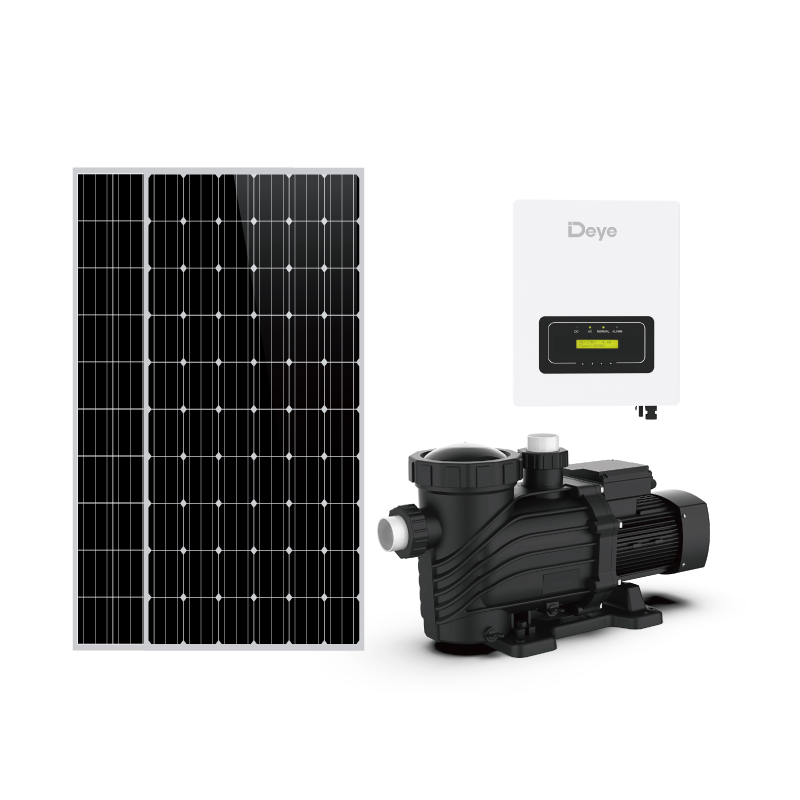 Deye Solar swimming pool pump is a simple, intelligent and worry-free solution that suitable for var...View Product
 -
4 inch High Speed AC/DC Solar Submersible Pump, 5500-13000W with plastic impeller. Optimized for lar...View Product
About Deye
Zhejiang Deye Electrical Appliances Co., Ltd.
Since its establishment in 1990, Deye Group has been dedicated to the research, development, and manufacturing of submersible pumps and pump controllers. We are built on a foundation of precision engineering and a commitment to manufacturing excellence.
At Deye, advanced production technologies and stringent quality control processes are integrated into every stage of manufacturing. This disciplined approach, supported by our team of dedicated engineers, ensures that every submersible pump, pool pump, and controller we deliver meets the highest standards of performance, durability, and reliability.
We go beyond manufacturing pumps; we build trust. Deye Group is a China 6 Inch Solar AC/DC Pump Controller (800-3000W) Stainless Steel Impeller Submersible Pumps Suppliers, committed to providing stable, efficient, and intelligent water system solutions for global users, striving to be your trusted long-term partner.
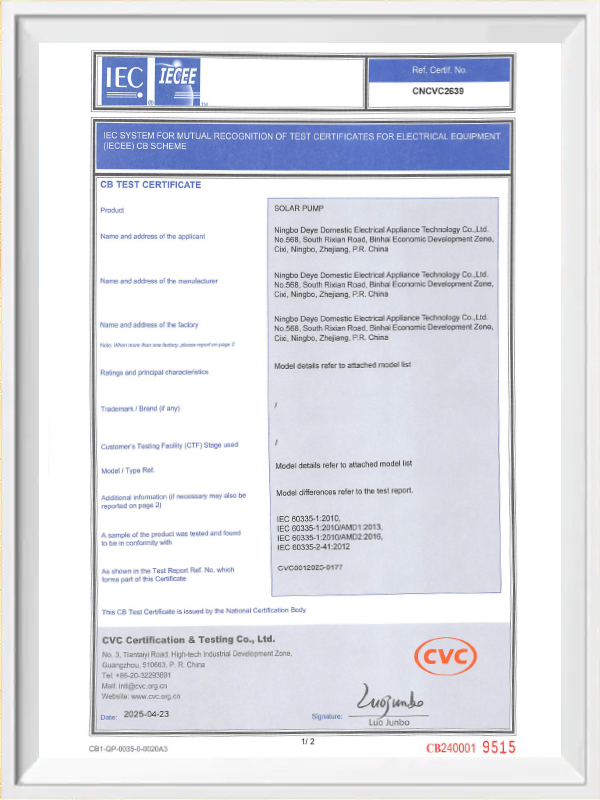
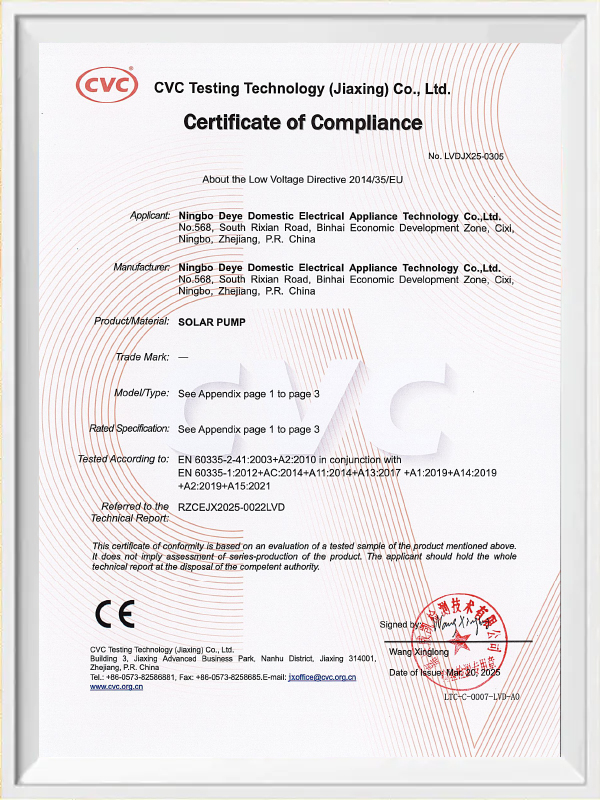
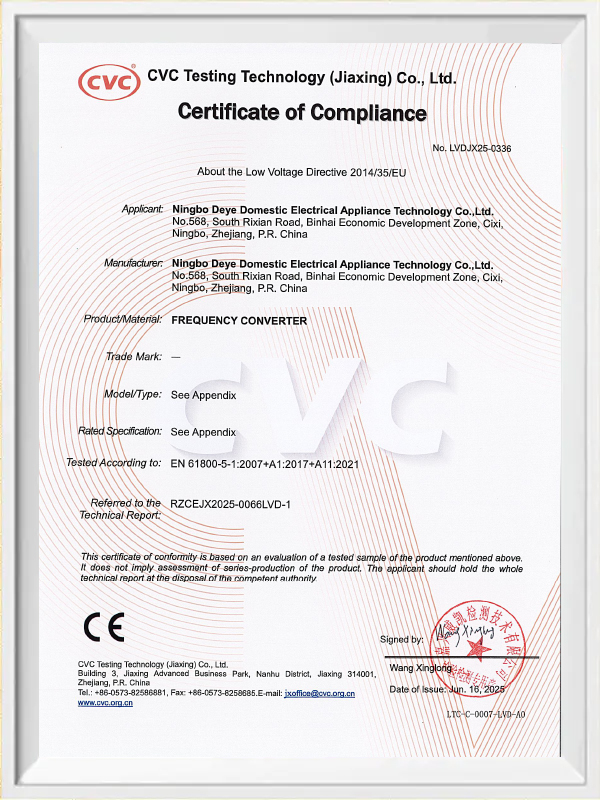
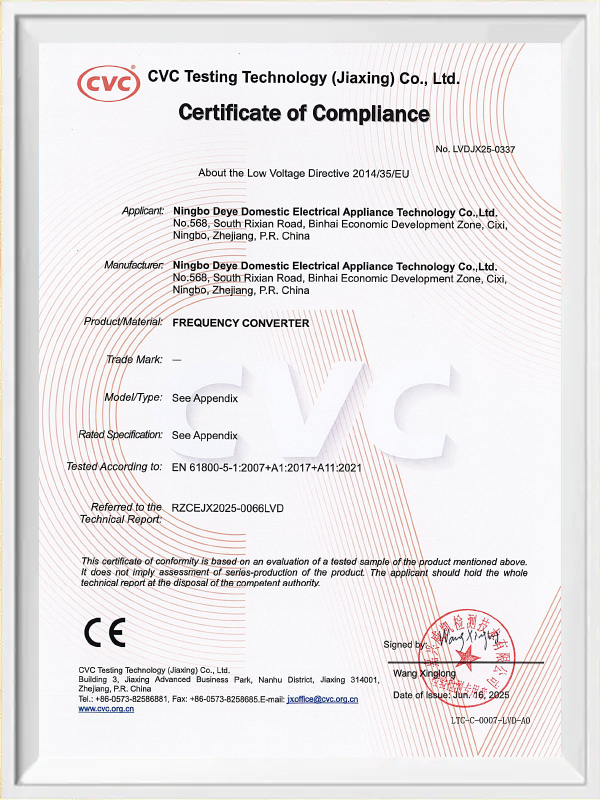
Certificate Of Honor

Recent News
-
Two identical 3-inch submersible pumps, installed a few hundred metres apart on the same kind of borehole, can behave completely differently: one lifts water all afternoon, the o...
Read More -
A pond solar pump is a photovoltaic-powered water pump that moves water from a pond for aeration, circulation, irrigation, or transfer. If your pond has no reliable grid connecti...
Read More -
A solar deep well water pump is a submersible pump powered by photovoltaic panels, designed to lift water from deep boreholes where grid electricity is unreliable or unavailable....
Read More -
If you need to move water for irrigation, livestock, or off-grid living, a large solar water pump is usually defined as a system rated at 4 kW or higher. The right large solar pu...
Read More
Solar Submersible Pump Industry Knowledge
1. Product Category Overview
The 6-inch solar AC/DC pump controller combined with a stainless steel impeller submersible pump represents a higher-capacity solar pumping system targeting a motor power range of 800 W to 3000 W. The 6-inch (150 mm) pump outer diameter allows installation in larger-diameter boreholes, enabling greater flow rates per stage and compatibility with higher-yield aquifers compared to 4-inch systems.
The use of stainless steel impellers throughout the pump's hydraulic stages elevates this product category above entry-level plastic impeller configurations, making it suited for water sources with elevated sand content, brackish conditions, or chemically aggressive groundwater chemistry where plastic components would exhibit accelerated wear.
Deye Group has applied over three decades of submersible pump and controller manufacturing experience to this product line, integrating precision hydraulic design with robust electronics to address the performance and durability requirements of agricultural, municipal, and industrial users globally.
2. The 6-Inch Borehole Format: Technical Significance
The nominal 6-inch designation refers to the pump's outer diameter of approximately 150 mm. This dimension governs borehole compatibility, hydraulic stage diameter, and the physical flow area available around the motor body for cooling water circulation. Key implications include:
- Higher per-stage flow capacity: Larger impeller diameter allows more water throughput per stage compared to 4-inch designs at equivalent motor power, enabling higher flow rates at moderate head.
- Borehole requirement: Requires a cased borehole with an internal diameter of at least 6 inches (150 mm). In practice, a 6-inch pump is typically installed in a 6.5-inch or 8-inch borehole to provide adequate clearance for water flow past the motor.
- Motor cooling: Adequate annular water flow around the motor is essential for cooling. Minimum recommended clearance between pump outer diameter and borehole wall is typically 10 to 15 mm on each side, depending on motor power.
- Higher yield aquifer compatibility: 6-inch boreholes are typically drilled in higher-yield formations where greater water extraction rates are available, matching the capacity of a 6-inch pump system.
3. Stainless Steel Impellers: Material Advantages and Applicable Conditions
3.1 Material Grades Used
Impellers, diffusers, and hydraulic bowls in this product category are fabricated from 304 or 316 stainless steel. The selection between grades depends on application water chemistry:
| Grade | Composition | Corrosion Resistance | Recommended For |
| 304 SS | 18% Cr, 8% Ni | Good; suitable for fresh clean groundwater | Standard freshwater boreholes, low chloride content |
| 316 SS | 16% Cr, 10% Ni, 2% Mo | Superior; molybdenum enhances chloride resistance | Brackish water, coastal boreholes, elevated mineral content |
3.2 Performance Advantages Over Plastic Impellers
- Abrasion resistance: Maintains dimensional accuracy under continuous exposure to sand, silt, and fine particulate content up to the pump's rated sand tolerance, preserving hydraulic efficiency over time.
- Structural integrity at high speed: Higher tensile strength withstands centrifugal stress at elevated motor speeds without dimensional distortion.
- Extended service interval: Reduced wear rate in abrasive or chemically active water extends the period between borehole extraction and inspection compared to plastic alternatives.
- Broader water chemistry tolerance: Suitable across a wider pH range and compatible with water containing dissolved iron, manganese, and moderate chloride concentrations.
4. AC/DC Controller Architecture for the 800-3000W Range
At power levels from 800 W to 3000 W, the solar pump controller handles higher current levels than small-range units, requiring more robust power electronics and thermal management. Key functional elements include:
- MPPT algorithm: Tracks the PV array maximum power point continuously, compensating for shading, temperature variation, and cloud transients to extract maximum available solar energy.
- Three-phase VFD output: Converts DC or AC input to variable-frequency three-phase output, allowing the motor to start softly and run at variable speed proportional to solar availability, reducing mechanical stress on pump stages and the motor shaft.
- Dual-input priority logic: Solar DC is utilized as the primary energy source; AC grid or generator input is activated automatically when solar power falls below the minimum operating threshold, without requiring manual switching.
- High-capacity heatsink and thermal design: At 800-3000 W output, thermal dissipation is a critical design factor; controllers in this range use aluminum heatsinks with fan-assisted cooling on larger models.
- Parameter interface: LCD display with keypad or rotary dial for on-site configuration of motor rated current, protection thresholds, restart delay, and water level sensor inputs.
5. Hydraulic Performance Reference by Power Rating
| Motor Power | Indicative Flow (m3/h) | Indicative Max Head (m) | Typical Deployment |
| 800 W | 3 to 6 | 50 to 90 | Small agricultural irrigation, rural water supply |
| 1500 W | 5 to 10 | 80 to 140 | Medium-scale irrigation, village water scheme |
| 2200 W | 8 to 15 | 100 to 170 | Large irrigation, municipal water supply |
| 3000 W | 10 to 20 | 120 to 200 | High-yield borehole, commercial and industrial use |
Note: Values are indicative reference ranges for standard 6-inch multi-stage configurations. Certified pump curve data should be consulted for project specification purposes.
6. 4-Inch vs. 6-Inch Solar Submersible Pump System: Selection Guide
| Criteria | 4-Inch System | 6-Inch System |
| Pump outer diameter | Approx. 100 mm | Approx. 150 mm |
| Min. borehole diameter | 4 inch (100 mm) internal | 6 inch (150 mm) internal; 6.5-8 inch recommended |
| Typical max flow (at 3 kW) | Up to approx. 12 m3/h | Up to approx. 20 m3/h |
| Impeller material (this range) | Engineering plastic (Noryl / GF-PP) | 304 or 316 stainless steel |
| Sand and abrasion tolerance | Low to moderate (clean water sources) | Moderate to high (sandy or brackish sources) |
| Typical application scale | Household, small farm, livestock | Medium to large farm, village supply, commercial |
| Unit cost (pump) | Lower | Higher |
| Borehole drilling cost | Lower (smaller diameter) | Higher (larger diameter) |
7. Application Scenarios
- Large-scale agricultural irrigation: High-flow extraction from productive aquifers to supply drip, sprinkler, or flood irrigation systems serving tens of hectares in off-grid regions.
- Municipal and village water supply: Community water schemes requiring consistent daily water volumes above what 4-inch systems can provide from a single borehole.
- Brackish or mineral-rich groundwater sources: Locations where elevated dissolved solids, iron content, or mild salinity make stainless steel impellers a necessary material specification.
- Industrial process water supply: Manufacturing facilities, food processing operations, or construction sites requiring reliable off-grid water supply at moderate to high flow rates.
- Humanitarian water access programs: Large-scale development projects in sub-Saharan Africa, South Asia, and arid regions where 6-inch boreholes are standard infrastructure and system durability is a priority specification.
8. Frequently Asked Questions
Q1: Can a 6-inch pump be installed in an 8-inch borehole?
Yes. Installing a 6-inch pump in an 8-inch borehole provides additional annular clearance, which improves water flow past the motor for cooling. A centralizer or guide bracket may be recommended to keep the pump centered within the borehole casing and prevent the pump body from contacting the casing wall during operation.
Q2: Is 316 stainless steel always necessary, or is 304 sufficient?
304 stainless steel is sufficient for standard freshwater boreholes with low chloride content (below approximately 200 ppm). Where the water contains elevated chloride, is brackish, or comes from coastal aquifers with seawater intrusion, 316 stainless steel is the appropriate specification due to its molybdenum content, which significantly increases resistance to pitting corrosion in chloride-rich environments.
Q3: How many PV panels are required for a 3000 W 6-inch pump system?
Using the general guideline of 1.2 to 1.5 times the motor rated power in PV panel wattage, a 3000 W motor requires a PV array of approximately 3600 W to 4500 W under standard test conditions. The exact number of panels depends on the individual panel wattage (e.g., 16 to 18 panels of 250 W). String configuration must be verified against the controller's rated DC input voltage range.
Q4: What cable specifications are required for a deep 6-inch borehole installation?
The submersible flat or round cable must be rated for continuous submersion (IP68 equivalent), sized for the motor's rated current at the installation depth, and selected to limit voltage drop to below 3% of rated motor voltage. For deeper installations (above 100 m), a larger cable cross-section is required to compensate for resistance over longer cable length. Cable type and cross-section must comply with the motor manufacturer's specification.
Q5: What is the recommended approach when borehole yield is unknown prior to pump selection?
When aquifer yield data is unavailable, a borehole yield test (step drawdown or constant rate pumping test) should be conducted before finalizing pump selection. Selecting a pump with a flow rate that exceeds the sustainable borehole yield will result in rapid drawdown, dry-run trips, and potential aquifer damage. The pump's rated flow at the operating head must be matched to or below the confirmed specific yield of the borehole.

- No. 26, Yongjiang South Road, Beilun Dirstrict, Ningbo City, Zhejiang, China.
-
[email protected] ( Daniel )
+86-13923361908 ( WhatsApp )
-
[email protected] ( Chris )
+86-18186995218 ( WhatsApp )
-
+86-15888503217 ( Mark Pan )
[email protected] ( WhatsApp )
QUICK LINK
SUPPORT
Copyright ©Zhejiang Deye Electrical Appliances Co., Ltd. All Rights Reserved. 6 Inch Solar AC/DC Pump Controller (800-3000W) Stainless Steel Impeller Submersible Pumps Suppliers

 Back to Top