

 русский
 Français
 Español
 عربى
عربى Deutsch
 Português
 italiano
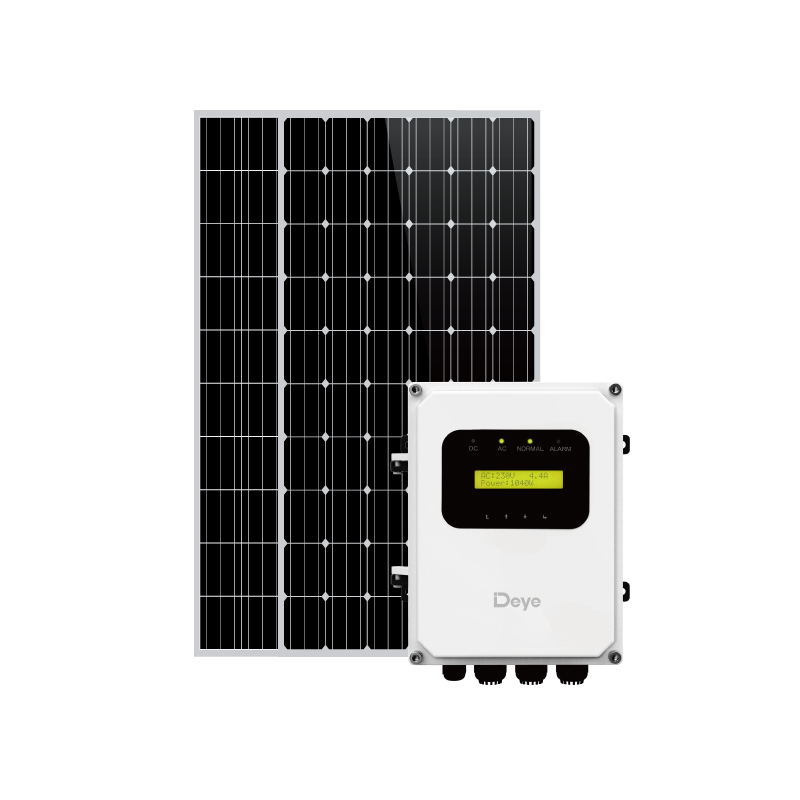
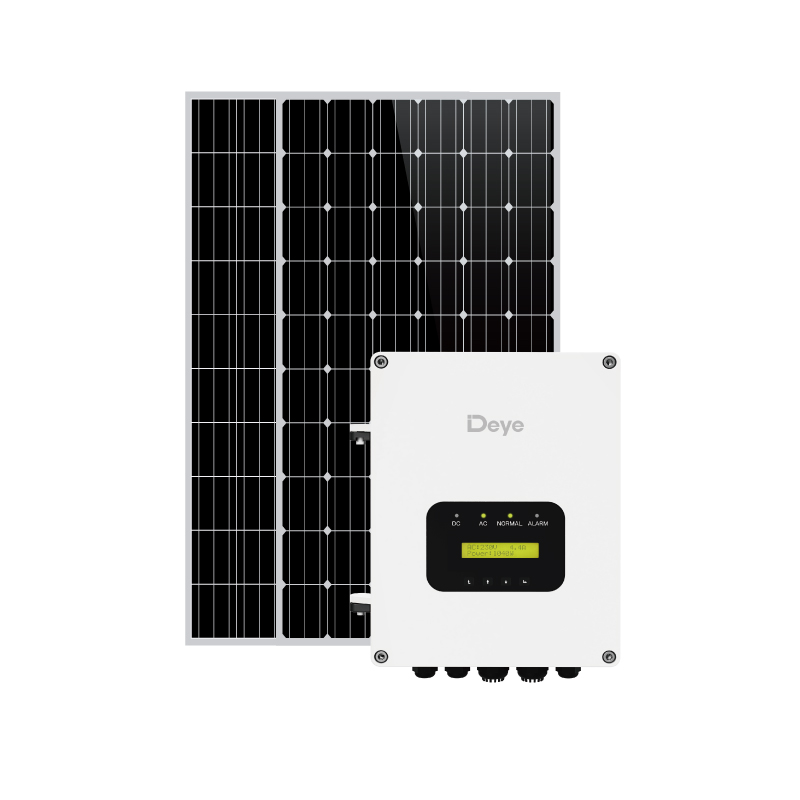
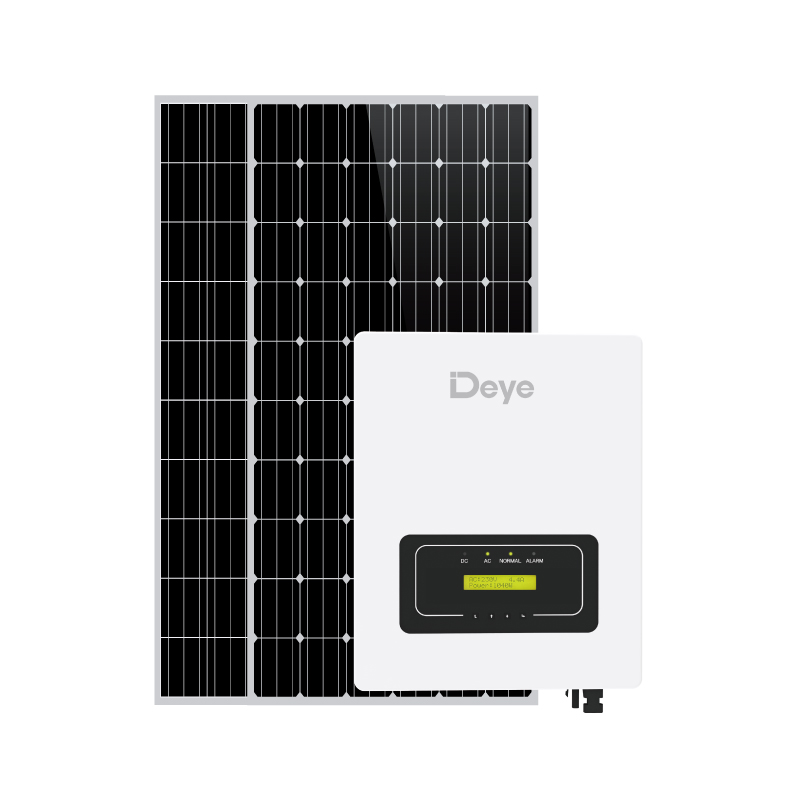
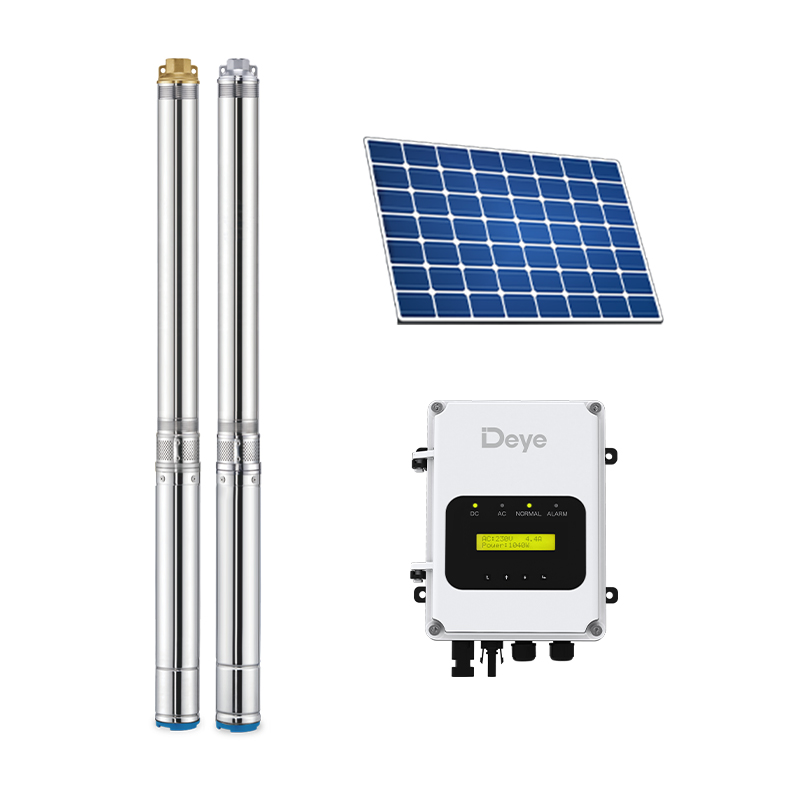
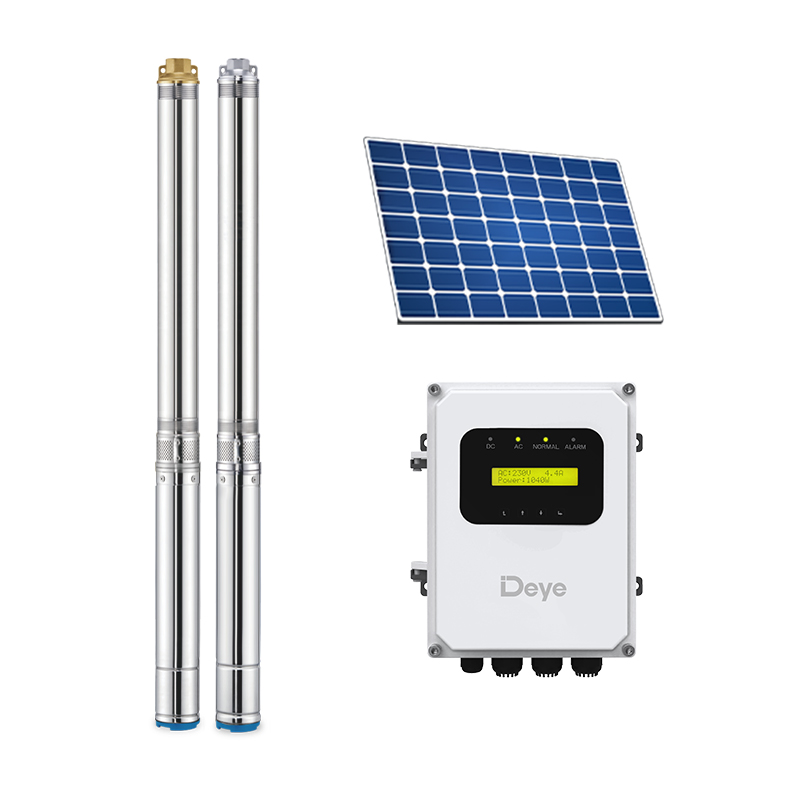
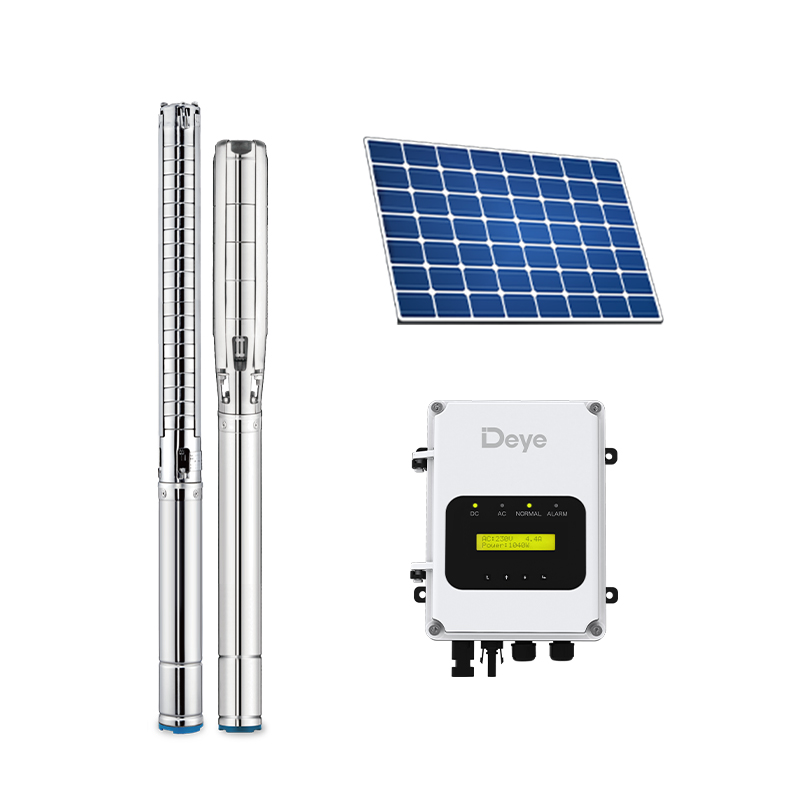
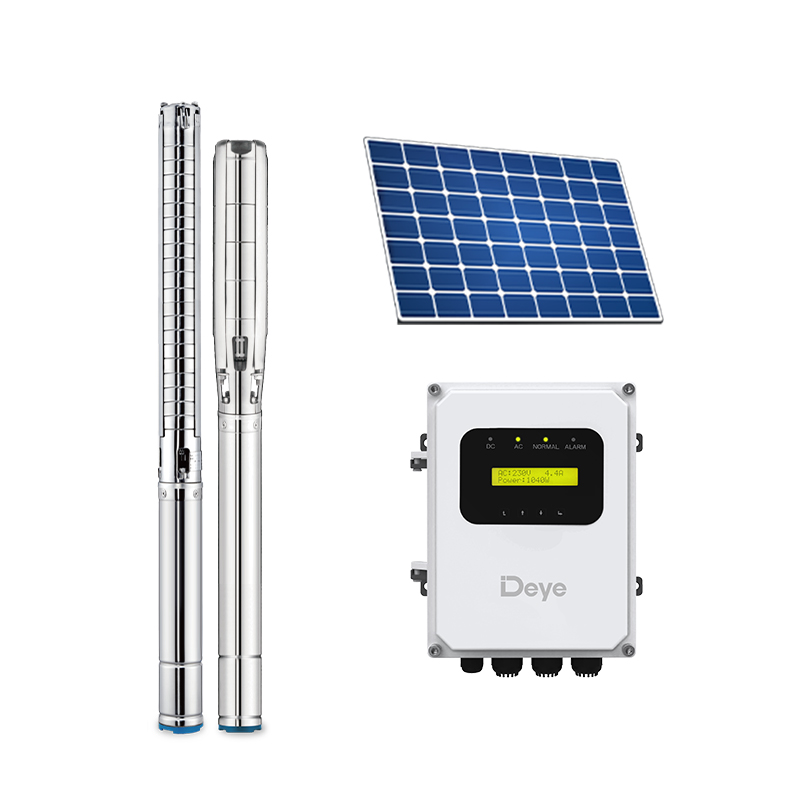
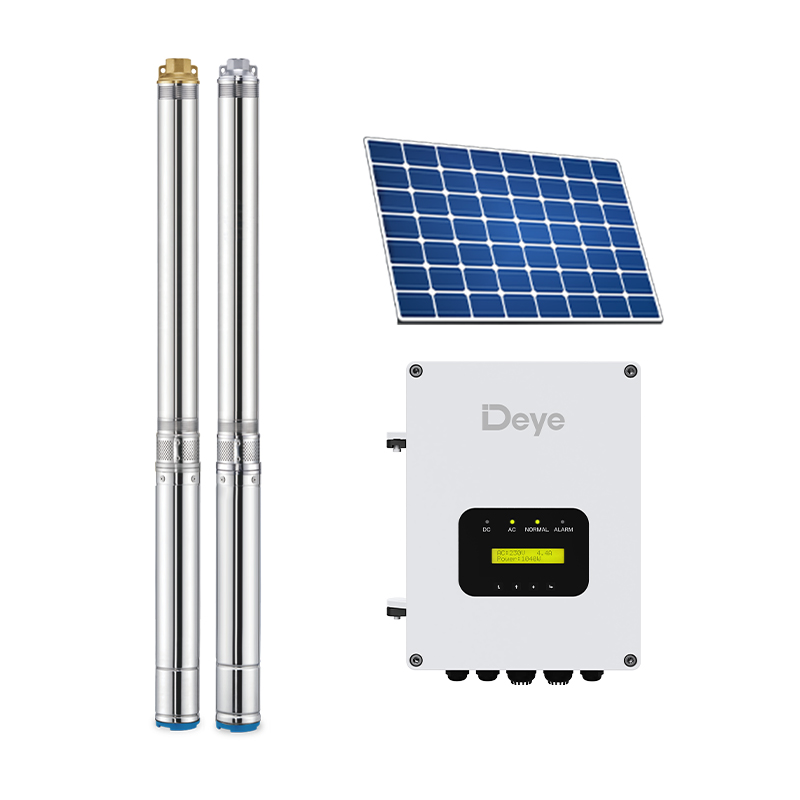
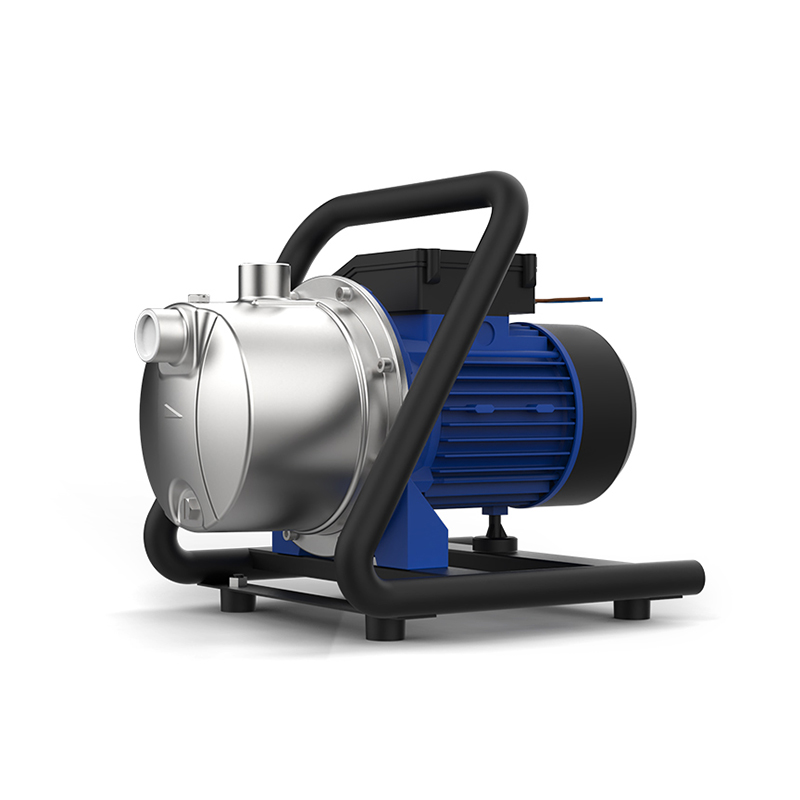
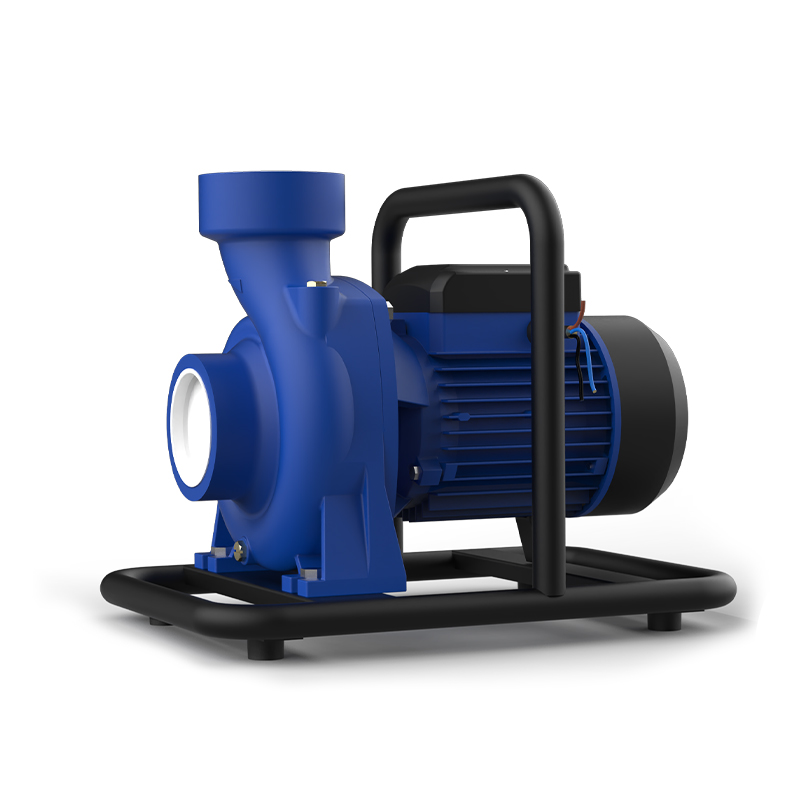
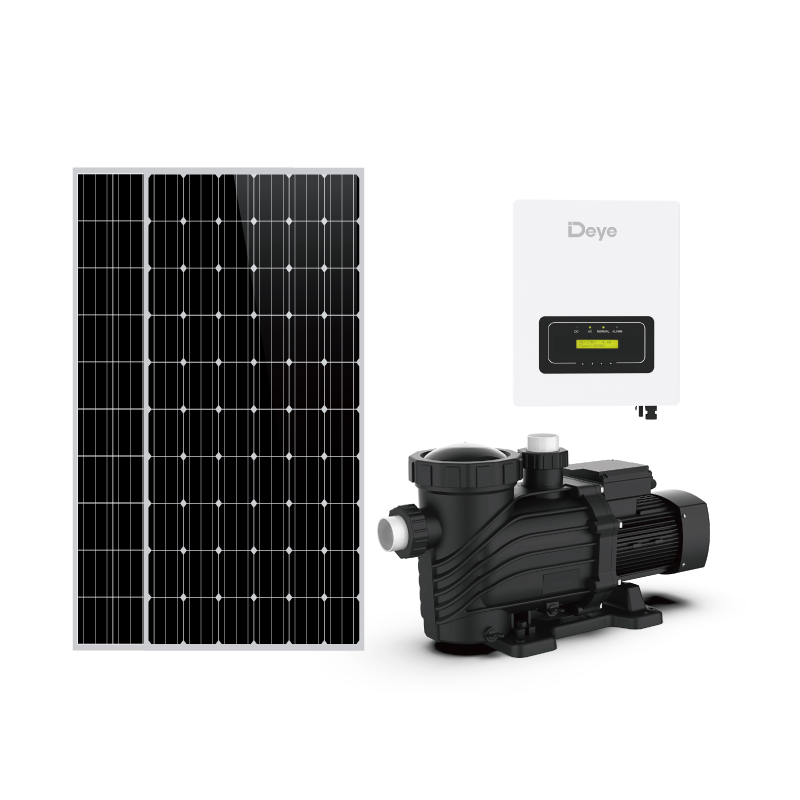
A solar deep well water pump is a submersible pump powered by photovoltaic panels, designed to lift water from deep boreholes where grid electricity is unreliable or unavailable. The fastest way to pick the right system is to work out three numbers first: total dynamic head, flow rate, and the daily solar energy available at your location. When these match, a solar well pump can supply water for a household, livestock or small farm for 15 years or more.
content
What Is a Solar Deep Well Water Pump?
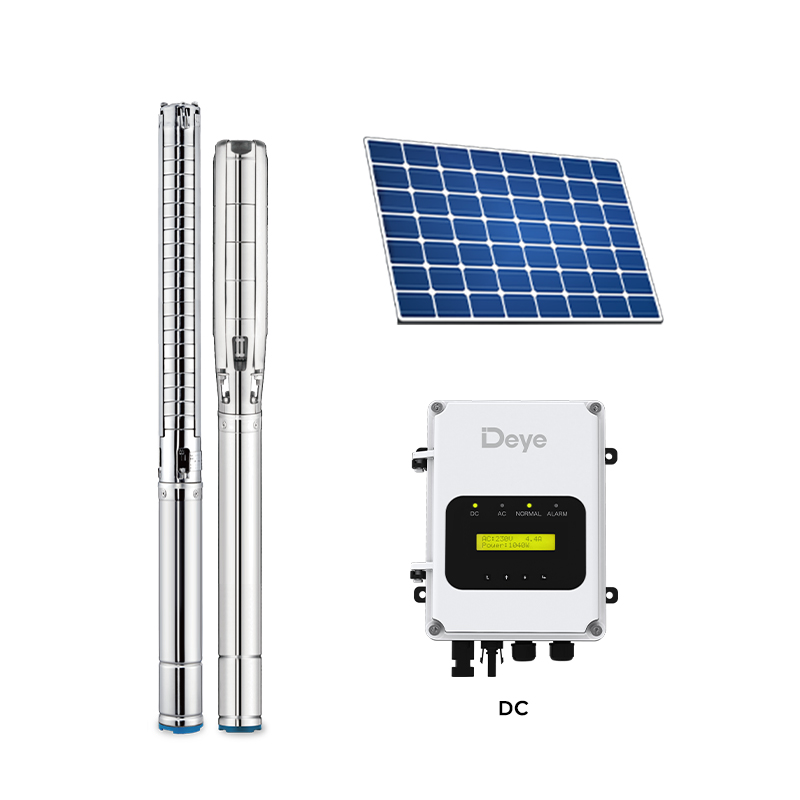
A solar deep well pump is a multi-stage submersible pump driven by a DC or AC/DC hybrid motor, with power coming from a solar array through a controller. Because it sits below the water line and pushes water upward, it avoids suction limitations and can lift water from depths of 30 to 150 metres or more.
Typical system components:
- Solar panels: provide DC power matched to the pump motor.
- Solar pump controller: regulates voltage and current, offers protection against dry running and overload.
- Submersible pump: composed of impellers, motor and stainless or plastic pump casing.
- Water tank or pressure switch: stores water so the pump can run only during sun hours.
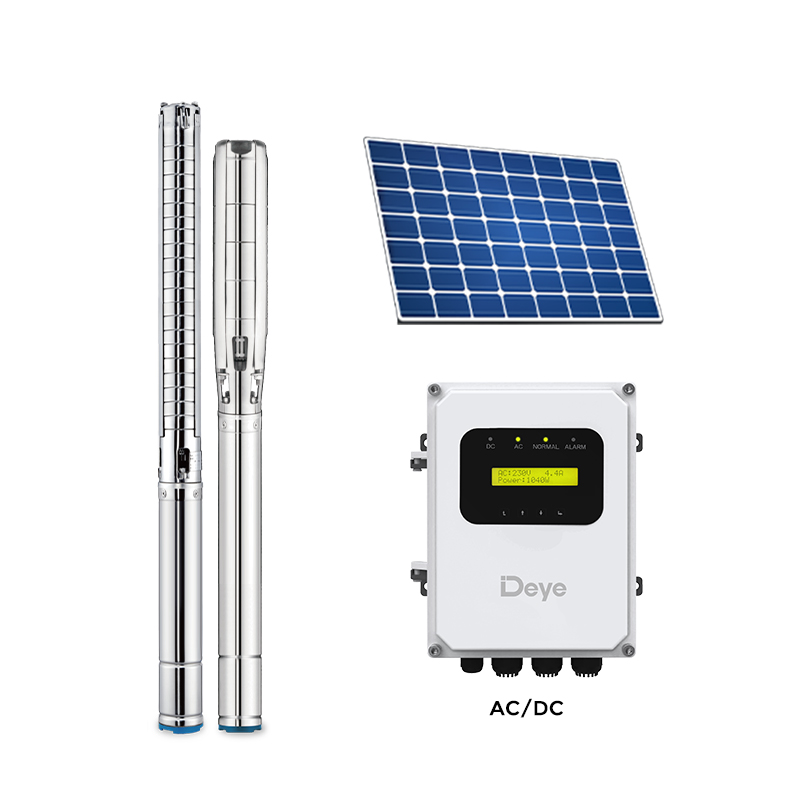
Many modern systems also use an AC/DC hybrid controller, which automatically switches to AC mains or a generator when solar power is insufficient. That hybrid design is especially useful in deep wells because it guarantees water supply even on cloudy days.
How Deep Can a Solar Well Pump Operate?
Maximum depth depends on the pump head rating, not on the solar panel alone, and most solar submersible pumps can handle wells from 9 m to 150 m (30 to 500 ft). Choose a pump whose maximum head is 10–20% higher than your calculated total dynamic head; that safety margin avoids accelerated impeller wear and over-current operation.
The table below shows typical depth ranges for Deye solar submersible pumps.
| Well depth | Typical total head | Recommended pump |
|---|---|---|
| 9–18 m (30–60 ft) | 10–20 m | 3-inch AC/DC pump, 400–1500 W |
| 18–45 m (60–150 ft) | 25–50 m | 4-inch AC/DC pump, 600–3000 W |
| 45–90 m (150–300 ft) | 50–100 m | 4-inch stainless-steel impeller, 800–3000 W |
| 90–150 m (300–500 ft) | 100–150 m | 6-inch stainless-steel or high-speed 5500–13000 W |
In practice, a 4-inch pump with an 800–3000 W AC/DC controller is the sweet spot for domestic deep wells, while 6-inch units are better for high-flow agricultural or community water systems.
 6-Inch Stainless Steel Solar Submersible Pump for High-Flow SystemsThis 6-inch stainless steel AC/DC solar pump suits large-volume water projects like farm irrigation and community tap-water systems, matching the need for high-flow or deep boreholes while withstanding silt and corrosion.View Product →
How to Choose a Solar Deep Well Pump
Start by calculating total dynamic head, then estimate daily water demand, and only then size the solar array. Do not start from pump price or maximum power; these secondary factors follow the hydraulic calculation.
Calculate Total Dynamic Head (TDH)
TDH is the sum of the vertical lift from the pump setting depth to the highest delivery point, friction losses in the pipe, and any required discharge pressure.
- Vertical lift: distance from water level to ground level, plus depth of pump below water.
- Friction loss: roughly 1–2 m per 30 m of pipe, depending on pipe diameter and flow.
- Discharge pressure: 1 bar adds about 10 m of head; useful if you pressurise a home system.
Determine Required Flow Rate
The pump flow rate is calculated as daily water consumption divided by peak sun hours. A family of four using 1 m³ per day in an area with 5 peak sun hours needs about 200 L/h (0.2 m³/h) from the pump.
- Household: 200–500 L/h depending on tank size.
- Livestock: 300–1000 L/h for a small farm.
- Irrigation: 1000–8000 L/h for crop fields, depending on area.
For irrigation-heavy sites, see our guide on solar-powered irrigation systems. It explains how to match pump output to crop water demand.
Size the Solar Panel Array and Battery
Solar panel power should be 1.3 to 1.5 times the pump motor power to compensate for dust, heat and module ageing. No battery is needed if you store water in a tank; a small battery only for the controller is enough.
Match the Pump Size to Your Well Casing
Well casing diameter limits the pump diameter: a 3-inch pump fits 3-inch and larger casings, 4-inch pumps fit common domestic wells, and 6-inch pumps are for boreholes with high flow or extreme depth.
 4-Inch Stainless Steel Solar Submersible Pump for Deep WellsBuilt with an anti-rust, anti-silt stainless steel impeller, this 4-inch pump tolerates slightly sandy water and supports continuous heavy-duty operation, making it a durable option for standard domestic deep wells.View Product →
AC/DC Hybrid Solar Pumps vs. Pure DC Pumps
For deep wells, an AC/DC hybrid pump is usually the better investment because it switches automatically to AC power during cloudy weather or low solar radiation, while a pure DC pump relies only on the sun or battery storage. The hybrid controller adds a small upfront cost but removes the biggest reliability risk of a solar water supply.
| Feature | Pure DC pump | AC/DC hybrid pump |
|---|---|---|
| Power source | Solar only | Solar first, AC backup |
| Operation at night | Needs battery | Automatic switch to AC |
| System cost | Lower upfront | Slightly higher, better uptime |
| Best suited for | Remote irrigation | Household, livestock and critical water supply |
Deye's solar autoswitch AC/DC controllers are designed to monitor DC input and change over smoothly when solar output drops below the pump's working threshold. This protects the motor from under-voltage wear and keeps the water tank full.
 Solar-First Auto-Switch AC/DC Pump ControllerThis controller automatically prioritizes solar power and switches to AC during low light or at night, ensuring uninterrupted water supply. Its sealed IP65 design helps prevent the moisture-related failures noted in installation guidance.View Product →
Installation Tips and Maintenance Checklist
Installation quality affects pump life more than the pump model itself, and the three most common failures are damaged cable seals, controller moisture ingress and blocked inlet screens. Prevent these with simple steps.
Installation Tips
- Use a steel safety rope to support the pump, never the power cable.
- Install the pump at least 1 m above the well bottom to avoid drawing sand.
- Keep all cable joints above the wellhead and use waterproof heat-shrink connectors.
- Mount the controller indoors or in a weatherproof box with ventilation.
Water Quality and Impeller Material
If the well water contains sand or abrasive particles, choose a stainless-steel impeller; plastic impellers are cheaper and efficient for clean water but wear faster in abrasive conditions. For high-sand wells, a 4-inch stainless-steel impeller pump is the safer choice.
Maintenance Checklist
- Check solar panel output and clean dust off panels monthly.
- Inspect cable and connector insulation every six months.
- Dry-run protection setting should be tested after installation and after any water level change.
- Record pump current and head pressure periodically to detect wear early.
FAQ About Solar Deep Well Pumps
Here are the most common questions we receive from deep-well users.
Can a solar well pump work on cloudy days?
Yes, but with lower output. A pure DC system will slow down or stop if the panel voltage drops; an AC/DC hybrid pump automatically switches to AC power to keep your water supply running.
Do I need a battery with a solar deep well pump?
Not if you store water in a tank. Batteries make sense only for low-flow pumps or where water must be available at night; otherwise, a larger water tank is cheaper and more reliable.
How deep can a 4-inch solar pump go?
A 4-inch solar AC/DC pump with an 800–3000 W controller can serve wells of 90–150 m total head when using stainless-steel impellers. The precise limit depends on flow rate and pipe friction.
Plastic impeller vs stainless steel impeller: which should I use?
Use plastic impellers for clean water and lower cost; use stainless-steel impellers for sandy well water, higher temperature water, or longer service life in deep wells.
A solar deep well water pump is a reliable, low-running-cost solution when sized correctly. Start with the hydraulic calculation, choose a pump with enough head margin, and let an AC/DC hybrid controller handle bad weather. That combination gives you a water supply that works through the night and keeps working for decades.
If you are planning a system for a remote home or farm, explore our off-grid living applications to see how Deye solar pumps are installed in real projects.