
 русский
 Français
 Español
 عربى
عربى Deutsch
 Português
 italiano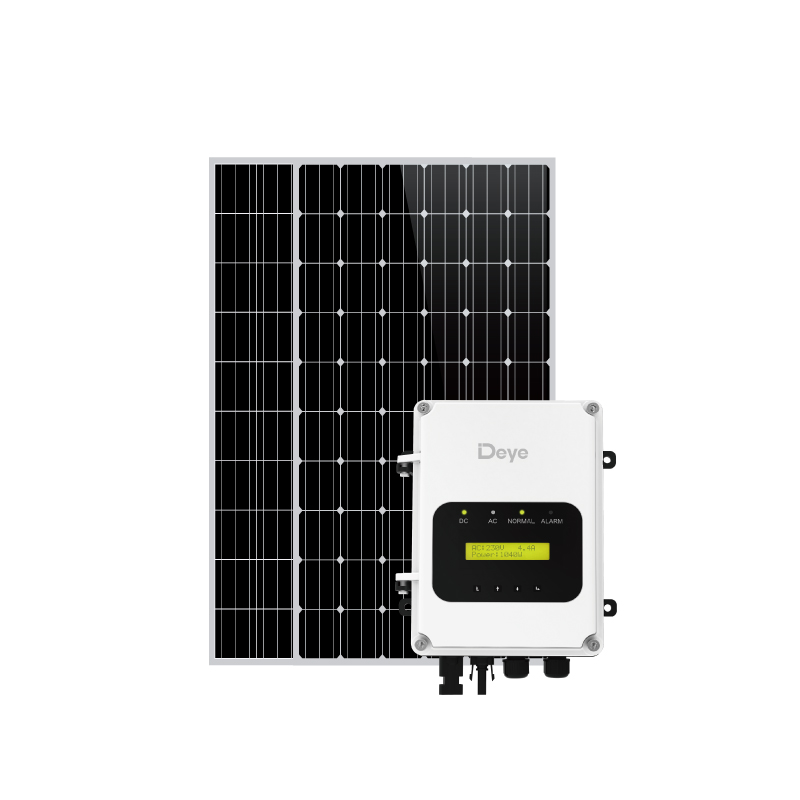
Two identical 3-inch submersible pumps, installed a few hundred metres apart on the same kind of borehole, can behave completely differently: one lifts water all afternoon, the other stalls before noon. The pumps are the same. The off-grid power architecture...
Read More
-
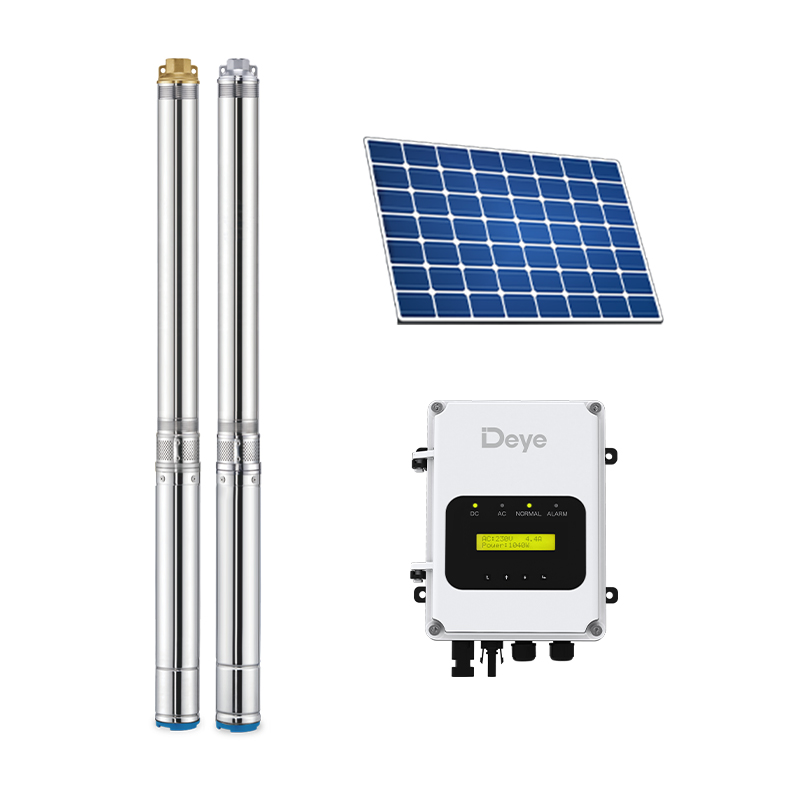
3 Inch Solar AC/DC Pump Controller (400-1500W) Plastic Impeller Submersible Pumps
-
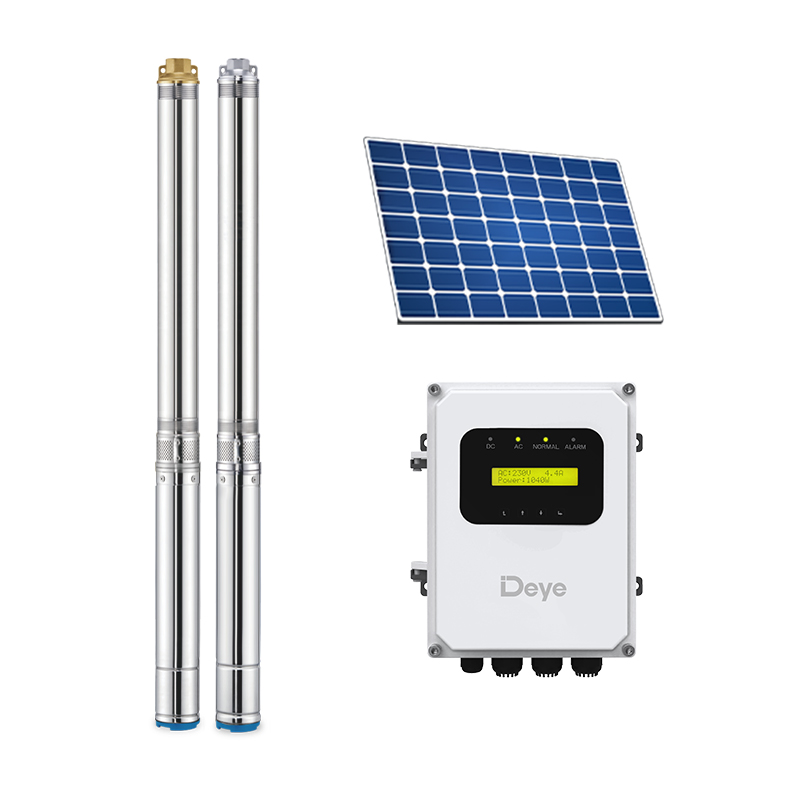
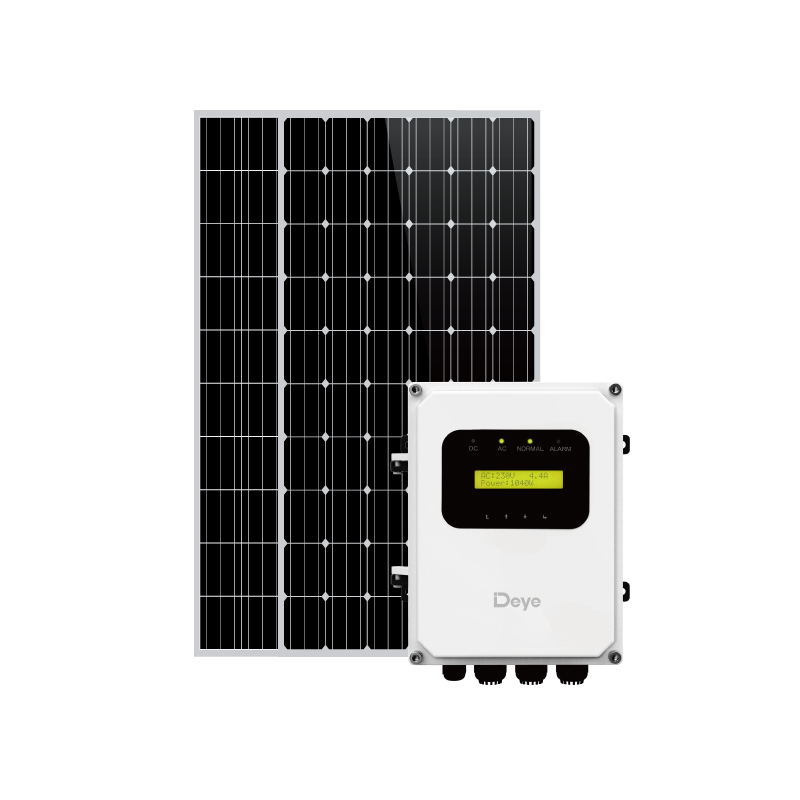
4 Inch Solar AC/DC Pump Controller (600-3000W) Plastic Impeller Submersible Pumps
-
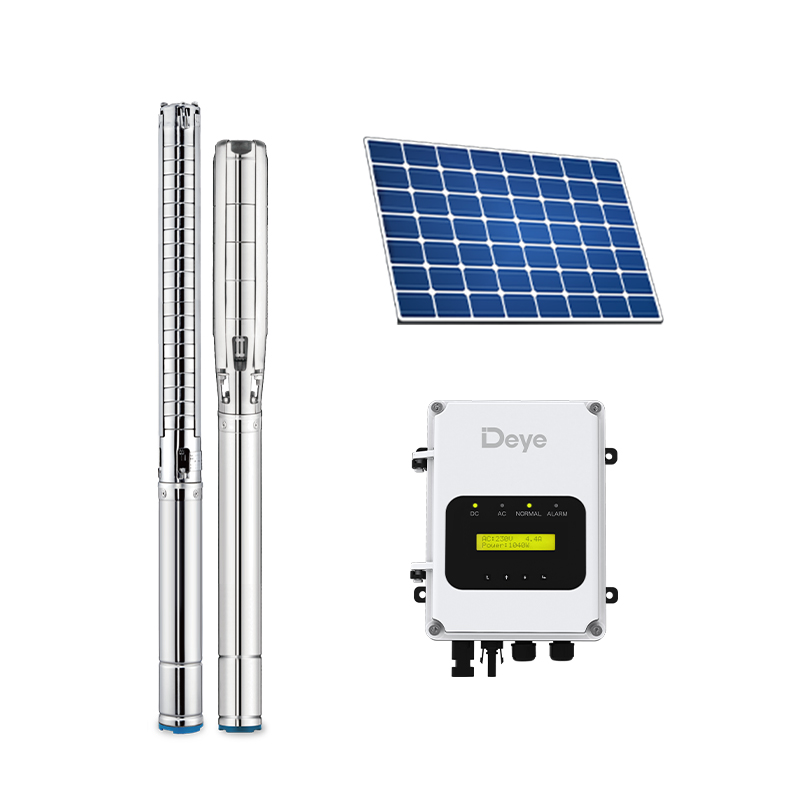
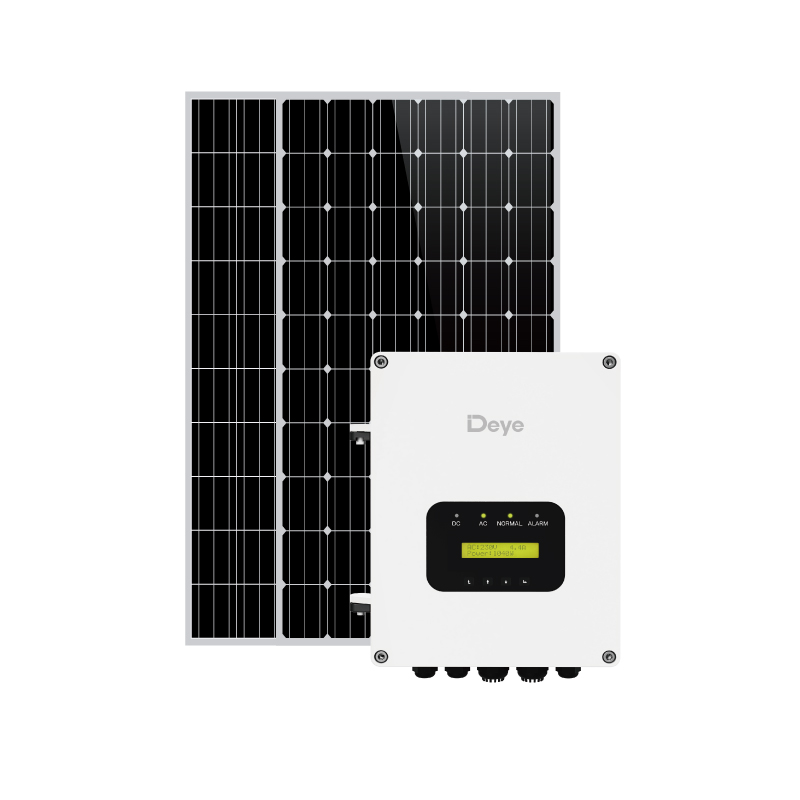
4 Inch Solar AC/DC Pump Controller (800-3000W) Stainless Steel Impeller Submersible Pumps
-
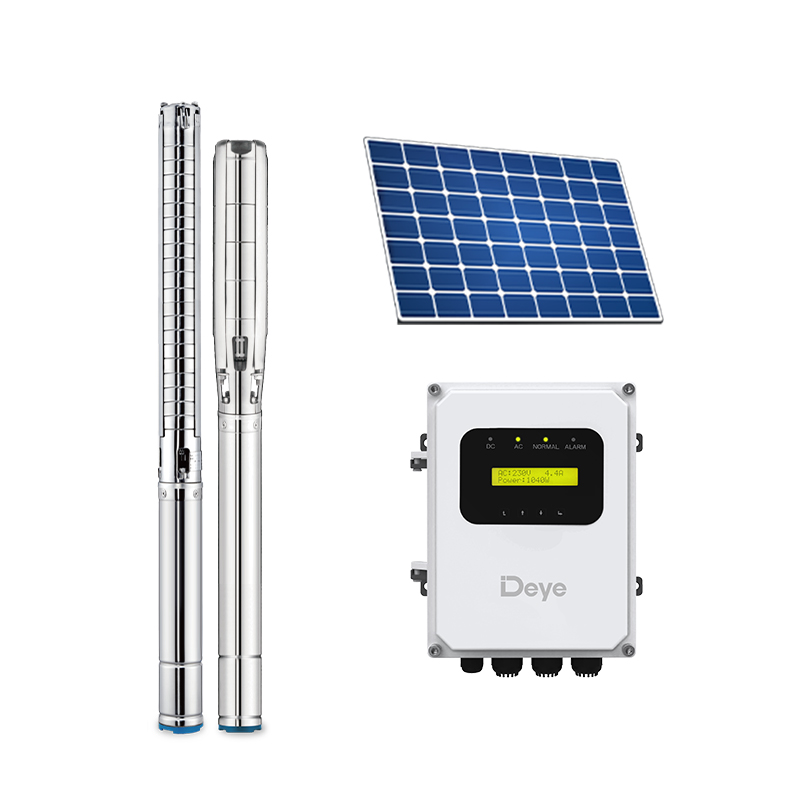
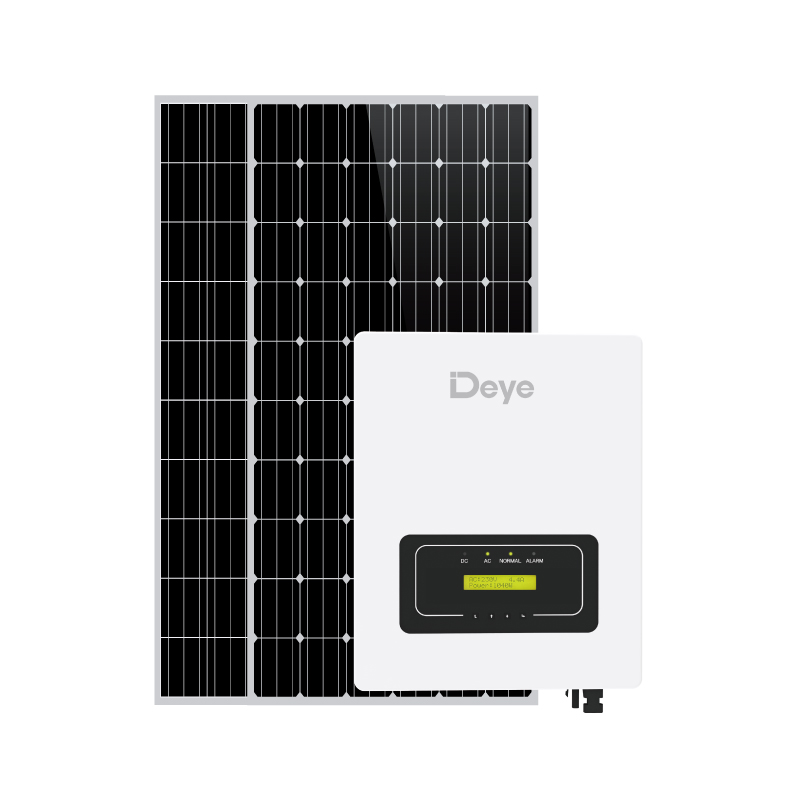
6 Inch Solar AC/DC Pump Controller (800-3000W) Stainless Steel Impeller Submersible Pumps
-
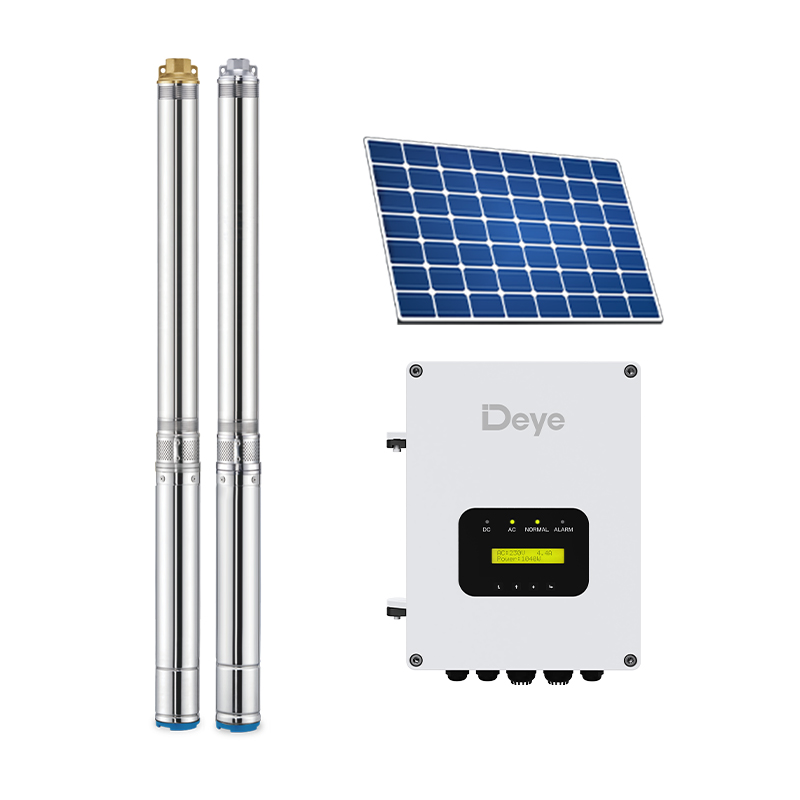
4 Inch High Speed Submersible Solar Pump(5500-13000W)Plastic Impeller Submersible Pumps
-
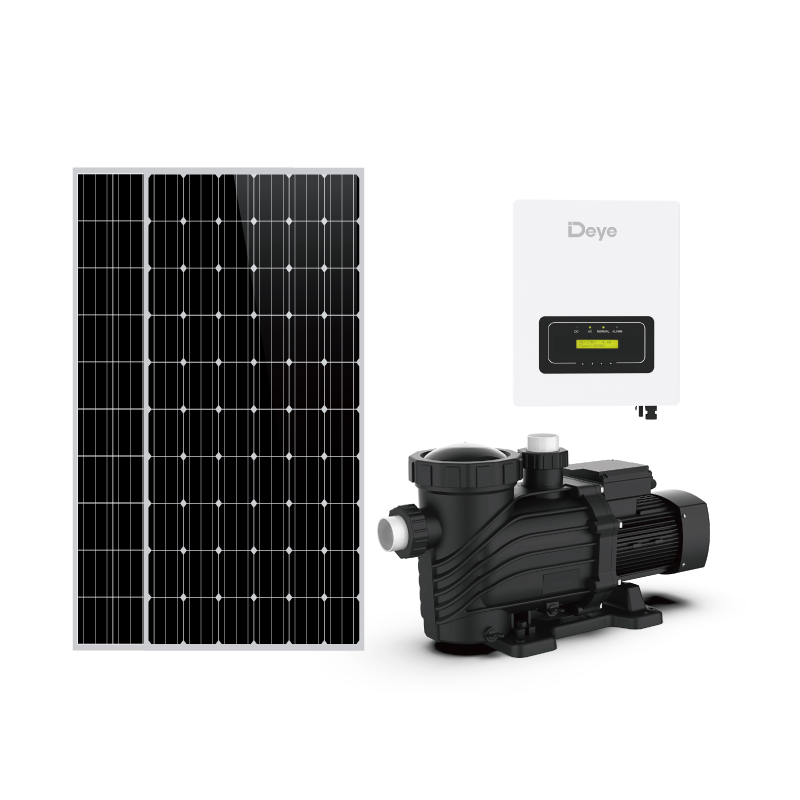 Solar Hybrid ACDC Pump Controller (1100-3000W) & Solar Swimming Pool PumpDeye Solar swimming pool pump is a simple, intelligent and worry-free solution that suitable for various household and commercial swimming pools, hot springs, landscape baths, aquariums and other envi...
Solar Swimming Pool Pump Manufacturer
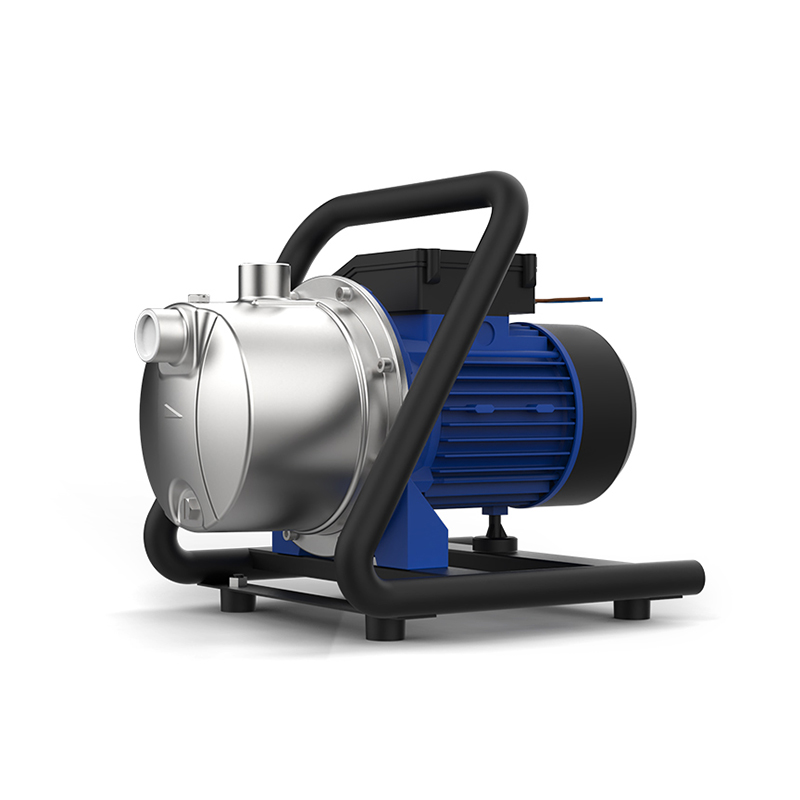
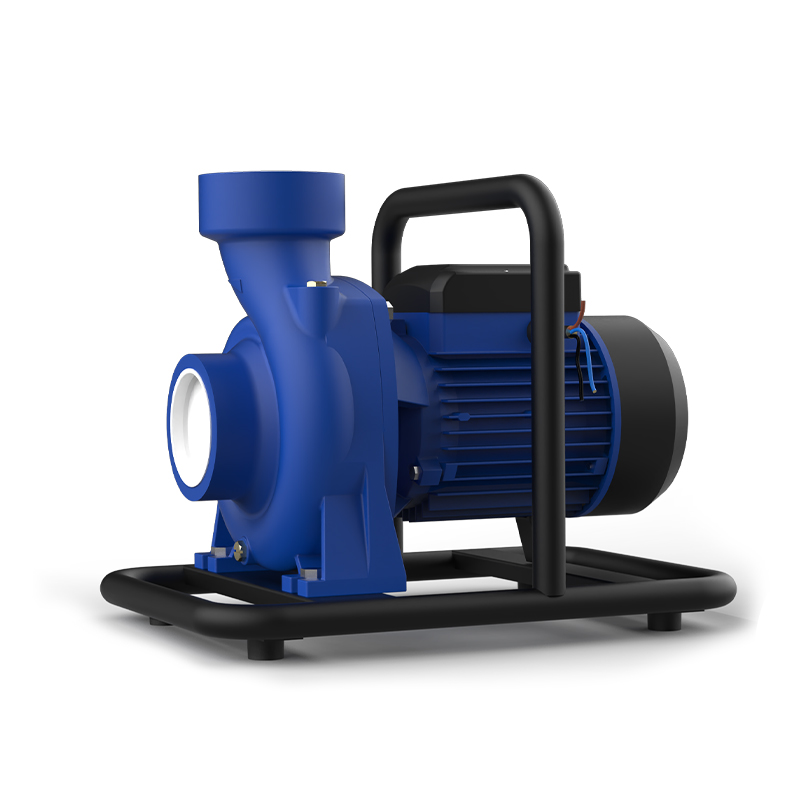
Deye Solar swimming pool pump is a simple, intelligent, and worry-free solution that is suitable for various household and commercial swimming pools, hot springs, landscape baths, aquariums and other environments that require filtration and enables pump owners to enjoy the relaxing and enjoyable solar swimming pool pump usage experience they expect. And energy & cost saving by using free solar power.
Core Advantages Of Deye Solar Swimming Pool Pump
1. Mechanical Seal: S silicon carbide + 316SS + fluorine rubber (supper wear-resistant)
2. Bearing: (BUT) 2RS1 bearings made in the UK, with double rubber seals that provide excellent protection against water and dust—greatly extending the pump’s service life. Even under heav load and continuous operation, it delivers stable performance with minimal maintenance, making it a reliable and energy-efficient solution for home pool systems.
3. Shaft: 316SS food grade Stainless steel + 40Cr tempered steel
4. Motor Material: Equipped with a 50ww600 high-efficiency cooling motor for enhanced durability and corrosion resistance.
5. Motor Structure: Front and rear double skeleton sealing structure
6. Pump Body Material: PA material (high temperature resistant)
7. Junction Box: Junction box made of flame-retardant aluminum alloy, offering excellent fire resistance, corrosion protection, and heat dissipation. It effectively safeguards internal circuits, ensures safe and stable operation in harsh conditions, and is ideal for outdoor pools and solar-powered systems.
8. Filter Housing: Large-capacity filter housing supports high water flow. Reinforced filter basket ensures smooth flow even when full of debris.
9. Pre-Filter Lid: Transparent pre-filter lid allows for easy inspection and cleaning.
10. Protection Class: IP55
11. Insulation Class: F
12. Medium temperature: ≤75℃
About Deye
Zhejiang Deye Electrical Appliances Co., Ltd.
Since its establishment in 1990, Deye Group has been dedicated to the research, development, and manufacturing of submersible pumps and pump controllers. We are built on a foundation of precision engineering and a commitment to manufacturing excellence.
At Deye, advanced production technologies and stringent quality control processes are integrated into every stage of manufacturing. This disciplined approach, supported by our team of dedicated engineers, ensures that every submersible pump, pool pump, and controller we deliver meets the highest standards of performance, durability, and reliability.
We go beyond manufacturing pumps; we build trust. Deye Group is a China Solar Pool Pump Factory and Solar Swimming Pool Pump Manufacturer, committed to providing stable, efficient, and intelligent water system solutions for global users, striving to be your trusted long-term partner.
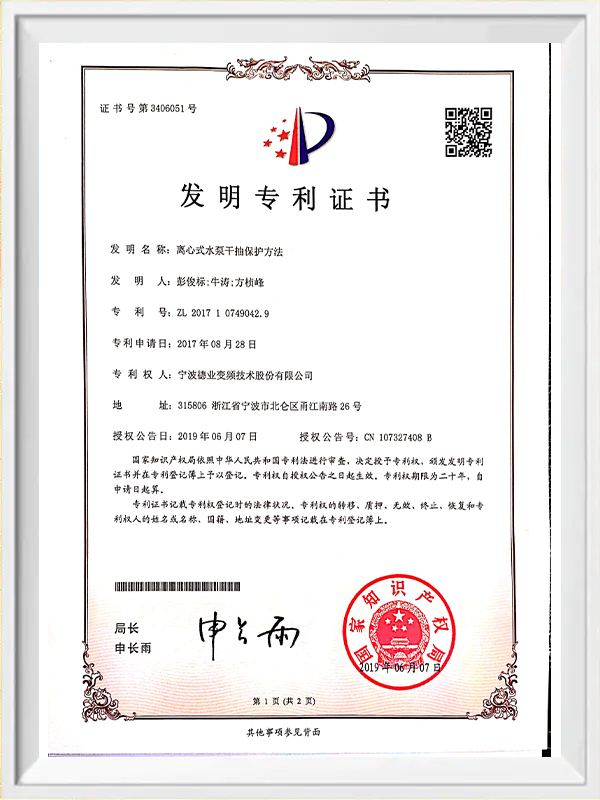
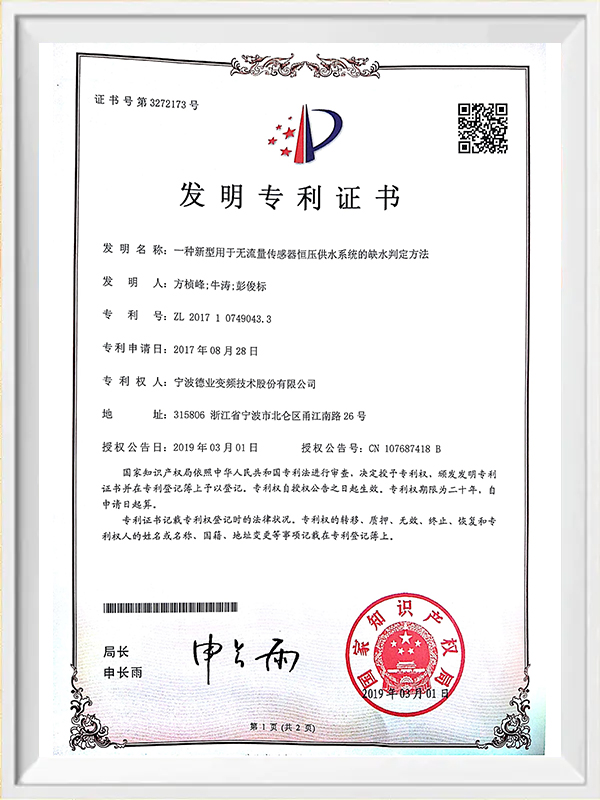
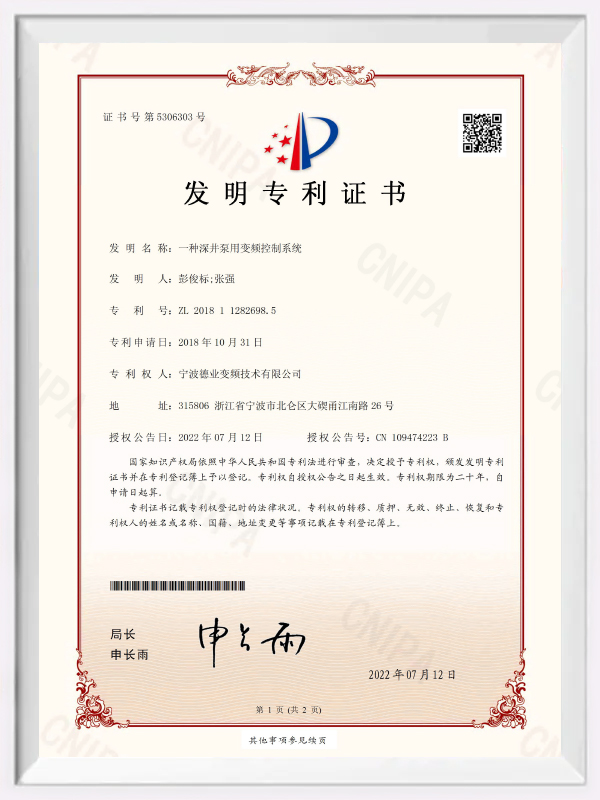
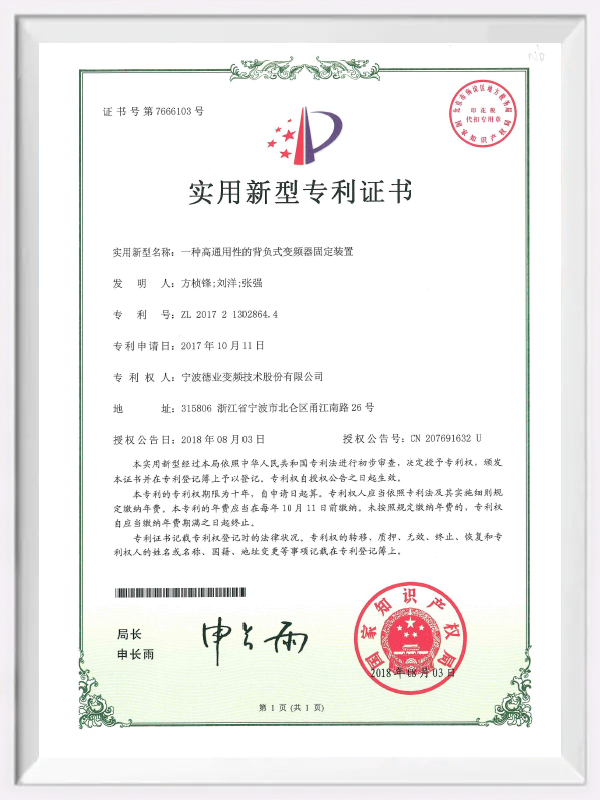
Certificate Of Honor
Recent News
-
-
A pond solar pump is a photovoltaic-powered water pump that moves water from a pond for aeration, circulation, irrigation, or transfer. If your pond has no reliable grid connection, a solar pump can keep water moving without trenching power lines or running ...
Read More -
A solar deep well water pump is a submersible pump powered by photovoltaic panels, designed to lift water from deep boreholes where grid electricity is unreliable or unavailable. The fastest way to pick the right system is to work out three numbers first: to...
Read More
Message Feedback
Solar Swimming Pool Pump Industry Knowledge
1. What Is a Solar Swimming Pool Pump?
A solar swimming pool pump is a water circulation system powered by photovoltaic (PV) solar panels. It replaces or supplements conventional AC-powered pool pumps by converting solar energy into direct current (DC) electricity to drive the pump motor. The system is designed to circulate pool water through filtration, heating, or sanitation systems while reducing grid dependence and operating costs.
Core components typically include a DC brushless motor pump, a solar pump controller (inverter), and a solar panel array. Some configurations also integrate battery storage or allow hybrid AC/DC operation.
2. Types of Solar Pool Pumps
2.1 By Motor Type
| Motor Type | Description | Typical Application |
| DC Brushless (BLDC) | Electronically commutated, no brush wear | Residential and commercial pools |
| AC Induction (with inverter) | Standard AC motor driven by solar inverter | Retrofit installations |
| Permanent Magnet Synchronous | High efficiency across speed range | Variable-speed commercial systems |
2.2 By Power Range
- Low power (0.37 – 1.5 kW): Suitable for small residential above-ground or in-ground pools
- Mid power (1.5 – 4 kW): Standard residential pools and small hotel pools
- High power (4 – 15 kW+): Commercial aquatic centers, large resort pools, waterparks
3. Key Technical Parameters
| Parameter | Typical Range | Relevance |
| Input Voltage (DC) | 72V – 800V | Determines panel configuration |
| Flow Rate | 2 – 60+ m³/h | Filtration turnover cycle |
| Head | 5 – 40+ m | Determines pipe run capability |
| MPPT Efficiency | 97 – 99% | Maximizes power harvest from panels |
| Protection Rating | IP55 – IP68 (controller/pump) | Outdoor and poolside durability |
4. Application Scenarios
Solar pool pumps are deployed across a wide range of environments:
- Residential pools: Private in-ground and above-ground pools seeking reduced electricity bills
- Off-grid holiday homes and villas: Where grid connection is unavailable or costly
- Hotels and resorts: Continuous filtration demands with sustainability requirements
- Public aquatic facilities: Municipal pools with high operational cost pressure
- Solar pool heating systems: Circulating water through rooftop solar collectors
- Water feature and fountain systems: Decorative recirculation with renewable energy
The system performs most effectively in regions with high solar irradiance (3,000 – 6,000 Wh/m²/day), including Southern Europe, the Middle East, Australia, Southeast Asia, and the Americas.
5. Solar Pool Pump vs. Traditional AC Pool Pump
| Criteria | Solar Pool Pump | Traditional AC Pump |
| Energy Source | Solar PV panels (renewable) | Grid electricity |
| Operating Cost | Near zero after installation | Ongoing electricity charges |
| Initial Investment | Higher (includes panels) | Lower upfront |
| Grid Dependency | None or minimal | Fully dependent |
| Variable Speed | Standard (MPPT-driven) | Single or dual speed (standard) |
| Maintenance | Low (BLDC motors, no brushes) | Regular motor maintenance |
| Carbon Emission | Zero during operation | Depends on grid energy mix |
Return on investment (ROI) for solar pool pump systems typically ranges from 2 to 5 years depending on local electricity prices, daily sunshine hours, and system sizing.
6. The Role of the Solar Pump Controller
The solar pump controller (also referred to as a solar drive or solar inverter for pumps) is the electronic interface between the PV array and the pump motor. Its key functions include:
- MPPT (Maximum Power Point Tracking): Continuously adjusts operating parameters to extract maximum power from the solar panels under varying irradiance conditions
- Soft-start control: Reduces mechanical stress during motor startup
- Dry-run protection: Automatically shuts down the pump if water supply is insufficient
- Over-voltage and over-current protection: Safeguards both motor and electronics
- AC/DC hybrid input: Allows grid backup when solar power is insufficient
Deye Group has specialized in the research, development, and manufacturing of submersible pumps and pump controllers since 1990. The integration of precision-engineered controllers with pool pump systems reflects this technical foundation, ensuring stable and intelligent operation across variable solar conditions.
7. System Sizing Principles
Proper system sizing ensures adequate pool turnover without oversizing the panel array. Standard design considerations include:
- Turnover rate: Most pools require 1–2 complete water turnovers per 24 hours
- Pool volume: Determines minimum required flow rate (m³/h)
- Peak sun hours (PSH): Daily average irradiance in target region; affects panel wattage needed
- Pipe friction losses: Total dynamic head (TDH) must be calculated including pipe length, diameter, and fittings
- Panel configuration: Series/parallel arrangement must match the controller's input voltage window
8. Relevant Standards and Certifications
Solar pool pump products entering international markets are generally expected to comply with or reference the following standards:
- IEC 60335-2-41: Safety of household and similar electrical appliances — electric pumps
- CE Marking (EU): Low Voltage Directive and EMC Directive compliance for European markets
- UL/cUL (North America): Electrical safety certification for the US and Canadian markets
- IP Rating (IEC 60529): Ingress protection classification for enclosures
- ISO 9001: Quality management system certification relevant to manufacturing processes
9. Frequently Asked Questions (FAQ)
Q1: Can a solar pool pump operate on cloudy days?
Yes. A solar pool pump with MPPT control can operate at reduced speed under low irradiance conditions. Many systems also support AC grid backup to maintain operation when solar energy is insufficient.
Q2: Is battery storage required?
Battery storage is not mandatory for pool applications. Because pool filtration does not require continuous 24-hour operation, daytime solar-only pumping is typically sufficient for residential use. Battery systems may be considered for extended or nighttime operation requirements.
Q3: What is the typical service life of a solar pool pump?
DC brushless motor pool pumps generally have a service life of 5 to 10 years under normal operating conditions. The absence of mechanical brushes reduces wear and maintenance frequency compared to older motor designs.
Q4: How many solar panels are needed to run a pool pump?
This depends on the pump power rating and local peak sun hours. As a general reference, a 1.5 kW pump in a region with 5 PSH may require approximately 400–600 W of panel capacity. Accurate sizing should be performed based on site-specific data.
Q5: Can an existing pool pump be replaced with a solar model?
In most cases, yes. Retrofit is possible by replacing the pump unit and adding a compatible solar controller and PV panels. Pipe connections and hydraulic sizing should be verified during the upgrade process.

- No. 26, Yongjiang South Road, Beilun Dirstrict, Ningbo City, Zhejiang, China.
-
[email protected] ( Daniel )
+86-13923361908 ( WhatsApp )
-
[email protected] ( Chris )
+86-18186995218 ( WhatsApp )
-
+86-15888503217 ( Mark Pan )
[email protected] ( WhatsApp )
QUICK LINK
SUPPORT
Copyright ©Zhejiang Deye Electrical Appliances Co., Ltd. All Rights Reserved. Solar Pool Pump Factory Solar Swimming Pool Pump Manufacturer

 Back to Top