
 русский
 Français
 Español
 عربى
عربى Deutsch
 Português
 italiano
Two identical 3-inch submersible pumps, installed a few hundred metres apart on the same kind of borehole, can behave completely differently: one lifts water all afternoon, the other stalls before noon. The pumps are the same. The off-grid power architecture...
Read More
-
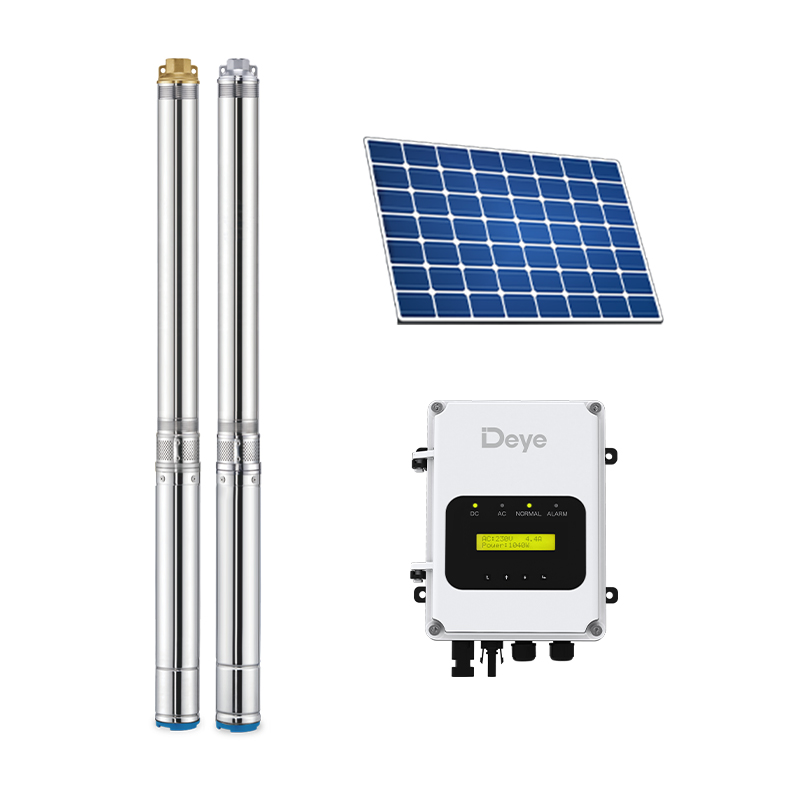
3 Inch Solar AC/DC Pump Controller (400-1500W) Plastic Impeller Submersible Pumps
-
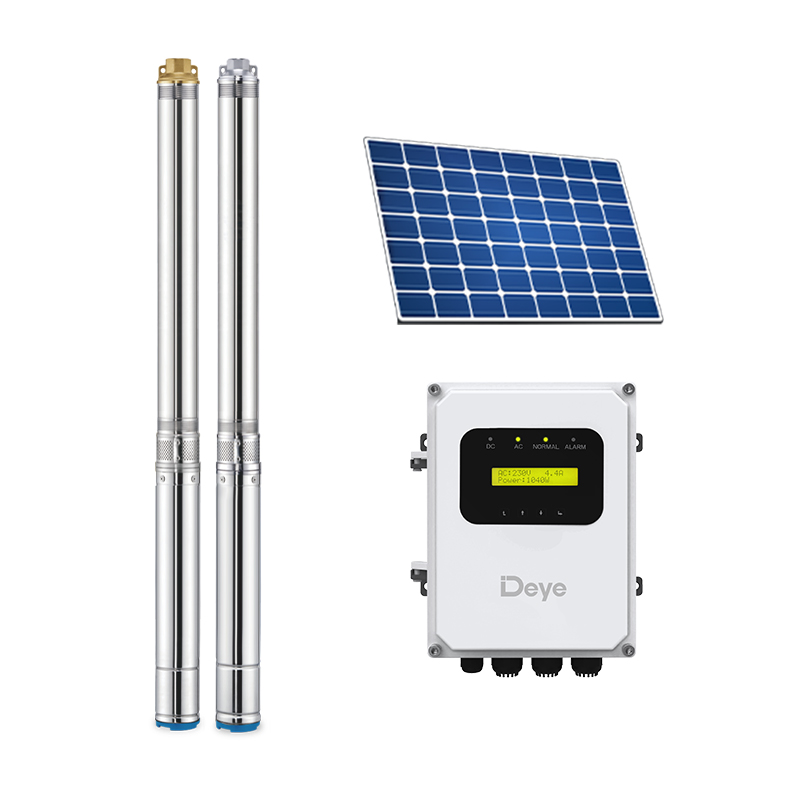
4 Inch Solar AC/DC Pump Controller (600-3000W) Plastic Impeller Submersible Pumps
-
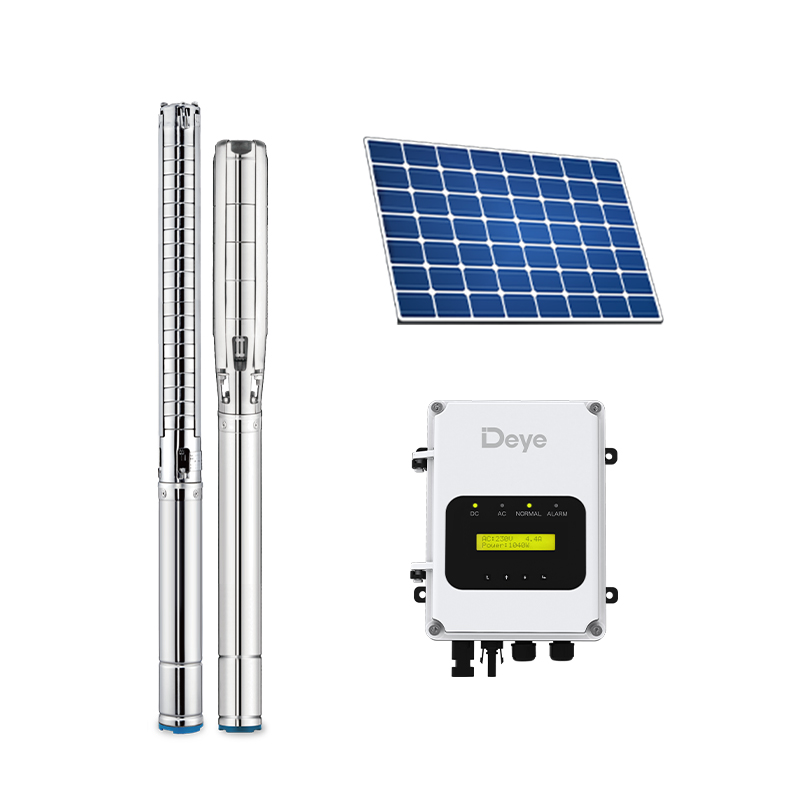
4 Inch Solar AC/DC Pump Controller (800-3000W) Stainless Steel Impeller Submersible Pumps
-
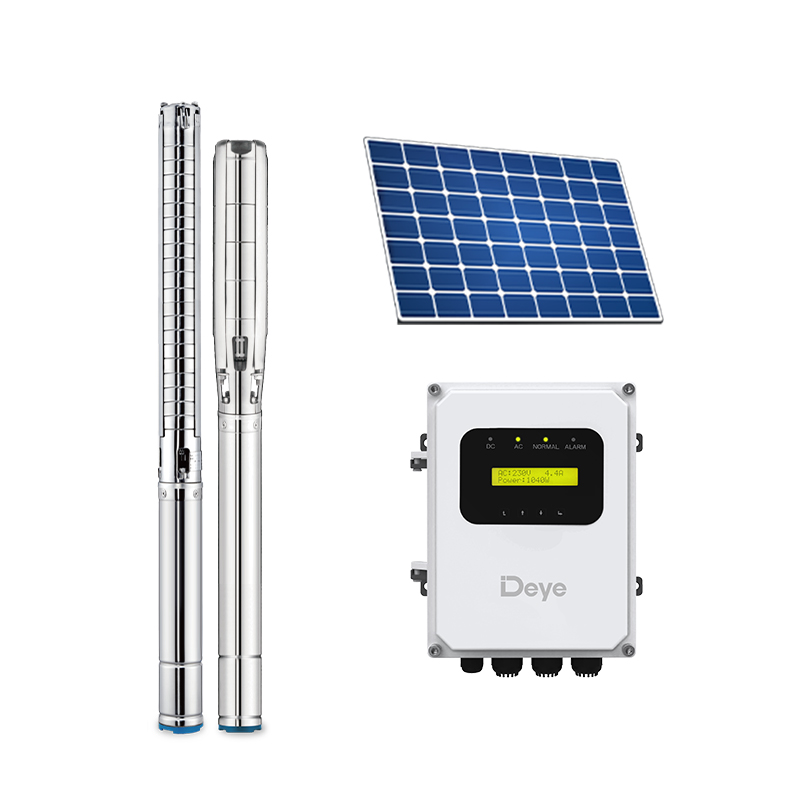
6 Inch Solar AC/DC Pump Controller (800-3000W) Stainless Steel Impeller Submersible Pumps
-
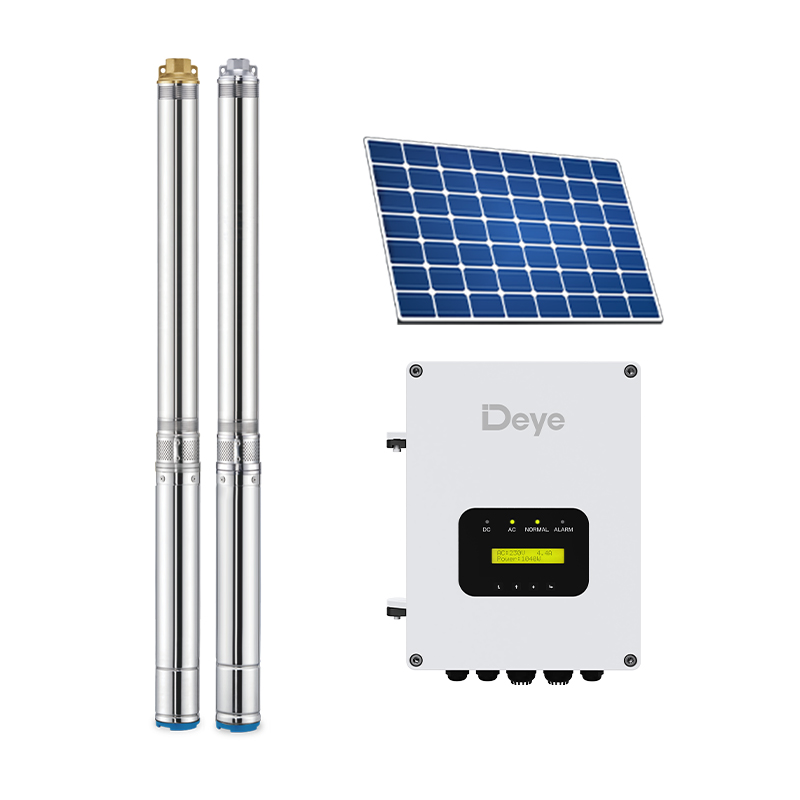
4 Inch High Speed Submersible Solar Pump(5500-13000W)Plastic Impeller Submersible Pumps
-
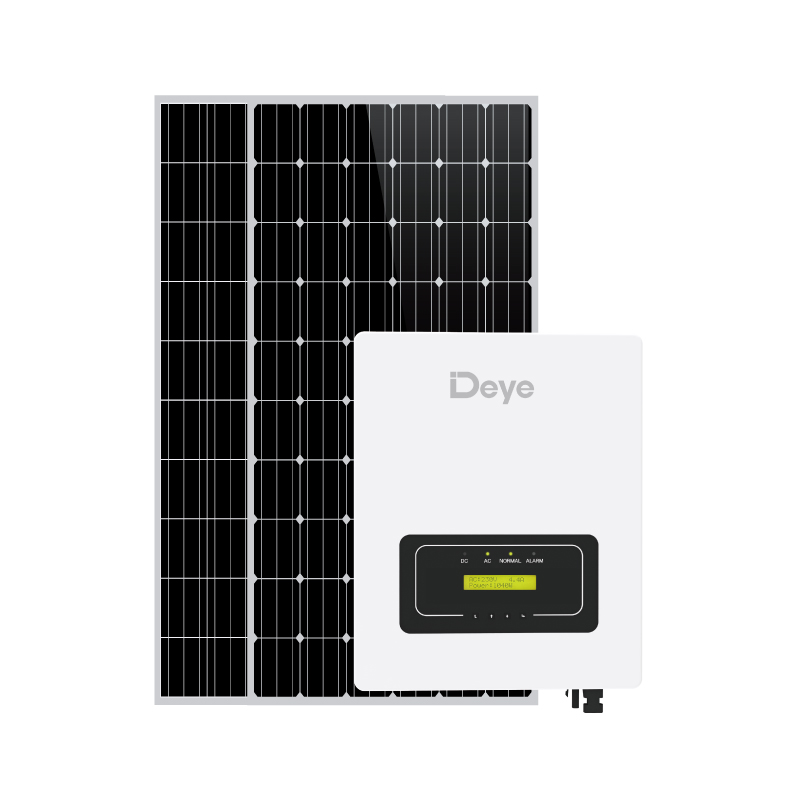 ACDC Hybrid Pump Controller Specifications (1100-2200W)This 1100-2200W hybrid ACDC controller is customized for residential & mid-size swimming pool circulation pumps. Unlike power-switch models, it enables PV and mains AC to output power simultaneous...
 -
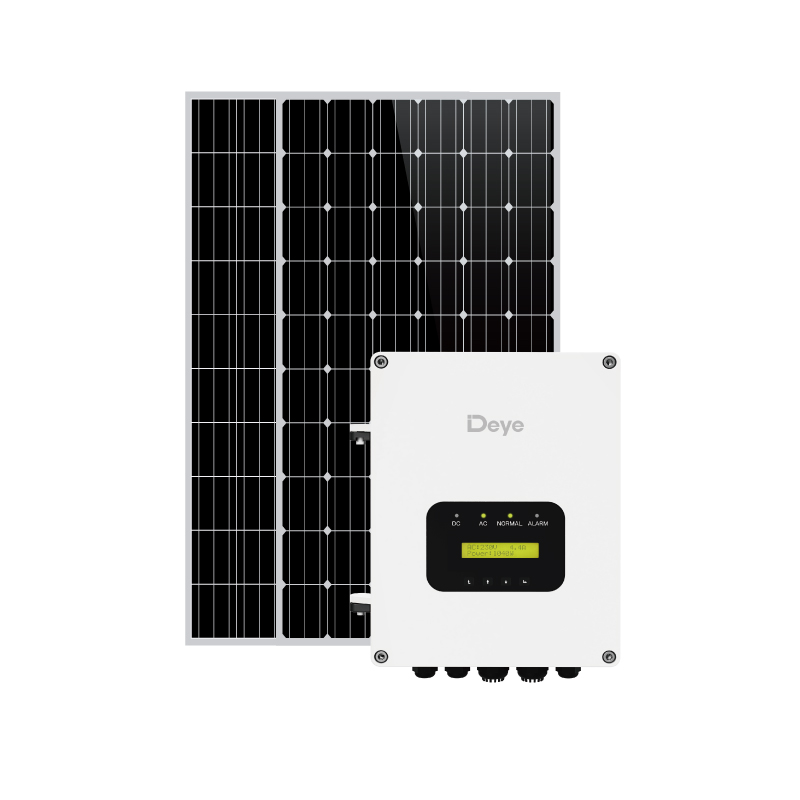 Auto-switch AC/DC Pump Controller Specifications (5500-13000W)This high-power AC/DC auto-switch controller covers 5500W to 13000W power range, specially designed for large-scale grid-connected solar water pumping systems. It adopts intelligent solar priority aut...
 -
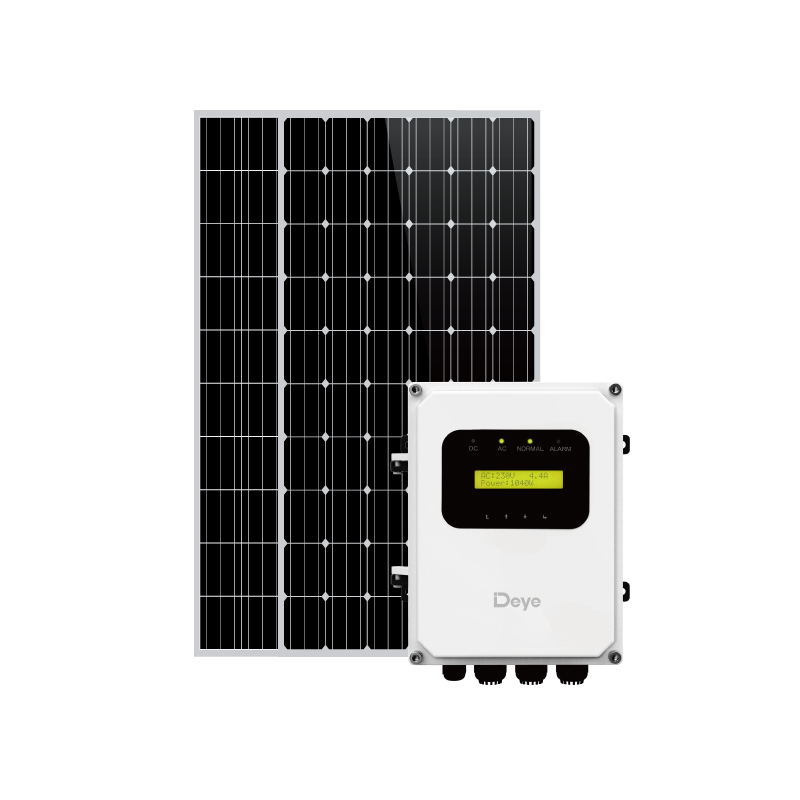 Solar Auto-switch AC/DC Pump Controller (1100-3000W)The AC/DC Auto Switch Controller adopts solar-first intelligent switching logic for a 24-hour uninterrupted water supply. It prioritizes solar power to cut operational electricity costs and automatica...
 -
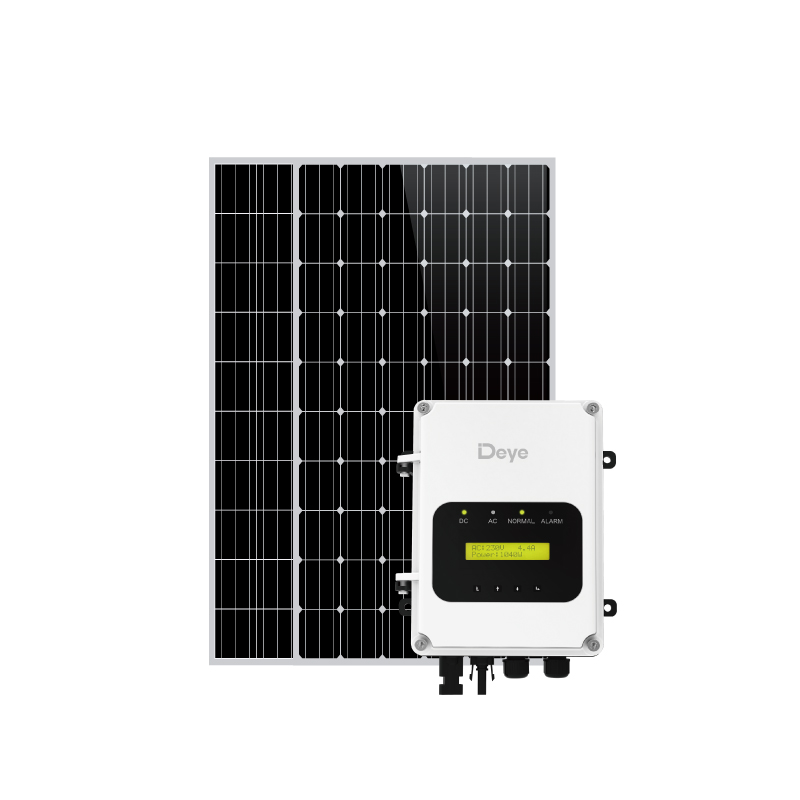 DC Pump Controller Specifications (400-1500W)Our DC solar pump controller is a professional off-grid control solution specially designed for pure DC solar water pumping systems. Featuring high solar energy utilization and ultra-low self-power co...
Solar Water Pump Inverter Manufacturer
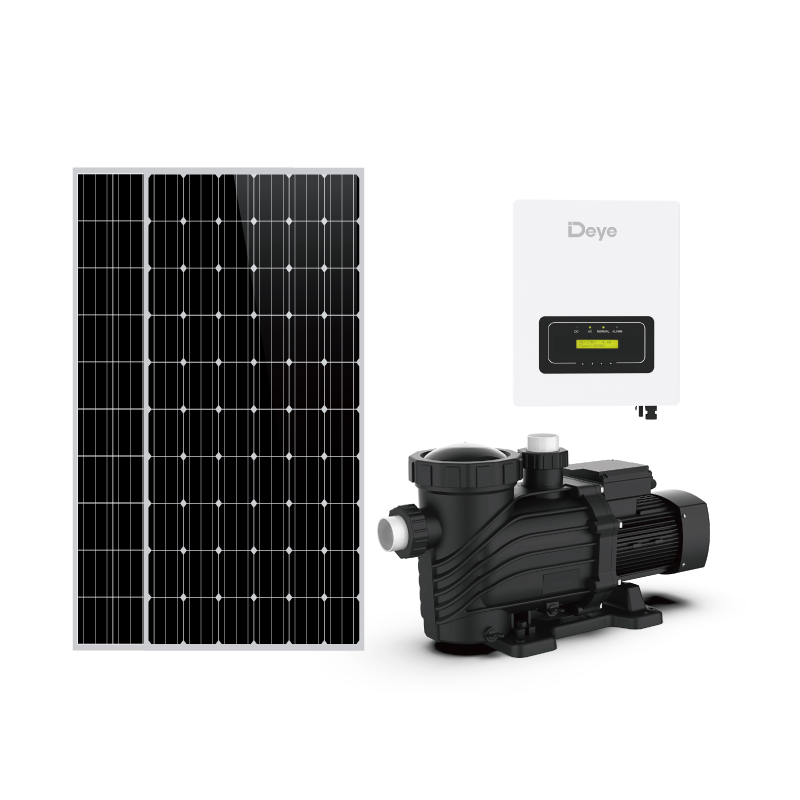
As a world-famous Solar inverter brand, Deye has the most advanced Solar converter/inverter and Solar MPPT technology. And this technology is used on Deye Solar pump controller, enabling the controller has more higher Solar energy conversion efficiency. Deye Solar pump controller converts solar photovoltaic voltage and current into a more stable and suitable voltage and current for Deye solar water pump. By automatically switching between direct current and alternating current, and through functions such as soft start, overvoltage and overcurrent protection, etc., enable the entire solar pump system to operate more stably, efficiently, energy-saving, and environmentally friendly. So Deye Solar water pump controller be widely used for connecting and controlling different types Solar pumps.
Core Advantages Of Deye Solar Pump Controller
1. Waterproof grade: IP65
2. Ambient temperature: -15℃~60℃
3. Working environment humidity: 30% -90%
4. Maximum input current: 18A
5. Liquid Crystal Display(LCD):
displays the power, voltage, current, speed and other working conditions, enhanced user convenience and experience.
6. Permanent Magnet Synchronous Motor:
Position-free on field-oriented control
7. Efficient Energy Management:
Including MPPT technology to maximize solar energy usage and minimize energy waste.
8. Intelligent Protection On Motor Drive :
Adopts innovative intelligent protection technology to ensure the motor never burns, and provides higher operational safety.
9. Comprehensive Protections:
Includes protection of over-voltage, under-voltage, over-current, phase loss, water shortage, short circuit, and high temperature...
10. Error Code Memory:
Error reporting, storing fault code history, and simplifying troubleshooting.
About Deye
Zhejiang Deye Electrical Appliances Co., Ltd.
Since its establishment in 1990, Deye Group has been dedicated to the research, development, and manufacturing of submersible pumps and pump controllers. We are built on a foundation of precision engineering and a commitment to manufacturing excellence.
At Deye, advanced production technologies and stringent quality control processes are integrated into every stage of manufacturing. This disciplined approach, supported by our team of dedicated engineers, ensures that every submersible pump, pool pump, and controller we deliver meets the highest standards of performance, durability, and reliability.
We go beyond manufacturing pumps; we build trust. Deye Group is a China MPPT Solar Pump Controller Factory and Solar Water Pump Inverter Manufacturer, committed to providing stable, efficient, and intelligent water system solutions for global users, striving to be your trusted long-term partner.
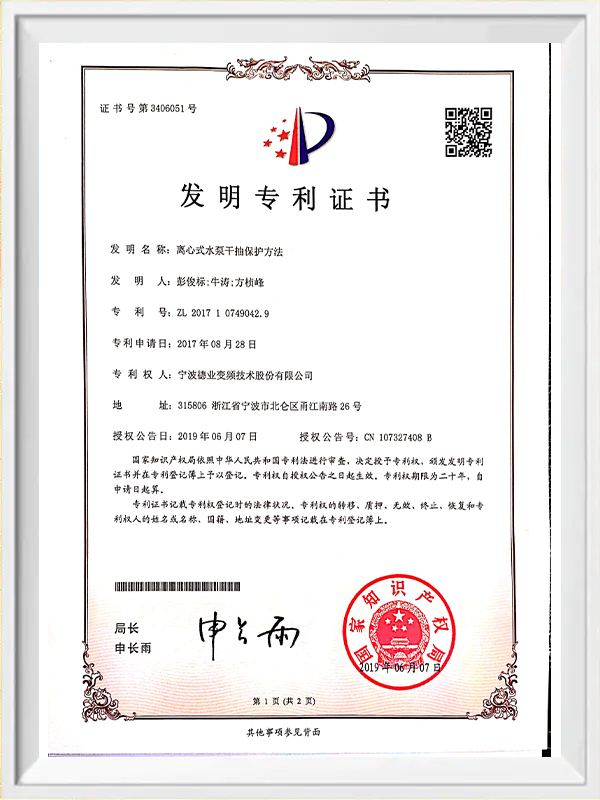
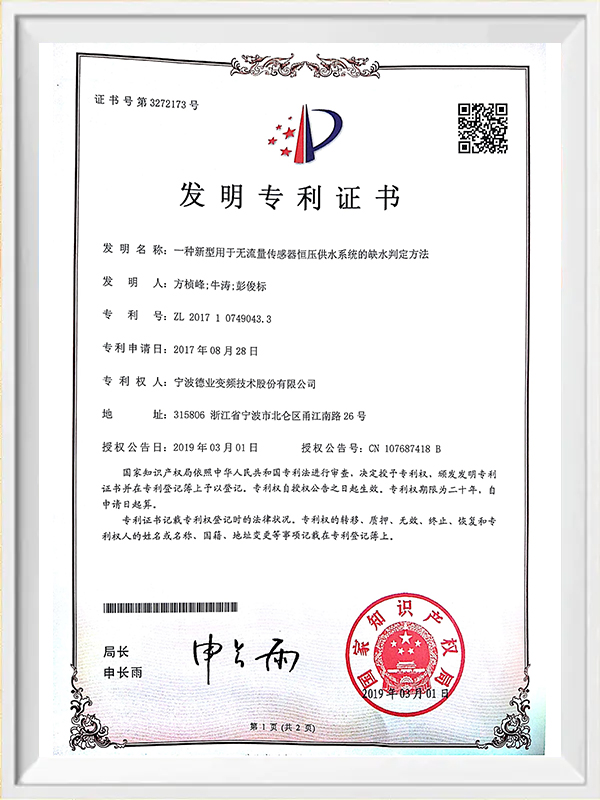
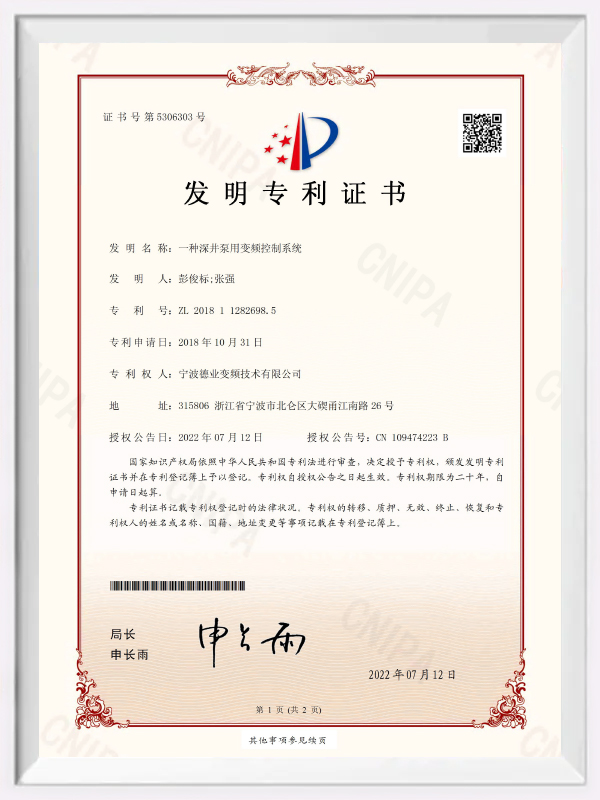
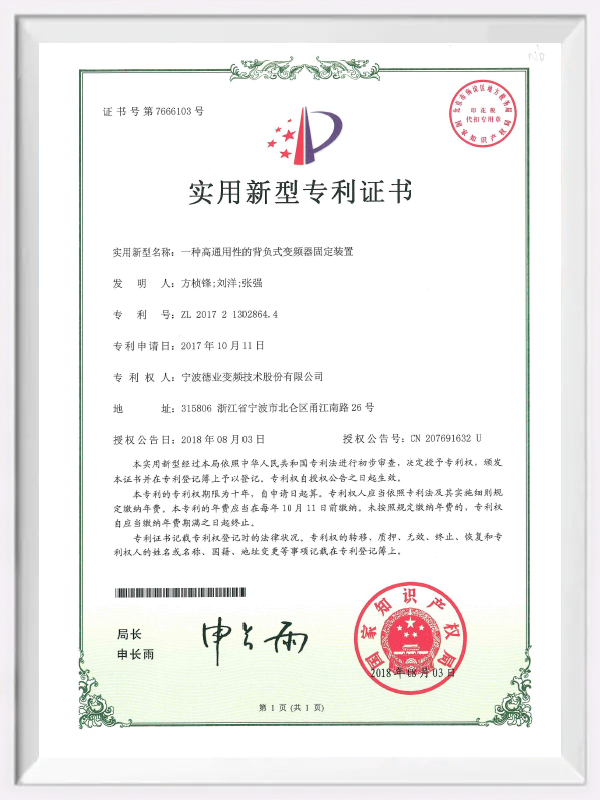
Certificate Of Honor
Recent News
-
-
A pond solar pump is a photovoltaic-powered water pump that moves water from a pond for aeration, circulation, irrigation, or transfer. If your pond has no reliable grid connection, a solar pump can keep water moving without trenching power lines or running ...
Read More -
A solar deep well water pump is a submersible pump powered by photovoltaic panels, designed to lift water from deep boreholes where grid electricity is unreliable or unavailable. The fastest way to pick the right system is to work out three numbers first: to...
Read More
Message Feedback
Solar Pump Controller Industry Knowledge
1. What Is a Solar Pump Controller
A solar pump controller is an electronic device that manages the power conversion between a photovoltaic (PV) array and a water pump motor. It serves as the control core of a solar pumping system, regulating motor speed, protecting against electrical faults, and maximizing energy harvest from the solar panels under variable irradiance conditions.
Without a dedicated controller, a pump motor connected directly to PV panels would be exposed to unstable voltage and current, leading to inefficient operation and premature failure. The controller bridges the electrical characteristics of the PV source and the mechanical requirements of the pump, enabling stable and efficient system performance.
Deye Group has been researching, developing, and manufacturing pump controllers since 1990, integrating precision electronics engineering with deep application knowledge in water system solutions.
2. Core Functions of a Solar Pump Controller
2.1 MPPT - Maximum Power Point Tracking
MPPT is the fundamental function that distinguishes a solar pump controller from a standard motor drive. The maximum power point of a PV array shifts continuously with changes in sunlight intensity and panel temperature. The MPPT algorithm continuously adjusts the input operating voltage to extract the highest possible power from the panels at any given moment. High-performance MPPT circuits achieve tracking efficiencies above 99% under stable conditions.
2.2 Variable Frequency Drive (VFD) Output
The controller converts DC power from the PV array into variable-frequency AC output (for AC motor pumps) or regulated DC output (for DC brushless motor pumps). By adjusting output frequency or voltage in proportion to available solar energy, the VFD function allows the pump to operate at reduced speed during low-irradiance periods rather than stopping entirely, improving daily water yield and reducing mechanical stress on the motor.
2.3 Protection Functions
A comprehensive protection suite is essential for field reliability. Standard protection functions include:
- Dry-run protection: Detects absence of water and halts the pump to prevent motor burnout.
- Over-voltage and under-voltage protection: Shuts down or limits operation when PV input falls outside safe operating range.
- Over-current and short-circuit protection: Cuts power immediately to protect both controller and motor windings.
- Over-temperature protection: Reduces output or triggers shutdown when internal temperature exceeds rated limits.
- Water level control: Interfaces with float switches or sensors to stop the pump when the storage tank is full or the source well is near-empty.
3. Types of Solar Pump Controllers
| Type | Compatible Motor | Output | Typical Application |
| DC Solar Pump Controller | DC brushless motor | Regulated DC | Small submersible pumps, household wells |
| AC Solar Pump Inverter | 3-phase AC induction motor | Variable frequency AC (3-phase) | Agricultural irrigation, deep borehole pumps |
| Single-phase Solar Pump Controller | Single-phase AC motor | Single-phase AC | Light-duty domestic and pool applications |
| Hybrid Input Controller | AC or DC motor | AC or DC (configurable) | Sites requiring solar plus grid or generator backup |
4. Key Technical Specifications to Evaluate
| Specification | Explanation |
| Max PV Input Voltage (Voc) | Maximum open-circuit voltage the controller can safely accept from the PV array |
| MPPT Voltage Range | Operating voltage window within which MPPT tracking is active and effective |
| Rated Output Power (kW) | Maximum continuous power the controller can deliver to the pump motor |
| Output Frequency Range | Range of AC output frequency for VFD operation, typically 0 to 50/60 Hz |
| Overall Efficiency | Combined conversion efficiency including MPPT and inverter stages, typically 93 to 97% |
| Protection Rating (IP) | Ingress protection for dust and moisture; IP65 or above for outdoor installations |
| Communication Interface | RS485, Modbus, or Wi-Fi for remote monitoring and parameter configuration |
5. Solar and Grid Hybrid Input
A significant advancement in solar pump controller design is dual-power or hybrid input capability. Controllers with this feature can accept both solar PV power and utility grid (or generator) power simultaneously or as a switchover source. The controller prioritizes solar energy and supplements with grid power when solar irradiance is insufficient to meet the motor's minimum operating requirement.
This design eliminates the need for battery storage in many applications, reduces system cost, and ensures continuous pump operation throughout the day regardless of weather conditions. It is particularly applicable in agricultural irrigation where consistent water delivery schedules are required.
6. Installation and Commissioning Guidelines
- PV Array Voltage Matching: The open-circuit voltage of the PV array must not exceed the controller's maximum rated input voltage under any temperature condition, including cold mornings when Voc is at its peak.
- Cable Sizing: DC cables between panels and controller, and AC cables between controller and motor, must be sized to minimize resistive losses and comply with local electrical codes.
- Grounding: Both the controller enclosure and PV array frames must be properly grounded to prevent electric shock and reduce EMI interference.
- Parameter Configuration: Motor rated current, dry-run delay time, restart intervals, and water level control logic should be set according to the specific pump and site requirements before first operation.
- Ventilation: Controllers installed in enclosures or junction boxes require adequate airflow to prevent heat buildup, particularly in high-ambient-temperature regions.
7. Frequently Asked Questions
Q1: Can a standard VFD be used instead of a dedicated solar pump controller?
A standard VFD is designed for stable AC grid input and does not include MPPT functionality. Using a standard VFD with a PV array results in significant power losses and may cause erratic motor behavior due to the variable nature of solar output. A dedicated solar pump controller is required for efficient and reliable solar-powered operation.
Q2: How is the controller power rating matched to the pump motor?
The controller's rated output power must be equal to or greater than the pump motor's rated power. A common practice is to select a controller with the next standard power rating above the motor rating to ensure adequate headroom during motor startup and transient load conditions.
Q3: What happens to the controller during extended periods of cloud cover?
When solar irradiance drops below the minimum threshold required to start the motor, the controller enters a standby or sleep mode and periodically attempts restart. Once sufficient irradiance is detected, the system resumes operation automatically. For hybrid-input controllers, the grid or generator source takes over seamlessly.
Q4: What communication protocols are commonly supported?
Most industrial-grade solar pump controllers support RS485 with Modbus RTU protocol, enabling integration with SCADA systems, remote monitoring platforms, or programmable logic controllers (PLCs). Some controllers also offer Wi-Fi or 4G connectivity for IoT-based remote management.
Q5: What is the typical service life of a solar pump controller?
Under normal operating conditions and with proper installation, a well-engineered solar pump controller can operate reliably for 10 years or more. Service life is primarily affected by thermal management, capacitor quality, and the quality of input power (voltage spikes from the PV array or grid). Controllers from manufacturers with established quality control processes generally demonstrate longer field service records.

- No. 26, Yongjiang South Road, Beilun Dirstrict, Ningbo City, Zhejiang, China.
-
[email protected] ( Daniel )
+86-13923361908 ( WhatsApp )
-
[email protected] ( Chris )
+86-18186995218 ( WhatsApp )
-
+86-15888503217 ( Mark Pan )
[email protected] ( WhatsApp )
QUICK LINK
SUPPORT
Copyright ©Zhejiang Deye Electrical Appliances Co., Ltd. All Rights Reserved. MPPT Solar Pump Controller Factory Solar Water Pump Inverter Manufacturer

 Back to Top