1. Product Concept and Definition
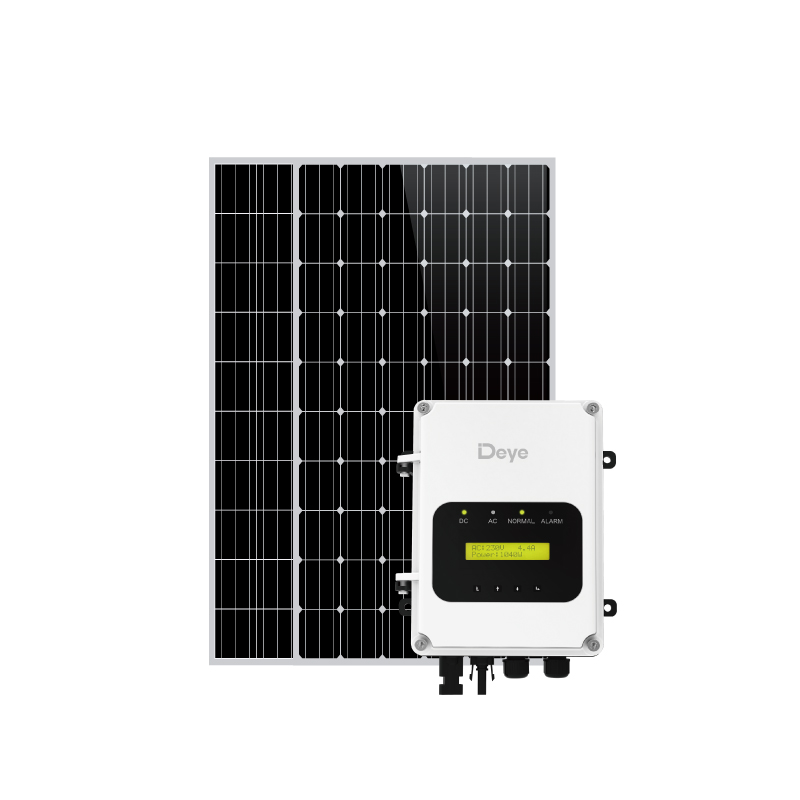
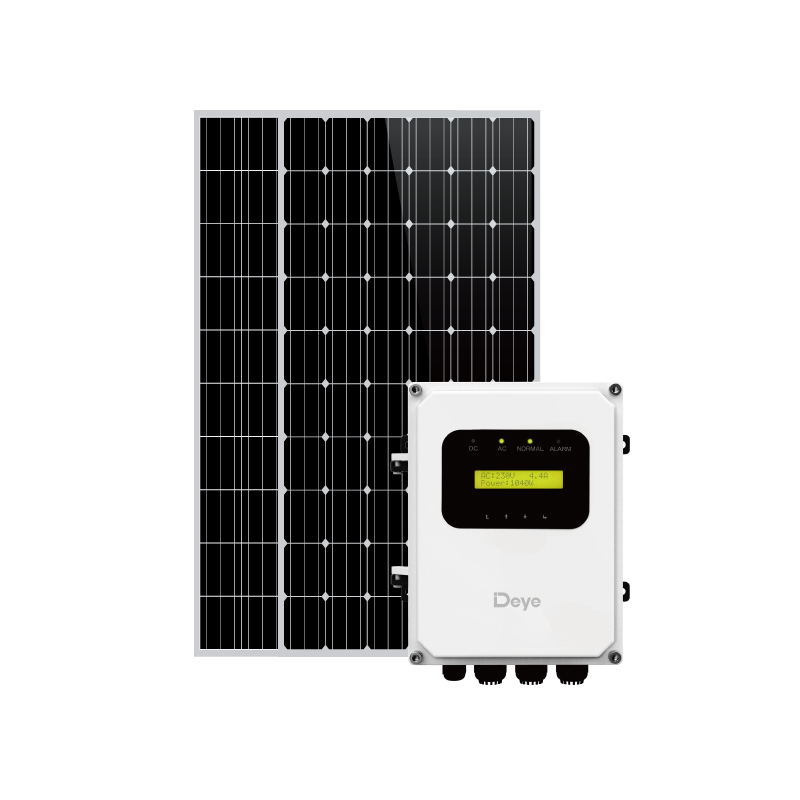
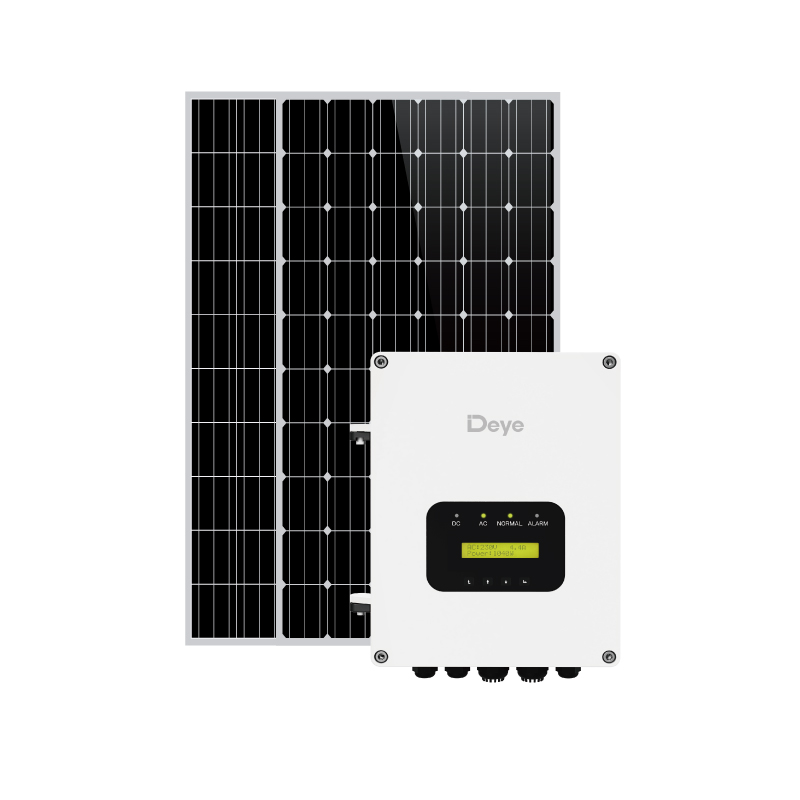
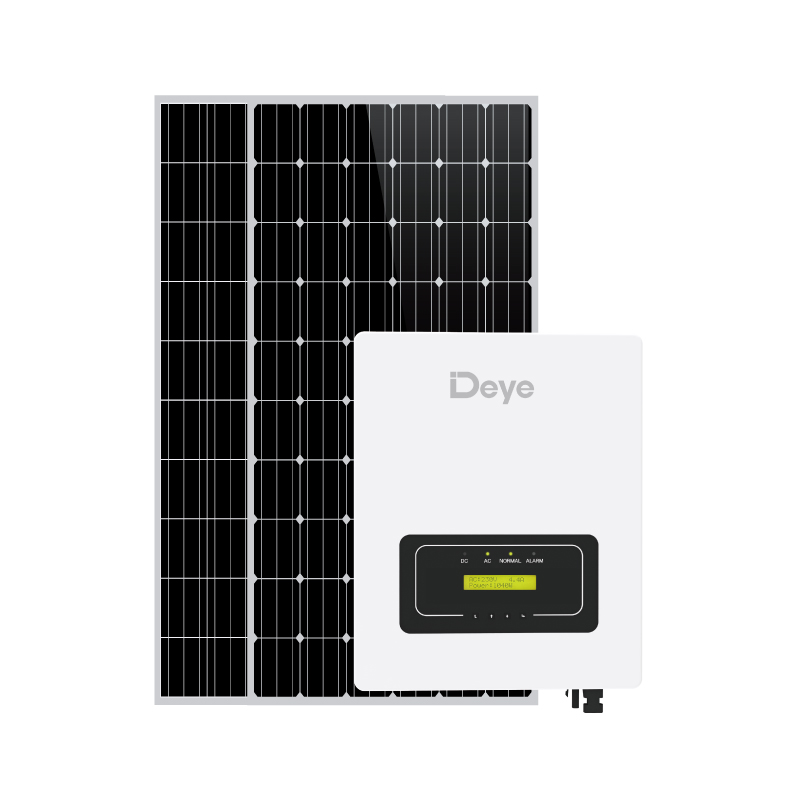
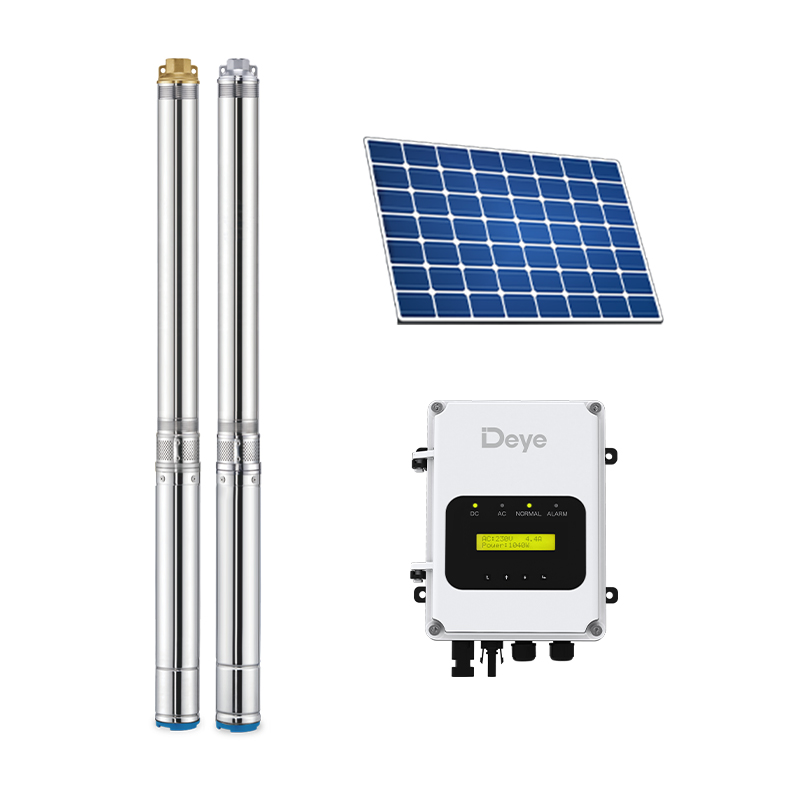
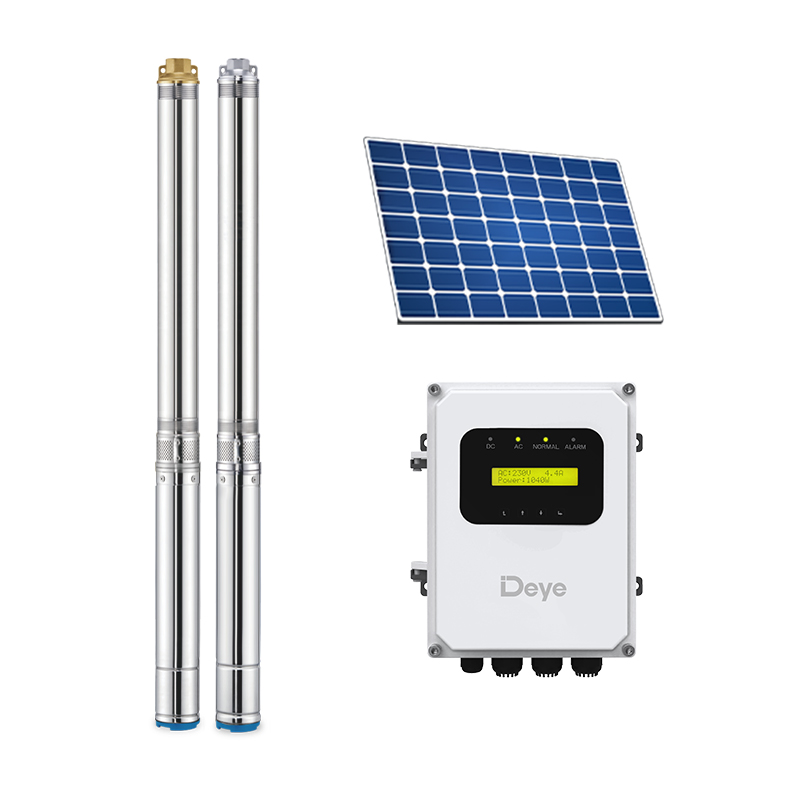
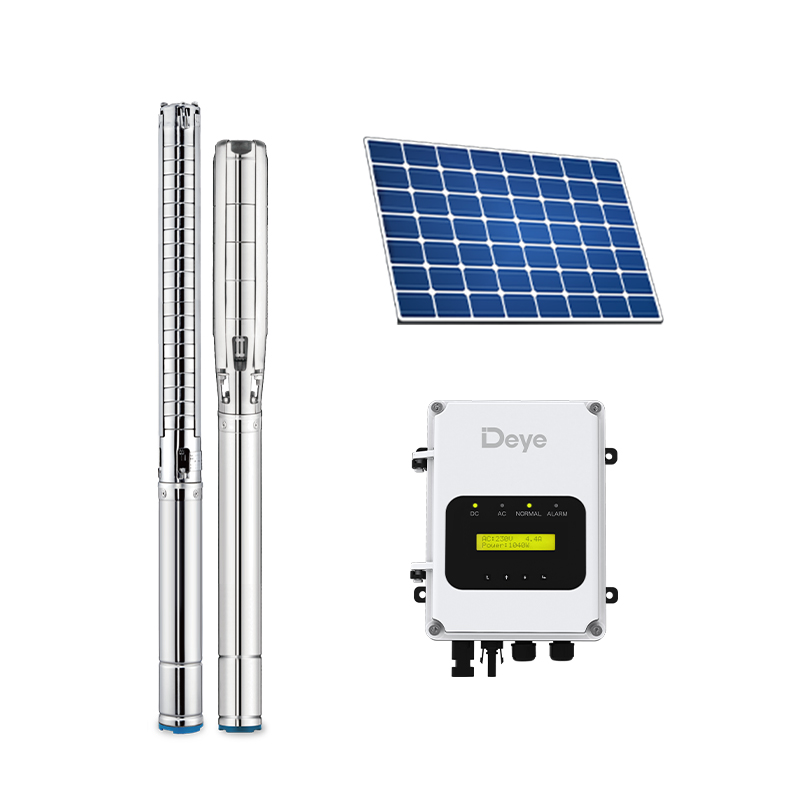
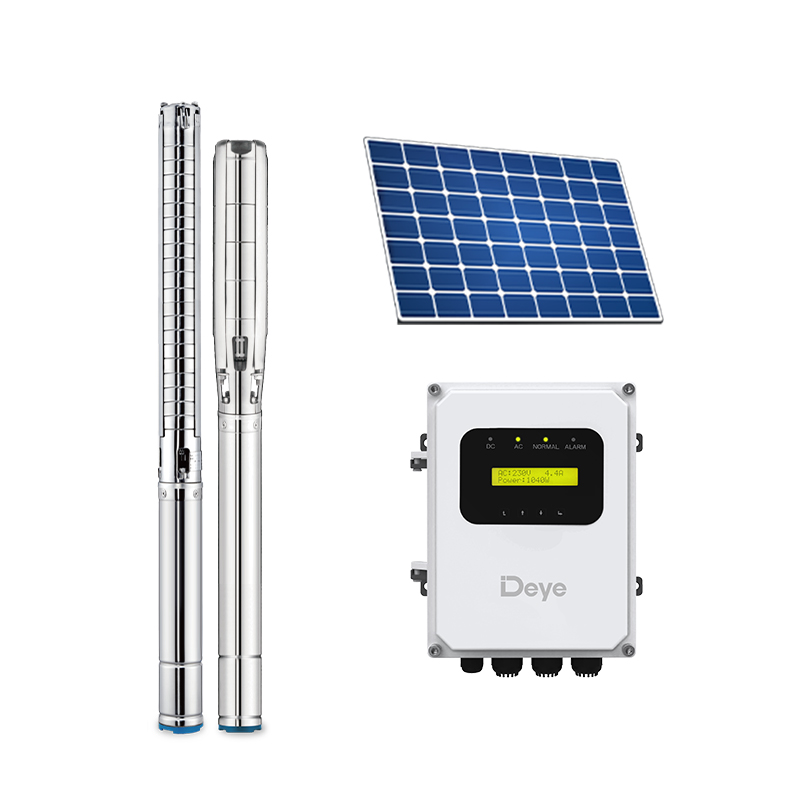
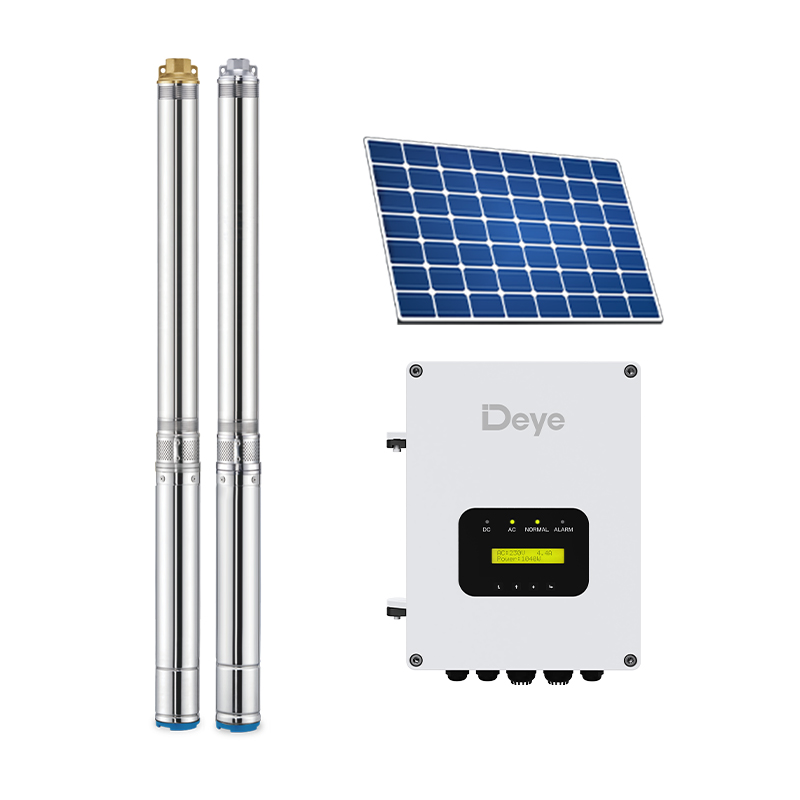
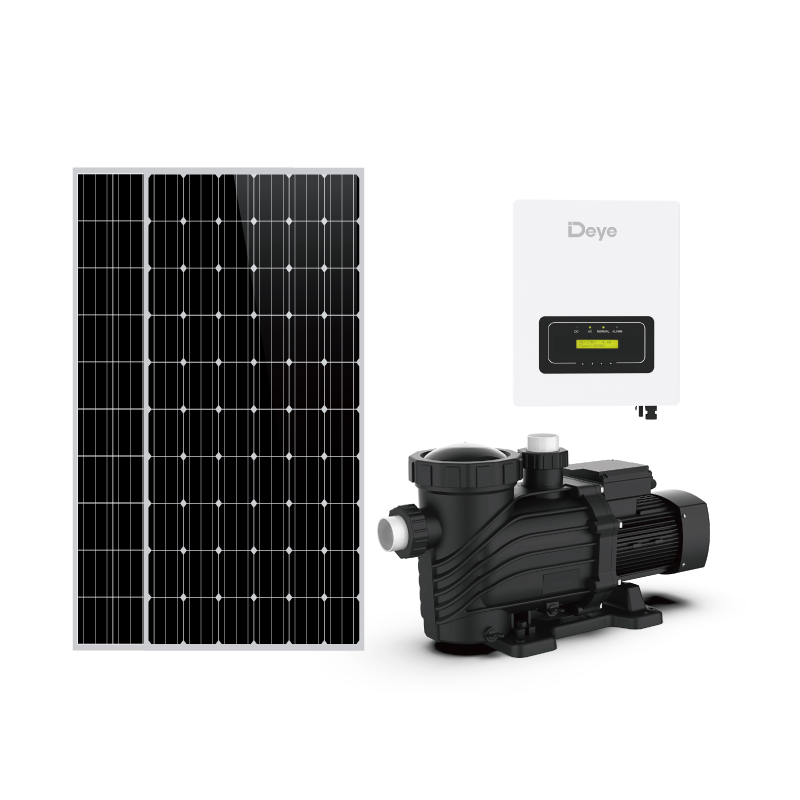
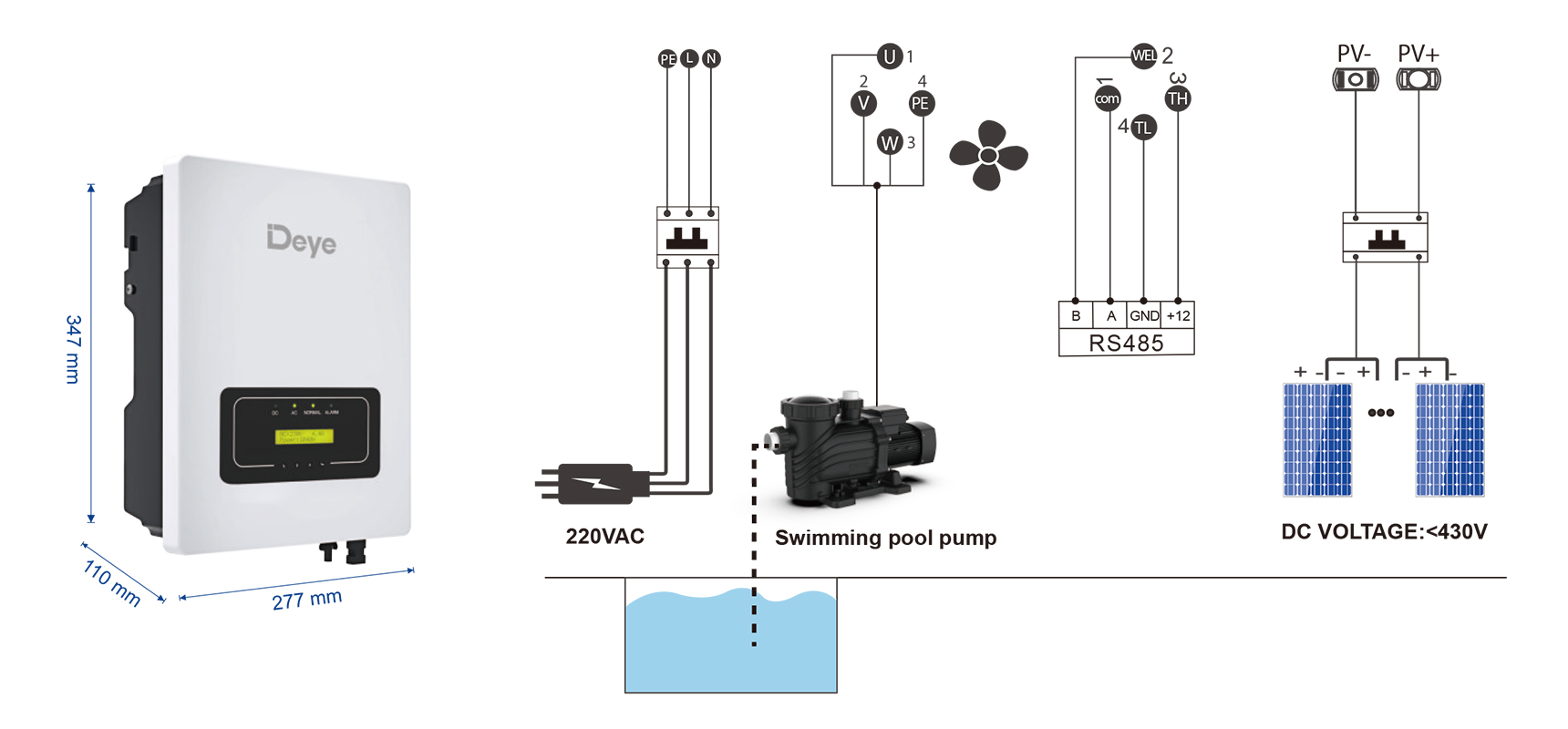
An AC/DC hybrid pump controller is an electronic drive unit capable of accepting two distinct power inputs — direct current (DC) from a photovoltaic (PV) solar panel array and alternating current (AC) from a utility grid or generator — and converting that input into regulated output to drive a submersible or surface pump motor. The controller manages the transition between energy sources, ensuring continuous pump operation regardless of whether solar power is fully available.
In the 1100–2200W power range, AC/DC hybrid controllers serve as the primary control interface for mid-power submersible pump systems used in agricultural irrigation, domestic water supply, and community water projects. This power band is particularly relevant to 4-inch borehole pump installations where daily water demand is moderate and where partial grid availability makes pure solar systems insufficient.
Deye Group has been designing and manufacturing pump controllers since 1990. The 1100–2200W AC/DC hybrid controller product line is developed under the same engineering discipline applied across Deye's full controller range, with a focus on stable MPPT performance, protection reliability, and long-term field durability.
2. Operating Principle
The controller operates according to a defined power priority and switching logic:
- Solar priority mode (default): The controller draws power from the DC solar input first. The built-in MPPT algorithm continuously tracks the maximum power point of the PV array, adjusting the operating voltage and current to extract the highest available power under current irradiance conditions.
- Automatic AC switchover: When solar irradiance falls below the threshold required to sustain pump operation — typically at dawn, dusk, or during overcast periods — the controller switches to the AC input automatically without operator intervention.
- Variable frequency output: Regardless of input source, the controller outputs a variable frequency signal to the pump motor, enabling soft-start at startup and speed modulation proportional to available power.
- Return to solar: When irradiance recovers to the operating threshold, the controller reverts to solar input, minimizing grid consumption over the operating day.
3. Key Technical Specifications
| Parameter |
Typical Specification |
Notes |
| Rated Power Range |
1100 – 2200 W |
Matched to pump motor rating |
| DC Input Voltage Range |
60 – 450V DC |
Subject to model; defines panel string configuration |
| AC Input Voltage |
Single-phase 220V / 3-phase 380V AC |
Grid or generator backup |
| AC Input Frequency |
50 / 60 Hz |
Auto-detects in most models |
| MPPT Efficiency |
97 – 99% |
Maximizes solar power harvest |
| Output Frequency |
0 – 50 / 0 – 60 Hz (variable) |
Enables variable speed pump operation |
| Compatible Motor Types |
BLDC, PMSM, AC induction |
Model-specific compatibility |
| Protection Rating |
IP54 – IP65 |
Outdoor wall-mount installation |
| Operating Temperature |
-10 to +55 degrees C |
Shaded installation recommended above 45 degrees C |
| Communication Interface |
RS485 (Modbus RTU); optional remote monitor |
For SCADA or data logging integration |
| Display |
LED or LCD parameter display |
Shows voltage, current, frequency, fault codes |
4. Protection Functions
A well-engineered AC/DC hybrid pump controller integrates multiple layers of protection to safeguard the pump motor, the electrical installation, and the PV array:
| Protection Type |
Function |
| Dry-run protection |
Detects absence of water supply and shuts down pump to prevent motor burnout |
| Over-voltage protection |
Disconnects input when DC or AC voltage exceeds rated upper limit |
| Under-voltage protection |
Prevents motor operation below minimum voltage threshold to avoid torque instability |
| Over-current protection |
Trips output when motor draw exceeds rated current, protecting windings from thermal damage |
| Over-temperature protection |
Monitors internal heatsink temperature and reduces output or shuts down if exceeded |
| Short-circuit protection |
Immediately disconnects output on detected short circuit in motor or cable |
| Phase loss protection |
Applicable to 3-phase AC input models; detects missing phase and halts operation |
| PV reverse polarity protection |
Prevents damage from incorrect DC cable connection during installation |
5. Controller Type Comparison
| Criteria |
DC-Only Solar Controller |
AC-Only VFD Controller |
AC/DC Hybrid Controller |
| Solar PV Input |
Yes |
No |
Yes |
| Grid/Generator Backup |
No |
Yes |
Yes |
| MPPT Algorithm |
Yes |
No |
Yes |
| Operation on Cloudy Days |
Reduced or stopped |
Unaffected |
Continues via AC |
| Battery Required |
For night/cloudy operation |
Not applicable |
Not required |
| Variable Speed Output |
Yes (solar-driven) |
Yes (frequency-driven) |
Yes (both modes) |
| Best Suited For |
Full off-grid, high irradiance sites |
Grid-connected sites only |
Semi-grid or mixed-reliability sites |
6. Application Scenarios
The 1100–2200W AC/DC hybrid controller is suited to a defined set of installation types where moderate power and dual-input flexibility are required:
- Smallholder and mid-scale agricultural irrigation: Farms with partially unreliable grid supply benefit from solar-priority operation with automatic grid fallback during low irradiance periods
- Domestic borehole water supply: Rural and peri-urban households requiring guaranteed daily water supply independent of grid stability
- Community water kiosks: Village-level water points where solar reduces fuel costs and grid backup ensures minimum daily supply
- Livestock and poultry farms: Mid-scale operations requiring reliable daily water volumes without full off-grid infrastructure investment
- Retrofit of existing AC pump systems: Replacing a standard AC VFD with an AC/DC hybrid controller to add solar capability to an existing pump installation without replacing the pump unit
- Regions with partial grid availability: Areas where grid power is available for only part of the day; the hybrid controller maximizes solar utilization during grid-off periods
7. Installation Guidelines
- Mounting location: Install in a shaded, ventilated enclosure or on a wall away from direct sunlight; ambient temperature must remain within rated operating range
- DC wiring: Use appropriately rated solar DC cable; observe polarity markings and ensure string open-circuit voltage does not exceed the controller maximum DC input rating under cold conditions
- AC wiring: Connect grid or generator input through a properly rated isolator switch or circuit breaker; verify phase and neutral assignment for single-phase models
- Grounding: Both the controller chassis and the PV array frame must be earthed in compliance with local electrical codes
- Pump cable: Submersible pump cable length and cross-section must be sized to limit voltage drop; excessive drop reduces available torque and flow rate
- Parameter commissioning: Set motor-rated current, dry-run delay, and restart interval via the controller keypad or PC software before first operation
8. Relevant Standards and Certifications
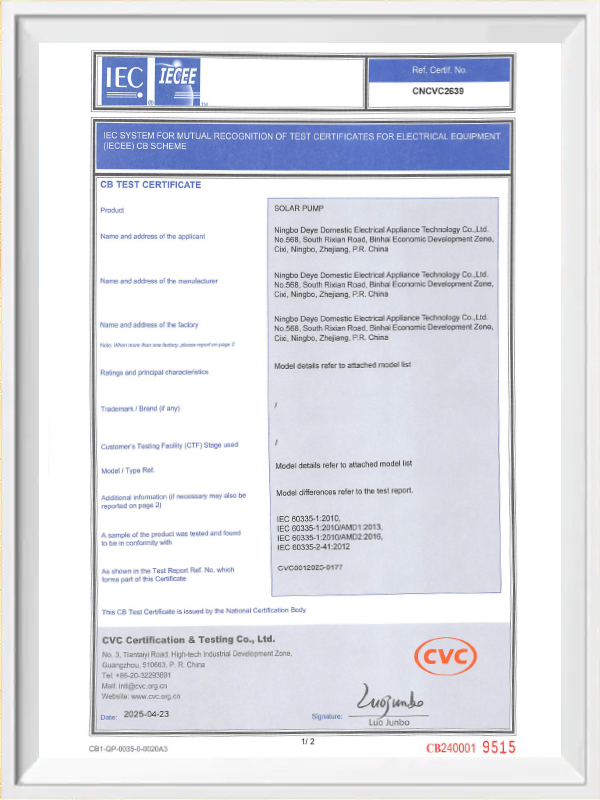
- IEC 61800-3: Adjustable speed electrical power drive systems — EMC requirements
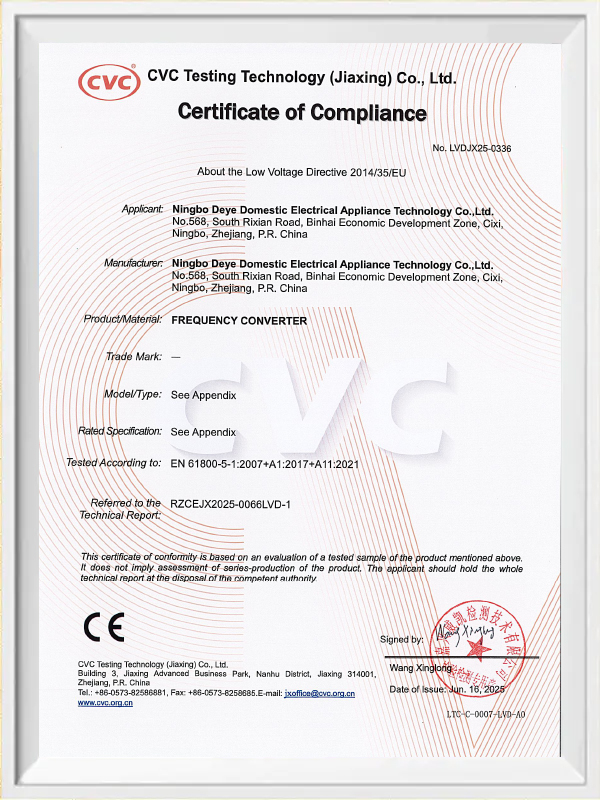
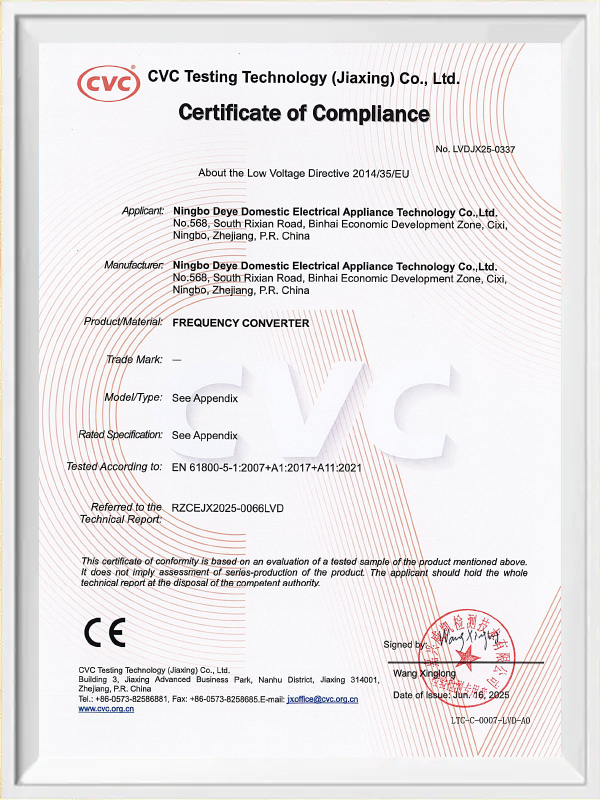
- IEC 61800-5-1: Safety requirements for power drive systems
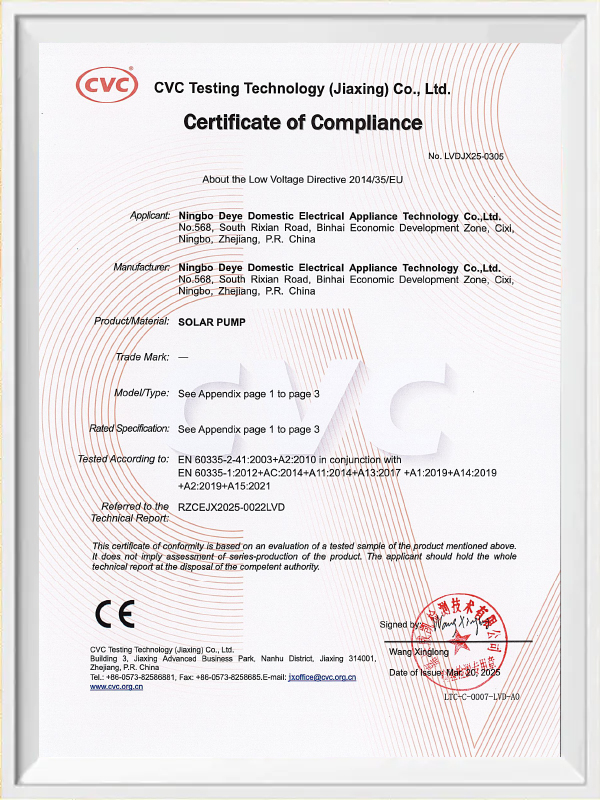
- CE Marking: Low Voltage Directive (LVD 2014/35/EU) and EMC Directive (2014/30/EU) compliance
- IEC 60529 (IP54/IP65): Ingress protection classification for the controller enclosure
- ISO 9001: Quality management system applicable to controller design and manufacturing processes
- RoHS Directive: Restriction of hazardous substances in electronic components
9. Frequently Asked Questions (FAQ)
Q1: Can the AC/DC hybrid controller be used without connecting any solar panels?
Yes. The controller can operate exclusively on AC grid or generator input, functioning as a standard variable frequency drive (VFD) for the pump motor. The DC solar input simply remains unused. This allows the same hardware to be installed before the solar array is procured, or in applications where grid power is consistent and solar is supplementary.
Q2: Does the controller switch between solar and AC power during operation, or only at startup?
In most designs, the controller monitors DC input power continuously and can switch between solar and AC sources during active pump operation. The switchover is managed electronically to minimize speed disruption to the motor. The exact behavior — whether a brief stop occurs or the transition is seamless — depends on the specific controller model and its configured switchover parameters.
Q3: What happens if both solar and AC power fail simultaneously?
If both input sources are lost, the controller shuts down the pump output and enters a standby or fault state. Depending on the configuration, it will attempt an automatic restart after a set delay once either input is restored. Dry-run protection is also active during restart to prevent the pump from running without water.
Q4: How is the MPPT voltage window matched to the solar panel array?
The panel string must be configured so that its maximum power point voltage (Vmpp) across the expected temperature range falls within the controller MPPT voltage window. For controllers in the 1100–2200W range, this is typically 60–450V DC. String open-circuit voltage (Voc) at minimum ambient temperature must also remain below the controller maximum DC input voltage to avoid damage.
Q5: Is this controller compatible with both AC induction motors and BLDC/PMSM motors?
Compatibility depends on the specific controller model. Some AC/DC hybrid controllers in this range are designed exclusively for AC induction motors, while others support BLDC or PMSM motors through dedicated control firmware. Motor type compatibility is a critical specification to verify during product selection, as incorrect pairing can result in reduced efficiency or motor damage.


 русский
 Français
 Español
 عربى
عربى Deutsch
 Português
 italiano