
 русский
 Français
 Español
 عربى
عربى Deutsch
 Português
 italiano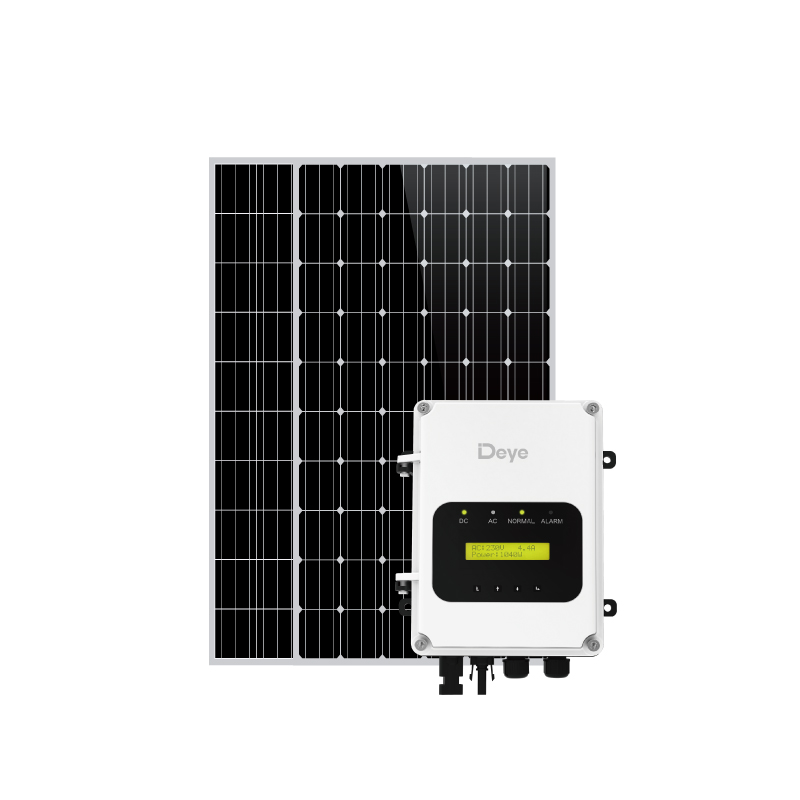
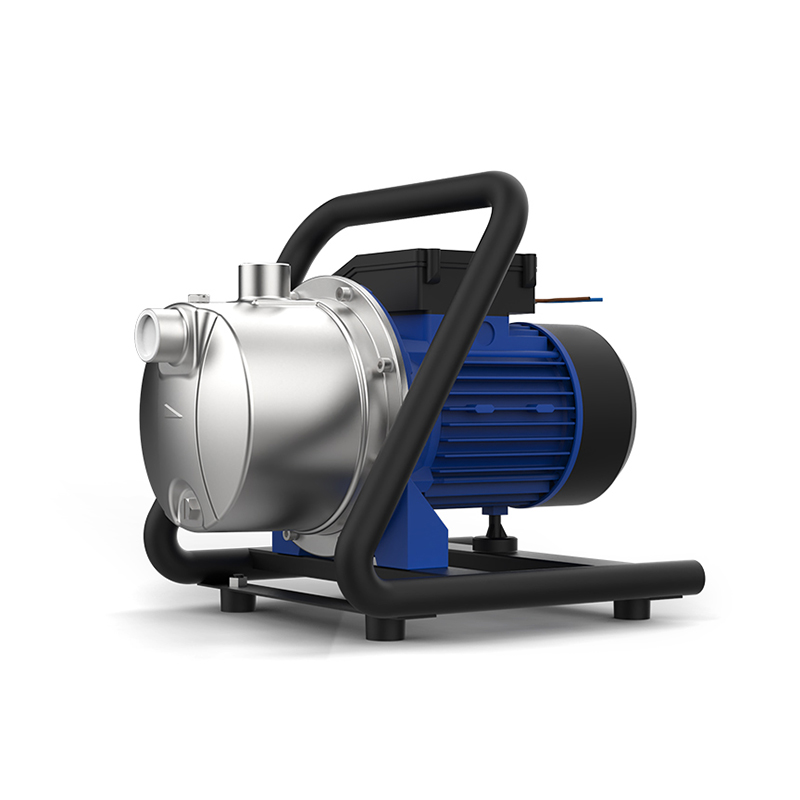
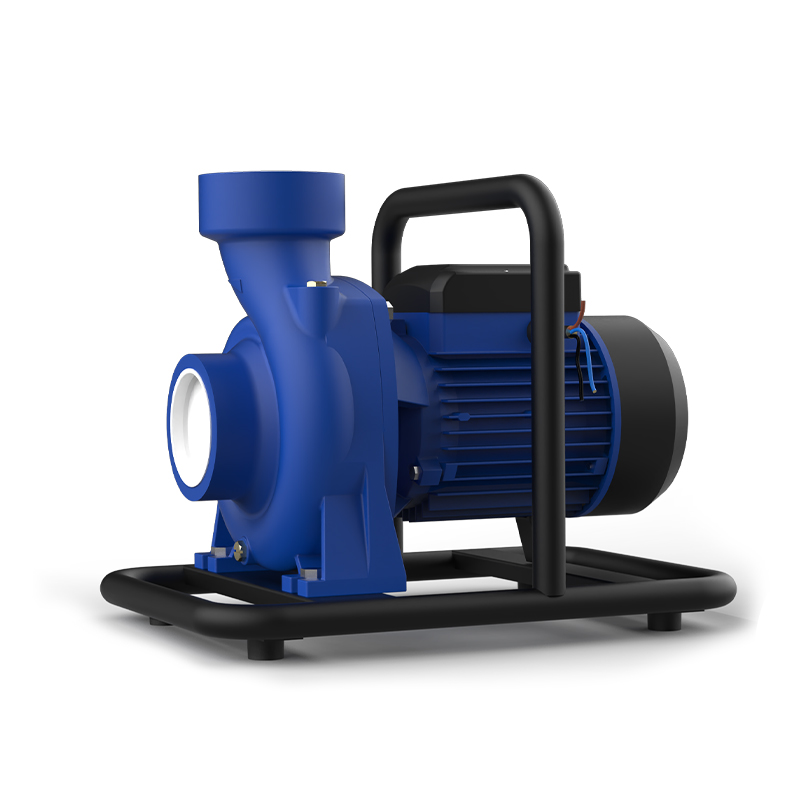
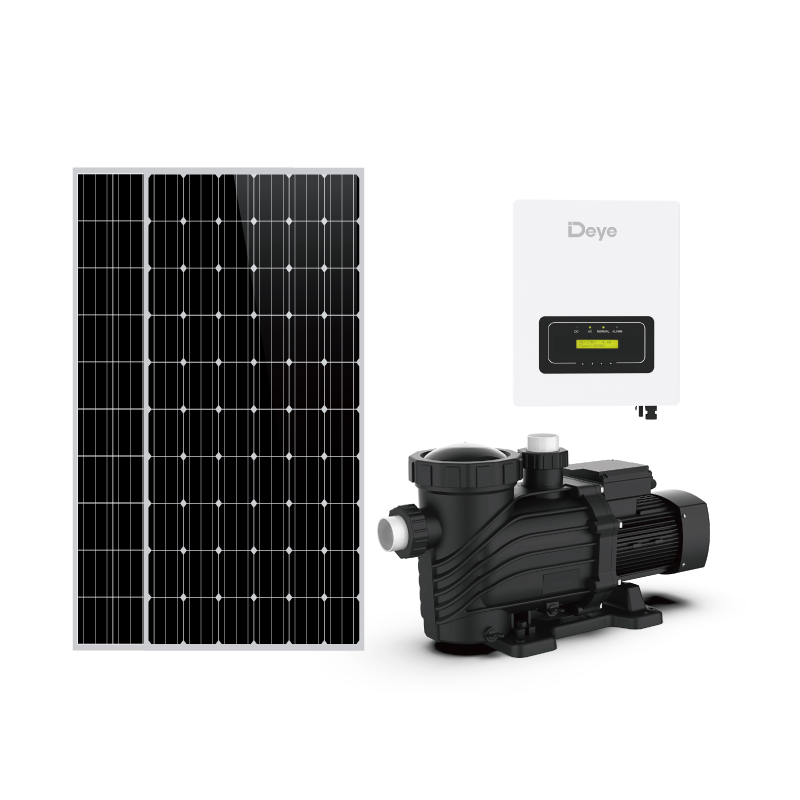
Two identical 3-inch submersible pumps, installed a few hundred metres apart on the same kind of borehole, can behave completely differently: one lifts water all afternoon, the other stalls before noon. The pumps are the same. The off-grid power architecture...
Read More
-
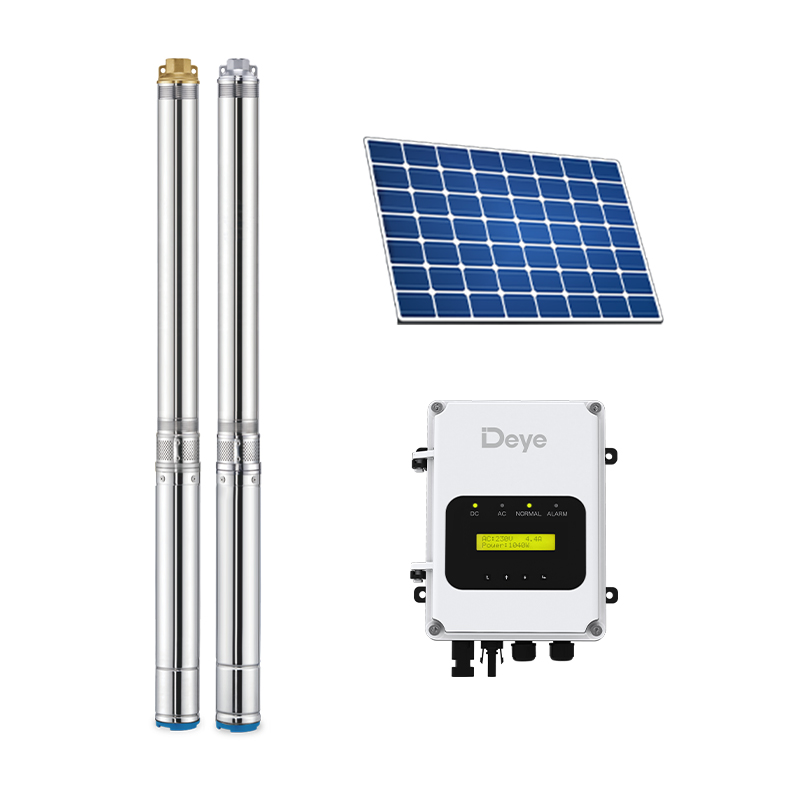
3 Inch Solar AC/DC Pump Controller (400-1500W) Plastic Impeller Submersible Pumps
-
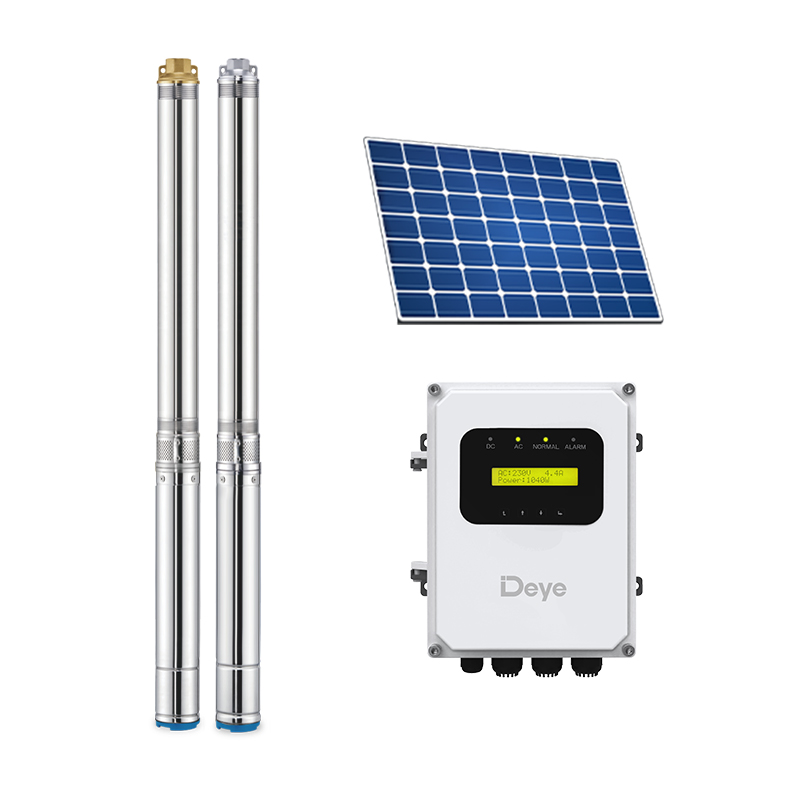
4 Inch Solar AC/DC Pump Controller (600-3000W) Plastic Impeller Submersible Pumps
-
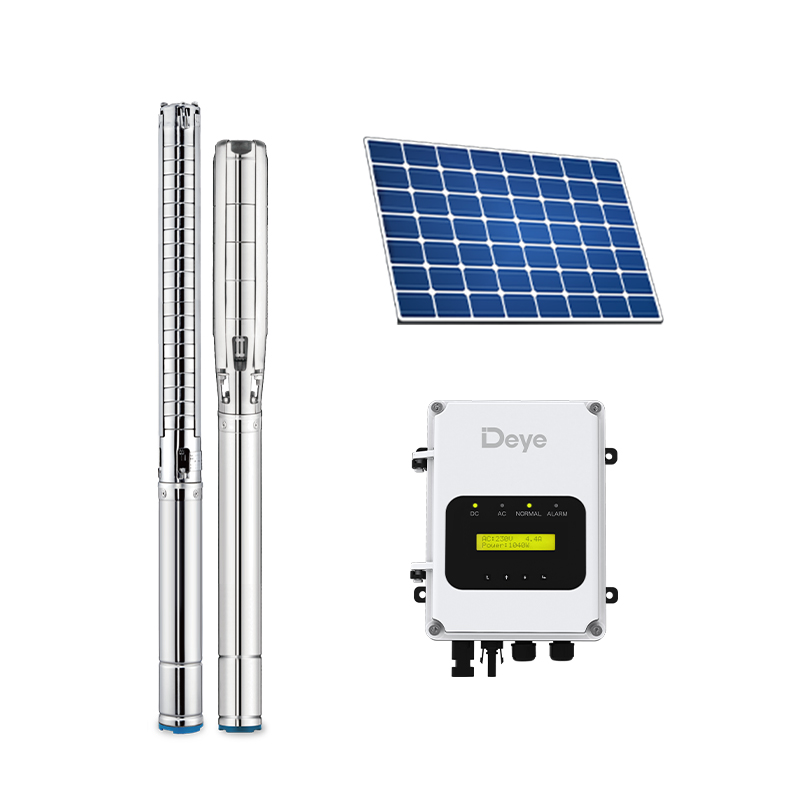
4 Inch Solar AC/DC Pump Controller (800-3000W) Stainless Steel Impeller Submersible Pumps
-
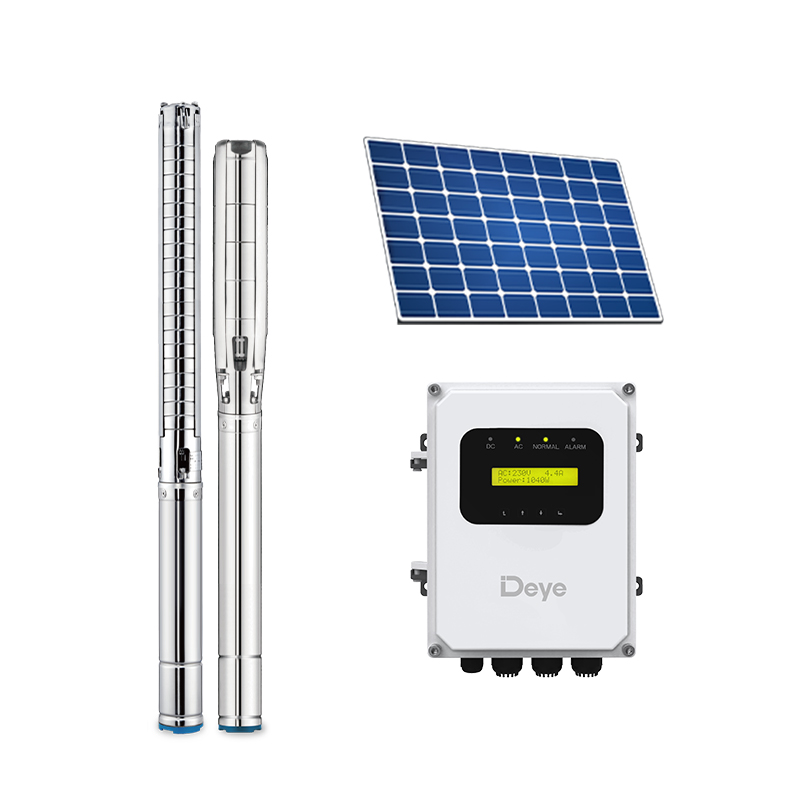
6 Inch Solar AC/DC Pump Controller (800-3000W) Stainless Steel Impeller Submersible Pumps
-
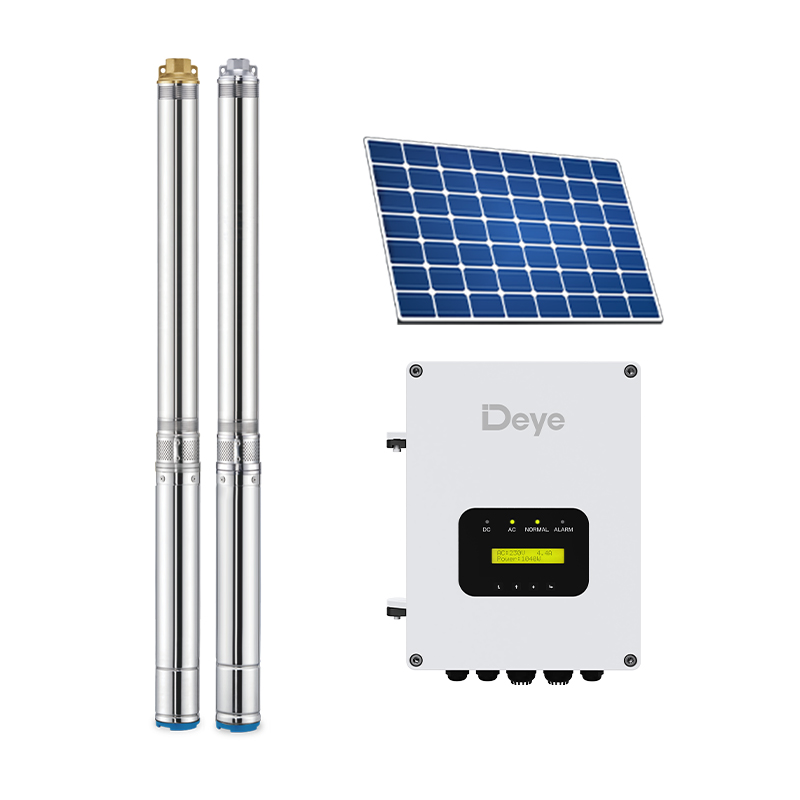
4 Inch High Speed Submersible Solar Pump(5500-13000W)Plastic Impeller Submersible Pumps
-
4 Inch Solar AC/DC Pump Controller (600-3000W) Plastic Impeller Submersible PumpsThis 4-inch AC/DC solar submersible pump (600-3000W, plastic impeller) works with solar panels and matched controller to build an eco-friendly household water supply system. Powered by solar energy to...
-
4 Inch Solar AC/DC Pump Controller (800-3000W) Stainless Steel Impeller Submersible PumpsPremium 4-inch stainless steel impeller pump features full anti-rust & anti-silt performance, tolerates slightly sandy underground water unavailable for plastic models. Oriented to formal village ...
-
6 Inch Solar AC/DC Pump Controller (800-3000W) Stainless Steel Impeller Submersible PumpsThis 6-inch stainless steel impeller AC/DC solar submersible pump (800~3000W) is developed for large-volume centralized water engineering. Equipped with robust all-stainless steel flow parts, it stand...
-
4 Inch High Speed Submersible Solar Pump(5500-13000W)Plastic Impeller Submersible Pumps4 inch High Speed AC/DC Solar Submersible Pump, 5500-13000W with plastic impeller. Optimized for large-scale farm irrigation and centralized livestock water supply on big ranches, also available for m...
-
3 Inch Solar AC/DC Pump Controller (400-1500W) Plastic Impeller Submersible PumpsCompact 3-inch plastic impeller solar pump with low power range, engineered for single-family scattered domestic water demand. Lightweight plastic wheel fits clean well water with zero silt, designed ...
Solar Submersible Water Pump Manufacturer
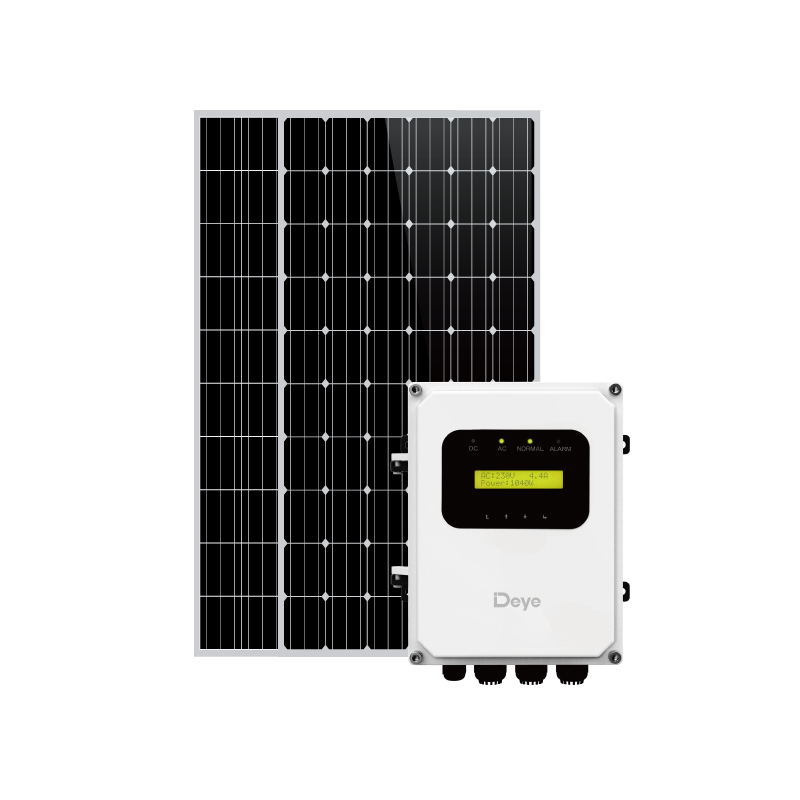
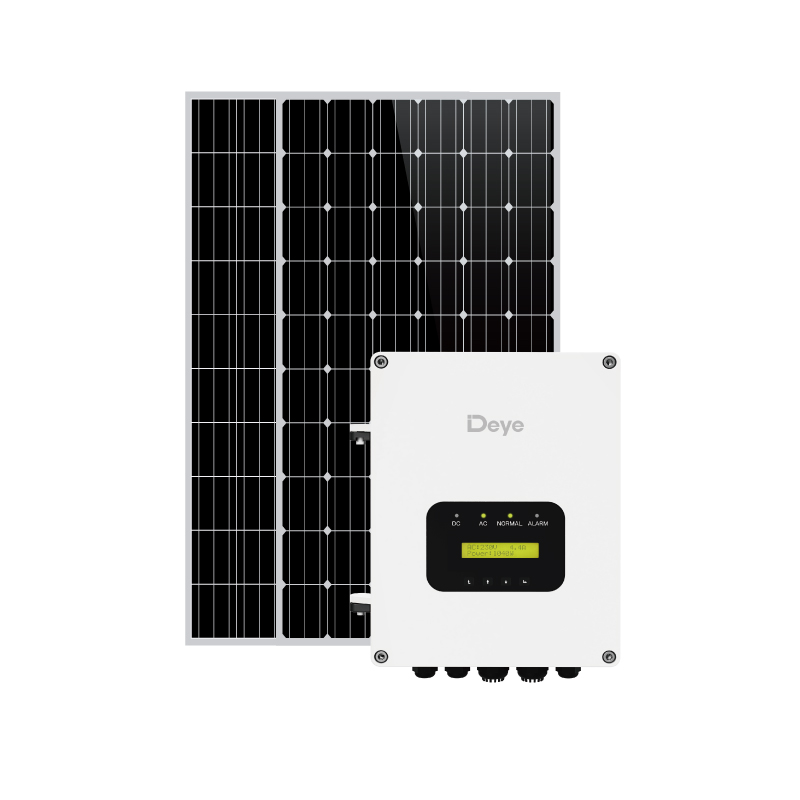
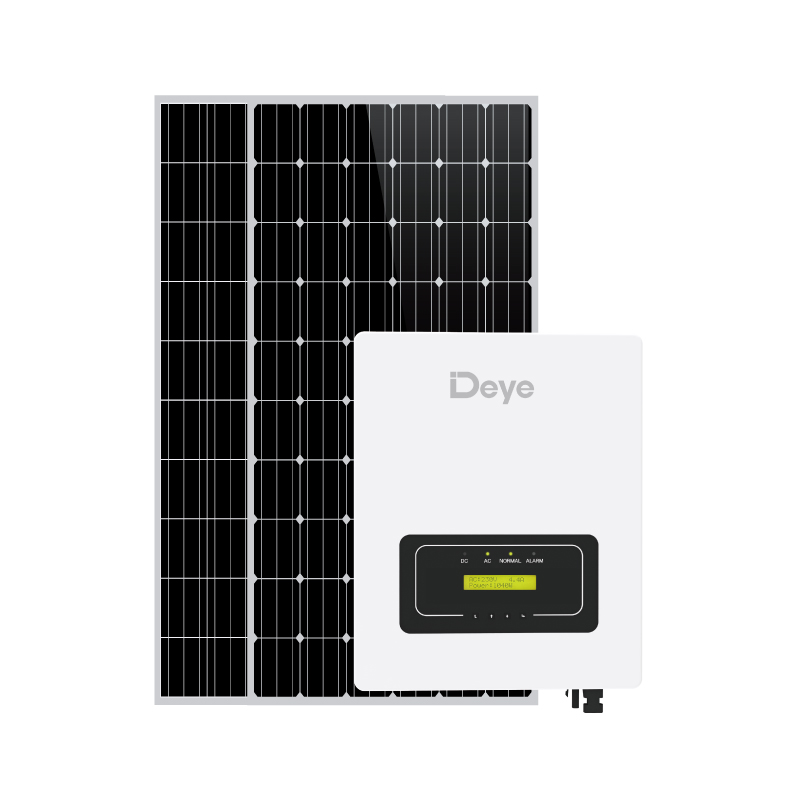
Deye Solar pump is an eco-friendly and cost-effective water pumping system powered by solar energy. By converting sunlight into electricity through photovoltaic (PV) panels and Deye Solar pump controller. Deye Solar pumps provide a reliable and sustainable solution for water supply needs, be widely used for agricultural irrigation, livestock watering, drinking water supply, and industrial applications, particularly in remote or off-grid areas.
With the development of Solar industry, Solar system cost become lower. Deye Solar pumps keep low operational costs while delivering water, reducing high cost cause dependence on conventional energy sources. Solar pumping is increasingly becoming one of the most popular and attractive ways of supplying water in the world today, especially widely used in many areas where electricity is lacking or the grid is unstable, or conventional energy is high-cost.
About Deye
Zhejiang Deye Electrical Appliances Co., Ltd.
Since its establishment in 1990, Deye Group has been dedicated to the research, development, and manufacturing of submersible pumps and pump controllers. We are built on a foundation of precision engineering and a commitment to manufacturing excellence.
At Deye, advanced production technologies and stringent quality control processes are integrated into every stage of manufacturing. This disciplined approach, supported by our team of dedicated engineers, ensures that every submersible pump, pool pump, and controller we deliver meets the highest standards of performance, durability, and reliability.
We go beyond manufacturing pumps; we build trust. Deye Group is a China DC Solar Water Pump Factory and Solar Submersible Water Pump Manufacturer, committed to providing stable, efficient, and intelligent water system solutions for global users, striving to be your trusted long-term partner.
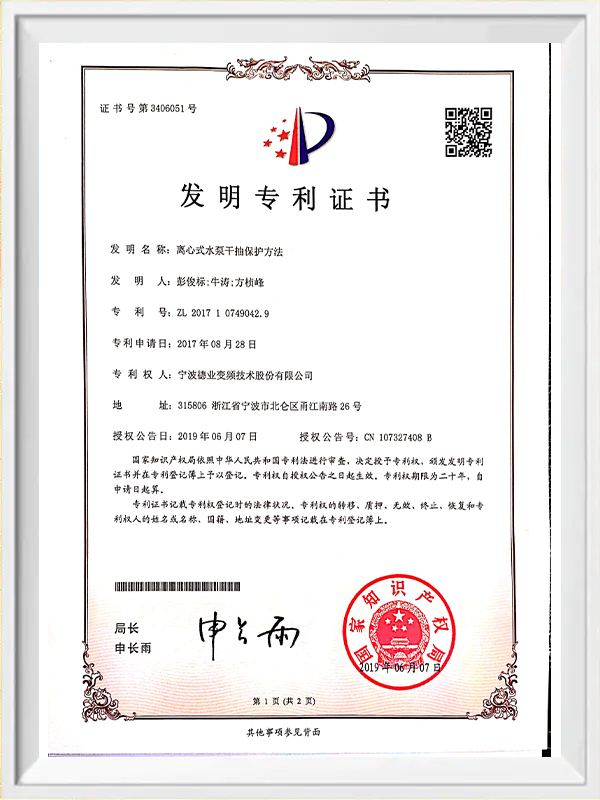
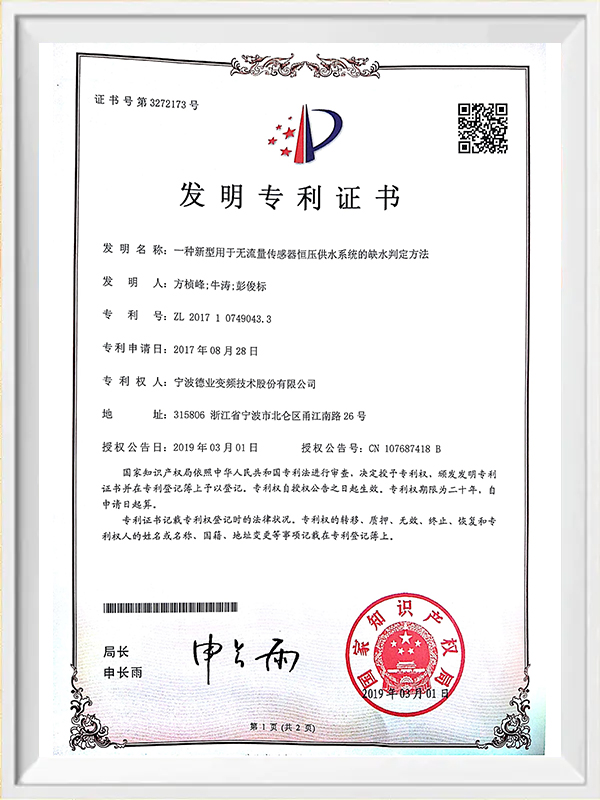
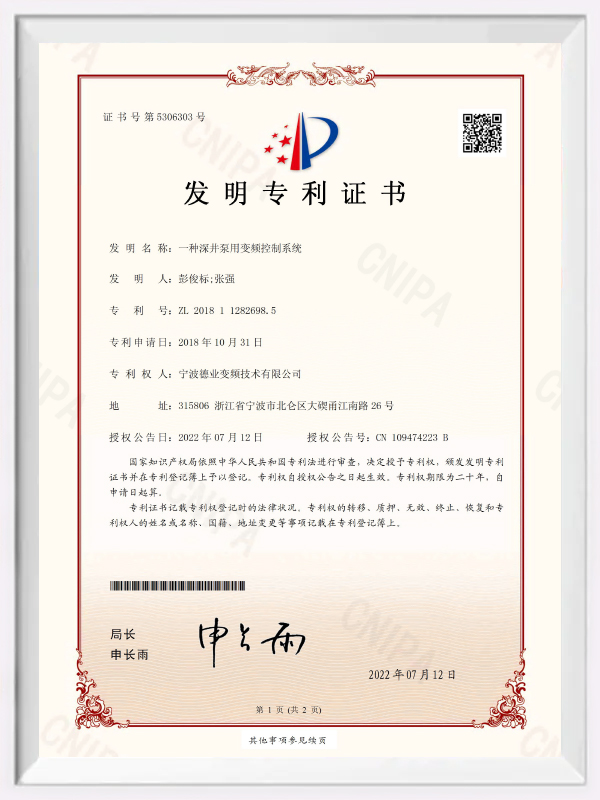
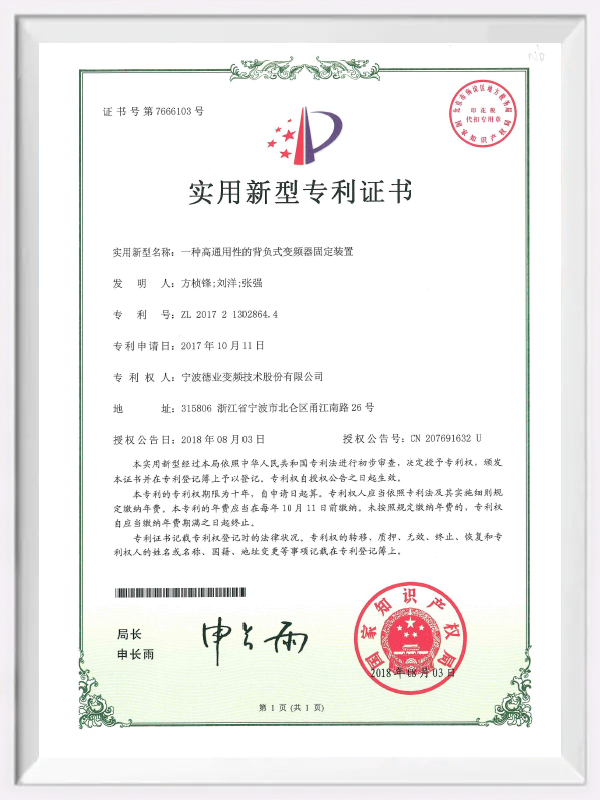
Certificate Of Honor
Recent News
-
-
A pond solar pump is a photovoltaic-powered water pump that moves water from a pond for aeration, circulation, irrigation, or transfer. If your pond has no reliable grid connection, a solar pump can keep water moving without trenching power lines or running ...
Read More -
A solar deep well water pump is a submersible pump powered by photovoltaic panels, designed to lift water from deep boreholes where grid electricity is unreliable or unavailable. The fastest way to pick the right system is to work out three numbers first: to...
Read More
Message Feedback
Solar Submersible Pump Industry Knowledge
1. What Is a Solar Submersible Pump
A solar submersible pump is a sealed pump unit designed to operate fully submerged in water, powered by photovoltaic (PV) solar panels. The motor and pump body are housed in a single watertight assembly that is lowered directly into a borehole, well, or tank. Electrical power is supplied from the surface via a submersible cable connected to a solar pump controller.
Unlike surface pumps, which rely on suction to draw water upward, a submersible pump pushes water upward from below, enabling it to operate at significantly greater depths with higher efficiency. This design is particularly well suited to off-grid water extraction where grid power is unavailable or unreliable.
Deye Group has specialized in the design and manufacture of submersible pumps since 1990, applying precision engineering and rigorous quality control to deliver products suited for diverse global applications.
2. Core Components of a Solar Submersible Pump System
- PV Solar Panels: Convert sunlight into DC electrical energy to power the pump system.
- Solar Pump Controller: Regulates power conversion using MPPT and VFD technology, provides motor protection, and may support hybrid grid/solar input.
- Submersible Pump Motor: Either a DC brushless motor or a 3-phase AC induction motor sealed within the pump housing.
- Pump Stage Assembly: One or more impeller stages that pressurize water and force it upward through the delivery pipe.
- Submersible Cable: Water-resistant cable carrying power from the controller at the surface down to the motor.
- Discharge Pipe and Check Valve: Conveys water to the surface; the check valve prevents backflow when the pump stops.
- Water Storage Tank (optional): Stores pumped water for use during nighttime or low-irradiance periods, reducing the need for battery backup.
3. Types of Solar Submersible Pumps
3.1 By Motor Type
| Motor Type | Power Input | Characteristics | Common Power Range |
| DC Brushless Motor | DC from PV directly | No brushes, lower maintenance, compact design | 0.1 to 3 kW |
| 3-Phase AC Induction Motor | AC from solar inverter controller | Robust, widely serviceable, suitable for high power | 0.75 to 75 kW and above |
3.2 By Borehole Diameter
Solar submersible pumps are manufactured in standard outer diameters to fit common borehole sizes. The most widely used are 4-inch (100 mm) and 6-inch (150 mm) diameter units. Larger diameters such as 8-inch and 10-inch are available for high-flow industrial applications.
3.3 By Head Range
- Shallow well (under 30 m): Domestic water supply, garden irrigation, livestock watering.
- Medium depth (30 to 100 m): Village water supply, small-scale agricultural irrigation.
- Deep borehole (above 100 m): Large-scale irrigation projects, municipal groundwater extraction, industrial water supply.
4. Key Performance Parameters
| Parameter | Description |
| Flow Rate (Q) | Volume of water delivered per hour (m3/h) or per minute (L/min) at rated conditions |
| Total Head (H) | Sum of vertical lift, pipe friction losses, and discharge pressure, measured in meters |
| Motor Power (kW) | Rated shaft power input to the pump under design operating conditions |
| Pump Efficiency (%) | Ratio of hydraulic power output to mechanical power input; higher values reduce required PV capacity |
| Max Submersion Depth (m) | Rated depth to which the pump unit can be safely lowered |
| Sand Content Tolerance | Maximum allowable sand or sediment content in the pumped water, typically expressed in g/m3 |
| Motor Insulation Class | Thermal classification of motor winding insulation; Class F (155 degrees C) is standard for submersible pumps |
5. Application Scenarios
- Agricultural Irrigation: Groundwater extraction for drip, sprinkler, or flood irrigation in areas without grid power access.
- Rural Drinking Water Supply: Solar borehole pumps provide communities in remote areas with reliable access to clean groundwater.
- Livestock Watering: Automated water supply to troughs and tanks for cattle, sheep, and other livestock in pastoral areas.
- Aquaculture: Water circulation and replenishment in fish ponds and shrimp farms where continuous water flow is required.
- Humanitarian and Development Projects: International development organizations deploy solar submersible pump systems in sub-Saharan Africa, South Asia, and Latin America as part of clean water access programs.
- Industrial Water Supply: Process water for manufacturing, construction site dewatering, and mine water management using high-capacity deep-well systems.
6. Solar Submersible Pump vs. Surface Solar Pump
| Criteria | Solar Submersible Pump | Surface Solar Pump |
| Installation Location | Submerged in well, borehole, or tank | Mounted above ground near water source |
| Maximum Practical Head | 200 m or more (multi-stage) | Typically under 25 m suction head |
| Priming Requirement | None (self-priming by design) | Required before startup |
| Noise Level | Low (motor submerged in water) | Higher (motor exposed above ground) |
| Maintenance Access | Requires extraction from well | Directly accessible at surface |
| Suitable Water Source | Boreholes, deep wells, tanks | Rivers, ponds, open reservoirs |
7. Material and Construction Standards
The materials used in a submersible pump directly affect corrosion resistance, service life, and suitability for different water chemistries. Common materials include:
- 304 or 316 Stainless Steel: Used for pump bodies, impellers, and motor casings where corrosion resistance is required. 316 grade offers superior resistance in saline or brackish water conditions.
- Noryl or Engineering Plastics: Used for impellers in light-duty or cost-sensitive applications; resistant to chemical corrosion but limited in abrasive environments.
- Carbon Ceramic Bearings: Water-lubricated bearings that replace oil-lubricated designs, eliminating risk of oil contamination in potable water applications.
- Motor Winding Insulation: Submersible motor windings use Class F or Class H insulation materials rated to withstand prolonged exposure to moisture and elevated temperatures.
Deye Group applies stringent material selection and quality inspection at each manufacturing stage to ensure long-term performance in demanding field conditions.
8. Frequently Asked Questions
Q1: Can a solar submersible pump run without a controller?
No. Direct connection of a submersible pump to a PV array without a controller exposes the motor to unregulated voltage and current fluctuations, which can cause overheating, winding damage, and dry-run failure. A dedicated solar pump controller with MPPT and motor protection functions is required for safe and efficient operation.
Q2: What is the effect of sand and sediment on a submersible pump?
Excessive sand content accelerates wear on impellers and pump seals, shortening service life. When pumping from sandy boreholes, selecting a pump with stainless steel impellers and a sand tolerance rating appropriate for the water source is important. A sand separator or settling tank can also reduce ingested particle load.
Q3: How deep can a solar submersible pump be installed?
The maximum installation depth is determined by the pump's rated submersion depth specification and the length of the submersible cable. Most standard units are rated for submersion depths between 50 m and 200 m. The total dynamic head (installation depth plus pipe losses) must remain within the pump's rated head range for proper operation.
Q4: Is a battery required for a solar submersible pump system?
A battery is not required in most installations. The standard approach is to pump water during daylight hours into an elevated storage tank, which then supplies water by gravity at any time. For applications requiring nighttime pumping, battery storage or grid hybrid controllers can be used.
Q5: How is a solar submersible pump extracted for maintenance?
The pump is retrieved by pulling the safety rope or discharge pipe that supports it in the borehole. The submersible cable is coiled and managed separately during extraction. Proper installation with a rated safety rope is essential to prevent the pump from becoming unrecoverable at the bottom of a borehole.
Deye Group | Established 1990 | Submersible Pumps, Pool Pumps and Pump Controllers

- No. 26, Yongjiang South Road, Beilun Dirstrict, Ningbo City, Zhejiang, China.
-
[email protected] ( Daniel )
+86-13923361908 ( WhatsApp )
-
[email protected] ( Chris )
+86-18186995218 ( WhatsApp )
-
+86-15888503217 ( Mark Pan )
[email protected] ( WhatsApp )
QUICK LINK
SUPPORT
Copyright ©Zhejiang Deye Electrical Appliances Co., Ltd. All Rights Reserved. DC Solar Water Pump Factory Solar Submersible Water Pump Manufacturer

 Back to Top