
 русский
 Français
 Español
 عربى
عربى Deutsch
 Português
 italiano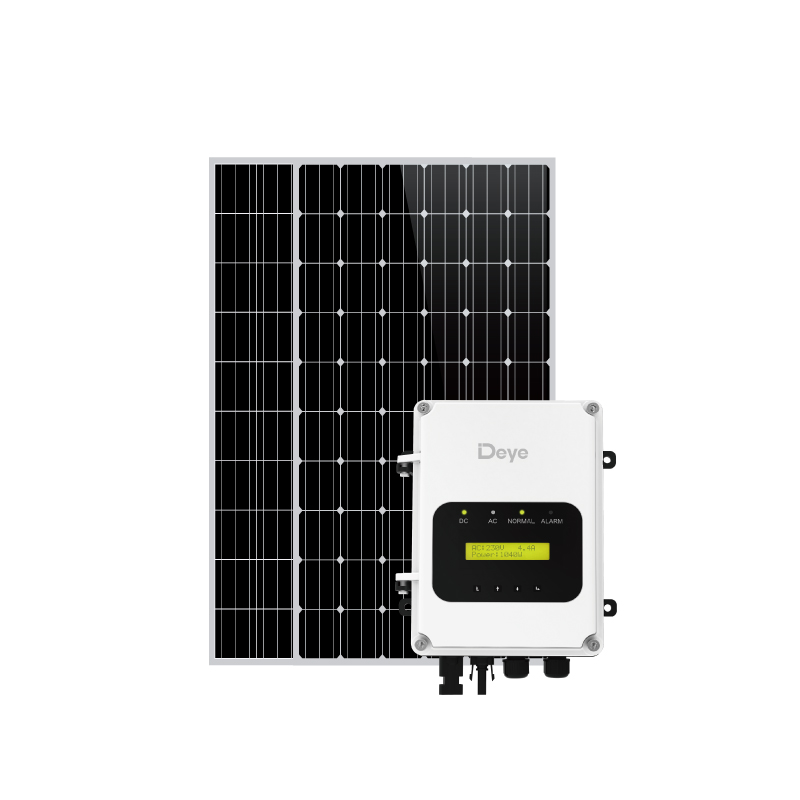
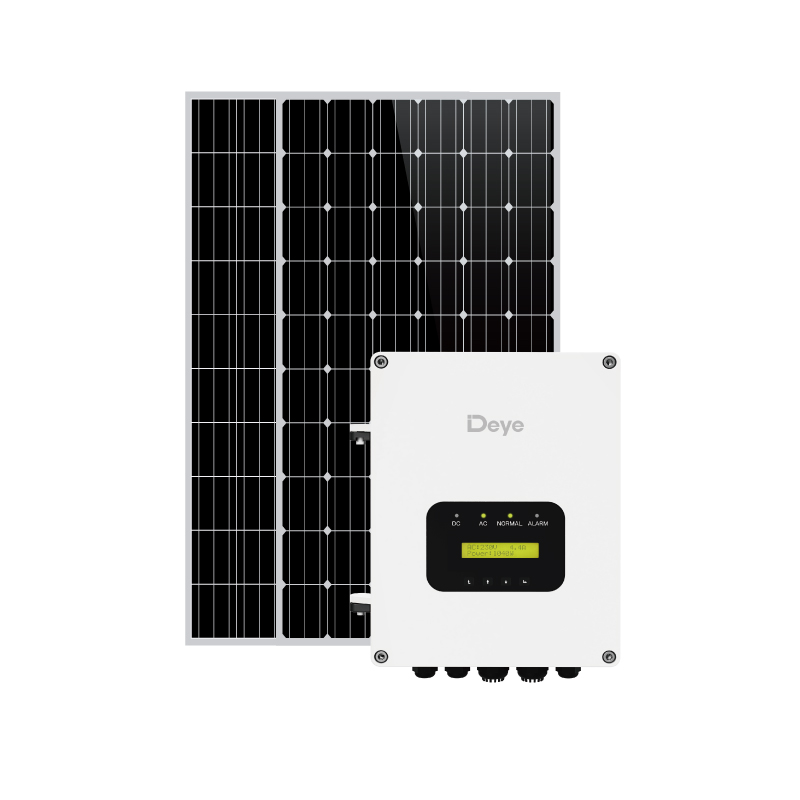
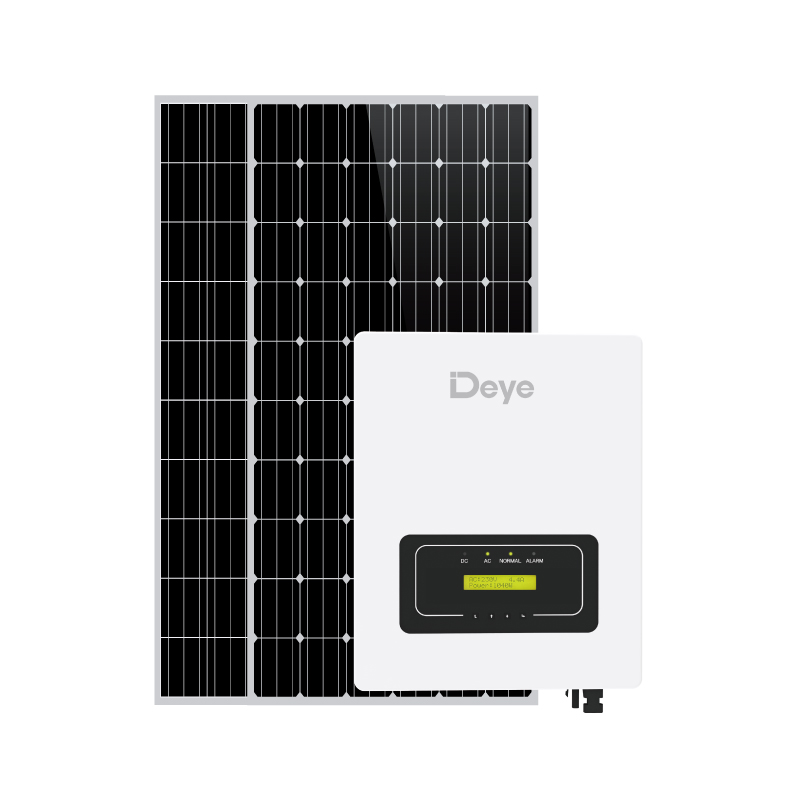
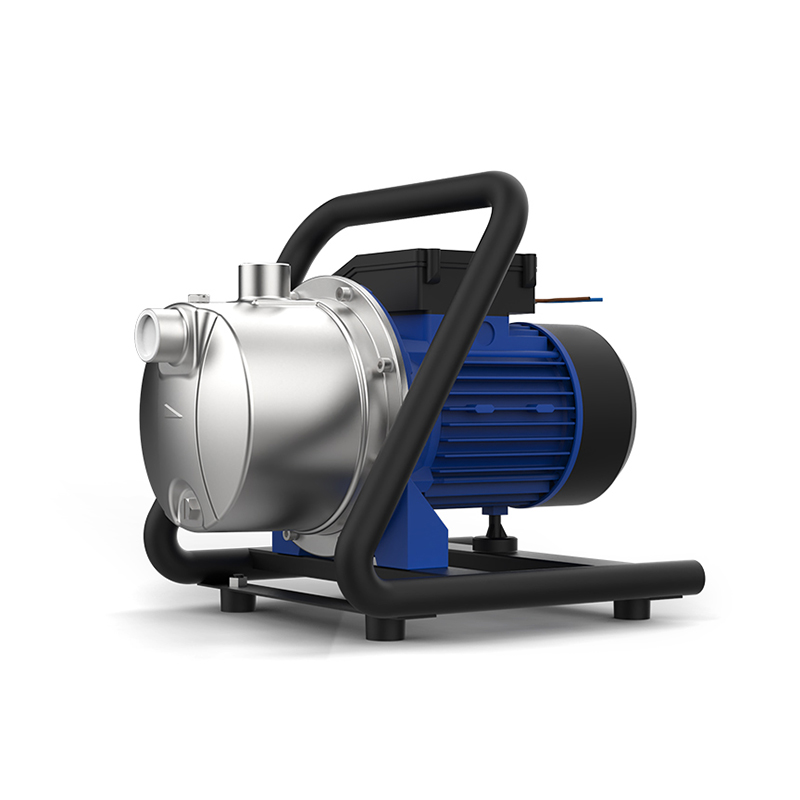
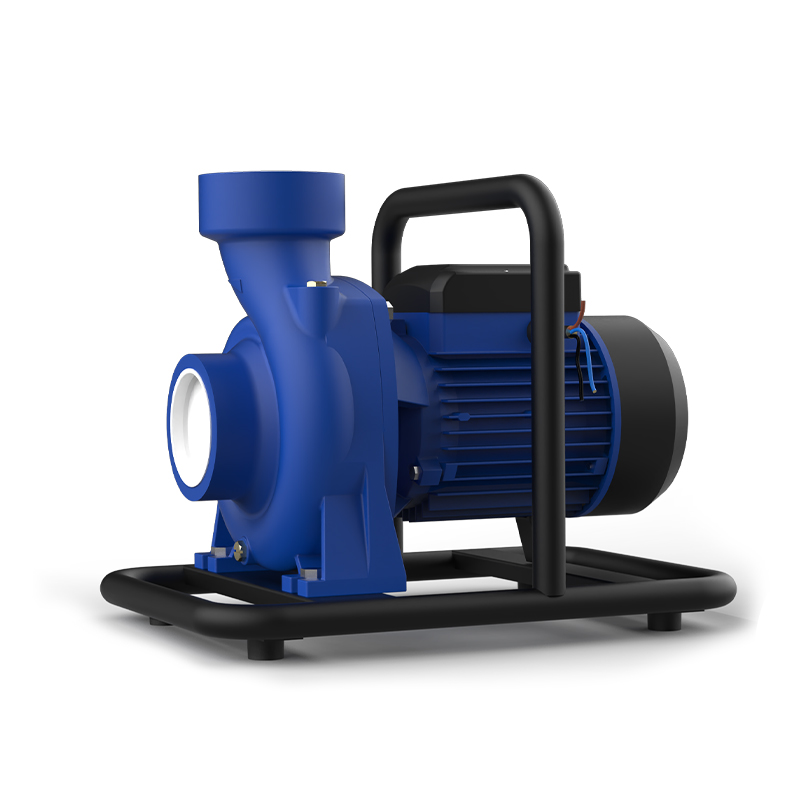
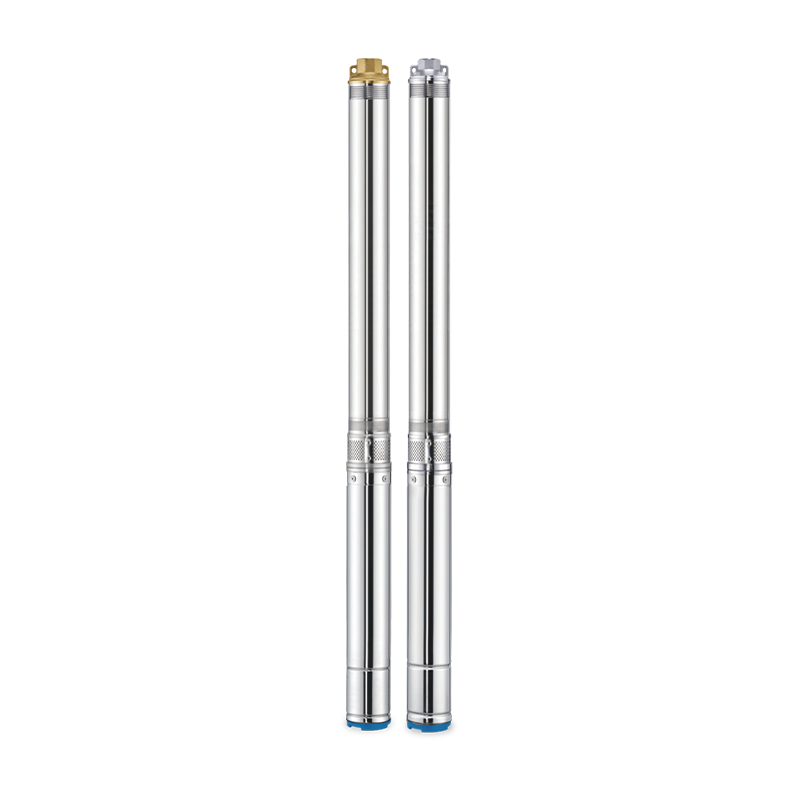
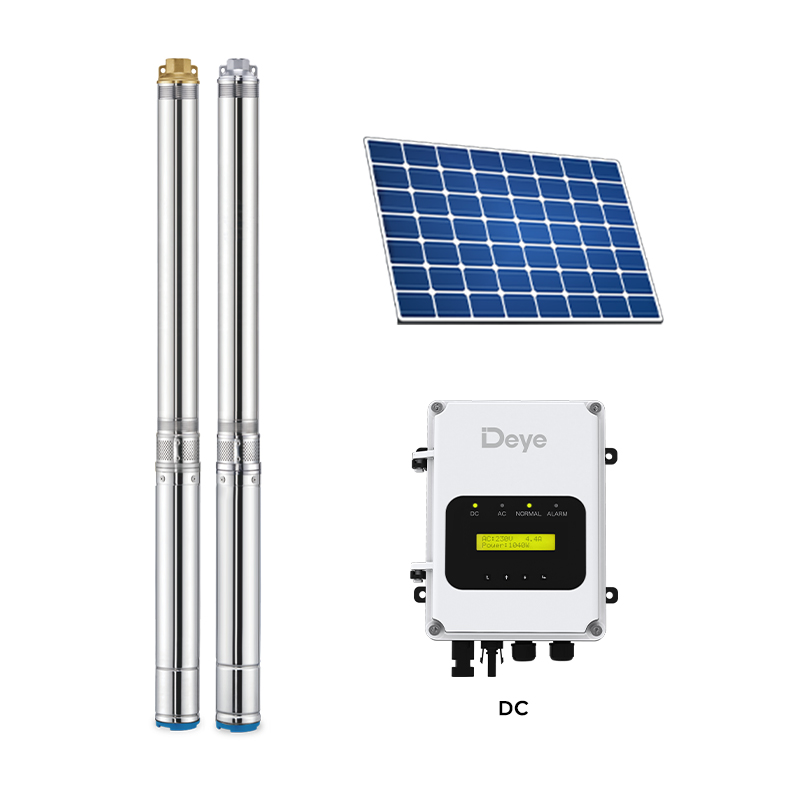
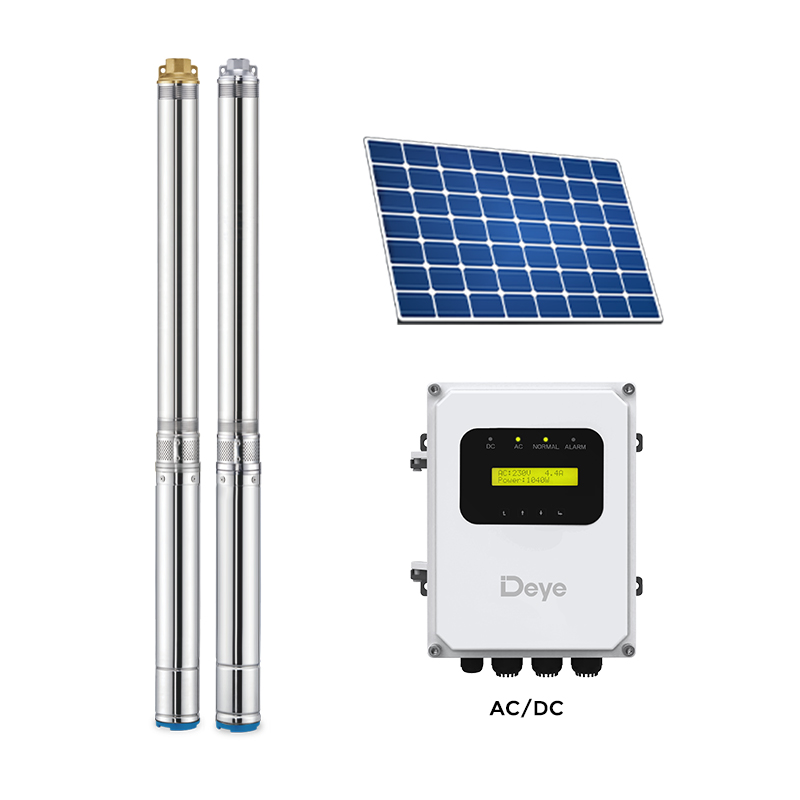
Compact 3-inch plastic impeller solar pump with low power range, engineered for single-family scattered domestic water demand. Lightweight plastic wheel fits clean well water with zero silt, designed for independent off-grid household daily drinking & small garden irrigation, a cost-effective entry-level option for individual rural home water solution.

-
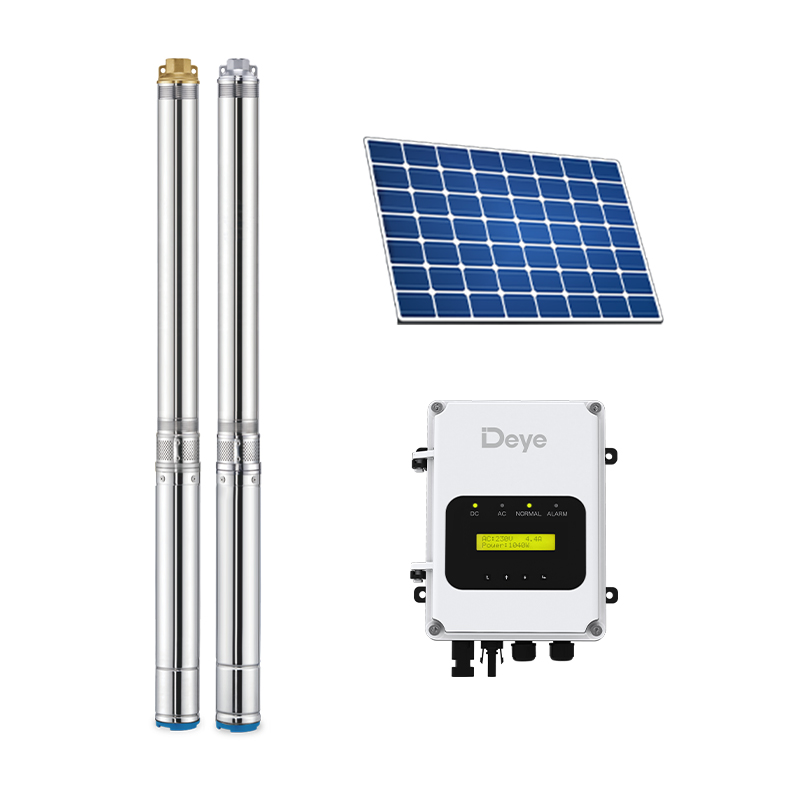
3 Inch Solar AC/DC Pump Controller (400-1500W) Plastic Impeller Submersible Pumps
-
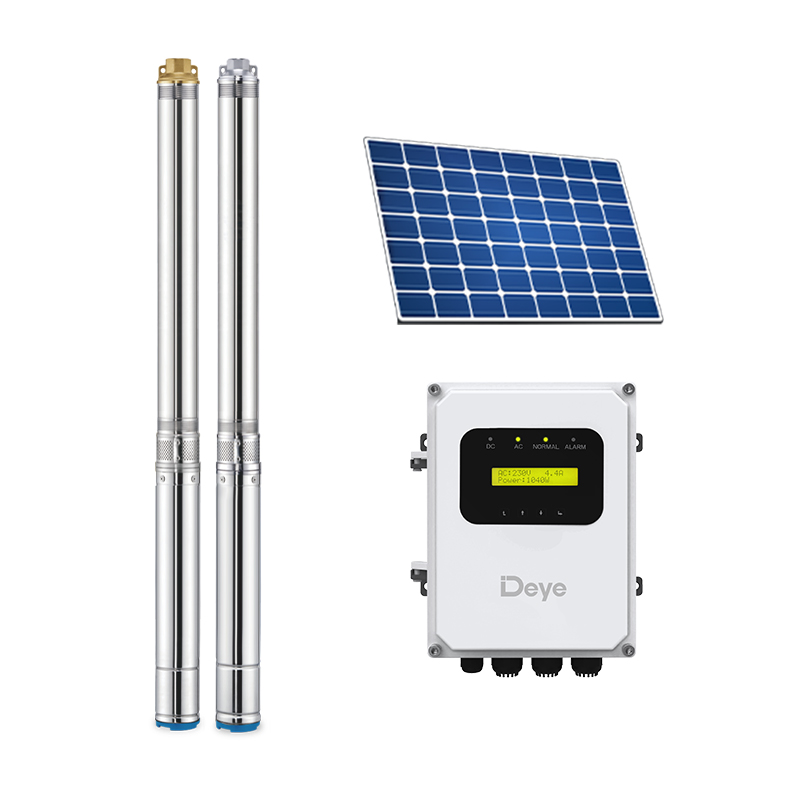
4 Inch Solar AC/DC Pump Controller (600-3000W) Plastic Impeller Submersible Pumps
-
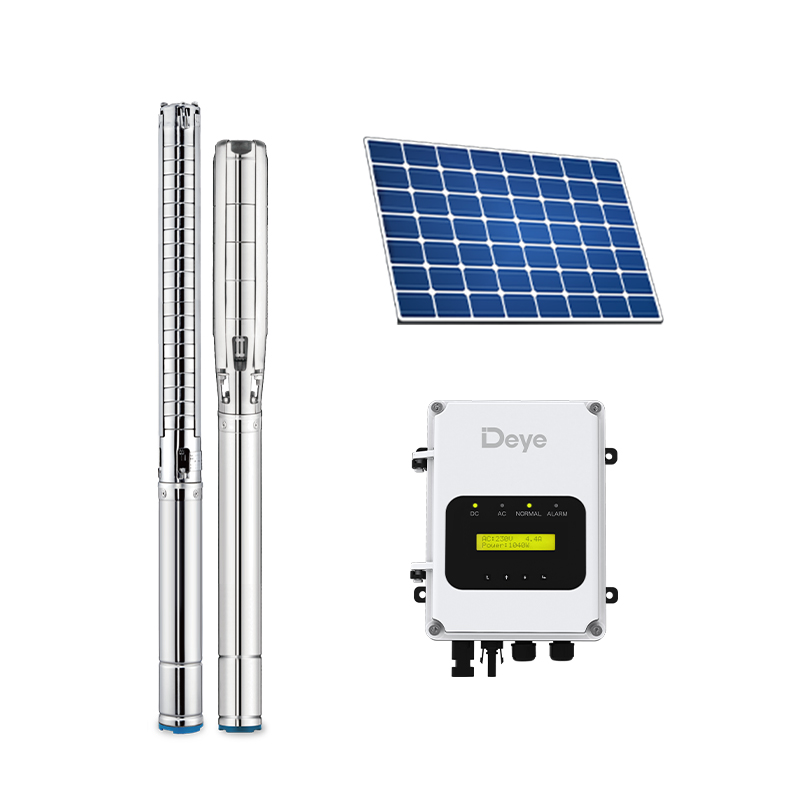
4 Inch Solar AC/DC Pump Controller (800-3000W) Stainless Steel Impeller Submersible Pumps
-
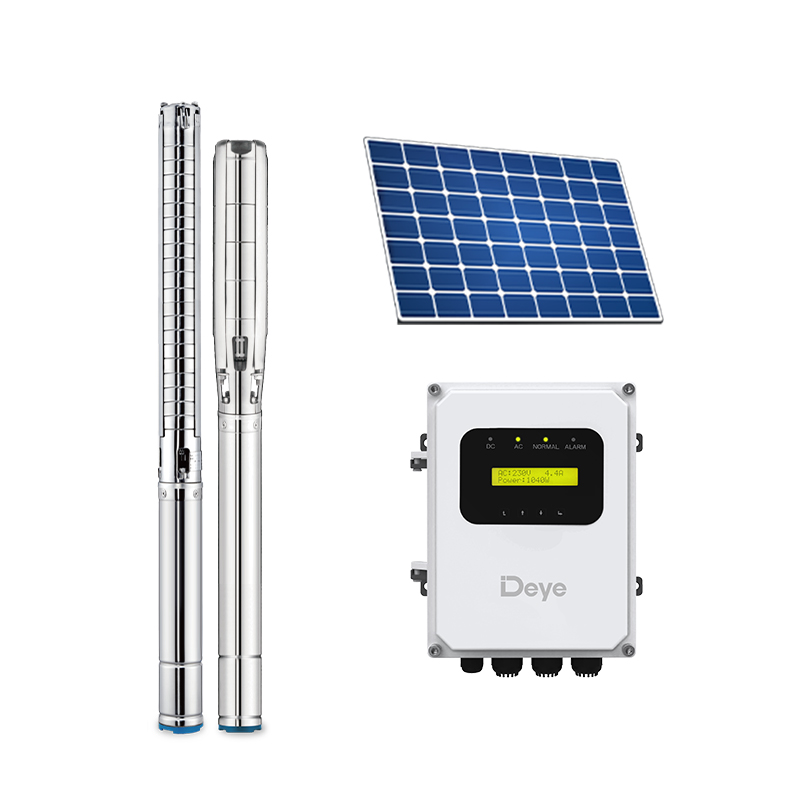
6 Inch Solar AC/DC Pump Controller (800-3000W) Stainless Steel Impeller Submersible Pumps
-
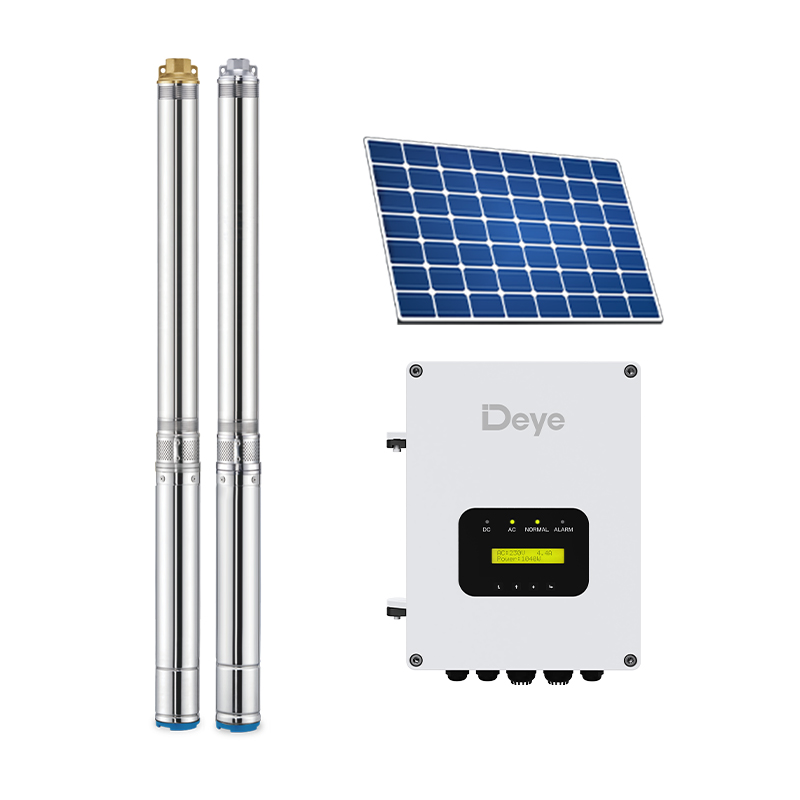
4 Inch High Speed Submersible Solar Pump(5500-13000W)Plastic Impeller Submersible Pumps
3 Inch Solar AC/DC Pump Controller (400-1500W) Plastic Impeller Submersible Pumps
- Product Details
- Drawing
Product Details
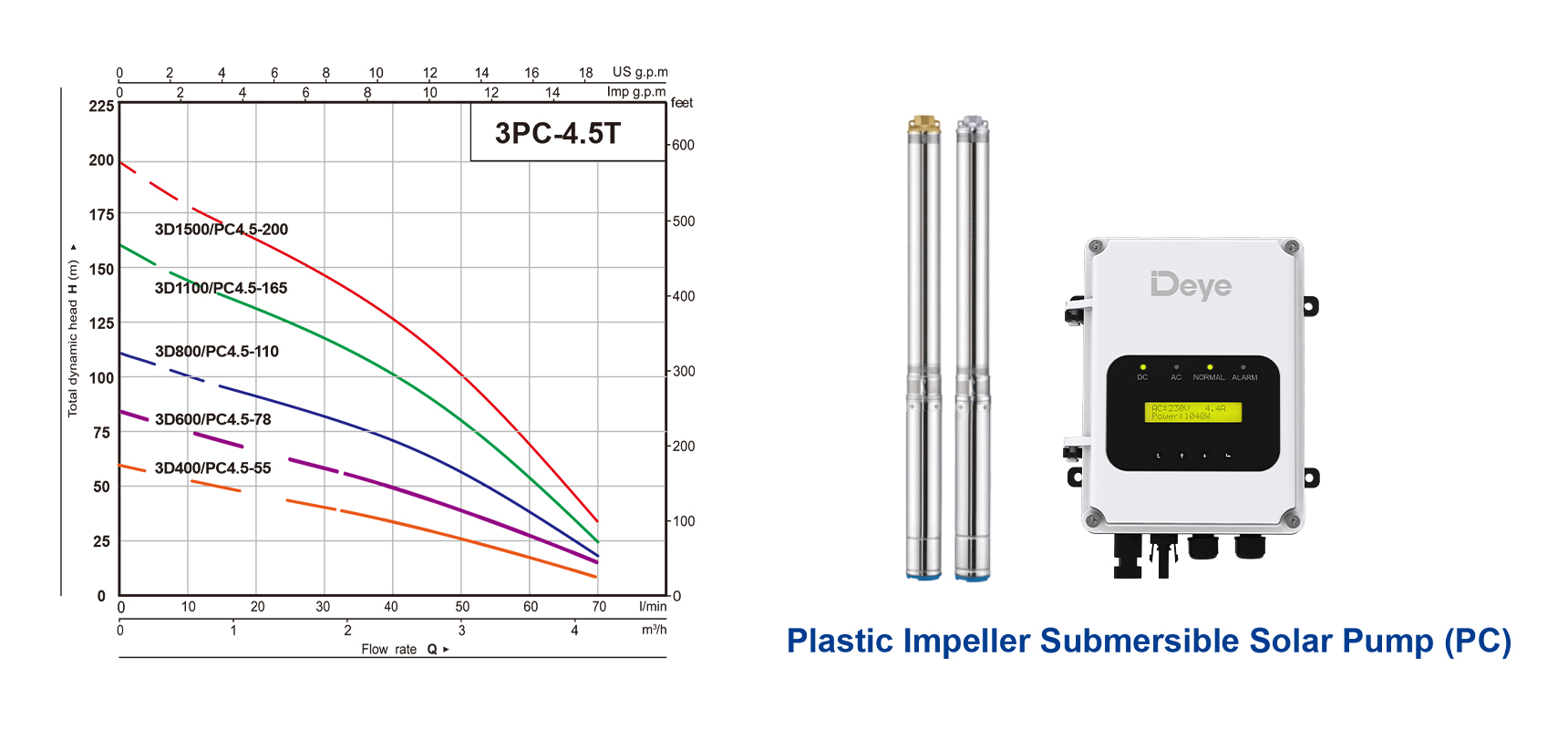
TECHNICAL DATA (3 inch 4.5m³/h)
| Model | DC Controller |
AC/DC Controller |
Power (W) |
Voltage (V) |
DELIVERY nmax≈4500r/min | ||||||||||
| Q | m³/h | 0 | 0.6 | 1.2 | 1.8 | 2.4 | 3.0 | 3.6 | 3.9 | 4.2 | |||||
| l/min | 0 | 10 | 20 | 30 | 40 | 50 | 60 | 65 | 70 | ||||||
| 3D400/PC4.5-55 | DY-D900DC | / | 400 | 65~100 | H(m) | 55 | 53 | 42 | 38 | 30 | 24 | 18 | 16 | 9 | |
| 3D600/PC4.5-78 | DY-D900DC | / | 600 | 65~100 | 78 | 70 | 67 | 60 | 50 | 39 | 32 | 18 | 14 | ||
| 3D800/PC4.5-110 | DY-D2000DC | DY-D3600AC/DC | 800 | 90~160 | 110 | 102 | 97 | 85 | 70 | 58 | 45 | 32 | 16 | ||
| 3D1100/PC4.5-165 | DY-D2000DC | DY-D3600AC/DC | 1100 | 130~200 | 165 | 146 | 140 | 121 | 102 | 83 | 68 | 51 | 32 | ||
| 3D1500/PC4.5-200 | DY-D2000DC | DY-D3600AC/DC | 1500 | 160~240 | 200 | 186 | 174 | 154 | 122 | 103 | 83 | 60 | 34 | ||
Drawing
Related Products
-
This 4-inch AC/DC solar submersible pump (600-3000W, plastic impeller) works with solar panels and m...View Product
-
Premium 4-inch stainless steel impeller pump features full anti-rust & anti-silt performance, to...View Product
-
This 6-inch stainless steel impeller AC/DC solar submersible pump (800~3000W) is developed for large...View Product
-
4 inch High Speed AC/DC Solar Submersible Pump, 5500-13000W with plastic impeller. Optimized for lar...View Product
-
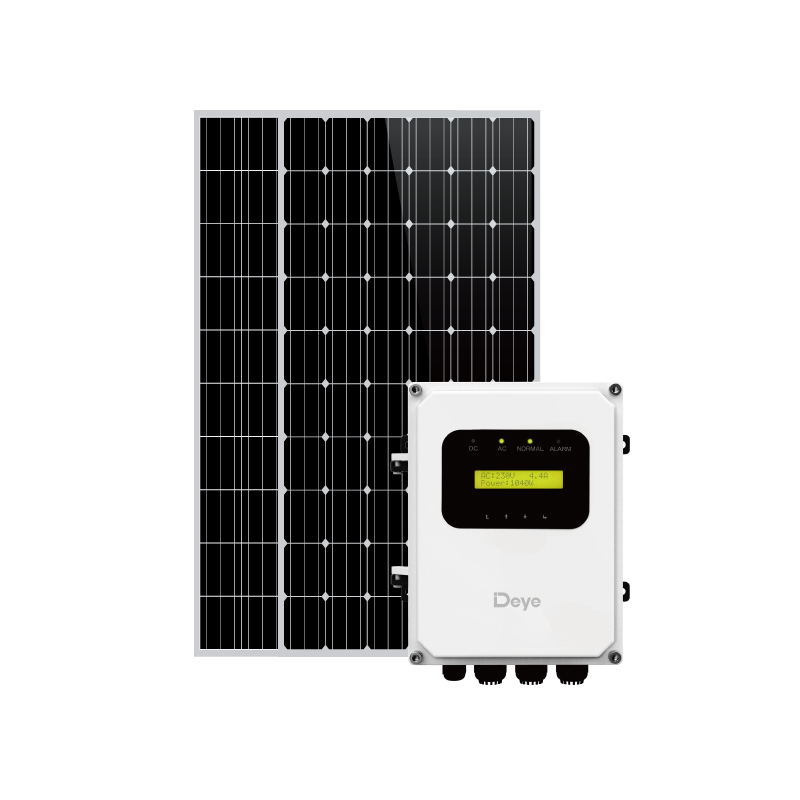 The AC/DC Auto Switch Controller adopts solar-first intelligent switching logic for a 24-hour uninte...View Product
 -
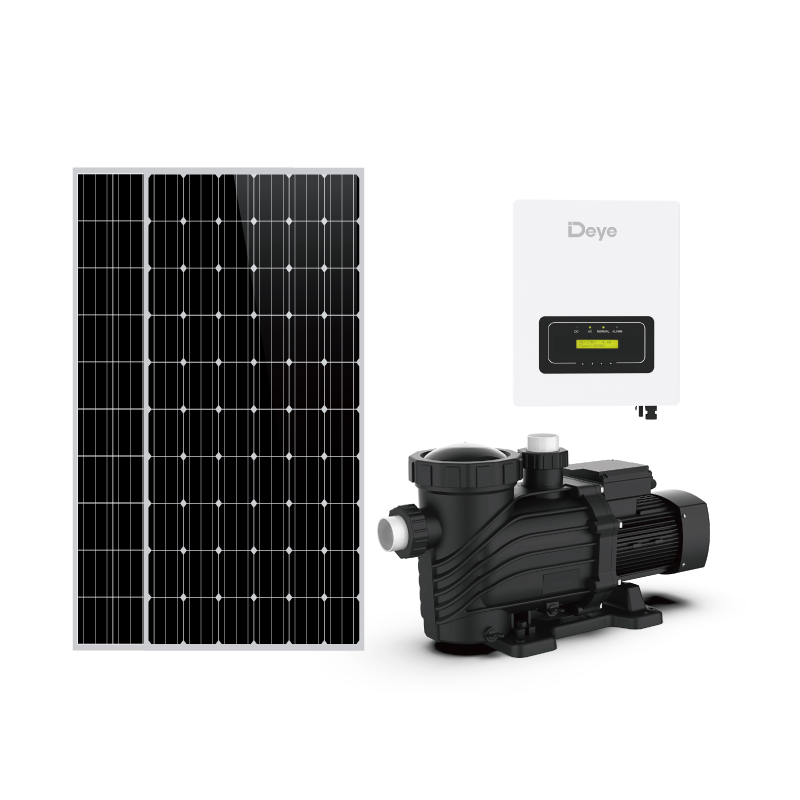 Deye Solar swimming pool pump is a simple, intelligent and worry-free solution that suitable for var...View Product
About Deye
Zhejiang Deye Electrical Appliances Co., Ltd.
Since its establishment in 1990, Deye Group has been dedicated to the research, development, and manufacturing of submersible pumps and pump controllers. We are built on a foundation of precision engineering and a commitment to manufacturing excellence.
At Deye, advanced production technologies and stringent quality control processes are integrated into every stage of manufacturing. This disciplined approach, supported by our team of dedicated engineers, ensures that every submersible pump, pool pump, and controller we deliver meets the highest standards of performance, durability, and reliability.
We go beyond manufacturing pumps; we build trust. Deye Group is a China 3 Inch Solar AC/DC Pump Controller (400-1500W) Plastic Impeller Submersible Pumps Suppliers, committed to providing stable, efficient, and intelligent water system solutions for global users, striving to be your trusted long-term partner.
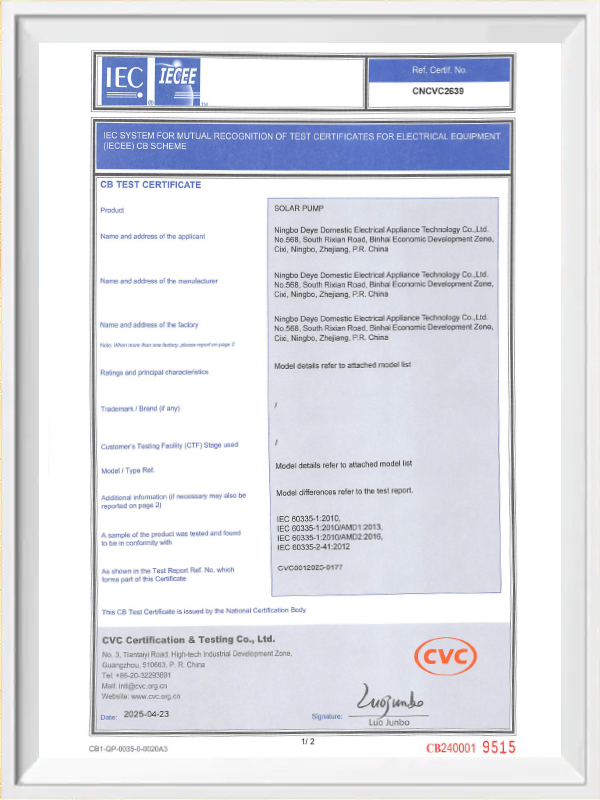
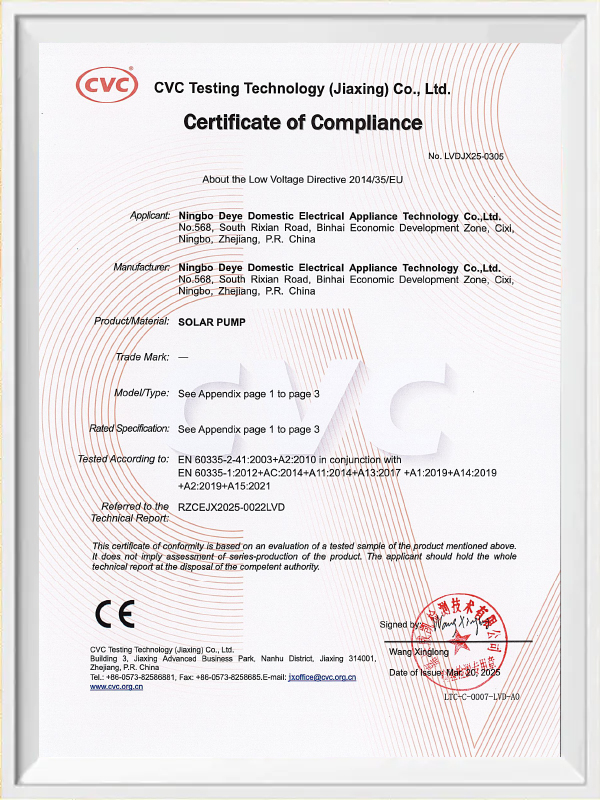
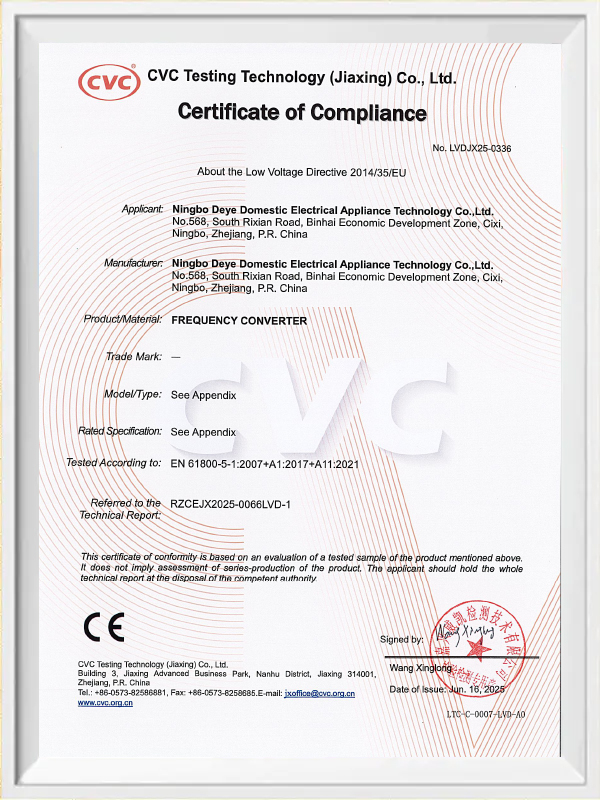
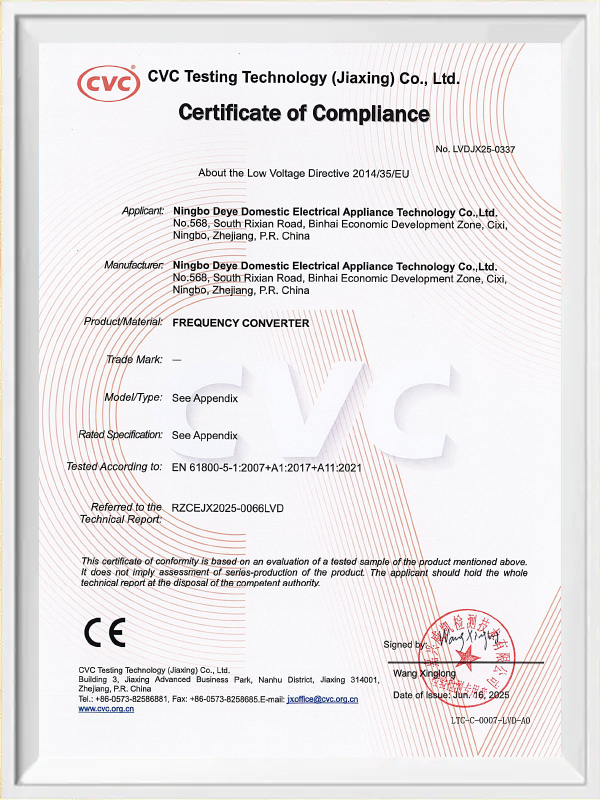
Certificate Of Honor

Recent News
-
Two identical 3-inch submersible pumps, installed a few hundred metres apart on the same kind of borehole, can behave completely differently: one lifts water all afternoon, the o...
Read More -
A pond solar pump is a photovoltaic-powered water pump that moves water from a pond for aeration, circulation, irrigation, or transfer. If your pond has no reliable grid connecti...
Read More -
A solar deep well water pump is a submersible pump powered by photovoltaic panels, designed to lift water from deep boreholes where grid electricity is unreliable or unavailable....
Read More -
If you need to move water for irrigation, livestock, or off-grid living, a large solar water pump is usually defined as a system rated at 4 kW or higher. The right large solar pu...
Read More
Solar Submersible Pump Industry Knowledge
1. Introduction
Solar-powered water pumping systems have become a critical infrastructure component across agriculture, rural water supply, and off-grid industrial applications. At the core of these systems is the solar pump controller, which governs the energy conversion and motor operation of submersible pumps. The 3 Inch Solar AC/DC Pump Controller operating within a power range of 400W to 1500W, paired with plastic impeller submersible pumps, represents one of the most widely deployed configurations in the global market today.
Since 1990, Deye Group has specialized in the research, development, and manufacturing of submersible pumps and pump controllers, accumulating extensive engineering expertise in this product category.
2. Core Concepts and Working Principles
2.1 What Is a Solar AC/DC Pump Controller
A solar pump controller (also referred to as a VFD-based solar drive or MPPT pump inverter) is an electronic device that accepts input from photovoltaic (PV) panels and/or AC grid power, then regulates the output frequency and voltage delivered to a submersible pump motor. The AC/DC dual-input design enables the controller to operate from solar PV (DC source) when sunlight is available and switch to mains AC power when solar input is insufficient, ensuring continuous pump operation.
Key functional modules within a standard solar AC/DC pump controller include:
- MPPT (Maximum Power Point Tracking) algorithm for real-time optimization of PV power extraction
- Variable Frequency Drive (VFD) for soft-start and speed regulation of the pump motor
- Protection circuits covering over-voltage, under-voltage, over-current, dry-run, and over-temperature conditions
- AC/DC switching logic for seamless source transition
2.2 Role of the Plastic Impeller in Submersible Pumps
The impeller is the rotating component responsible for transferring kinetic energy from the motor shaft to the pumped fluid. In submersible pump design, impeller material selection directly affects performance, service life, and cost structure. Plastic impellers, typically manufactured from engineering polymers such as PPO (Polyphenylene Oxide), PP (Polypropylene), or reinforced nylon, are widely used in the 400–1500W range for their corrosion resistance, light weight, and low manufacturing cost.
3. Typical Product Specifications
The following table outlines representative technical parameters for this product category:
| Parameter | Specification Range | Notes |
| Pump Bore Size | 3 Inch (76mm) | Standard borehole compatible |
| Rated Power | 400W – 1500W | Single-phase or three-phase motor |
| DC Input Voltage | Typically 72V – 360V DC | PV panel array input |
| AC Input Voltage | 110V / 220V / 380V AC | Grid or generator backup |
| MPPT Efficiency | Greater than 99% | Industry standard for quality units |
| Max Flow Rate | Up to 5 m3/h (varies by model) | Dependent on head and power |
| Max Head | Up to 120m (varies by model) | Multi-stage design |
| Impeller Material | PPO / PP / Reinforced Nylon | Corrosion-resistant polymer |
| Protection Rating | IP68 (pump), IP65 (controller) | Fully submersible pump |
4. Product Types and System Configurations
4.1 Controller Input Mode Classification
| Type | Input Source | Suitable Scenario |
| DC-only Solar Controller | PV panels (DC) | Remote off-grid locations |
| AC/DC Hybrid Controller | PV panels + AC grid/generator | Semi-grid areas requiring 24/7 operation |
| AC-only VFD Controller | AC grid or generator | Grid-connected farms and facilities |
4.2 Plastic Impeller vs. Stainless Steel Impeller
| Criteria | Plastic Impeller | Stainless Steel Impeller |
| Corrosion Resistance | Excellent (chemical-resistant polymers) | Good (grade-dependent) |
| Weight | Light | Heavier |
| Sand/Abrasion Tolerance | Lower (suitable for clean water) | Higher |
| Unit Cost | Lower | Higher |
| Typical Application | Clean groundwater, domestic supply | Sandy boreholes, high-wear scenarios |
5. Application Fields
The 3 Inch Solar AC/DC Pump Controller with plastic impeller submersible pumps is deployed across multiple sectors:
- Agricultural Irrigation: Pumping groundwater for crop irrigation in areas with limited grid access, reducing operational fuel costs.
- Rural Domestic Water Supply: Providing potable water to villages, households, and small communities from boreholes or shallow wells.
- Livestock Watering: Supplying water troughs in remote pastoral areas where grid infrastructure is unavailable.
- Water Tank and Reservoir Filling: Automated level-controlled filling of storage tanks in conjunction with float switch or pressure sensor signals.
- Horticultural and Greenhouse Irrigation: Precision water delivery in controlled growing environments.
- Small-scale Municipal Water Systems: Supplementary pumping in developing-region water distribution networks.
6. Selection and Sizing Considerations
Proper system sizing requires evaluation of the following parameters:
- Total Dynamic Head (TDH): Sum of static head, friction losses, and pressure requirements at the delivery point.
- Required Flow Rate: Daily water demand divided by available pumping hours (based on Peak Sun Hours at the installation site).
- PV Array Sizing: Controller input voltage range must be matched to the open-circuit voltage (Voc) and maximum power point voltage (Vmpp) of the selected PV configuration.
- Water Quality: Sand content and chemical composition of the source water determine suitability of plastic impellers versus alternative materials.
- Borehole Diameter: The 3-inch pump body must physically fit within the borehole casing, with a minimum recommended casing inner diameter of 80mm.
- AC Backup Requirement: Continuous-operation applications (hospitals, drinking water stations) typically require the AC/DC hybrid configuration.
7. Standard Protection and Control Features
Modern 3-inch solar pump controllers in this power class incorporate the following protective functions:
- Dry-run protection: Automatic shutdown when water level falls below the pump inlet, preventing motor burnout.
- Over-voltage and under-voltage protection: Both on DC input (PV) and AC input sides.
- Over-current and short-circuit protection: Output-side current limiting and fault isolation.
- Over-temperature protection: Thermal cutoff to protect IGBT modules within the controller.
- Soft-start function: Gradual ramp-up of motor speed at startup, reducing mechanical stress on the impeller assembly and motor windings.
- Tank-full detection: Float switch or pressure switch input for automatic stop/start based on storage status.
8. Installation and Maintenance Notes
- The controller enclosure should be mounted in a shaded, well-ventilated location, away from direct sunlight and moisture ingress points.
- PV cable cross-sections must be sized according to the maximum short-circuit current (Isc) of the panel array, with appropriate DC-rated fusing on positive and negative conductors.
- The submersible pump should be suspended with a safety rope rated for at least 3 times the pump weight, independent of the water delivery pipe.
- Periodic inspection of cable insulation, pump strainer screen, and controller display parameters is recommended every 6–12 months.
- Plastic impeller pumps should not be used in water containing sand content exceeding manufacturer specifications (typically 0.025% by weight), as abrasive particles accelerate impeller wear.
9. Frequently Asked Questions
Q1: Can the controller operate with batteries as an input source?
Most AC/DC solar pump controllers in this category are designed for direct PV input, not battery-buffered DC. Battery bank integration typically requires a separate solar charge controller and inverter arrangement. Some specialized models do support battery DC input; this specification must be verified per product datasheet.
Q2: What happens on cloudy days or at low irradiance?
The MPPT algorithm continuously tracks the available power point, allowing the pump to operate at reduced speed proportional to available solar energy. In AC/DC hybrid models, the controller automatically supplements or switches to AC input when PV power falls below a configurable threshold.
Q3: Is a 3-inch pump suitable for domestic water supply?
Yes. In the 400–1500W range, a 3-inch submersible pump with a plastic impeller typically delivers 1–5 m3/h at moderate heads, which is adequate for single household or small community supply. Exact capacity depends on total dynamic head and selected pump model.
Q4: How long is the expected service life of a plastic impeller pump?
Under normal operating conditions with clean groundwater, engineering-grade plastic impellers (PPO, reinforced nylon) typically maintain hydraulic performance for 3–8 years. Service life is significantly reduced in water with high sand content or aggressive chemical composition.
Q5: Does Deye Group manufacture both the pump and the controller?
Yes. Deye Group has manufactured both submersible pumps and pump controllers since 1990. Integrated manufacturing allows for matched electrical and hydraulic specifications across product lines, supported by in-house engineering and quality control processes.

- No. 26, Yongjiang South Road, Beilun Dirstrict, Ningbo City, Zhejiang, China.
-
[email protected] ( Daniel )
+86-13923361908 ( WhatsApp )
-
[email protected] ( Chris )
+86-18186995218 ( WhatsApp )
-
+86-15888503217 ( Mark Pan )
[email protected] ( WhatsApp )
QUICK LINK
SUPPORT
Copyright ©Zhejiang Deye Electrical Appliances Co., Ltd. All Rights Reserved. 3 Inch Solar AC/DC Pump Controller (400-1500W) Plastic Impeller Submersible Pumps Suppliers

 Back to Top