
 русский
 Français
 Español
 عربى
عربى Deutsch
 Português
 italiano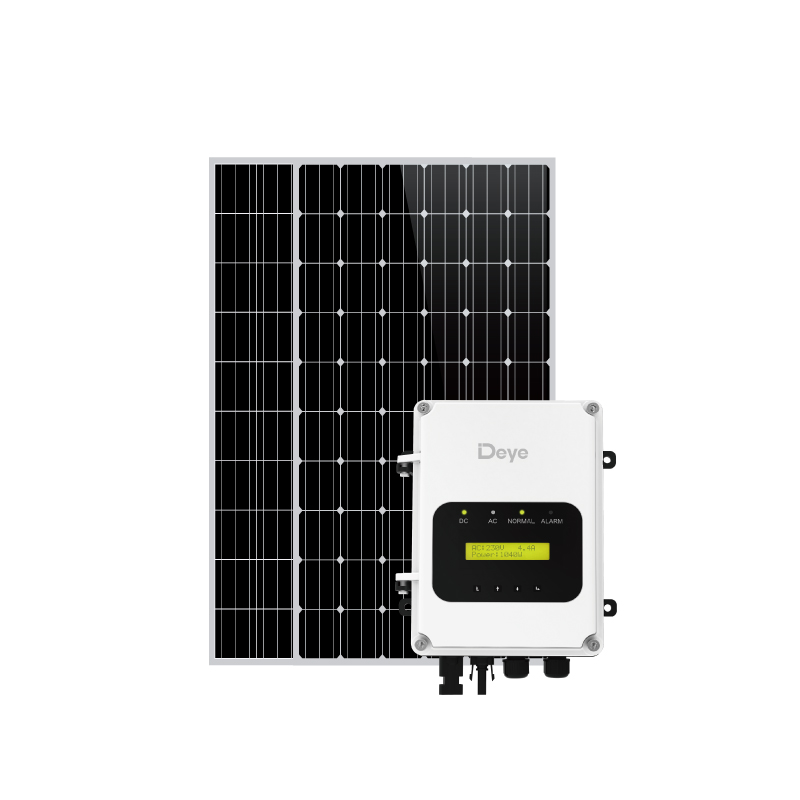
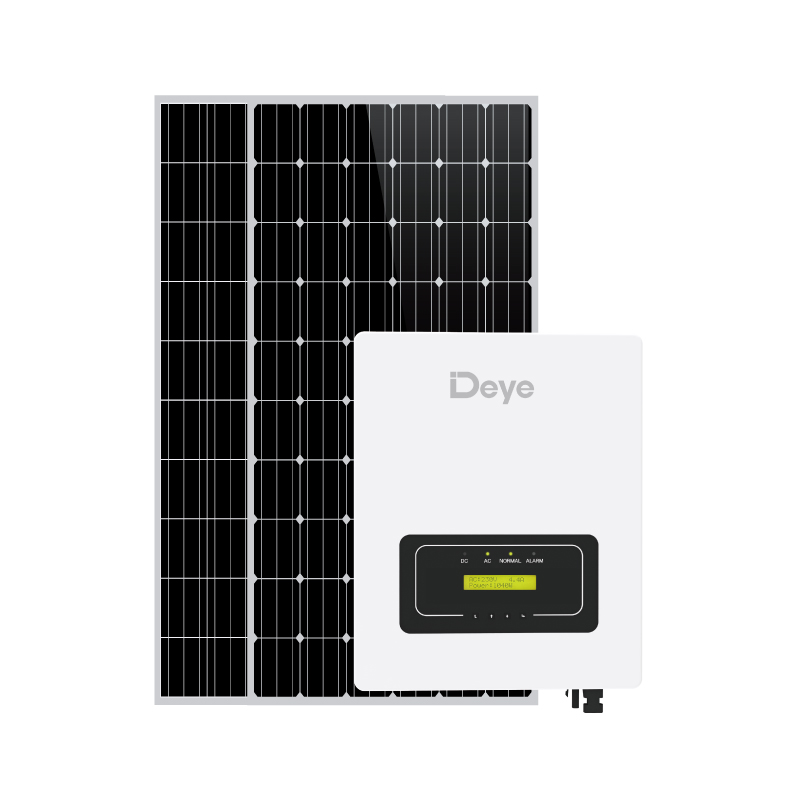
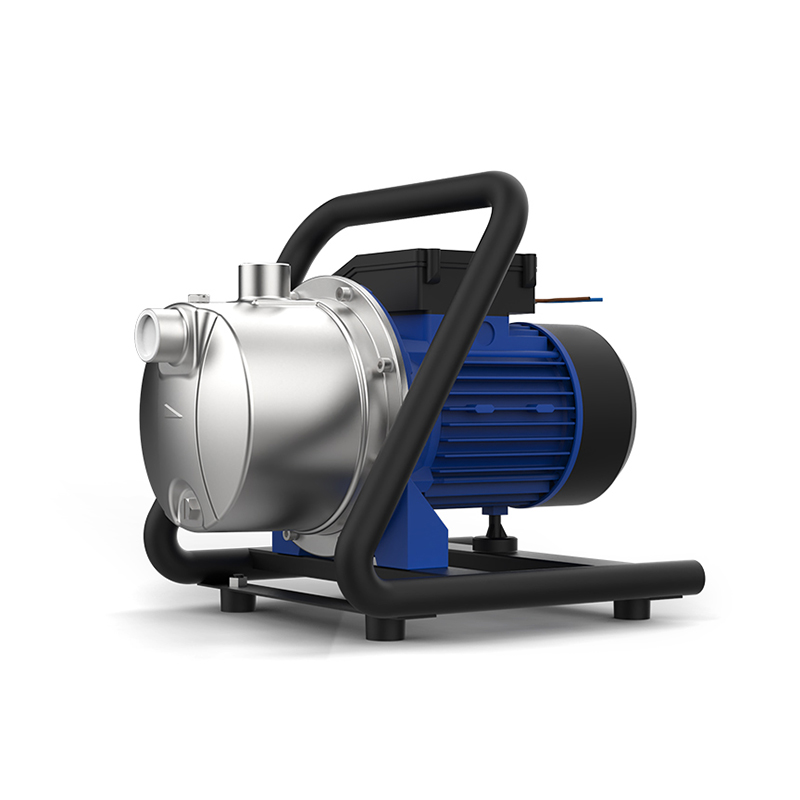
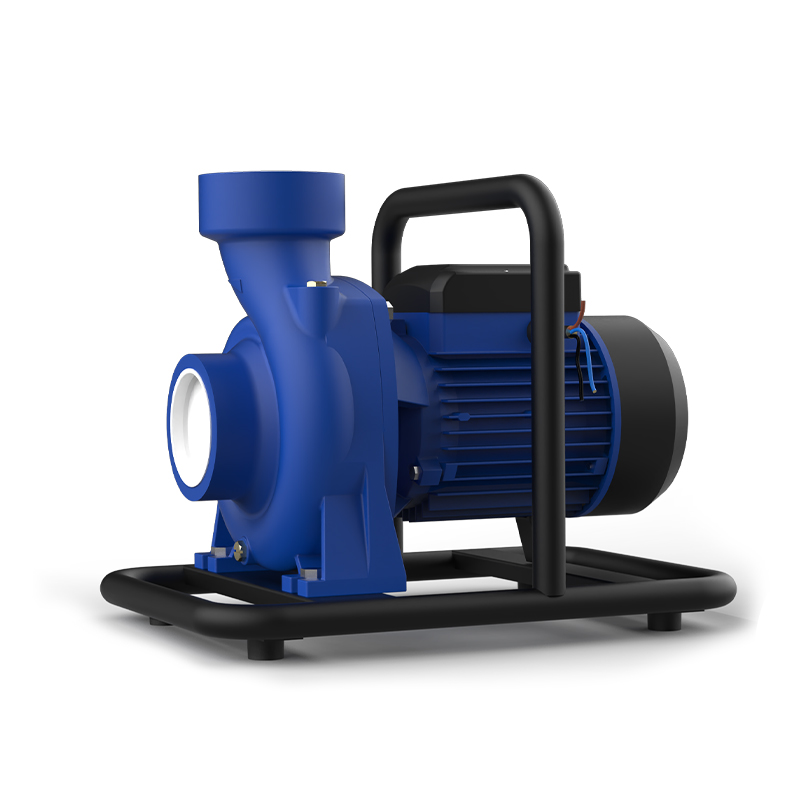
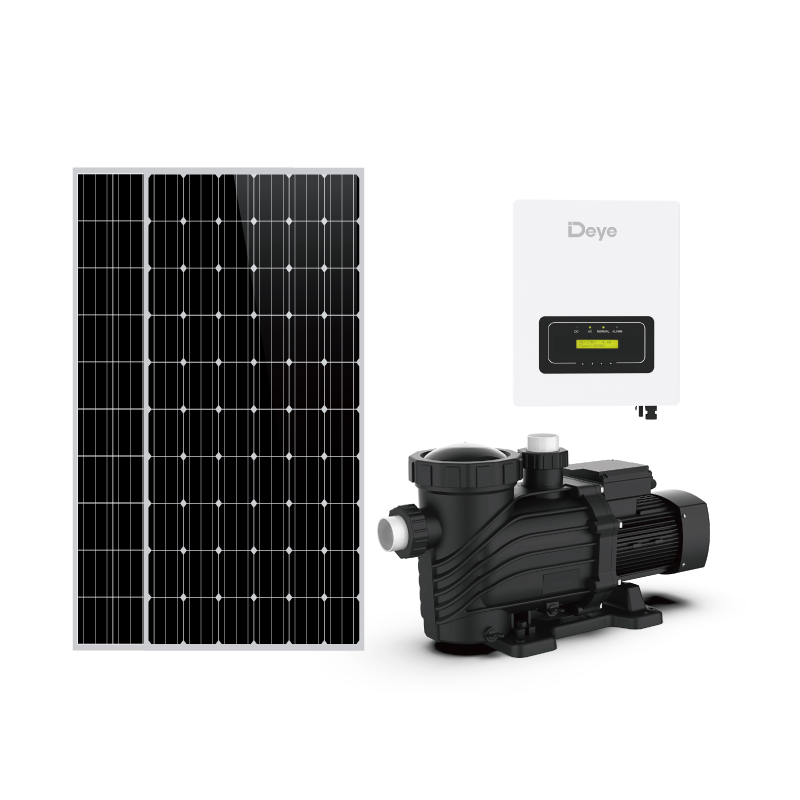
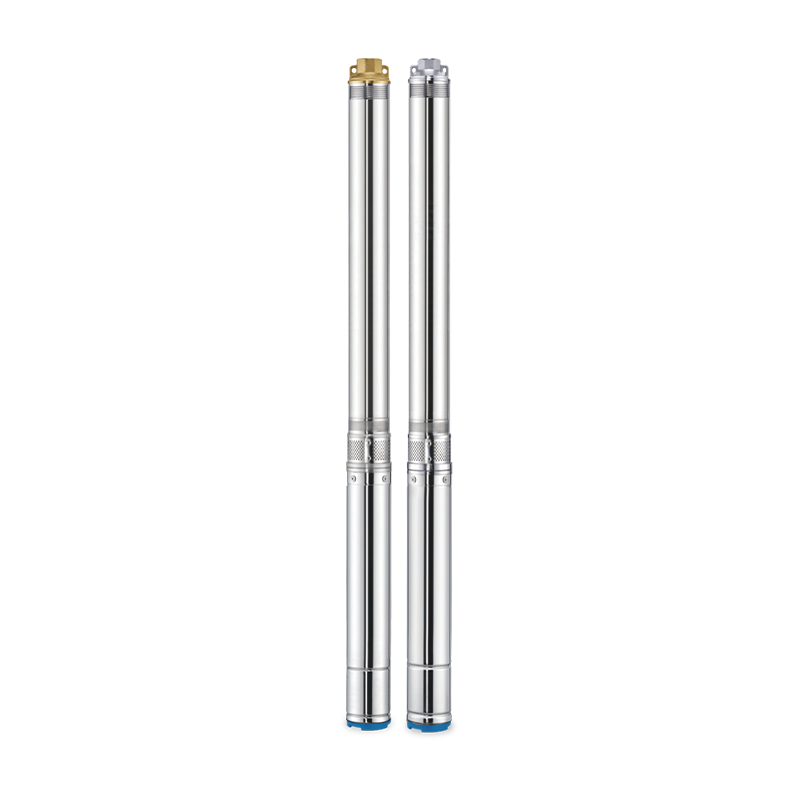
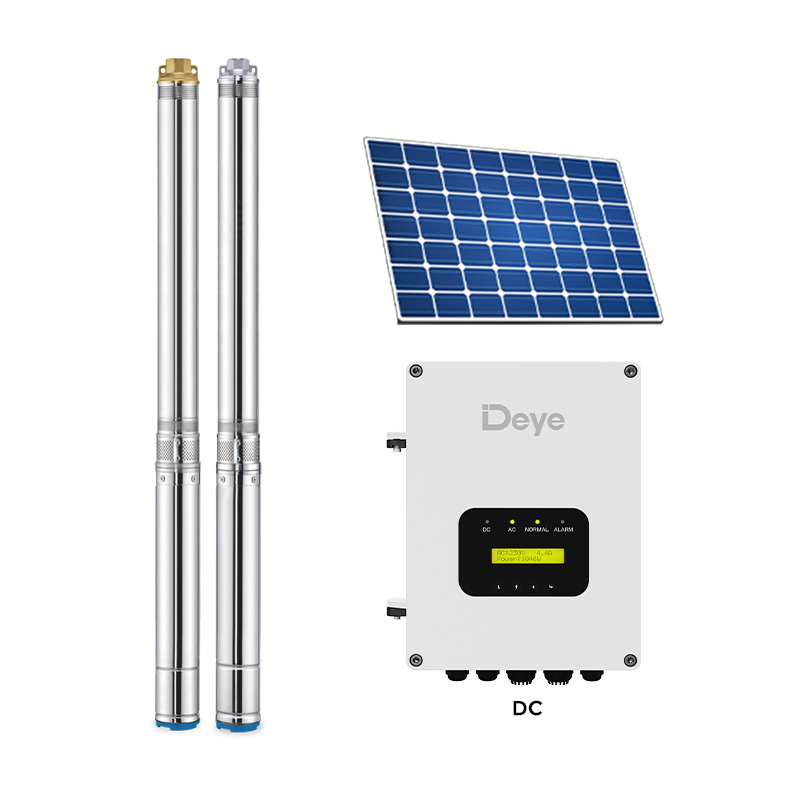
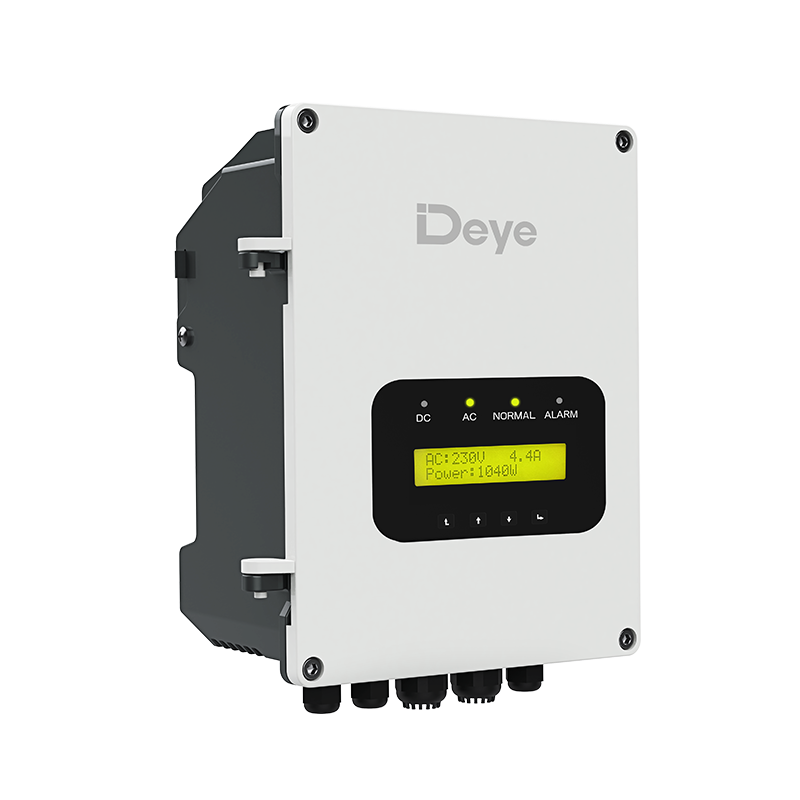
4 inch High Speed AC/DC Solar Submersible Pump, 5500-13000W with plastic impeller. Optimized for large-scale farm irrigation and centralized livestock water supply on big ranches, also available for medium industrial water intake in off-grid areas. Paired with high-power auto-switch AC/DC controller, it runs fully on solar power on sunny days to cut power bills and shifts to mains automatically in low sunlight for non-stop round-the-clock water supply of large projects.

-
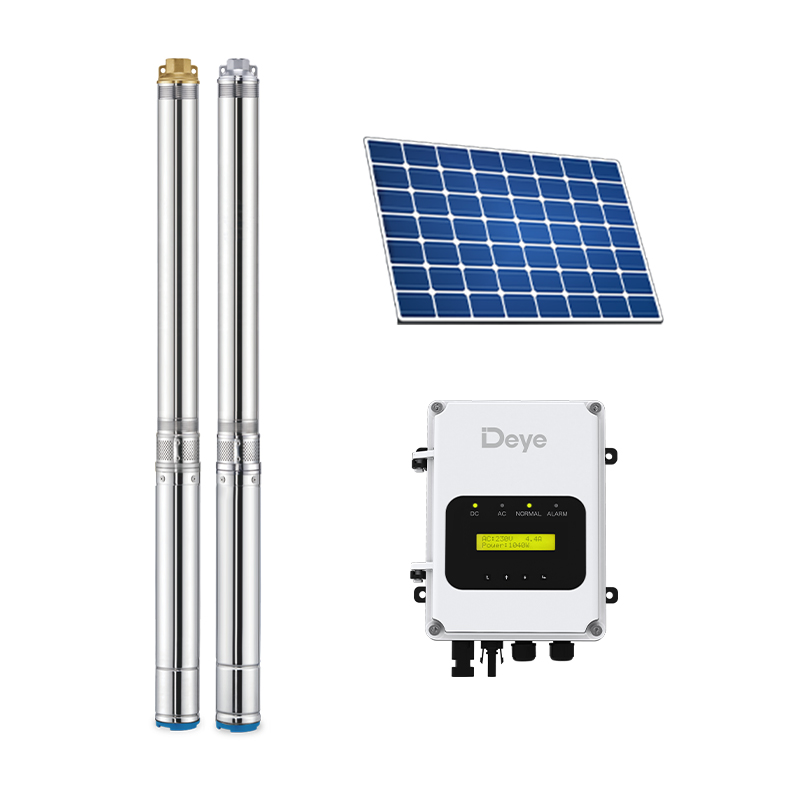
3 Inch Solar AC/DC Pump Controller (400-1500W) Plastic Impeller Submersible Pumps
-
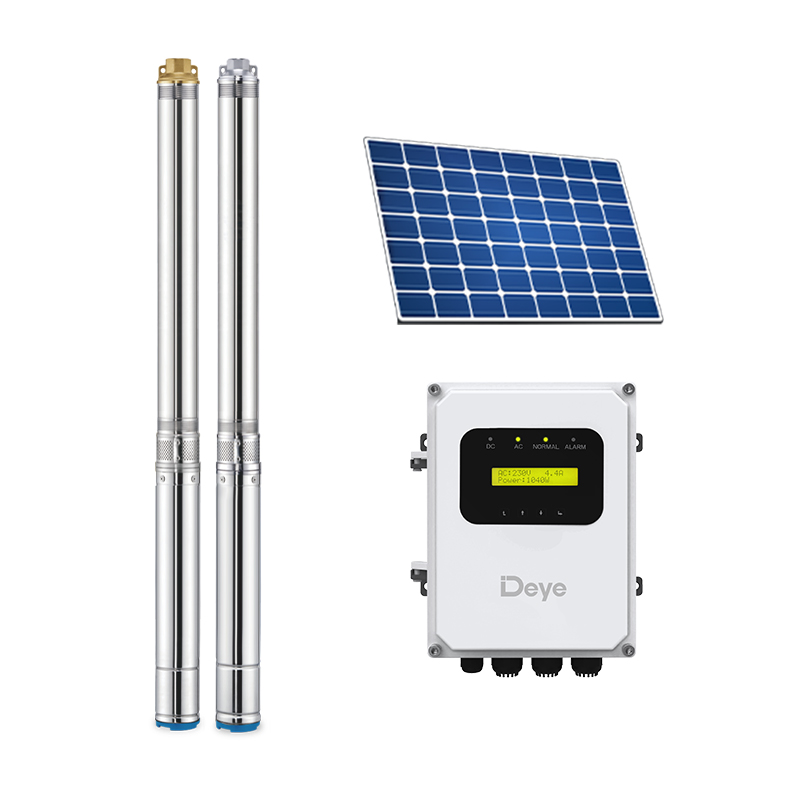
4 Inch Solar AC/DC Pump Controller (600-3000W) Plastic Impeller Submersible Pumps
-
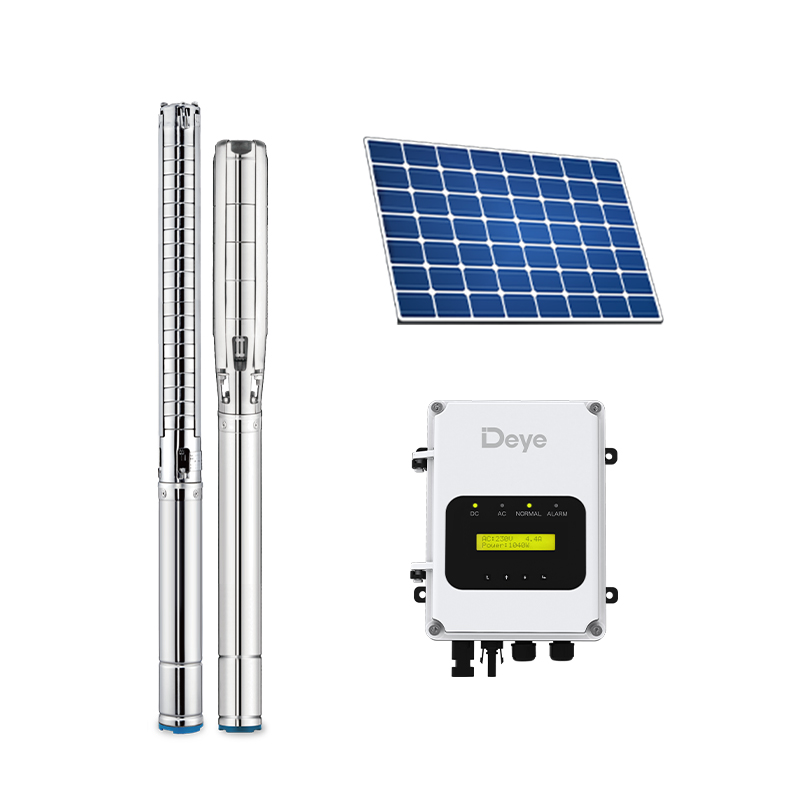
4 Inch Solar AC/DC Pump Controller (800-3000W) Stainless Steel Impeller Submersible Pumps
-
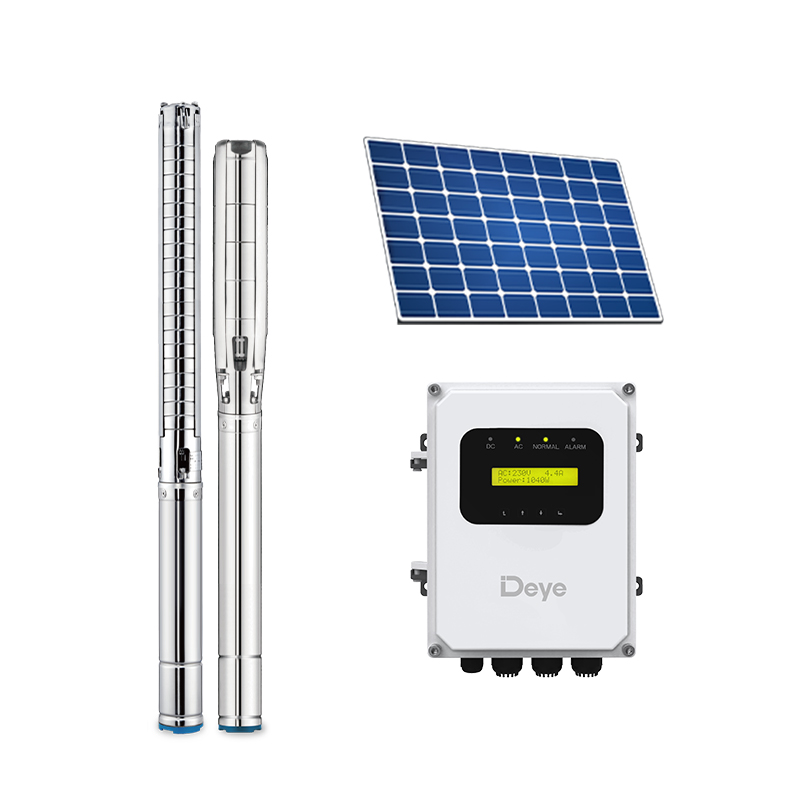
6 Inch Solar AC/DC Pump Controller (800-3000W) Stainless Steel Impeller Submersible Pumps
-
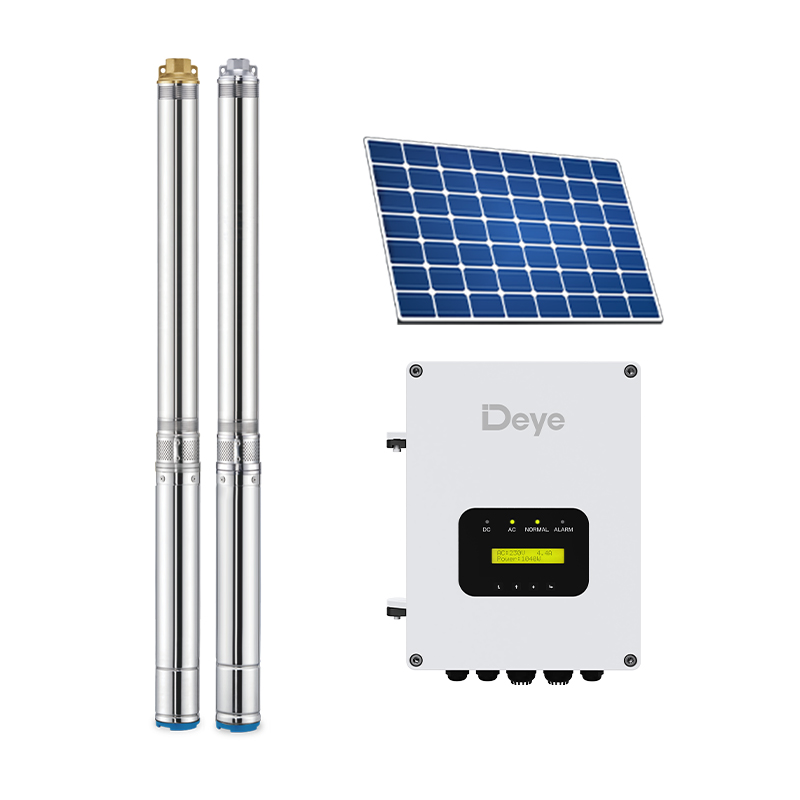
4 Inch High Speed Submersible Solar Pump(5500-13000W)Plastic Impeller Submersible Pumps
4 Inch High Speed Submersible Solar Pump(5500-13000W)Plastic Impeller Submersible Pumps
- Product Details
- Drawing
Product Details
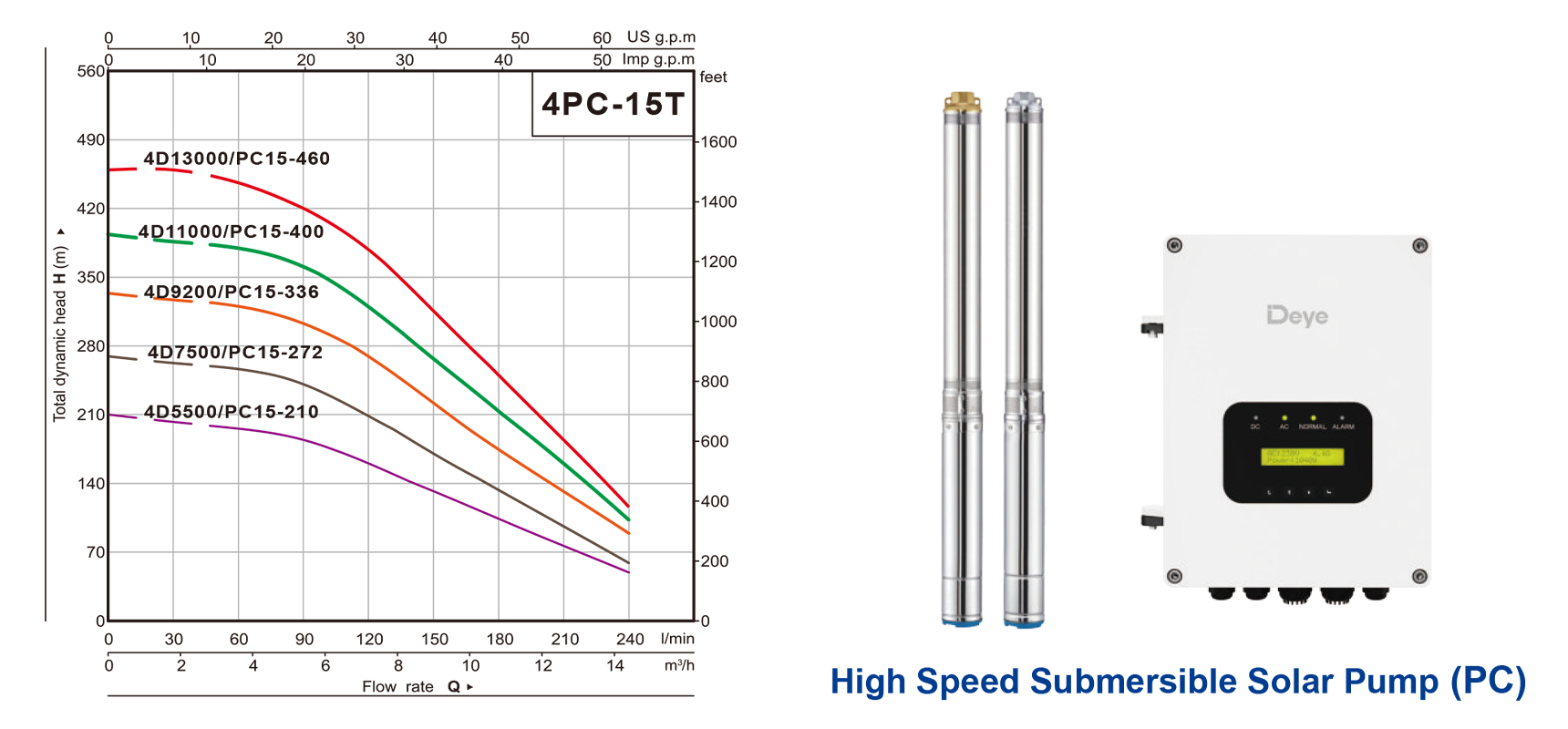
TECHNICAL DATA (4 inch 15m³/h)
| Model | AC/DC Controller |
Power (W) |
Voltage (V) |
DELIVERY nmax≈5000r/min | ||||||||||
| Q | m³/h | 0 | 1.8 | 3.6 | 5.4 | 7.2 | 9.0 | 10.8 | 12.6 | 14.4 | ||||
| l/min | 0 | 30 | 60 | 90 | 120 | 150 | 180 | 210 | 240 | |||||
| 4D5500/PC15-210 | DY-D13600AC/DC | 5500 | 520~650 | H(m) | 210 | 210 | 203 | 191 | 164 | 135 | 104 | 78 | 48 | |
| 4D7500/PC15-272 | DY-D13600AC/DC | 7500 | 520~650 | 272 | 265 | 259 | 247 | 210 | 170 | 134 | 97 | 59 | ||
| 4D9200/PC15-336 | DY-D13600AC/DC | 9200 | 520~650 | 336 | 328 | 322 | 313 | 273 | 221 | 178 | 134 | 89 | ||
| 4D11000/PC15-400 | DY-D13600AC/DC | 11000 | 520~650 | 400 | 386 | 378 | 371 | 323 | 261 | 210 | 160 | 103 | ||
| 4D13000/PC15-460 | DY-D13600AC/DC | 13000 | 520~650 | 460 | 459 | 446 | 420 | 377 | 315 | 246 | 185 | 113 | ||
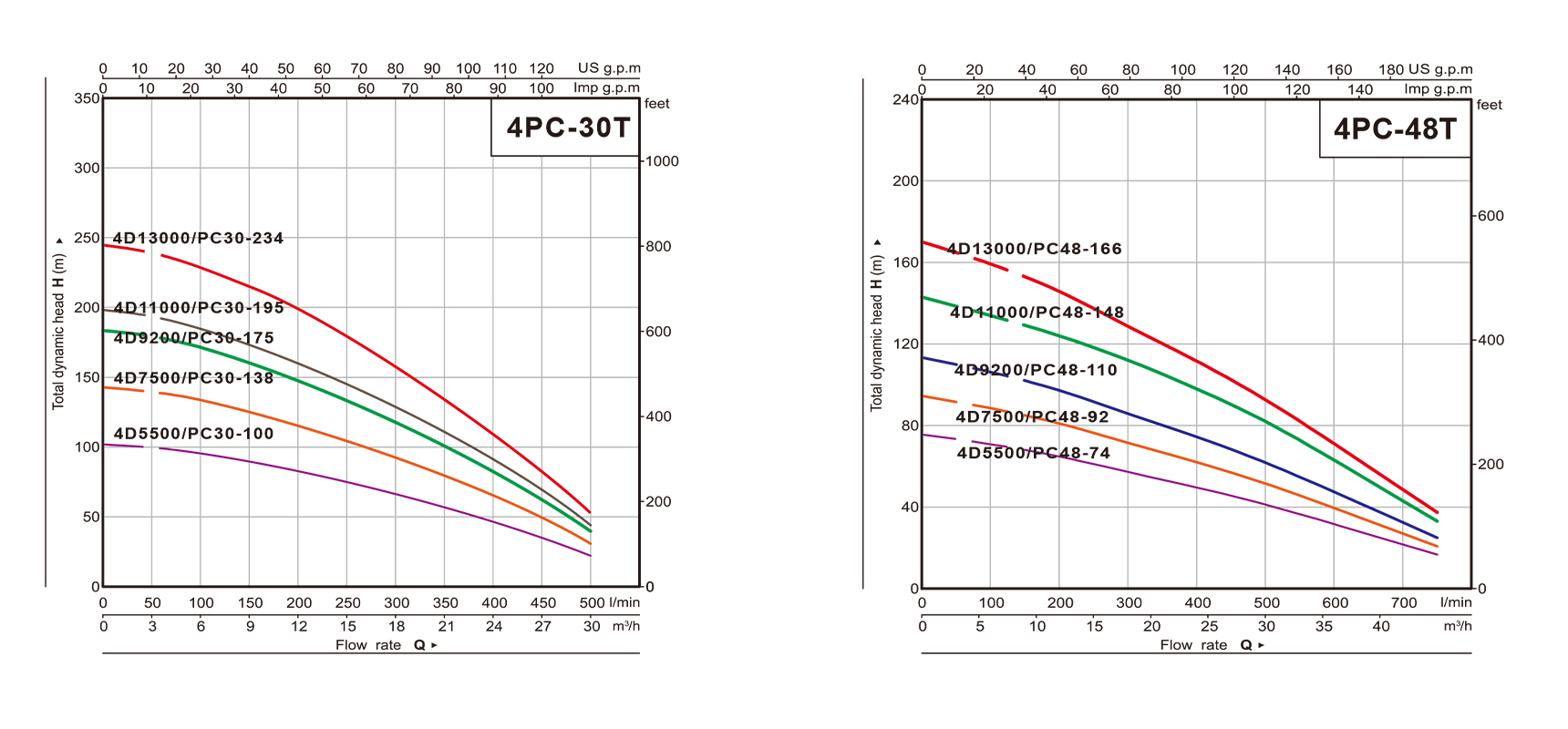
TECHNICAL DATA (4 inch 30m³/h)
| Model | AC/DC Controller |
Power (W) |
Voltage (V) |
DELIVERY nmax≈5000r/min | ||||||||||
| Q | m³/h | 0 | 6 | 9 | 12 | 15 | 18 | 21 | 24 | 30 | ||||
| l/min | 0 | 100 | 150 | 200 | 250 | 300 | 350 | 400 | 500 | |||||
| 4D5500/PC30-100 | DY-D13600AC/DC | 5500 | 520~650 | H(m) | 100 | 95 | 89 | 83 | 73 | 64 | 54 | 45 | 22 | |
| 4D7500/PC30-138 | DY-D13600AC/DC | 7500 | 520~650 | 138 | 133 | 125 | 117 | 103 | 90 | 73 | 63 | 31 | ||
| 4D9200/PC30-175 | DY-D13600AC/DC | 9200 | 520~650 | 175 | 170 | 161 | 150 | 132 | 116 | 98 | 80 | 40 | ||
| 4D11000/PC30-195 | DY-D13600AC/DC | 11000 | 520~650 | 195 | 189 | 179 | 167 | 147 | 129 | 111 | 89 | 44 | ||
| 4D13000/PC30-234 | DY-D13600AC/DC | 13000 | 520~650 | 234 | 227 | 214 | 200 | 176 |
154 | 132 | 107 | 53 | ||
TECHNICAL DATA (4 inch 48m³/h)
| Model | AC/DC Controller |
Power (W) |
Voltage (V) |
DELIVERY nmax≈5000r/min | ||||||||||
| Q | m³/h | 0 | 6 | 12 | 18 | 24 | 30 | 36 | 42 | 48 | ||||
| l/min | 0 | 100 | 200 | 300 | 400 | 500 | 600 | 700 | 800 | |||||
| 4D5500/PC48-74 | DY-D13600AC/DC | 5500 | 520~650 | H(m) | 74 | 72 | 65 | 57 | 50 | 42 | 32 | 22 | 10 | |
| 4D7500/PC48-92 | DY-D13600AC/DC | 7500 | 520~650 | 92 | 89 | 81 | 72 | 62 | 53 | 40 | 27 | 12 | ||
| 4D9200/PC48-110 | DY-D13600AC/DC | 9200 | 520~650 | 110 | 106 | 97 | 86 | 74 | 65 | 47 | 32 | 15 | ||
| 4D11000/PC48-148 | DY-D13600AC/DC | 11000 | 520~650 | 148 | 144 | 130 | 114 | 110 | 80 | 64 | 44 | 20 | ||
| 4D13000/PC48-166 | DY-D13600AC/DC | 13000 | 520~650 | 166 | 159 | 146 | 129 | 122 | 92 | 71 | 49 | 22 | ||
Drawing
Related Products
-
This 4-inch AC/DC solar submersible pump (600-3000W, plastic impeller) works with solar panels and m...View Product
-
Compact 3-inch plastic impeller solar pump with low power range, engineered for single-family scatte...View Product
-
Premium 4-inch stainless steel impeller pump features full anti-rust & anti-silt performance, to...View Product
-
This 6-inch stainless steel impeller AC/DC solar submersible pump (800~3000W) is developed for large...View Product
-
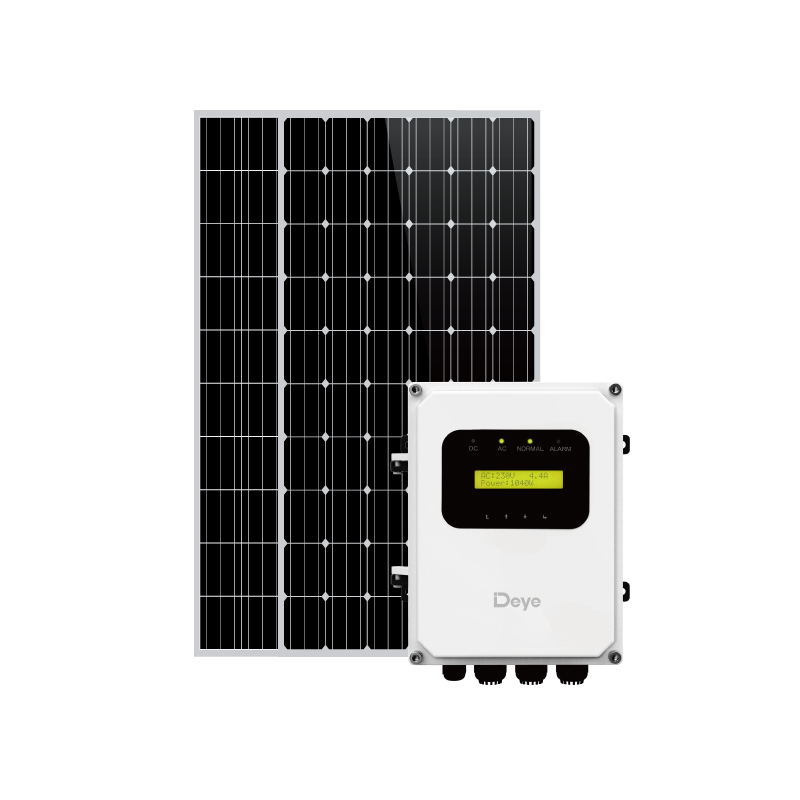 The AC/DC Auto Switch Controller adopts solar-first intelligent switching logic for a 24-hour uninte...View Product
 -
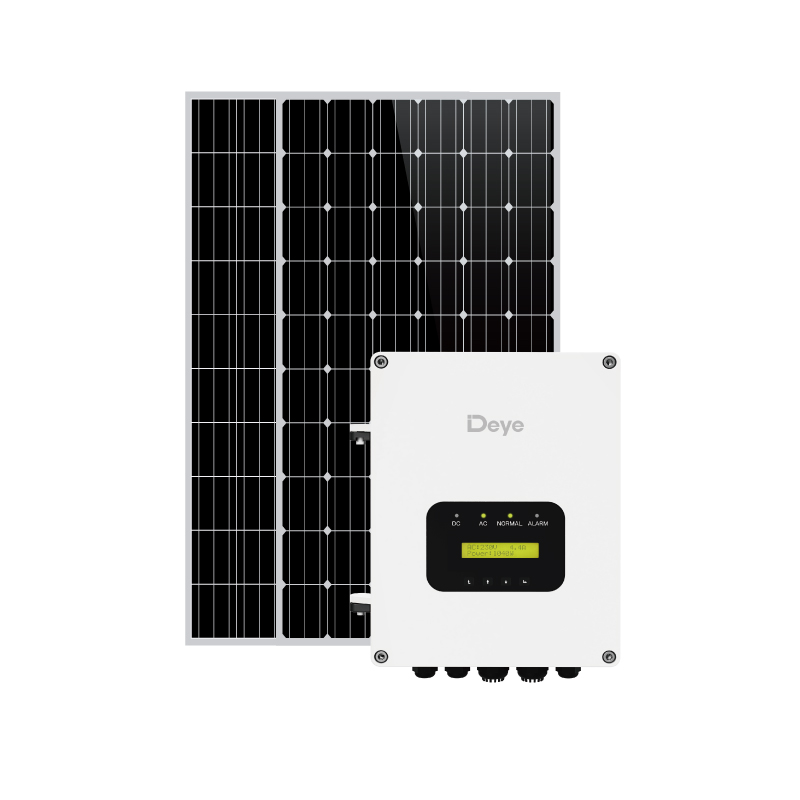 This high-power AC/DC auto-switch controller covers 5500W to 13000W power range, specially designed ...View Product
About Deye
Zhejiang Deye Electrical Appliances Co., Ltd.
Since its establishment in 1990, Deye Group has been dedicated to the research, development, and manufacturing of submersible pumps and pump controllers. We are built on a foundation of precision engineering and a commitment to manufacturing excellence.
At Deye, advanced production technologies and stringent quality control processes are integrated into every stage of manufacturing. This disciplined approach, supported by our team of dedicated engineers, ensures that every submersible pump, pool pump, and controller we deliver meets the highest standards of performance, durability, and reliability.
We go beyond manufacturing pumps; we build trust. Deye Group is a China 4 Inch High Speed Submersible Solar Pump(5500-13000W)Plastic Impeller Submersible Pumps Suppliers, committed to providing stable, efficient, and intelligent water system solutions for global users, striving to be your trusted long-term partner.
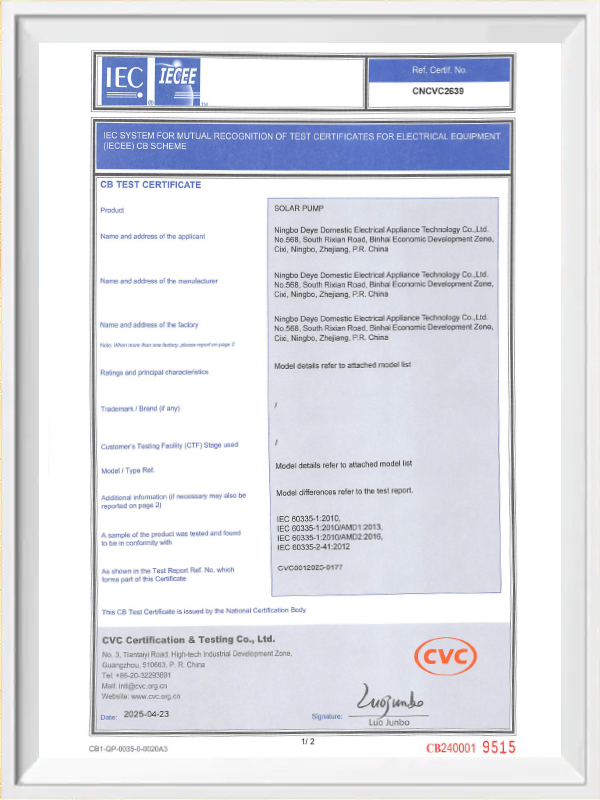
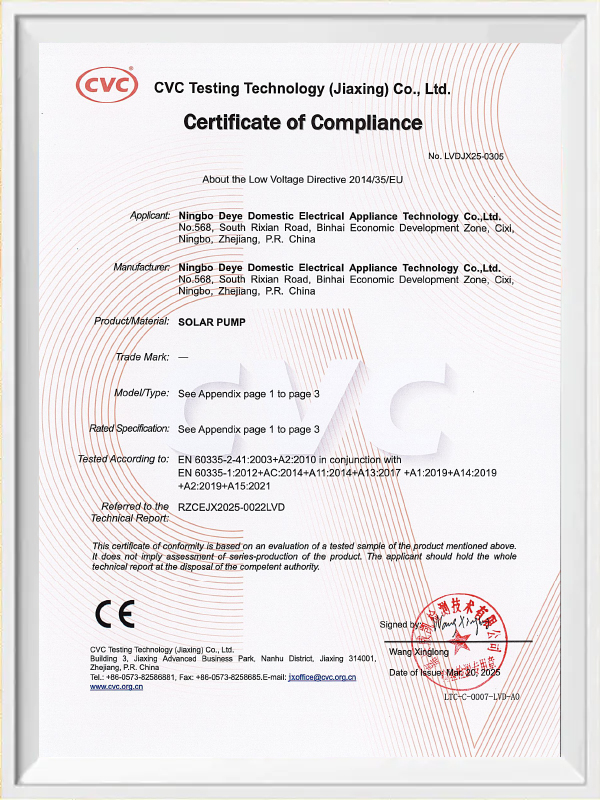
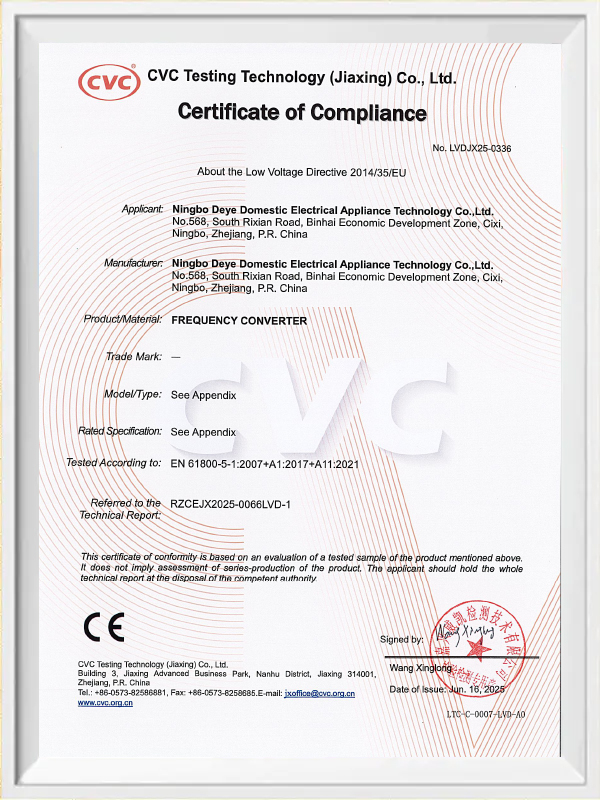
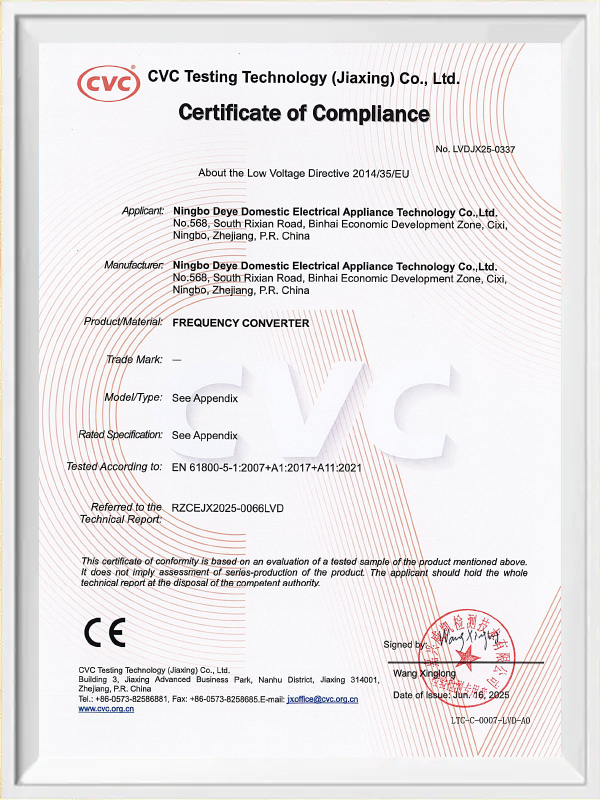
Certificate Of Honor

Recent News
-
Two identical 3-inch submersible pumps, installed a few hundred metres apart on the same kind of borehole, can behave completely differently: one lifts water all afternoon, the o...
Read More -
A pond solar pump is a photovoltaic-powered water pump that moves water from a pond for aeration, circulation, irrigation, or transfer. If your pond has no reliable grid connecti...
Read More -
A solar deep well water pump is a submersible pump powered by photovoltaic panels, designed to lift water from deep boreholes where grid electricity is unreliable or unavailable....
Read More -
If you need to move water for irrigation, livestock, or off-grid living, a large solar water pump is usually defined as a system rated at 4 kW or higher. The right large solar pu...
Read More
Solar Submersible Pump Industry Knowledge
1. Product Concept and Definition
A 4 inch high speed submersible solar pump in the 5500–13000W range is a high-power borehole pump designed to deliver large volumes of water from deep wells using photovoltaic energy. The term "high speed" refers to the elevated motor rotational speed — typically 3000 RPM or above at rated conditions — which allows the pump to achieve high flow rates and head values within the physical constraints of a 4-inch (100 mm) diameter form factor.
This product category uses a plastic (polymer) impeller, typically manufactured from glass-fiber-reinforced Noryl or polyphenylene ether compounds. These materials are selected for their low weight, resistance to chemical attack from clean or lightly treated groundwater, and ability to be precision-molded into hydraulically optimized geometries at scale.
Deye Group has manufactured submersible pumps and associated control systems since 1990. The high-power 4-inch series represents a product line where hydraulic engineering and motor design are developed in parallel to meet the specific demands of large-scale agricultural and water supply applications.
2. Typical Technical Specifications
| Parameter | Typical Range | Notes |
| Rated Power | 5500 – 13000 W | High-power solar borehole category |
| Motor Speed | 3000 – 6000 RPM | High-speed classification |
| Flow Rate | 10 – 60+ m³/h | Depends on pump stages and head |
| Maximum Head | 60 – 300+ m | Multi-stage configuration |
| DC Input Voltage | 200 – 800V DC | Subject to controller model |
| Motor Type | BLDC / PMSM (high-speed variant) | Brushless, hermetically sealed |
| Impeller Material | Glass-fiber reinforced Noryl / PPE | Optimized for clean groundwater |
| Outer Diameter | 4 inch (approx. 99 mm) | Fits standard 4-inch well casing |
| Protection Rating (Pump) | IP68 | Continuous submersion |
| Sand Tolerance | Up to 50–100 g/m³ | Clean water applications only |
3. High Speed Motor Design: Principles and Implications
In a high speed submersible pump, the motor operates at significantly higher RPM than conventional designs. This approach has specific engineering consequences:
- Compact power density: Higher rotational speed allows greater hydraulic power output within the 4-inch diameter constraint, enabling the 5500–13000W range without increasing pump diameter
- Reduced number of stages: Higher impeller speed generates more head per stage, reducing the total number of pump stages required for equivalent depth performance
- Precision balancing requirement: High rotational speeds require precise rotor balancing to minimize vibration and bearing load; this is addressed through manufacturing tolerances in the motor assembly
- Thermal management: Higher speeds generate more heat; the water-filled motor design uses surrounding groundwater as the primary cooling medium, making adequate submersion depth essential
- VFD control: Variable frequency drive operation via the solar controller allows speed to be reduced proportionally as solar irradiance varies, preventing abrupt starts and protecting motor windings
4. Plastic Impeller: Material Selection and Suitability
The use of a plastic impeller in high-speed, high-power pumps is a deliberate engineering choice suited to specific operating conditions:
| Attribute | Plastic (Noryl/GF) Impeller | Stainless Steel Impeller |
| Weight | Significantly lighter | Heavier |
| Inertia at High Speed | Lower rotational inertia (beneficial) | Higher rotational inertia |
| Hydraulic Geometry | Complex shapes achievable by molding | Casting/machining limitations |
| Abrasion Resistance | Moderate (clean water required) | High |
| Corrosion Resistance | High in most groundwater | High (grade dependent) |
| Manufacturing Cost | Lower per unit at volume | Higher |
| Recommended Water Quality | Clean groundwater, low sand content | Sandy, brackish, mineral-laden |
For high-speed operation in particular, the lower rotational inertia of a plastic impeller reduces mechanical stress during motor acceleration and deceleration cycles, which occur frequently in solar-powered systems as irradiance fluctuates throughout the day.
5. Application Scenarios
The 5500–13000W power range positions this pump for demanding, large-volume water extraction tasks:
- Large-scale agricultural irrigation: High daily water volumes required for extensive crop fields, orchards, or greenhouse complexes in regions with limited grid access
- Rural community water supply: Centralized borehole systems serving multiple villages or settlements from a single high-capacity pump installation
- Livestock and dairy farming: Continuous high-volume water supply for large-scale livestock operations
- Water storage reservoir filling: Pumping into large elevated or ground-level storage tanks for subsequent gravity-fed distribution
- Deep borehole extraction: Applications requiring high head capability (100–300 m) to access confined aquifers at significant depth
- Industrial process water: Remote manufacturing or processing sites requiring dependable high-volume water supply independent of grid infrastructure
Primary deployment regions include high-irradiance, water-scarce areas: North and Sub-Saharan Africa, the Middle East, South and Central Asia, northern Australia, and arid zones in Latin America.
6. Solar System Integration at High Power
Integrating a 5500–13000W submersible pump into a solar system introduces specific engineering requirements compared to lower-power installations:
- Panel array size: A 10 kW system at 5 peak sun hours typically requires 18–24 panels of 400–500W each; precise sizing depends on site irradiance data and controller efficiency
- High-voltage DC strings: Controllers in this power range typically accept DC input voltages of 300–800V, requiring series-connected panel strings; proper string design and grounding are critical for safety
- Cable sizing: High current levels at the pump end require appropriate cable cross-section selection to minimize resistive losses over long drop pipe runs
- Surge and lightning protection: Large panel arrays in open field installations are exposed to induced surge events; DC surge protection devices (SPDs) are recommended at the controller input
- Soft-start and ramp control: The solar pump controller must implement controlled motor ramp-up to prevent hydraulic shock in the pipe system at startup
7. System Sizing Principles
| Sizing Factor | Design Consideration |
| Daily water demand (m³/day) | Determines required pump flow rate at the given head |
| Total Dynamic Head (TDH) | Static water level + vertical discharge + pipe friction losses |
| Peak Sun Hours (PSH) | Site-specific average daily irradiance; drives panel wattage calculation |
| Well yield (m³/h) | Maximum sustainable extraction rate; must not be exceeded by pump flow rate |
| Panel string voltage | Must fall within the controller MPPT voltage window across temperature range |
| Cable cross-section | Sized to limit voltage drop to within accepted thresholds at rated current |
8. Relevant Standards and Certifications
- IEC 60034: Rotating electrical machines — motor performance and classification standards
- IEC 60335-2-41: Safety of household and similar electrical appliances — electric pumps
- IEC 60529 (IP68): Ingress protection rating for continuous submersion
- CE Marking: Low Voltage Directive (LVD) and EMC Directive compliance for European markets
- ISO 9001: Quality management system applicable to the manufacturing process
- RoHS: Restriction of hazardous substances in electronic and electrical components
9. Frequently Asked Questions (FAQ)
Q1: Why is a high-speed design used in a 4-inch pump at this power range?
A standard-speed motor generating 5500–13000W would require a larger diameter to accommodate the motor windings and cooling requirements. High-speed motor design allows the required power output within the 4-inch form factor by operating at elevated RPM, reducing the diameter of active components while increasing hydraulic output per stage.
Q2: Is a plastic impeller structurally safe at high rotational speeds (3000–6000 RPM)?
Yes, when the impeller is manufactured from glass-fiber reinforced engineering polymers such as Noryl or modified PPE blends. These materials have tensile strength and creep resistance adequate for the centrifugal forces encountered at the rated operating speeds of this pump class, provided water quality remains within the specified limits and sand content does not exceed manufacturer tolerances.
Q3: Can this pump operate partially from solar and partially from grid power simultaneously?
This depends on the controller design. Some AC/DC hybrid controllers in this power range allow seamless blending of solar DC input and AC grid input, while others switch exclusively between the two sources. The specific switching logic is defined in the controller specifications and should be confirmed before system design.
Q4: What water quality conditions are required for plastic impeller pumps?
Plastic impeller pumps are designed for clean groundwater with a sand content generally not exceeding 50–100 g/m³ and pH within a near-neutral range. Water with high sand load, abrasive mineral particles, or significant chemical contamination reduces impeller service life and may cause premature hydraulic degradation. A pre-installation water quality analysis is recommended for new borehole projects.
Q5: How many solar panels are needed to drive a 10 kW submersible pump?
For a 10 kW pump, a panel array of 12–16 kW peak capacity is typically specified to compensate for system losses, cable losses, and irradiance variability. Using 450W panels as a reference, this corresponds to approximately 27–36 panels. Final panel count and string configuration must be calculated against the controller input voltage window and site peak sun hours.

- No. 26, Yongjiang South Road, Beilun Dirstrict, Ningbo City, Zhejiang, China.
-
[email protected] ( Daniel )
+86-13923361908 ( WhatsApp )
-
[email protected] ( Chris )
+86-18186995218 ( WhatsApp )
-
+86-15888503217 ( Mark Pan )
[email protected] ( WhatsApp )
QUICK LINK
SUPPORT
Copyright ©Zhejiang Deye Electrical Appliances Co., Ltd. All Rights Reserved. 4 Inch High Speed Submersible Solar Pump(5500-13000W)Plastic Impeller Submersible Pumps Suppliers

 Back to Top