
 русский
 Français
 Español
 عربى
عربى Deutsch
 Português
 italiano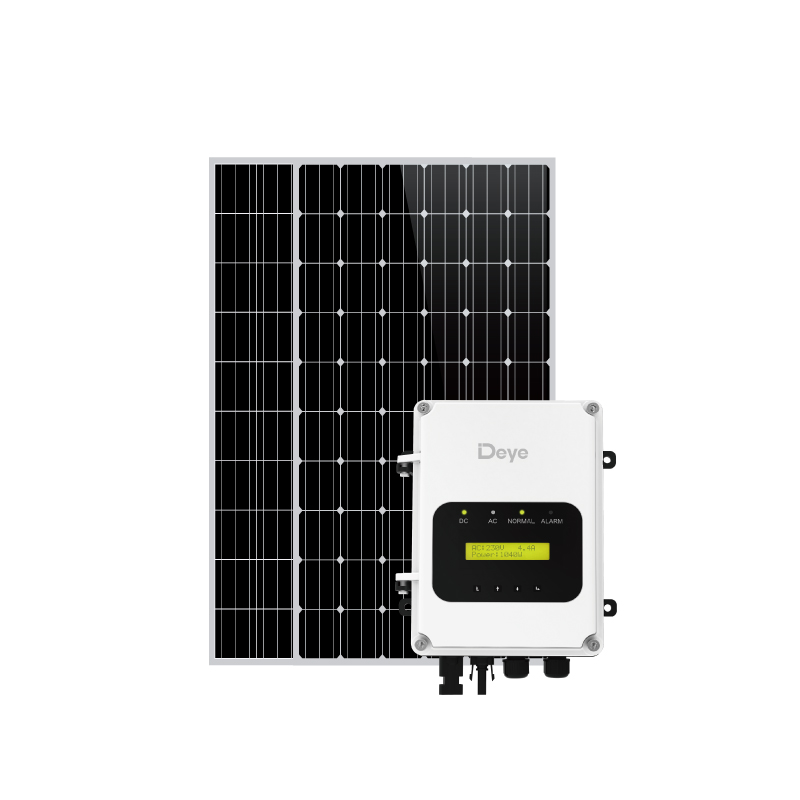
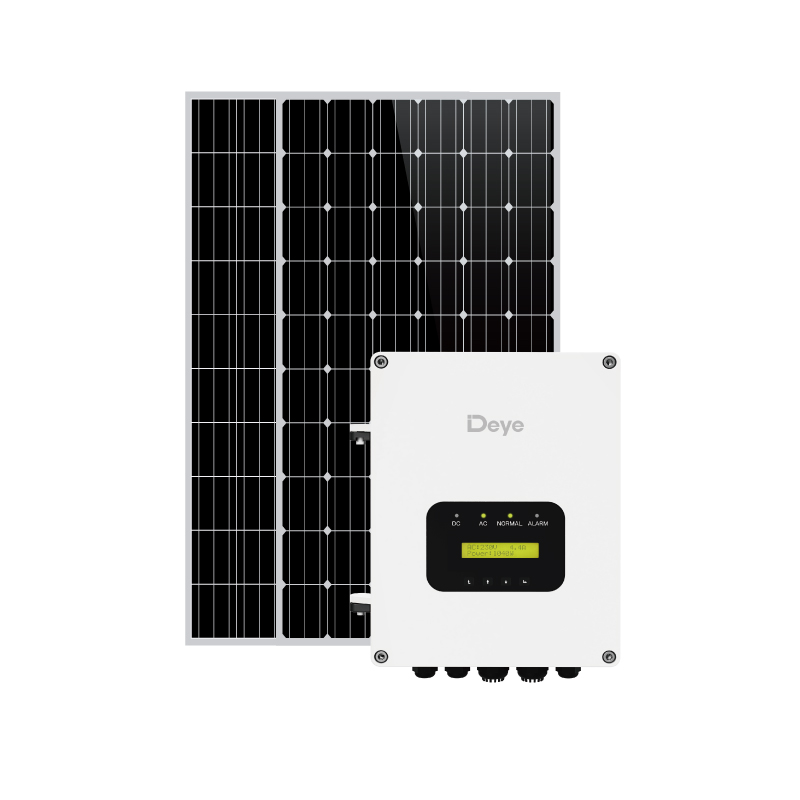
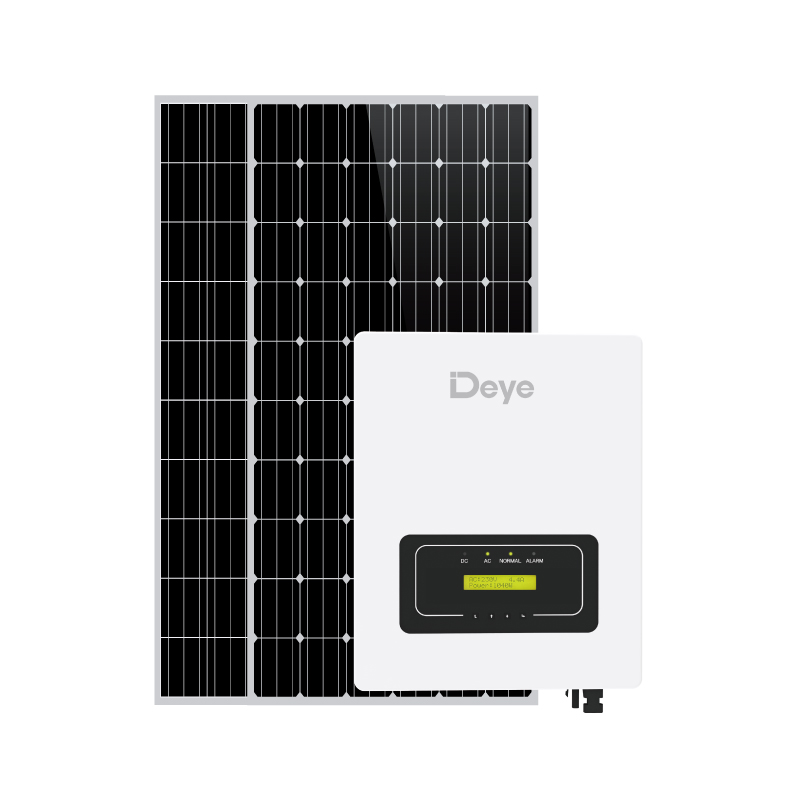
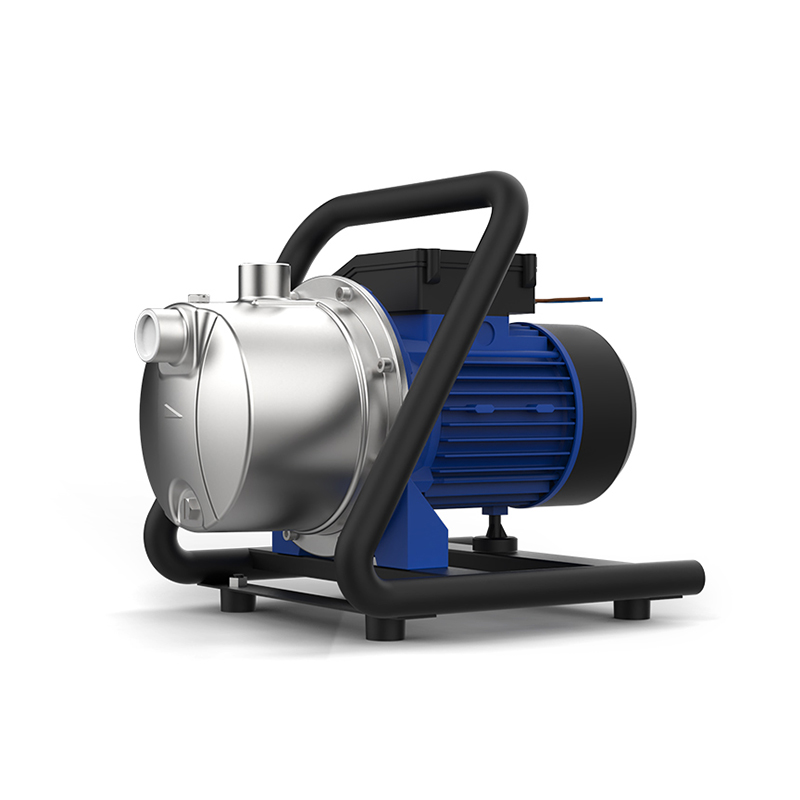
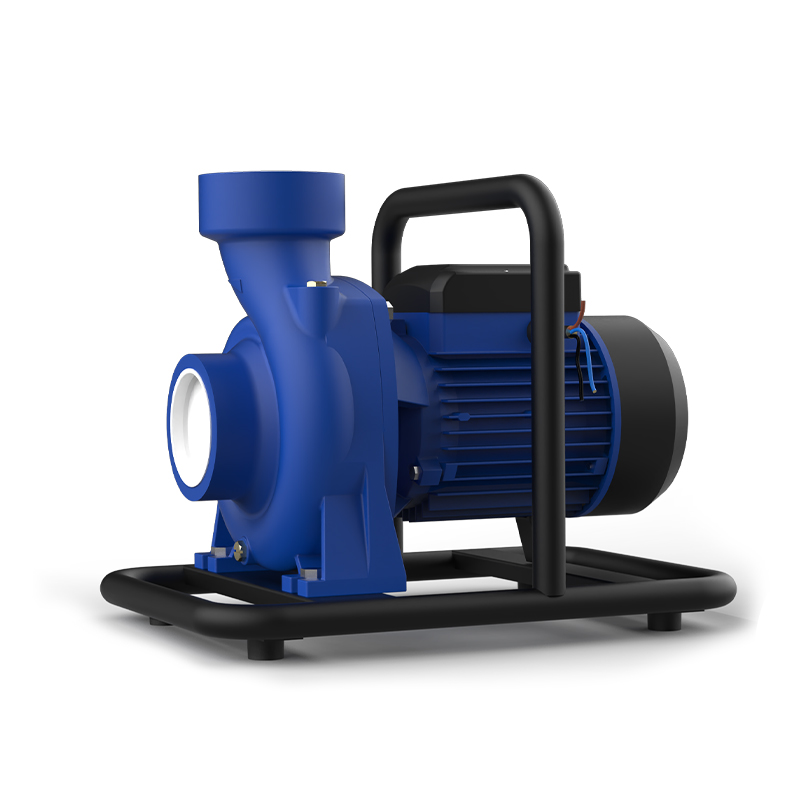
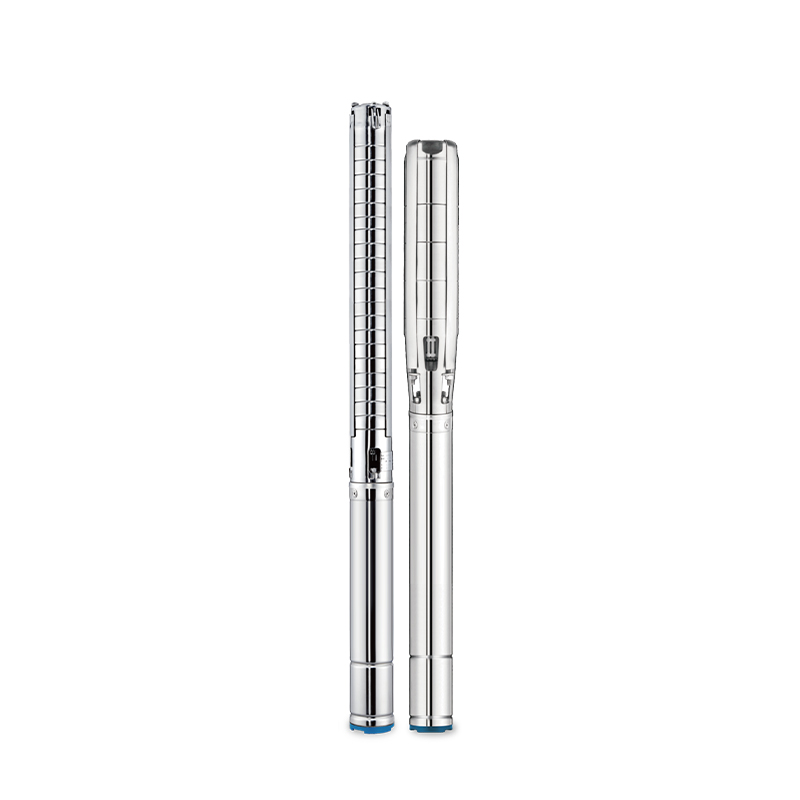
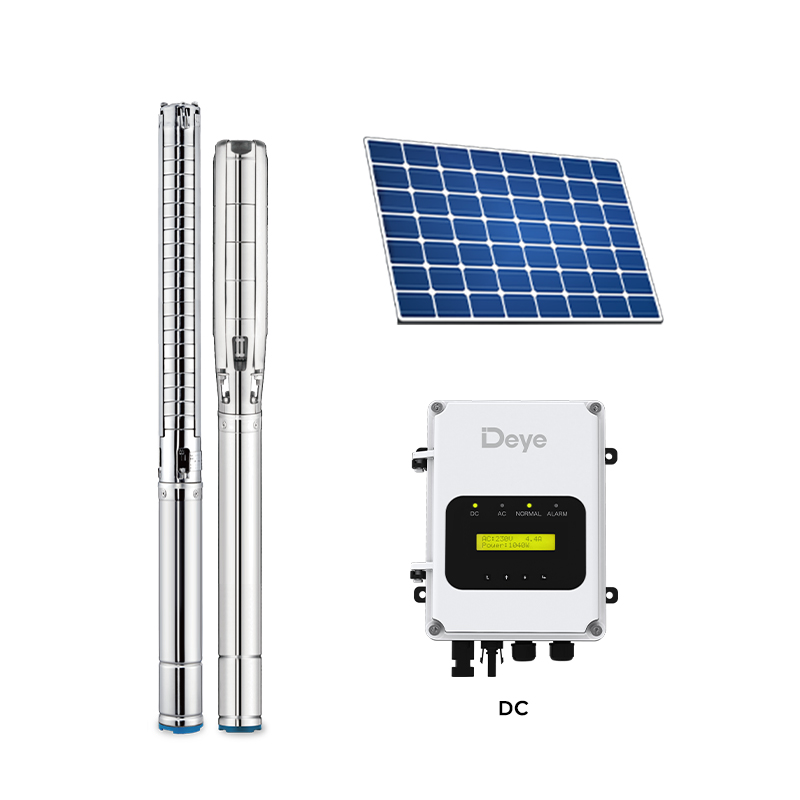
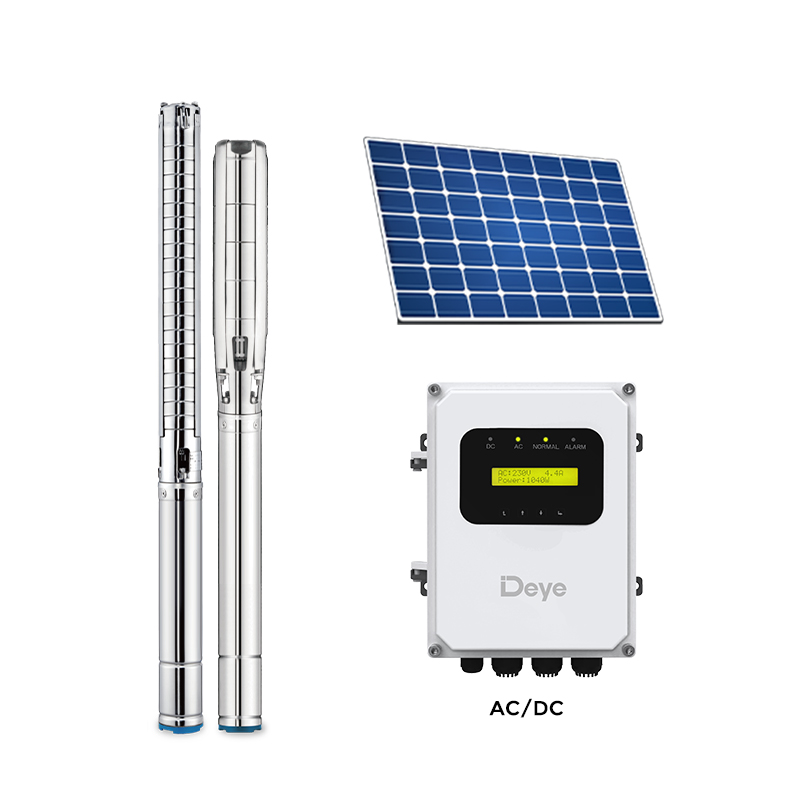
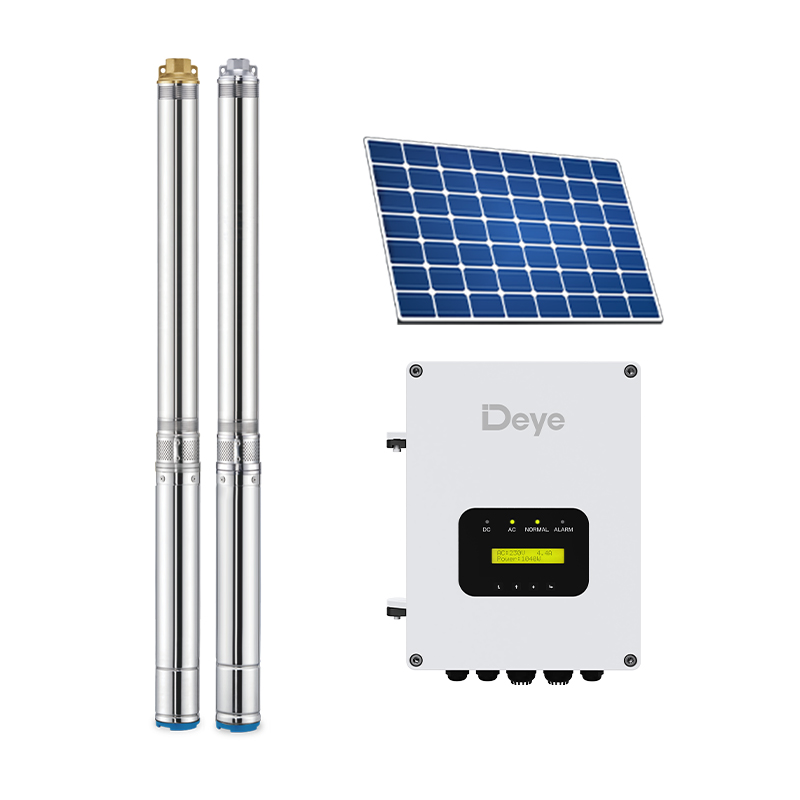
Premium 4-inch stainless steel impeller pump features full anti-rust & anti-silt performance, tolerates slightly sandy underground water unavailable for plastic models. Oriented to formal village centralized tap-water project, high-standard drinking water and industrial water intake, long service life for continuous all-day heavy-load operation.

-
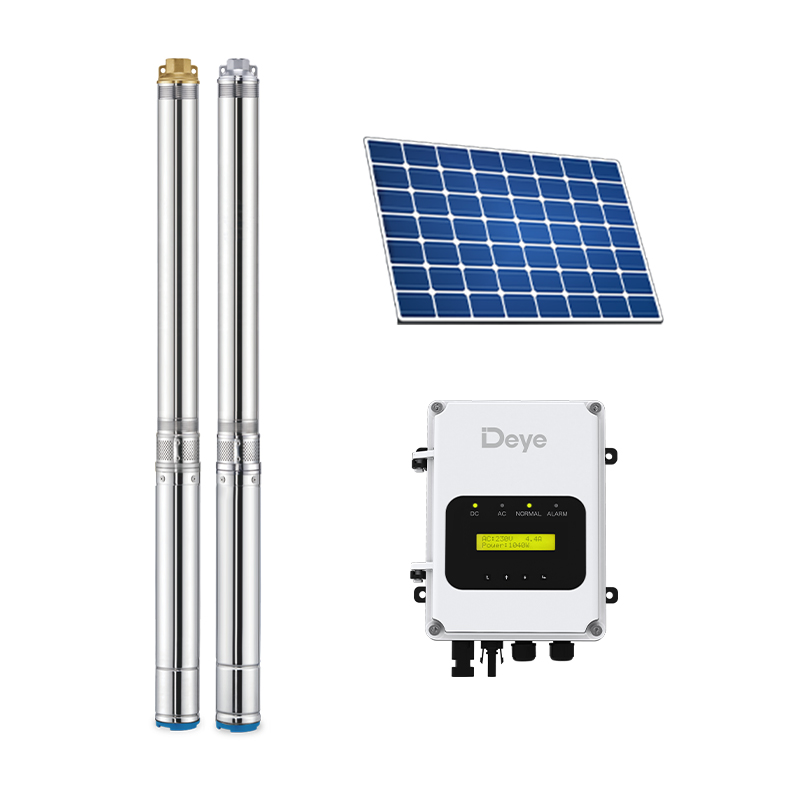
3 Inch Solar AC/DC Pump Controller (400-1500W) Plastic Impeller Submersible Pumps
-
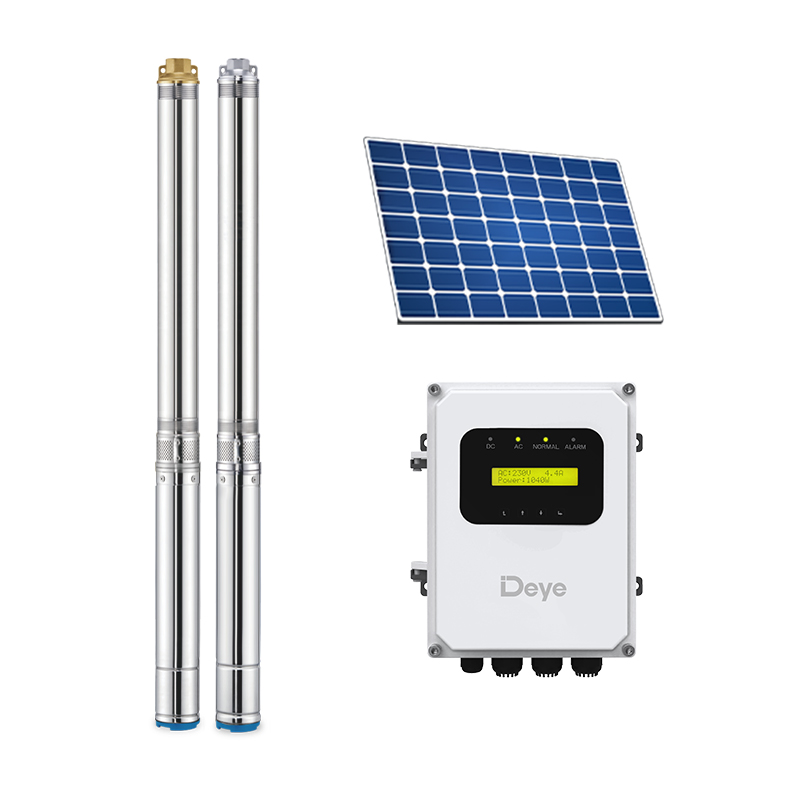
4 Inch Solar AC/DC Pump Controller (600-3000W) Plastic Impeller Submersible Pumps
-
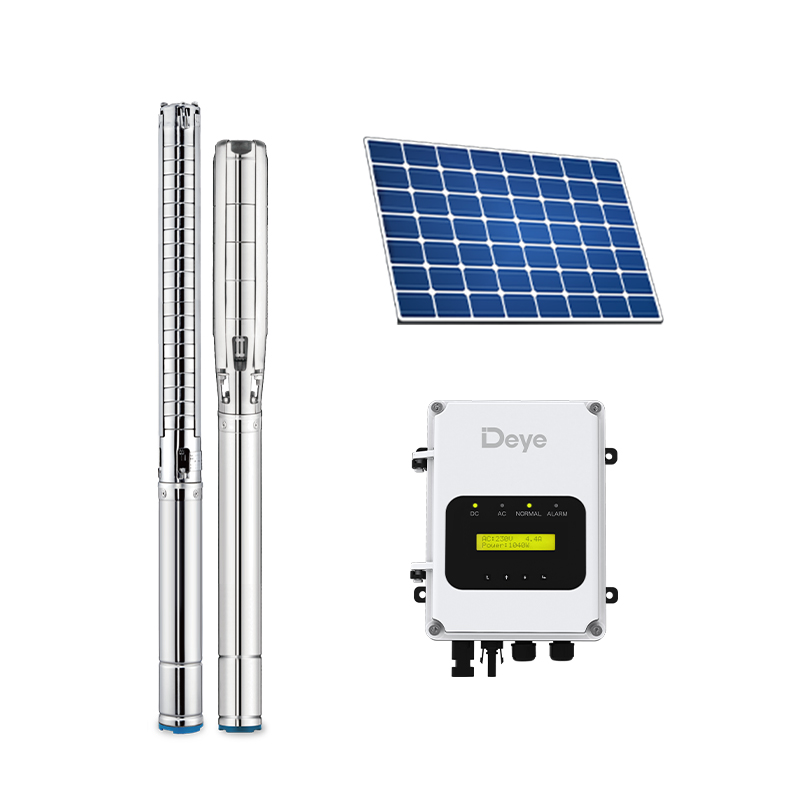
4 Inch Solar AC/DC Pump Controller (800-3000W) Stainless Steel Impeller Submersible Pumps
-
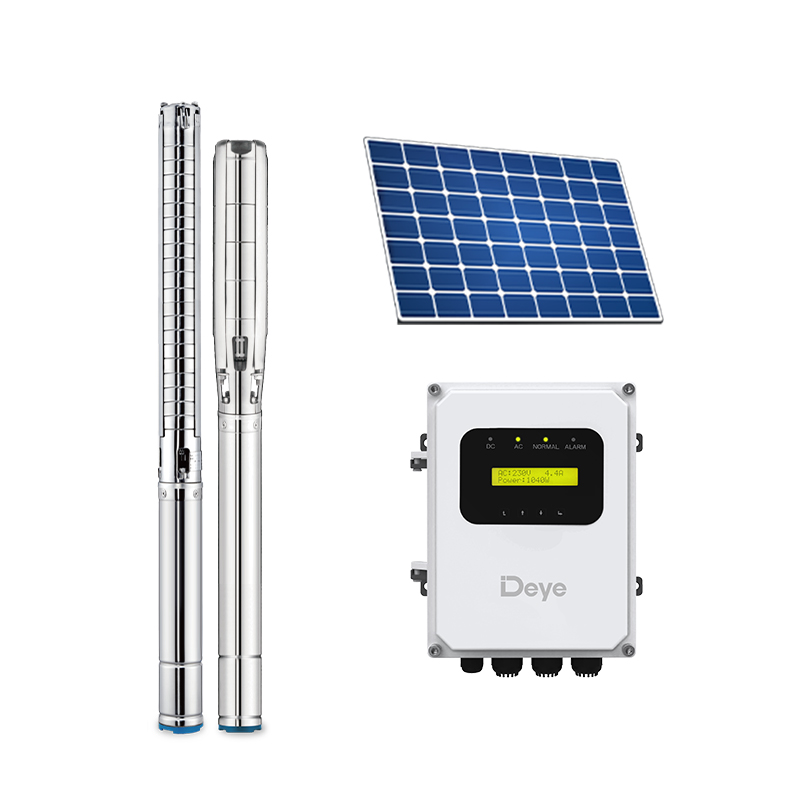
6 Inch Solar AC/DC Pump Controller (800-3000W) Stainless Steel Impeller Submersible Pumps
-
4 Inch High Speed Submersible Solar Pump(5500-13000W)Plastic Impeller Submersible Pumps
4 Inch Solar AC/DC Pump Controller (800-3000W) Stainless Steel Impeller Submersible Pumps
- Product Details
- Drawing
Product Details
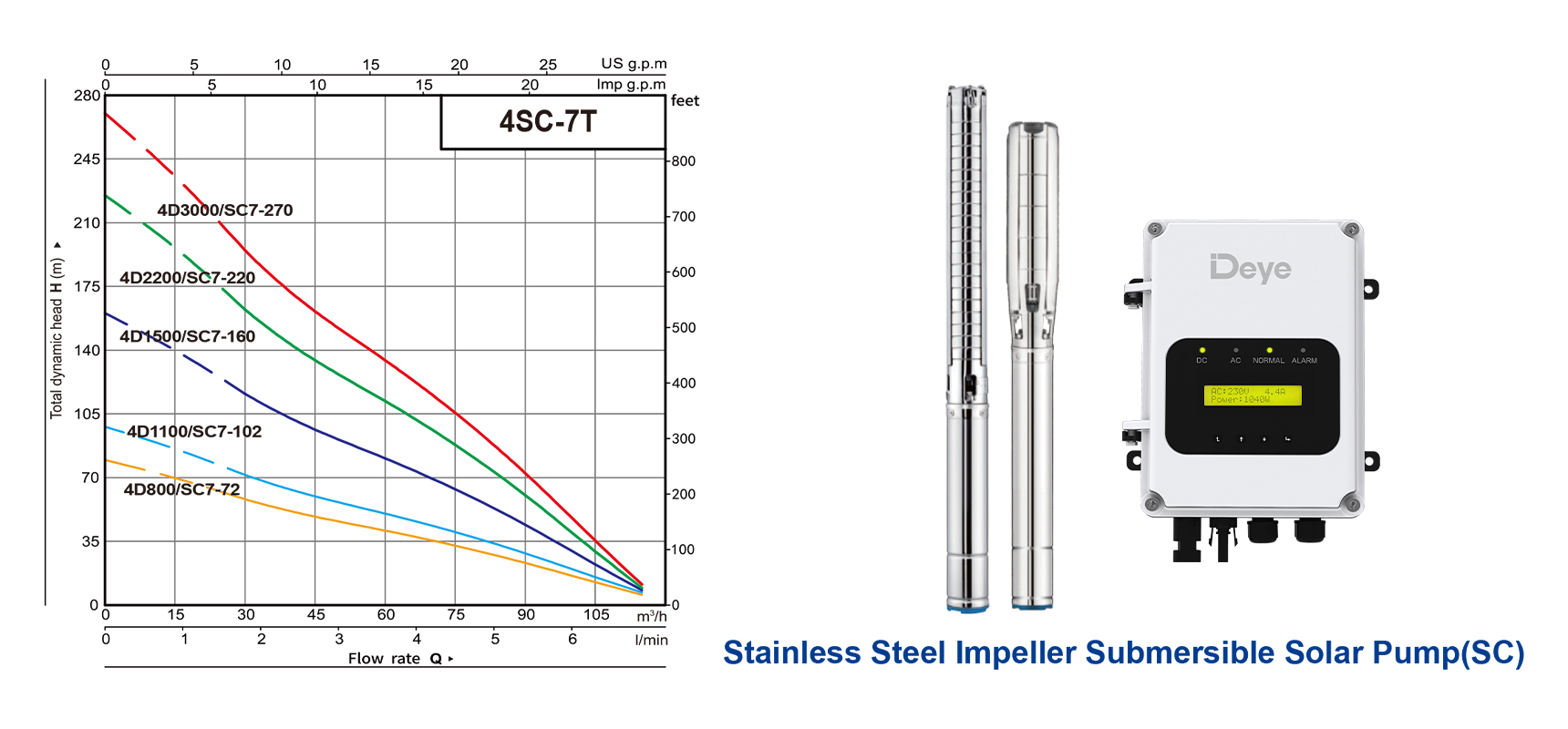
TECHNICAL DATA (4 inch 7m³/h)
| Model | DC Controller |
AC/DC Controller |
Power (W) |
Voltage (V) |
DELIVERY nmax≈4500r/min | ||||||||||
| Q | m³/h | 0 | 0.9 | 1.8 | 2.4 | 3.6 | 4.5 | 5.4 | 6.3 | 6.9 | |||||
| l/min | 0 | 15 | 30 | 45 | 60 | 75 | 90 | 105 | 115 | ||||||
| 4D800/SC7-72 | DY-D2000DC | DY-D3600AC/DC | 800 | 90~160 | H(m) | 72 | 67 | 61 | 51 | 46 | 36 | 27 | 17 | 9 | |
| 4D1100/SC7-102 | DY-D2000DC | DY-D3600AC/DC | 1100 | 130~200 | 102 | 97 | 96 | 86 | 68 | 55 | 43 | 23 | 12 | ||
| 4D1500/SC7-160 | DY-D2000DC | DY-D3600AC/DC | 1500 | 160~240 | 160 | 151 | 130 | 116 | 90 | 70 | 49 | 28 | 15 | ||
| 4D2200/SC7-220 | / | DY-D3600AC/DC | 2200 | 220~400 | 220 | 215 | 190 | 168 | 128 | 100 | 73 | 40 | 20 | ||
| 4D3000/SC7-270 | / | DY-D3600AC/DC | 3000 | 280~400 | 270 | 258 | 240 | 182 | 158 | 140 | 105 | 70 | 38 | ||
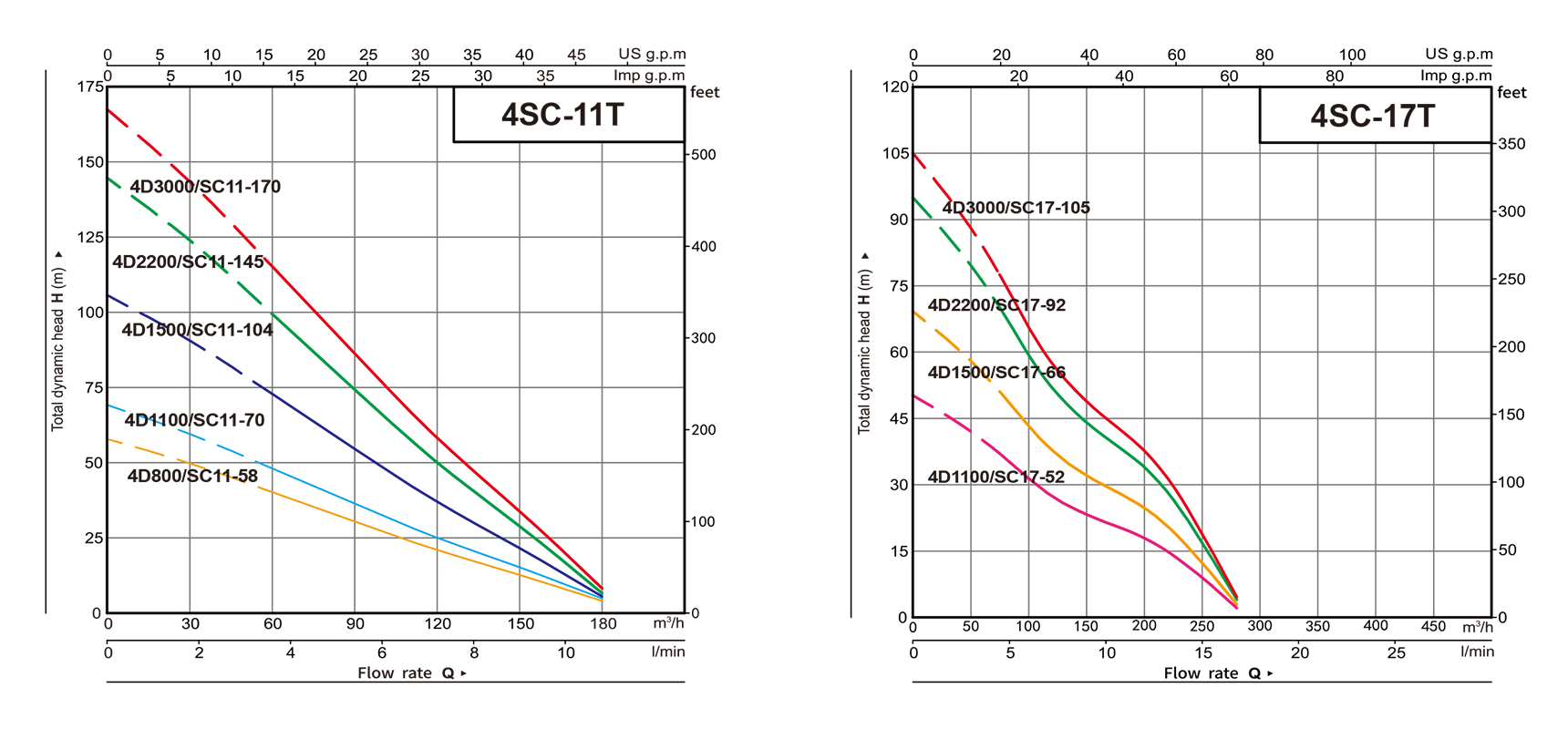
TECHNICAL DATA (4 inch 11m³/h)
| Model | DC Controller |
AC/DC Controller |
Power (W) |
Voltage (V) |
DELIVERY nmax≈4500r/min | ||||||||||
| Q | m³/h | 0 | 1.2 | 2.4 | 3.6 | 4.8 | 6.0 | 7.2 | 8.4 | 9.6 | |||||
| l/min | 0 | 20 | 40 | 60 | 80 | 100 | 120 | 140 | 160 | ||||||
| 4D800/SC11-58 | DY-D2000DC | DY-D3600AC/DC | 800 | 90~160 | H(m) | 58 | 55 | 53 | 43 | 34 | 27 | 21 | 14 | 6 | |
| 4D1100/SC11-70 | DY-D2000DC | DY-D3600AC/DC | 1100 | 130~200 | 70 | 67 | 65 | 59 | 50 | 41 | 34 | 26 | 17 | ||
| 4D1500/SC11-104 | DY-D2000DC | DY-D3600AC/DC | 1500 | 160~240 | 104 | 100 | 90 | 84 | 72 | 62 | 51 | 40 | 28 | ||
| 4D2200/SC11-145 | / | DY-D3600AC/DC | 2200 | 220~400 | 145 | 137 | 131 | 115 | 98 | 81 | 65 | 49 | 30 | ||
| 4D3000/SC11-170 | / | DY-D3600AC/DC | 3000 | 280~400 | 170 | 163 | 143 | 124 | 121 | 102 | 86 | 60 | 41 | ||
TECHNICAL DATA (4 inch 17m³/h)
| Model | DC Controller |
AC/DC Controller |
Power (W) |
Voltage (V) |
DELIVERY nmax≈4500r/min | ||||||||||
| Q | m³/h | 0 | 2.4 | 4.8 | 7.2 | 9.6 | 10.8 | 12.0 | 14.4 | 16.8 | |||||
| l/min | 0 | 40 | 80 | 120 | 160 | 180 | 200 | 240 | 280 | ||||||
| 4D1100/SC17-52 | DY-D2000DC | DY-D3600AC/DC | 1100 | 130~200 | H(m) | 52 | 50 | 43 | 34 | 28 | 24 | 21 | 13 | 5 | |
| 4D1500/SC17-66 | DY-D2000DC | DY-D3600AC/DC | 1500 | 160~240 | 66 | 62 | 55 | 44 | 36 | 33 | 29 | 19 | 9 | ||
| 4D2200/SC17-92 | / | DY-D3600AC/DC | 2200 | 220~400 | 92 | 88 | 76 | 61 | 50 | 44 | 39 | 27 | 11 | ||
| 4D3000/SC17-105 | / | DY-D3600AC/DC | 3000 | 280~400 | 105 | 104 | 86 | 81 | 70 | 52 | 55 | 40 | 26 | ||
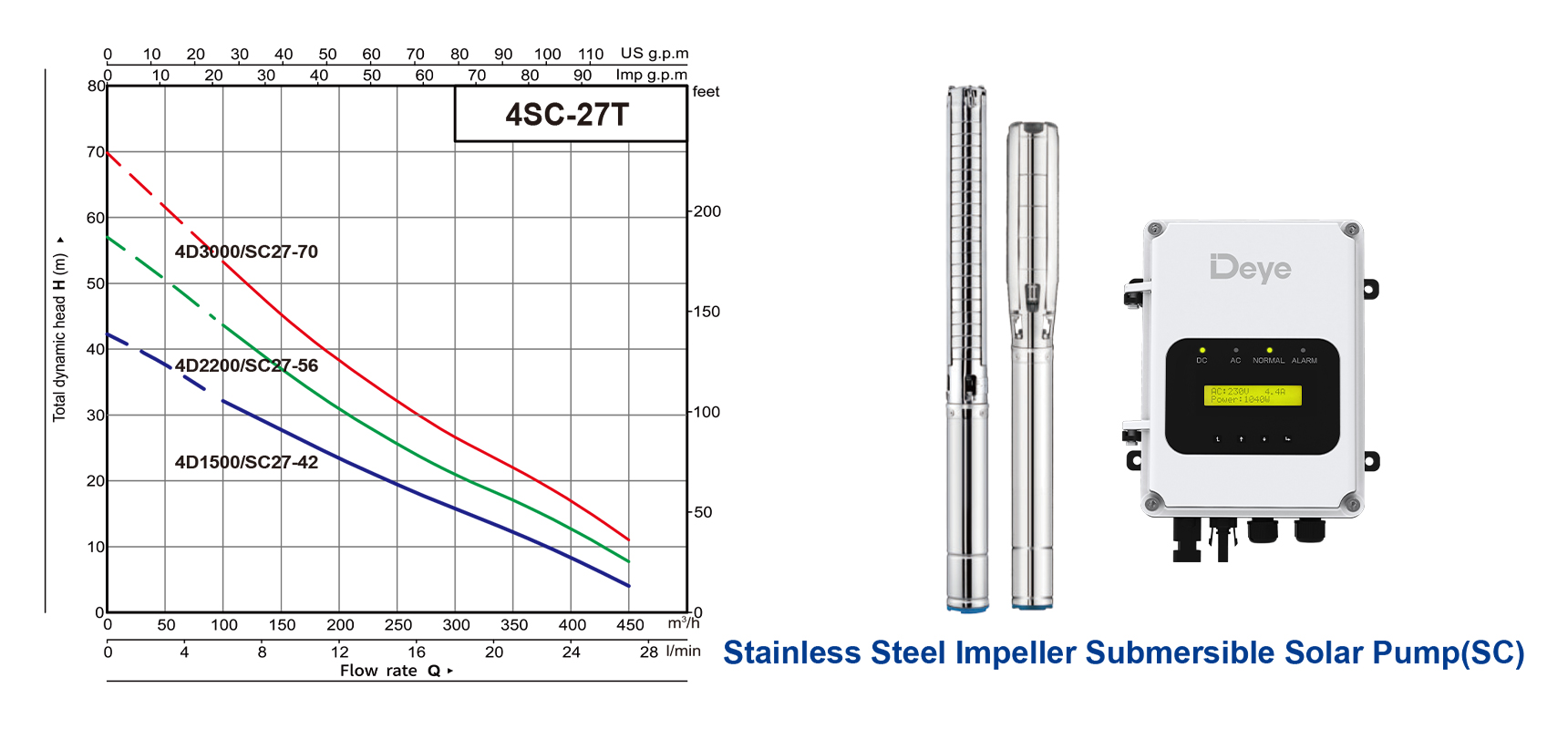
TECHNICAL DATA (4 inch 27m³/h)
| Model | DC Controller |
AC/DC Controller |
Power (W) |
Voltage (V) |
DELIVERY nmax≈4500r/min | ||||||||||
| Q | m³/h | 0 | 3.0 | 6.0 | 9.0 | 12 | 15 | 18 | 20 | 24 | |||||
| l/min | 0 | 50 | 100 | 150 | 200 | 250 | 300 | 333 | 400 | ||||||
| 4D1500/SC27-42 | DY-D2000DC | DY-D3600AC/DC | 1500 | 160~240 | H(m) | 42 | 41 | 41 | 29 | 24 | 20 | 16 | 13 | 6 | |
| 4D2200/SC27-56 | DY-D2000DC | DY-D3600AC/DC | 2200 | 220~400 | 56 | 55 | 55 | 40 | 34 | 28 | 23 | 18 | 10 | ||
| 4D3000/SC27-70 | / | DY-D3600AC/DC | 3000 | 280~400 | 70 | 68 | 68 | 54 | 48 | 37 | 33 | 25 | 17 | ||
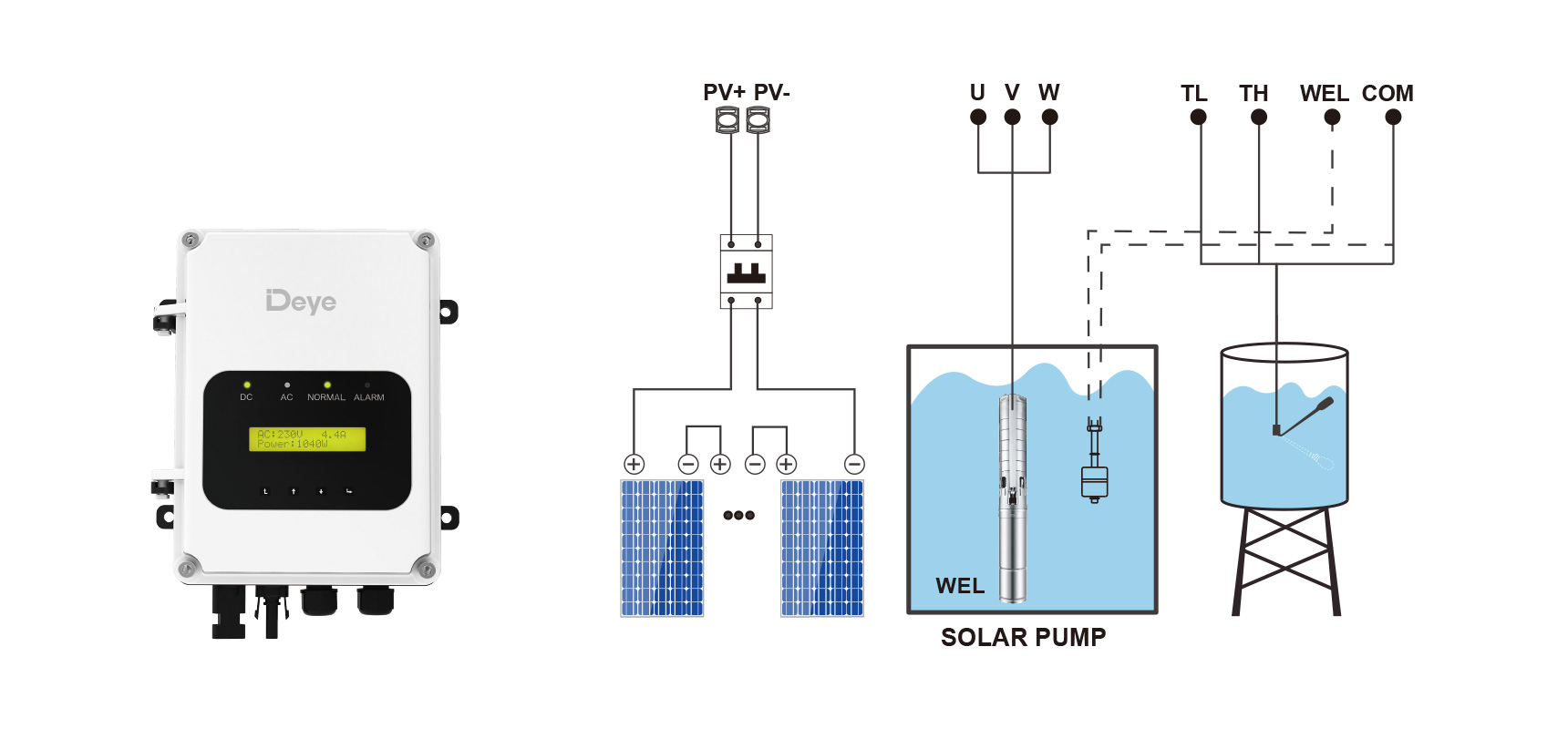
Drawing
Related Products
-
This 6-inch stainless steel impeller AC/DC solar submersible pump (800~3000W) is developed for large...View Product
-
This 4-inch AC/DC solar submersible pump (600-3000W, plastic impeller) works with solar panels and m...View Product
-
Compact 3-inch plastic impeller solar pump with low power range, engineered for single-family scatte...View Product
-
4 inch High Speed AC/DC Solar Submersible Pump, 5500-13000W with plastic impeller. Optimized for lar...View Product
-
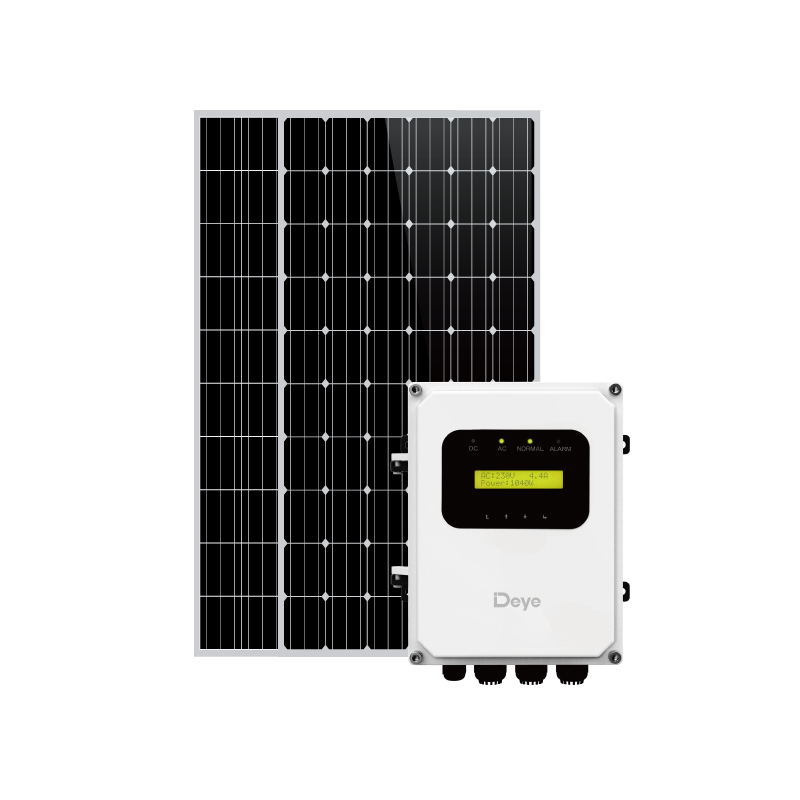 The AC/DC Auto Switch Controller adopts solar-first intelligent switching logic for a 24-hour uninte...View Product
 -
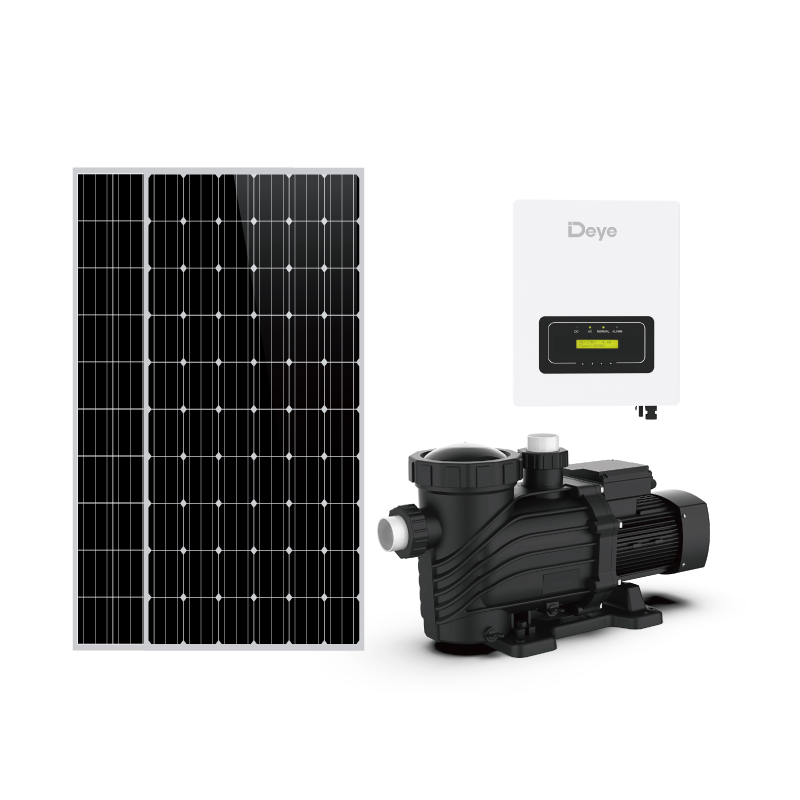 Deye Solar swimming pool pump is a simple, intelligent and worry-free solution that suitable for var...View Product
About Deye
Zhejiang Deye Electrical Appliances Co., Ltd.
Since its establishment in 1990, Deye Group has been dedicated to the research, development, and manufacturing of submersible pumps and pump controllers. We are built on a foundation of precision engineering and a commitment to manufacturing excellence.
At Deye, advanced production technologies and stringent quality control processes are integrated into every stage of manufacturing. This disciplined approach, supported by our team of dedicated engineers, ensures that every submersible pump, pool pump, and controller we deliver meets the highest standards of performance, durability, and reliability.
We go beyond manufacturing pumps; we build trust. Deye Group is a China 4 Inch Solar AC/DC Pump Controller (800-3000W) Stainless Steel Impeller Submersible Pumps Suppliers, committed to providing stable, efficient, and intelligent water system solutions for global users, striving to be your trusted long-term partner.
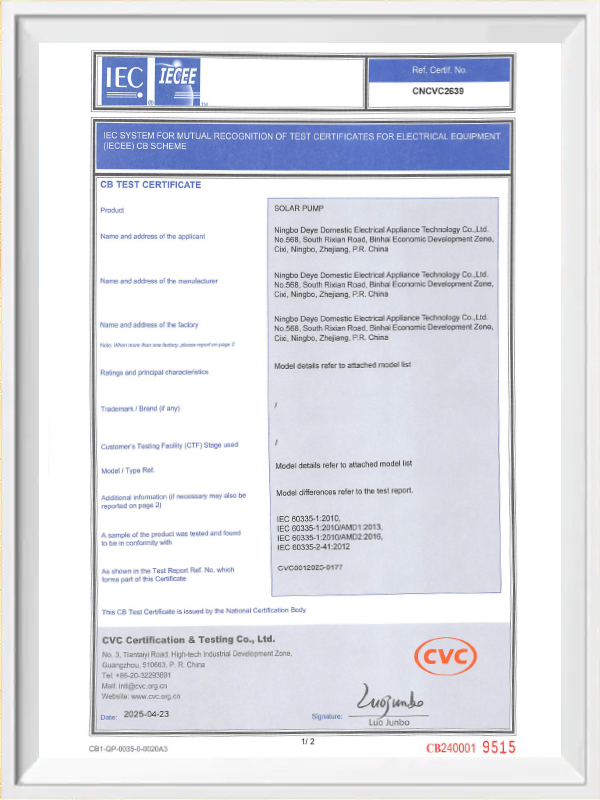
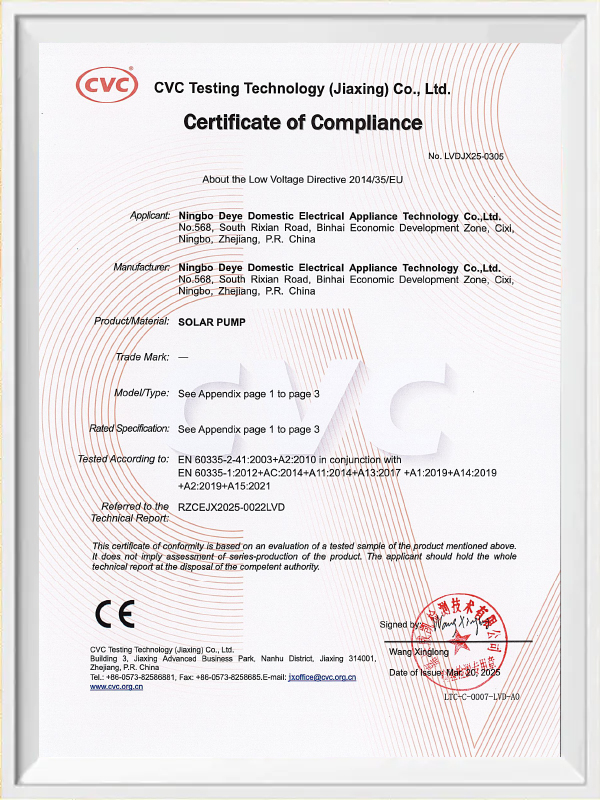
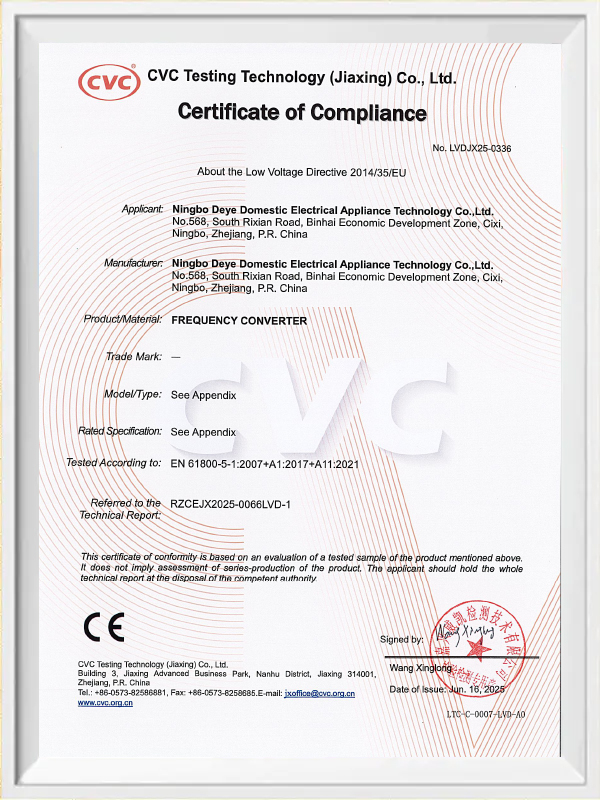
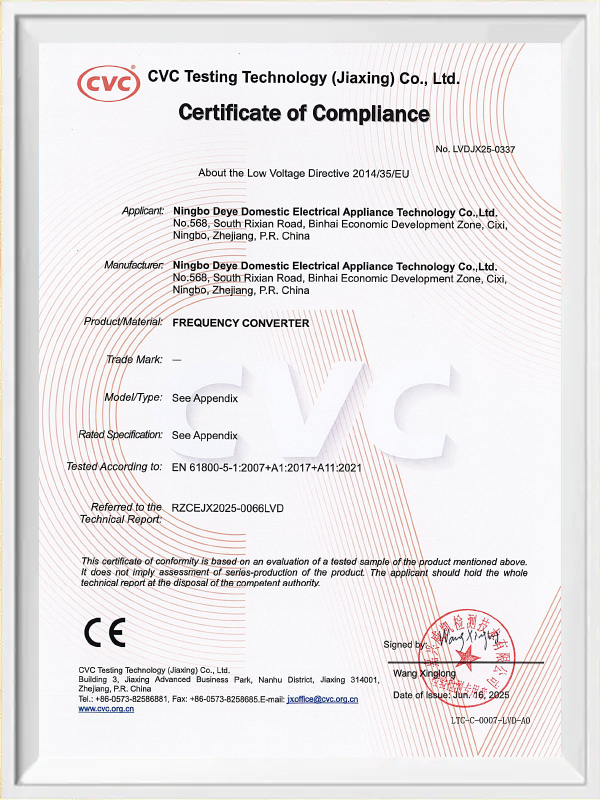
Certificate Of Honor

Recent News
-
Two identical 3-inch submersible pumps, installed a few hundred metres apart on the same kind of borehole, can behave completely differently: one lifts water all afternoon, the o...
Read More -
A pond solar pump is a photovoltaic-powered water pump that moves water from a pond for aeration, circulation, irrigation, or transfer. If your pond has no reliable grid connecti...
Read More -
A solar deep well water pump is a submersible pump powered by photovoltaic panels, designed to lift water from deep boreholes where grid electricity is unreliable or unavailable....
Read More -
If you need to move water for irrigation, livestock, or off-grid living, a large solar water pump is usually defined as a system rated at 4 kW or higher. The right large solar pu...
Read More
Solar Submersible Pump Industry Knowledge
1. Product Concept and Definition
A 4 inch solar submersible pump refers to a borehole or deep-well pump with a 4-inch (approximately 100 mm) outer diameter, designed to fit standard 4-inch well casings. When paired with a solar AC/DC pump controller in the 800–3000W range, the system is capable of drawing water from underground sources using photovoltaic energy, with optional grid (AC) backup to ensure continuous supply when solar irradiance is insufficient.
The inclusion of a stainless steel impeller distinguishes this class of pump from plastic-impeller alternatives. Stainless steel construction provides superior resistance to abrasion, corrosion, and wear caused by sand-laden or chemically aggressive groundwater, making it suitable for long-term deployment in demanding field conditions.
Deye Group has specialized in submersible pumps and pump controllers since 1990. The 4-inch AC/DC solar pump product line reflects this long-term engineering focus, integrating precision-manufactured hydraulic components with intelligent electronic control.
2. Key Components
2.1 Submersible Pump Unit
- Pump body and impeller: Manufactured from stainless steel (typically AISI 304 or AISI 316) for corrosion resistance and mechanical durability
- Motor: Hermetically sealed, water-filled or oil-filled DC brushless or permanent magnet synchronous type
- Outer diameter: Designed for standard 4-inch well casings (100 mm minimum inner diameter)
- Discharge outlet: Typically 1.25 inch or 1.5 inch BSP/NPT threaded connection
2.2 Solar AC/DC Pump Controller
- MPPT algorithm: Extracts maximum available power from PV panels under variable irradiance
- AC/DC hybrid input: Accepts both DC from solar panels and AC from the grid or generator, enabling uninterrupted operation
- Variable frequency drive (VFD): Adjusts motor speed in proportion to available solar power
- Protection functions: Dry-run protection, over-voltage, under-voltage, over-current, over-temperature, and short-circuit protection
- Communication interface: RS485 or optional remote monitoring for system integration
3. Typical Technical Specifications
| Parameter | Specification Range | Notes |
| Power Range | 800 – 3000 W | Controller and pump matched |
| DC Input Voltage | 72 – 450V DC | Varies by controller model |
| AC Input Voltage | Single-phase 220V or 3-phase 380V | Grid/generator backup |
| Flow Rate | 1 – 20+ m³/h | Depends on pump model and head |
| Maximum Head | 30 – 200+ m | Multi-stage impeller configuration |
| MPPT Efficiency | 97 – 99% | Maximizes solar harvest |
| Protection Rating | IP65 (controller), IP68 (pump) | Outdoor and submerged deployment |
| Impeller Material | AISI 304 / AISI 316 Stainless Steel | Corrosion and abrasion resistant |
| Motor Type | BLDC / PMSM | Brushless, low maintenance |
4. Stainless Steel Impeller: Material Significance
The impeller is the primary rotating component responsible for converting motor torque into fluid kinetic energy. In submersible pump design, impeller material selection directly affects both service life and hydraulic performance.
| Property | Stainless Steel Impeller | Plastic (Noryl/PP) Impeller |
| Abrasion Resistance | High (handles sandy water) | Low to moderate |
| Corrosion Resistance | High (salt, minerals, chemicals) | Moderate (depends on grade) |
| Service Life | Longer under harsh conditions | Shorter in abrasive environments |
| Unit Weight | Heavier | Lighter |
| Suitable Water Quality | Clean, sandy, brackish, mineral-rich | Clean or lightly treated water |
5. Application Scenarios
The 4-inch solar AC/DC submersible pump in the 800–3000W range covers a broad set of field applications:
- Agricultural irrigation: Borehole or deep-well water extraction for crop irrigation in off-grid or remote farmland
- Drinking water supply: Village-level or community water systems in areas without reliable grid access
- Livestock watering: Reliable daily water supply for farming operations
- Domestic well water: Private household borehole systems for residential water supply
- Water storage tank filling: Solar-powered pumping to elevated storage tanks for gravity distribution
- Industrial and construction water supply: Remote site water provisioning where grid infrastructure is absent
These systems are particularly suited to regions with high solar irradiance and limited grid infrastructure, including Sub-Saharan Africa, South Asia, the Middle East, Latin America, and rural parts of Australia.
6. Advantages of the AC/DC Hybrid Controller
A dedicated AC/DC solar pump controller provides operational flexibility that pure DC solar systems cannot offer:
| Feature | DC-Only Controller | AC/DC Hybrid Controller |
| Solar Input | Yes | Yes |
| Grid/Generator Backup | No | Yes |
| Cloudy Day Operation | Reduced or stopped | Continues via AC input |
| Battery Requirement | Needed for continuity | Not required |
| Installation Complexity | Lower | Moderate |
| Reliability in Mixed Climates | Weather-dependent | High |
7. System Sizing Guidelines
Accurate sizing ensures the pump meets daily water demand without unnecessary panel oversizing. Key parameters to assess:
- Daily water demand (m³/day): Determines minimum pumping volume requirement
- Total dynamic head (TDH): Sum of static water level depth, vertical discharge height, and pipe friction losses
- Peak sun hours (PSH): Site-specific average daily irradiance; used to calculate required panel wattage
- Panel configuration: Series/parallel arrangement must match the controller DC input voltage window
- Well yield: Maximum sustainable extraction rate of the borehole must not be exceeded
As a general reference, a 1500W system in a region with 5 peak sun hours can typically deliver 8–12 m³/day at a total head of 50–80 m, subject to actual site conditions.
8. Installation and Maintenance Considerations
- Well casing compatibility: The 4-inch pump body requires a minimum 4-inch (100 mm) inner diameter casing; a 5-inch or 6-inch casing is recommended for easier installation and clearance
- Drop pipe: Galvanized steel or HDPE pipe is standard; pipe diameter must match the pump outlet size to minimize friction loss
- Safety rope: A stainless steel or polypropylene safety rope should be attached independently of the drop pipe to support pump recovery
- Controller placement: The controller must be installed in a shaded, ventilated location away from direct moisture exposure, in compliance with its IP rating
- Routine inspection: Check electrical connections, cable integrity, and water quality periodically; BLDC motors have no brushes to replace, reducing scheduled maintenance requirements
9. Relevant Standards and Certifications
- IEC 60335-2-41: Safety requirements for electric pumps for household and similar use
- CE Marking: Compliance with EU Low Voltage Directive (LVD) and Electromagnetic Compatibility (EMC) Directive
- IEC 60529 (IP Rating): Ingress protection classification for pump and controller enclosures
- ISO 9001: Quality management systems — applicable to manufacturing processes
- RoHS Directive: Restriction of hazardous substances in electronic components
10. Frequently Asked Questions (FAQ)
Q1: What is the difference between a 4-inch pump and a 3-inch pump?
The outer diameter determines well casing compatibility. A 4-inch submersible pump fits wells with a minimum 100 mm inner diameter and generally supports higher flow rates and power ratings than 3-inch models, making it better suited for agricultural and community water supply applications.
Q2: Can the pump run directly from solar panels without a controller?
No. A solar pump controller is required to regulate input voltage and current, implement MPPT, protect the motor from electrical faults, and manage the transition between solar and AC grid power. Operating a pump directly from unregulated panel output risks motor damage and unstable performance.
Q3: How does the AC/DC controller handle the switch between solar and grid power?
The controller monitors available solar power continuously. When solar irradiance falls below the threshold needed to sustain pump operation, the controller automatically transitions to the AC input (grid or generator) without interrupting pump operation. The switchover is typically seamless and does not require manual intervention.
Q4: Why is stainless steel preferred over plastic for impellers in deep-well applications?
Groundwater frequently contains suspended sand particles, dissolved minerals, and in some regions elevated chloride concentrations. Stainless steel impellers resist mechanical abrasion and chemical corrosion over extended service periods, whereas plastic components degrade more rapidly under these conditions, leading to reduced hydraulic performance and early failure.
Q5: How many solar panels are required for an 800W or 3000W system?
Panel count depends on individual panel wattage and the controller DC input voltage window. As a general reference, an 800W system may require 3–4 panels of 250–300W each, while a 3000W system may require 10–12 panels. Panel configuration (series/parallel) must be verified against the controller specifications to ensure the input voltage is within the rated range.

- No. 26, Yongjiang South Road, Beilun Dirstrict, Ningbo City, Zhejiang, China.
-
[email protected] ( Daniel )
+86-13923361908 ( WhatsApp )
-
[email protected] ( Chris )
+86-18186995218 ( WhatsApp )
-
+86-15888503217 ( Mark Pan )
[email protected] ( WhatsApp )
QUICK LINK
SUPPORT
Copyright ©Zhejiang Deye Electrical Appliances Co., Ltd. All Rights Reserved. 4 Inch Solar AC/DC Pump Controller (800-3000W) Stainless Steel Impeller Submersible Pumps Suppliers

 Back to Top