

 русский
 Français
 Español
 عربى
عربى Deutsch
 Português
 italiano
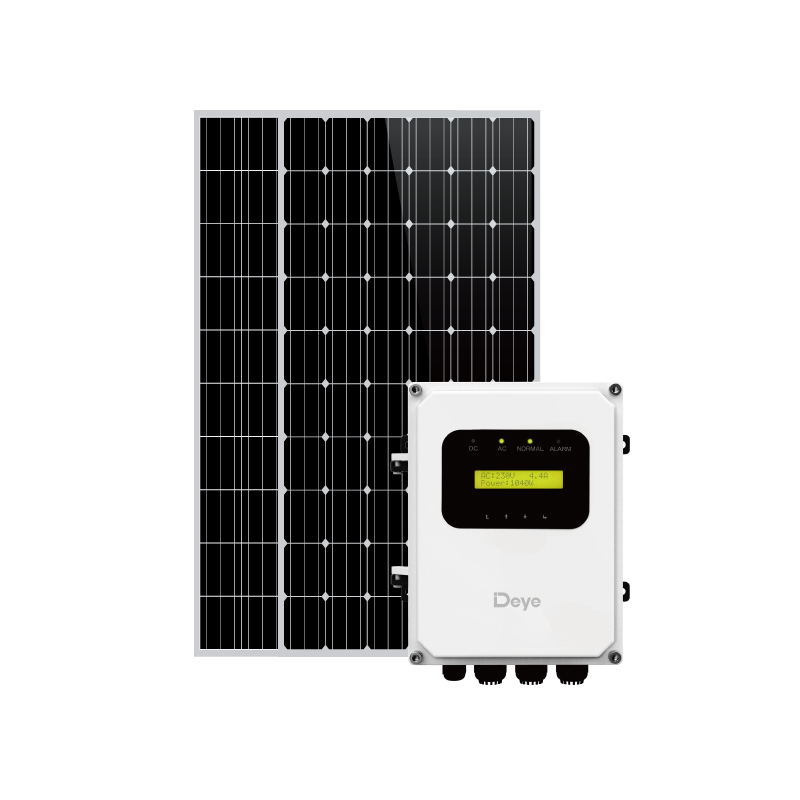
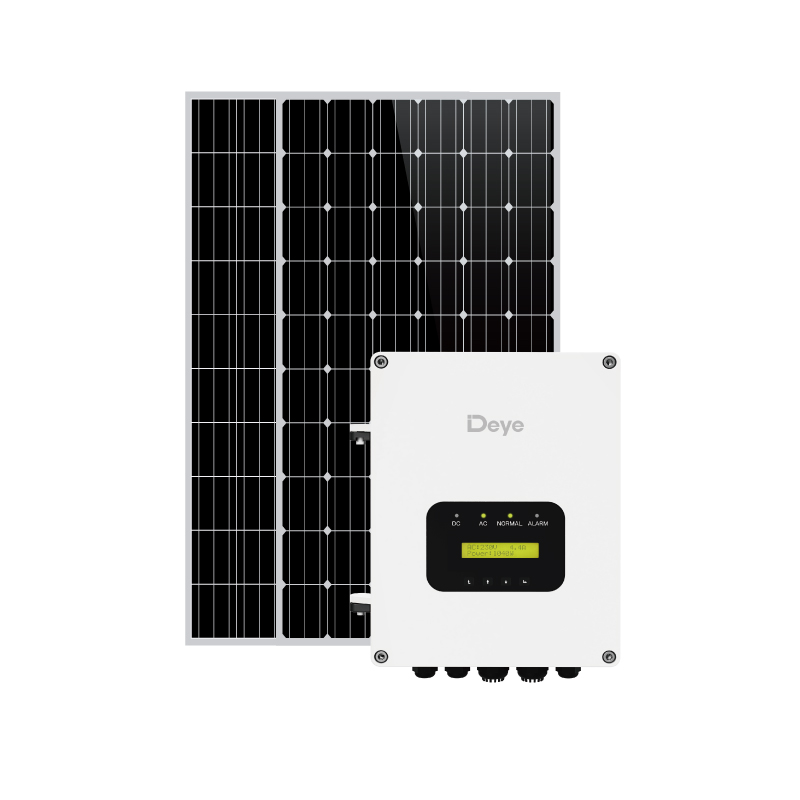
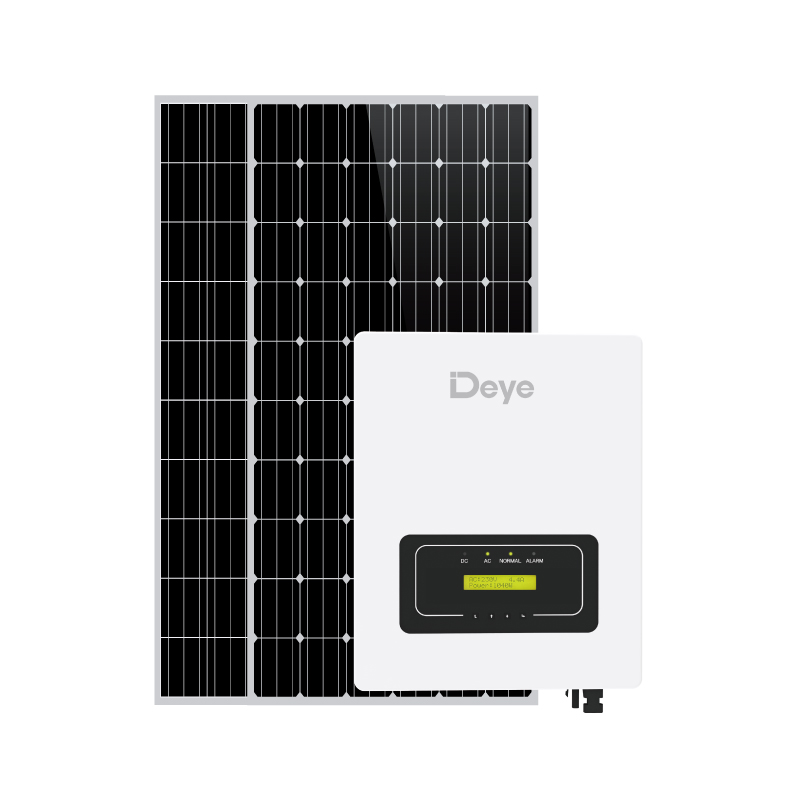
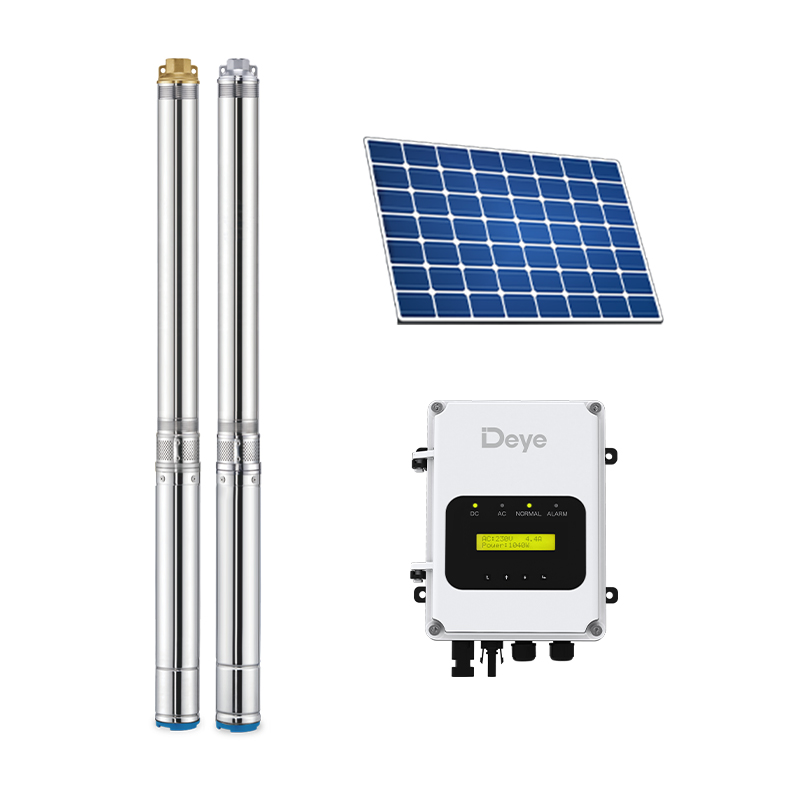
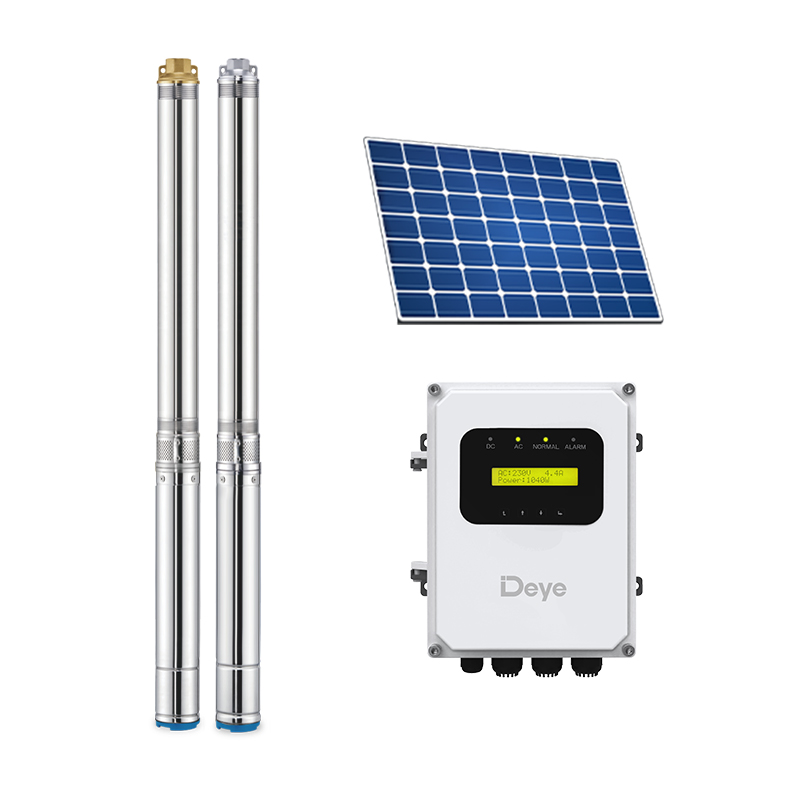
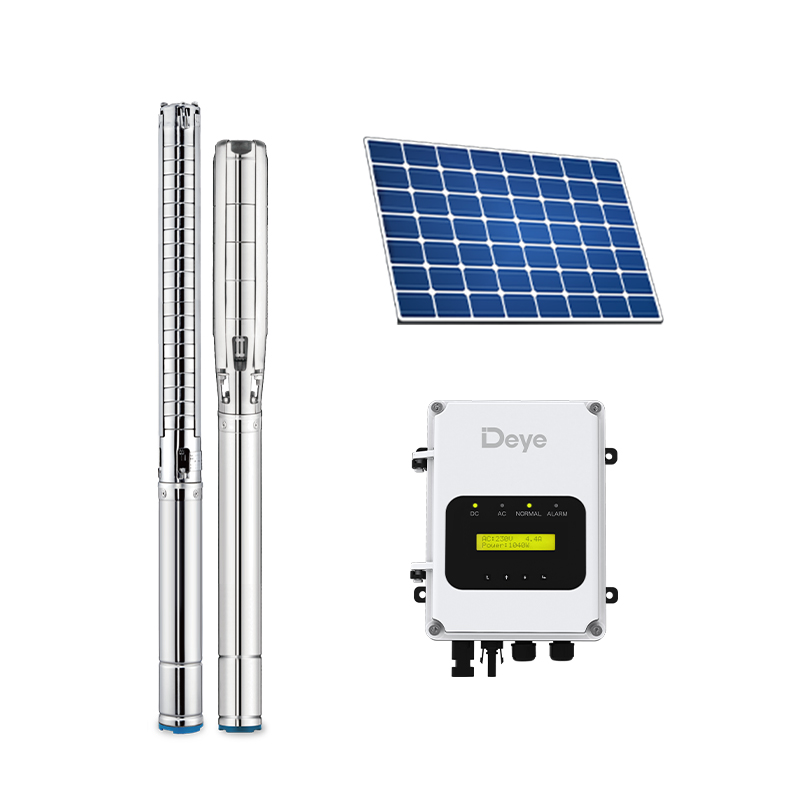
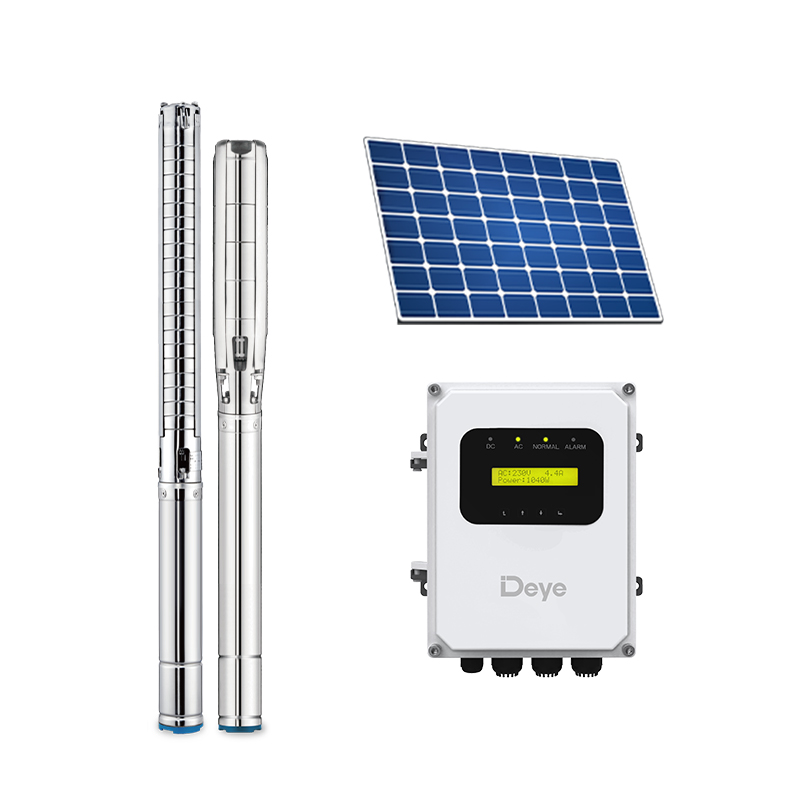
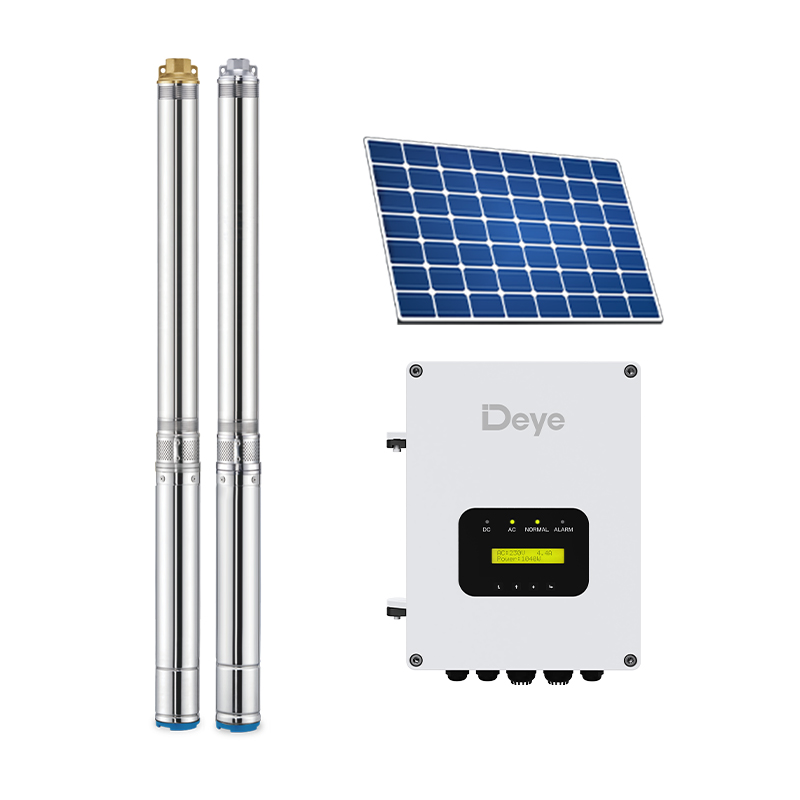
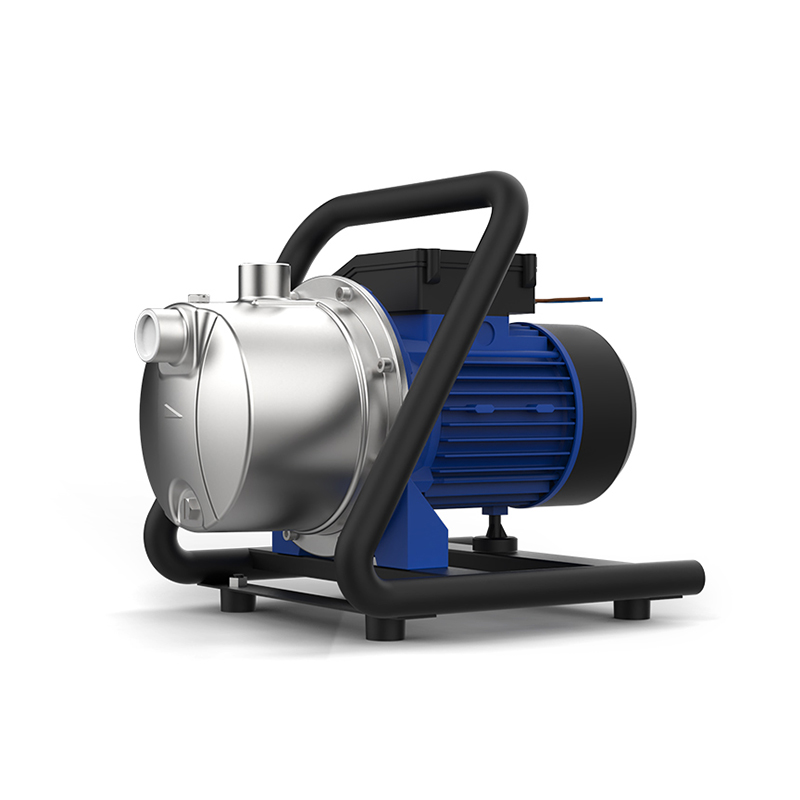
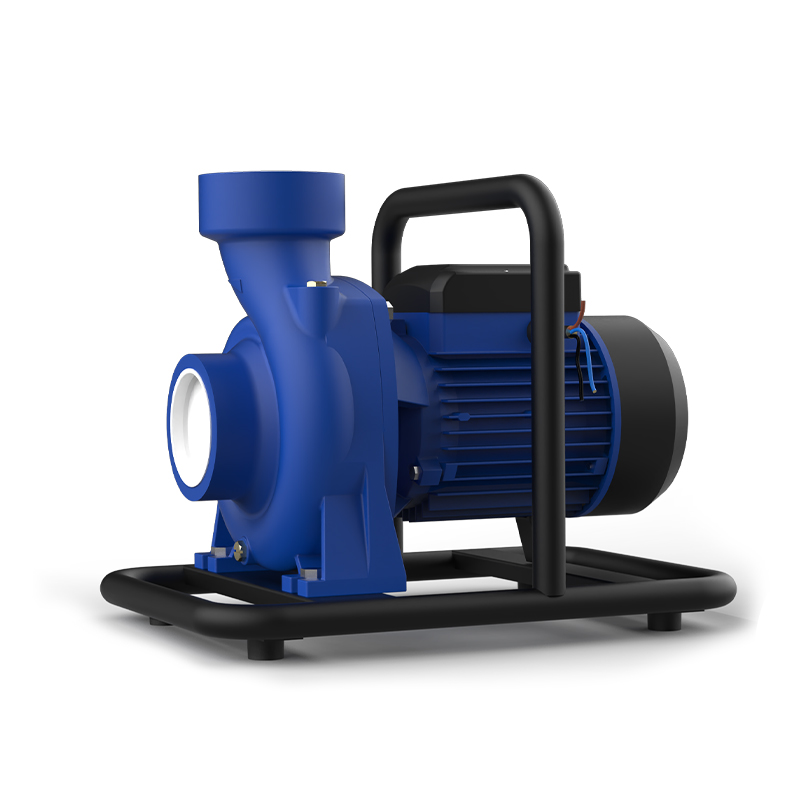
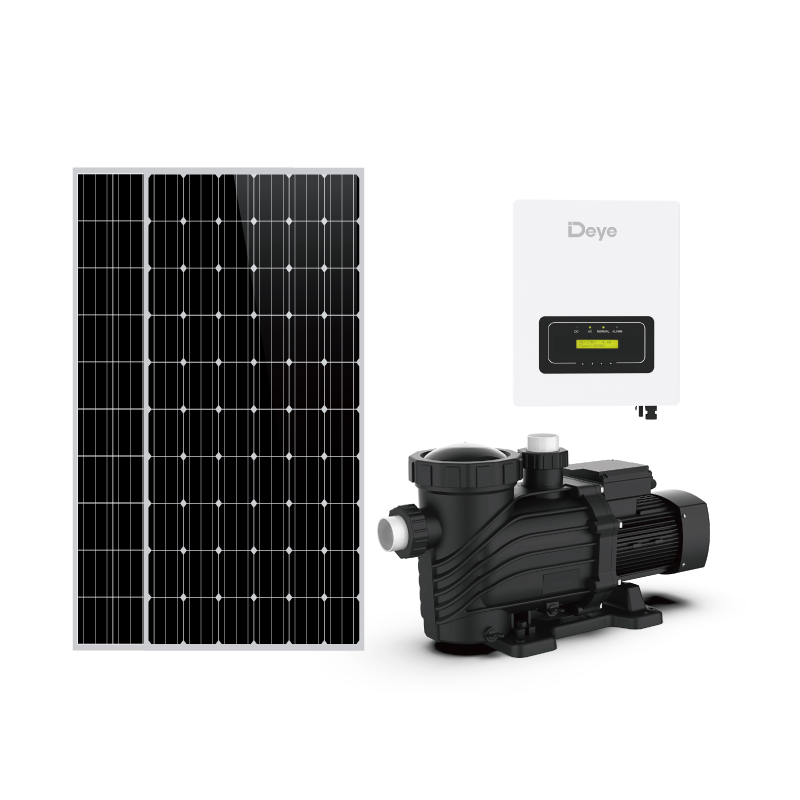
Most residential well pumps use between 750 watts and 2,200 watts during normal operation, with shallow well jet pumps on the lower end and deep well submersible pumps for homes and small farms on the higher end. A quarter horsepower shallow well pump typically draws around 750 to 1,000 watts, while a one horsepower deep well submersible pump can draw 1,500 to 2,200 watts, and larger three horsepower agricultural or high output pumps can exceed 3,000 watts. Knowing this wattage figure is the single most important step before sizing a solar powered water pump system, because undersizing the solar array or battery bank is the most common reason off grid pumping systems fail to deliver enough water.
According to the U.S. Department of Energy, water pumping is one of the most common and cost effective early applications of small scale solar power in rural and off grid settings, because pumps have a predictable, quantifiable load that solar arrays can be matched against with reasonable precision. This guide breaks down exactly how much power different well pumps use, how to convert that figure into solar panel and battery requirements, and how to avoid the sizing mistakes that leave a well running dry on cloudy days.
content
- 1 Well Pump Wattage by Type and Horsepower
- 2 Why Starting Watts Matter More Than Running Watts for Solar Sizing
- 3 How to Calculate Daily Energy Use in Watt Hours
- 4 AC Well Pumps vs DC Solar Water Pumps
- 5 Battery Free vs Battery Backed Solar Pump Systems
- 6 Real World Example: Sizing a Solar System for a 1 HP Submersible Well Pump
- 7 Factors That Increase Well Pump Wattage Requirements
- 8 Common Mistakes When Sizing a Solar Powered Water Pump
- 9 Frequently Asked Questions
- 9.1 How many watts does a well pump use on average?
- 9.2 Can a solar powered water pump run a well pump without batteries?
- 9.3 How many solar panels are needed to run a well pump?
- 9.4 Why does my pump need a much bigger inverter than its running watts suggest?
- 9.5 Is a DC solar pump more efficient than an AC pump powered by an inverter?
- 9.6 Does well depth affect how many watts a pump uses?
- 9.7 How much battery storage does a solar well pump system need?
- 9.8 Can one solar panel run a small well pump?
- 10 Final Thoughts
Well Pump Wattage by Type and Horsepower
Wattage scales directly with horsepower and pump depth, meaning a deeper well or higher flow requirement always demands more electrical power. The table below summarizes typical running watts and starting watts for common residential and light agricultural well pumps, since starting watts, also called surge watts, can briefly spike two to three times higher than running watts when the motor first engages.
| Pump Type | Horsepower | Running Watts | Starting Watts |
|---|---|---|---|
| Shallow well jet pump | 0.25 HP | 750 to 900 watts | 1,800 to 2,200 watts |
| Shallow well jet pump | 0.5 HP | 1,000 to 1,200 watts | 2,300 to 2,800 watts |
| Deep well submersible | 0.5 HP | 1,000 to 1,300 watts | 2,500 to 3,000 watts |
| Deep well submersible | 1 HP | 1,500 to 2,200 watts | 3,500 to 4,500 watts |
| Deep well submersible | 1.5 HP | 2,200 to 2,800 watts | 4,800 to 6,000 watts |
| Agricultural or high output | 3 HP | 3,200 to 4,000 watts | 7,000 to 9,000 watts |
| DC solar submersible pump | 0.5 to 1 HP equivalent | 200 to 800 watts | No significant surge |
Typical running and starting wattage ranges for common residential, agricultural, and solar direct current well pumps based on standard motor nameplate ratings.
Note the last row of the table above: purpose built direct current solar water pumps use significantly less wattage and have little to no starting surge compared to standard alternating current pumps, which is why many off grid installations use DC pumps specifically designed for solar rather than converting a conventional AC well pump.
Why Starting Watts Matter More Than Running Watts for Solar Sizing
The starting watts figure, not the running watts figure, determines the minimum inverter and battery capacity needed for a solar powered well pump. Conventional AC induction motors used in jet pumps and submersible pumps require a brief surge of two to three times their running wattage to overcome the initial resistance of the motor and pump impeller. If a solar inverter is sized only to the running wattage, the pump motor will fail to start, trip the inverter overload protection, or stall repeatedly, which is one of the most frequent complaints reported in off grid pump installation forums and rural electrification case studies.
A National Renewable Energy Laboratory analysis of small scale solar pumping systems in rural applications found that undersized inverters and controllers, rather than undersized solar panels, were among the leading causes of early system failure in first generation solar pump installations. This is why professional solar pump designers consistently recommend inverters rated for at least the pump's starting watts, with a safety margin of an additional 20 percent.
How to Calculate Daily Energy Use in Watt Hours
Daily energy consumption is calculated by multiplying the pump's running watts by the number of hours it operates each day, expressed in watt hours. This figure, not the instantaneous wattage alone, is what determines how many solar panels and how much battery storage a system actually needs.
- Identify the pump's running wattage from its nameplate or the reference table above
- Estimate daily pump run time in hours, typically calculated from household water usage divided by pump flow rate
- Multiply running watts by daily run time to get daily watt hours
- Divide daily watt hours by expected peak sun hours for the installation location to estimate required solar array wattage
- Add a system loss margin of 20 to 30 percent to account for inverter, wiring, and battery inefficiencies
For example, a 1,500 watt submersible pump running for 2 hours per day consumes 3,000 watt hours daily. In a location with 5 peak sun hours, dividing 3,000 watt hours by 5 hours gives 600 watts of solar panel capacity needed before accounting for system losses. Adding a 25 percent loss margin brings the practical panel requirement to roughly 750 watts.
AC Well Pumps vs DC Solar Water Pumps
DC solar water pumps are generally more energy efficient and easier to power directly from solar panels, while AC well pumps are more widely available and often already installed in existing homes. The choice between converting an existing AC pump to solar power versus installing a purpose built DC solar pump depends heavily on whether the well is a new installation or an existing one.
| Factor | AC Well Pump With Inverter | DC Solar Water Pump |
|---|---|---|
| Starting surge | High, 2 to 3 times running watts | Minimal to none |
| Energy efficiency | Lower, inverter conversion losses apply | Higher, direct current use |
| Equipment needed | Solar panels, batteries, inverter, existing pump | Solar panels, controller, DC pump |
| Battery dependence | Usually required for stable surge power | Can often run battery free with storage tank |
| Best use case | Existing wells with installed AC pumps | New off grid or remote installations |
| Upfront cost | Lower if AC pump is already installed | Higher due to specialized pump cost |
Comparison of converting an existing alternating current well pump to solar power versus installing a purpose built direct current solar water pump.
Battery Free vs Battery Backed Solar Pump Systems
Many DC solar water pumps can operate battery free by pumping water into an elevated storage tank whenever the sun is shining, eliminating the need for expensive battery banks. This approach, often called direct solar pumping or sun following pumping, is common in agricultural and livestock watering applications where water can be stored gravitationally rather than electrically.
Battery backed systems, by contrast, store solar energy chemically so the pump can run at night, on cloudy days, or during peak household demand regardless of current sunlight. The tradeoff is straightforward:
- Battery free systems have lower upfront cost, less maintenance, and no battery replacement cycle
- Battery backed systems provide water access on demand at any hour, independent of weather
- A water storage tank can often substitute for a battery bank at a fraction of the cost per unit of stored capacity
- Battery backed systems require an appropriately sized charge controller to prevent overcharging or deep discharge damage
Real World Example: Sizing a Solar System for a 1 HP Submersible Well Pump
A typical one horsepower deep well submersible pump drawing 1,800 running watts and running two hours daily requires roughly 900 to 1,100 watts of solar panel capacity in most moderate sun regions. Working through the calculation:
- Running watts: 1,800 watts
- Daily run time: 2 hours
- Daily energy use: 1,800 multiplied by 2 equals 3,600 watt hours
- Assumed peak sun hours: 4.5 hours, typical of many temperate regions per National Renewable Energy Laboratory solar resource data
- Base solar requirement: 3,600 divided by 4.5 equals 800 watts
- With a 25 percent system loss margin: approximately 1,000 watts of solar panels
- Inverter sizing based on starting watts of 3,500 to 4,500 watts, plus a 20 percent margin, suggests an inverter rated near 5,000 to 5,400 watts if using an AC pump
This example illustrates why inverter sizing driven by starting watts, rather than solar panel sizing driven by running watts, is frequently the more expensive and more commonly underestimated part of a solar well pump budget.
Factors That Increase Well Pump Wattage Requirements
Well depth, pipe friction, and required flow rate all push actual wattage needs above the baseline nameplate rating. Several variables commonly increase the real world power draw of a well pump beyond its stated running watts:
- Total dynamic head, meaning the combined vertical lift and pressure needed to move water from the water table to the point of use
- Well depth, since deeper wells require more work per gallon pumped
- Pipe diameter and length, where narrow or long pipe runs create friction losses that increase motor load
- Desired flow rate in gallons per minute, since higher flow demands proportionally more power
- Voltage drop from long wire runs between the power source and the pump, which can force the motor to draw more current to compensate
Common Mistakes When Sizing a Solar Powered Water Pump
Most solar pump underperformance issues trace back to a handful of predictable sizing errors rather than equipment failure.
- Sizing the inverter to running watts instead of the higher starting watts figure
- Ignoring total dynamic head and sizing only for horizontal flow requirements
- Underestimating seasonal changes in peak sun hours, especially during winter months
- Choosing a battery bank capacity without accounting for several consecutive cloudy days
- Using undersized wiring that creates voltage drop over long distances between panels and pump
- Failing to include a charge controller appropriately matched to both the panel array and battery chemistry
Frequently Asked Questions
How many watts does a well pump use on average?
Most residential well pumps use between 750 and 2,200 running watts, with the exact figure depending on horsepower, well depth, and pump type.
Can a solar powered water pump run a well pump without batteries?
Yes, direct current solar pumps can run battery free by pumping into a storage tank during daylight hours, though AC pumps generally require battery backup for reliable starting surge power.
How many solar panels are needed to run a well pump?
A typical half horsepower to one horsepower well pump requires roughly 600 to 1,200 watts of solar panel capacity, depending on daily run time and local peak sun hours.
Why does my pump need a much bigger inverter than its running watts suggest?
Well pump motors require a starting surge two to three times their running wattage to overcome initial mechanical resistance, so the inverter must be sized to that higher starting figure.
Is a DC solar pump more efficient than an AC pump powered by an inverter?
Yes, DC solar pumps avoid inverter conversion losses and typically operate more efficiently per watt of solar input than an AC pump running through an inverter.
Does well depth affect how many watts a pump uses?
Yes, deeper wells increase total dynamic head, which raises the amount of work the motor must perform per gallon and increases real world power draw above the nameplate rating.
How much battery storage does a solar well pump system need?
Battery sizing should cover at least one to three days of typical pump energy use to account for cloudy weather, calculated by multiplying daily watt hours by the desired number of backup days.
Can one solar panel run a small well pump?
A single standard panel rarely provides enough wattage for a full sized well pump, since even small submersible pumps typically need several hundred watts of solar input alongside a properly sized controller.
Final Thoughts
Understanding how many watts a well pump uses is the foundation of any successful solar powered water pump project, since every downstream decision, from panel count to inverter rating to battery capacity, depends on an accurate starting point. Running watts define daily energy consumption, but starting watts define the peak capacity the system must be able to deliver in an instant, and confusing the two is the most common reason off grid pumping systems underperform. By calculating actual daily watt hour needs, accounting for total dynamic head and well depth, and choosing between battery free and battery backed designs based on real usage patterns, homeowners and small farm operators can build a solar pumping system sized correctly the first time rather than discovering a shortfall after installation.