

 русский
 Français
 Español
 عربى
عربى Deutsch
 Português
 italiano
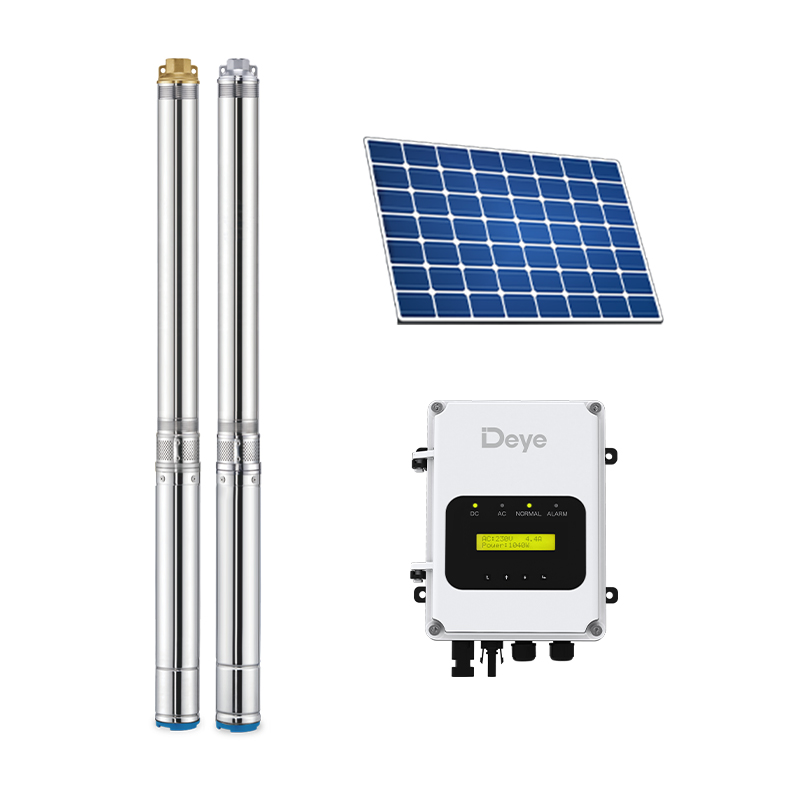
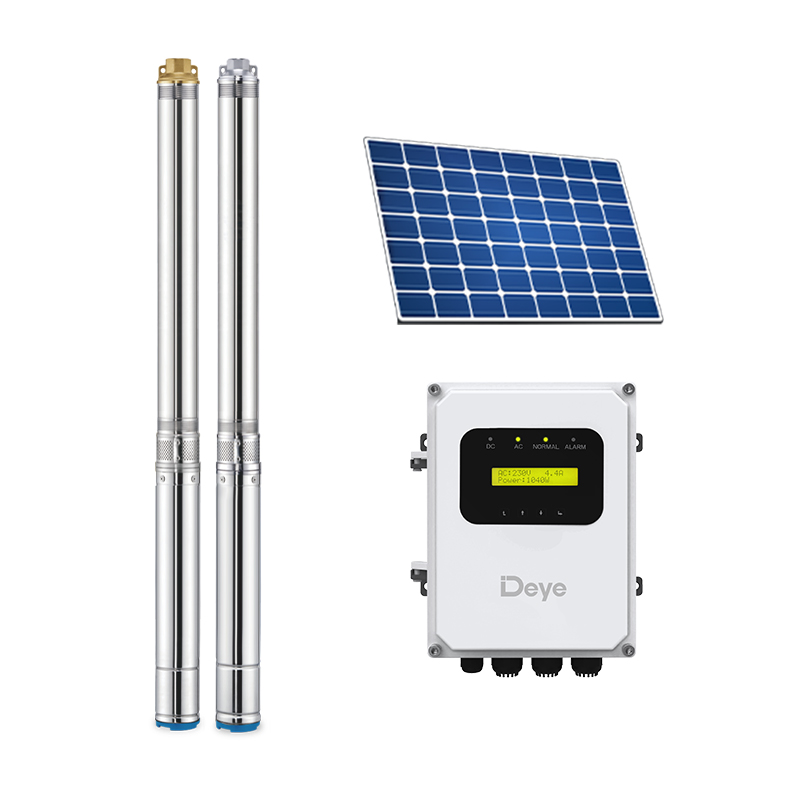
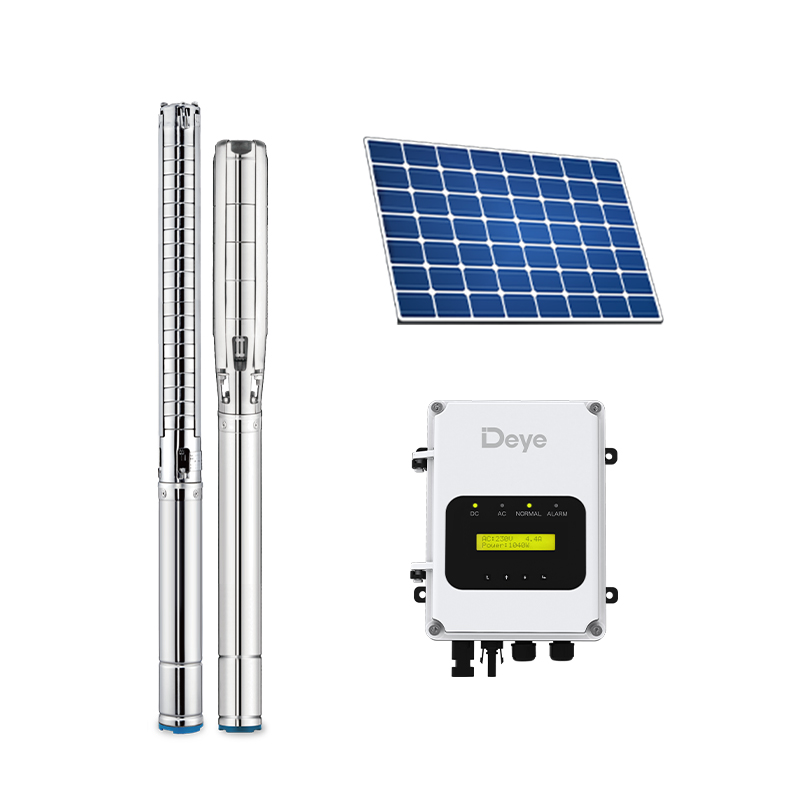
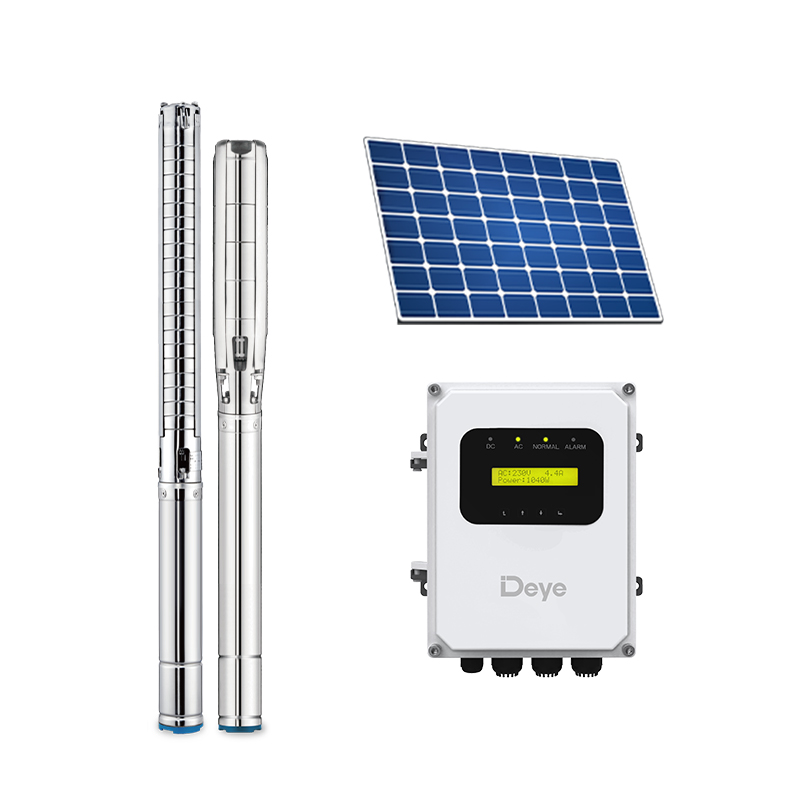
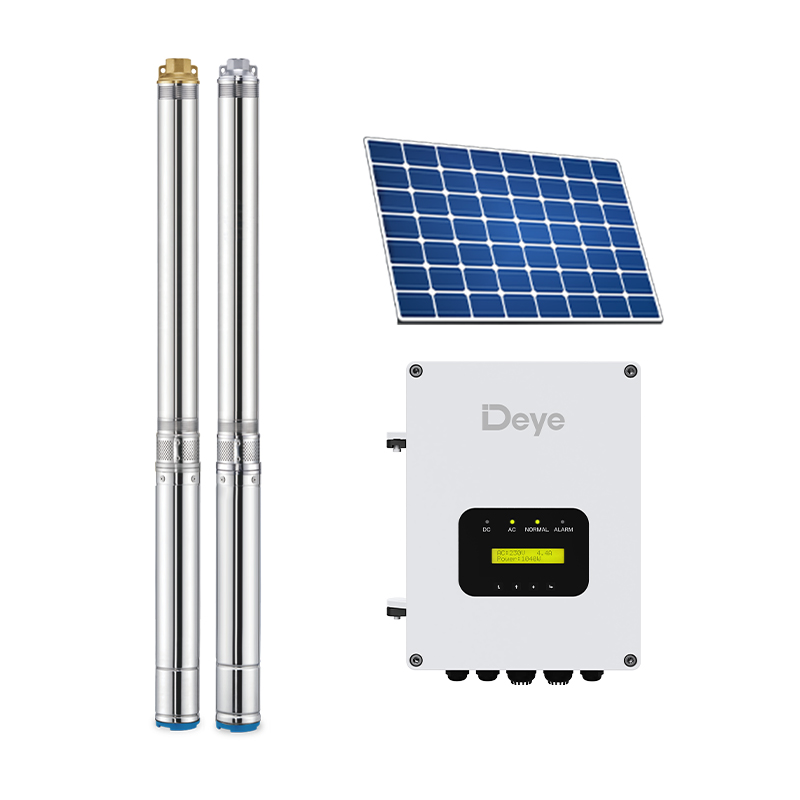
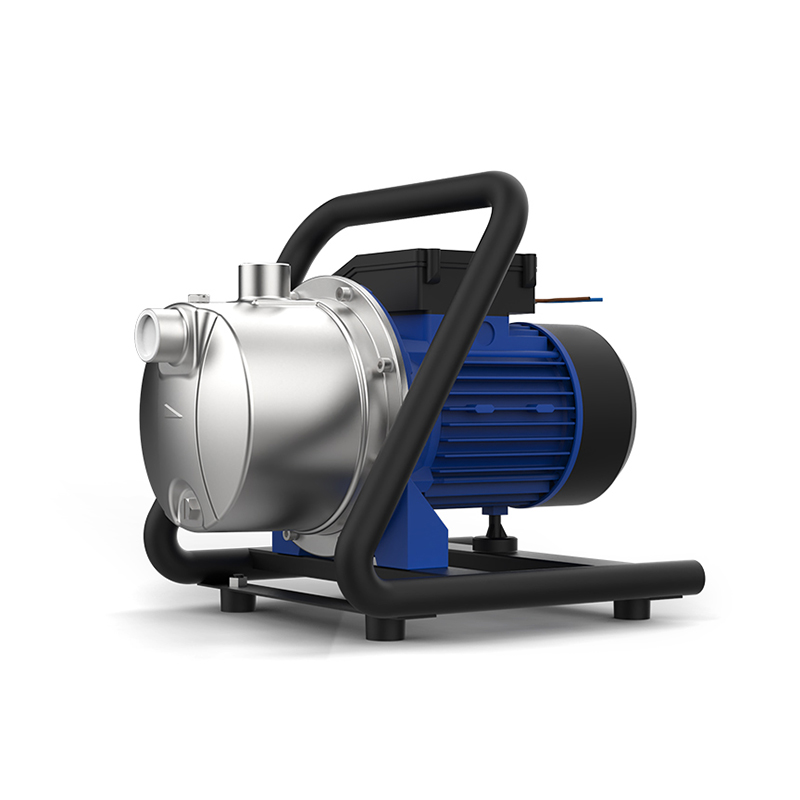
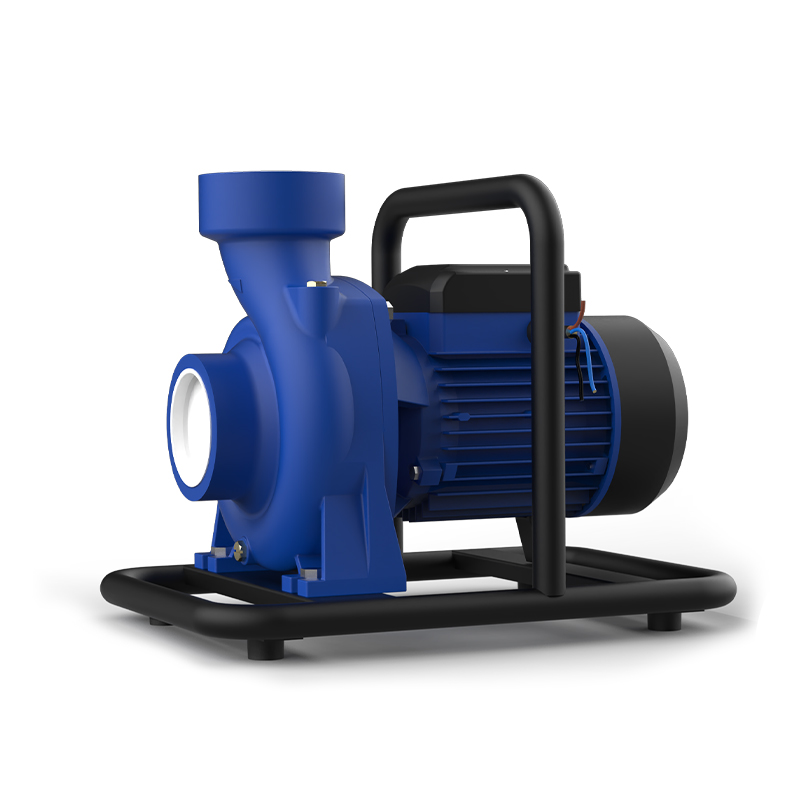
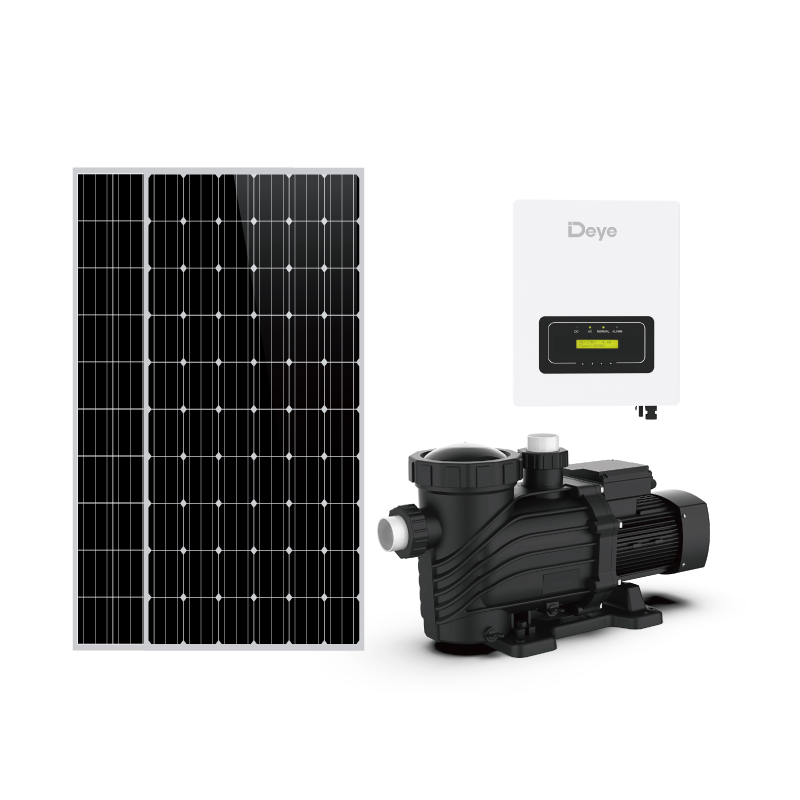
A converter changes AC power to DC power, while an inverter does the opposite — it changes DC power to AC power. Understanding this distinction matters whenever you're designing an off-grid energy system, choosing a solar water pump, or troubleshooting electrical equipment. Although the two devices are often confused, they serve fundamentally different roles in any power system.
The global power electronics market was valued at approximately USD 42.2 billion in 2023 and is projected to exceed USD 80 billion by 2032 (source: Grand View Research, 2024). Much of this growth is driven by renewable energy installations — including solar-powered irrigation and solar water pump systems — where both converters and inverters play critical roles.
content
- 1 What Is a Converter?
- 2 What Is an Inverter?
- 3 Converter vs. Inverter: Side-by-Side Comparison
- 4 How Converters and Inverters Work Together in a Solar Water Pump System
- 5 When Do You Need a Converter vs. an Inverter?
- 6 Hybrid Inverter-Converters: The Best of Both Worlds
- 7 Efficiency Comparison: How Much Energy Do You Lose?
- 8 Practical Sizing Tips for Solar Water Pump Systems
- 9 Frequently Asked Questions
- 9.1 Can a converter replace an inverter?
- 9.2 Is a solar charge controller a converter?
- 9.3 Do solar panels produce AC or DC?
- 9.4 Which is more efficient — a converter or an inverter?
- 9.5 What is a VFD and how does it relate to solar water pumps?
- 9.6 Does a battery pack include a converter or an inverter?
- 10 Conclusion
What Is a Converter?
A converter transforms electrical energy from one form to another — most commonly from alternating current (AC) to direct current (DC). This process is called rectification. You encounter converters every day: the brick-shaped charger for your laptop converts the 120 V / 230 V AC from your wall outlet into the lower-voltage DC your device needs.
How a Converter Works
Inside a converter, one or more rectifier circuits (typically using diodes or transistors) allow current to flow in only one direction, effectively "flipping" the negative halves of an AC sine wave. A smoothing capacitor then filters the resulting pulsed DC into a stable direct current. Modern switching-mode power supply (SMPS) converters operate at frequencies up to 100 kHz, enabling compact designs with efficiencies above 90% (source: IEEE Power Electronics Society, 2023).
Common Types of Converters
- AC-to-DC converter (rectifier): Powers DC devices from the grid — the most common type. Output voltages range from 3.3 V (microcontrollers) to 800 V (EV charging).
- DC-to-DC converter (buck/boost): Steps voltage up or down while keeping the current DC. Used extensively in solar charge controllers and solar water pump controllers to match panel voltage to battery voltage.
- AC-to-AC converter (cycloconverter): Changes frequency or voltage of an AC supply. Used in large industrial variable-speed motor drives.
What Is an Inverter?
An inverter converts DC power — from batteries, solar panels, or fuel cells — into AC power that can run standard household appliances or feed electricity back into the grid. The name comes from the fact that it "inverts" the direction of current flow rapidly and repeatedly to simulate an alternating current waveform.
How an Inverter Works
An inverter uses high-speed transistors (typically MOSFETs or IGBTs) to switch DC current on and off at 50 Hz or 60 Hz — the frequency of standard AC power. A pulse-width modulation (PWM) circuit controls the switching pattern to approximate a sine wave. High-quality pure-sine-wave inverters achieve total harmonic distortion (THD) below 3%, compared to modified-sine-wave units which can exceed 25% THD (source: National Renewable Energy Laboratory, 2022).
Common Types of Inverters
- Pure sine wave inverter: Produces a clean waveform identical to grid power. Required for sensitive electronics, AC motors, and variable-frequency drives. Efficiency typically 93–97%.
- Modified sine wave inverter: Produces a stepped approximation. Costs 30–50% less but can damage motors, cause buzzing in audio equipment, and reduce appliance efficiency by up to 20%.
- Grid-tie (string) inverter: Converts solar panel DC output to grid-synchronized AC. The most widely deployed type for rooftop solar installations worldwide.
- Microinverter: Mounted directly on each solar panel for panel-level optimization. Reduces system losses caused by shading by up to 25% compared to string inverters (source: EnergySage, 2023).
- Variable frequency drive (VFD) inverter: Used inside solar water pump controllers to vary motor speed, improving efficiency across different irradiance levels.
Converter vs. Inverter: Side-by-Side Comparison
| Feature | Converter | Inverter |
|---|---|---|
| Primary function | AC to DC (rectification) or DC to DC (regulation) | DC to AC (inversion) |
| Input power | AC (from grid or generator) | DC (from battery, solar panel, or fuel cell) |
| Output power | DC (stable regulated voltage) | AC (50 Hz or 60 Hz sine wave) |
| Typical efficiency | 85–93% (linear); 90–96% (switching) | 93–97% (pure sine wave) |
| Key components | Diodes, capacitors, transformers, regulators | MOSFETs/IGBTs, PWM controller, output transformer |
| Solar application | Charge controller, DC-DC boost for MPPT | Grid-tie inverter, battery backup, solar water pump drive |
| Cost range | $5–$500 (consumer); $500–$5,000 (industrial) | $100–$2,000 (residential); $2,000–$50,000 (commercial) |
| Reversible? | No (one direction per design) | Some bidirectional models exist (battery inverter-chargers) |
Table 1: Converter vs. inverter — key technical and practical differences. Cost ranges sourced from industry surveys (IRENA, 2024).
How Converters and Inverters Work Together in a Solar Water Pump System
In a solar water pump system, both devices are often used simultaneously — the converter manages panel-to-battery DC power flow, while the inverter drives the pump motor with AC power. Understanding their individual roles helps you size each component correctly and maximize system efficiency.
A typical off-grid solar water pump installation consists of:
- Solar panels — generate variable DC output (typically 18–48 V per panel, 100–400 W each)
- MPPT charge controller (DC-DC converter) — boosts or bucks panel voltage to optimal battery charging voltage with up to 30% more energy harvest than PWM controllers (source: Solar Energy Industries Association, 2023)
- Battery bank — stores energy for pumping during low-light periods
- Solar pump inverter (VFD type) — converts battery or panel DC to variable-frequency AC to run the pump motor at variable speeds
- AC pump motor — the load, typically rated 0.37–22 kW for agricultural and domestic applications
According to the International Renewable Energy Agency (IRENA, 2023), there are more than 4 million solar water pumps deployed globally, with the market growing at a CAGR of 7.9% through 2030. The inverter inside the solar water pump controller is the most cost-sensitive component, typically representing 15–25% of total system cost.
DC Solar Water Pumps vs. AC Solar Water Pumps
DC solar water pumps run directly from panel or battery DC output, eliminating the need for an inverter; AC solar water pumps require an inverter but are more powerful and widely available.
| Parameter | DC Solar Water Pump | AC Solar Water Pump |
|---|---|---|
| Power range | 0.1–3 kW | 0.37–22+ kW |
| Inverter needed? | No | Yes (VFD inverter) |
| Converter needed? | Yes (MPPT charge controller) | Yes (MPPT charge controller or built-in) |
| Best for | Small domestic, livestock watering, drip irrigation | Large farms, community water supply, flood irrigation |
| System complexity | Low | Medium to high |
| Typical cost premium | Lower upfront | Higher upfront, lower per-kWh at scale |
Table 2: DC vs. AC solar water pump — converter and inverter requirements. Data sourced from IRENA Solar Pumping for Water Supply Report, 2023.
When Do You Need a Converter vs. an Inverter?
Choose a converter when your load requires DC power; choose an inverter when your load requires AC power from a DC source. In many real-world systems — especially solar installations — you need both.
Use a Converter When:
- Charging lithium-ion or lead-acid batteries from the grid (AC to DC)
- Running a DC solar water pump from a battery bank (DC-to-DC step-down)
- Powering LED lighting, sensors, or control boards in an off-grid system
- Maximizing solar panel output with an MPPT controller (DC-DC boost converter)
- Supplying 12 V or 24 V DC accessories from a 48 V battery system
Use an Inverter When:
- Running an AC solar water pump motor from solar panels or batteries
- Feeding solar-generated electricity back to the utility grid
- Powering household appliances (refrigerators, fans, TVs) during a grid outage
- Driving variable-speed AC motors with a VFD inverter for energy-efficient operation
- Running power tools in a remote location where only DC batteries are available
Hybrid Inverter-Converters: The Best of Both Worlds
Modern hybrid inverter-chargers combine an inverter and a converter in a single unit, allowing bidirectional power flow between the grid, battery, and solar panels. These all-in-one systems are increasingly popular in both residential solar storage and agricultural solar water pump installations.
Key features of hybrid inverter-converters include:
- Grid charging (converter mode): Charges the battery from grid AC at night or during off-peak tariff periods.
- Solar storage (MPPT + inverter mode): Converts solar panel DC to battery DC, then inverts stored energy to AC on demand.
- Grid export (inverter mode): Sends excess energy to the grid, earning feed-in tariff revenue.
- Backup (UPS mode): Switches from grid to battery in under 20 milliseconds — fast enough to protect sensitive electronics.
According to Wood Mackenzie (2024), global shipments of hybrid inverters surpassed 12 GW in 2023 and are expected to grow at 18% CAGR through 2028, reflecting increasing demand from combined solar-storage-pumping applications.
Efficiency Comparison: How Much Energy Do You Lose?
Every conversion step wastes some energy as heat, so minimizing the number of conversion stages improves overall system efficiency. In a solar water pump system, efficiency losses compound across each stage.
| Component | Typical Efficiency | Energy Loss Per 1 kWh |
|---|---|---|
| MPPT DC-DC converter | 97–99% | 10–30 Wh |
| Lead-acid battery (round-trip) | 75–85% | 150–250 Wh |
| Lithium battery (round-trip) | 92–98% | 20–80 Wh |
| Pure sine wave inverter | 93–97% | 30–70 Wh |
| Modified sine wave inverter | 80–88% | 120–200 Wh |
| Full system (MPPT + Li battery + pure sine inverter) | ~87–94% | 60–130 Wh |
Table 3: Energy losses per 1 kWh across common power conversion stages. Sources: NREL, 2022; Battery University, 2023.
This is why DC solar water pump systems — which skip the inverter entirely — can achieve end-to-end efficiencies up to 8% higher than equivalent AC systems on small-scale installations. However, for pumping depths exceeding 30 meters or flow rates above 5 m³/hour, the power advantages of AC motors outweigh the efficiency penalty of adding an inverter.
Practical Sizing Tips for Solar Water Pump Systems
Always size the inverter to handle the pump motor's starting surge current, which can be 5–7 times the running current for induction motors.
- Inverter sizing rule: For a 1.5 kW AC pump motor, select an inverter rated at minimum 2.5–3 kW continuous to safely handle startup surges. Soft-start VFD inverters reduce this surge by up to 60%, allowing smaller inverter ratings.
- Converter (MPPT) sizing rule: The MPPT controller's maximum input voltage must exceed the solar array's open-circuit voltage (Voc) at the coldest expected temperature. A safety margin of 20% is recommended (source: National Electrical Code, Article 690).
- Cable losses: Every 1% voltage drop in DC wiring represents a 1% power loss. For a 48 V system, a 1 V drop equals 2.1% loss — size cables to keep total DC wiring losses below 2%.
- Temperature derating: Inverters and converters lose efficiency at high ambient temperatures. Most devices derate output by 2.5% per degree Celsius above 40°C — important for outdoor installations in warm climates.
Frequently Asked Questions
Can a converter replace an inverter?
No. A converter produces DC output, not AC. If your appliance or solar water pump motor requires AC power, you need an inverter. The two devices are not interchangeable.
Is a solar charge controller a converter?
Yes — an MPPT solar charge controller is a DC-to-DC converter. It steps the higher panel voltage down to the battery charging voltage while maximizing power harvest. A PWM controller is a simpler switching regulator rather than a true converter, and it is less efficient when panel voltage significantly exceeds battery voltage.
Do solar panels produce AC or DC?
Solar panels produce DC. A grid-tie inverter is required to convert this DC into the AC that your home or the utility grid uses. If you're running a DC solar water pump directly from the panels — without batteries — no inverter is needed, though you will still benefit from an MPPT converter for maximum power.
Which is more efficient — a converter or an inverter?
Both modern converters and inverters achieve efficiencies above 95% when properly sized. MPPT converters often reach 98–99% efficiency, while high-quality pure sine wave inverters reach 96–97%. Modified sine wave inverters are noticeably less efficient at 80–88% and should be avoided in solar water pump systems to prevent motor overheating.
What is a VFD and how does it relate to solar water pumps?
A variable frequency drive (VFD) is a specialized type of inverter that can vary the output frequency and voltage to control the speed of an AC motor. In a solar water pump system, the VFD inverter throttles the pump speed in proportion to available solar irradiance, improving efficiency by up to 30% compared to fixed-speed operation on a standard inverter (source: ABB Technical Application Papers, 2022).
Does a battery pack include a converter or an inverter?
A battery pack itself contains neither — it is purely a storage device. However, a battery energy storage system (BESS) intended for home use typically includes a built-in bidirectional inverter-converter, which charges the battery from the grid or solar (converter mode) and discharges it to power AC loads (inverter mode).
Conclusion
The core difference is direction: a converter turns AC into DC, while an inverter turns DC into AC. In any solar energy system — especially a solar water pump installation — understanding this distinction helps you select the right equipment, size it correctly, and avoid costly mistakes.
For small domestic pumping needs, a DC solar water pump paired with an MPPT converter is the most efficient and cost-effective solution. For large-scale agricultural applications, an AC solar water pump driven by a VFD inverter offers greater power, flexibility, and compatibility with standard motor infrastructure. Hybrid inverter-converter systems bridge both worlds and are increasingly the go-to choice for modern off-grid and grid-tied solar installations.
As renewable energy costs continue to fall — solar module prices have dropped over 90% since 2010 (source: BloombergNEF, 2024) — the economic case for solar water pump systems using optimized converters and inverters has never been stronger. Matching the right conversion technology to your specific power requirements is the single most impactful design decision you can make.