

 русский
 Français
 Español
 عربى
عربى Deutsch
 Português
 italiano
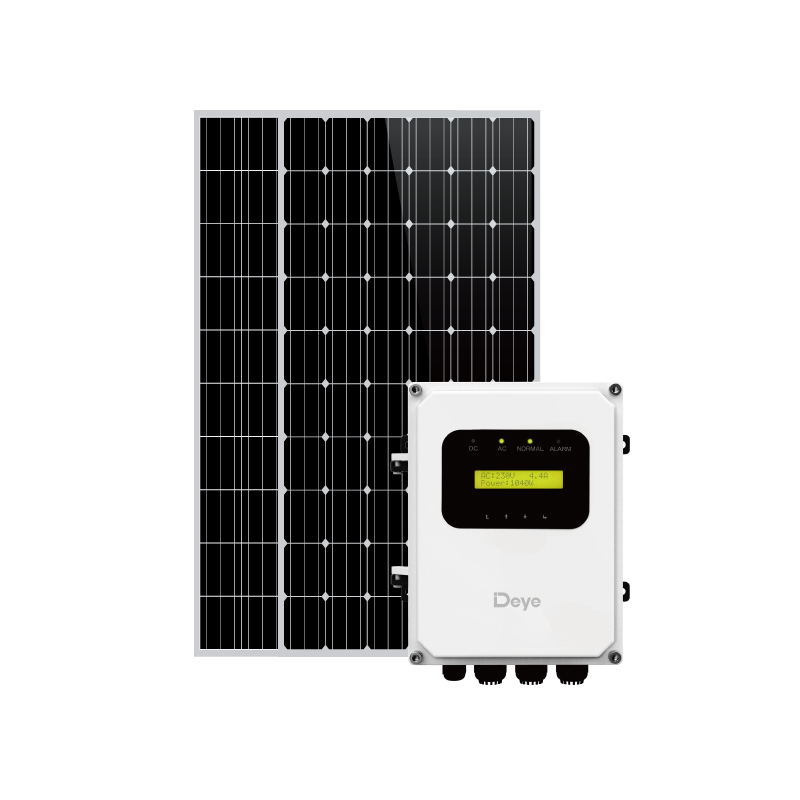
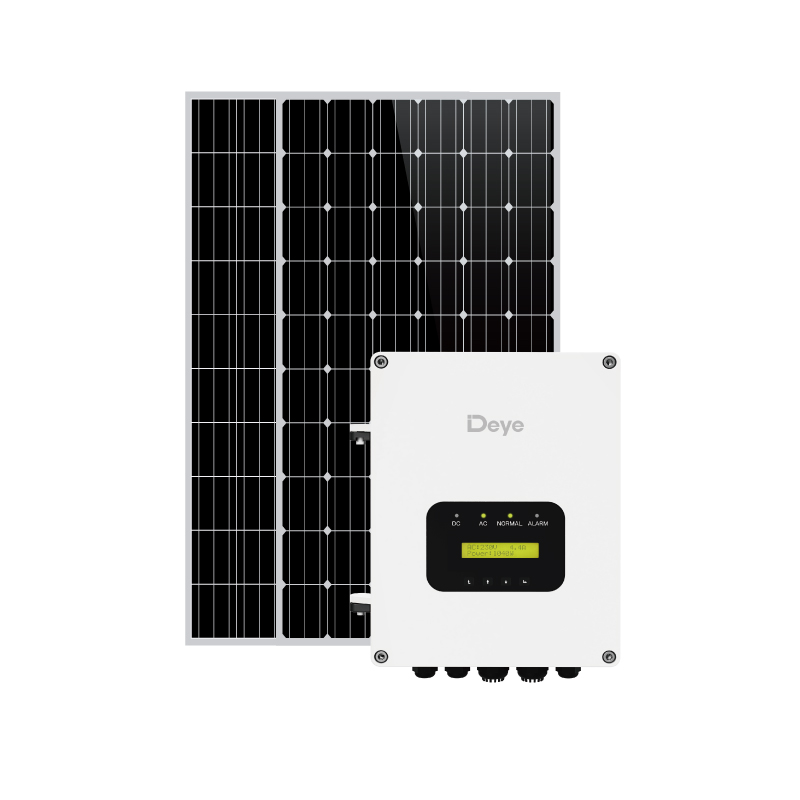
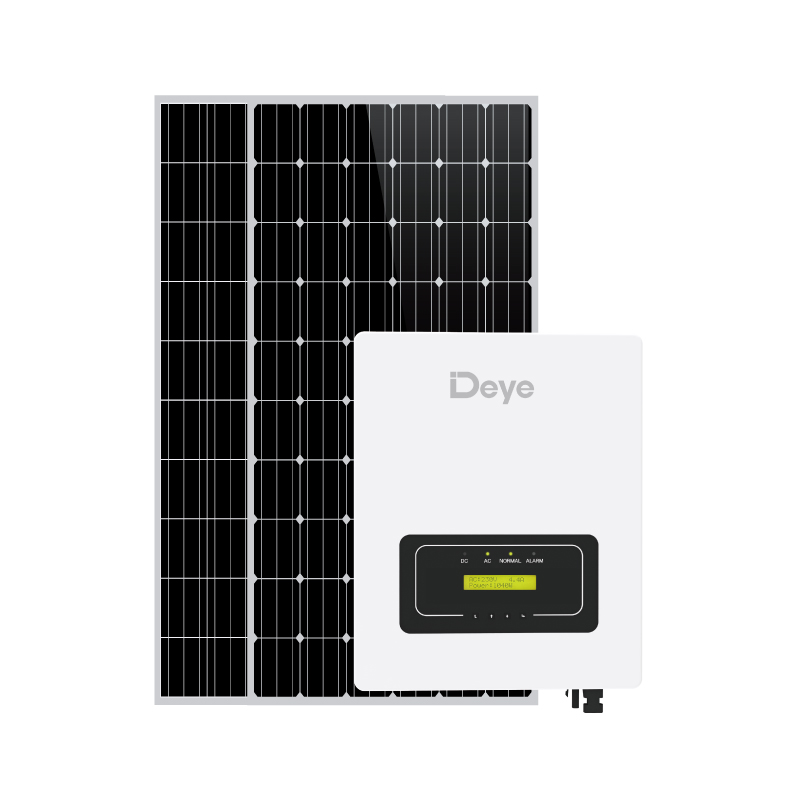
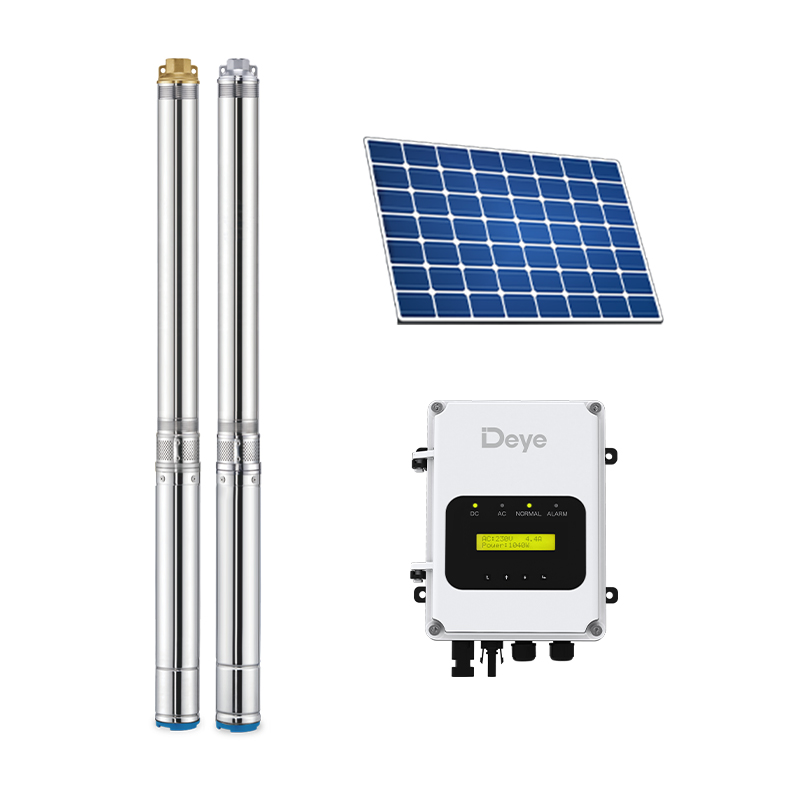
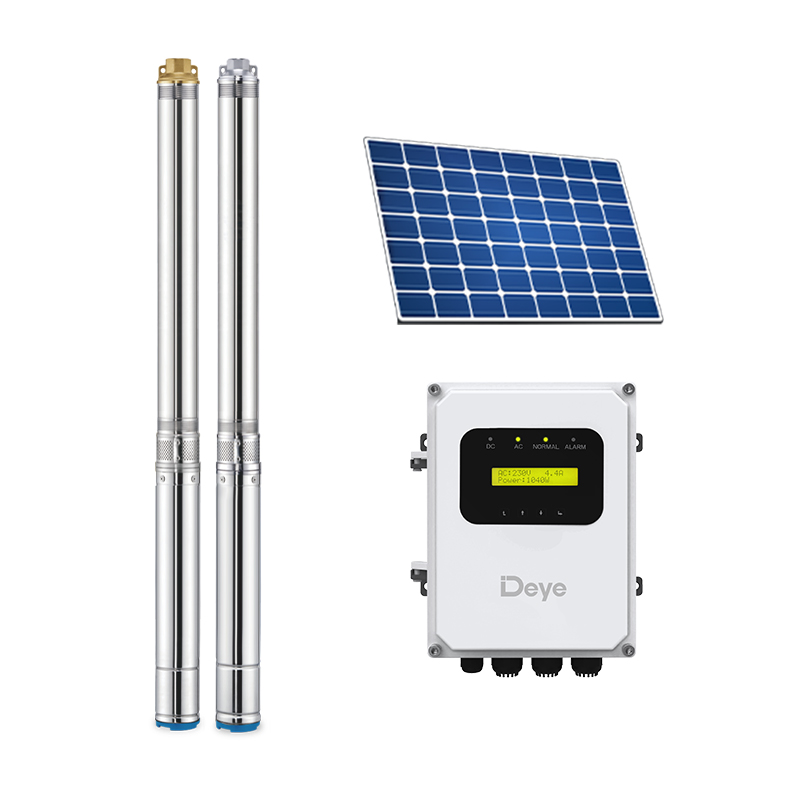
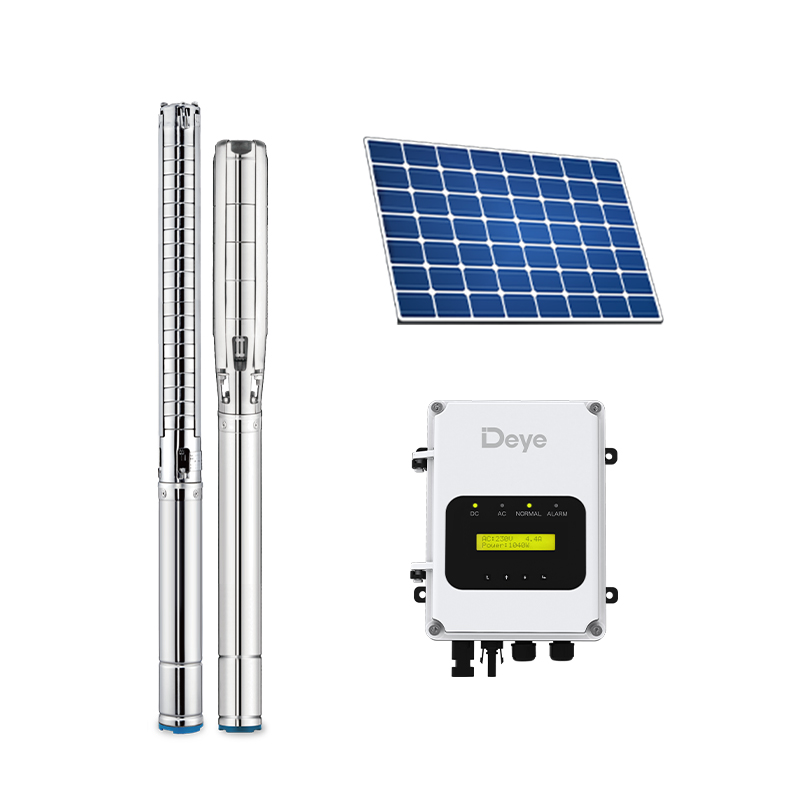
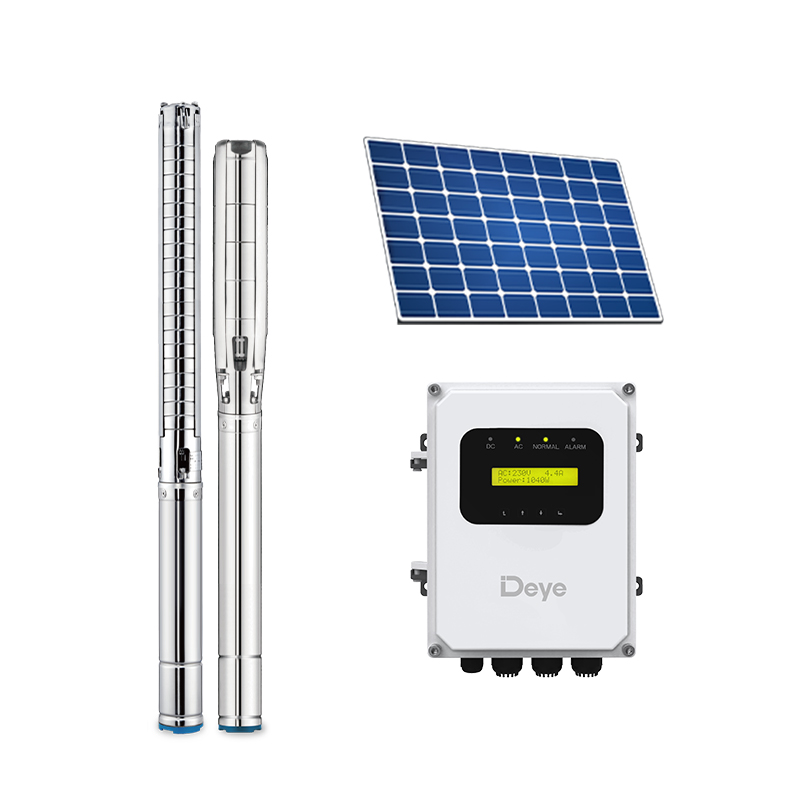
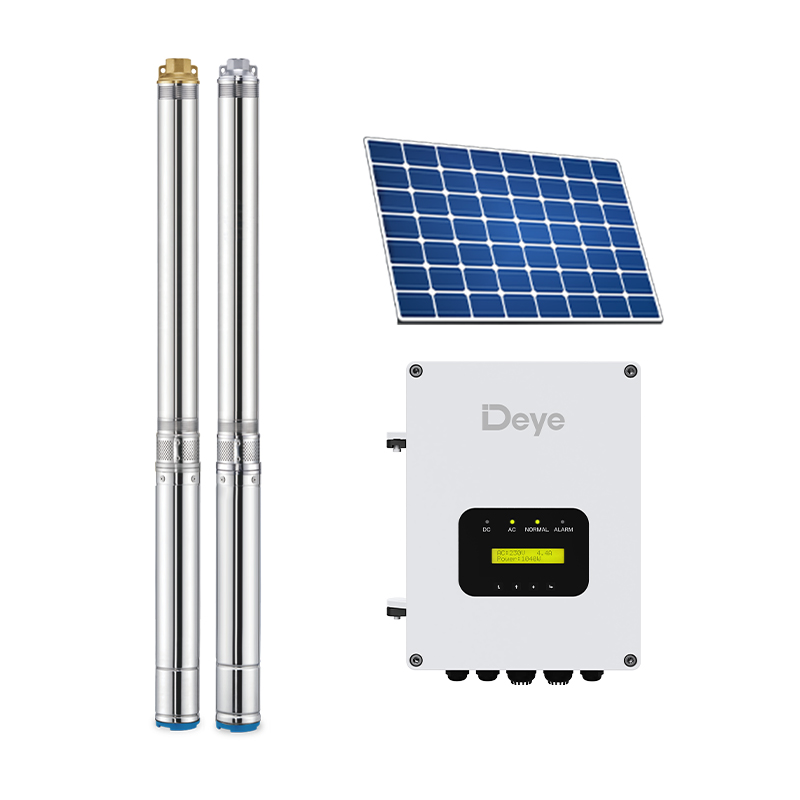
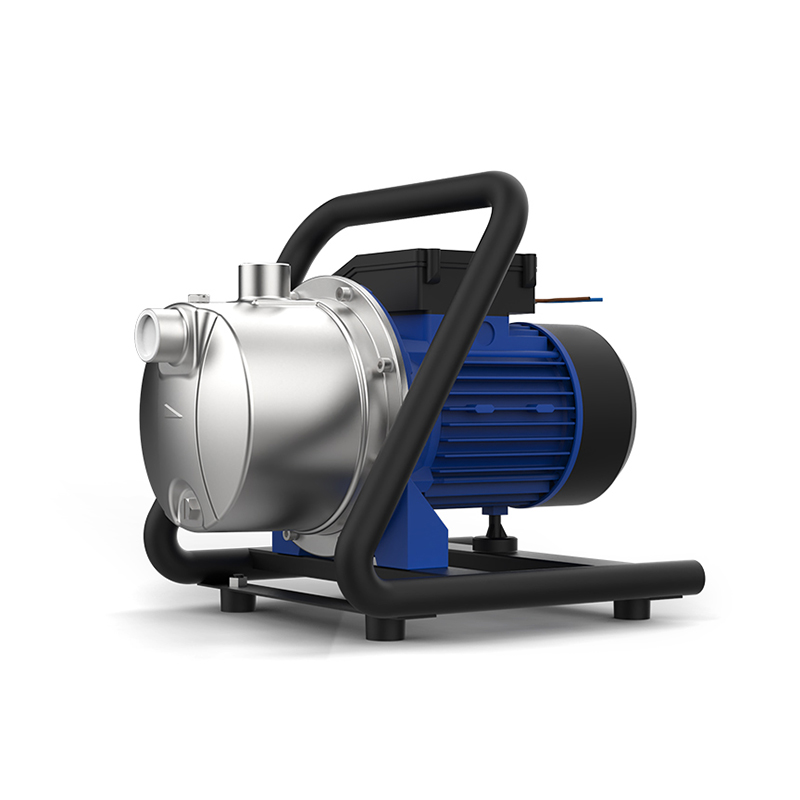
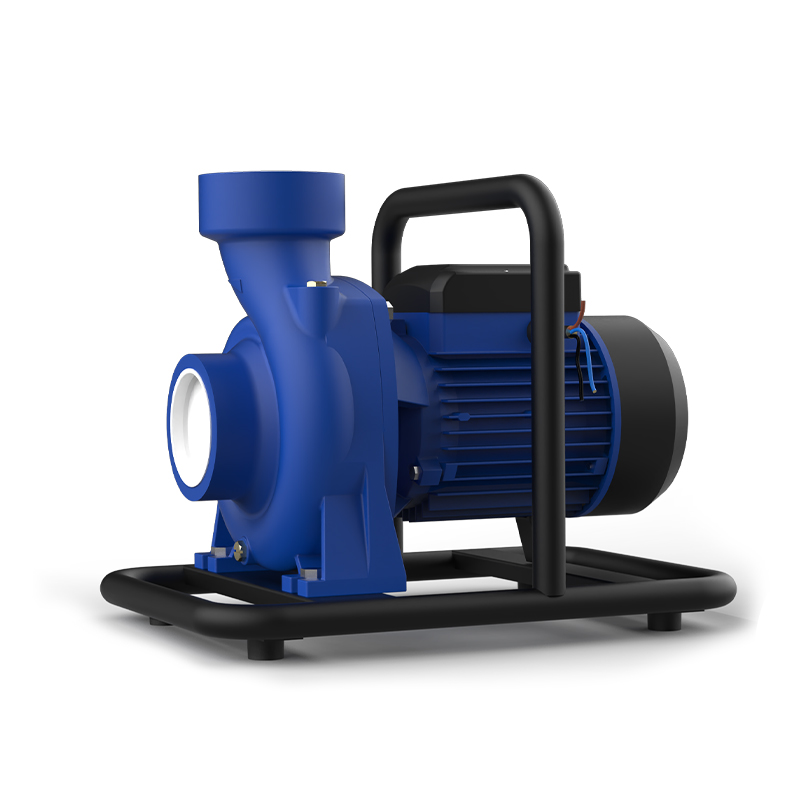
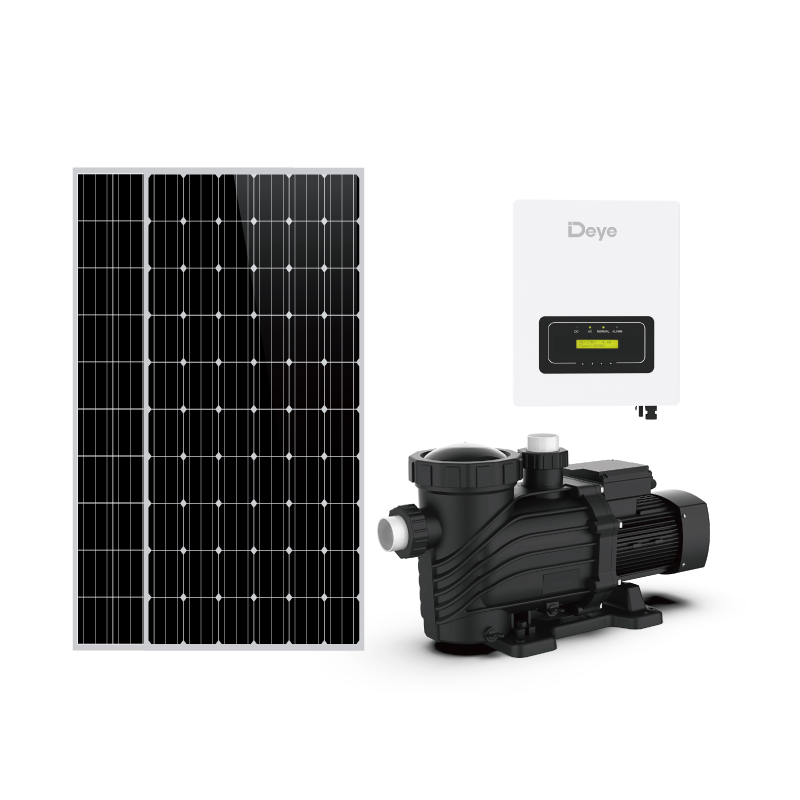
The best solar powered water pump for most users is a brushless DC submersible pump paired with a dedicated solar panel rated between 50W and 200W, depending on flow rate and lift height requirements. For irrigation and livestock watering, a surface solar pump with 100W to 300W input handles the majority of off-grid farm applications. For deep wells exceeding 30 meters, a solar-powered submersible borehole pump with MPPT (Maximum Power Point Tracking) controller is the only reliable choice. The right pump depends on your water source depth, required flow rate, available sunlight hours, and whether battery backup is needed.
The global solar powered water pump market reached USD 1.95 billion in 2023 and is projected to grow at a compound annual growth rate (CAGR) of 7.8 percent through 2030, according to Grand View Research. This growth is driven by falling solar panel costs, rising electricity prices, and increasing demand for off-grid water solutions in agriculture, remote properties, and developing regions where grid access is unreliable or prohibitively expensive.
Whether you are looking to irrigate a garden, supply water to a remote cabin, pump from a pond for livestock, or lift water from a deep borehole, a solar water pump system can eliminate electricity bills entirely for this one critical function. This guide breaks down every pump type, key specifications, what to look for, and how to match the right solar pump to your specific application.
content
- 1 How a Solar Powered Water Pump System Works
- 2 Types of Solar Powered Water Pumps: Which One Fits Your Application?
- 3 Key Specifications to Evaluate When Choosing the Best Solar Water Pump
- 4 Which Solar Water Pump Is Best for Each Application?
- 5 What to Look for in the Best Solar Powered Water Pump
- 6 How to Size a Solar Panel Array for a Water Pump
- 7 Solar Pump with Battery Storage vs. Direct Solar (No Battery): Which Is Better?
- 8 Installation Tips for Maximum Solar Water Pump Performance
- 9 Frequently Asked Questions: Best Solar Powered Water Pumps
- 10 Conclusion: Choosing the Best Solar Powered Water Pump for Your Situation
How a Solar Powered Water Pump System Works
A solar powered water pump converts sunlight directly into DC electricity via photovoltaic (PV) panels, which powers a pump motor without the need for grid electricity or fuel. The system operates on the principle that pump output tracks available solar energy: flow rate increases in bright midday sun and decreases during overcast conditions or near sunrise and sunset.
A complete solar pump system consists of the following components:
- Solar panels (PV array): Monocrystalline panels are most efficient (20 to 23 percent efficiency) and are standard in quality solar pump kits. Polycrystalline panels are less expensive but slightly less efficient (15 to 17 percent).
- Solar pump controller: Regulates voltage and current between the panels and the pump motor. MPPT controllers extract up to 30 percent more energy from the panel array compared to simpler PWM (Pulse Width Modulation) controllers, especially under partial shading or variable irradiance conditions.
- Pump motor and pump head: The motor converts electrical energy to mechanical rotation. Brushless DC (BLDC) motors are standard in modern solar pumps because they eliminate brush wear, reduce maintenance, and achieve efficiencies of 85 to 92 percent compared to 65 to 75 percent for brushed DC motors.
- Storage tank or battery bank (optional): A storage tank above the pump outlet stores water during peak sun hours for use at night or during cloudy periods. Battery storage adds cost but enables operation in darkness and provides buffer against weather variability.
- Float switches and dry-run protection: Quality systems include float switches to stop pumping when the storage tank is full, and dry-run protection sensors to shut down the pump if the water source drops below the pump inlet, preventing motor burnout.
Types of Solar Powered Water Pumps: Which One Fits Your Application?
Solar water pumps fall into four main categories based on installation method and application, and selecting the correct type is the single most important decision in designing a reliable solar pump system.
1. Solar Submersible Pumps
Solar submersible pumps are the most versatile and widely used type, suitable for wells, boreholes, tanks, cisterns, and ponds where the pump motor and impeller are fully submerged in the water source. Because the motor is water-cooled by its surrounding environment, submersible pumps can run for extended periods without overheating, making them ideal for continuous solar-powered operation.
Key specifications for solar submersible pumps:
- Shallow well submersible (0 to 10 meters depth): Typically 12V or 24V DC, 30W to 150W solar input, flow rates of 1 to 10 liters per minute. Best for garden ponds, rain barrels, and shallow dug wells.
- Deep well submersible borehole pump (10 to 100+ meters depth): Operates at 48V to 120V DC or 220V AC (via solar inverter), requiring 200W to 1,500W solar array. Designed with a slim cylindrical profile (typically 4-inch or 6-inch diameter) to fit standard borehole casings. Total head ratings of 50 to 200 meters are common.
- Motor protection: Look for IP68 waterproof rating (submersible to more than 3 meters indefinitely), stainless steel 304 or 316 housing for corrosion resistance in mineral-rich groundwater, and thermal overload protection.
2. Solar Surface Pumps
Solar surface pumps are installed above ground and draw water from an open source (pond, stream, tank, or shallow well) via a suction pipe, making them easier to install and service than submersible models but limited to suction lifts of 7 to 8 meters due to atmospheric pressure constraints.
Surface solar pumps are the preferred choice for irrigation from ponds or rivers, livestock water supply from surface water sources, and transferring water between storage tanks. They are typically self-priming centrifugal or positive displacement designs powered by 100W to 400W solar panels. Because the motor is above ground and air-cooled, ambient temperature matters: performance can decrease by 5 to 10 percent for every 10 degrees Celsius above 25 degrees Celsius (standard test condition temperature).
3. Solar Fountain and Feature Pumps
Solar fountain pumps are small, low-power decorative or aerating pumps designed for garden ponds, bird baths, and water features, operating directly from a small solar panel without a controller or battery. They are the simplest and least expensive category of solar pump (typically $15 to $80 complete), but flow rate is directly tied to instantaneous sunlight intensity, meaning the fountain slows or stops when clouds pass.
For applications requiring aeration (garden ponds, fish tanks, aquaculture), solar aerator pumps push air rather than water and are highly efficient at maintaining dissolved oxygen levels using only 5W to 30W of solar power.
4. Solar Booster Pumps
Solar booster pumps increase water pressure in an existing piped system, replacing or supplementing a pressure tank and pressure switch assembly in off-grid homes or remote buildings that have gravity-fed water storage but insufficient pressure for showers, appliances, or drip irrigation.
A solar booster pump is installed inline in the water supply pipe and activates on demand when flow is detected. It operates at 24V or 48V DC from a small solar panel or battery, boosting pressure from the 5 to 10 psi of gravity feed to the 30 to 50 psi required for normal domestic fixtures. Power consumption is typically 60W to 200W, making them compatible with a single 100W to 200W panel or a small battery bank.
Key Specifications to Evaluate When Choosing the Best Solar Water Pump
Five technical specifications determine whether a solar pump can meet your application requirements: total head, flow rate, solar panel wattage, operating voltage, and motor type. Understanding these before purchasing prevents the most common mistake: buying a pump that cannot deliver the required water volume at the available head pressure.
| Specification | What It Means | Why It Matters | Typical Range |
|---|---|---|---|
| Total Head (meters) | Vertical lift from water source to discharge point, plus friction losses in pipe | A pump with insufficient head rating will not deliver water to your storage point | 3m (garden) to 200m (deep borehole) |
| Flow Rate (L/hr or GPH) | Volume of water delivered per hour at a specified head | Determines daily water output: 6 peak sun hours x flow rate = daily liters | 20 L/hr (fountain) to 20,000 L/hr (agricultural) |
| Solar Panel Wattage (W) | Power input required to run the pump at rated performance | Undersized panels reduce flow; oversized panels waste money but cause no harm | 5W (fountain) to 3,000W (large borehole) |
| Operating Voltage (V) | DC voltage at which the pump motor is designed to operate | Panel array must be wired to match pump voltage; mismatches damage the controller | 12V, 24V, 48V DC or 220V AC via inverter |
| Motor Type | Brushless DC (BLDC) vs brushed DC vs AC induction motor | BLDC motors last 5 to 10 times longer than brushed motors with minimal maintenance | BLDC preferred; AC possible with solar inverter |
| Controller Type | MPPT vs PWM solar charge/pump controller | MPPT extracts up to 30% more power in variable light conditions | MPPT recommended for all systems above 100W |
Which Solar Water Pump Is Best for Each Application?
Matching the pump type and specification to the specific application is the most important factor in getting reliable, efficient performance from a solar pumping system.
| Application | Best Pump Type | Recommended Solar Input | Typical Daily Output | Battery Needed? | Approx. System Cost |
|---|---|---|---|---|---|
| Garden irrigation (small) | Submersible or surface, 12V/24V | 30W to 80W | 500 to 2,000 L | Optional | $80 to $300 |
| Livestock watering (farm) | Surface pump or shallow well submersible | 100W to 300W | 3,000 to 10,000 L | Recommended | $300 to $800 |
| Deep borehole well (20 to 80m) | Deep well submersible, MPPT controller | 300W to 800W | 5,000 to 20,000 L | Optional (tank storage preferred) | $600 to $2,500 |
| Remote off-grid household | Submersible or booster with battery bank | 200W to 600W | 4,000 to 15,000 L | Yes (24/7 demand) | $1,000 to $4,000 |
| Agricultural irrigation (large field) | High-flow surface or submersible, 3-phase AC | 1,000W to 5,000W+ | 50,000 to 200,000 L | Usually no (daytime irrigation) | $2,000 to $20,000+ |
| Garden pond or water feature | Solar fountain or small submersible | 5W to 30W | Continuous flow during daylight | No (decorative use) | $15 to $120 |
What to Look for in the Best Solar Powered Water Pump
Beyond basic specifications, seven quality and reliability factors distinguish a solar pump that will last 10 or more years from one that fails within the first year of outdoor use.
1. MPPT Controller Integration
An integrated MPPT solar pump controller is the most impactful performance upgrade in a solar pump system, delivering up to 30 percent more daily water output compared to a basic direct-connect or PWM controller. MPPT technology continuously calculates the optimal operating point of the solar array and adjusts the voltage and current delivered to the motor accordingly, maximizing energy extraction in all light conditions including partial cloud cover and early morning or late afternoon low-angle sun.
For deep well applications where every liter of water per day matters, MPPT is essential. A 300W solar array paired with an MPPT controller in a location with 5 peak sun hours per day will deliver approximately 1,500 Wh of energy to the pump motor, compared to approximately 1,050 to 1,200 Wh with a PWM controller. Over a 30-day month, this difference can represent thousands of additional liters of water delivered.
2. Brushless DC Motor (BLDC)
Brushless DC motors are the clear choice for any solar pump expected to run reliably for more than 2 years, offering motor lifespans of 20,000 to 30,000 hours compared to 1,000 to 3,000 hours for brushed DC motors. BLDC motors have no physical brushes that wear against the commutator, eliminating the primary failure mode of brushed motors. The motor speed is electronically controlled by the pump controller, which also enables soft-start functionality that reduces mechanical stress on the pump impeller and motor shaft at startup.
In agricultural and livestock applications where the pump may run 6 to 10 hours per day for years at a time, the difference between a brushless and brushed motor determines whether the system operates for one season or for a decade.
3. Stainless Steel and Food-Grade Materials
For any application involving drinking water for humans or livestock, the pump housing, impeller, and all water-contact components must be made from stainless steel 304 or 316, or certified food-grade plastic, to prevent contamination and corrosion.
Grade 316 stainless steel offers superior resistance to chloride corrosion compared to 304, making it the preferred material for pumps used in coastal areas or with water sources that have elevated mineral or salt content. Pump housings made from ABS plastic are acceptable for garden and non-potable water applications but should not be used for drinking water supplies due to leaching risk over time in warm conditions.
4. Dry-Run Protection and Float Switch Compatibility
Dry-run protection is essential for solar submersible pumps because solar-powered systems run unattended, and a pump that continues operating after the water source drops below the inlet will burn out its motor within minutes.
Quality solar pump controllers incorporate dry-run detection via flow sensors or current monitoring: if the motor current drops below a threshold indicating no-load (no water resistance), the controller shuts down the pump and waits a preset period before restarting. Float switches in the storage tank connected to the pump controller prevent overflow and allow fully automatic operation without human intervention.
5. IP Rating and Waterproofing
For submersible applications, a minimum IP68 rating (dustproof and capable of continuous immersion at specified depth and pressure) is required, while surface pumps and controllers installed outdoors need at least IP55 (dustproof and protected against water jets).
Solar pump controllers are frequently installed outdoors near the panel array, exposing them to rain, condensation, and temperature extremes. An IP65-rated enclosure for the controller (sealed against dust and low-pressure water jets from any direction) is the minimum acceptable for outdoor controller installations. Many lower-cost pump kits supply an IP44-rated controller that will fail if exposed to rain during typical outdoor installation.
How to Size a Solar Panel Array for a Water Pump
Correctly sizing the solar panel array is essential to achieving the daily water output your application requires while avoiding unnecessarily oversizing the system and wasting budget on excess panel capacity.
Follow this three-step sizing process:
- Determine your daily water requirement. Calculate the total liters per day needed for irrigation, livestock, or household use. Example: 50 cattle at 50 liters per head per day equals 2,500 liters per day required.
- Find your peak sun hours (PSH). PSH varies from 3.5 to 4 hours in northern European climates to 6 to 7 hours in arid subtropical regions. The National Renewable Energy Laboratory (NREL) provides free solar resource maps for accurate PSH data by location.
- Calculate required flow rate and panel wattage. Divide daily water requirement by PSH to get required liters per hour. Then select a pump that achieves that flow rate at your site's total head, and size the panel array to the pump's rated power input. Add a 20 to 25 percent safety margin for panel degradation, dust losses, and below-peak operating days.
Example calculation: 2,500 liters per day divided by 6 PSH equals 417 liters per hour required flow rate. A pump rated at 500 L/hr at the required head would meet this need. If the pump is rated at 200W input, the panel array should be 200W multiplied by 1.25 (safety factor) equals 250W minimum installed capacity.
Solar Pump with Battery Storage vs. Direct Solar (No Battery): Which Is Better?
For most agricultural and irrigation applications, a direct-solar pump system pumping into a storage tank is more reliable, lower cost, and lower maintenance than a battery-backed solar pump system, but battery storage is necessary for 24-hour household water demand.
| Factor | Direct Solar Pump (Tank Storage) | Solar Pump with Battery Bank |
|---|---|---|
| Upfront cost | Lower | Higher (batteries add 30 to 70% to system cost) |
| Maintenance | Very low (no batteries to service) | Battery replacement every 3 to 7 years (lead-acid) or 8 to 12 years (lithium) |
| 24-hour operation | No (pumps only during daylight) | Yes (draws from battery at night) |
| Cloudy day performance | Reduced flow; tank provides buffer | Battery maintains output for 1 to 3 cloudy days |
| System complexity | Simple (panel, controller, pump, tank) | Complex (adds battery bank, charge controller, inverter if AC pump) |
| Best application | Irrigation, livestock, farm water supply | Off-grid homes, clinics, constant-demand facilities |
Installation Tips for Maximum Solar Water Pump Performance
Correct installation practices can improve daily water output by 15 to 30 percent and extend pump life significantly compared to common installation shortcuts.
- Panel tilt angle: Mount solar panels at an angle equal to your latitude for maximum annual energy yield. In a location at 30 degrees latitude, a 30-degree tilt from horizontal captures approximately 15 percent more annual solar energy than a flat (0 degree) installation, according to NREL solar resource data.
- Panel orientation: Face panels due south in the northern hemisphere and due north in the southern hemisphere. Even 20 degrees of deviation from true south reduces annual output by 5 to 7 percent.
- Wire sizing: Use wire sized to keep voltage drop below 3 percent on the panel-to-controller run. Undersized wire causes resistive losses that reduce pump output and generate heat in the cable. For runs exceeding 10 meters, increase wire gauge by one step from the minimum calculated size.
- Submersible pump depth: Install the pump at least 1 meter above the bottom of the well to avoid pumping sediment, and at least 2 meters below the static water level to ensure the pump remains submerged during drawdown. Consult a hydrogeologist or well driller for the dynamic water level of your specific borehole before specifying submergence depth.
- Pipe sizing: Use the largest practical pipe diameter for the delivery line to minimize friction head losses. For every 10 percent increase in pipe diameter, friction losses drop by approximately 40 percent. A 1-inch pipe carries roughly four times the flow of a half-inch pipe at the same friction loss per meter.
- Panel cleaning: Dust and bird droppings can reduce solar panel output by 10 to 25 percent in arid or rural environments. Monthly cleaning with a soft cloth and water maintains rated panel output. According to a study published in the journal Solar Energy, uncleaned panels in dusty environments lose an average of 1.1 percent of output per day of soiling.
Frequently Asked Questions: Best Solar Powered Water Pumps
Conclusion: Choosing the Best Solar Powered Water Pump for Your Situation
The best solar powered water pump is the one correctly matched to your water source depth, required daily volume, site solar resource, and budget — there is no single universally best pump.
For shallow wells and pond irrigation under 10 meters deep, a 12V or 24V brushless DC submersible pump with a 50W to 150W panel is the most cost-effective and practical solution. For livestock and farm water supply from surface sources, a self-priming solar surface pump with 100W to 300W input delivers sufficient daily volume for most small to medium operations. For deep boreholes from 20 to 100 meters, a purpose-designed solar borehole pump with MPPT controller and stainless steel housing is the only reliable long-term option.
In every case, specify a brushless DC motor, an MPPT controller, dry-run protection, and an appropriate IP rating for the installation environment. Size the solar panel array with a 20 to 25 percent safety margin above the pump's rated power input, and invest in a properly sized storage tank to buffer variability in daily sunlight.
With these principles in place, a solar water pump system will deliver free, reliable water pumping for 10 to 20 years with minimal maintenance — representing one of the most economically and environmentally sound investments available for off-grid water supply at any scale.