

 русский
 Français
 Español
 عربى
عربى Deutsch
 Português
 italiano
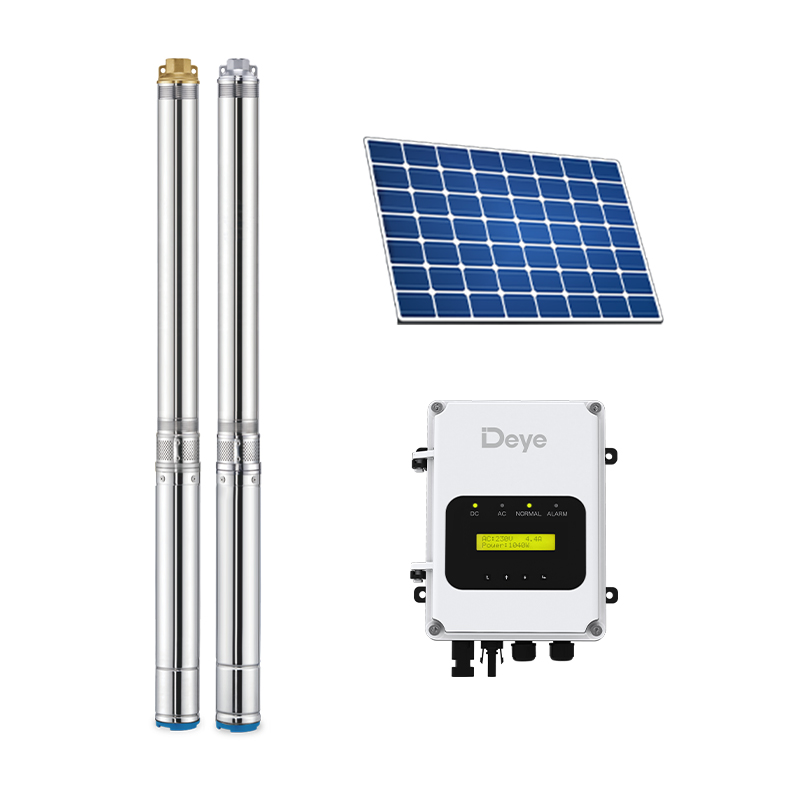
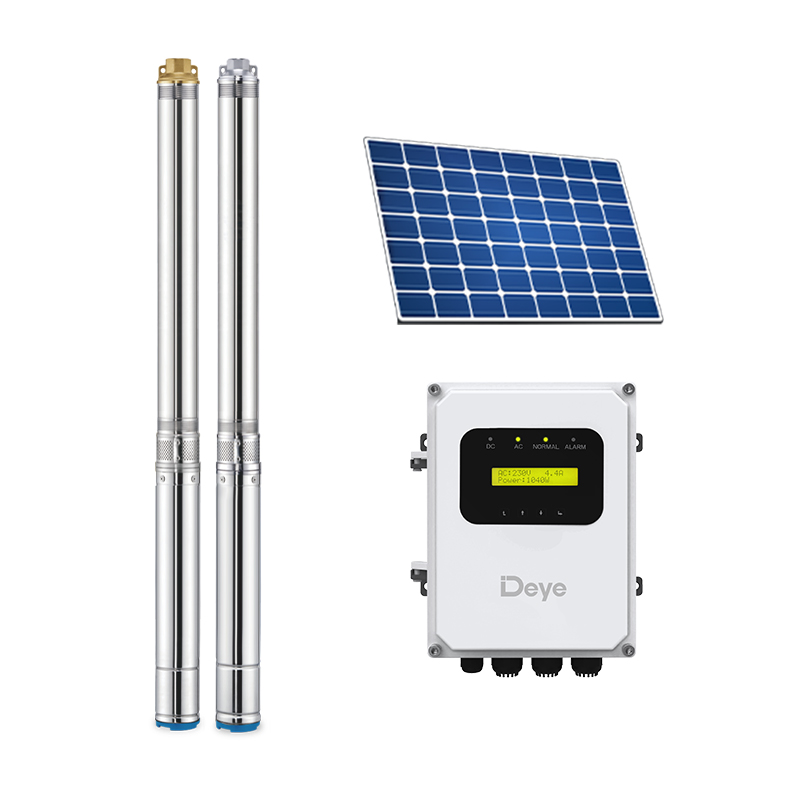
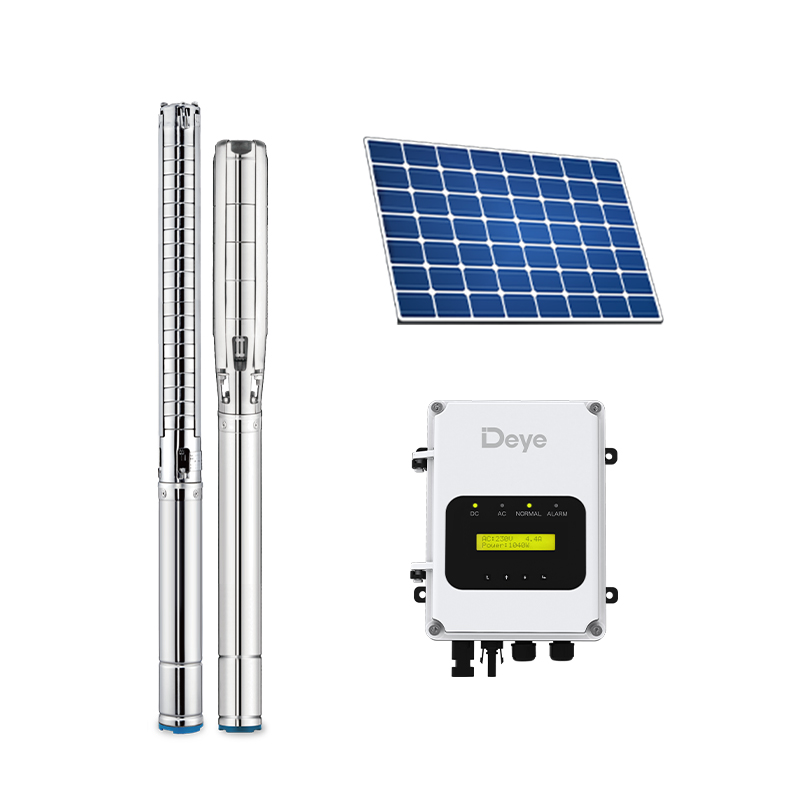
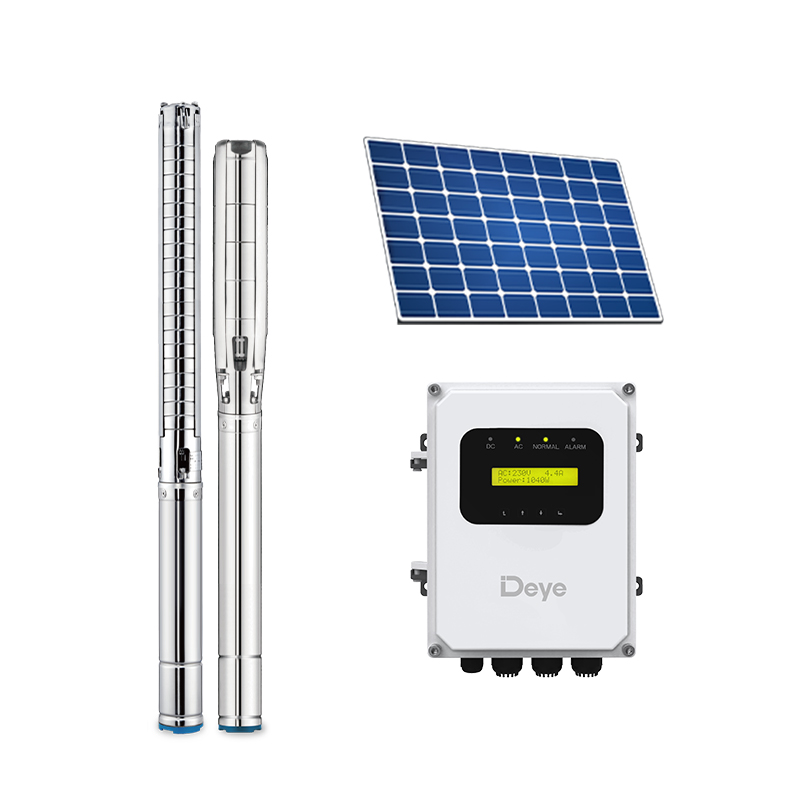
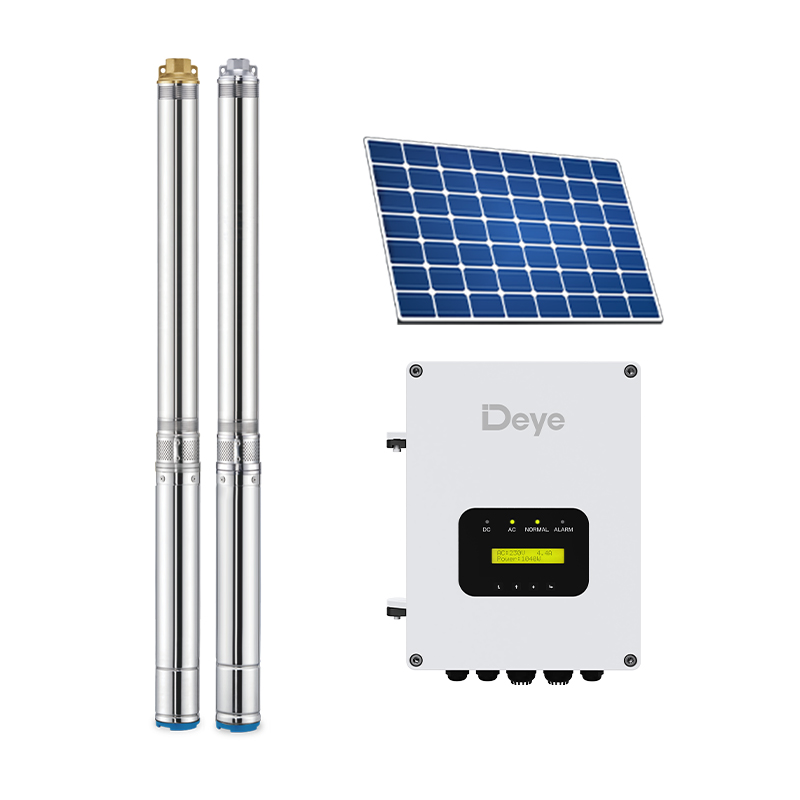
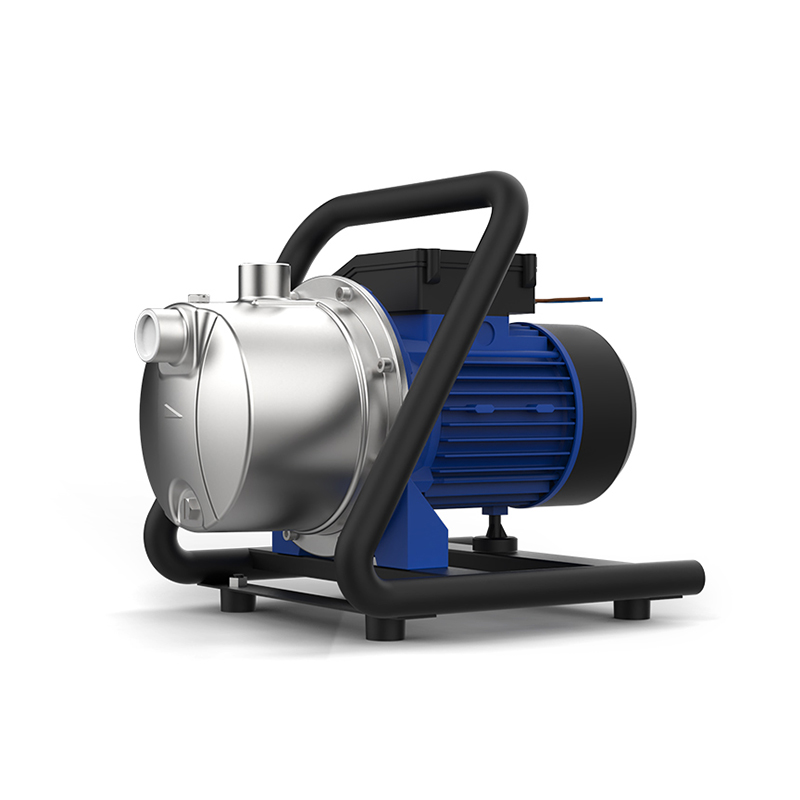
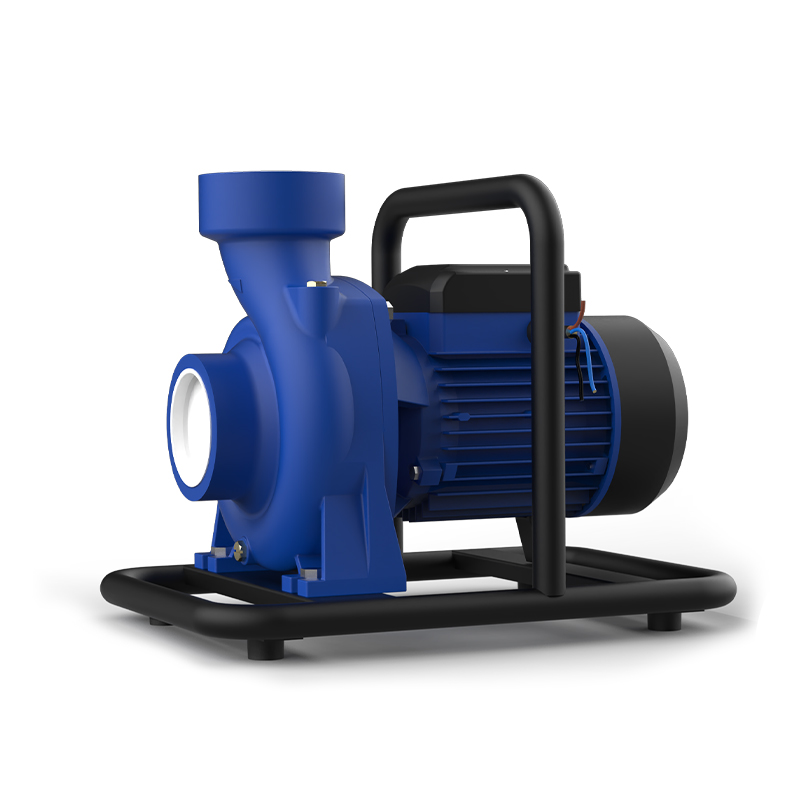
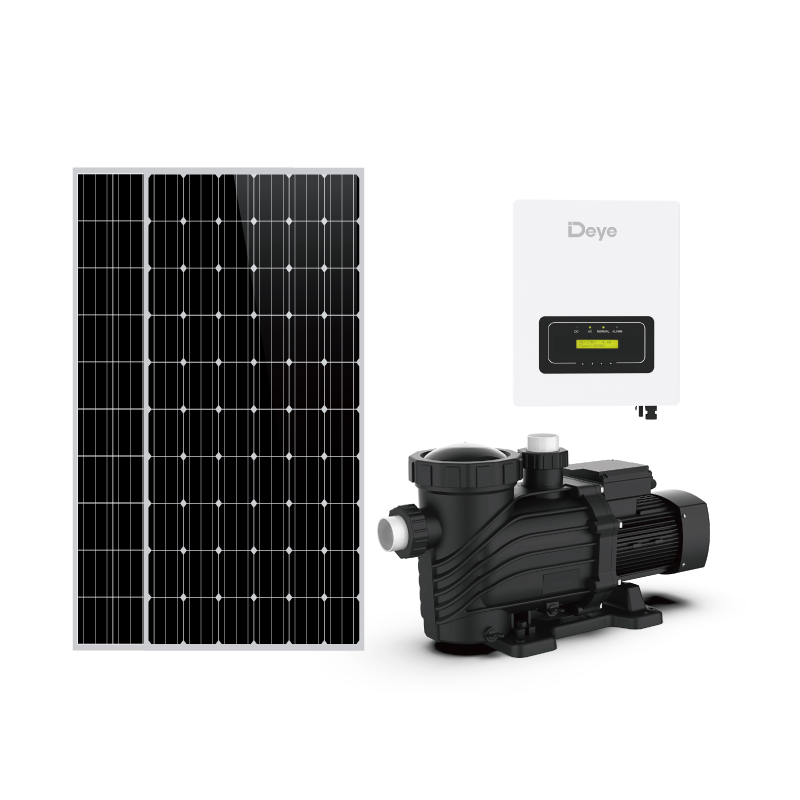
To size a well pump correctly, match the pump’s flow rate in gallons per minute (GPM) and pressure capacity to your household’s peak water demand, the total well depth, and the static water level. For a typical three- to four-bedroom home with standard fixtures, a submersible pump delivering 10 to 15 GPM with ½ to 1 horsepower will often meet the need, but the precise figure must be calculated from your specific well data. A well pump is the mechanical device that lifts groundwater from an aquifer and delivers it under pressure to your plumbing system, and choosing the wrong size leads to pressure drops, short cycling, or premature motor failure.
content
- 1 1. Determine Your Well Depth and Static Water Level
- 2 2. Calculate Your Peak Household Water Demand in GPM
- 3 3. Match the Pump Type to Your Well Conditions
- 4 4. Read the Pump Curve: Horsepower, Head, and Flow
- 5 5. Factor in the Pressure Tank and Switch Settings
- 6 6. Account for Friction Loss, Elevation, and Future Growth
- 7 7. Sizing for Irrigation and Specialty Uses
- 8 8. Data-Driven Checklist for Final Selection
- 9 9. Energy Efficiency and Long‑Term Operating Cost
- 10 Frequently Asked Questions About Well Pump Sizing
- 10.1 Can a well pump be too big for my well?
- 10.2 What happens if I install a pump that is too small?
- 10.3 Is a submersible pump always better than a jet pump?
- 10.4 How do I measure my well's recovery rate at home?
- 10.5 Does altitude affect well pump sizing?
- 10.6 What size well pump do I need for a tiny home or off‑grid cabin?
- 10.7 Should I upgrade my pump when adding a water treatment system?
- 11 Bringing It Together: From Numbers to a Decision
1. Determine Your Well Depth and Static Water Level
The first non‑negotiable factor in well pump sizing is the vertical distance the pump must lift water, measured as total well depth and the static water level. The total depth is the distance from ground surface to the bottom of the well, while the static water level is the depth to the top of the water column when the well is at rest. These two numbers define how much work the pump must do before water ever reaches the pressure tank.
According to the National Ground Water Association, residential wells in the United States typically range from 100 to 800 feet deep. A jet pump, whether shallow‑well or deep‑well, can lift water from depths up to about 25 feet (shallow‑well jet) or 120 feet (deep‑well jet with an ejector). Beyond that depth, a submersible pump is required. Submersible pumps can operate in wells several hundred feet deep, with models commonly rated for depths of 100 ft, 200 ft, 400 ft, and beyond. The deeper the well, the higher the horsepower and the more staging required to push water to the surface.
Your well driller’s completion report or a simple measurement with a weighted line will give you these numbers. If the static water level is 80 feet and the pump is set at 160 feet, the pump must overcome that 80‑foot lift plus friction loss in the piping. Even a pump with a high GPM rating will underperform if it lacks the total dynamic head capability required for your well.
2. Calculate Your Peak Household Water Demand in GPM
The minimum flow rate your pump must deliver is determined by the highest simultaneous water usage your household is likely to experience during a typical day. Peak demand, not total daily gallons, governs well pump size. The U.S. Geological Survey estimates indoor domestic water use at roughly 82 gallons per person per day, but momentary draw can easily exceed 12 GPM when multiple fixtures run at once.
To compute peak GPM, list every fixture that could be operated at the same time and its flow rate. Modern fixtures carry flow labels, but you can rely on benchmark values from the EPA WaterSense program and standard plumbing code data.
| Fixture or Appliance | Typical Flow Rate (GPM) |
|---|---|
| Showerhead (WaterSense) | 2.0 – 2.5 |
| Bathroom faucet | 1.5 – 2.2 |
| Kitchen faucet | 2.2 |
| Toilet (flush cycle) | 3.0 – 5.0 (short duration) |
| Washing machine | 3.5 – 5.0 |
| Dishwasher | 1.5 – 2.0 |
| Outdoor hose bib | 5.0 – 10.0 |
| Lawn irrigation zone | 10.0 – 20.0 |
Example scenario: a four‑person home where one shower (2.5 GPM), the washing machine (4.0 GPM), a kitchen faucet (2.2 GPM), and a toilet (3.0 GPM) run simultaneously reaches a peak of 11.7 GPM. Adding a second bathroom or a lawn sprinkler pushes the requirement to 15‑18 GPM. If your well pump cannot sustain that combined flow, pressure will sag and fixtures will starve. Always select a pump with a rated GPM that exceeds your calculated peak by 10‑20% to handle unseen spikes and future additions.
Indoor-Only Demand
For a home with efficient fixtures, the recommended pump GPM is 8–12. A ½ HP submersible can often handle this band in wells up to 200 feet.
Indoor + Irrigation
When an irrigation system runs alongside household use, peak demand often reaches 15–25 GPM. A 1 HP or larger pump with adequate staging is necessary.
Large Property / Multi-Family
Properties with multiple dwellings, barns, or extensive turf demand can exceed 30 GPM. Sizing here often requires a constant pressure system and professional hydraulic analysis.
3. Match the Pump Type to Your Well Conditions
Once you know depth and demand, you must pick the pump technology that fits your well configuration. The major categories are shallow‑well jet pumps, deep‑well jet pumps, and submersible pumps, and the choice directly impacts what size well pump you need because each type has hard depth limits and efficiency curves.
| Pump Type | Depth Limit | Typical Horsepower Range | Ideal Application |
|---|---|---|---|
| Shallow‑well jet | Up to 25 ft | ½ – 1 HP | Cottages, high water table |
| Deep‑well jet | 25 – 120 ft | ½ – 1.5 HP | Moderate depths, above‑ground maintenance |
| Submersible | 100 – 800+ ft | ½ – 5 HP | Deep wells, high efficiency, quiet operation |
Jet pumps create suction and are mounted above ground, which makes them easier to service but limits lift. Submersible pumps, placed underwater inside the well casing, push water upward and can handle far greater depths and higher flow demands without losing prime. For wells 100 feet or deeper, submersibles are the standard because they avoid the energy losses associated with suction lift and ejector systems. A ½ HP submersible at a 200‑foot setting can typically deliver around 10–12 GPM, while a 1 HP unit may sustain 15–18 GPM at the same depth. The exact curve varies by pump design, but these benchmarks help you start the selection.
4. Read the Pump Curve: Horsepower, Head, and Flow
A pump’s performance curve, a graph of flow (GPM) versus total dynamic head (feet), is the ultimate truth behind well pump size. Horsepower alone is not a sizing shortcut; two 1 HP pumps from different series can deliver radically different GPM at the same depth.
Total dynamic head (TDH) is the sum of the vertical lift from the pumping water level to the pressure tank, plus friction losses in pipes and fittings, plus the pressure head required at the tank (typically 40–60 psi, which equals 92–138 feet of head). If your static water level is 100 feet, the pump is set at 140 feet, and you need 50 psi (115 ft head) at the tank, the TDH can approach 255 feet before friction. The pump must sit on a curve point that supplies your desired GPM at that TDH.
Chart: Generalized guideline showing the horsepower commonly needed for submersible pumps at different setting depths to deliver 10‑15 GPM. Actual selection must follow the manufacturer's published curve.
A pump operating too far to the right on its curve (high flow, low head) will cavitate. One pinned to the left (low flow, high head) will cycle rapidly and waste energy. Always pick a pump whose best efficiency point sits near your calculated TDH and peak GPM. If your demand varies widely, consider a variable‑speed constant‑pressure system that adjusts motor speed in real time. That choice alters the effective size requirement because the pump can ramp up or down, often allowing a smaller physical unit to serve a wider operating range.
5. Factor in the Pressure Tank and Switch Settings
The pressure tank and its cut‑in/cut‑out settings influence the effective well pump size by defining how long the pump runs and how often it cycles. A standard residential setting is 40/60 psi (cut‑in at 40, cut‑out at 60). That 20 psi differential determines the drawdown available from the pressure tank before the pump restarts. If the tank is undersized relative to the pump’s flow, the motor will short‑cycle, overheating and shortening service life.
Industry guidance from the Water Systems Council recommends a pump runtime of at least one minute per cycle to allow proper motor cooling. For a pump delivering 12 GPM, that means the tank must provide at least 12 gallons of drawdown. In practice, a 32‑ or 44‑gallon total capacity tank is typical for a mid‑sized home. When you increase pump GPM without upsizing the tank, cycling accelerates. Conversely, a larger tank can smooth out a slightly oversized pump, but it cannot compensate for a flow rate that consistently fails to meet demand. Always pair the pump and tank as a system.
6. Account for Friction Loss, Elevation, and Future Growth
Friction loss inside pipes and elevation changes between the well and the farthest fixture add hidden load that directly raises the required pump head. For a typical 1‑inch polyethylene service line running 200 feet at 12 GPM, friction loss is around 12–15 feet of head, according to standard hydraulic tables. If the home sits on a hill 30 feet above the wellhead, that elevation adds another 30 feet of static head. Ignoring these factors can lead to selecting a pump that tests fine at the tank but delivers weak flow at the second‑floor shower.
Building for future water needs is a practical part of sizing. Adding a guest bathroom, an outbuilding, or a small irrigation zone can increase peak demand by 5–10 GPM. Many engineers recommend selecting a pump that meets today’s demand comfortably while having the head capacity to support minor expansions. A 1 HP pump may be only 20% more expensive than a ½ HP model, but if it prevents a complete replacement in five years, the upfront premium pays back. However, avoid gross oversizing; a 2 HP pump in a well that only needs 10 GPM will cycle fiercely, waste electricity, and can draw down the well faster than the aquifer recovers.
7. Sizing for Irrigation and Specialty Uses
When a well pump must supply both domestic water and a dedicated irrigation system, the size question shifts dramatically. A typical lawn sprinkler zone uses 10–15 GPM, and running even one zone alongside household fixtures can push peak demand above 20 GPM. If the well’s sustainable yield (the rate at which the aquifer can replenish) is lower than that combined flow, a large pump will simply pump the well dry. The U.S. Geological Survey notes that many residential wells have yields of 5–20 GPM, so a pump that pulls 25 GPM may exceed the aquifer’s capacity, causing air intake and pump damage.
In such cases, the right approach is to size the pump to the well yield, not just demand, and add a large intermediate storage tank with a booster pump for irrigation. A ½ HP pump filling a 300‑gallon cistern overnight can supply a high‑flow irrigation system that runs in short bursts. This decouples instantaneous well capacity from peak usage, allowing a smaller, affordable pump to serve a large property reliably.
Mistake 1: Guessing Based on Old Pump
Replacing a 20‑year‑old pump with the same horsepower label ignores changes in well performance and modern fixture efficiency. Measure depth and static level again.
Mistake 2: Ignoring Well Recovery Rate
A pump that out‑pumps the aquifer will break suction. Conduct a flow test or review the well log to know the safe yield in GPM before finalizing pump size.
Mistake 3: Skipping Friction Loss Calculation
Long pipe runs, elbows, and elevation add head that can erase a marginal pump’s capacity. Calculate TDH with a standard friction chart or consult a pump supplier.
8. Data-Driven Checklist for Final Selection
A disciplined list of measurements eliminates guesswork and ensures your well pump size matches real-world conditions. Before purchasing, gather these five data points.
- Total well depth and static water level – measured from the well cap.
- Well yield (recovery rate) – documented in the drill log or via a bucket test.
- Peak GPM demand – calculated by adding simultaneous fixture flows plus 15% margin.
- Total dynamic head – lift + friction + pressure head, using 0.433 psi per foot of elevation.
- Power availability – verify whether you have 115V, 230V, or three‑phase service and adequate breaker capacity.
With these numbers, compare pump curves and choose a model whose best efficiency window contains your operating point. A ½ HP submersible handling 10 GPM at 200 feet TDH will run continuously and efficiently in a well with a 12 GPM yield, while a 1 HP unit in the same well would cycle unnecessarily and draw down the water column faster. The goal is steady, cool operation within the manufacturer’s recommended flow range.
9. Energy Efficiency and Long‑Term Operating Cost
Correct sizing is also an energy decision. The U.S. Department of Energy notes that pumps account for a significant portion of residential well system electricity use. An oversized pump not only cycles more, which draws higher inrush current, but also operates away from its best efficiency point. Data from pump manufacturers indicate that a submersible pump running within its sweet spot can achieve wire‑to‑water efficiencies above 60%, while the same pump throttled or oversized may drop into the 40% range. Over 10,000 hours of operation, that difference can amount to hundreds of dollars in wasted electricity.
Selecting a unit that matches the well’s natural productivity and the home’s actual use pattern reduces kWh consumption and extends motor life. If the well can only sustain 8 GPM over extended periods, a pump that naturally cruises at 8 GPM is vastly more efficient than a 15 GPM pump forced to cycle on and off. Variable‑frequency drive systems improve part‑load efficiency further, but their higher upfront cost must be weighed against energy savings and pressure consistency.
Frequently Asked Questions About Well Pump Sizing
Can a well pump be too big for my well?
Yes. A pump that exceeds the well’s sustainable yield will draw the water level down to the pump intake, causing cavitation, air locking, and motor burnout. An oversized pump also short‑cycles against the pressure tank, which stresses the motor and wastes electricity. The pump’s GPM rating should always stay below the well’s recovery rate.
What happens if I install a pump that is too small?
A pump that cannot meet peak GPM demand will cause noticeable pressure drops when multiple fixtures are open. Showers will weaken, appliances may fail to fill properly, and the pump will run continuously without reaching cut‑off pressure, leading to overheating and premature failure.
Is a submersible pump always better than a jet pump?
For wells deeper than 25 feet, submersibles are generally more efficient, quieter, and require less maintenance because they are cooled by the surrounding water. Jet pumps are easier to access for repairs and cost less initially, but they lose efficiency rapidly as depth increases. In wells between 25 and 120 feet, a deep‑well jet can still be a viable choice if above‑ground serviceability is a priority.
How do I measure my well's recovery rate at home?
You can perform a simple bucket test: pump the well down a known distance, then time how long it takes for the water level to return to its static mark. Divide the gallons replenished by the minutes to get GPM. For an accurate measurement, consult the original well completion report or have a licensed well professional conduct a formal flow test.
Does altitude affect well pump sizing?
Altitude reduces atmospheric pressure, which slightly lowers a jet pump’s suction lift capability and can influence net positive suction head for submersibles. At elevations above 4,000 feet, pump performance may derate by 3–5%. Always inform your supplier of your altitude when selecting a pump model and verify the adjusted curve.
What size well pump do I need for a tiny home or off‑grid cabin?
Demand in a small dwelling with one bathroom, a kitchen sink, and a low‑flow toilet rarely exceeds 5–8 GPM. A ½ HP submersible or a shallow‑well jet pump paired with a modest pressure tank is often sufficient, provided the well depth is within the pump’s head limits. Solar‑powered DC pumps are also a popular choice where grid power is unavailable.
Should I upgrade my pump when adding a water treatment system?
Some treatment equipment, such as iron filters or reverse osmosis units, introduce additional pressure drops of 5–15 psi. If your pump was already sized with minimal margin, the extra head demand may push it out of its efficient operating range. Reevaluate the total dynamic head including the treatment equipment’s backpressure to decide if a pump upsizing is needed.
Bringing It Together: From Numbers to a Decision
Determining what size well pump you need is an equation that balances well physics, household behavior, and mechanical limits. Start with your well’s depth and recovery rate, compute the real‑world peak GPM your family demands, convert that demand into total dynamic head, and then select a pump whose curve places your operating point near its maximum efficiency. Include the pressure tank in the design, anticipate a reasonable amount of future growth, and never ignore the aquifer’s ability to keep up. When those factors align, you get a system that delivers consistent pressure, runs quietly, and lasts for 10 to 15 years with minimal trouble.
Because every well and every home is different, a final consultation with a certified well contractor or pump specialist is recommended. They can perform an on‑site flow test, verify electrical service, and confirm that the pump model chosen matches both the physical installation and the local code requirements. With the data and framework provided here, you can enter that conversation informed and confident, ensuring the pump you install is sized exactly right.