

 русский
 Français
 Español
 عربى
عربى Deutsch
 Português
 italiano
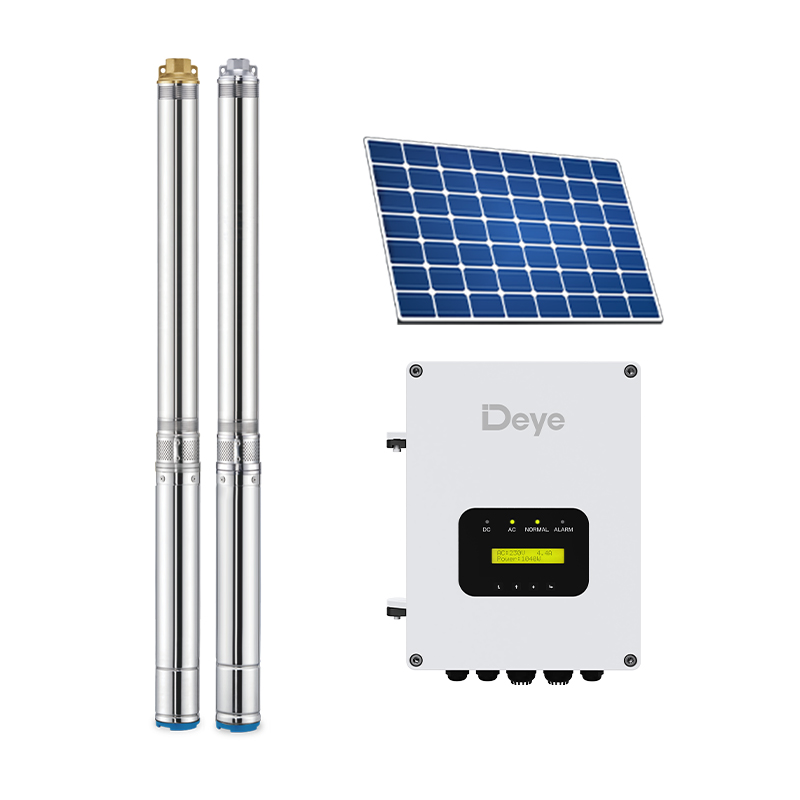
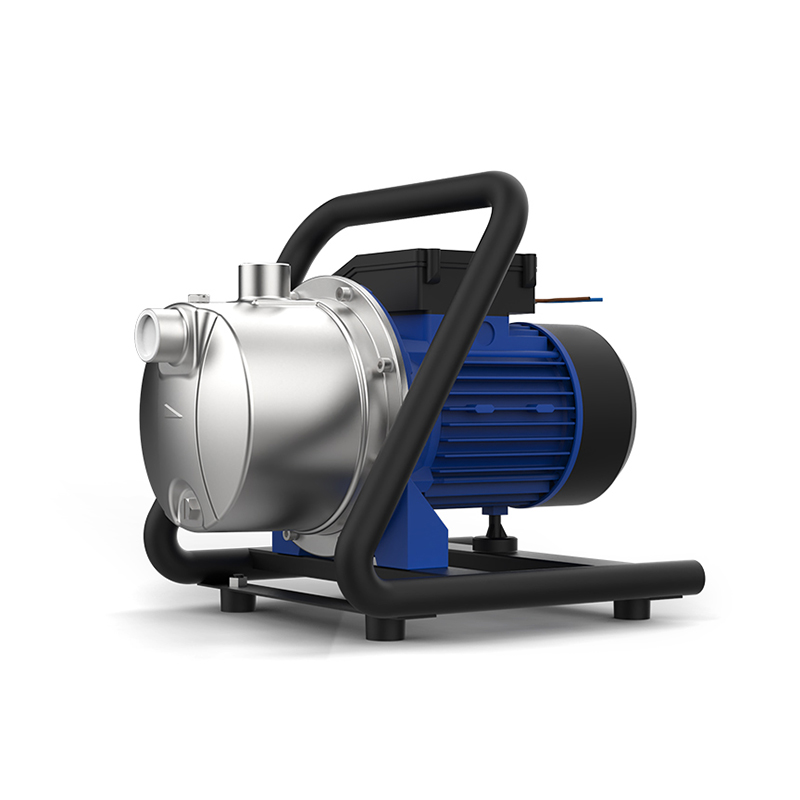
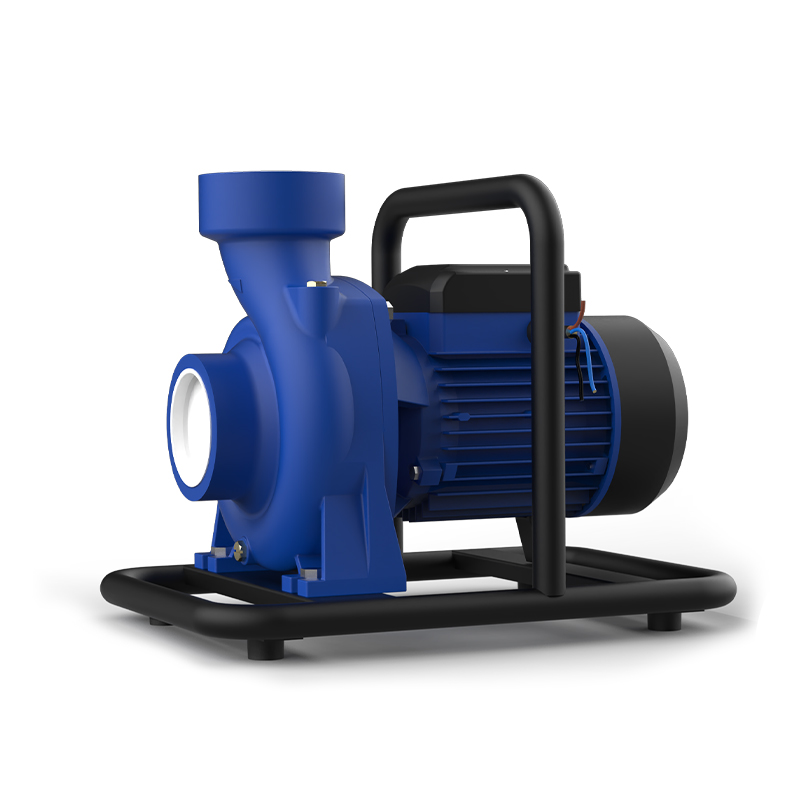
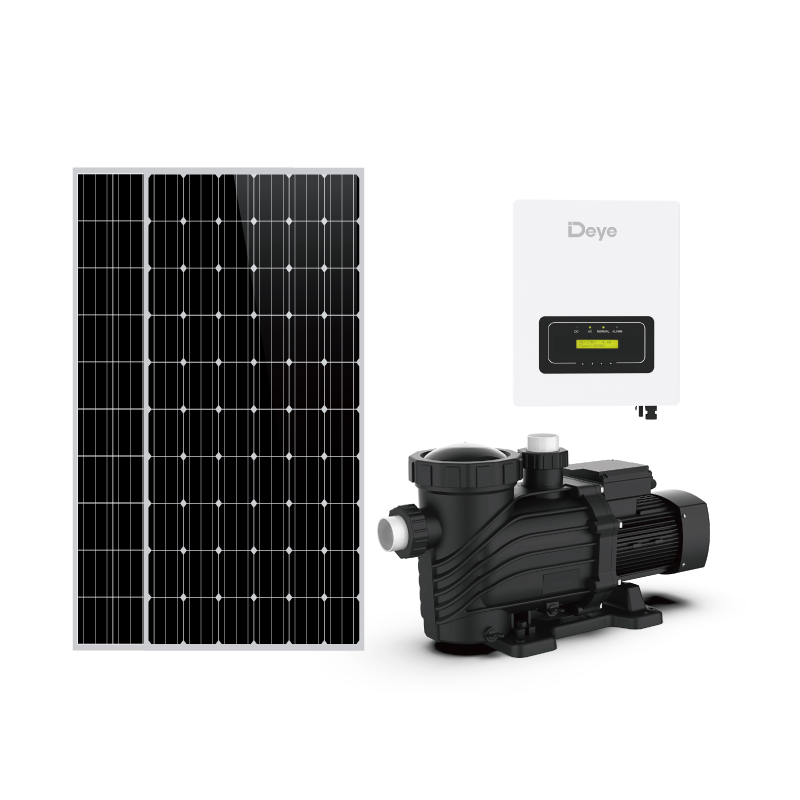
A typical residential pool pump uses between 500 and 3,500 watts, with most single-speed models drawing 1,500 to 2,500 watts. The exact number depends on horsepower, pump type, and operating speed. Understanding how many watts is a pool pump helps you manage energy bills, right-size equipment, and spot savings opportunities before they slip away.
content
- 1 What Is Pool Pump Wattage?
- 2 Average Wattage of Pool Pumps by Type
- 3 How Horsepower Affects Pool Pump Watts
- 4 Single-Speed vs. Dual-Speed vs. Variable-Speed: Real Wattage Numbers
- 5 How to Calculate Pool Pump Electricity Costs
- 6 Factors That Change a Pump’s Running Watts
- 7 Pool Pump Wattage and Solar Compatibility
- 8 How to Read a Pool Pump’s Wattage Label
- 9 Visual Wattage Comparison Chart
- 10 Tips to Cut Pool Pump Energy Use Without Sacrificing Water Quality
- 11 Frequently Asked Questions About Pool Pump Wattage
- 11.1 How many watts does a 1.5 HP pool pump use per hour?
- 11.2 Can I run my pool pump on a portable generator or battery?
- 11.3 Why does my pool pump wattage fluctuate during the day?
- 11.4 Does a higher horsepower pump always mean more watts?
- 11.5 How do I know the exact watts my pool pump is using right now?
What Is Pool Pump Wattage?
Pool pump wattage is the amount of electrical power the motor consumes while running, measured in watts. This figure is not the same as the motor’s horsepower rating. A 1.5 horsepower pump does not draw exactly 1,119 watts (746 watts × 1.5) because of motor efficiency losses and the service factor. Most residential pumps actually pull 20% to 50% more input wattage than the theoretical conversion suggests.
The wattage directly sets the kilowatt-hour consumption that appears on your utility bill. Knowing this number gives you a clear way to compare pump efficiency, budget monthly costs, and decide whether an upgrade will pay for itself.
Average Wattage of Pool Pumps by Type
Single-speed pumps run at full wattage whenever they are on, while variable-speed models can cut real-world power draw by more than half. The table below shows typical ranges for a 1.5-horsepower equivalent, one of the most common residential sizes.
Single-Speed Pump
Wattage range: 1,500–2,500 W
Typical runtime cost: high
Runs at one fixed speed only. Simple but the least efficient option for daily filtration.
Dual-Speed Pump
Wattage range: 1,500–2,300 W (high) / 700–1,100 W (low)
Typical runtime cost: moderate
Offers a low-speed setting that uses roughly half the watts while still moving water effectively.
Variable-Speed Pump
Wattage range: 100–2,500 W (depending on speed setting)
Typical runtime cost: low
Can be dialed down to a fraction of full power. Most daily filtration happens below 1,000 watts.
According to the U.S. Department of Energy, a variable-speed pump can reduce energy use by 50% to 70% compared with a traditional single-speed unit. In many homes, the pool pump is the second-largest electricity consumer after the HVAC system, so the savings add up quickly.
How Horsepower Affects Pool Pump Watts
Higher horsepower pumps deliver more flow but demand more electricity. The table below maps common residential horsepower ratings to the real-world wattage you can expect on a single-speed pump.
Table: Typical single-speed pool pump wattage by horsepower. Flow rates depend on plumbing diameter and total dynamic head.
Single-Speed vs. Dual-Speed vs. Variable-Speed: Real Wattage Numbers
When you switch from a fixed-speed motor to a variable-speed unit, the watts consumed for daily filtration drop dramatically. The following comparison uses a 1.5 HP equivalent pump and a typical 8‑hour daily schedule.
Table: Real-world wattage and cost comparison for 1.5 HP equivalent pumps. Variable-speed run speeds can be fine-tuned for turn-over requirements.
The California Energy Commission has mandated that new residential pool pumps must be variable-speed or meet strict efficiency standards. Their data shows that cutting filtration wattage from 2,200 W to 400 W saves over $750 per year in many regions, which often covers the price difference within two seasons.
How to Calculate Pool Pump Electricity Costs
You can estimate the operating cost of any pool pump with a simple formula: Watts × Hours per day ÷ 1,000 = Daily kWh; then Daily kWh × Days in month × Electric rate = Monthly cost.
For example, a single-speed pump pulling 2,200 watts for 10 hours every day consumes 22 kWh daily. At an average U.S. residential rate of $0.15 per kWh (EIA data, 2026), that equals $3.30 per day or roughly $99 per month. If you reduce runtime to 6 hours or drop the wattage by switching speeds, the expense shrinks proportionally.
- Find the pump’s running watts on the motor nameplate or use a plug-in energy monitor.
- Multiply watts by daily runtime in hours.
- Divide by 1,000 to get daily kilowatt-hours.
- Multiply by 30 and your local electric rate for a monthly estimate.
Factors That Change a Pump’s Running Watts
The wattage printed on the motor label is a nominal value. Real-world consumption shifts based on these variables.
- Plumbing diameter and total dynamic head: Narrow pipes or long plumbing runs create resistance that forces the motor to work harder, slightly increasing wattage.
- Filter and skimmer condition: A dirty filter raises back pressure, which can push a fixed-speed pump out of its best efficiency range and raise energy draw by 5%–10%.
- Water level and suction leaks: Low water or air leaks make the pump struggle to prime, causing power spikes at startup and irregular wattage.
- Altitude and ambient temperature: Motor winding resistance changes slightly with temperature, though the effect is typically under 3% for most residential pumps.
- Voltage supply: If the supply voltage sags below the motor’s rating, the pump will draw higher amperage to maintain output, which increases real wattage.
Pool Pump Wattage and Solar Compatibility
If you intend to power a pool pump with a solar array or battery backup, the pump’s running watts decide the inverter and battery size. A 2,200 W single-speed pump needs a much larger solar system than a variable-speed pump set to 400 W.
A single 400 W solar panel (producing around 1.6–2.0 kWh per day) cannot run a traditional pump directly, but it can offset most of the daily consumption of a variable-speed pump running on a low schedule. Homeowners pairing solar with a variable-speed pool pump often achieve net-zero pool energy use during sunny months, especially when they add a small battery for overnight filtration.
How to Read a Pool Pump’s Wattage Label
The metal nameplate on the motor shows volts, amps, and sometimes watts directly. When watts are missing, multiply the listed voltage by the full‑load amps to get an approximate wattage. However, motor efficiency and power factor mean the true input watts are usually 10%–15% higher than volts × amps.
Key nameplate values to locate:
- HP and Service Factor (SF): Multiply HP by SF to get the true operating horsepower (e.g., 1.5 HP × 1.40 SF = 2.1 total HP).
- Volts and Amps: Use these for a baseline wattage estimate.
- Watts (if printed): Some modern motors list input watts, which is the most reliable number.
Visual Wattage Comparison Chart
The chart below shows relative wattage for common pump scenarios referenced to a 2,500 W baseline.
Chart: Relative wattage comparison for a 1.5 HP equivalent pump. Baseline of 2,500 W represents a typical high-draw single-speed unit.
Tips to Cut Pool Pump Energy Use Without Sacrificing Water Quality
Lowering pump wattage does not mean running the pool less than required. The goal is to meet turnover needs with the fewest watts possible.
- Switch to a variable-speed pump and run it on a lower speed longer. Doubling runtime at half the speed uses far less total energy while still moving the same volume of water.
- Size the pump to actual plumbing and pool volume. An oversized 2 HP pump on a small pool wastes watts and can damage filters. Right-sizing can drop base wattage by 30% or more.
- Keep the filter and skimmer baskets clean. A clean system reduces resistance and keeps the pump operating in its most efficient zone.
- Use a timer or smart controller. Automate run schedules to avoid unnecessary daytime hours when electricity rates are high.
- Consider upgrading to larger plumbing or a variable-flow valve. Lower friction means the pump can move more water per watt, especially at lower speeds.
Frequently Asked Questions About Pool Pump Wattage
How many watts does a 1.5 HP pool pump use per hour?
A 1.5 HP single‑speed pump typically draws 1,800 to 2,500 watts per hour. If the pump is dual‑speed on low, it uses about 800 to 1,100 watts. A variable‑speed pump set to a medium‑low filtration speed may use only 350 to 500 watts per hour.
Can I run my pool pump on a portable generator or battery?
A standard 2,000 W inverter generator can briefly start a small 0.75 HP pump, but most single‑speed 1.5 HP pumps need at least a 3,500–4,000 W generator to handle the starting surge. A variable‑speed pump set to 400 W can run easily on a medium‑sized portable power station, making it far friendlier for backup power.
Why does my pool pump wattage fluctuate during the day?
Wattage can shift because of voltage swings from the utility, filter pressure changes as debris accumulates, or the pump pulling air if the water level drops. If you use a variable‑speed pump, the built‑in controller adjusts wattage to maintain the set flow rate, which also causes minor real‑time fluctuation.
Does a higher horsepower pump always mean more watts?
In general, yes—a 2 HP pump consumes more watts than a 1 HP pump. But pump design, motor efficiency, and speed settings can invert that trend. A modern variable‑speed 3 HP pump running at 1,200 RPM can draw fewer watts than an old 1 HP single‑speed pump running at 3,450 RPM.
How do I know the exact watts my pool pump is using right now?
The most accurate method is to use a clamp meter on the power leads or install a dedicated energy monitor at the breaker. Some variable‑speed pump displays also show real‑time power consumption in watts. Checking the nameplate gives a rated value, but an actual measurement captures your specific plumbing conditions.
Understanding how many watts is a pool pump gives you control over the biggest energy load in most backyard pools. By moving from a fixed 2,000‑plus‑watt habit to a speed‑optimized schedule, you can keep the water crystal clear while trimming hundreds of dollars from your annual electric bill. The numbers on the label are just the start—real savings come from matching pump speed to the job the water actually needs.