

 русский
 Français
 Español
 عربى
عربى Deutsch
 Português
 italiano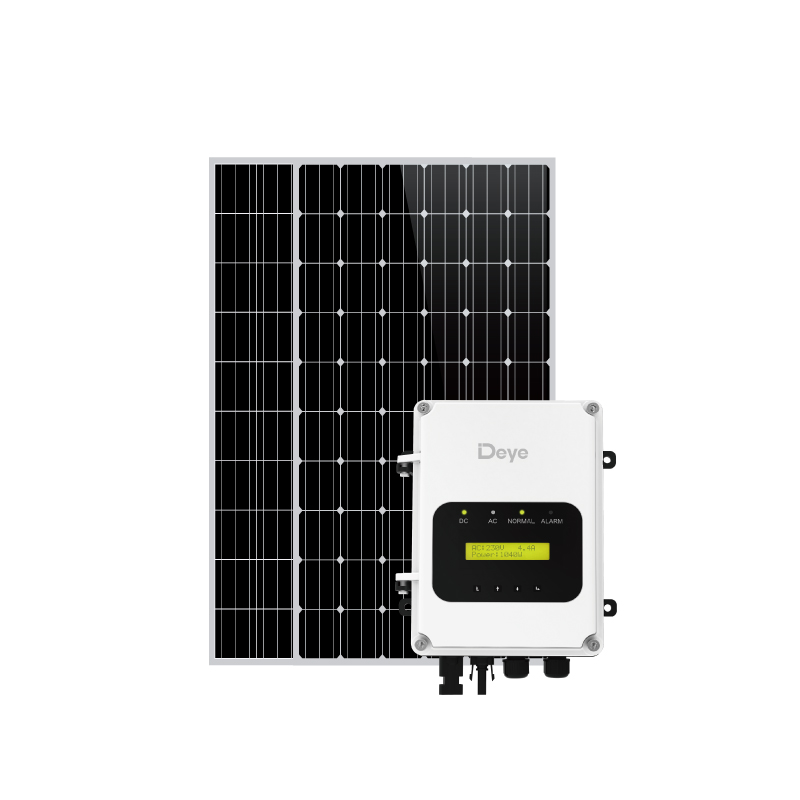
-
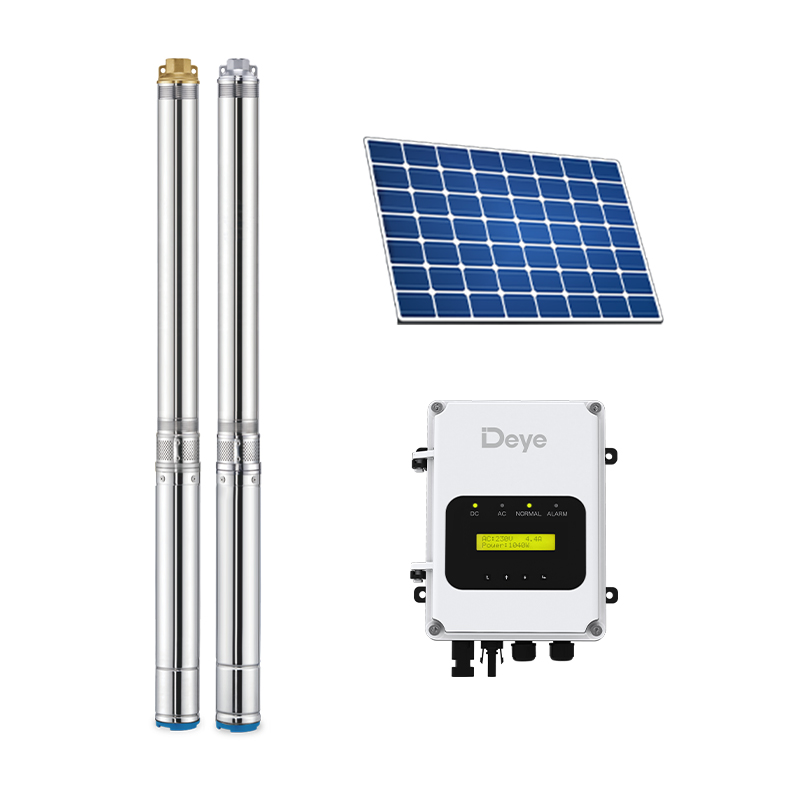
3 Inch Solar AC/DC Pump Controller (400-1500W) Plastic Impeller Submersible Pumps
-
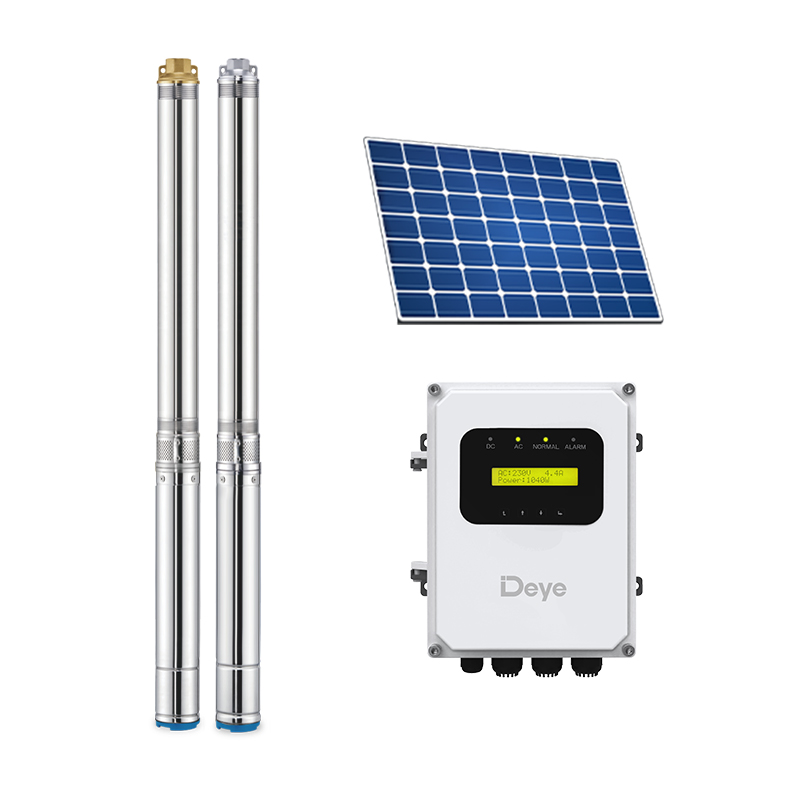
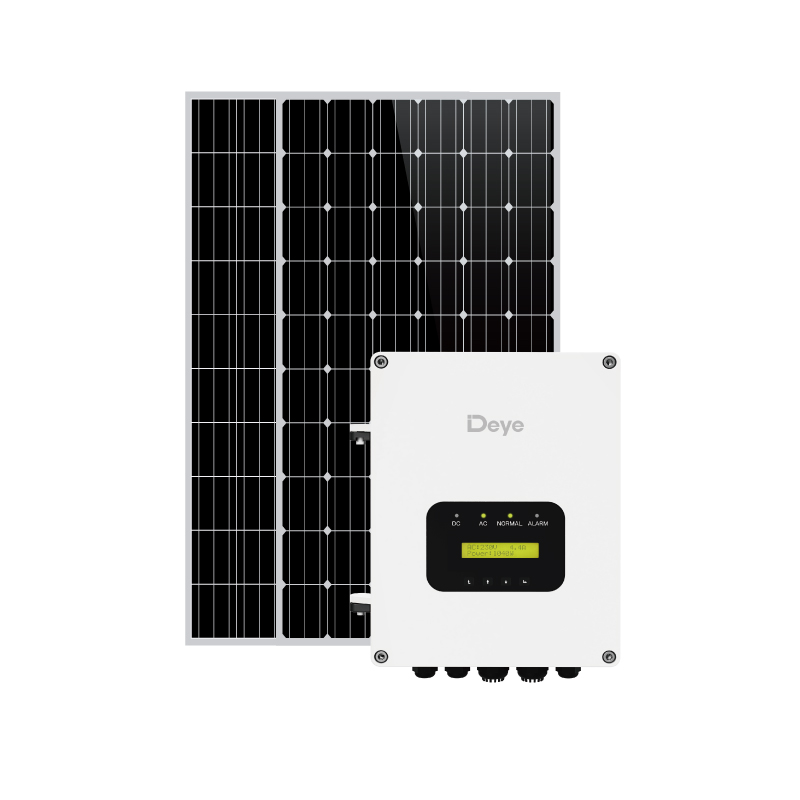
4 Inch Solar AC/DC Pump Controller (600-3000W) Plastic Impeller Submersible Pumps
-
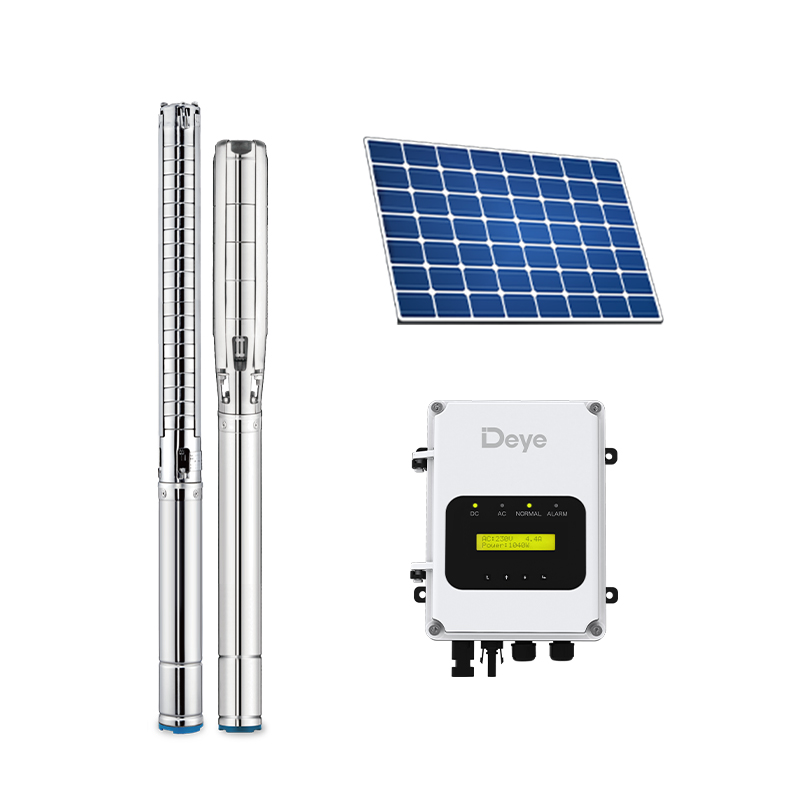
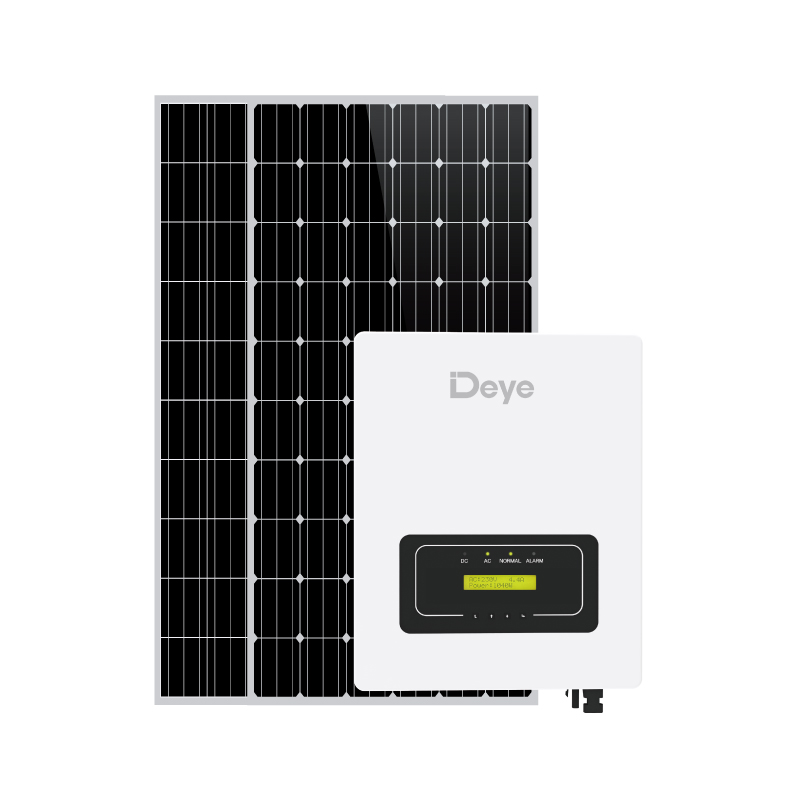
4 Inch Solar AC/DC Pump Controller (800-3000W) Stainless Steel Impeller Submersible Pumps
-
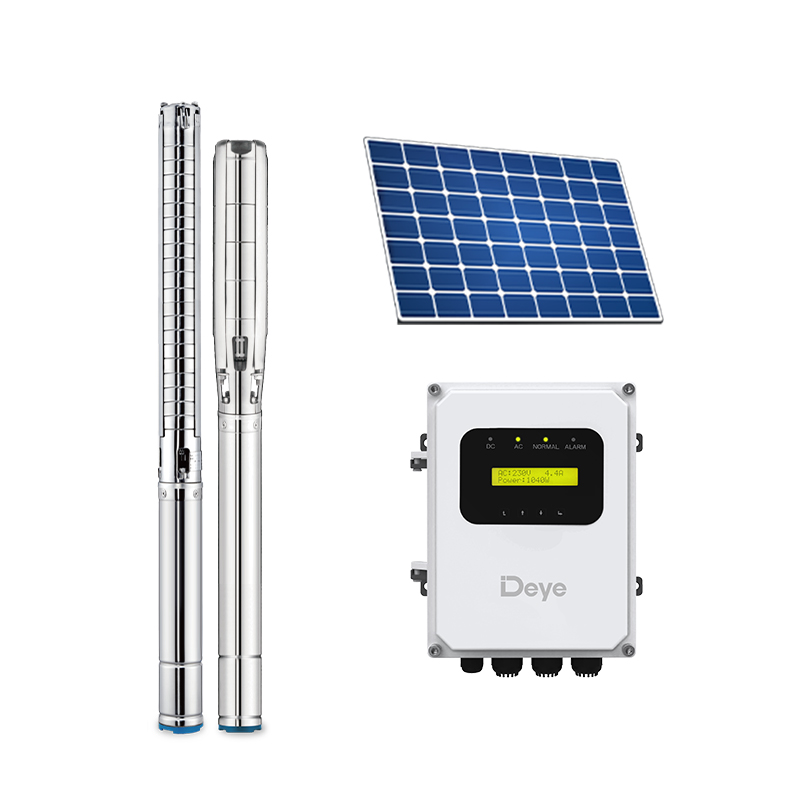
6 Inch Solar AC/DC Pump Controller (800-3000W) Stainless Steel Impeller Submersible Pumps
-
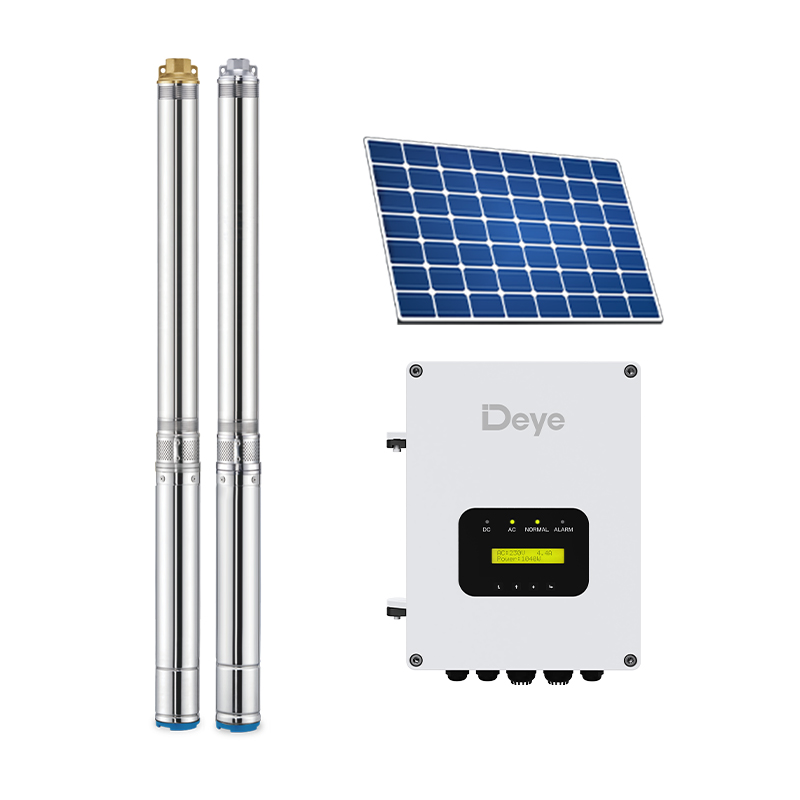
4 Inch High Speed Submersible Solar Pump(5500-13000W)Plastic Impeller Submersible Pumps
Posted by Deye
Solar Powered Water Pumps: Complete Buying Guide & Types
content
- 1 Why Choose a Solar Powered Water Pump?
- 2 How Does a Solar Powered Water Pump System Work?
- 3 Main Types of Solar Powered Water Pumps
- 4 How to Select the Right Solar Powered Water Pump: A Practical Framework
- 5 Cost Analysis: Solar Powered vs. Traditional Water Pumps
- 6 Installation and Maintenance Best Practices
- 7 Common Mistakes to Avoid When Buying a Solar Water Pump
- 8 Conclusion
Why Choose a Solar Powered Water Pump?
On a remote farm, the quote for extending the utility power line can exceed the cost of the entire water system. That obstacle explains why solar powered water pumps have moved from niche experiments to a mainstream choice. A solar pump generates its power on site and runs on sunlight that costs nothing.
The practical advantages over traditional options are direct. Grid-connected pumps create monthly electricity bills and stop during outages. Diesel pumps need fuel deliveries, regular maintenance, and engine parts that wear out. Solar pumps avoid all of that, operating silently with very little daily attention.
The common worry about cloudy weather has a technical answer. Controllers with automatic AC/DC switching run the pump on solar during strong sun and shift to an AC supply the moment panel output drops. Water delivery does not stop. This feature separates a solar pump that frustrates its owner from one that quietly does the job.
For homes and operations far from any utility line, solar water pumps for off-grid living have become the standard way to build a dependable water supply.
How Does a Solar Powered Water Pump System Work?
A solar pumping system converts sunlight into flowing water. Photovoltaic panels turn solar radiation into DC electricity. The pump controller regulates voltage and current to the motor. The pump body converts that electrical energy into pressure and flow.
The controller determines whether the system survives real conditions. Solar output changes constantly, so the controller smooths those variations and protects the motor. Deye's controllers span 400W to 13000W, covering everything from a garden drip line to a large irrigation block. In strong sun, the pump runs purely on solar. When sunlight fades, the controller switches to AC power automatically and maintains output.
Key Components of a Solar Pumping System
Before buying, map out the full system. A complete setup includes:
- Photovoltaic array: one or more panels sized to daily energy demand
- Pump controller: matches solar output to the motor and manages AC/DC switching
- Pump body: submersible or surface type, selected for the water source
- Piping, cabling, and fittings: deliver water and carry electrical power
- Optional battery bank: stores solar energy for limited operation after sunset
Deye sells complete pump-and-controller packages and standalone solar pump controllers for replacement or custom builds. The controller is the most important reliability decision in the entire setup.
Main Types of Solar Powered Water Pumps
Solar pumps fall into two installation categories: submersible pumps that operate below the water surface and surface pumps that sit on dry ground. Within those categories, manufacturers build models for specific jobs such as irrigation, pool circulation, and household supply.
The choice starts with the water source. A deep drilled well requires a submersible unit, while a pond or storage tank can use a surface pump. Buyers exploring specific models can start with Deye's solar submersible pumps category, which organizes units by borehole diameter and power.
Solar Submersible Pumps — Deep Wells & Consistent Supply
Submersible pumps are the default for deep wells and boreholes. Because the motor and pump operate underwater, the unit runs quietly, stays naturally cooled, and lifts water from depths that surface pumps cannot reach. For a drinking water supply from a deep aquifer, this is the only realistic pump type.
Deye's submersible series covers 3-inch, 4-inch, and 6-inch diameters with standard AC/DC controllers from 400W to 3000W, plus high-speed models from 5500W to 13000W for large farms and community systems. Impeller material is a separate decision: plastic impellers suit clean water, while stainless steel impellers resist sand wear and extend service life.
A representative option is the 4-inch stainless steel solar submersible pump, which pairs a durable impeller with the 800W to 3000W range that fits most farm and rural home water projects.
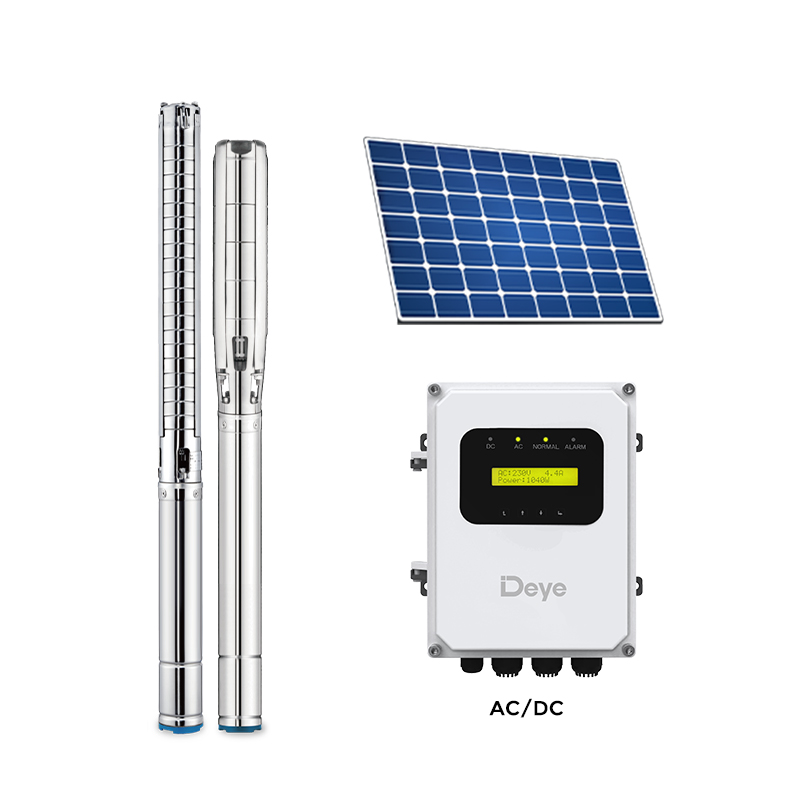 Deye 4 Inch Solar AC/DC Pump Controller (800-3000W) Stainless Steel Impeller SubZhejiang Deye Electrical Appliances Co., Ltd is China 4 Inch Solar AC/DC Pump Controller (800-3000W) Stainless Steel Impeller Submersible...View Product →
Solar Surface Pumps — Ponds, Tanks & Shallow Sources
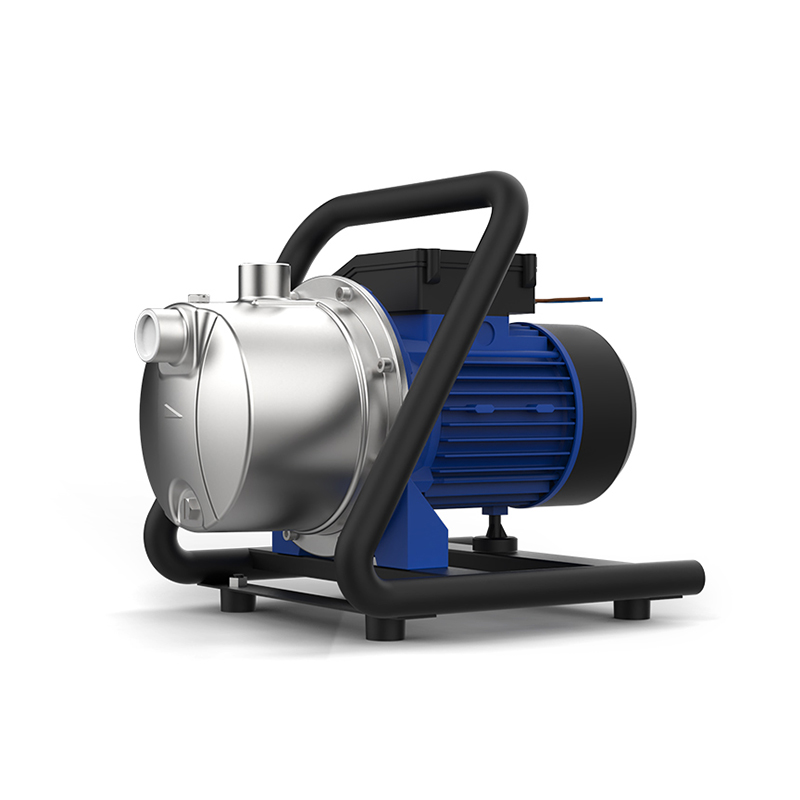
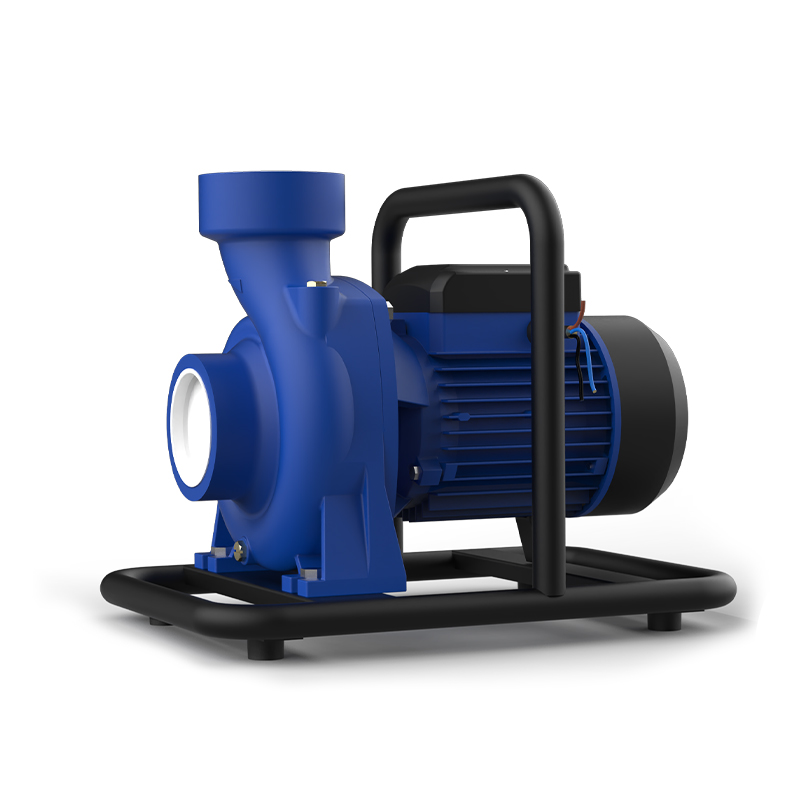
Surface pumps draw water from ponds, tanks, reservoirs, and shallow wells while staying accessible on dry ground. Servicing is easier because there is no need to lift the unit from a hole. For installations where the source is at or near ground level, a surface pump is the simpler and often cheaper choice.
Two designs cover most situations. Centrifugal surface pumps move large volumes at moderate heads and suit clean water from a tank or pond. Self-priming surface pumps pull water upward from several meters below and clear air from the suction line, which gives far more installation flexibility. Deye's surface lineup includes both types from 2000W to 3600W, every model equipped with an automatic solar switching AC/DC controller.
The self-priming surface solar pump is especially useful when the water level fluctuates and the pump must recover from air entering the suction pipe.
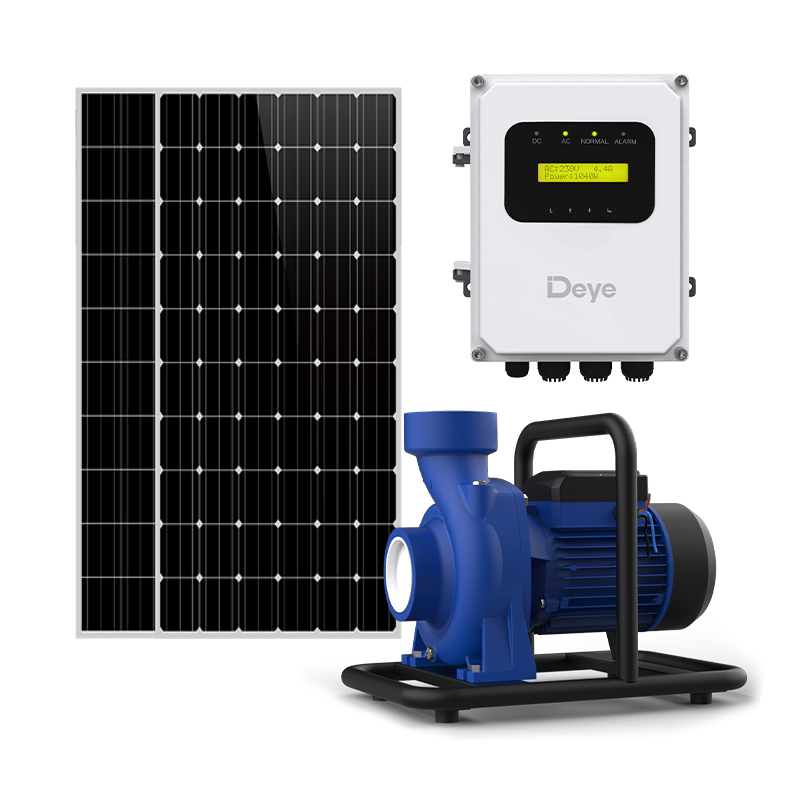 Deye Self-Priming Surface Solar Pump with Automatic Solar Switching AC/DC Pump CZhejiang Deye Electrical Appliances Co., Ltd is China Self-Priming Surface Solar Pump with Automatic Solar Switching AC/DC Pump Controlle...View Product →
Solar Swimming Pool Pumps — Keeping Water Clean with Solar Power
Swimming pools do not need high pressure; they need continuous circulation to move water through the filter and heater so it stays clean and chemically balanced. That modest requirement suits solar power, especially because peak sun hours align with peak pool use.
Deye's solar swimming pool pump range covers 1100W to 3000W with a hybrid AC/DC controller built into the pump package. During sunny hours the pool circulates on solar alone; at night or under heavy overcast, the controller switches to grid power so the water never sits still.
Homeowners can review the solar swimming pool pump product page to see how the integrated hybrid controller simplifies installation compared with separately mounted control boxes.
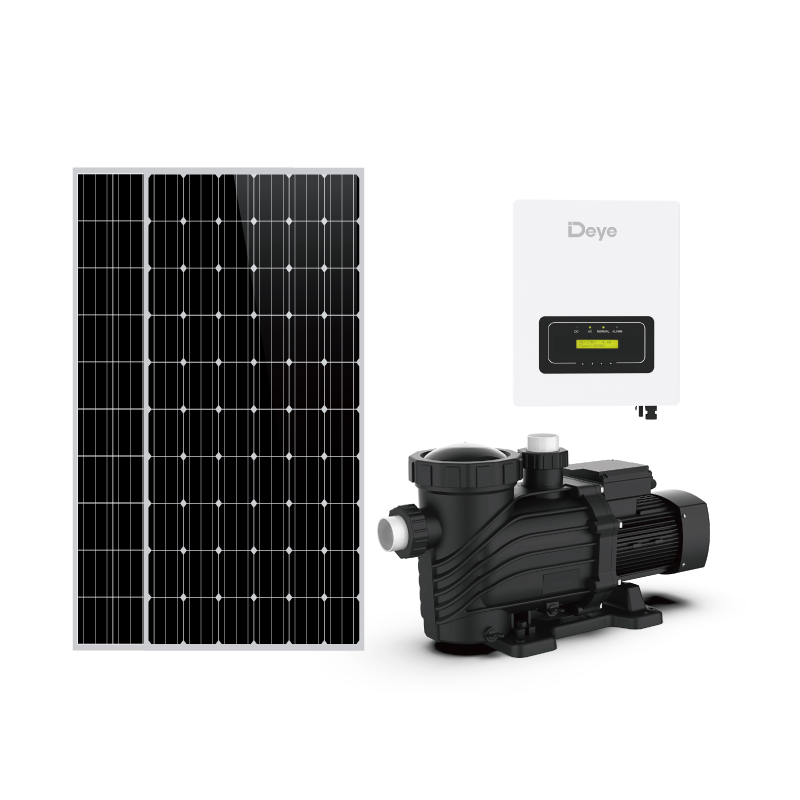 Deye Solar Hybrid ACDC Pump Controller (1100-3000W) & Solar Swimming Pool Pump SZhejiang Deye Electrical Appliances Co., Ltd is China Solar Hybrid ACDC Pump Controller (1100-3000W) & Solar Swimming Pool Pump supplier ...View Product →
How to Select the Right Solar Powered Water Pump: A Practical Framework
A reliable selection process follows four steps: identify the water source type and depth, estimate the required flow and head, evaluate local sunlight, and match impeller material to water quality. Skipping any step produces a system that fails on the first demand peak.
Match Pump Type to Your Water Source
The water source determines the pump type more than any other factor. The table below covers the most common installations.
| Water source | Recommended pump type | Why this type fits |
|---|---|---|
| Deep well or borehole | Submersible solar pump | Pump body must sit below the water level to lift water from depth |
| Pond, tank, or shallow well | Surface solar pump | Pump operates on dry ground and draws from an accessible water level |
| Swimming pool | Pool circulation pump | Designed for low-head, continuous flow through filters and heater |
Estimate Flow Rate and Head Requirements
Two numbers define pump size: flow rate and head. Flow rate is the volume delivered per minute, in gallons per minute (GPM) or cubic meters per hour. Head is the total vertical lift from the water surface to the delivery point, plus friction losses from pipe length and fittings. A practical estimate adds 5 to 10 percent to the vertical distance to account for friction.
With these numbers, the right pump is the one whose performance curve matches. A garden drip system may need only a few GPM at 20 meters of head; a field irrigation system can require tens of GPM at higher head. That is why Deye's 400W to 13000W range exists.
For larger fields and seasonal schedules, solar water pumps for irrigation are engineered for higher flow, longer runtimes, and demanding duty cycles.
Consider Your Sunlight Conditions and the Role of AC/DC Auto-Switch
Sunlight is never constant, and sizing for perfect weather leads to disappointment. The right solution depends on how much downtime you can accept. Irrigation, livestock watering, and household supply generally cannot tolerate stops.
Deye's answer is automatic AC/DC switching. Autoswitch controllers shift the pump to AC power whenever solar output drops below the operating threshold. Hybrid controllers provide the same function with additional features for mixed-source systems. Because both types appear across the submersible, surface, and pool lines, buyers do not have to sacrifice the right pump type to get auto-switch capability.
Cost Analysis: Solar Powered vs. Traditional Water Pumps
The upfront cost of a solar pump system is higher than a basic grid-connected pump because the panels and controller add line items. Over the life of the system, the comparison reverses. Solar pumps consume no grid power and no fuel. Maintenance means keeping panels clean. Diesel pumps, on the other hand, consume fuel continuously and demand engine maintenance that grows with operating hours.
On remote properties the case is stronger still, because extending utility power often costs more than the entire solar installation. Solar systems also keep working through grid outages, which makes the reliability value real rather than theoretical.
Longer equipment life strengthens the economic story. Deye has researched and manufactured pumps and pump controllers since 1990, and the factory's precision engineering and strict quality control translate into fewer failures and lower long-term costs.
Installation and Maintenance Best Practices
Most solar pump failures trace back to installation details. For submersible pumps, check the suspension cable, watertight electrical splices, and lowering depth below the dynamic water level. For surface pumps, the suction line must be airtight and fitted with a strainer, and non-self-priming models must be primed before starting.
Solar panels need a tilt angle matched to the site latitude and regular cleaning. Dust and bird droppings cut panel output dramatically. Mount the controller in a shaded, rain-protected location; heat shortens the life of electronic components.
Impeller material also shapes maintenance. Plastic impellers keep cost and weight low and perform well in clean water, but sand wears them faster. Stainless steel impellers tolerate sediment far better and suit wells that produce sandy water.
An experienced manufacturer prevents most installation headaches. For specific depths, pipe layouts, and wiring questions, contact Deye for installation support and get direct answers from engineers rather than generic documentation.
Common Mistakes to Avoid When Buying a Solar Water Pump
Six mistakes come up repeatedly in solar pump purchases. Avoiding them costs nothing; fixing them costs a lot.
- Underestimating head. The cheapest quote does not help if water never reaches the outlet. Measure the true vertical lift and pipe friction before choosing.
- Ignoring sunlight variability. A system sized for full sun will fail in the cloudy season. Add an auto-switch controller or oversize the panel array.
- Choosing the wrong impeller material. Plastic in sandy water wears out quickly. Confirm water quality before selecting the impeller.
- Buying by wattage only. Power is meaningless without the flow-versus-head curve. Match a specific model to your measured requirements.
- Treating the controller as an afterthought. A weak controller leads to motor damage and unreliable switching. Buy the controller together with the pump from one trusted line.
- Overlooking after-sales support. A pump runs for years, but when a spare part or a technical question appears, a manufacturer with real engineers makes the difference.
Conclusion
Selecting a solar powered water pump comes down to three questions: what is the water source, how much water do you need each day, and what head must the pump overcome? Answer those accurately, and every remaining decision—submersible versus surface, plastic versus stainless impeller, autoswitch versus hybrid controller—falls into place.
Review Deye's product categories for submersible pumps, surface pumps, pool pumps, and pump controllers, then contact the factory with your flow and head figures for a precise recommendation. The right pump matches the source, the demand, and the sunlight available at your site.
-
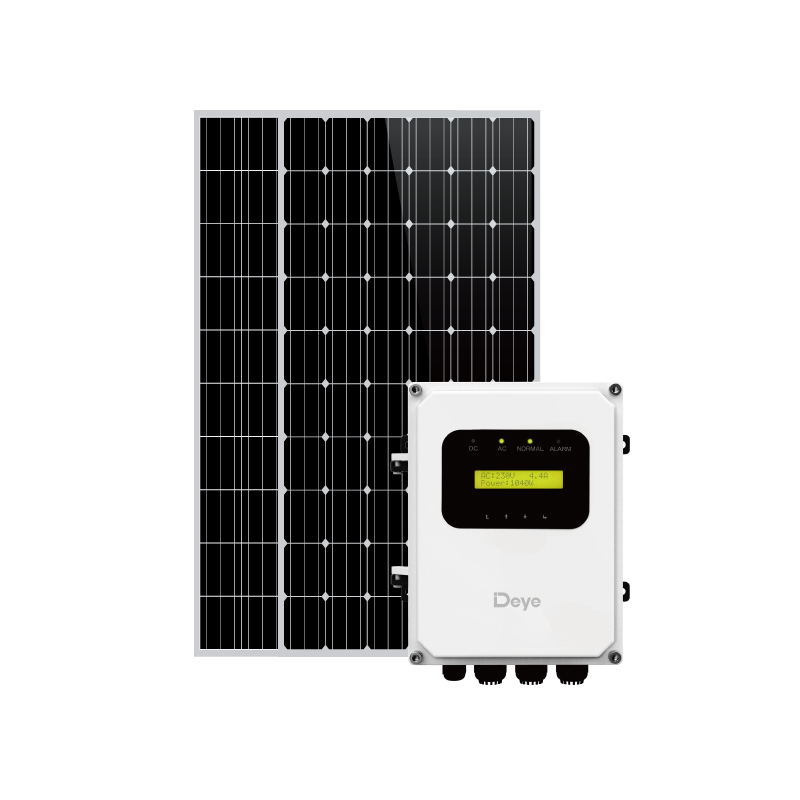 The AC/DC Auto Switch Controller adopts solar-first intelligent switching logic for a 24-hour uninte...View Product
 -
Compact 3-inch plastic impeller solar pump with low power range, engineered for single-family scatte...View Product
-
 Deye Solar swimming pool pump is a simple, intelligent and worry-free solution that suitable for var...View Product
 -
This 4-inch AC/DC solar submersible pump (600-3000W, plastic impeller) works with solar panels and m...View Product
-
Premium 4-inch stainless steel impeller pump features full anti-rust & anti-silt performance, to...View Product
-
This 6-inch stainless steel impeller AC/DC solar submersible pump (800~3000W) is developed for large...View Product

- No. 26, Yongjiang South Road, Beilun Dirstrict, Ningbo City, Zhejiang, China.
-
[email protected] ( Daniel )
+86-13923361908 ( WhatsApp )
-
[email protected] ( Chris )
+86-18186995218 ( WhatsApp )
-
+86-15888503217 ( Mark Pan )
[email protected] ( WhatsApp )
Copyright ©Zhejiang Deye Electrical Appliances Co., Ltd. All Rights Reserved. Deye Solar Water Pump Manufacturer Solar Water Pump System Supplier

 Back to Top