

 русский
 Français
 Español
 عربى
عربى Deutsch
 Português
 italiano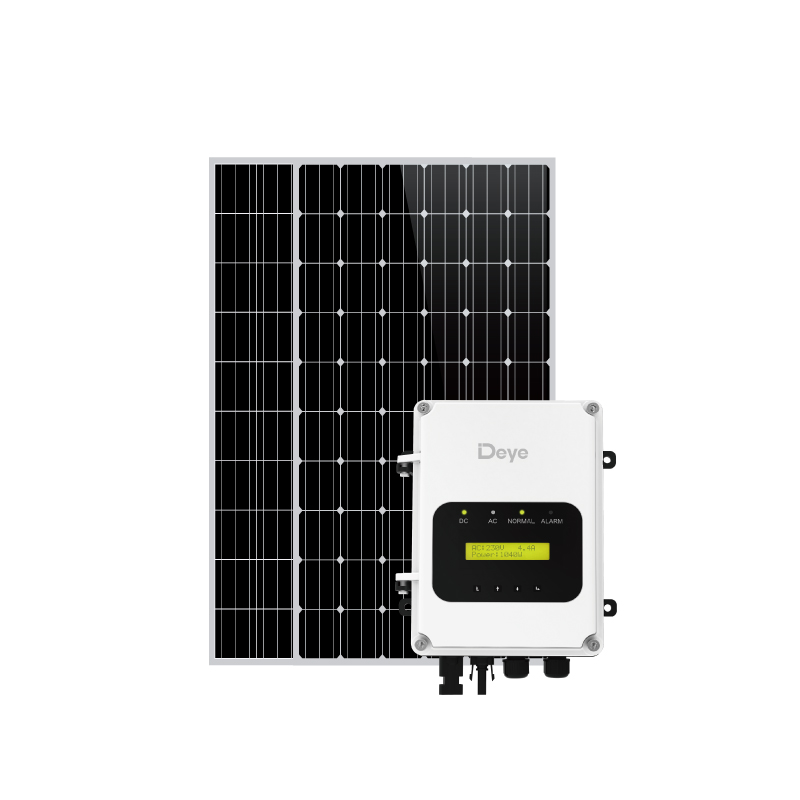
-
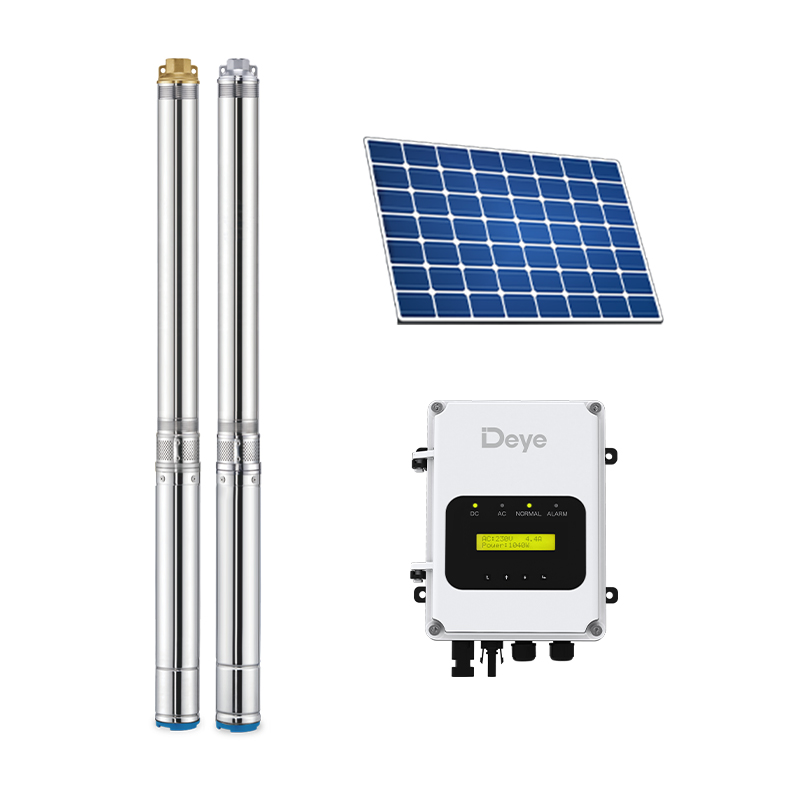
3 Inch Solar AC/DC Pump Controller (400-1500W) Plastic Impeller Submersible Pumps
-
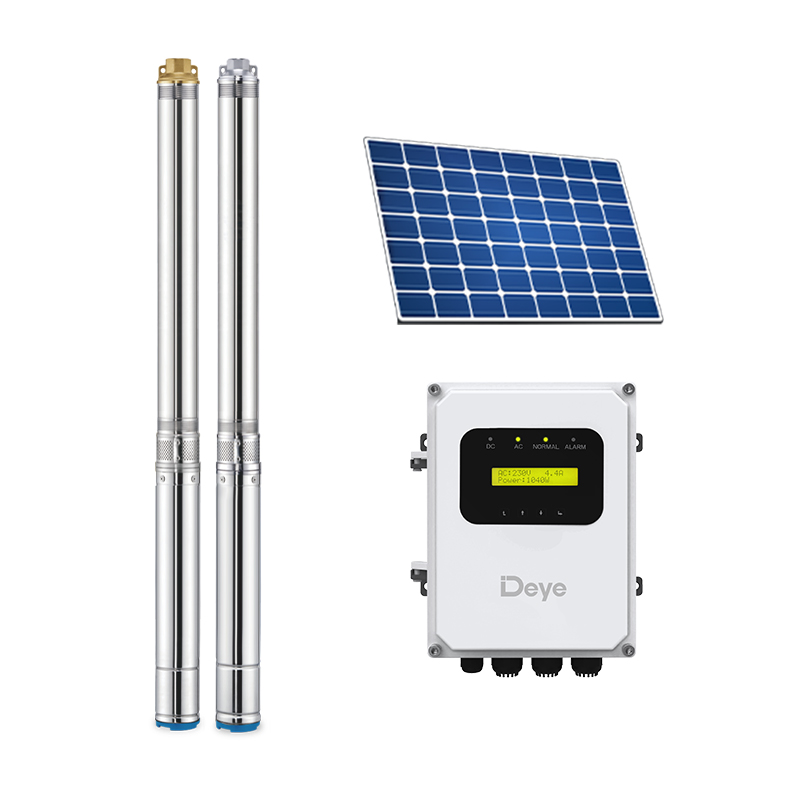
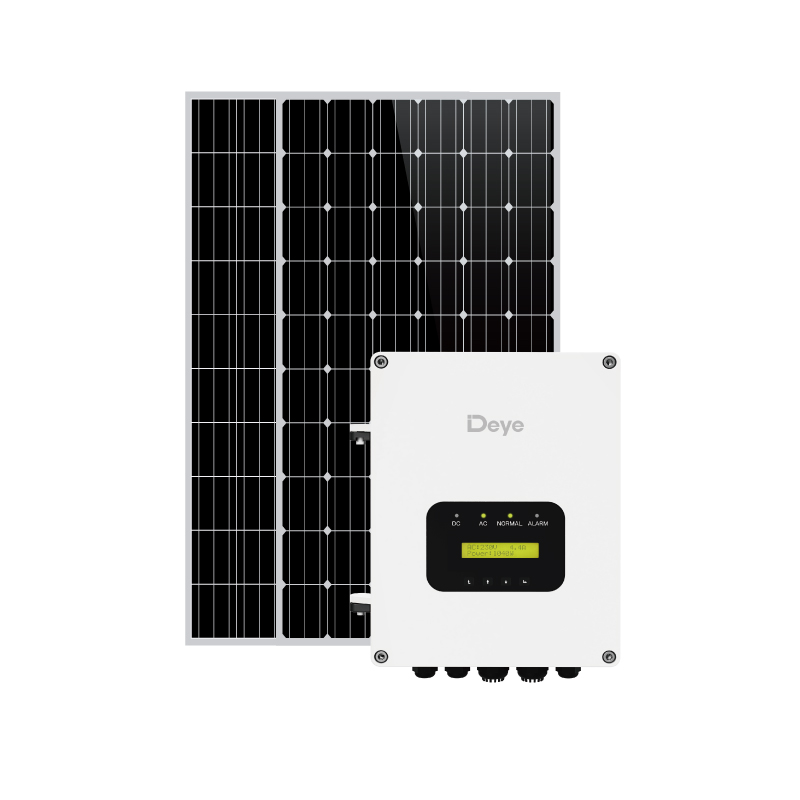
4 Inch Solar AC/DC Pump Controller (600-3000W) Plastic Impeller Submersible Pumps
-
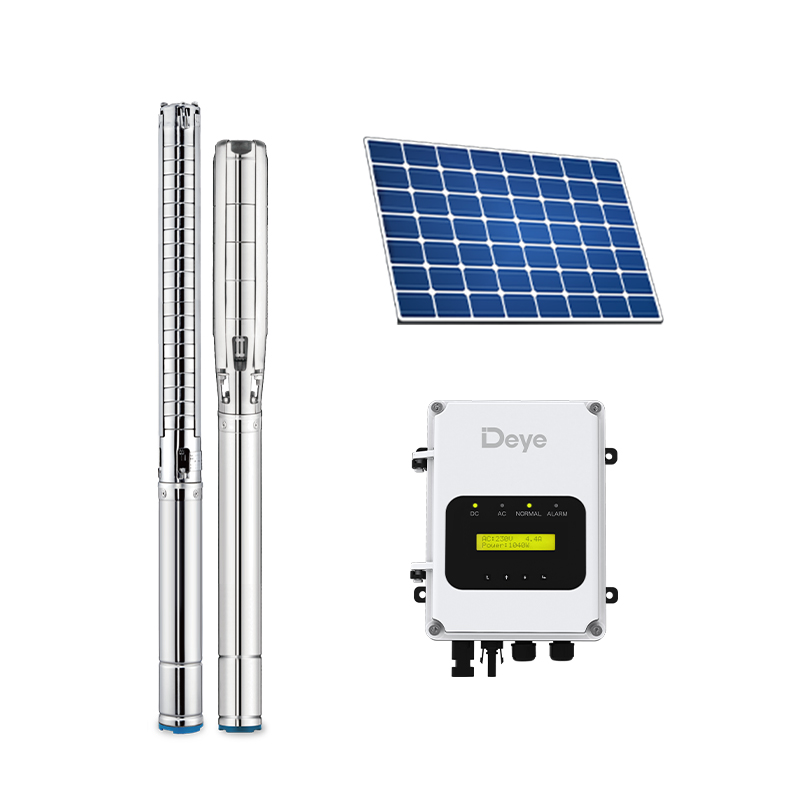
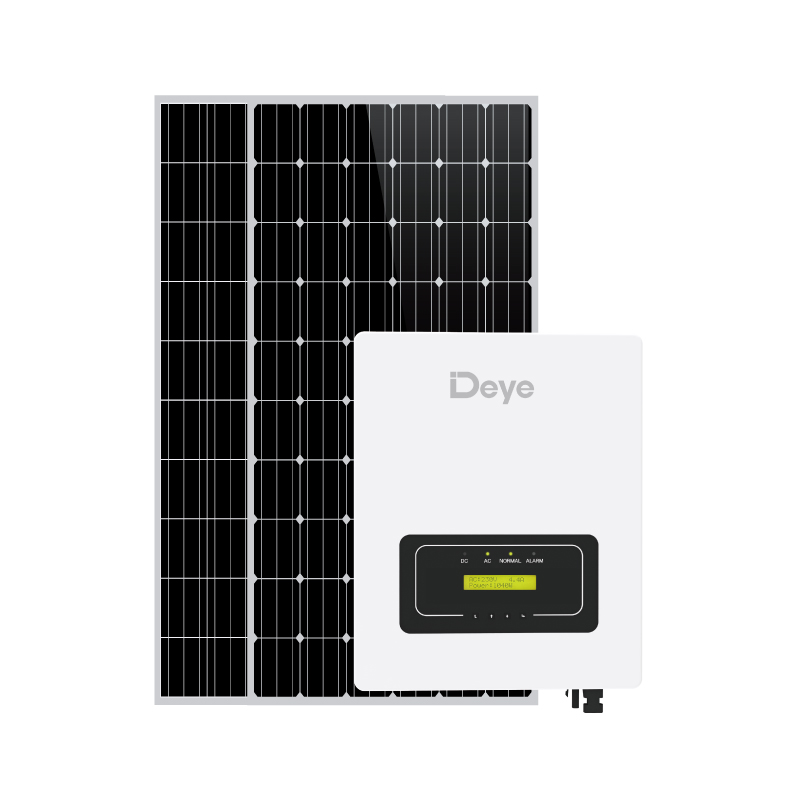
4 Inch Solar AC/DC Pump Controller (800-3000W) Stainless Steel Impeller Submersible Pumps
-
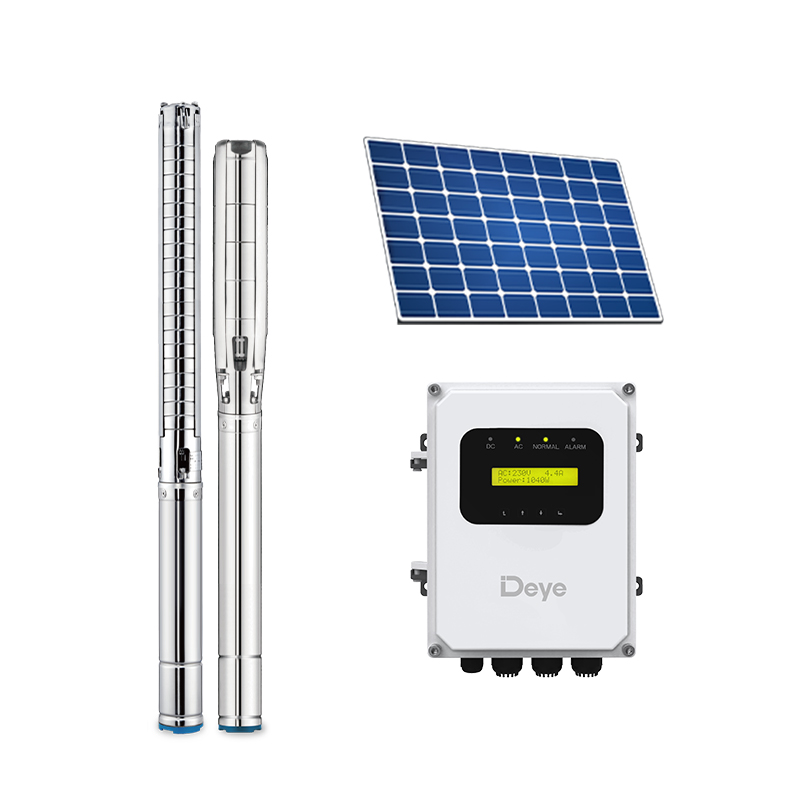
6 Inch Solar AC/DC Pump Controller (800-3000W) Stainless Steel Impeller Submersible Pumps
-
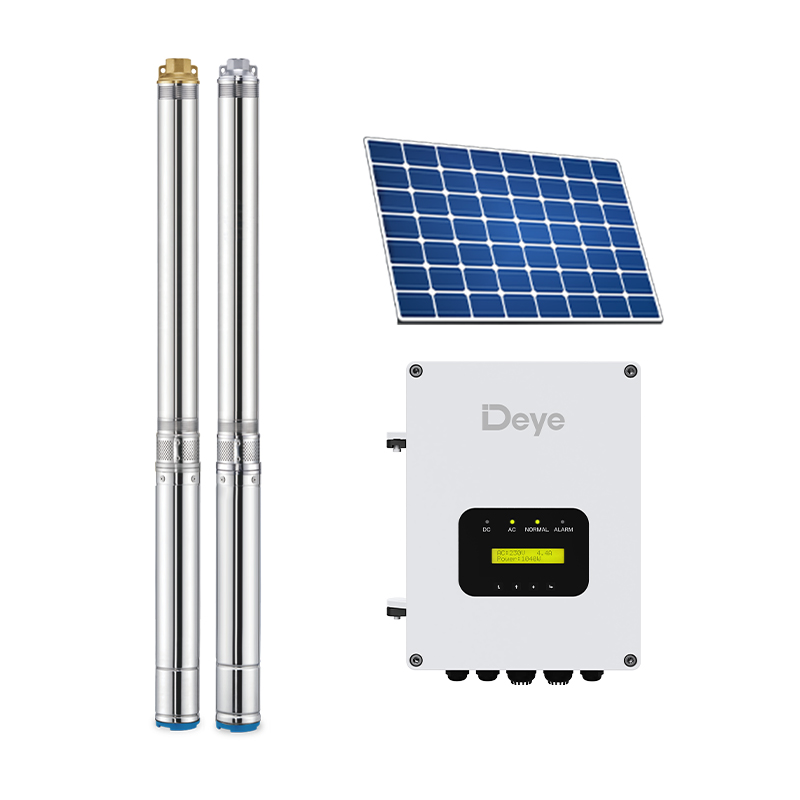
4 Inch High Speed Submersible Solar Pump(5500-13000W)Plastic Impeller Submersible Pumps
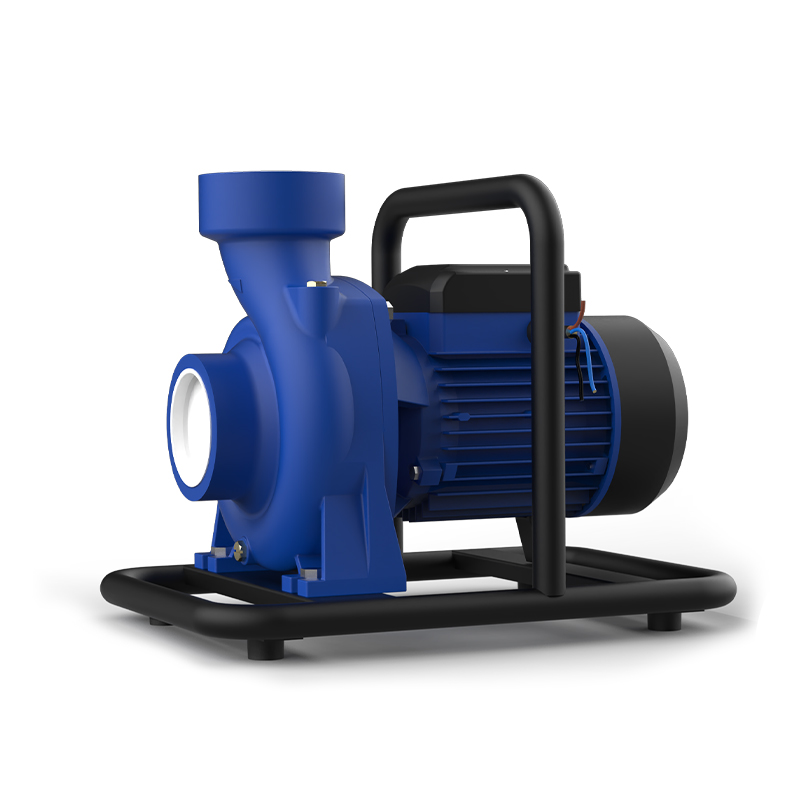
Posted by Deye
How Does a Solar Water Pump Work and Is It Worth the Investment?
A solar water pump works by using photovoltaic panels to convert sunlight directly into electricity that powers a pump motor, moving water without any connection to the electrical grid or fuel supply. For most farms and rural households, the investment pays for itself within 2 to 5 years through eliminated fuel and electricity costs.
This article explains how solar water pumps function, why they are becoming popular for agriculture and remote water supply, which type best fits different needs, how they compare to diesel and electric pumps, and what factors determine sizing and cost.
content
- 1 How Does a Solar Water Pump System Work?
- 2 Why Are Solar Water Pumps Becoming More Popular?
- 3 Which Type of Solar Water Pump Is Right for You?
- 4 What Are the Benefits of Using a Solar Water Pump for Irrigation?
- 5 How Does a Solar Water Pump Compare to Diesel and Electric Pumps?
- 6 What Factors Determine the Right Size of a Solar Water Pump?
- 7 Why Do Some Solar Water Pumps Underperform?
- 8 How Long Does a Solar Water Pump Last?
- 9 Frequently Asked Questions
How Does a Solar Water Pump System Work?
A solar water pump system works through three core components: solar panels that generate direct current electricity, a controller that regulates power to the motor, and a pump that moves water from a source to its destination. Some systems also include batteries, while others run directly off sunlight during daylight hours.
Main Components and Their Roles
Solar panels: Convert sunlight into direct current electricity, with typical agricultural systems using panel arrays rated between 500 watts and 10 kilowatts depending on pump size.
Pump controller: Manages the variable power output from the panels and adjusts the motor speed to match available sunlight, allowing the pump to operate efficiently even on cloudy days.
Pump unit: Either a surface pump for shallow water sources or a submersible pump for boreholes and deep wells, with submersible models capable of lifting water from depths exceeding 100 meters.
Storage tank or battery (optional): A water storage tank is often preferred over batteries because storing water is cheaper and more durable than storing electricity, allowing water use even when the sun is not shining.
Why Are Solar Water Pumps Becoming More Popular?
Solar water pumps are becoming more popular because they eliminate ongoing fuel costs, require minimal maintenance, and provide reliable water access in areas without grid electricity. Falling solar panel prices have also made the technology far more affordable over the past decade.
Key Drivers of Adoption
Falling equipment costs: Solar panel prices have dropped by more than 80 percent over the last ten years, making solar pump systems competitive with diesel alternatives even for small farms.
Zero fuel expenses: A diesel pump running 8 hours a day can consume 10 to 15 liters of fuel, while a solar pump of equivalent capacity uses no fuel at all after installation.
Government incentives: Many countries offer subsidies covering 30 to 60 percent of installation costs for agricultural solar pump programs, significantly shortening the payback period for farmers.
Low maintenance needs: Solar pump systems have far fewer moving parts than engine-driven pumps, with typical maintenance limited to occasional panel cleaning and periodic motor checks every 1 to 2 years.
Which Type of Solar Water Pump Is Right for You?
The right type of solar water pump depends on your water source: submersible pumps are best for boreholes and deep wells, while surface pumps are best for shallow sources like rivers, ponds, and tanks.
Submersible vs Surface Solar Pumps
| Factor | Submersible Solar Pump | Surface Solar Pump |
|---|---|---|
| Best Water Source | Boreholes, deep wells | Rivers, ponds, shallow tanks |
| Maximum Lift Depth | Up to 150 meters | Up to 8 meters |
| Typical Flow Rate | 1,000 - 50,000 liters per day | 5,000 - 100,000 liters per day |
| Installation Complexity | Higher | Lower |
| Typical Cost Range | 800 - 5,000 USD | 300 - 2,500 USD |
Comparison of submersible and surface solar water pumps based on water source compatibility, performance, and cost.
What Are the Benefits of Using a Solar Water Pump for Irrigation?
The main benefit of using a solar water pump for irrigation is consistent water access during peak sunlight hours, which aligns naturally with crop watering schedules, while eliminating recurring fuel costs.
Irrigation-Specific Advantages
Aligned operation timing: Solar pumps naturally produce maximum output during midday hours, which matches peak evapotranspiration rates when crops need water most.
Scalability: Farmers can start with a small system covering 1 to 2 hectares and expand the panel array later as irrigation needs grow.
Reduced labor: Unlike diesel pumps that require manual refueling and starting, solar pumps can run automatically once connected, reducing daily labor requirements.
Drip irrigation compatibility: Solar pumps pair well with drip irrigation systems, which require lower flow rates and pressure, maximizing water efficiency on smaller plots.
How Does a Solar Water Pump Compare to Diesel and Electric Pumps?
A solar water pump compares favorably to diesel and electric pumps in long-term operating costs and reliability in off-grid areas, though diesel pumps still offer faster initial setup and electric pumps can provide higher continuous flow where grid power is stable.
Cost and Performance Comparison Over 10 Years
| Factor | Solar Water Pump | Diesel Pump | Grid Electric Pump |
|---|---|---|---|
| Initial Cost | High | Low | Moderate |
| Annual Fuel/Energy Cost | Near Zero | 800 - 2,000 USD | 300 - 1,200 USD |
| Maintenance Frequency | Low | High | Moderate |
| Off-Grid Capability | Excellent | Excellent | None |
| Estimated 10-Year Total Cost | 2,500 - 6,000 USD | 9,000 - 22,000 USD | 4,000 - 14,000 USD |
Ten-year cost comparison illustrating why solar water pumps often deliver the lowest total cost of ownership despite higher upfront pricing.
What Factors Determine the Right Size of a Solar Water Pump?
The right size of a solar water pump is determined by daily water demand, the total dynamic head (vertical lift plus pressure needs), and average daily sunlight hours at the installation site. Getting these numbers wrong is the most common cause of underperforming systems.
Key Sizing Factors
Daily water requirement: A household typically needs 100 to 200 liters per person per day, while livestock can require 20 to 50 liters per animal per day, and these figures form the baseline for pump sizing.
Total dynamic head: This combines the vertical distance water must be lifted with any pressure required at the delivery point, and even a small increase in lift height can significantly reduce flow rate for a given pump.
Solar irradiance hours: Most regions receive between 4 and 7 peak sun hours per day, and this number directly determines how much total water volume a system can move daily.
Storage capacity: Adding a storage tank sized for 1 to 3 days of water demand helps buffer against cloudy days without requiring an oversized pump system.
Why Do Some Solar Water Pumps Underperform?
Solar water pumps underperform mainly due to incorrect sizing, poor panel placement, and inadequate matching between the pump motor and controller, all of which can be avoided with proper system design and installation.
Common Performance Issues
Shading and panel orientation: Panels positioned with even partial shading during peak hours can lose 20 to 40 percent of their expected output, so panels should face the equator-facing direction with no obstructions.
Undersized panel arrays: A pump rated for 1,500 watts paired with only 1,000 watts of panels will run at reduced capacity, especially during early morning and late afternoon hours.
Incorrect pipe sizing: Pipes that are too narrow create excessive friction loss, which can reduce effective flow rate by 10 to 25 percent even with a correctly sized pump.
Dust accumulation on panels: In dusty environments, unwashed panels can lose up to 15 percent efficiency within a month, making periodic cleaning an essential maintenance task.
How Long Does a Solar Water Pump Last?
A solar water pump system typically lasts 15 to 25 years for the solar panels and 5 to 15 years for the pump motor, with the pump usually being the first component to require replacement.
Component Lifespans
Solar panels: Most panels carry a performance warranty guaranteeing at least 80 percent output after 25 years, making them the longest-lasting component in the system.
Pump motor: Submersible pump motors typically last 5 to 10 years with regular operation, while surface pump motors can last slightly longer due to easier maintenance access.
Controller: Electronic controllers generally last 8 to 12 years, though they can fail earlier if exposed to moisture or extreme temperatures without proper enclosure protection.
Frequently Asked Questions
Do solar water pumps work on cloudy days?
Yes, solar water pumps still work on cloudy days, though output typically drops to 10 to 25 percent of full capacity, which is why storage tanks are recommended to maintain water supply during low-sunlight periods.
Can a solar water pump run without batteries?
Yes, most solar water pump systems run directly from the solar panels without batteries, pumping water into a storage tank during daylight hours so water remains available even at night.
How much does a solar water pump system cost in total?
A complete solar water pump system, including panels, pump, controller, and mounting, typically costs between 500 and 6,000 dollars, depending on pump capacity, lift height, and panel array size.
Is a solar water pump suitable for livestock watering?
Yes, solar water pumps are widely used for livestock watering because they can deliver consistent daily water volumes to remote pastures without requiring fuel delivery or grid connection.
What maintenance does a solar water pump need?
Routine maintenance includes cleaning the solar panels every 1 to 3 months, checking electrical connections annually, and inspecting the pump motor every 1 to 2 years for wear.
-
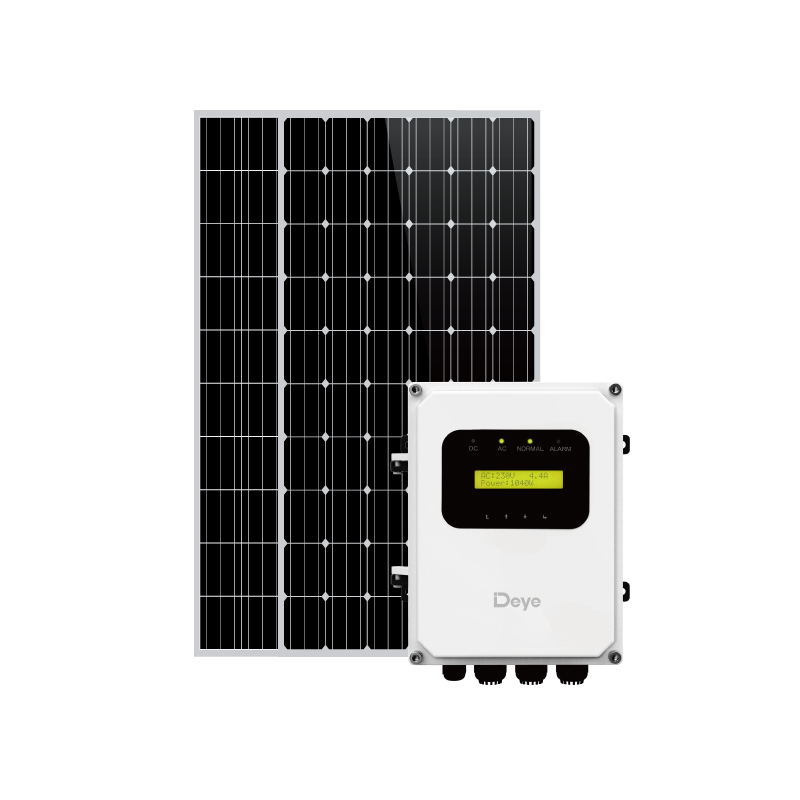 The AC/DC Auto Switch Controller adopts solar-first intelligent switching logic for a 24-hour uninte...View Product
 -
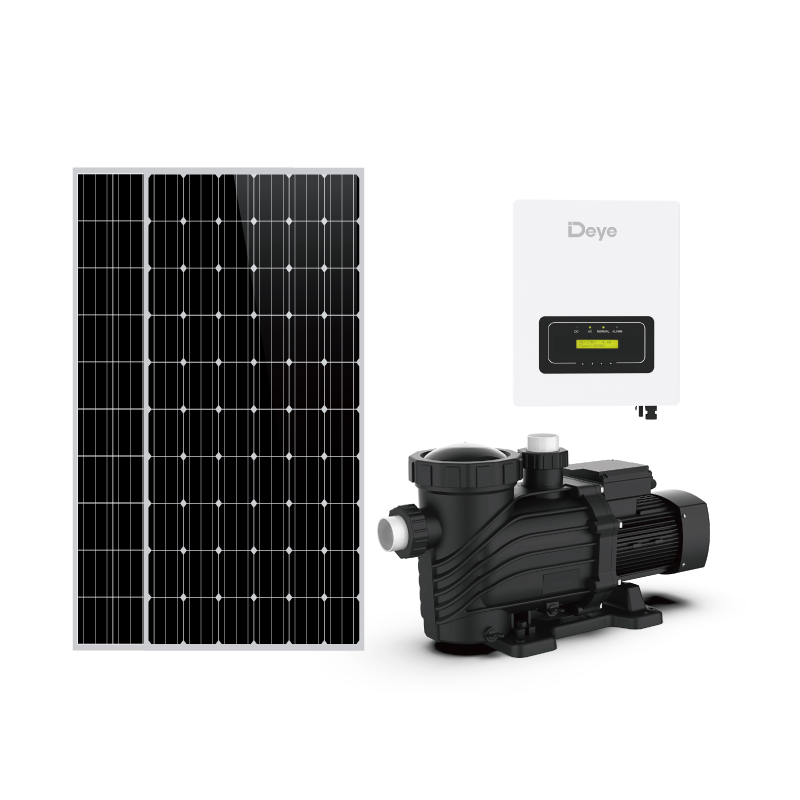 Deye Solar swimming pool pump is a simple, intelligent and worry-free solution that suitable for var...View Product
 -
Compact 3-inch plastic impeller solar pump with low power range, engineered for single-family scatte...View Product
-
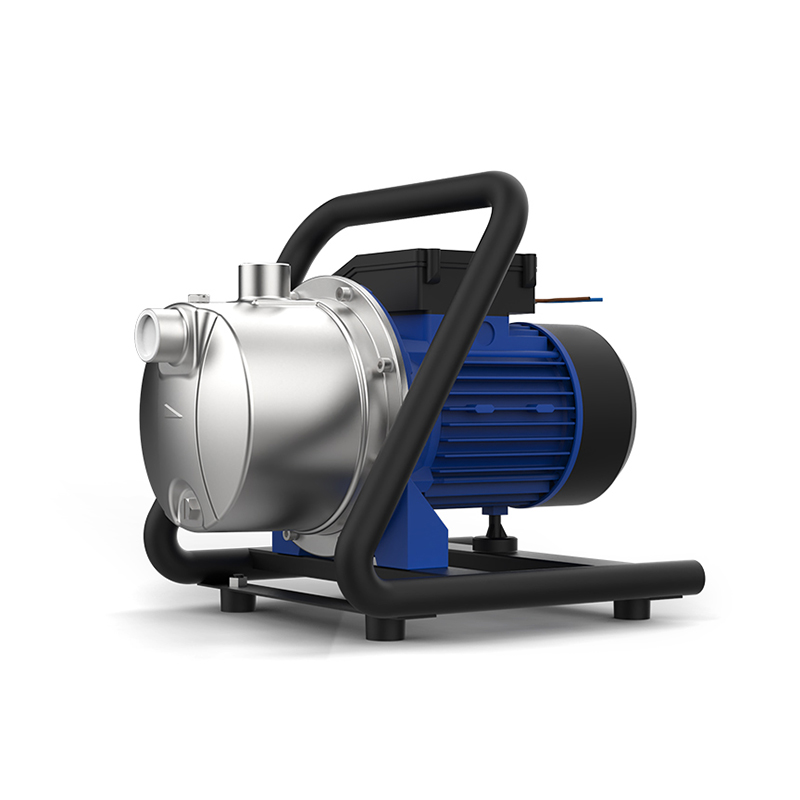 This 2000–3600W AC/DC auto-switch centrifugal surface solar pump is fitted with high-efficiency PMSM...View Product
 -
This 4-inch AC/DC solar submersible pump (600-3000W, plastic impeller) works with solar panels and m...View Product
-
Premium 4-inch stainless steel impeller pump features full anti-rust & anti-silt performance, to...View Product

- No. 26, Yongjiang South Road, Beilun Dirstrict, Ningbo City, Zhejiang, China.
-
[email protected] ( Daniel )
+86-13923361908 ( WhatsApp )
-
[email protected] ( Chris )
+86-18186995218 ( WhatsApp )
-
+86-15888503217 ( Mark Pan )
[email protected] ( WhatsApp )
Copyright ©Zhejiang Deye Electrical Appliances Co., Ltd. All Rights Reserved. Deye Solar Water Pump Manufacturer Solar Water Pump System Supplier

 Back to Top