

 русский
 Français
 Español
 عربى
عربى Deutsch
 Português
 italiano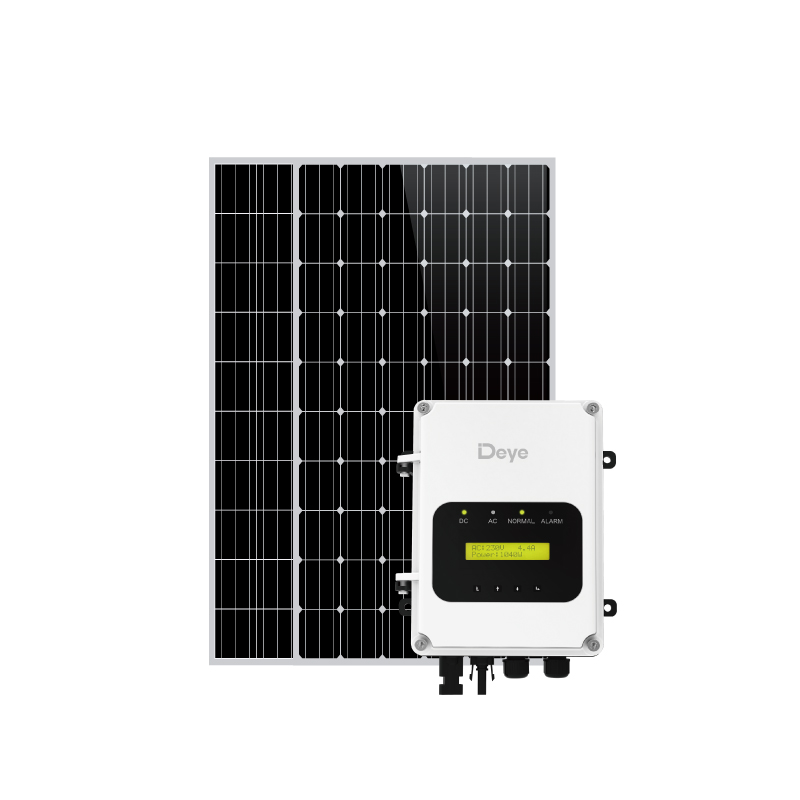
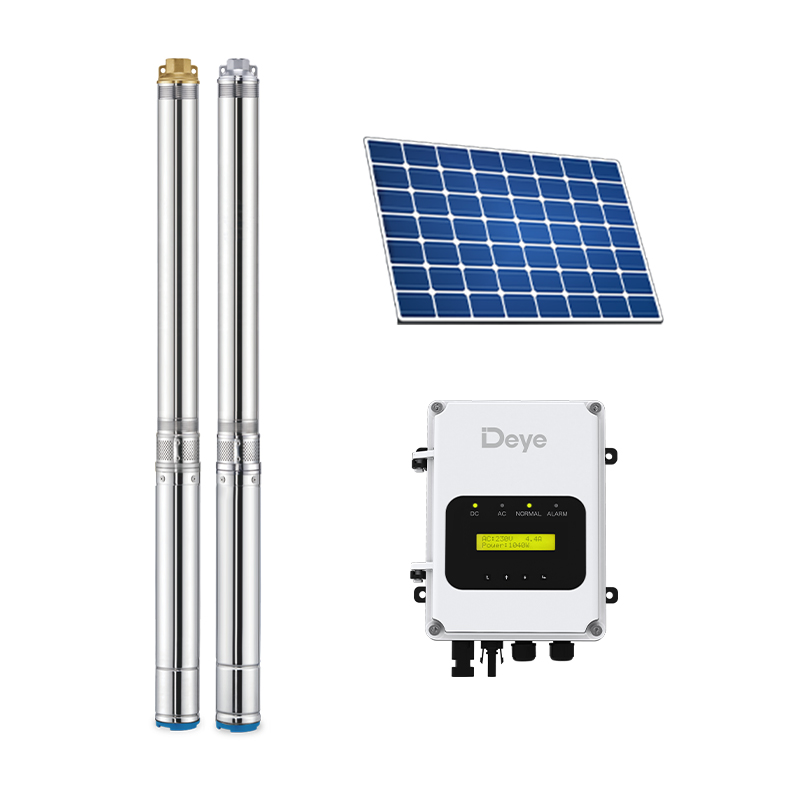
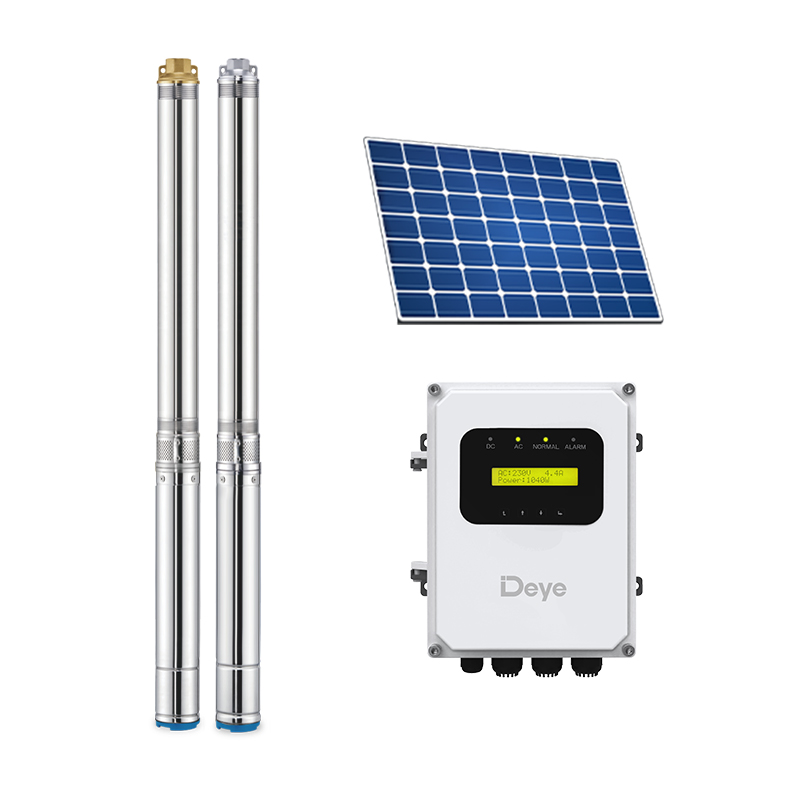
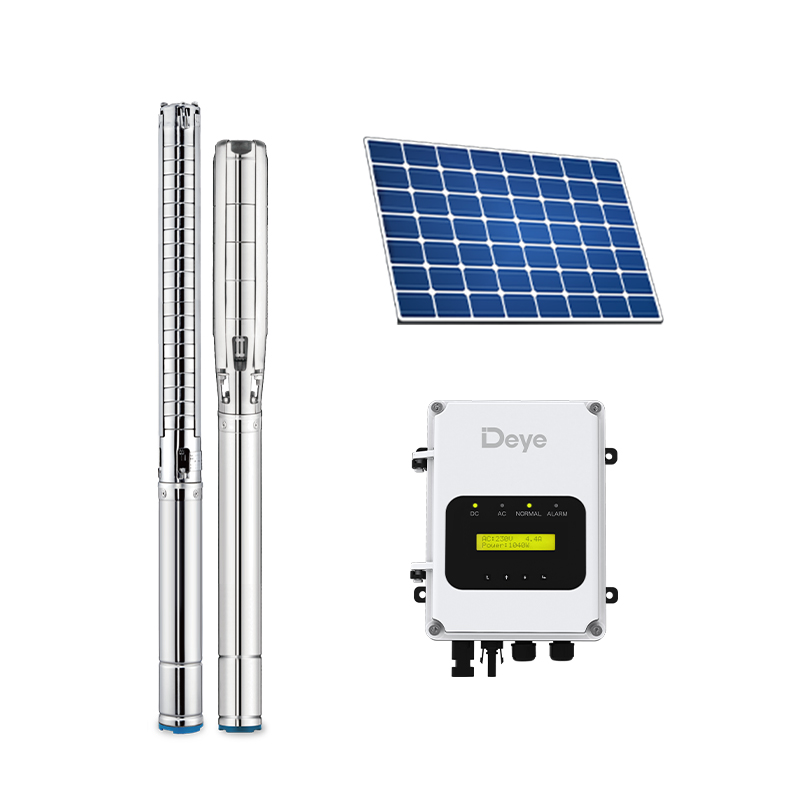
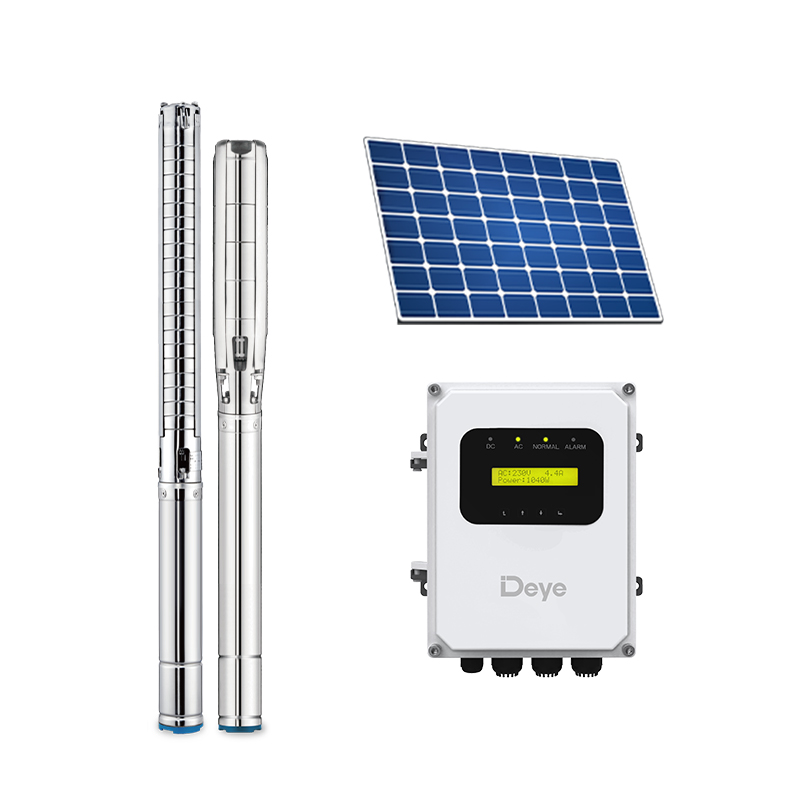
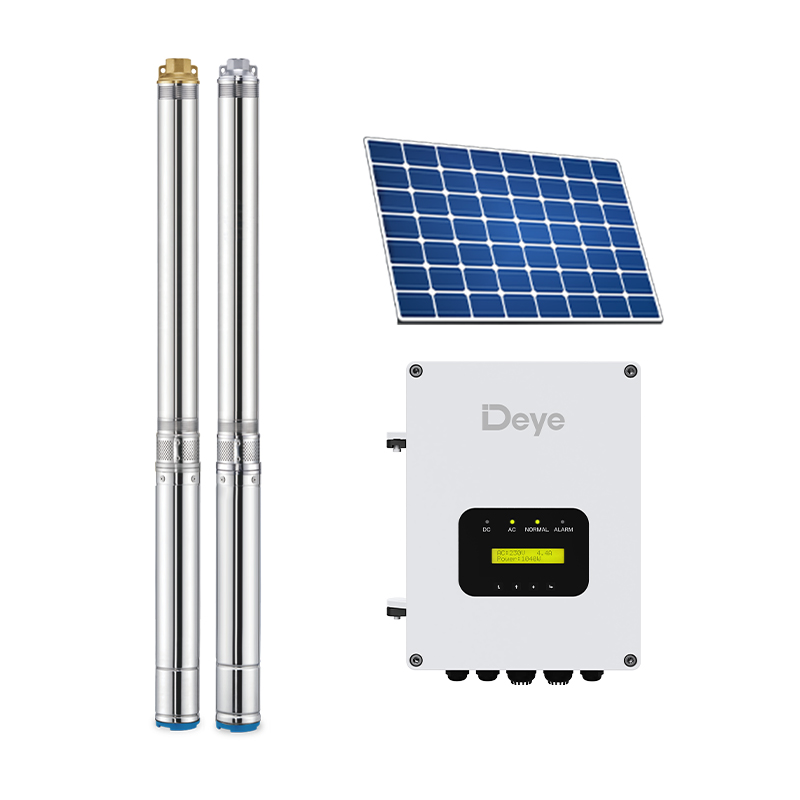
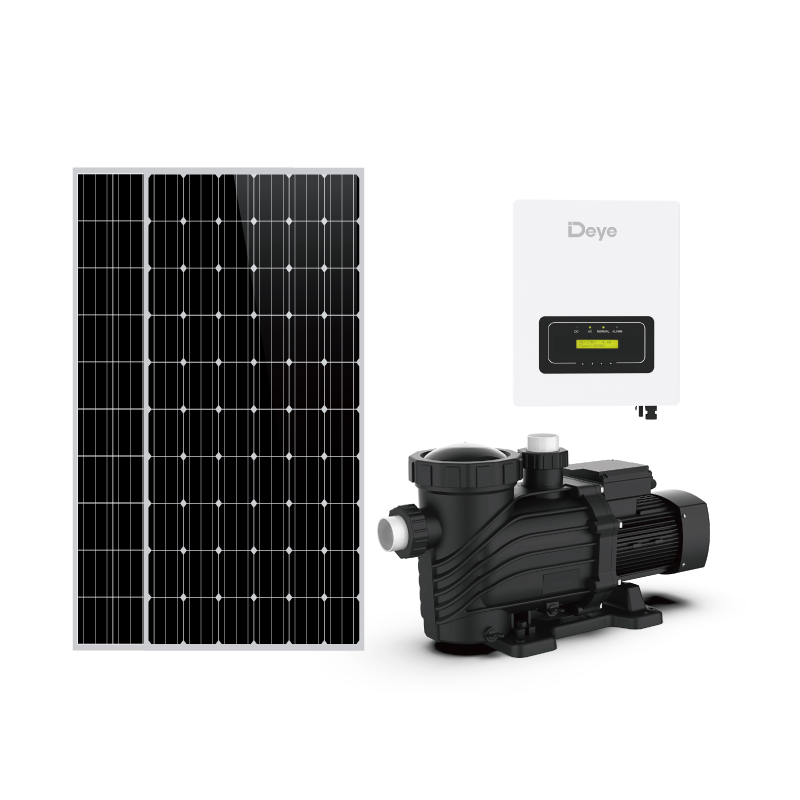
A solar submersible pump is the most widely used solar water pumping solution because it sits below the water surface and can lift water from deep wells without needing a separate suction line. It converts sunlight directly into water flow, which makes it a dependable choice for irrigation, off-grid homes, livestock watering, and remote industrial sites. This guide explains how solar submersible pumps work, what to look for when choosing one, and why the pump controller is just as important as the pump itself.
content
How a Solar Submersible Pump Works
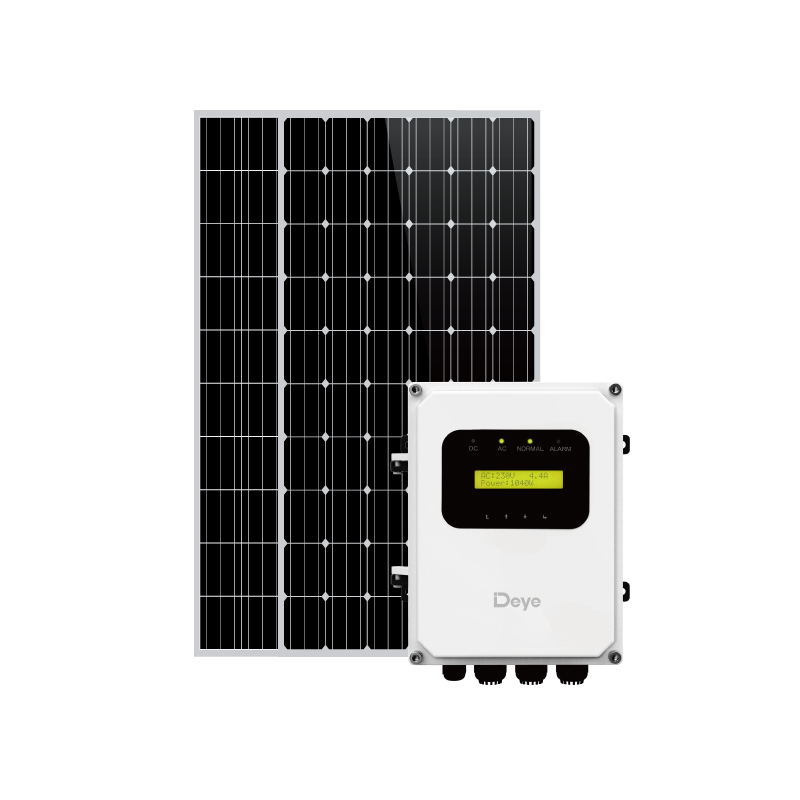
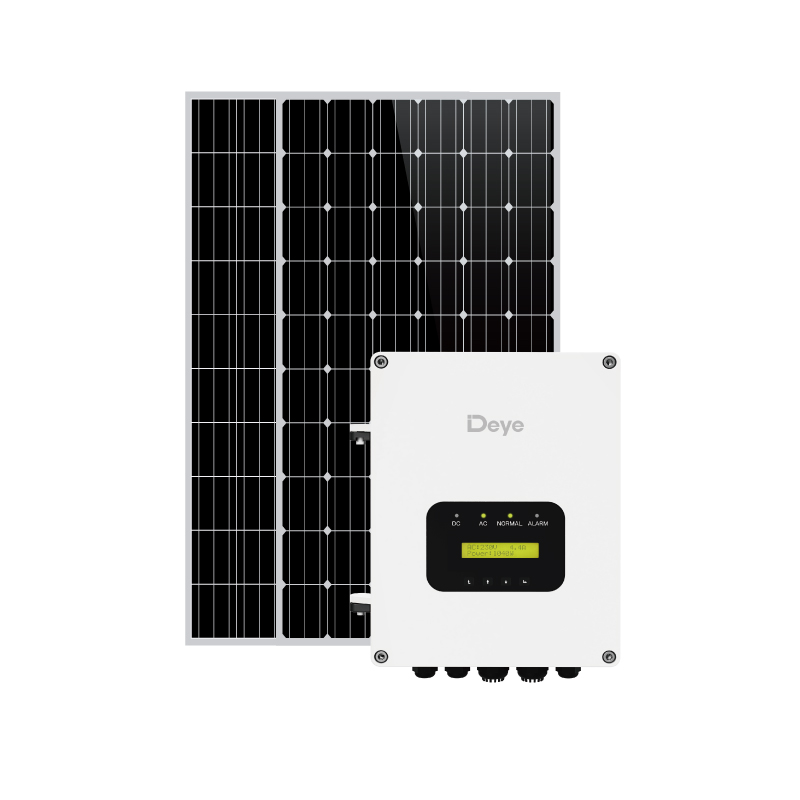
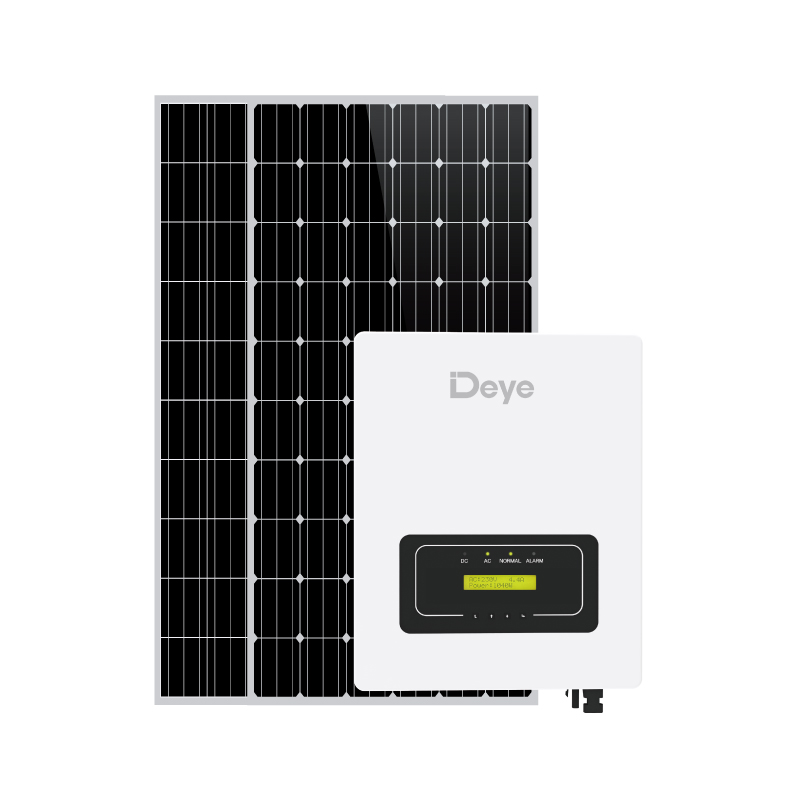
A solar submersible pump system converts sunlight into electricity and uses that energy to drive a sealed motor and impeller assembly located underwater. The key components are the photovoltaic panels, the pump controller, the submersible pump, and the piping or delivery hose.
Solar panels generate DC electricity when sunlight hits the photovoltaic cells. The controller regulates voltage and current before sending power to the pump motor, which spins the impeller. Spinning impeller blades create a pressure difference, pushing water through the pump body and up the riser pipe to the outlet. Because the pump is submerged, it does not need to be primed and is naturally cooled by the surrounding water.
DC-only versus AC/DC hybrid operation
The controller plays a decisive role in reliability. A DC-only pump only works when the sun is shining, whereas an AC/DC hybrid controller can run from solar panels, an AC power source, or both at the same time. When sunlight is strong, the pump uses solar power; when clouds reduce output or at night, an automatic switch can transfer the load to AC backup. This design removes the need for a large battery bank in many installations and keeps water flowing even during bad weather.
Why Choose a Solar Submersible Pump
Solar submersible pumps have the lowest running cost and the highest energy independence among all remote pumping options because they rely on free sunlight rather than fuel or grid electricity.
- Lower operating costs: After installation, sunlight is free, so the main costs are occasional maintenance and replacement of vulnerable parts.
- Reliable in remote areas: There is no need to run power lines or deliver diesel, making the pump suitable for fields, pastures, and off-grid cabins.
- Self-priming by design: The pump is submerged, so it never loses prime and requires less manual attention.
- Quieter and cleaner: No engine exhaust, no fuel spills, and minimal noise compared with diesel pump sets.
- Scalable capacity: You can choose different power ratings and impeller materials to match the water demand of each site.
How to Select the Right Solar Submersible Pump
The correct pump size depends on four numbers: total dynamic head, required flow rate, available solar irradiation, and the type of controller you choose. If any of these is wrong, the pump may underperform or fail prematurely. Deye builds solar submersible pumps on the same hydraulic platforms as its conventional submersible pump range, which has been refined since 1990.
Match the pump to total dynamic head
Total dynamic head is the vertical distance from the water surface to the delivery point plus friction losses in the pipe. More head means more pressure required, so choose a pump whose rated head is greater than your worst-case requirement.
Choose the right impeller material
Impeller material directly affects durability in abrasive water. Plastic impellers are lightweight and affordable, and they work well in clean water; stainless steel impellers resist sand, silt, and chemical wear, making them a safer choice for agricultural and borehole applications.
The AC/DC controller is the unsung hero
Think of the controller as the brain of the system. A good AC/DC hybrid controller protects against dry running, overcurrent, overvoltage, and reverse polarity, while automatically switching between solar and grid power.
Solar submersible pump families compared
To make the first selection easier, the table below outlines common Deye solar submersible pump families based on inlet size, power range, and impeller material.
| Pump family | Power range | Impeller | Typical use |
|---|---|---|---|
| 3-inch solar AC/DC submersible pump | 400-1500 W | Plastic | Shallow wells, garden irrigation, small livestock systems |
| 4-inch solar AC/DC submersible pump | 600-3000 W | Plastic | Household supply, medium-flow irrigation |
| 4-inch solar AC/DC submersible pump | 800-3000 W | Stainless steel | Agricultural wells, abrasive water, longer service life |
| 6-inch solar AC/DC submersible pump | 800-3000 W | Stainless steel | High-volume irrigation, larger off-grid water systems |
| 4-inch high-speed submersible solar pump | 5500-13000 W | Plastic | High-head or high-flow industrial water transfer |
For moderate well depths and smaller daily demand, a 3-inch solar submersible pump with a 400-1500 W AC/DC controller is a practical entry-level choice. For agricultural wells with abrasive water, a 4-inch solar submersible pump with a stainless steel impeller and 800-3000 W power range provides longer service life. For larger irrigation schemes, the 6-inch solar submersible pump with 800-3000 W and a stainless steel impeller offers higher flow capacity while keeping the same low-maintenance design.
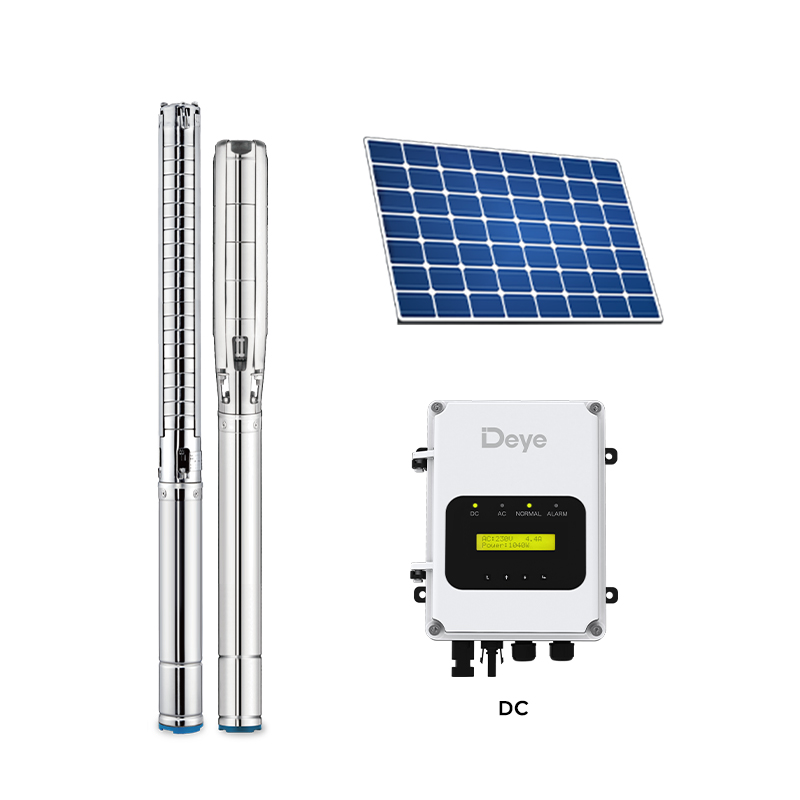 Deye 6 Inch Solar AC/DC Pump Controller (800-3000W) Stainless Steel Impeller SubZhejiang Deye Electrical Appliances Co., Ltd is China 6 Inch Solar AC/DC Pump Controller (800-3000W) Stainless Steel Impeller Submersible...View Product →
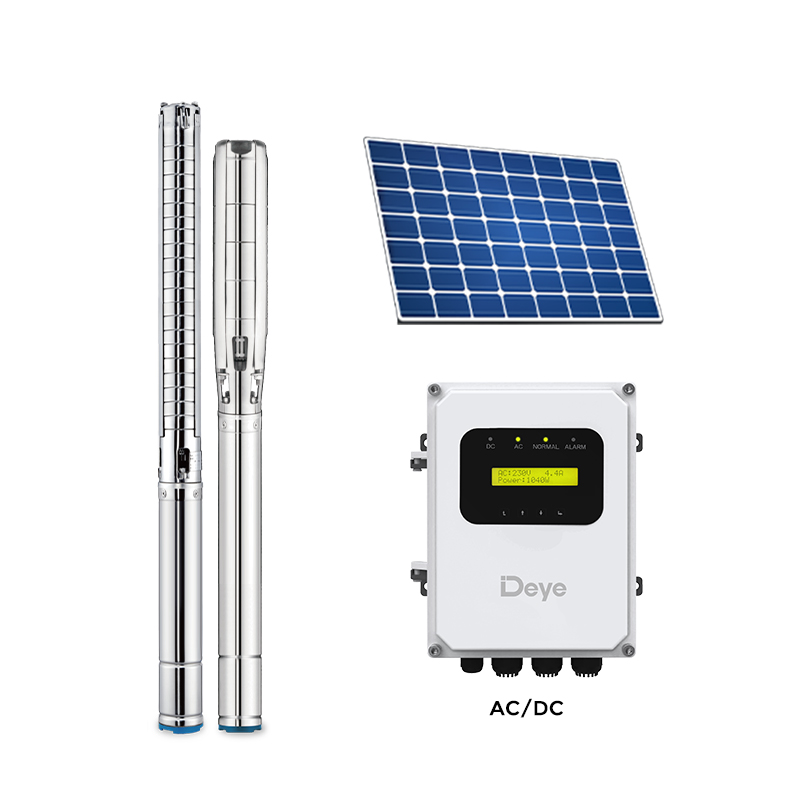 Deye 4 Inch Solar AC/DC Pump Controller (800-3000W) Stainless Steel Impeller SubZhejiang Deye Electrical Appliances Co., Ltd is China 4 Inch Solar AC/DC Pump Controller (800-3000W) Stainless Steel Impeller Submersible...View Product →
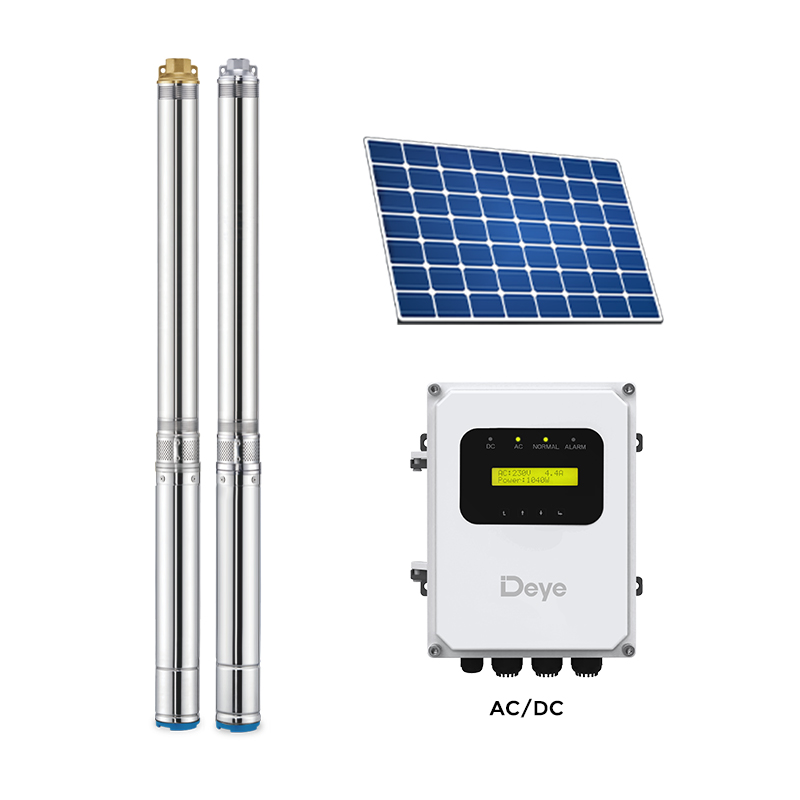 Deye 3 Inch Solar AC/DC Pump Controller (400-1500W) Plastic Impeller SubmersibleZhejiang Deye Electrical Appliances Co., Ltd is China 3 Inch Solar AC/DC Pump Controller (400-1500W) Plastic Impeller Submersible Pumps s...View Product →
Many failed solar pumping projects are the result of undersizing the controller or using a pump with insufficient head for the well. It is safer to add at least 10 percent margin to the calculated total dynamic head.
Where Solar Submersible Pumps Are Used
Solar submersible pumps are most effective in locations where grid power is unavailable, expensive, or unreliable. Common examples include agricultural irrigation, off-grid residences, livestock watering, aquaculture, and river maintenance.
- Irrigation: Solar submersible pumps draw water from wells or boreholes for field, greenhouse, or orchard irrigation. For system layouts and pipe sizing, see our solar water pump for irrigation application guide.
- Off-grid homes: Houses outside the grid use submersible pumps to fill pressure tanks or storage reservoirs for daily domestic use.
- Livestock watering: Automatic water supply at remote pastures improves herd health and reduces labor.
- Aquaculture and river maintenance: Submersible pumps help circulate pond water, support aeration, and contribute to environmental water management projects.
Installation and Maintenance Tips
Most solar submersible pumps are designed for quick installation, but long-term reliability depends on correct wiring, well sizing, and routine checks.
- Choose a pump diameter small enough to fit the well casing with clearance for water flow and cable routing.
- Use a safety rope to support the pump, never the power cable.
- Place the controller away from direct sun and rain in a ventilated enclosure.
- Wire the system with proper fuses and disconnect switches, and follow national electrical codes.
- Inspect the impeller and inlet screen regularly if the water contains sand or algae.
- Check the controller display for fault codes after storms or long idle periods.
Frequently Asked Questions
Here are the most common questions buyers ask when choosing a solar submersible pump.
Can a solar submersible pump run without batteries?
Yes. A direct-drive solar pump can run whenever the sun is strong enough. Adding an AC/DC hybrid controller lets it switch to an alternative AC power source when solar power is low, which is often a more practical alternative to batteries.
How deep can a solar submersible pump lift water?
Depth capability depends on the number of impeller stages and motor power. Small 3-inch pumps with 400-1500 W motors are designed for shallow-to-medium wells, while larger 4-inch and 6-inch models handle deeper wells and higher flow rates. Always compare rated maximum head, not just power.
What is the difference between plastic and stainless steel impellers?
Plastic impellers are lighter, quieter, and lower cost, but they wear faster when pumping sandy or abrasive water. Stainless steel impellers are more expensive but last longer in dirty conditions and are safer for long-term agricultural service.
How long do solar submersible pumps last?
A well-built solar submersible pump can run for 8 to 10 years or more with proper sizing and clean power. The most common failures are caused by dry running, lightning surges, undersized cables, or poor controller protection.
Final Advice for Your Solar Submersible Pump Project
Start with a clear water audit: how much water you need, how deep the well is, and what sunlight conditions your site receives. Then choose a pump and controller combination that can handle that demand without running at maximum power all the time.
If you are not sure which model fits your borehole, talk to an experienced supplier. The right combination of solar array, controller, and pump is more important than buying the largest pump you can mount. For a detailed proposal, contact our support team with your well depth, daily water demand, and local sunlight data.