

 русский
 Français
 Español
 عربى
عربى Deutsch
 Português
 italiano
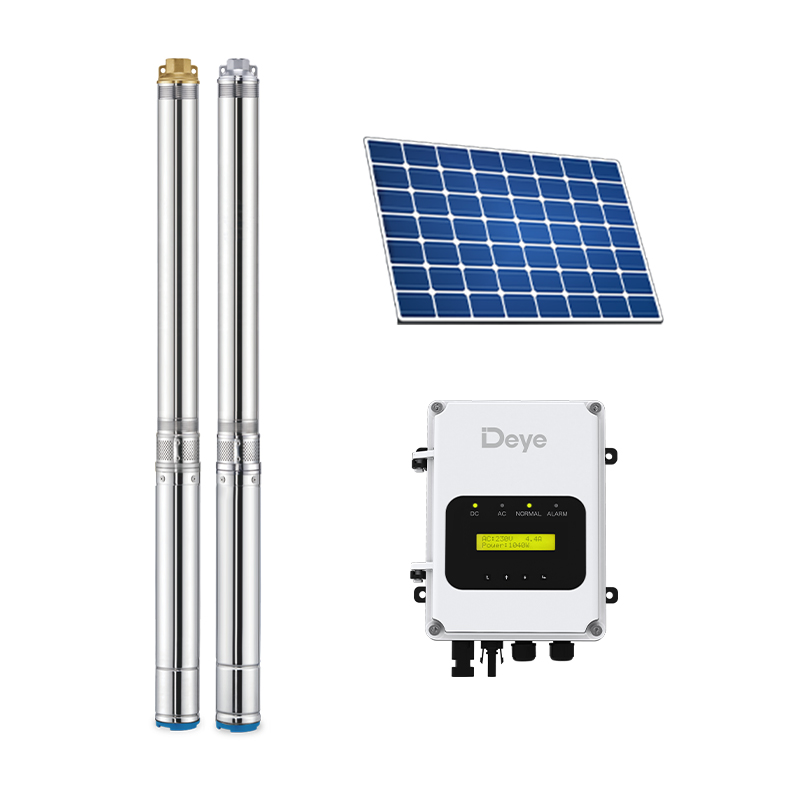
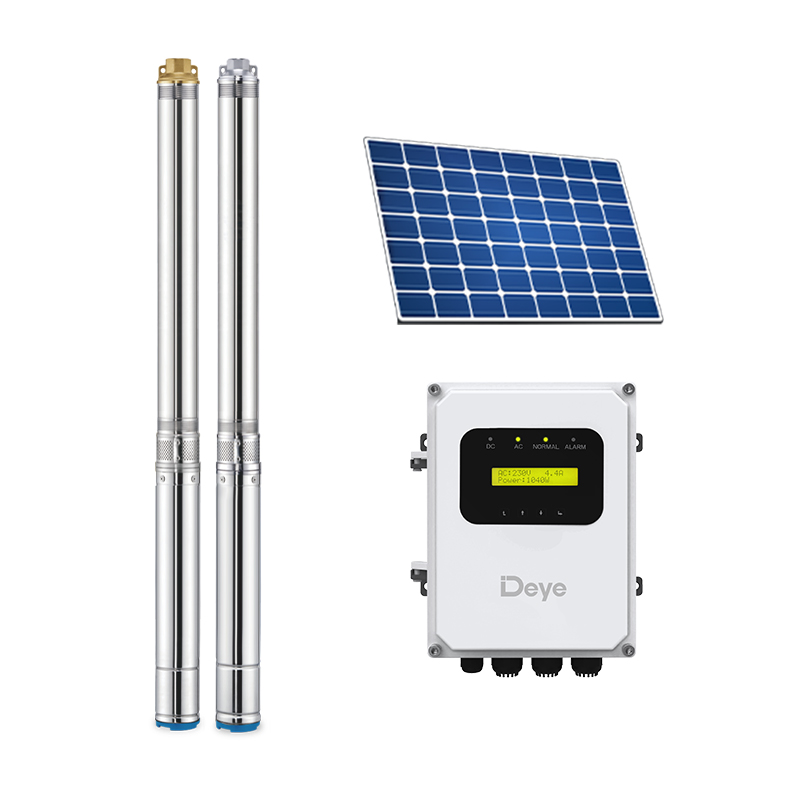
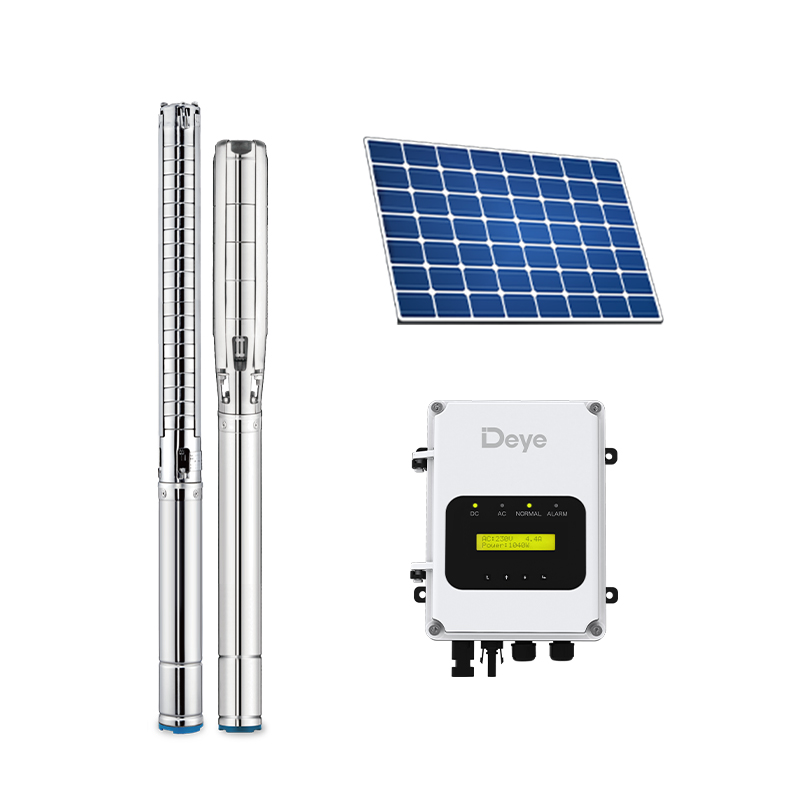
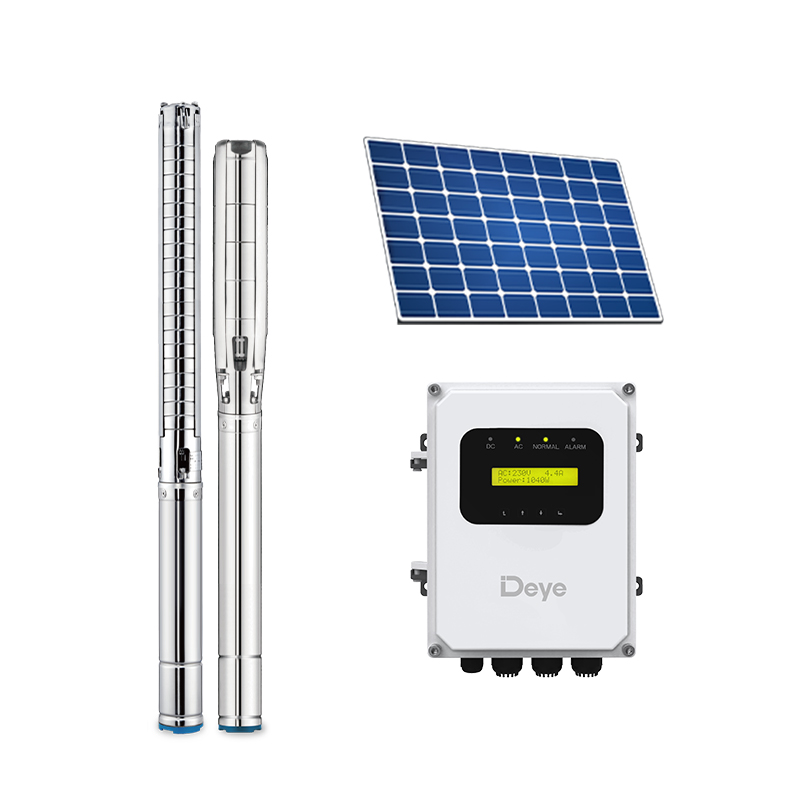
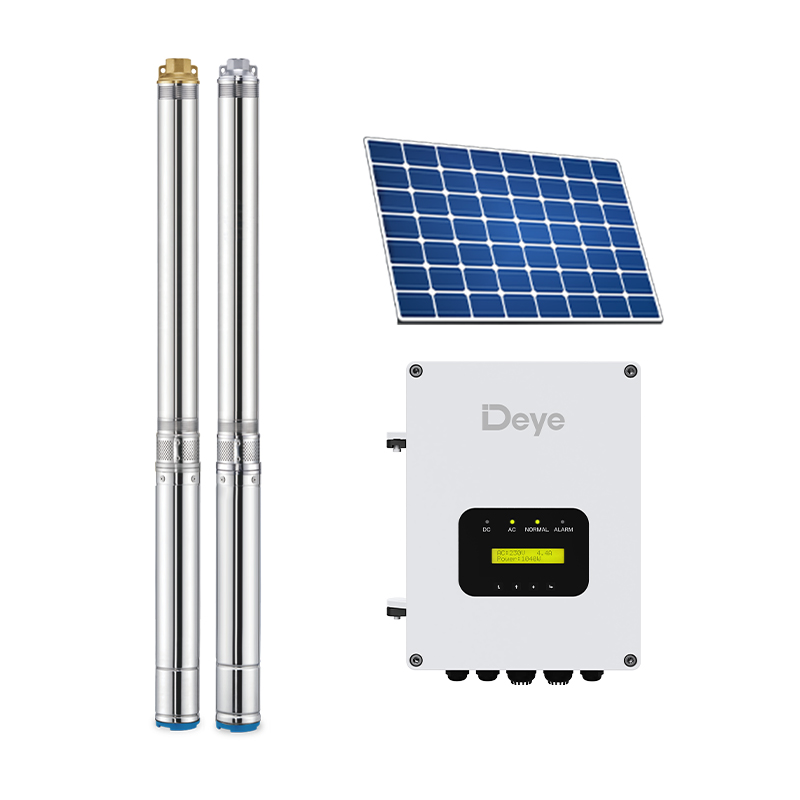
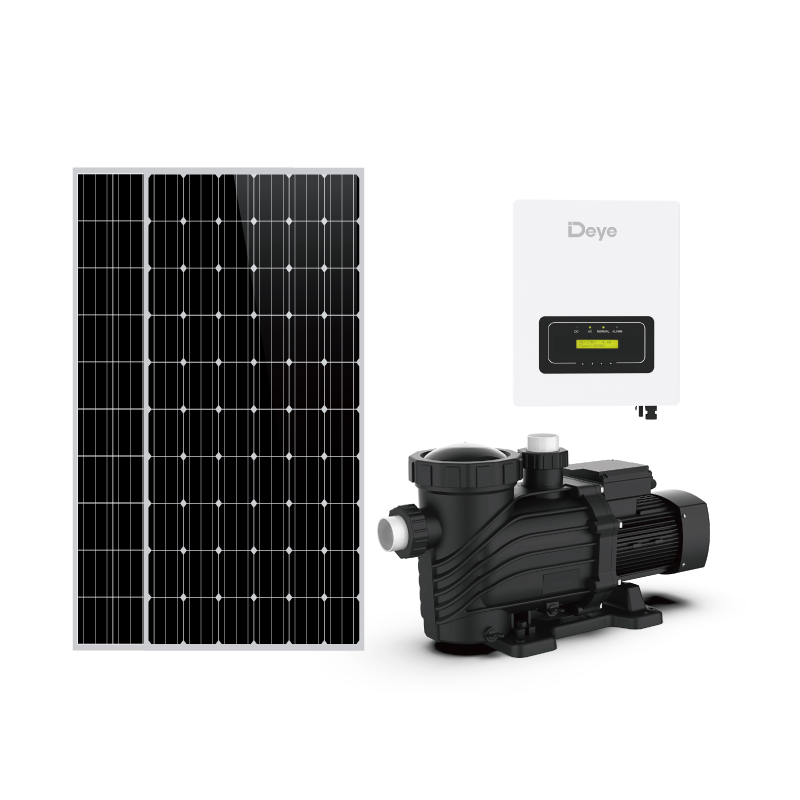
A solar irrigation pump is a water-delivery system that uses photovoltaic panels to drive a pump, moving water from a well, pond, or storage tank to crops without grid electricity. For sunny off-grid fields, a properly sized solar irrigation pump is usually the lowest long-term-cost option because it removes fuel costs and lets you irrigate according to crop water demand. The right choice starts with two measurements, daily water requirement and total head, then moves to the pump and controller that can meet them.
content
- 1 What Is a Solar Irrigation Pump?
- 2 How Does a Solar Irrigation Pump Work?
- 3 Types of Solar Irrigation Pumps
- 4 How to Size a Solar Irrigation Pump Correctly
- 5 What Affects the Price of a Solar Irrigation Pump
- 6 Installation and Maintenance Checklist
- 7 Five Buying Mistakes That Ruin Solar Irrigation Performance
- 8 Frequently Asked Questions About Solar Irrigation Pumps
- 9 Final Buying Advice
What Is a Solar Irrigation Pump?
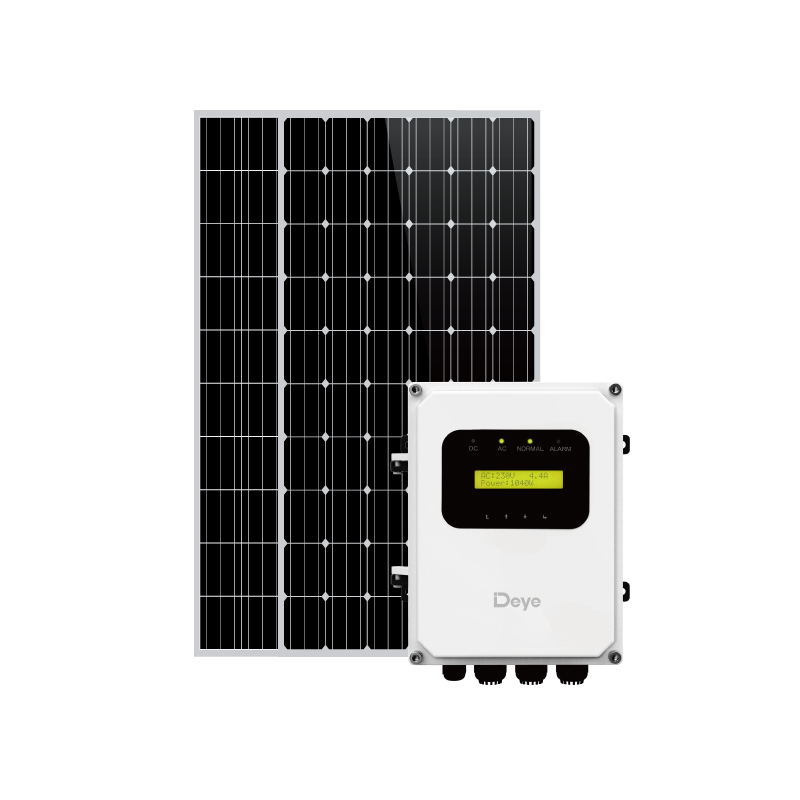
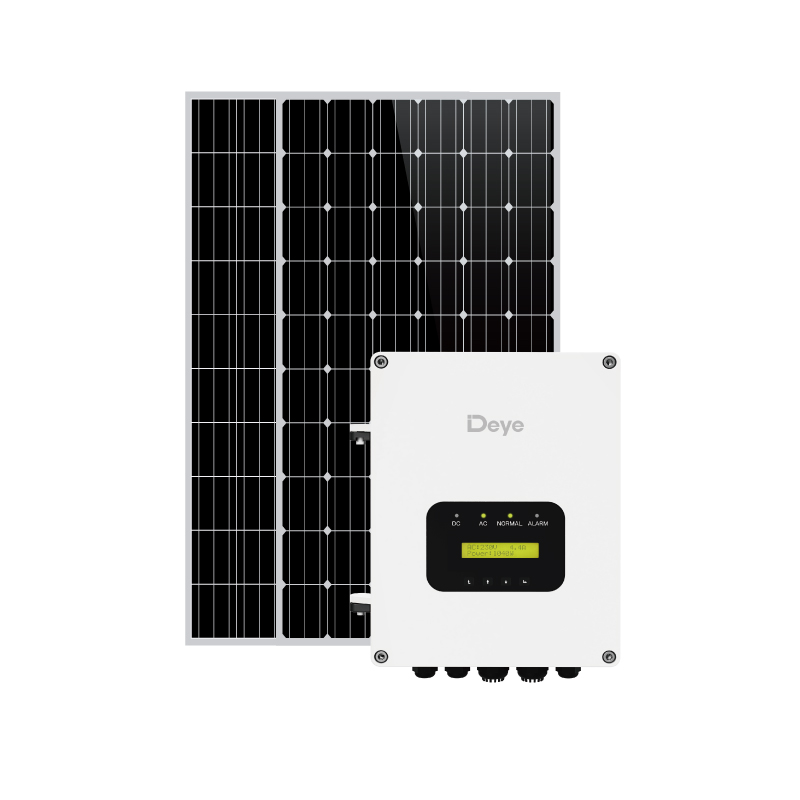
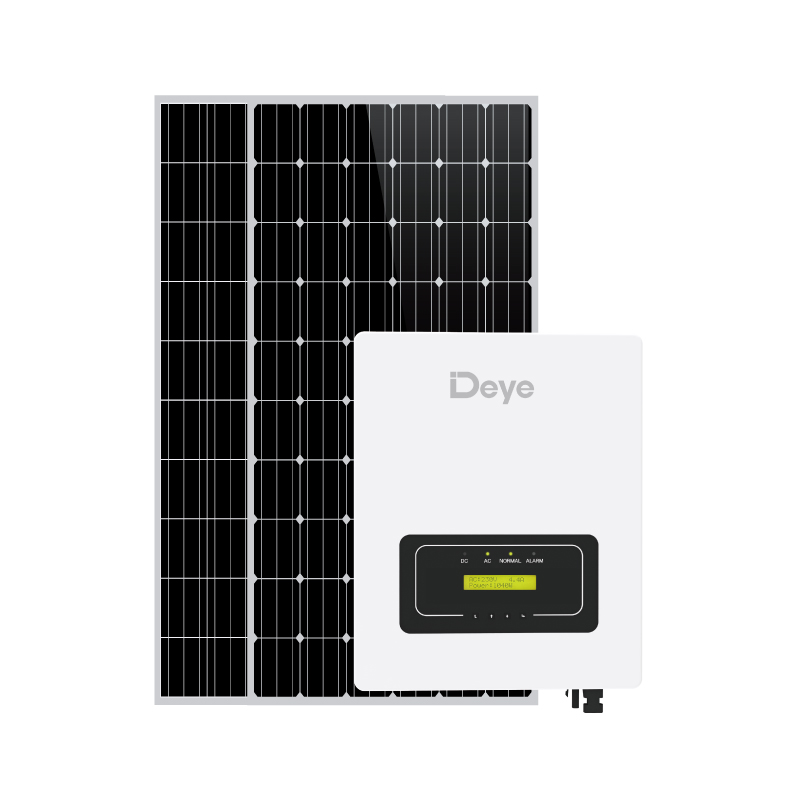
A solar irrigation pump is an integrated system that contains solar panels, a controller, a pump body, and the piping needed to move water to the irrigation line. The controller is often the most important component because it manages start-up, motor speed, dry-run protection, and the changeover between solar and AC power.
- Solar panels capture sunlight and generate DC electricity.
- Pump controller adjusts voltage and current and protects the pump from low water or overload.
- Pump body can be submersible or surface-mounted, with either plastic or stainless steel impellers.
- Water delivery parts include suction pipe, delivery hose, valves, filters, and often a storage tank.
For a practical walk-through of the equipment required for fields and orchards, review the solar irrigation application overview before you buy.
How Does a Solar Irrigation Pump Work?
A solar irrigation pump works by using an MPPT controller to match the solar array’s output to the pump motor, so the pump starts when sunlight is strong enough and stops automatically when solar power drops below the operating threshold.
- Solar panels convert sunlight into DC electricity.
- The controller tracks the maximum power point and adjusts voltage and current.
- The pump motor spins and moves water through the discharge pipe.
- With an AC/DC hybrid controller, the system switches automatically to AC power when solar output is insufficient.
This automatic switching is valuable for irrigation because a cloudy morning or late-day rain does not stop the water supply completely.
Types of Solar Irrigation Pumps
Submersible pumps are the default for wells and high-lift sites, while surface pumps are usually better for ponds, tanks, and shallow suction applications.
The table below compares the common solar pump configurations used for irrigation.
| Pump type | Typical water source | Best for |
|---|---|---|
| 3-inch submersible pump | Small-diameter boreholes | Small plots, low to medium flow |
| 4-inch submersible pump | Standard wells and boreholes | Most small and medium farms |
| 6-inch submersible pump | Large-diameter wells | High flow, large fields, livestock water |
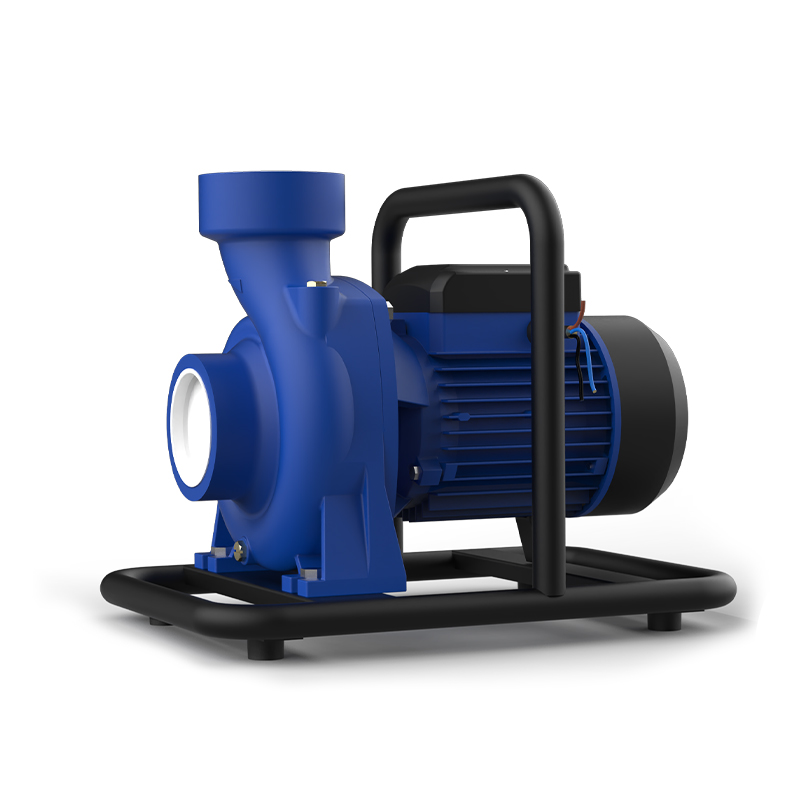
| Centrifugal surface pump | Ponds, tanks, shallow wells | Low-lift irrigation and water transfer |
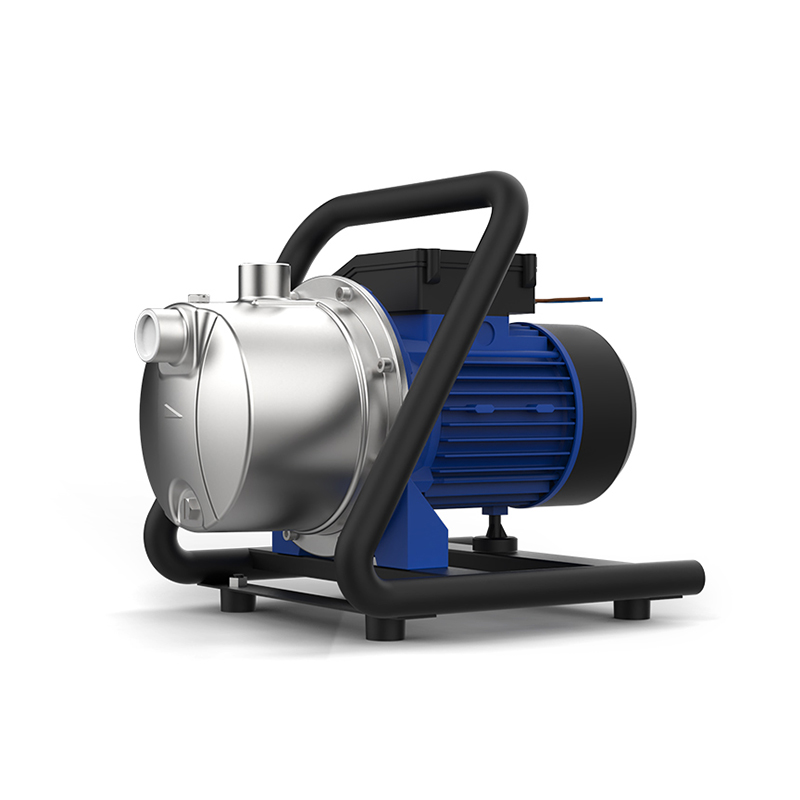
| Self-priming surface pump | Water sources with air in the suction line | Portable or flexible irrigation setups |
For a groundwater source, a 4-inch solar submersible pump with 600-3000 W controller is a balanced choice for many farms because it fits a standard borehole and works well with a reasonably sized solar array.
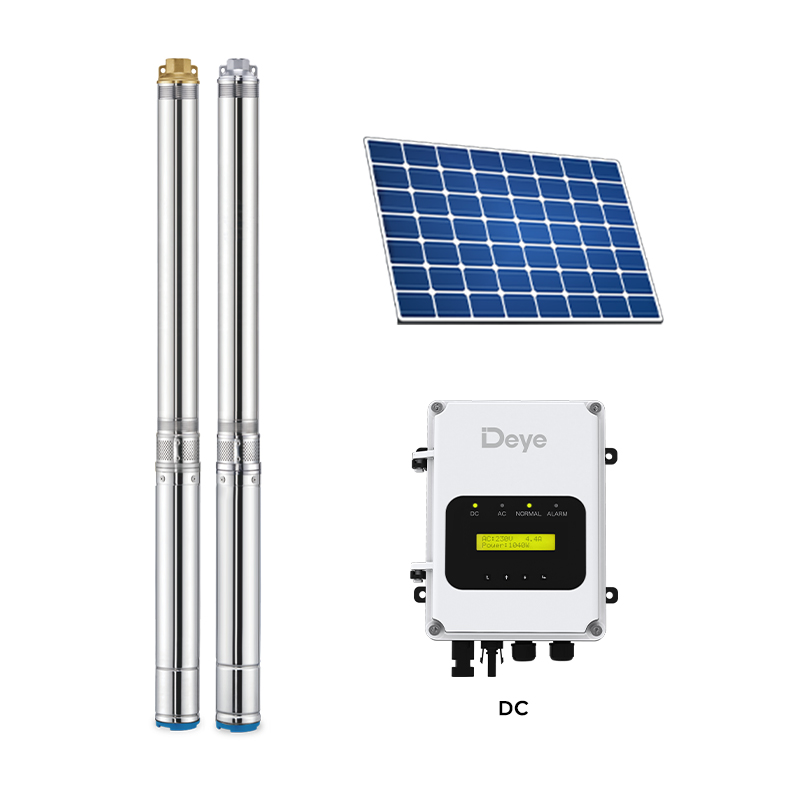 Deye 4 Inch Solar AC/DC Pump Controller (600-3000W) Plastic Impeller SubmersibleZhejiang Deye Electrical Appliances Co., Ltd is China 4 Inch Solar AC/DC Pump Controller (600-3000W) Plastic Impeller Submersible Pumps s...View Product →
When your water source is a canal, pond, or storage tank, a centrifugal surface solar pump with automatic solar switching is faster to install and easier to maintain because the motor stays above the water.
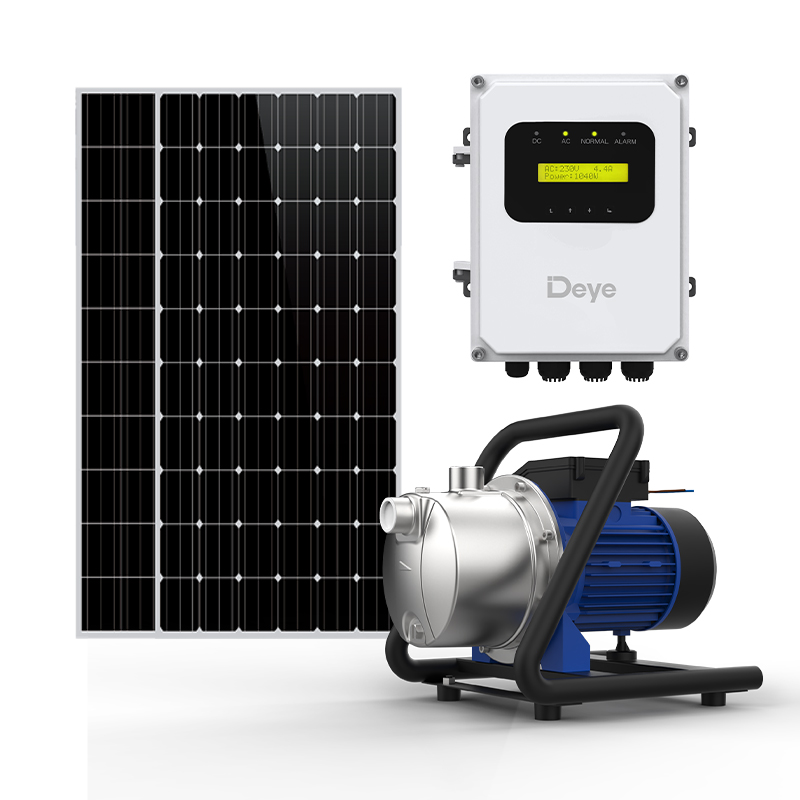 Deye Centrifugal Surface Solar Pump with Automatic Solar Switching AC/DC Pump CoZhejiang Deye Electrical Appliances Co., Ltd is China Centrifugal Surface Solar Pump with Automatic Solar Switching AC/DC Pump Controller...View Product →
How to Size a Solar Irrigation Pump Correctly
You size a solar irrigation pump by matching the pump curve, controller input range, and solar array to the exact water demand and total head of your site.
- Estimate daily water need: multiply crop area by crop water demand, then divide by irrigation efficiency.
- Measure total head: add static water depth, vertical lift, pipe friction loss, and required operating pressure.
- Use the pump performance curve to find a model that delivers the required flow at that total head.
- Match the solar array to the controller and motor input range, then add a safety margin for hot panels and cloudy days.
The controller should be selected at the same time as the pump. A 1100-3000 W solar auto-switch AC/DC pump controller can accept both solar DC and AC backup, which extends operation on cloudy days or at night when a grid or generator connection is available.
 Deye Solar Auto-switch AC/DC Pump Controller (1100-3000W) Supplier, Factory - ZhZhejiang Deye Electrical Appliances Co., Ltd is China Solar Auto-switch AC/DC Pump Controller (1100-3000W) supplier and OEM factory,The A...View Product →
What Affects the Price of a Solar Irrigation Pump
Price depends mainly on flow, total head, controller sophistication, and construction materials, not simply on the pump diameter.
| Factor | Why it matters | What to check |
|---|---|---|
| Flow rate | Determines how many hectares you can irrigate per day. | Match the pump curve to your daily water demand and sun hours. |
| Total head | Higher lift reduces flow; wrong estimates cause underperformance. | Measure lift, pipe length, fittings, and sprinkler pressure. |
| Controller type | Hybrid controllers allow AC backup and better system flexibility. | Look for MPPT, auto-switch, dry-run protection, and a clear display. |
| Impeller material | Plastic is lighter; stainless steel handles sand and chemicals better. | Check water quality before choosing the impeller material. |
| Warranty and service | Downtime is expensive during the growing season. | Ask about spare parts availability and response times. |
Smaller systems with a basic DC controller are usually the cheapest entry point. Larger hybrid systems with stainless steel components cost more but provide better durability and backup flexibility for commercial irrigation.
Installation and Maintenance Checklist
Installation is normally completed in one or two days, but long-term reliability depends on wiring, pipe support, and protection from the weather.
- Mount solar panels on a solid frame facing the sun and away from shading.
- Use cable glands and conduit to keep moisture away from the controller.
- Support the discharge pipe so the pump weight is not carried by the pipe joints.
- Install a strainer or filter to reduce sand and debris entering the pump.
- Clean the solar panels weekly in dusty areas and check all electrical connections.
- Inspect the impeller and mechanical seal every season, especially when the water contains sand.
- Drain surface pumps and protect above-ground pipes before freezing temperatures arrive.
Five Buying Mistakes That Ruin Solar Irrigation Performance
Most underperforming solar irrigation systems fail because of poor sizing or component mismatch, not because the pump itself is defective.
1. Buying the pump before measuring the well
Without water depth, drawdown, and pipe friction, you cannot select a pump that will deliver the required flow.
2. Oversizing the solar panels
Panels above the controller’s input range can damage the controller and reduce pump efficiency.
3. Ignoring friction loss
Long pipe runs and narrow fittings reduce pressure more than most buyers expect.
4. Choosing the wrong impeller
Plastic impellers are fine for clean water; sandy or abrasive water needs stainless steel.
5. Forgetting cloud and backup needs
If irrigation cannot wait, a hybrid AC/DC controller or a storage tank is essential.
Frequently Asked Questions About Solar Irrigation Pumps
The answers to common solar irrigation pump questions come down to matching the pump, controller, and solar array to the water source and crop demand.
- Can a solar irrigation pump run without batteries? Yes. Most direct solar systems run during daylight, which is enough for many crops. A water storage tank is usually cheaper and more practical than a battery bank.
- How many hours per day can it pump? In sunny weather, expect 6 to 8 effective pumping hours per day. A hybrid AC/DC controller can extend this by switching to AC power.
- What is the lifespan of the main parts? Solar panels often last 20 to 25 years, pump motors around 8 to 15 years, and controllers 5 to 10 years depending on heat and voltage stress.
- Can I run an existing AC pump with solar panels? Only with a converter or hybrid controller sized for the motor. A purpose-built solar pump with a brushless DC motor is usually more efficient and more reliable.
- Is a storage tank necessary? A tank is recommended because it separates solar generation from irrigation timing and reduces the need to oversize the pump.
Final Buying Advice
Start with your crop area, daily water demand, well depth, and pipe distance, then confirm the controller can handle both solar and backup power if you need continuous supply. If you are unsure about your numbers, contact Deye’s support team with those details and ask for a pump recommendation that fits your site rather than choosing solely by price.