

 русский
 Français
 Español
 عربى
عربى Deutsch
 Português
 italiano
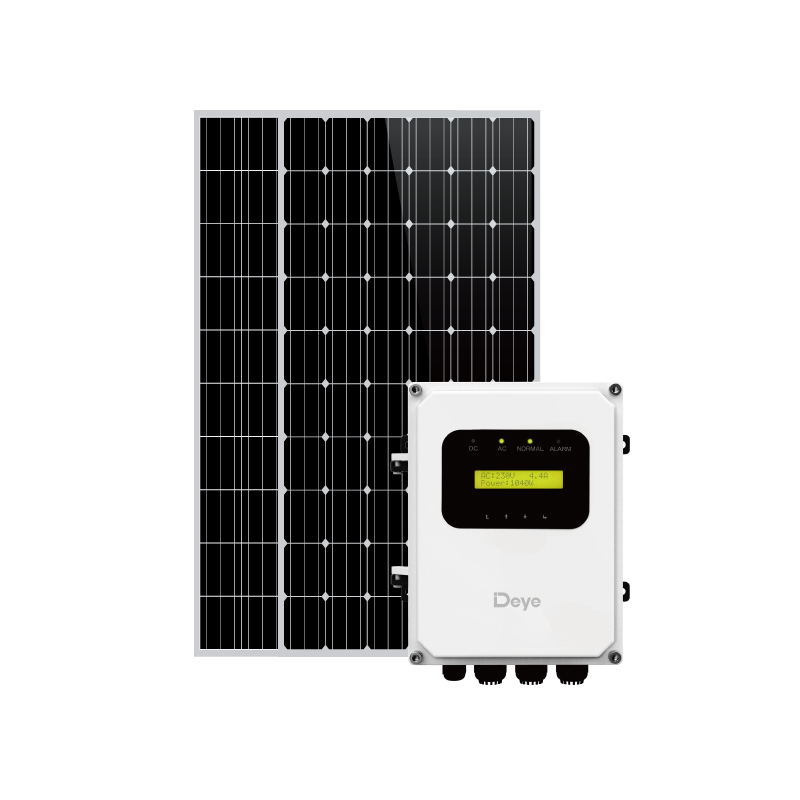
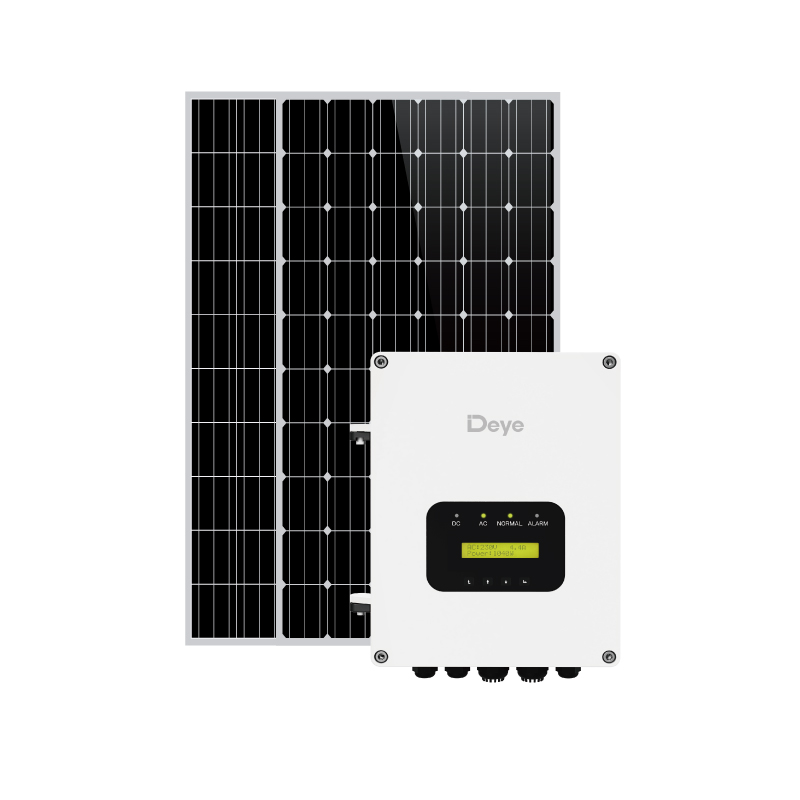
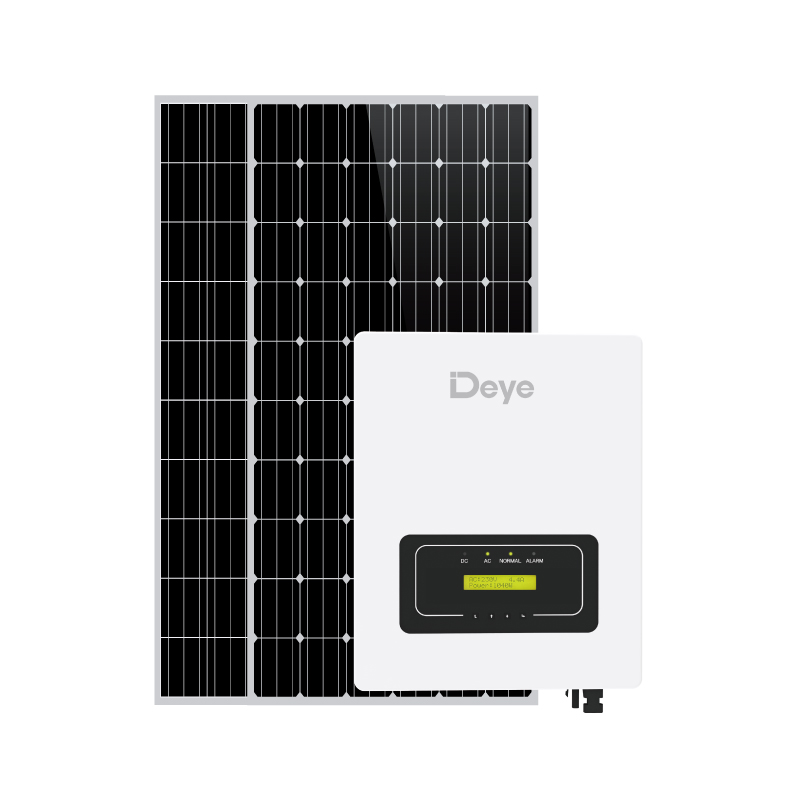
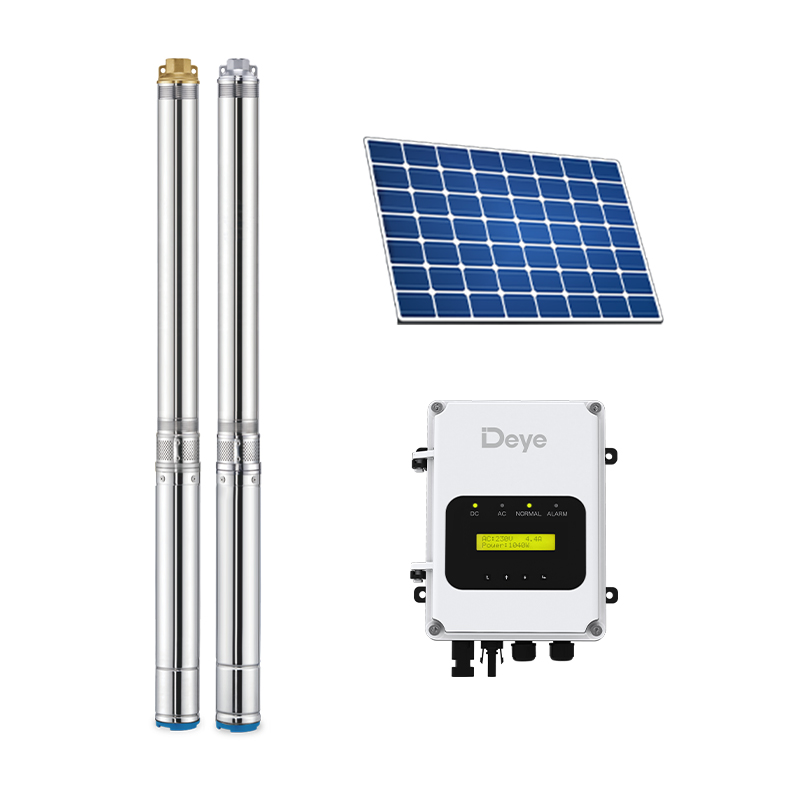
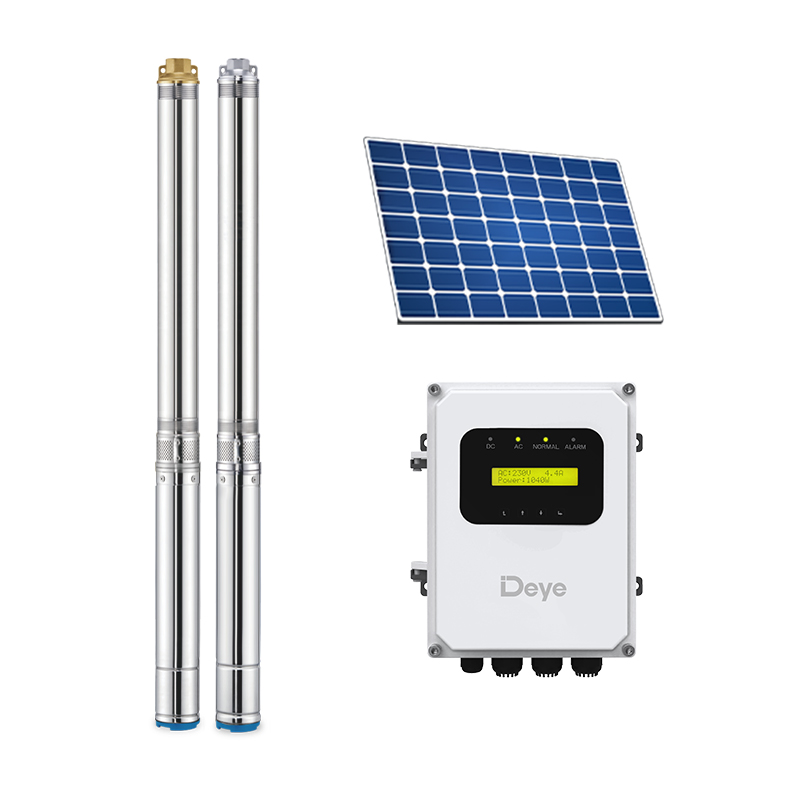
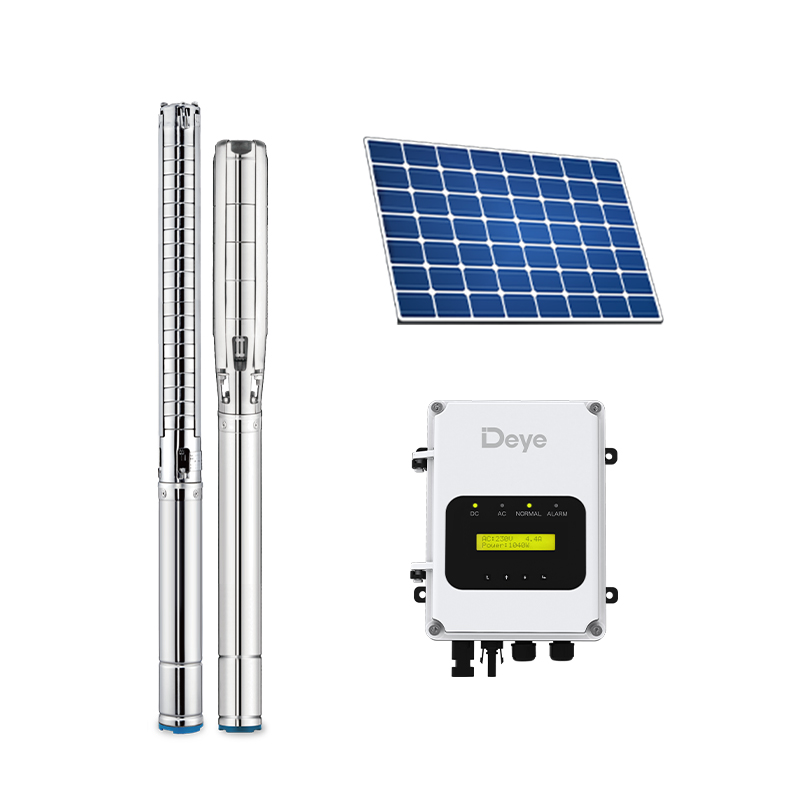
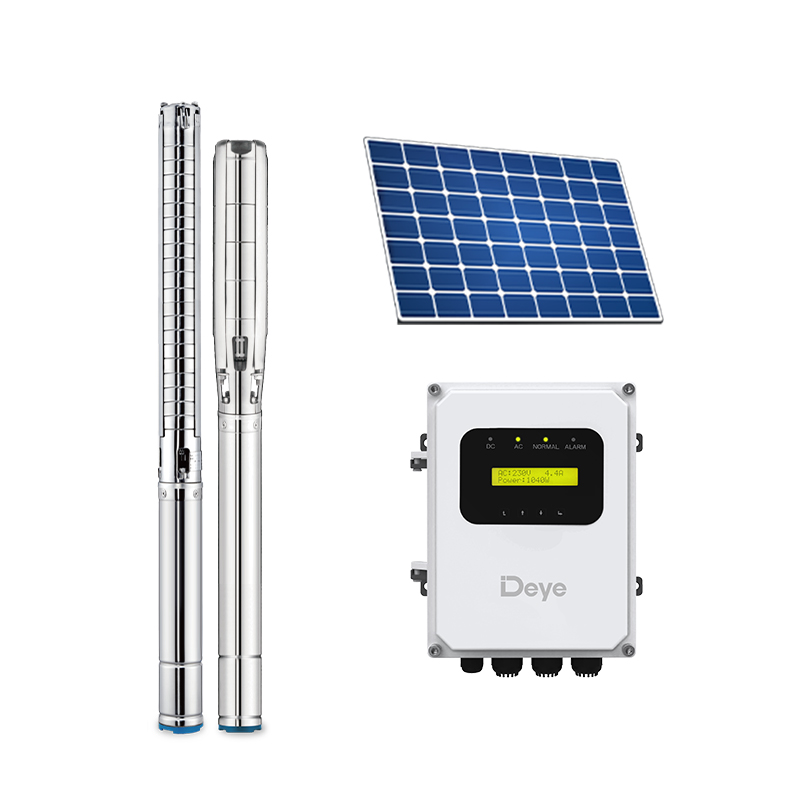
An off-grid well pump is a water pump that draws water from a well without relying on the utility grid. The most reliable setup for a remote property is a solar-powered submersible pump, a solar controller, a storage tank, and a pressure system. This guide explains how to match the pump to your well, which components matter most, and what to expect in terms of maintenance and costs.
content
- 1 What Is an Off Grid Well Pump?
- 2 The Key: Matching Pump to Well and Daily Demand
- 3 Solar Pump Sizing: A Practical Example
- 4 Solar Panels, Controllers, and Batteries: What Actually Matters?
- 5 Surface Pump vs Submersible Pump for Off Grid Wells
- 6 Water Storage and Pressure Options
- 7 Maintenance and Troubleshooting Checklist
- 8 Frequently Asked Questions
- 9 Conclusion
What Is an Off Grid Well Pump?
An off grid well pump is any pump that lifts water from a well using electricity generated on site, typically from solar panels. It must operate independently from the local power company, which means the whole system has to be designed around a variable power source.
A complete system usually consists of the pump, a solar controller, an array of solar panels, piping, and a storage or pressure tank. Some setups also include batteries, but many off-grid wells use a pump-and-storage design so the pump only runs when the sun is available.
Because the pump is the primary load, sizing it correctly is the most important decision you will make. An undersized pump will never fill your tank; an oversized one will waste money and may not start properly on cloudy days.
The Key: Matching Pump to Well and Daily Demand
The pump you choose must be sized to your well's depth, static water level, daily draw, and peak flow rate.
Start by measuring the total dynamic head (TDH). TDH equals the vertical distance from the water surface to the discharge point, plus friction losses in the pipe and elbows, plus any pressure required at the outlet. For a typical 100-foot well, TDH might be 120 feet when friction is included.
Next, estimate your daily water demand. A household of four people typically uses 300 to 500 gallons per day. Livestock, gardens, and irrigation can raise demand dramatically. The table below provides a starting point for sizing.
| Well depth (ft) | Total dynamic head (ft) | Daily demand (gal) | Recommended pump power (W) |
|---|---|---|---|
| 50 | 60 | 400 | 400-600 |
| 100 | 120 | 800 | 900-1200 |
| 200 | 230 | 1,500 | 2000-3000 |
These numbers are estimates. A well with a low static water level but high flow requirement might need a larger controller and additional solar panels.
Solar Pump Sizing: A Practical Example
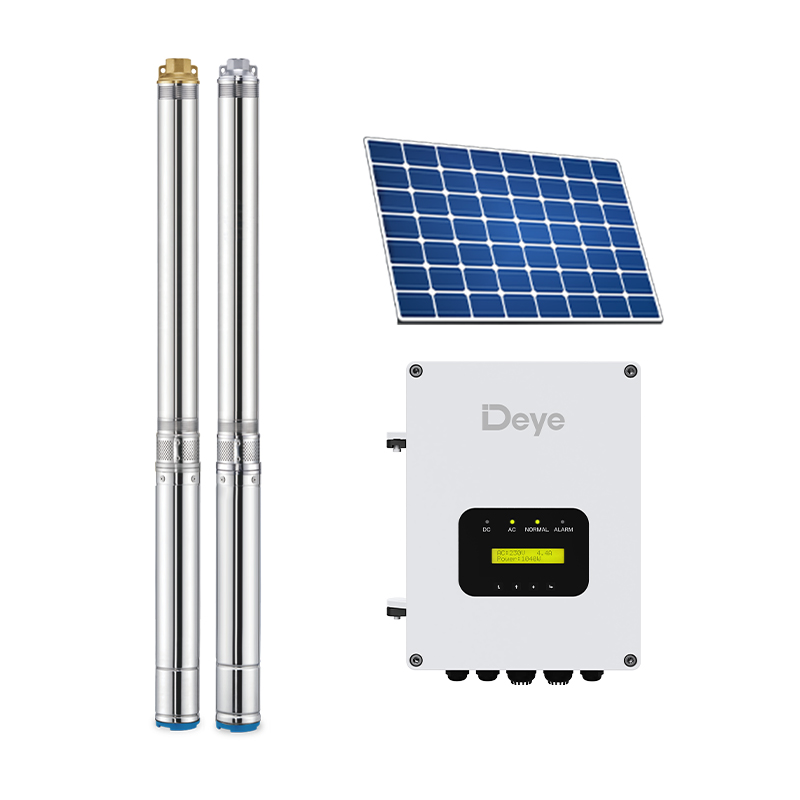
For a 100-foot well with a 2,000-gallon daily need, a 4-inch solar submersible pump in the 1,100 to 1,500 W range is usually enough.
In this scenario, the pump would run for three to five hours per day under full sunlight, moving about 400 gallons per hour. If the well is deep, stainless steel impellers are a safer choice than plastic because they handle abrasives better and last longer.
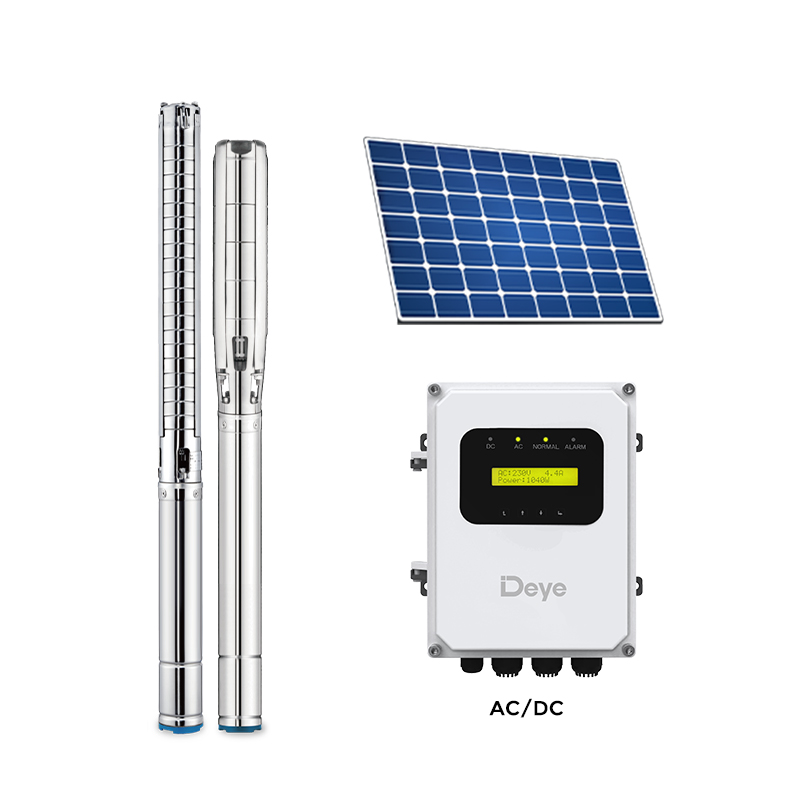 4-Inch Stainless Steel Impeller Solar Pump Controller for 800-3000WThis 4-inch submersible pump features stainless steel impellers for reliable operation in slightly sandy water and deep wells, offering long service life for continuous all-day heavy-load use.View Product →
This pump covers the 800-3000 W range and can be matched with the right solar array. A kit with a 3000 W controller allows you to expand later if you add irrigation or a barn.
Solar Panels, Controllers, and Batteries: What Actually Matters?
The controller is the component that makes an off-grid well pump work reliably, because it manages power from solar panels and switches between DC and AC sources when needed.
Solar output varies through the day. Without a good controller, the pump can lose suction or seize up when voltage drops. A high-quality controller with automatic AC/DC switching keeps the pump running even when cloud cover reduces solar production, and it protects the motor from dry-run damage.
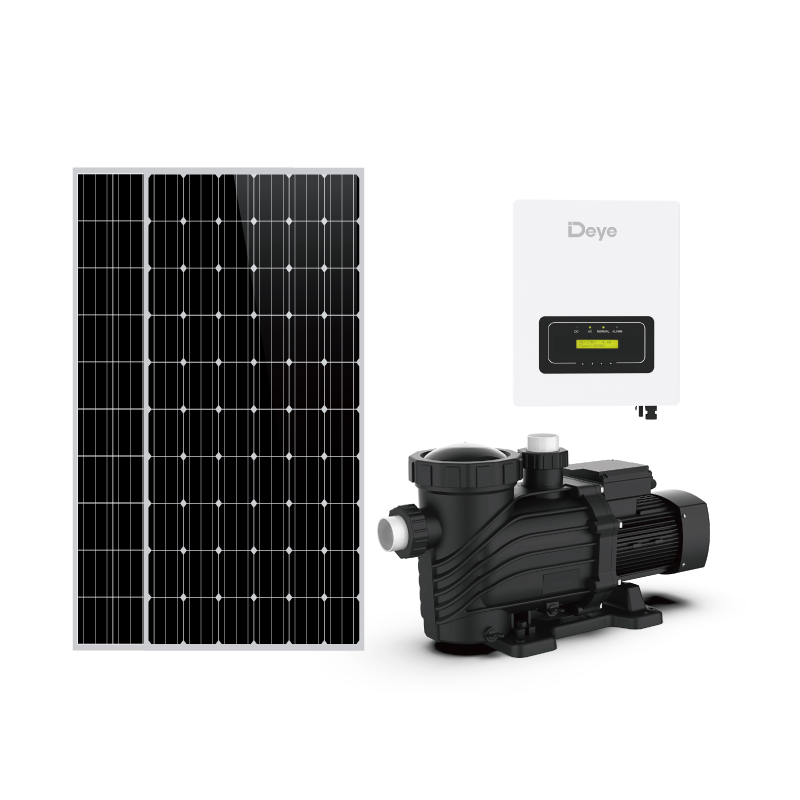
 Auto-Switch AC/DC Pump Controller for 1100-3000W Solar SystemsThis controller automatically prioritizes solar power and switches to AC backup during low light or night, ensuring uninterrupted water supply and protecting the pump from dry-run damage.View Product →
This controller is designed for the 1100-3000 W range, which covers the most common off-grid well pumps. It automatically decides between solar DC input and an AC backup source, making it an excellent fit for properties that already have a small AC generator or a grid connection as backup.
Batteries are not always necessary. A pump-and-store system can fill a tank only during daylight, then use gravity for pressure. If you need constant pressure at night, add a pressure tank and a booster. Batteries add cost and maintenance, so only add them if you truly need nighttime pumping.
Surface Pump vs Submersible Pump for Off Grid Wells
Submersible pumps are the standard choice for deep wells, while surface pumps only work where the total dynamic head is low.
Submersible pumps sit at the bottom of the well, close to the water source. They can push water long distances and handle deep static water levels. Surface pumps are mounted above ground and use suction, which limits them to about 25 feet of vertical lift. For an off-grid well deeper than 30 feet, a submersible pump is almost always the right answer.
| Feature | Submersible | Surface |
|---|---|---|
| Max vertical lift | 200+ ft | 25 ft |
| Installation location | Inside the well | Above ground |
| Noise | None | Moderate |
| Freeze risk | Low | High |
| Typical off-grid use | Deep wells | Shallow wells, ponds |
If you have a shallow well or a spring, a surface pump can be a good fit. It is easier to service, but you must protect it from freezing.
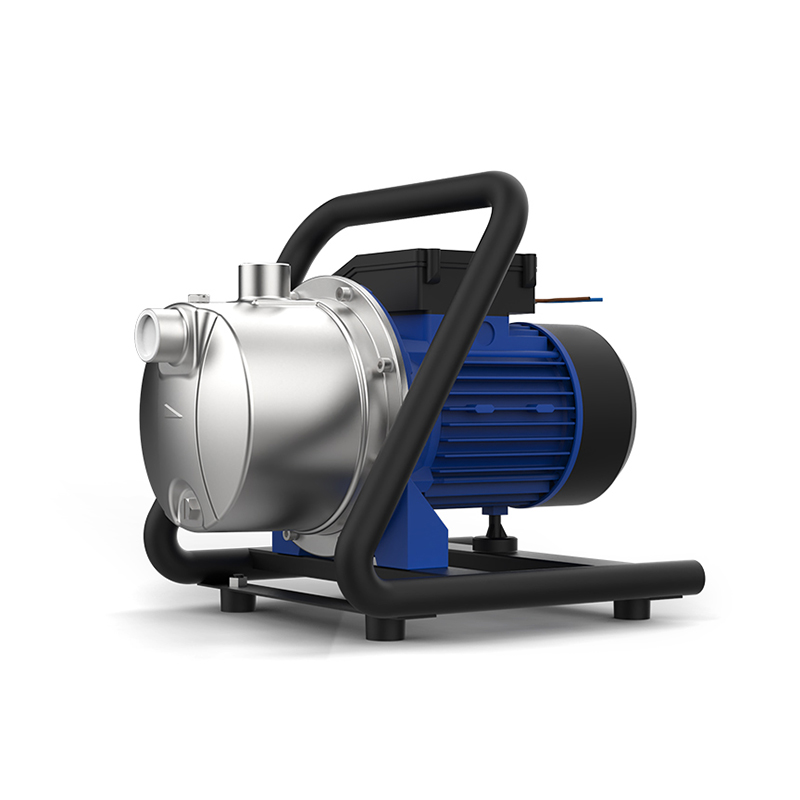
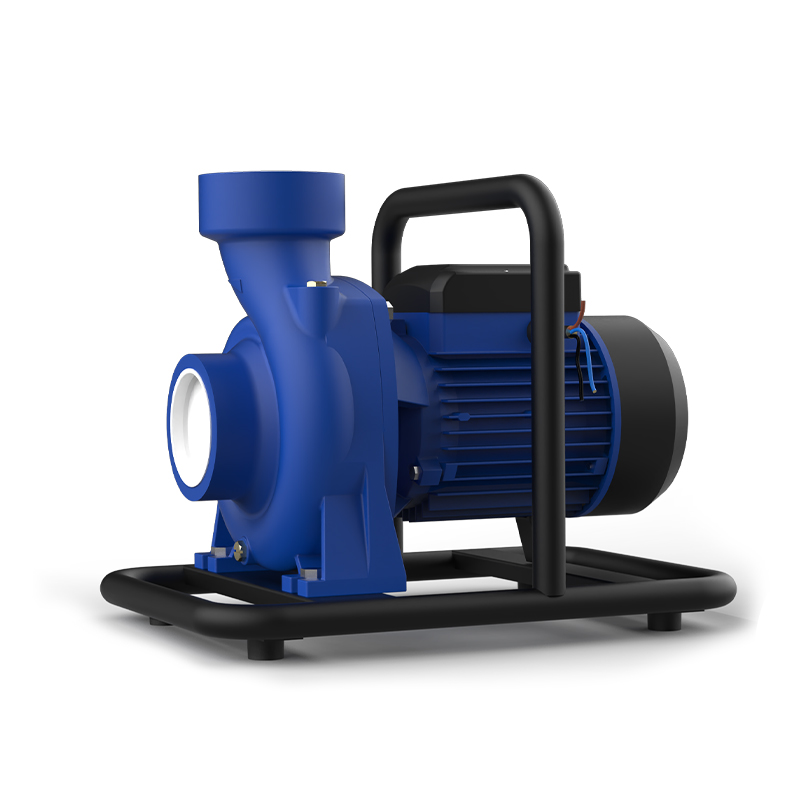
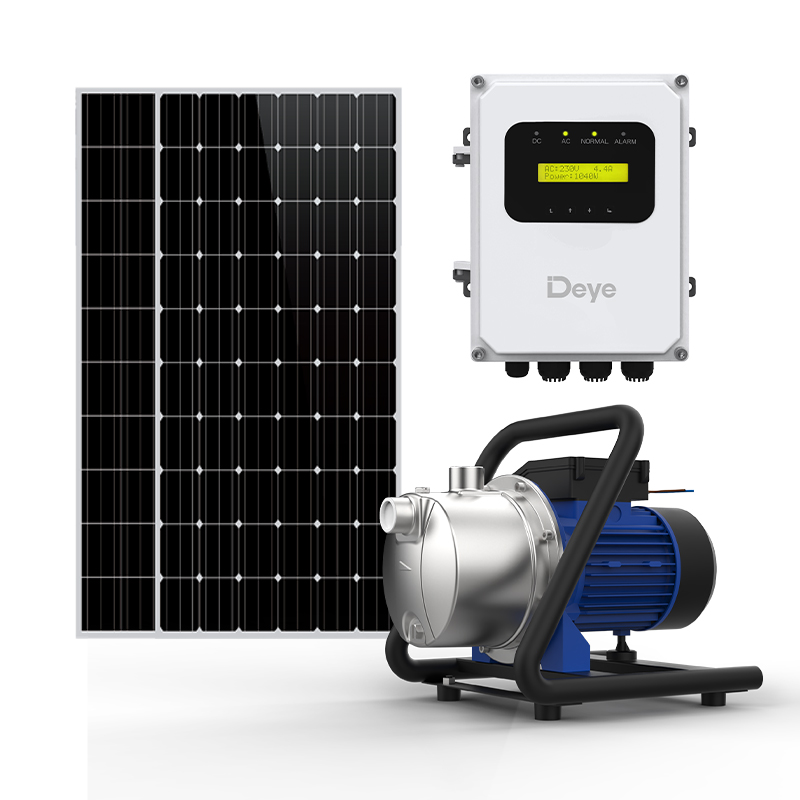 Centrifugal Surface Solar Pump with Auto-Switch Controller (2000-3600W)This surface pump with integrated auto-switch controller suits shallow wells or pond irrigation, delivering high flow for long-distance transfer while maintaining easy service access.View Product →
This surface pump covers the 2000-3600 W range and works well for shallow wells or irrigation from a pond.
Water Storage and Pressure Options
A storage tank is the most important part of an off-grid water supply, because it lets the pump run in short bursts and store enough water for cloudy days.
For a family using 500 gallons per day, a 1,000-gallon tank gives about two days of reserve. A larger tank is generally better; it costs little more than a small one and reduces the need to run the pump every day. From the tank, you can use gravity flow if there is elevation, or install a small pressure pump and a pressure tank for standard household fixtures.
If you prefer not to store raw water, you can pump directly into a pressure tank and use it like a municipal system. However, solar pumps are not designed to maintain constant household pressure on their own. Storage is the more robust route.
Maintenance and Troubleshooting Checklist
Most routine maintenance for a solar well pump takes less than an hour per month.
- Clean solar panels. Dirt and bird droppings reduce output by up to 20%. Rinse them with water and a soft cloth.
- Check controller displays for error codes. Most controllers show a fault for low voltage, dry run, overload, or high temperature.
- Inspect wiring and connections. Look for corrosion at battery terminals, loose lugs, or bitten insulation from rodents.
- Test pump output monthly. Time how long it takes to fill a known container and compare it to the rated flow.
- Before winter, drain any surface pump and piping if the system will be below freezing. Submersible pumps in the well are usually safe.
If the pump suddenly stops, first check that the solar panels are clean and that the controller is not in a fault state. Second, check the voltage at the pump terminals. A drop across a long cable is a common cause of motor failure.
Frequently Asked Questions
How deep can a solar well pump pull water?
Submersible solar pumps can handle wells up to 200 feet deep and more, depending on power. For very deep wells, you need a high-lift pump with a controller in the 3000 W or higher range.
Do I need batteries for an off-grid well pump?
Not necessarily. A pump-and-tank system works without batteries, using the sun to fill the tank during the day. Batteries are only required if you need pumping at night or during cloudy periods.
What happens on cloudy days?
If the solar panels are sized correctly, the pump will still run at reduced speed using a controller with MPPT or constant voltage tracking. A stored tank ensures you do not run out of water during a cloudy stretch.
Can I use a solar pump with my existing well?
Yes, as long as the pump diameter fits your well casing. A 4-inch solar submersible pump fits most standard 4-inch or 6-inch residential wells.
Conclusion
An off-grid well pump should be a solar-powered submersible pump matched to the well's total dynamic head and your daily water demand, with a large storage tank to buffer cloudy days.
Start with a measured well test, choose a controller with automatic AC/DC switching if you have any backup power source, and do not skimp on water storage. The right system will run for years with minimal attention.
If you are planning a new off-grid setup, explore how a solar water pump system for off-grid living fits your site before you buy any hardware.