

 русский
 Français
 Español
 عربى
 Deutsch
 Português
 italiano
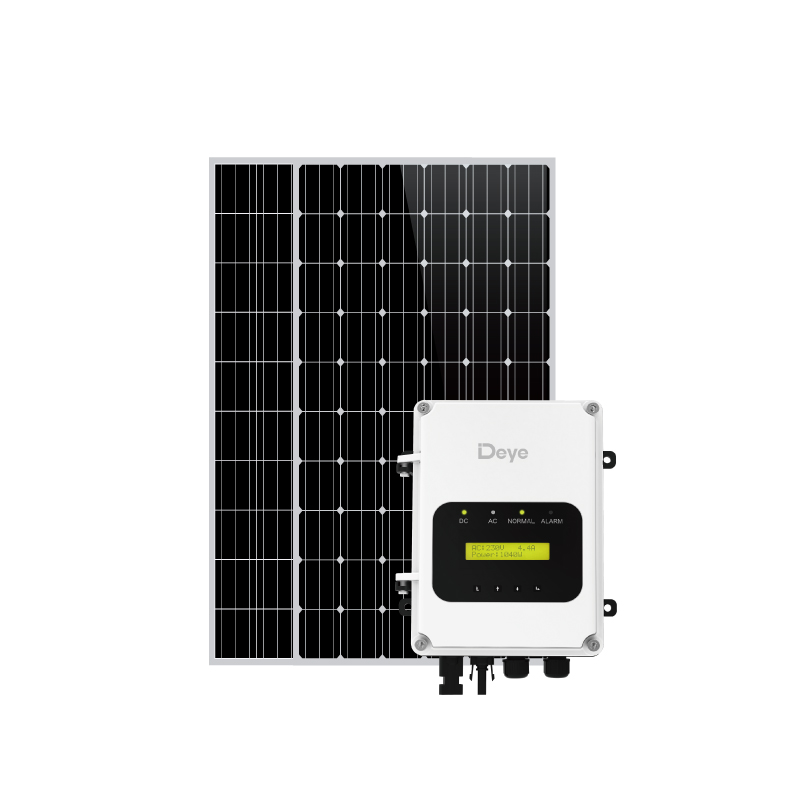
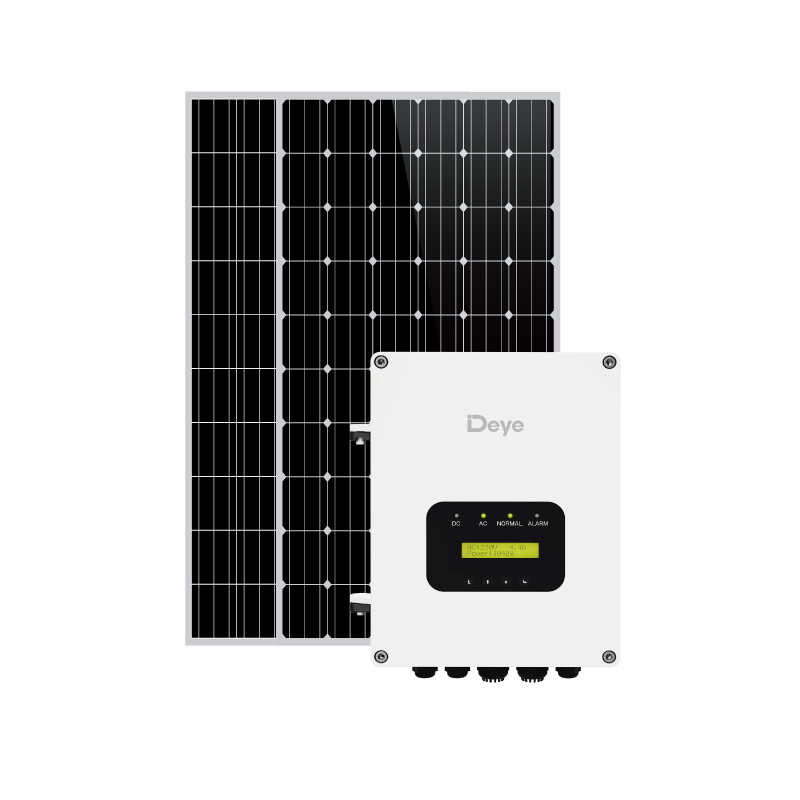
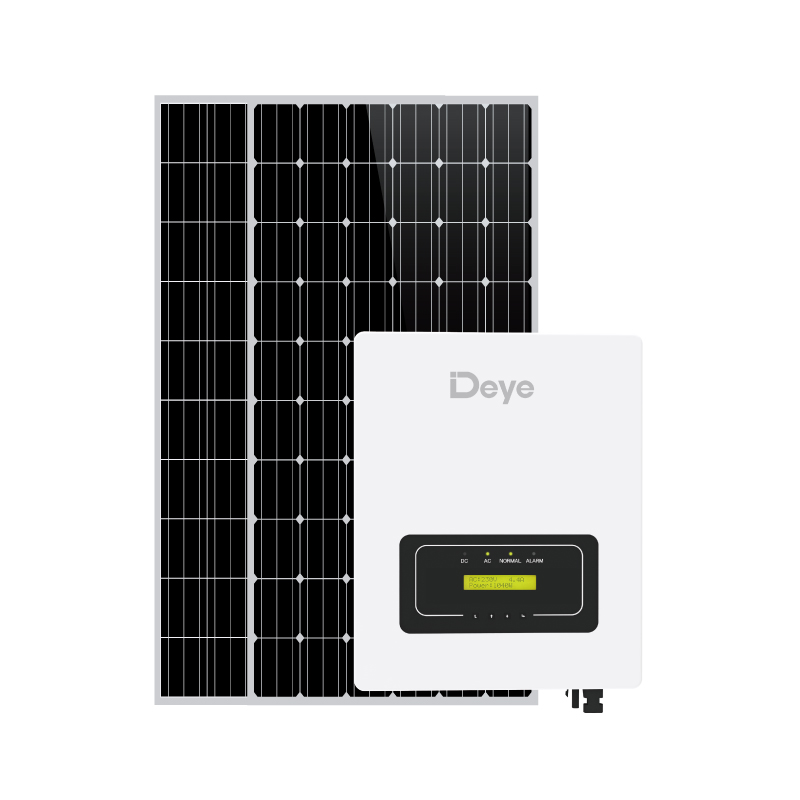
-
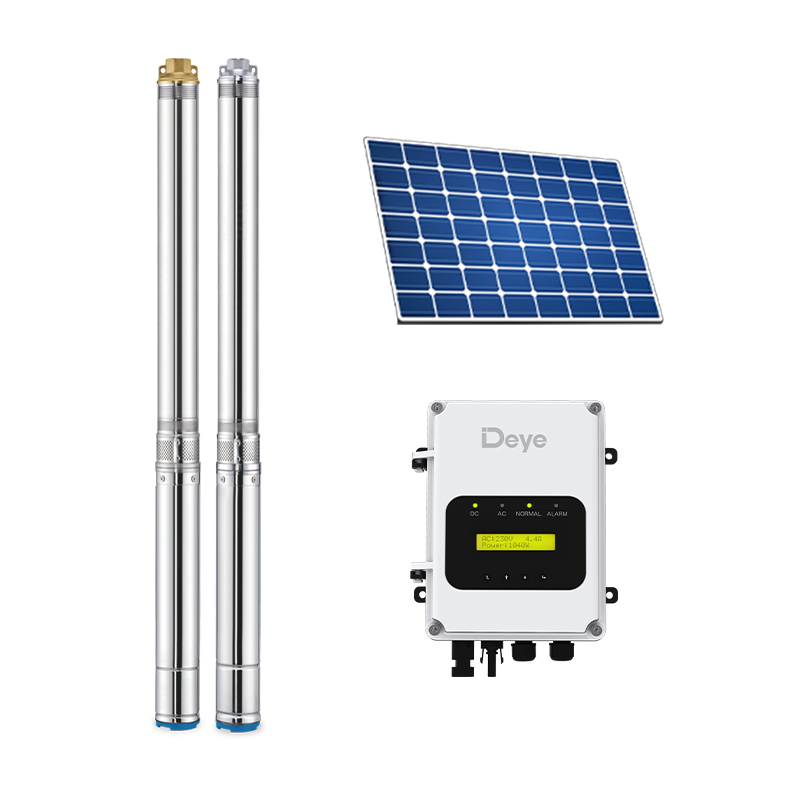
3 Inch Solar AC/DC Pump Controller (400-1500W) Plastic Impeller Submersible Pumps
-
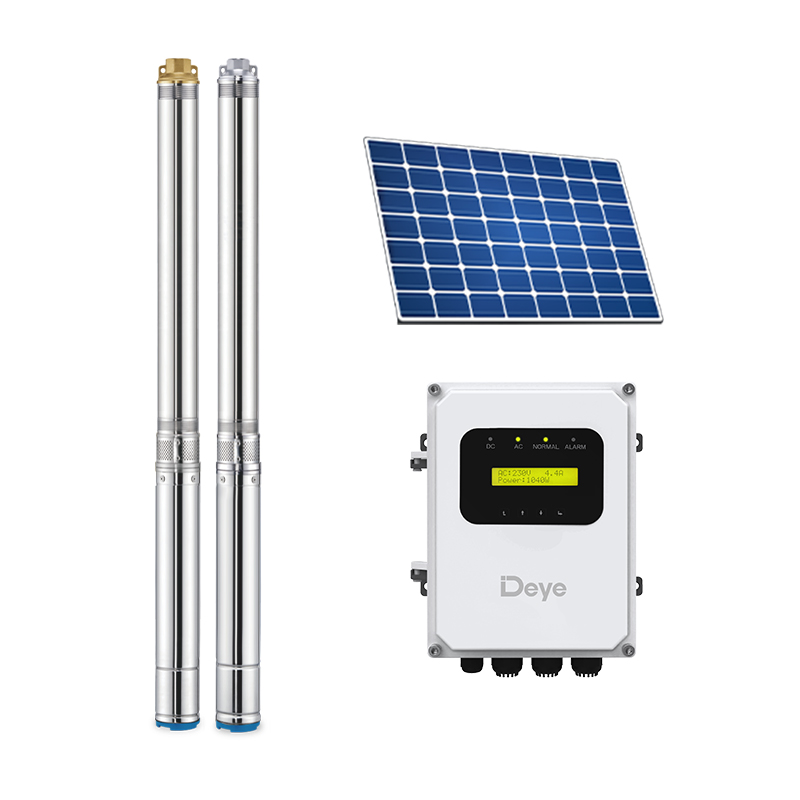
4 Inch Solar AC/DC Pump Controller (600-3000W) Plastic Impeller Submersible Pumps
-
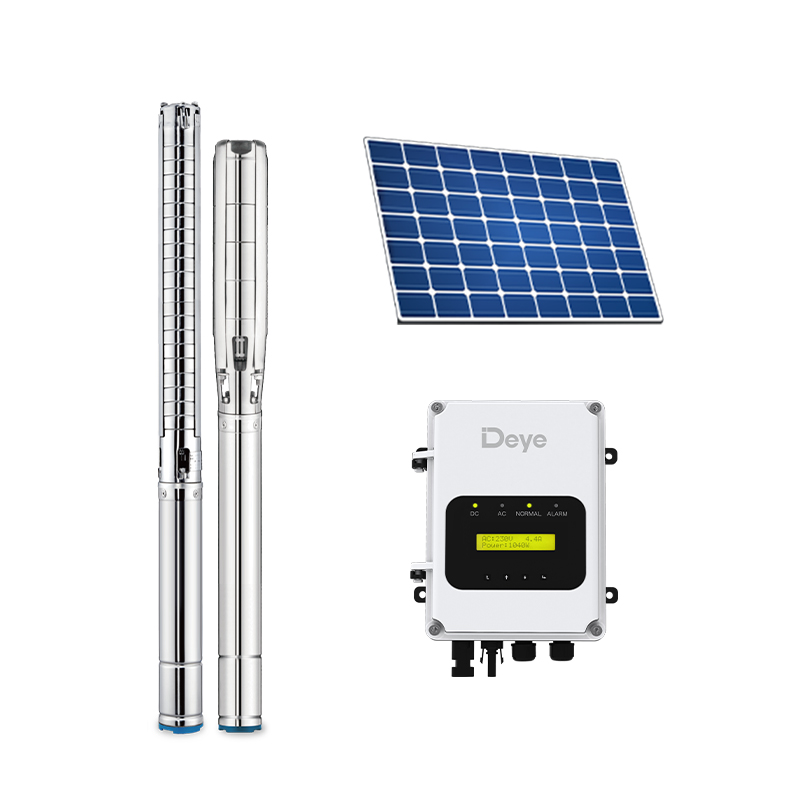
4 Inch Solar AC/DC Pump Controller (800-3000W) Stainless Steel Impeller Submersible Pumps
-
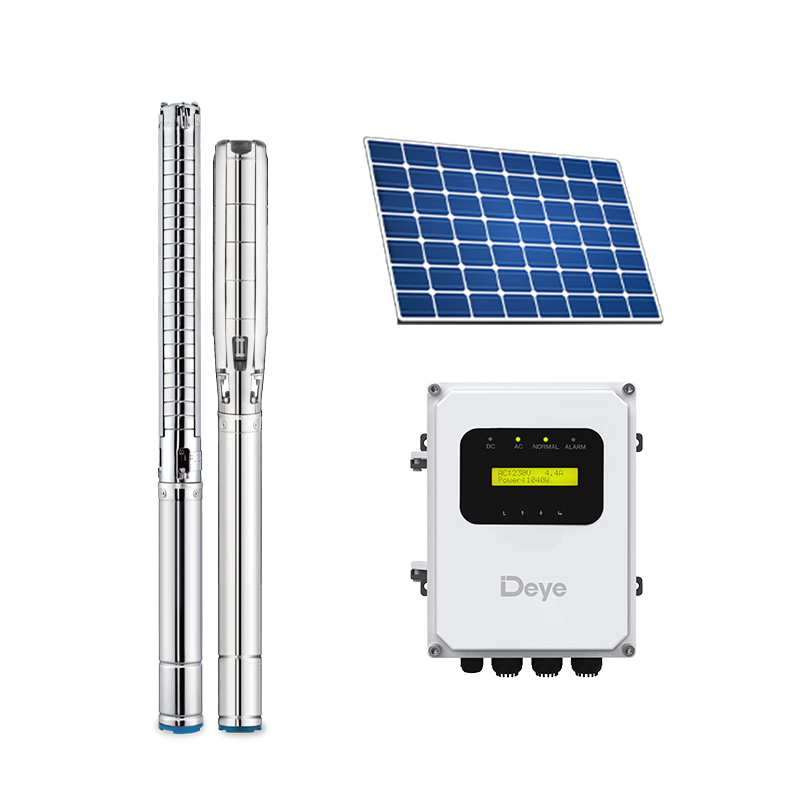
6 Inch Solar AC/DC Pump Controller (800-3000W) Stainless Steel Impeller Submersible Pumps
-
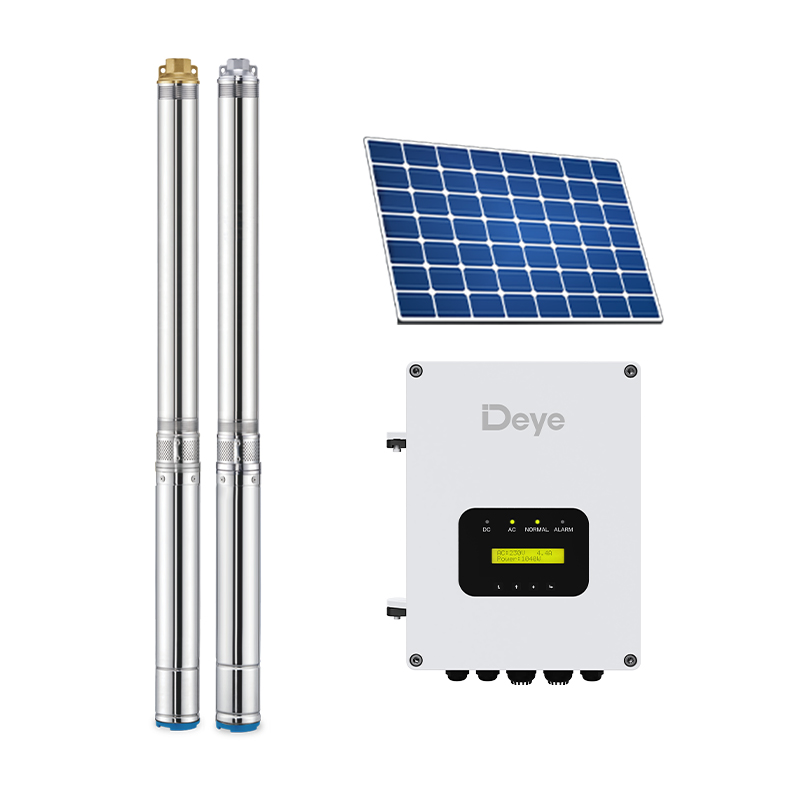
4 Inch High Speed Submersible Solar Pump(5500-13000W)Plastic Impeller Submersible Pumps
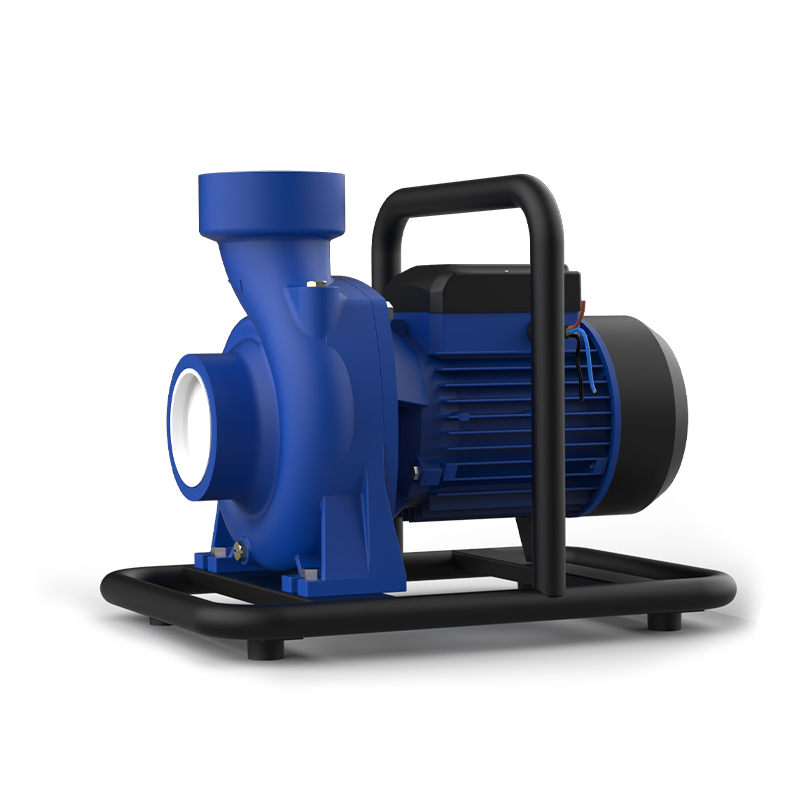
Posted by Deye
Solar Deep Well Pump: Applications, Selection Criteria, and Practical Guidance
A solar deep well pump is a submersible pump that sits below the water line in a borehole and runs on direct current from a photovoltaic array, with a controller that tracks the array's maximum power point and, in most modern units, switches automatically to AC mains or a generator when sunlight alone is not enough. The short answer to the usual buying question: select the pump by total head and daily flow, select the controller by how reliable your backup power is, and treat wattage as the last number you check rather than the first.
That order matters because a 1500 W unit and a 750 W unit can lift water from the same borehole — they simply deliver different flow at that head. Buyers who shop by wattage first often end up with a pump running at the edge of its curve: it trips on overload in midsummer, stalls when the static water level drops in the dry season, or fills a tank so slowly that the household still runs dry by evening.
content
- 1 How a Solar Deep Well Pump System Fits Together
- 2 Sizing Rule One: Total Head Comes Before Flow
- 3 Choosing the Controller: DC-Only or AC/DC Auto-Switching
- 4 Impeller Material and Water Quality
- 5 Six Mistakes That Shorten Pump Life
- 6 Installation and Maintenance Checklist
- 7 Cost, Payback and What to Budget For
- 8 Frequently Asked Questions
How a Solar Deep Well Pump System Fits Together
A workable system is four matched parts — array, controller, pump end, and borehole — and a mismatch in any one of them limits the other three.
The pump is a multi-stage centrifugal unit, typically 3, 4 or 6 inches in diameter, suspended on a drop pipe with the motor below the intake. The controller converts variable DC from the panels into the voltage and frequency the motor needs, protects against dry running, over-voltage and reverse polarity, and logs faults. The array is sized not to the pump's nameplate power but to the pumping energy required on the weakest month you are willing to accept. The borehole sets the ceiling: casing diameter, static level, drawdown during pumping, and sand content all constrain what can be installed.
- Array: usually 1.3 to 1.6 times the motor rating, oriented to maximise winter or morning output.
- Controller: MPPT tracking, dry-run protection, soft start, and often an AC input for backup.
- Pump end: stage count determines head; impeller diameter and material determine flow and wear life.
- Delivery side: drop pipe, cable, level probes, pressure switch or float, and a storage tank that acts as your battery.
Sizing Rule One: Total Head Comes Before Flow
Total head, not borehole depth, is the number that decides whether a pump works — and it is almost always underestimated by 10 to 20 percent.
Calculate it as static water level plus drawdown while pumping, plus the vertical lift to the tank outlet, plus friction losses in the drop pipe and delivery line. Friction is the part buyers forget: a long run of undersized pipe, several elbows, or a partially closed valve can add 10 to 15 metres of equivalent head. Then add a safety margin of 10 percent so the pump is not running flat out at its curve's end.
| Duty | Daily water need | Total head | Typical pump class |
|---|---|---|---|
| Single household, off-grid, 3-5 people | 1.5-3 m³ | 30-70 m | 3-inch or 4-inch, 600-1500 W |
| Livestock watering plus garden drip | 5-12 m³ | 40-90 m | 4-inch, 1500-3000 W |
| Small-scale irrigation, 1-2 ha | 15-40 m³ | 60-120 m | 4-inch high-speed or 6-inch, 3000-13000 W |
| Village supply or tank filling at distance | 40 m³ and above | 80-150 m | 6-inch stainless, 5500-13000 W |
Once head and flow are fixed, the pump diameter follows from the casing: a 4-inch pump needs at least a 4.5-inch internal casing to allow clearance for the cable and cooling flow past the motor.
The solar submersible pump range spans 3-inch, 4-inch and 6-inch bodies from 400 W to 13000 W, which makes it practical to match a borehole rather than forcing the borehole to match a single model.
Choosing the Controller: DC-Only or AC/DC Auto-Switching
The controller is the part that decides whether the system keeps working through a cloudy week, and whether you can plug in a generator without rewiring anything.
A pure DC controller is the simple, efficient choice when the site has no grid at all and a storage tank large enough to cover two or three grey days. An auto-switching AC/DC controller adds a mains or generator input: when PV output falls below the pumping threshold, it transfers to AC automatically, then returns to solar when the array recovers. That behaviour is what makes a well usable year-round in regions with a pronounced wet season.
What to check on the datasheet
- MPPT voltage window and maximum PV open-circuit voltage — a cold morning can push array voltage above the limit.
- Motor compatibility: pump-head-and-motor sets are matched, so confirm the controller is rated for the exact motor, not just the wattage.
- Protection set: dry run, over-current, over-voltage, under-voltage, reverse polarity, and lightning or surge suppression.
- AC input range and transfer behaviour, if backup matters.
- Ambient temperature rating — controllers mounted in a metal shed in full sun derate quickly.
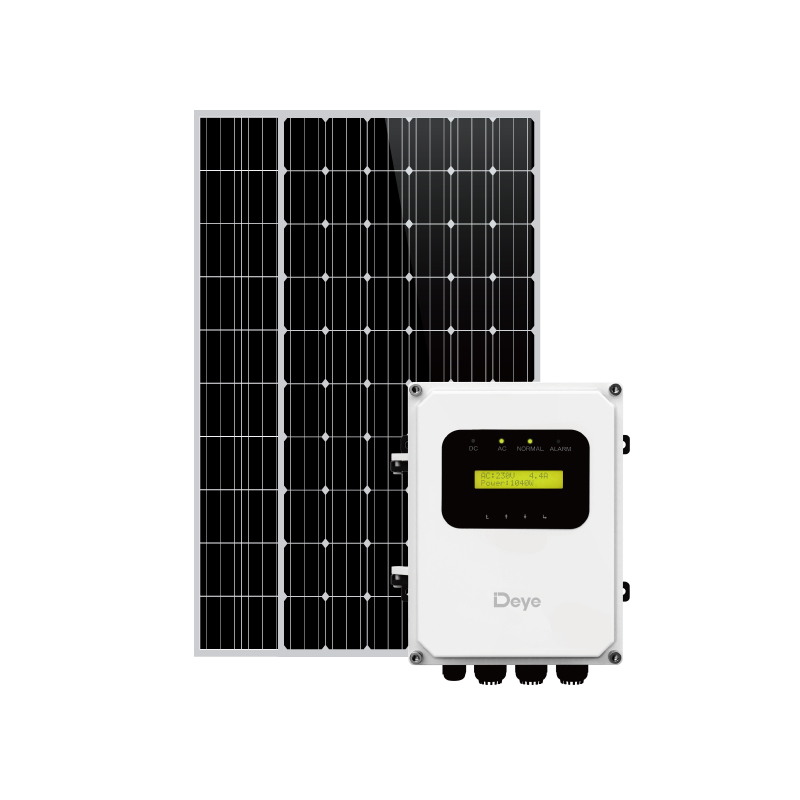 Solar Auto-Switch AC/DC Pump Controller 1100–3000 WSolar-first controller transfers to mains or generator in low light for uninterrupted supply, with LCD monitoring, MPPT and IP65 protection.View Product →
For sites with intermittent grid, pairing a 4-inch pump with an auto-switching controller of the same power band avoids the common mistake of buying a controller rated for solar only, then discovering the generator cannot be connected.
Impeller Material and Water Quality
Plastic and stainless steel impellers are not a price-tier gimmick — the correct choice depends almost entirely on what is in the water.
Sand, silt and fine gravel are the main destroyers of deep well pumps. An abrasive load grinds the clearance between impeller and diffuser, flow drops, and the motor runs hotter for the same output. Stainless steel impellers and diffusers tolerate this far better and hold their curve for longer. Plastic impellers are the better economic choice in clean, low-abrasion water where the capital saving matters more than service interval.
| Factor | Plastic impeller | Stainless steel impeller |
|---|---|---|
| Clean water, low sand | Good service life | Excellent service life |
| Noticeable sand or silt | Wear accelerates quickly | Recommended |
| Aggressive or slightly saline water | Acceptable, verify compatibility | Preferred |
| Weight and handling during installation | Lighter, easier on a rope or cable | Heavier, plan lifting gear |
| Up-front cost | Lower | Higher |
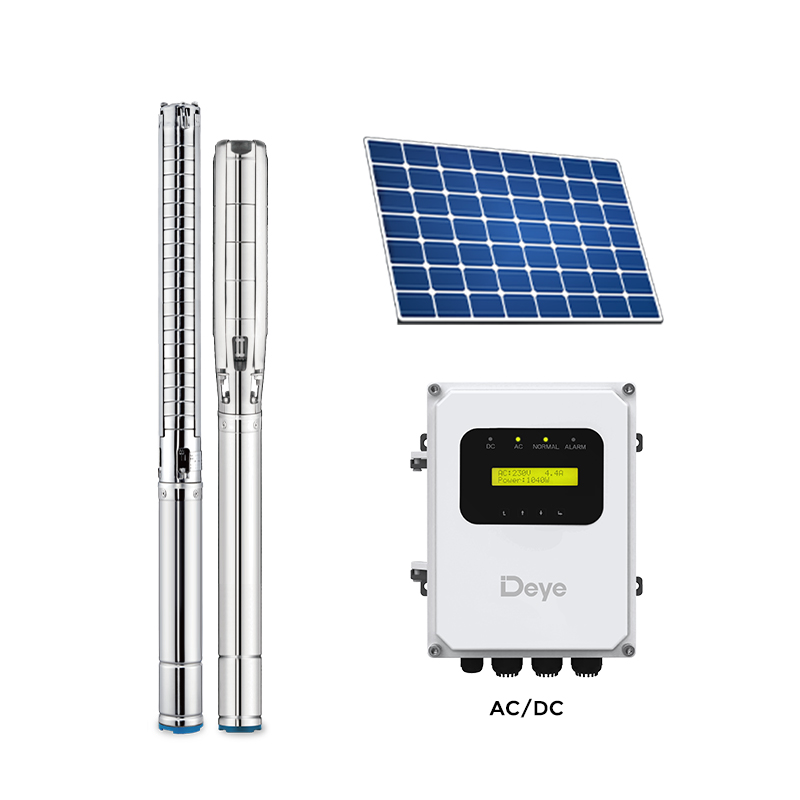 4-Inch Stainless Steel Impeller Submersible Pump SeriesStainless-steel impeller and diffuser construction tolerates slightly sandy groundwater and supports continuous heavy-duty village, drinking-water and industrial supply.View Product →
In sandy boreholes, an additional sand trap or a slow approach velocity at the intake extends pump life more than any single component upgrade. If your only issue is household supply from clean water, a plastic-impeller 4-inch unit such as the 600-3000 W model is usually the more sensible spend.
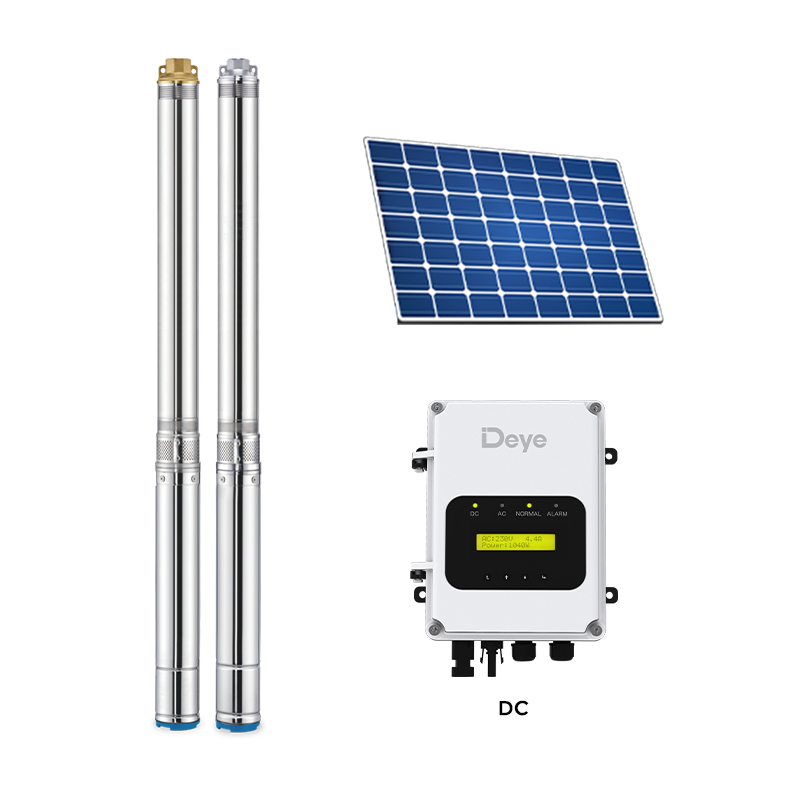 4-Inch Plastic Impeller Solar Submersible Pump 600–3000 WCost-effective plastic-impeller pump for clean groundwater, suited to off-grid household supply, irrigation and livestock watering with matched solar or AC/DC controllers.View Product →
Six Mistakes That Shorten Pump Life
Most premature failures trace back to installation and sizing decisions, not to manufacturing defects.
- Sizing on wattage instead of head. The pump then runs beyond its curve and trips under load.
- Ignoring drawdown. A static level of 40 metres can fall to 55 metres while pumping, and the pump runs dry at midday.
- Undersized drop cable. Voltage drop steals the power the motor needs; keep it under roughly 3 to 5 percent across the run.
- No dry-run protection or level probe. One dry run can damage a mechanical seal beyond repair.
- Pump set too close to the borehole bottom. Leave a metre or more of clearance above the intake to avoid pulling sand.
- Panel array tilted for summer only. Winter output collapses exactly when the tank is under most pressure.
Installation and Maintenance Checklist
A solar deep well pump needs very little routine attention, but the handful of checks below prevent nearly all avoidable outages.
- Record static level, pumping level and recovery rate before installation; keep the figures with the pump documentation.
- Verify array open-circuit voltage on a cold morning stays under the controller maximum.
- Secure the drop cable every three metres with UV-resistant ties so it does not chafe against the riser.
- Confirm the non-return valve holds, so the pump does not restart against a full column of water.
- Clear dust and shade from panels monthly; a dirty array can lose double-digit output.
- Check tank levels and float switches before the dry season, not during it.
For irrigation layouts where the pump feeds drip lines or a distribution manifold, head calculations must include the emitter pressure requirement, which often adds 10 to 20 metres to the total — a detail covered in the guidance on solar water pumping for irrigation.
Cost, Payback and What to Budget For
Payback comes from displaced diesel, grid power or manual labour, so the economics depend more on your current water cost than on pump price.
A solar deep well pump package normally comprises the pump and motor, the controller, the array and mounting, the drop cable, the tank and level controls, and the installation itself. In off-grid settings the storage tank replaces a battery bank: water is the cheapest energy store on most rural sites, and a tank large enough for two days of demand removes the need for batteries almost entirely. Where diesel or grid pumping currently runs several hours a day, the array usually pays for itself within two to four years of typical use. Where the alternative is a hand pump, the calculation is about labour and reliability rather than payback.
Frequently Asked Questions
How deep can a solar deep well pump lift water?
Lifting capability is a head rating, not a depth rating. Most 4-inch solar submersible pumps are specified for total heads between roughly 40 and 150 metres depending on stage count and flow. Always compare your calculated total head, including friction, against the published curve at your target flow.
Does the system need batteries?
No. A grid-independent solar well pump runs directly from the array through the controller, and the storage tank provides the buffer. Batteries are only added when water cannot be stored or when pumping must happen at a fixed time of day.
What happens during cloudy weather?
Output falls with irradiance and the pump slows rather than stopping abruptly, because MPPT keeps adjusting the operating point. With an auto-switching controller, the system transfers to AC or generator input when PV power drops below the pumping threshold.
Can one controller run a different brand of motor?
Rarely. Controllers are matched to motor voltage, current and commutation, so pump and controller should be bought as a pair. Replacing one without the other is the most common cause of failed retrofits.
How much maintenance is realistic?
Panel cleaning, an annual check of cable ties and seals, and a periodic look at flow rate against the commissioning figure. If flow drops noticeably, inspect for sand wear or a rising water level rather than assuming an electrical fault.
A solar deep well pump is a long-term piece of infrastructure, not an appliance, and it rewards buying in a specific order: measure the borehole, calculate total head, set the daily flow, choose the impeller material for the water, and only then pick the motor and controller. Get those five steps right and the array size, pipe diameter and tank volume usually fall into place without guesswork.
-
The AC/DC Auto Switch Controller adopts solar-first intelligent switching logic for a 24-hour uninte...View Product
-
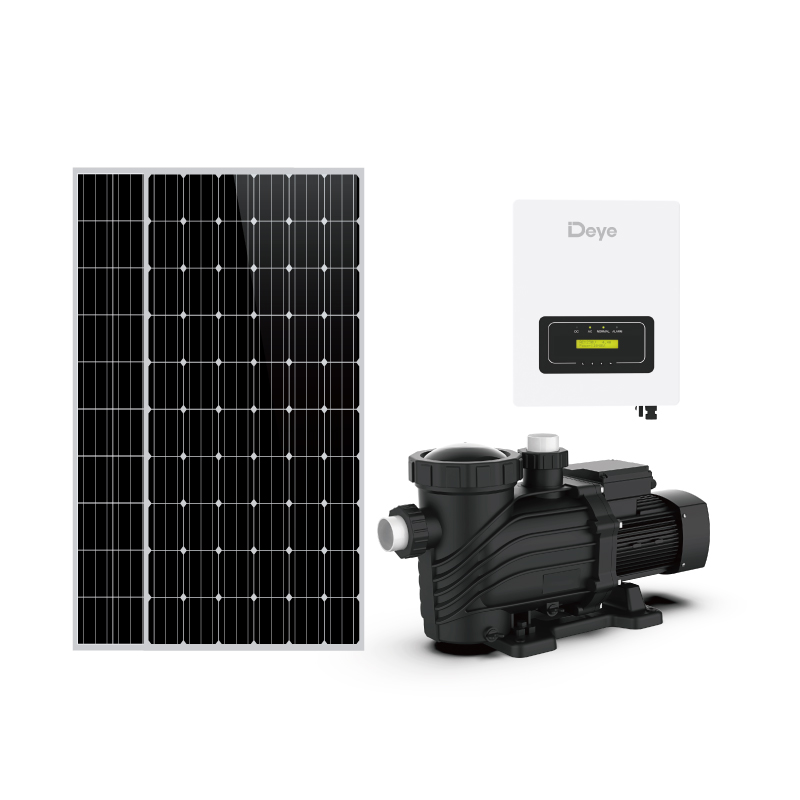 Deye Solar swimming pool pump is a simple, intelligent and worry-free solution that suitable for var...View Product
-
Compact 3-inch plastic impeller solar pump with low power range, engineered for single-family scatte...View Product
-
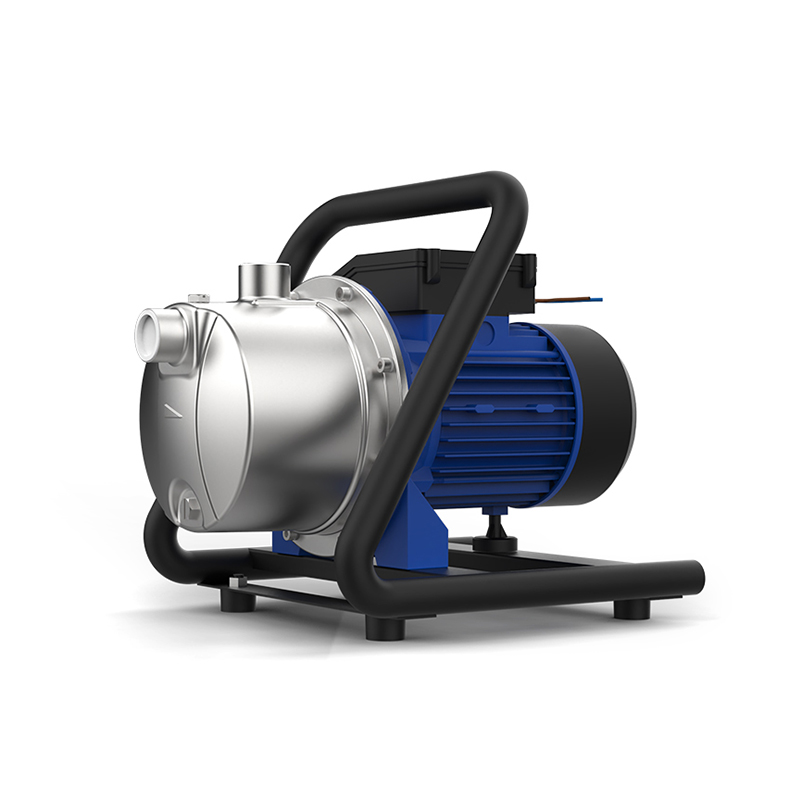 This 2000–3600W AC/DC auto-switch centrifugal surface solar pump is fitted with high-efficiency PMSM...View Product
-
This 4-inch AC/DC solar submersible pump (600-3000W, plastic impeller) works with solar panels and m...View Product
-
Premium 4-inch stainless steel impeller pump features full anti-rust & anti-silt performance, to...View Product

- No. 26, Yongjiang South Road, Beilun Dirstrict, Ningbo City, Zhejiang, China.
-
[email protected] ( Chris )
+86-18186995218 ( WhatsApp )
-
[email protected] ( Mark Pan )
+86-15888503217 ( WhatsApp )
Copyright ©Zhejiang Deye Electrical Appliances Co., Ltd. All Rights Reserved. Deye Solar Water Pump Manufacturer Solar Water Pump System Supplier

 Back to Top