

 русский
 Français
 Español
 عربى
 Deutsch
 Português
 italiano
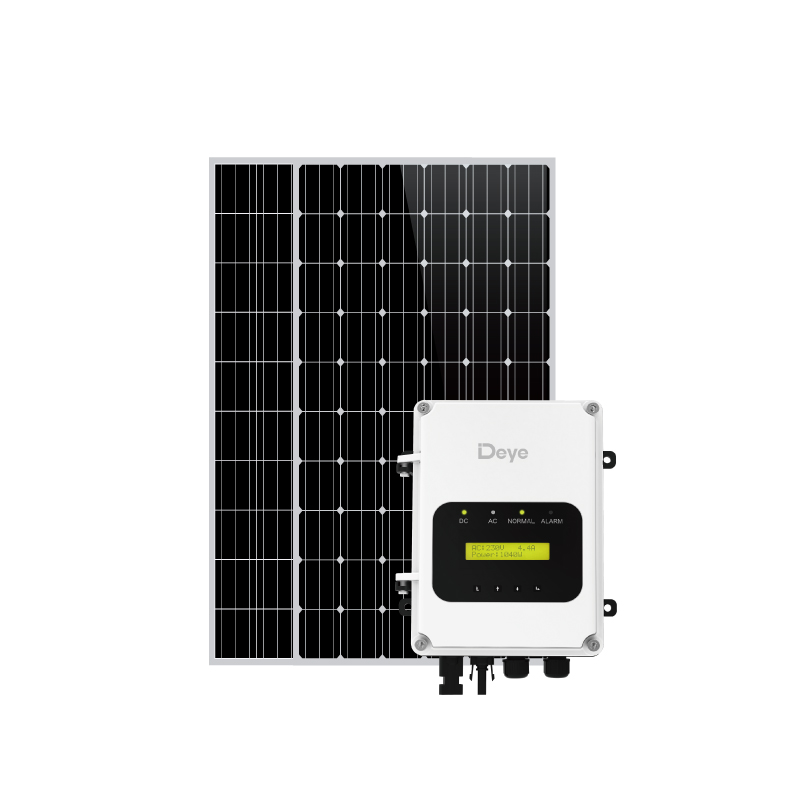
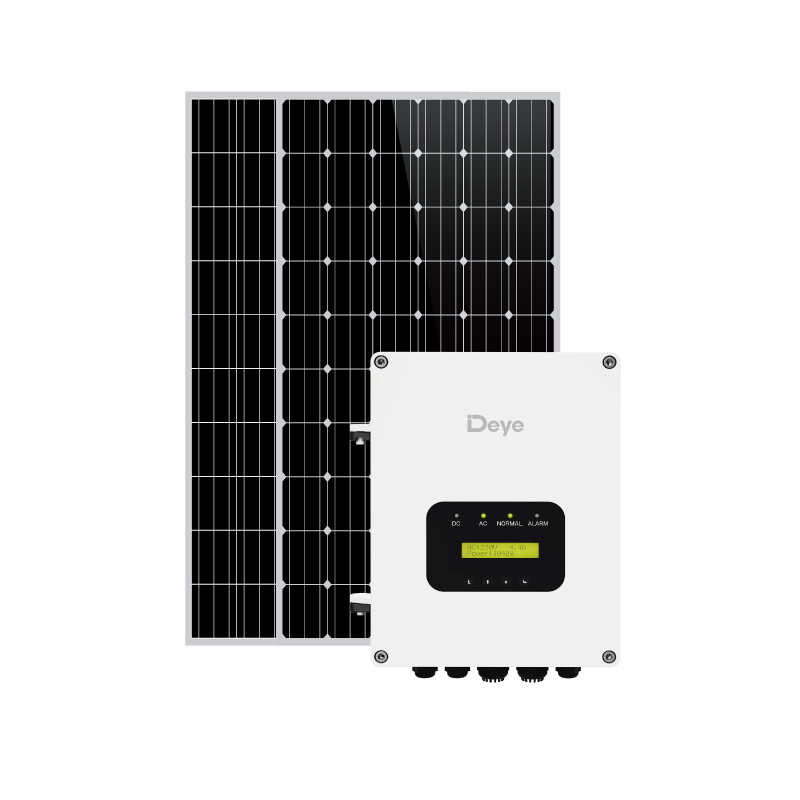
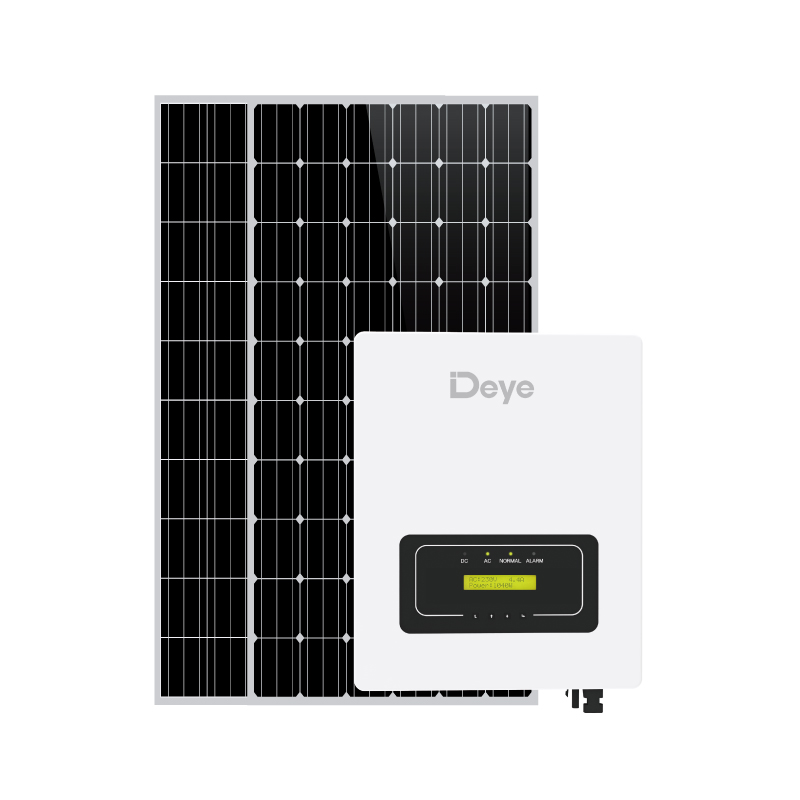
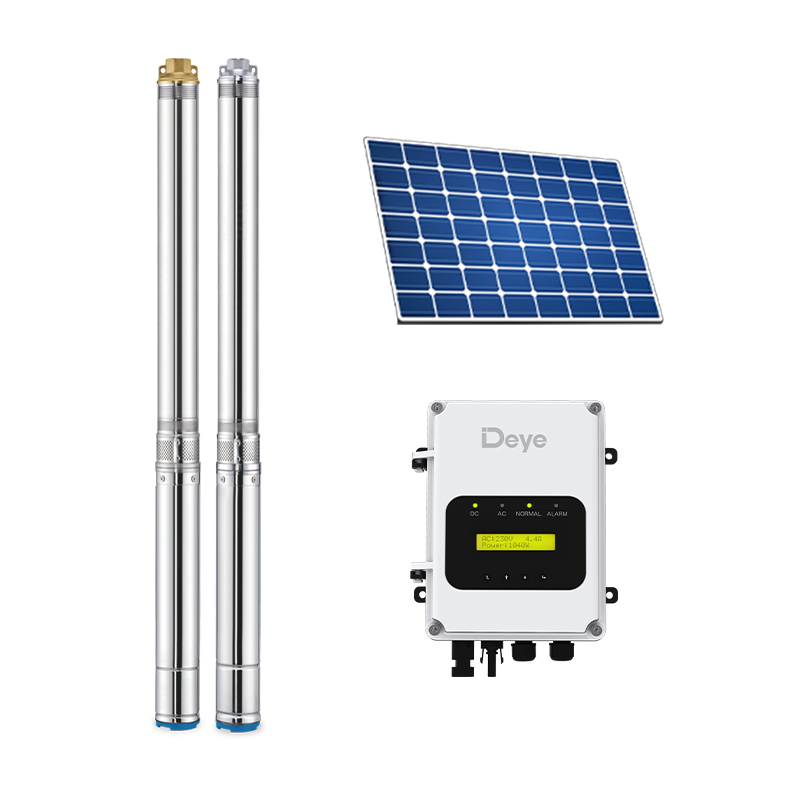
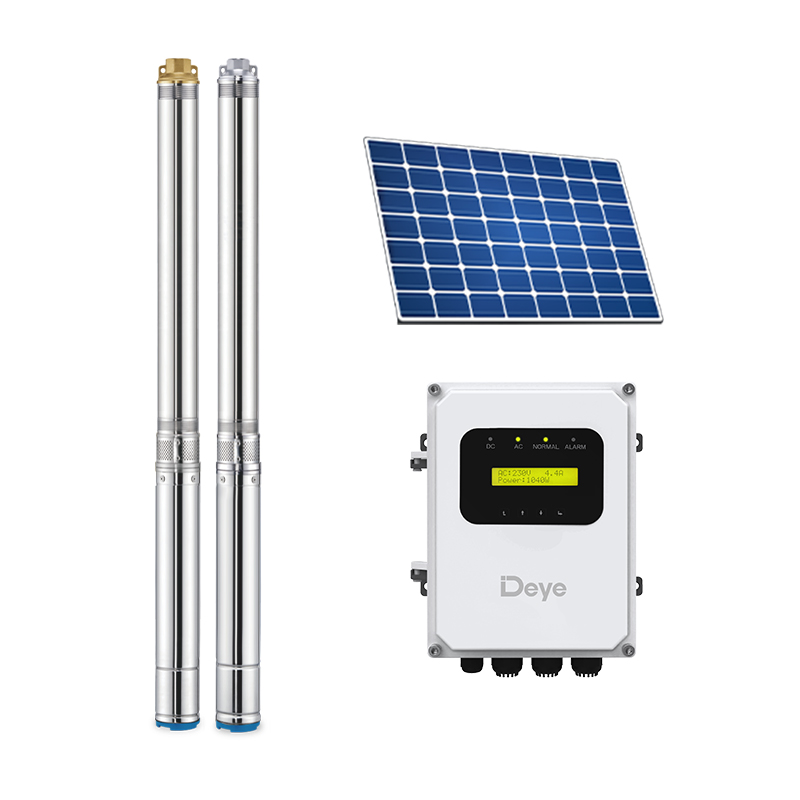
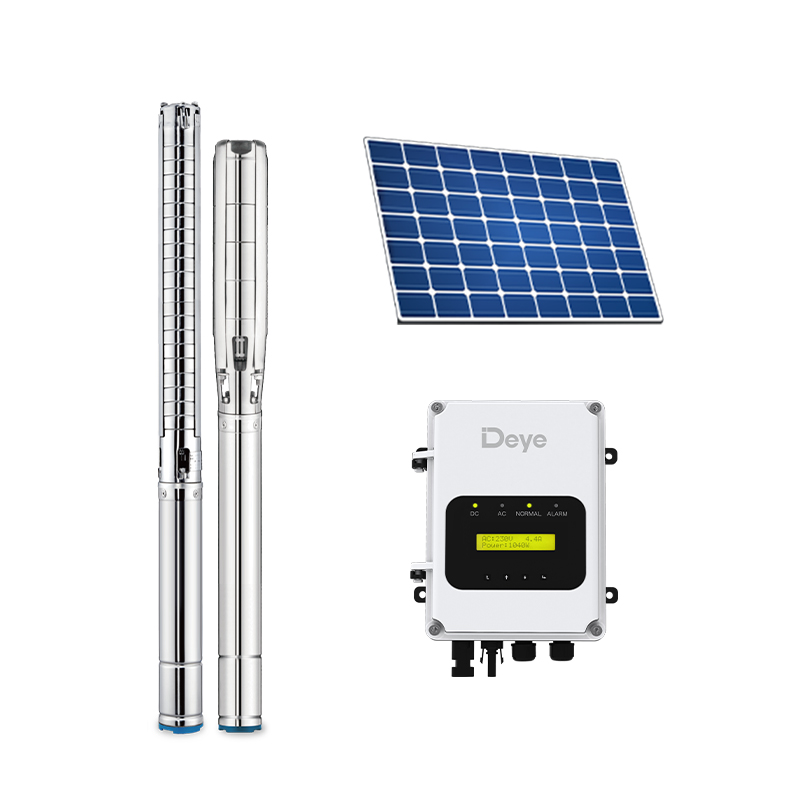
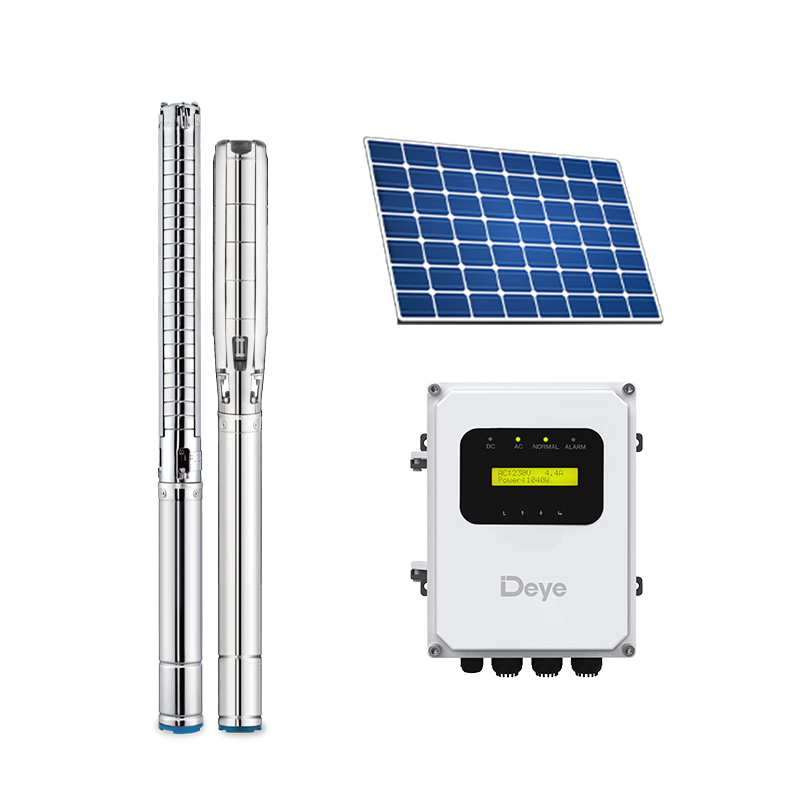
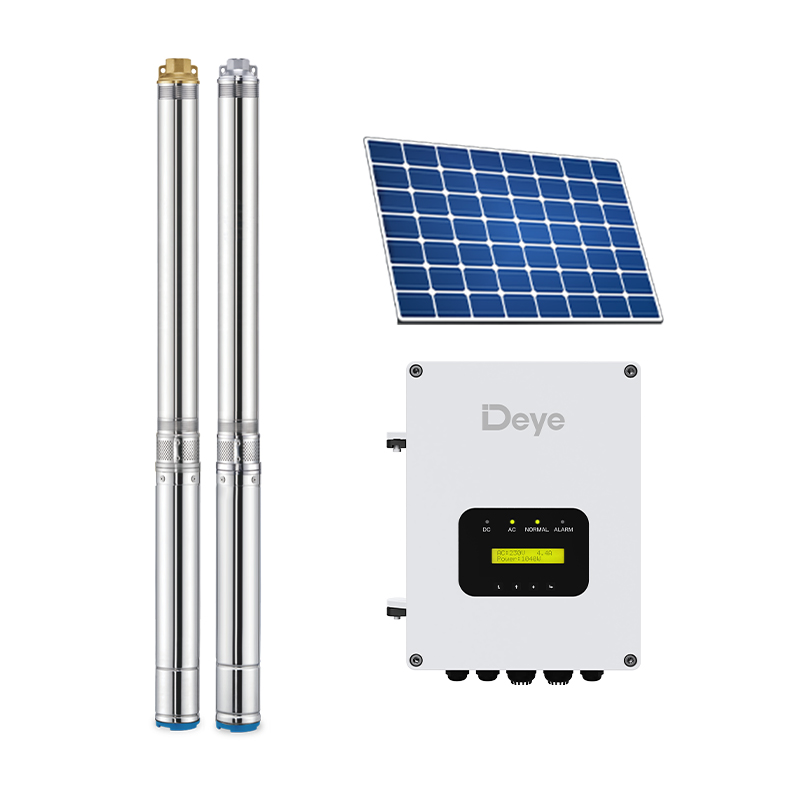
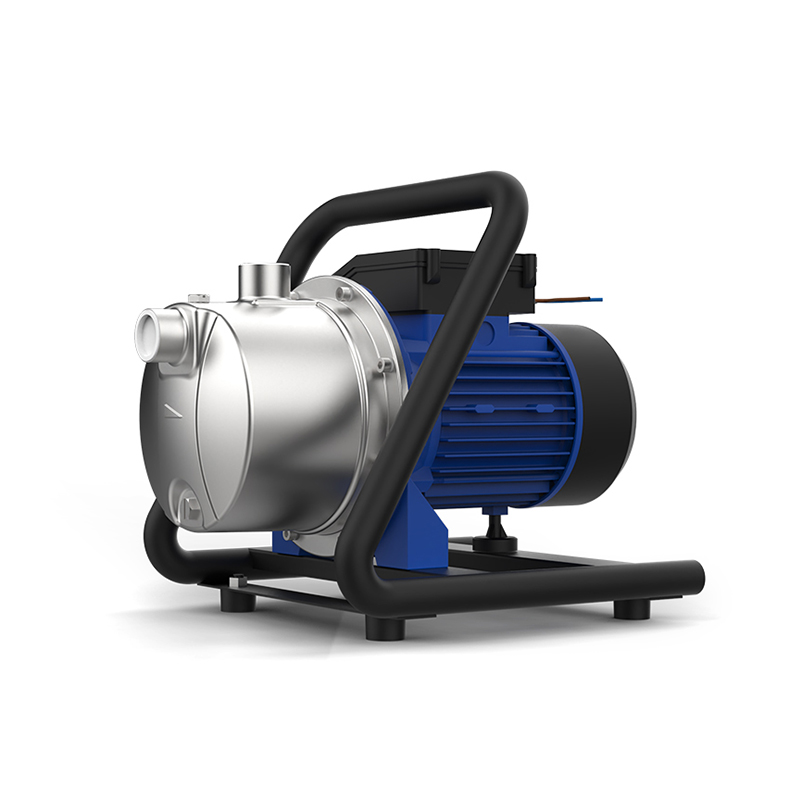
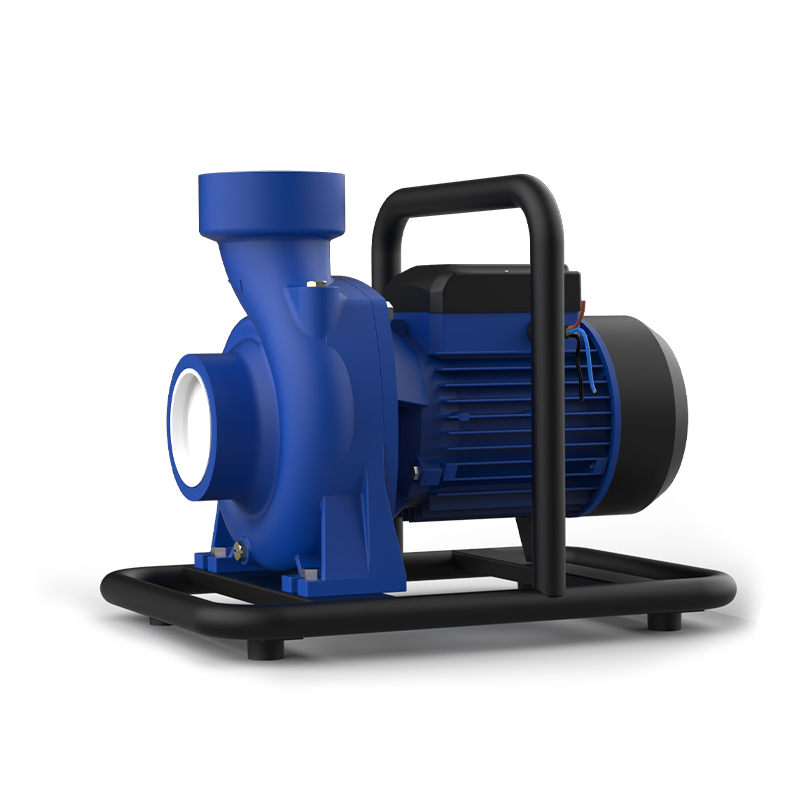
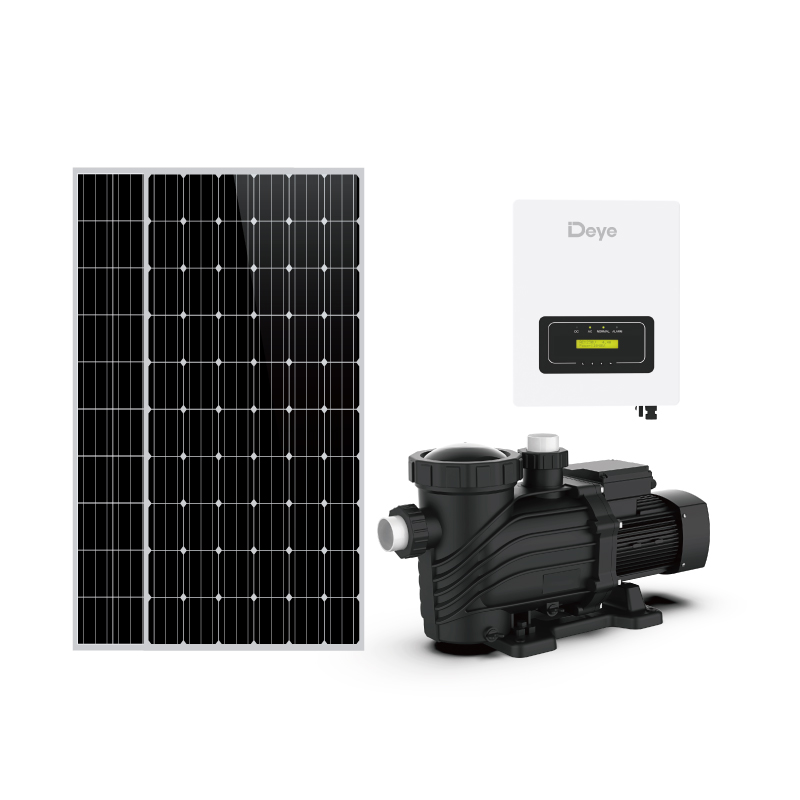
A 60-head cattle operation on a quarter-section pasture needs about 900 gallons on a mild day and 1,200 gallons or more when the temperature reaches 95°F. If the well sits a half-mile from the grid and the creek is fenced off, the real question is not whether solar can pump water. It is whether the system can deliver a reliable daily volume without batteries, without constant monitoring, and without a freeze-up in January. The short answer is yes, if the system is sized around daily demand, total lift, and storage rather than around a panel wattage on a catalog page.
A solar cattle water system is a standalone or hybrid pumping setup that uses photovoltaic panels to move water from a well, creek, pond, or stock tank into a storage tank or trough. It usually includes a pump, a solar pump controller, a PV array, a float switch or level control, and enough storage to carry the herd through clouds, night, and peak heat. The best designs treat the pump as one part of a water budget and an energy budget. The worst designs treat panel wattage as the only number that matters.
content
What a Solar Cattle Water System Includes
A dependable system has five linked parts, and the weakest one sets the limit: water source, pump, controller, PV array, and storage. If the well produces 4 gallons per minute but the tank holds only half a day of demand, the system will still run short in hot weather. If the controller cannot protect the pump from dry running, a low-yield source can destroy the pump before the dry season ends.
- Water source: well, borehole, spring, creek, pond, or existing stock tank. Record static level, drawdown, and seasonal low-water conditions.
- Pump: submersible for wells, surface or self-priming for shallow sources, with a curve that matches the required flow at the actual total head.
- Controller: manages solar input, motor starting, dry-run protection, float-switch logic, and sometimes automatic AC/DC transfer.
- PV array: sized for the pump’s input window, not simply for the pump’s nameplate power. Cable voltage drop and shading matter.
- Storage and controls: tank, trough, float switch, overflow, and freeze protection. Storage is what converts intermittent pumping into a steady water supply.
Three system architectures are common in cattle watering. The right choice depends on how often the herd needs water, whether grid power is available, and how much maintenance the site can support.
| Architecture | Best for | Main trade-off |
|---|---|---|
| Direct solar with storage | Remote wells with 1–3 days of tank capacity | Lowest cost and simplest maintenance; output falls on cloudy days |
| Battery-buffered solar | Sites with small storage or night-time demand | Higher cost, battery replacement, and more components to service |
| AC/DC hybrid | Unreliable grid power or a generator backup | More controls and wiring; useful when the tank must refill at night |
For most cattle operations, direct solar with generous storage is the simplest first choice. A battery bank adds cost and maintenance. An AC/DC hybrid controller is useful where grid power is available but unreliable, because the pump can use solar first and fall back to AC when the tank level drops.
Start With Daily Demand, Not Panel Wattage
Size storage from daily demand and the refill window; size the pump from the refill window, not the other way around. A 10,000-gallon tank does not help if the pump cannot refill it between grazing visits, and a 3,000-watt array does not help if the well runs dry at 4 gallons per minute.
Use planning figures for the class of cattle, then add a margin for heat, evaporation, spillage, and cleaning. Lactating cows and growing cattle drink more than dry cows, and intake rises sharply above 90°F.
| Class | Gallons per head per day | Notes |
|---|---|---|
| Beef cow, dry | 8–12 | Cool weather, low activity |
| Beef cow, lactating | 12–20 | Peak demand in summer |
| Growing or finishing cattle | 10–18 | Depends on feed, weight, and climate |
| Hot weather adjustment | Add 30–50% | Above 90°F, water intake rises |
Example: 50 lactating cows at 15 gallons per day need 750 gallons per day. Add a 20% margin for spillage, evaporation, and cleaning: 900 gallons per day. If the herd drinks over two visits and the tank holds 1,800 gallons, the pump has a full day to refill. At 5 peak sun hours, the pump must average 180 gallons per hour. That figure must be quoted at 600 W/m², not only at laboratory-standard 1,000 W/m². The same water-budget method applies to solar water pumping for irrigation, where crop demand and pump curves interact in a similar way.
Match the Pump to the Water Source
Choose a submersible pump for wells and boreholes and a surface pump for creeks, ponds, and shallow tanks. Then confirm total dynamic head at the design flow. The pump curve is the deciding document, not the maximum head number on a label.
Wells and boreholes
For a 4-inch or 6-inch well, a solar submersible with a stainless-steel impeller is the durable choice where sand or mineral content is present. The solar submersible pump range covers 3-inch to 6-inch models from 400 W to 13,000 W, so selection should start with well diameter, static water level, drawdown, and required flow. A pump that runs dry at the end of a hot afternoon will not be saved by extra panels. Low-water protection and a tank float are part of the specification.
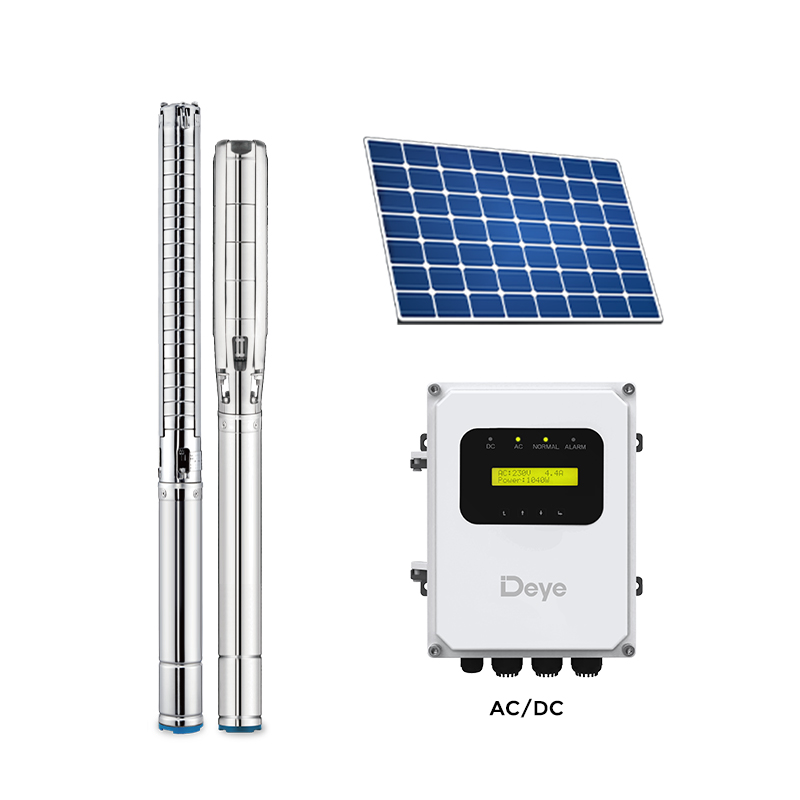 Deye 4-Inch Solar AC/DC Submersible Pump LineStainless-steel impeller models from 800 to 3000 W suit 4-inch wells with sand or silt and pair with AC/DC controllers.View Product →
Creeks, ponds, and shallow lifts
For a creek or stock pond with 8–20 ft of lift, a self-priming surface pump is easier to service and does not need to be pulled from a well. Keep the intake screened and below the low-water line, and set the foot valve so the pump does not lose prime. A surface pump with an automatic AC/DC controller can run from solar during the day and switch to grid or generator power when the tank calls for water at night.
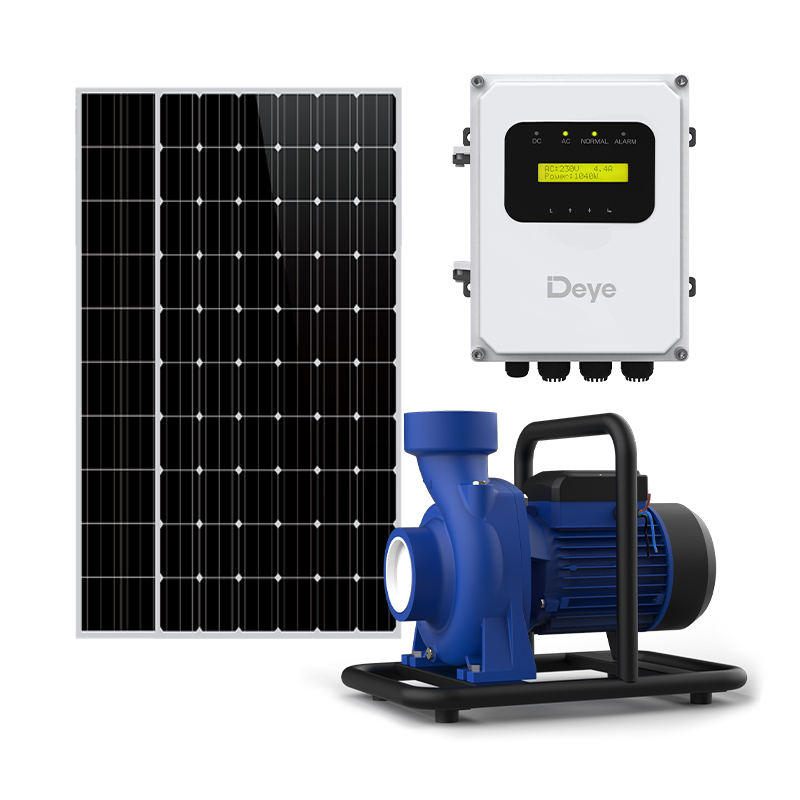 Self-Priming Surface Solar Pump with Automatic Solar Switching AC/DC Pump Controller (2000It adopts exclusive jet hydraulic structure for powerful self-priming capacity; the whole pump can be fixed on the ground to draw water from shallow wells, rivers and ...View Product →
Total dynamic head and friction
Total dynamic head is static lift plus drawdown plus friction loss plus discharge pressure. A 100-ft horizontal run of 1-inch pipe at 10 gallons per minute can add several feet of friction. Undersized pipe is a common reason a “100-ft-head” pump fails at a 60-ft well. Keep suction lines short and buried, use the largest practical discharge pipe, and add 10–15% to the calculated head as a design margin.
- Measure static water level and drawdown at the expected pumping rate.
- Count fittings, elbows, and check valves as friction, not as free hardware.
- Confirm the pump’s flow at 600 W/m² and at the actual total head.
- Check that the pump outside diameter fits the well casing with clearance for installation and removal.
Controls, Storage, and Freeze Protection
Controls and storage turn an intermittent solar pump into a reliable water supply. The controller should manage dry-run protection, float-switch logic, and automatic AC/DC transfer. The tank should hold enough water to cover cloudy weather and night. A 1–3 day reserve is a practical range for cattle, with 2 days a sensible default where the herd cannot be moved easily.
For a grid-assisted site, an auto-switch AC/DC controller lets the pump use solar first and fall back to AC when the tank level drops or irradiance falls below the pump’s operating window. That reduces battery dependence and keeps the system simple. Specify the controller by pump power, input voltage, and maximum DC current, not by panel count alone.
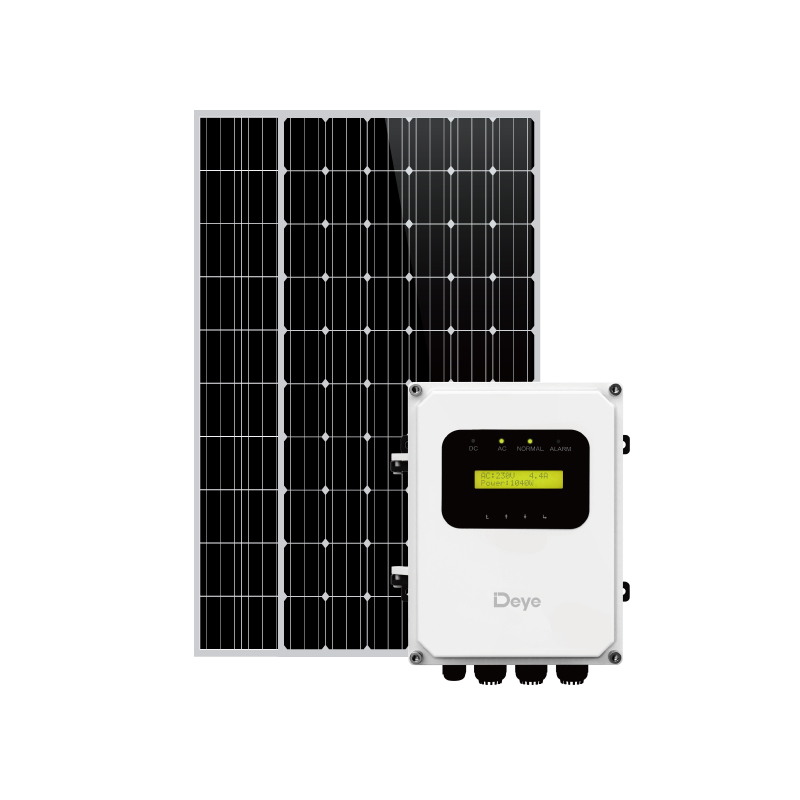 Deye Solar Auto-Switch AC/DC Pump ControllerSolar-first controller for 800–3000 W pumps switches to mains AC in low light and supports dry-run and electrical protections.View Product →
Float switches and dry-run protection
Use a float switch or level probe in the tank to stop the pump at full level, and a low-water cutout in the source to stop it when the well or creek is low. A float alone is not dry-run protection. The pump can run dry with the tank empty if the source fails. Test both conditions at commissioning and label the breakers.
Freeze protection in cold climates
Buried lines below the frost line, a drain-back slope to the tank, and an insulated trough cover are more reliable than a small solar heater. Keep a slight overflow moving in extreme cold, and size the tank so the herd drinks before the surface freezes. If the line cannot drain, install a frost-proof hydrant or a heat trace on a separate circuit, not on the pump controller.
Procurement Checklist and Common Failure Points
Most disappointments come from missing specifications, not from defective panels. Ask for the pump curve, controller manual, and tank sizing calculation in writing. Then compare the quoted flow at 600 W/m², the total dynamic head, and the dry-run protection logic. A low price often omits the float switch, low-water cutout, or freeze protection that the site actually needs.
- Flow and head at 600 W/m² and 800 W/m², not only at standard test conditions.
- Maximum DC input voltage and current; confirm panel string design against the controller.
- Dry-run protection, low-water cutout, and tank overflow routing.
- AC/DC transfer time and whether the pump restarts automatically after a cloud event.
- Well diameter, pump outside diameter, and clearance for pulling the pump.
- Pipe friction at design flow; avoid 1-inch discharge on a 10-gallon-per-minute system with a long run.
- Freeze protection, drain-back slope, and trough insulation.
- Spare controller, float switch, and pump intake screen for the first season.
Commissioning should include a drawdown test, a full-tank stop test, a low-water stop test, and a cloudy-day observation. Record the flow at midday and the recovery time after the tank is drawn down. Those two numbers tell you more about actual performance than the panel nameplate.
FAQ: Solar Cattle Water Systems
How many gallons per day does one cow need?
Plan on 10–20 gallons per head per day for beef cattle, with lactating cows and hot weather at the high end. A practical planning figure is 15 gallons per head per day, plus a 20% margin for evaporation and cleaning.
Can a solar cattle pump run without batteries?
Yes. A direct-solar pump with a controller and 1–3 days of tank storage can supply cattle without a battery bank. The tank carries the herd through cloudy periods and night, while the controller protects the pump from dry running.
What size pump do I need for 50 cows?
For 50 cows at 15 gallons per day, plan for about 750–900 gallons per day. If the pump has 5 peak sun hours to refill, it must average 150–180 gallons per hour at the actual total dynamic head. A higher head or a shorter refill window requires more flow or more storage.
What happens on cloudy days?
Direct-solar output drops, and the pump may slow or stop. Storage is the first defense; an AC/DC hybrid controller is the second where grid power is available. Do not size the tank for average demand alone. Size it for the longest expected cloudy spell plus one day.
How do I keep the system from freezing?
Bury the line below the frost line, slope it to drain back to the tank, insulate the trough, and keep water moving in extreme cold. A drain-back design is usually more reliable than a small solar heater, and it avoids putting a heating load on the pump controller.
The bottom line: solar cattle water systems work when daily demand, total dynamic head, storage, and controls are sized together. Start with gallons per day and a 1–3 day tank reserve, select a pump that meets the flow at 600 W/m², and specify dry-run protection and freeze protection before comparing prices. A system that is slightly oversized on storage and slightly conservative on head will outperform a larger panel array bolted to an undersized tank.