

 русский
 Français
 Español
 عربى
 Deutsch
 Português
 italiano
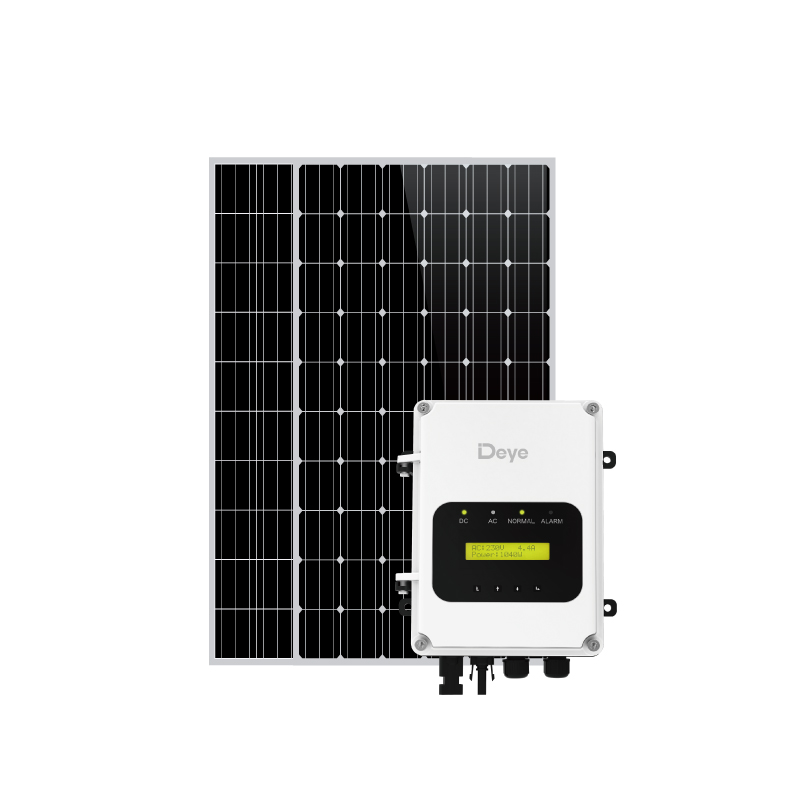
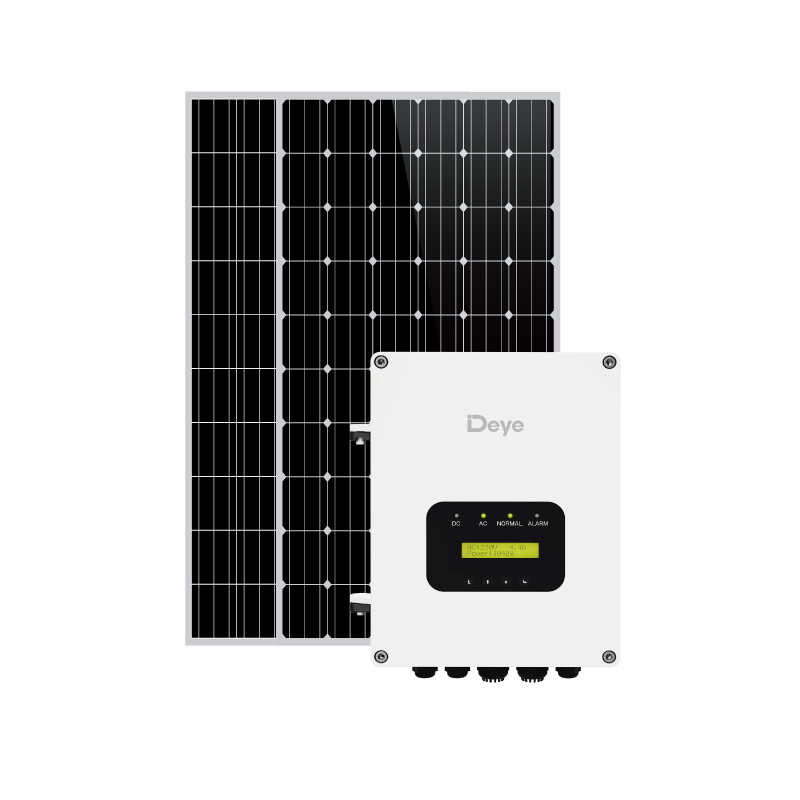
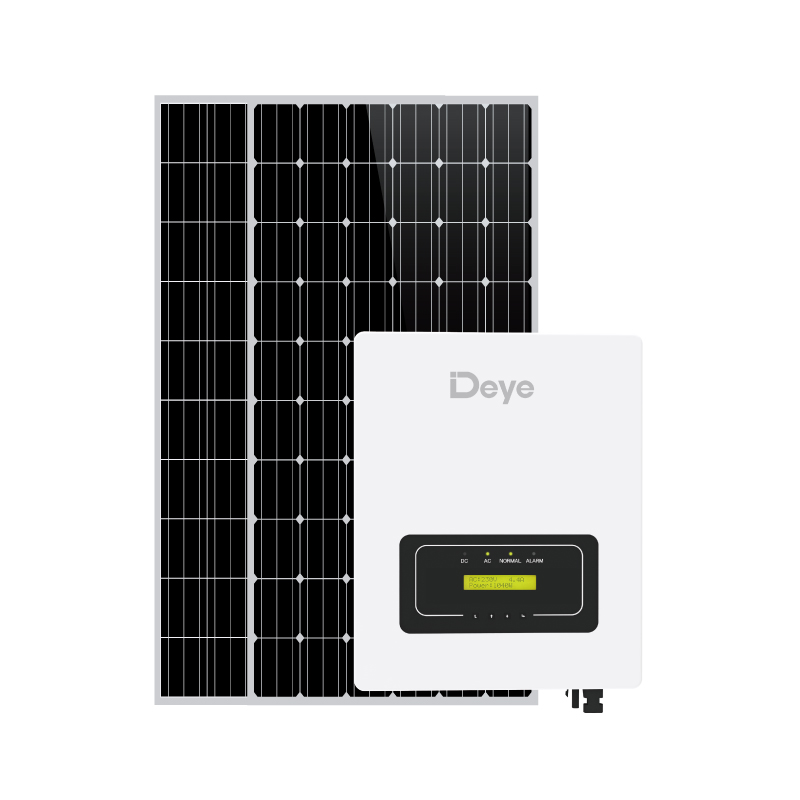
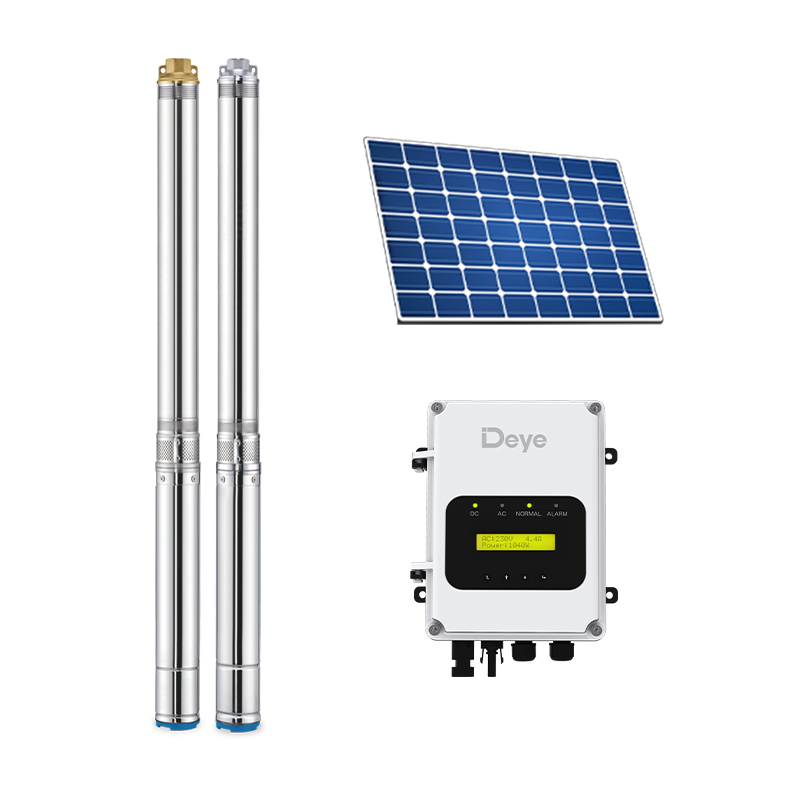
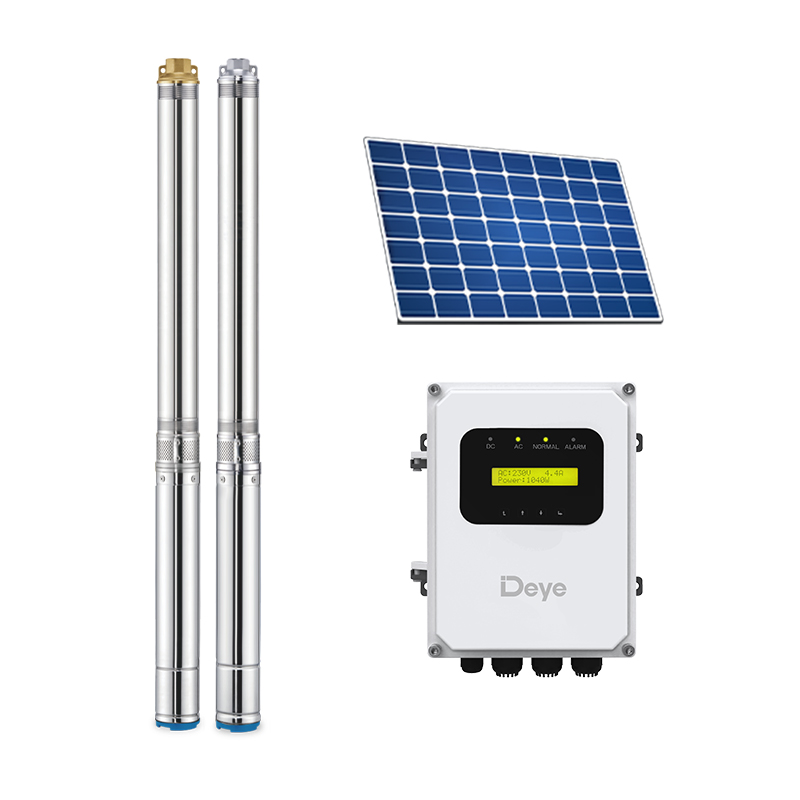
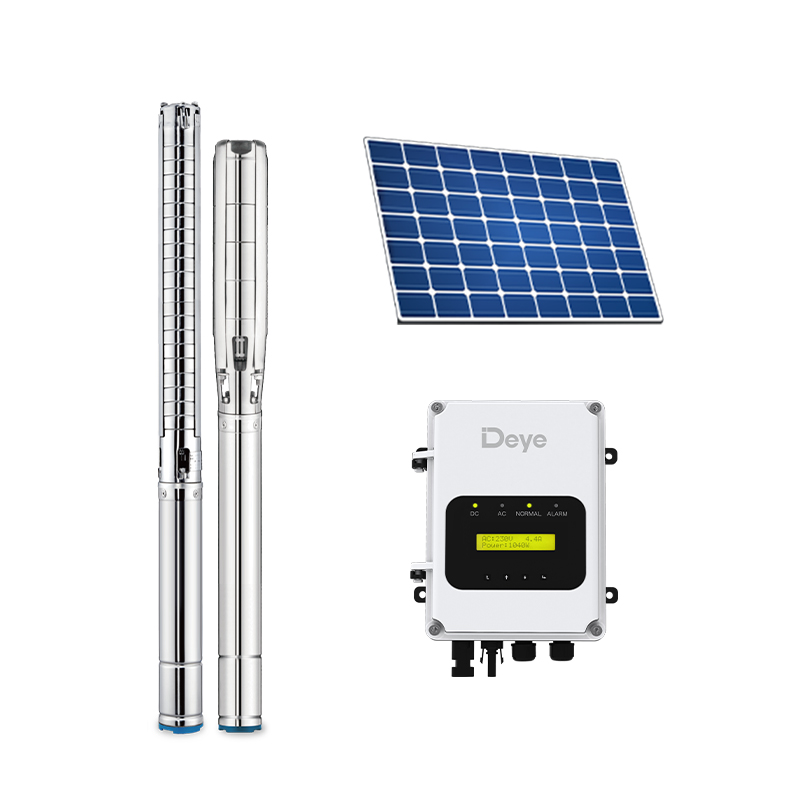
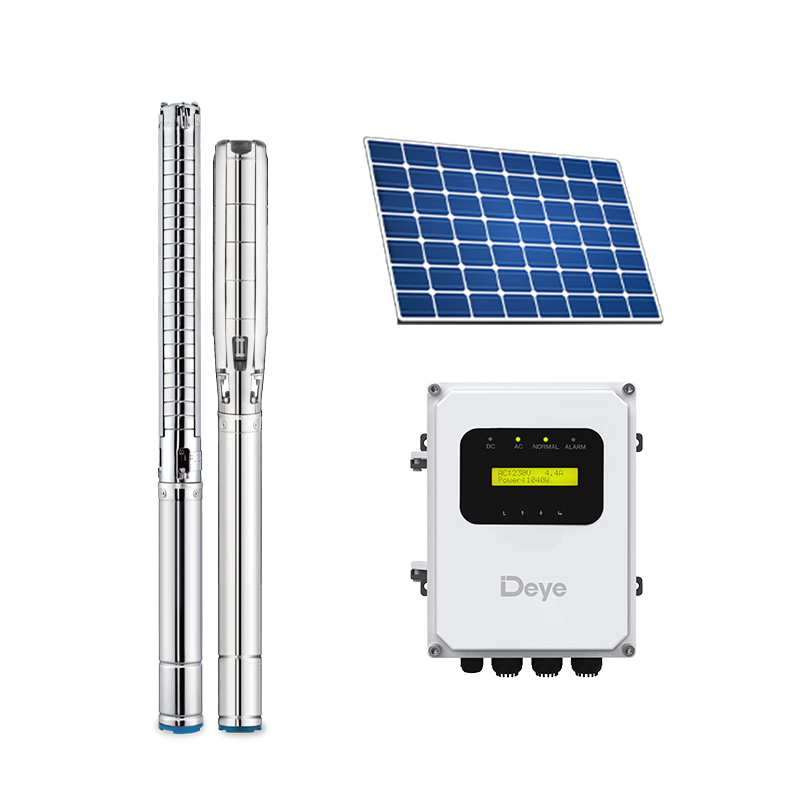
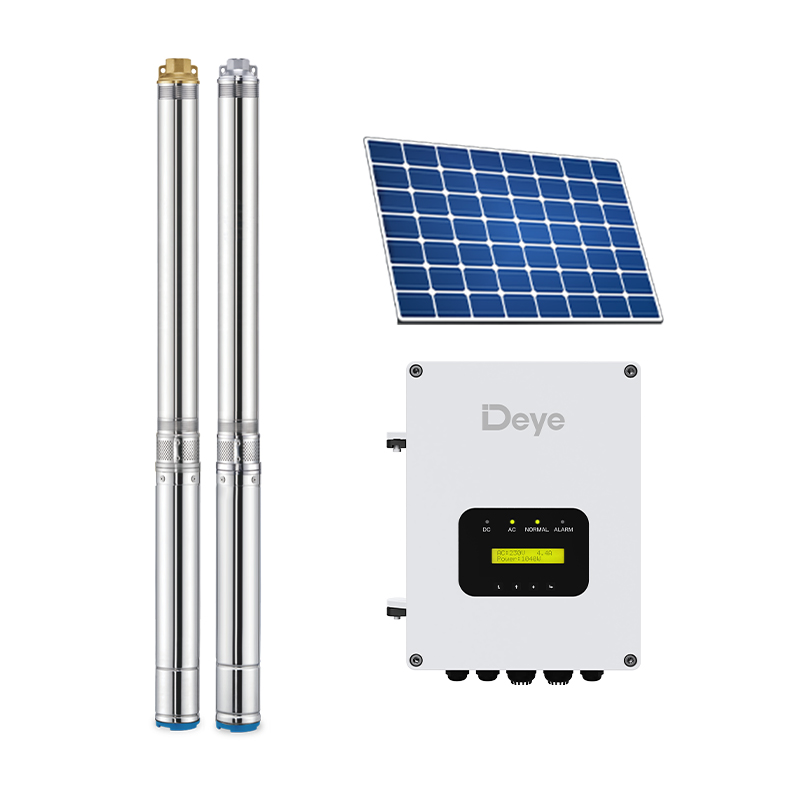
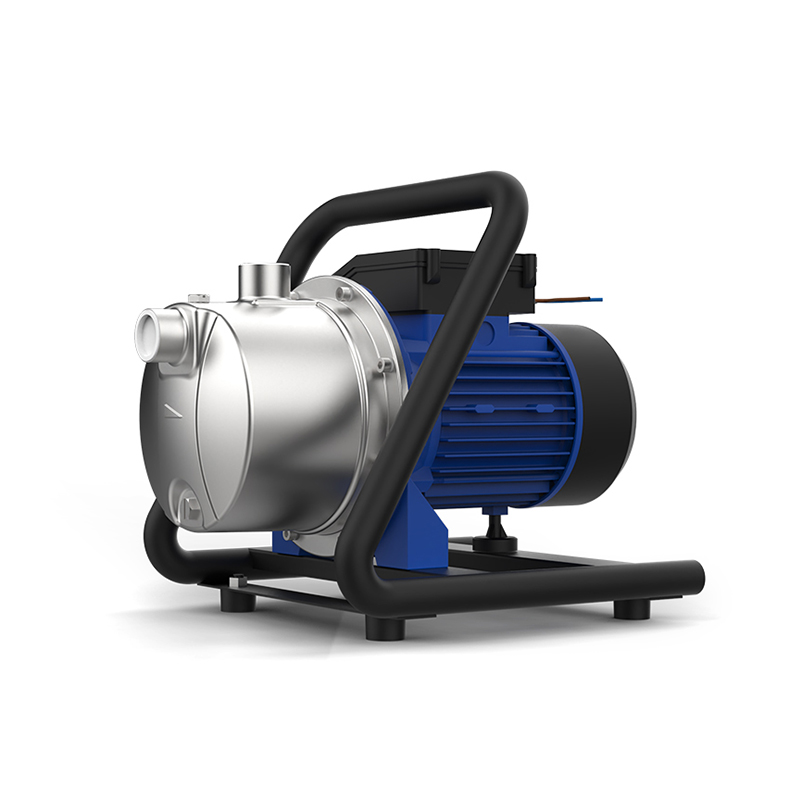
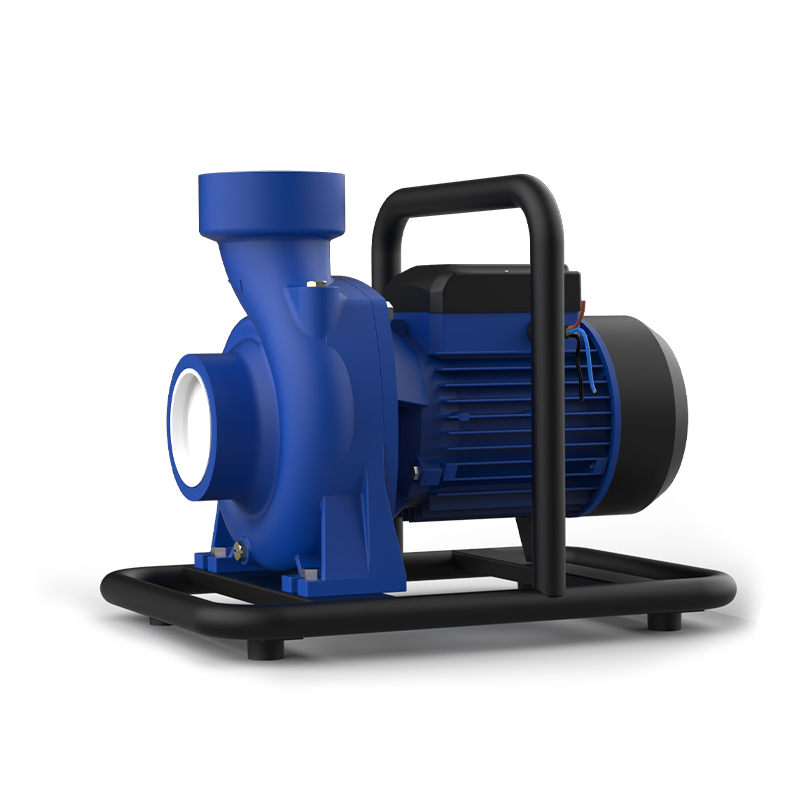
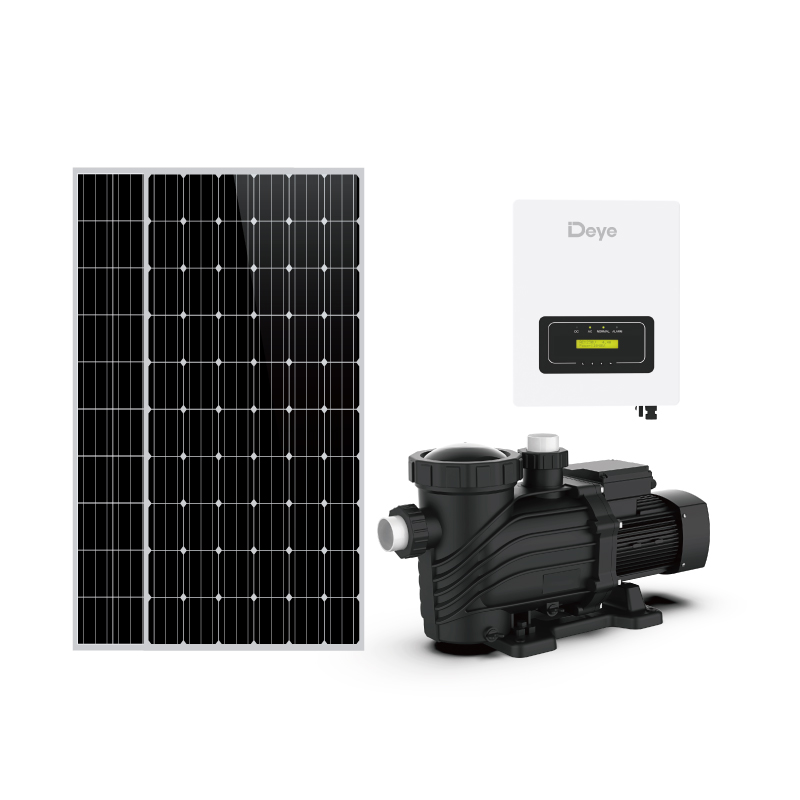
A solar deep well pump kit is a matched set: a submersible pump sized for your borehole, a solar pump controller with maximum power point tracking, the array wiring, and the wellhead hardware that keeps the pump hanging safely for years. The short answer for most buyers is simple — buy the pump and controller as one matched package, size it on total dynamic head and daily water volume rather than on motor watts alone, and add an AC backup input if a grid line or generator is anywhere near the well.
Those three decisions cause almost every disappointment in this category. A kit that is oversized on tank volume but undersized on head will run dry at midday. A kit built around a cheap controller with no dry-run protection will eat a motor stator in a single season. And a kit that ignores the borehole diameter will simply not fit when the drilling rig leaves the site.
content
- 1 What Is Actually Inside a Solar Deep Well Pump Kit
- 2 Sizing the Kit: Head, Flow and Array Wattage
- 3 DC-Only Controller or AC/DC Hybrid?
- 4 Matching Pump Diameter and Impeller Material to the Borehole
- 5 Procurement Risks Worth Checking Before You Pay
- 6 Cost, Payback and First-Year Maintenance
- 7 Frequently Asked Questions
What Is Actually Inside a Solar Deep Well Pump Kit
A genuine kit is a system, not a box of parts — the pump, the controller, the cable, and the protective hardware must be dimensioned against each other, or the solar array becomes the bottleneck.
- Submersible pump — typically 3-inch, 4-inch or 6-inch, in stainless steel or plastic-impeller versions.
- Solar pump controller — the MPPT stage, DC-to-AC conversion, dry-run detection and speed control all sit here.
- AC/DC auto-switching input — a hybrid unit that falls back to mains or a generator when irradiance drops.
- Array cabling and connectors — sized for voltage drop over the distance from panel to wellhead.
- Pump cable and splice kit — waterproof resin splices matter more than most buyers expect at 60 m depth.
- Wellhead hardware — safety rope or stainless bail, torque arrestor, well cap, and a level probe or float switch.
Kits sold on price alone usually omit the last two lines. The level probe is the cheapest insurance in the system; the torque arrestor prevents the pump from rocking on start-up and chafing the drop cable against the casing wall.
Sizing the Kit: Head, Flow and Array Wattage
Size on total dynamic head and daily litres, then let those two numbers decide the motor and array — not the other way round.
Total dynamic head is not the same as static water level. It combines the standing water level, the drawdown while pumping, the vertical lift to the tank, and friction losses through pipe and fittings. A well that sits at 25 m and draws down 8 m under load already needs 33 m of head before you add a single metre of horizontal run. Under-estimating drawdown by 10 m is the single most common sizing error in off-grid water supply.
| Daily water need | Total dynamic head | Pump motor | Array size | Typical use |
|---|---|---|---|---|
| 2,000–3,000 L | 30–40 m | 400–750 W | 800–1,200 Wp | Single household plus garden |
| 4,000–6,000 L | 50–70 m | 1,100–1,500 W | 1,600–2,200 Wp | Family home with drip irrigation |
| 10,000–15,000 L | 70–100 m | 2,200–3,000 W | 3,200–4,500 Wp | Livestock, small holding, village supply |
Two practical checks follow from the table. First, array wattage usually needs to be 1.4 to 1.6 times the motor rating to cover controller losses and cloudy mornings. Second, a kit that pumps your daily volume in five hours of good sun will still be safe on a hazy day, while one that needs eight hours of peak sun will fail every time the weather turns.
DC-Only Controller or AC/DC Hybrid?
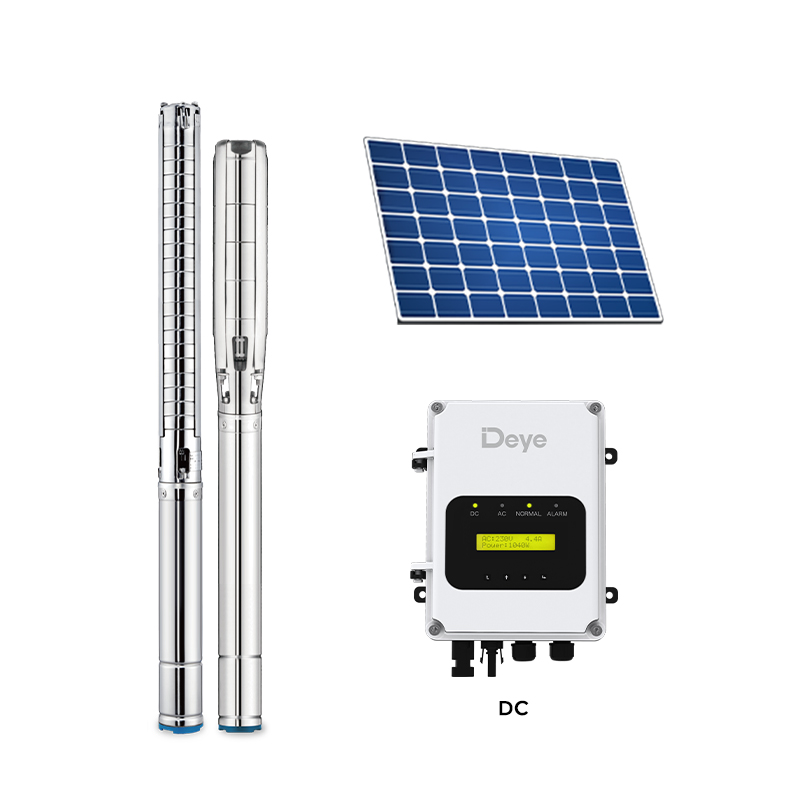
Choose hybrid if mains power or a generator is available even occasionally; choose DC-only if the site is genuinely remote and the budget is better spent on more panel capacity.
A hybrid controller runs from the array when the sun is up and switches automatically to an AC source when irradiance falls below a usable threshold. That matters for three groups of users: households that cannot accept a water gap during a rainy week, farms that irrigate on a schedule rather than on the weather, and installers who want a single platform for both electrified and off-grid customers. The trade-off is a higher unit price and an installation that must be wired for both sources safely.
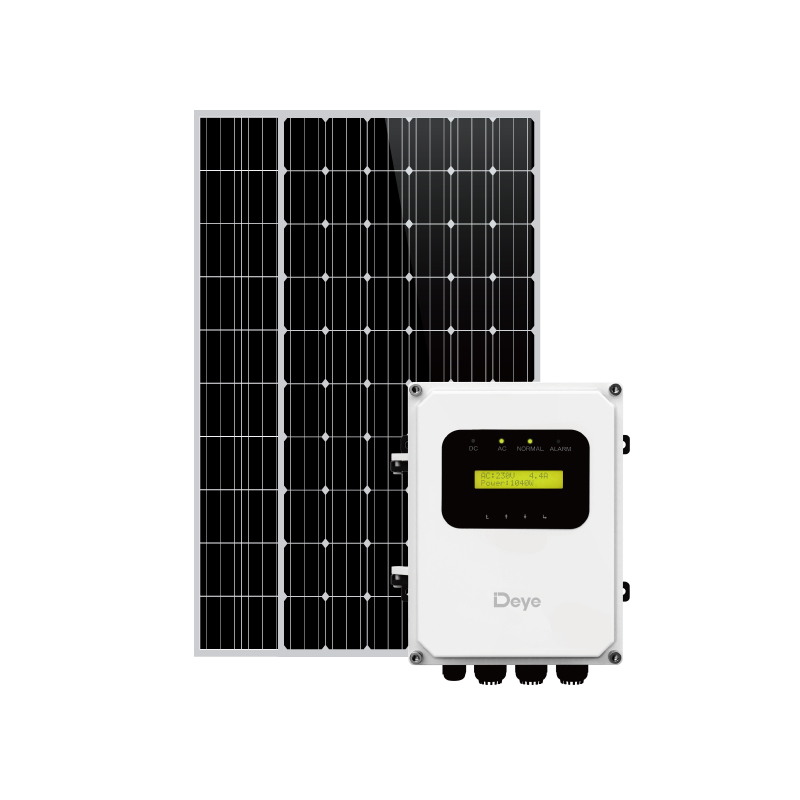 Deye Solar Auto-Switch AC/DC Pump ControllerSolar-first controller switches to mains AC in low light, supporting uninterrupted water supply for farms, villages, and conventional water projects.View Product →
The DC-only route is lighter and cheaper, and it forces honest sizing: if the array cannot carry the duty, the design is wrong and no fallback will hide it. Either way, confirm the controller's MPPT window against your array's real operating voltage on a hot afternoon, not its open-circuit figure on a cold morning.
Matching Pump Diameter and Impeller Material to the Borehole
Measure the casing first: a 4-inch pump needs roughly 100 mm of clear internal diameter, a 6-inch pump needs about 150 mm, and sand content decides whether plastic or stainless impellers survive.
Diameter is a hard constraint, not a preference. Check the casing with a caliper or a go-gauge before ordering, because a nominal 4-inch borehole that has wandered or scaled can leave a few millimetres of clearance and a pump that jams halfway down. For a 4-inch well, a 4-inch stainless-steel unit in the 800–3,000 W band is the workhorse choice, and stainless impellers hold up far better where fine sand passes through the intake.
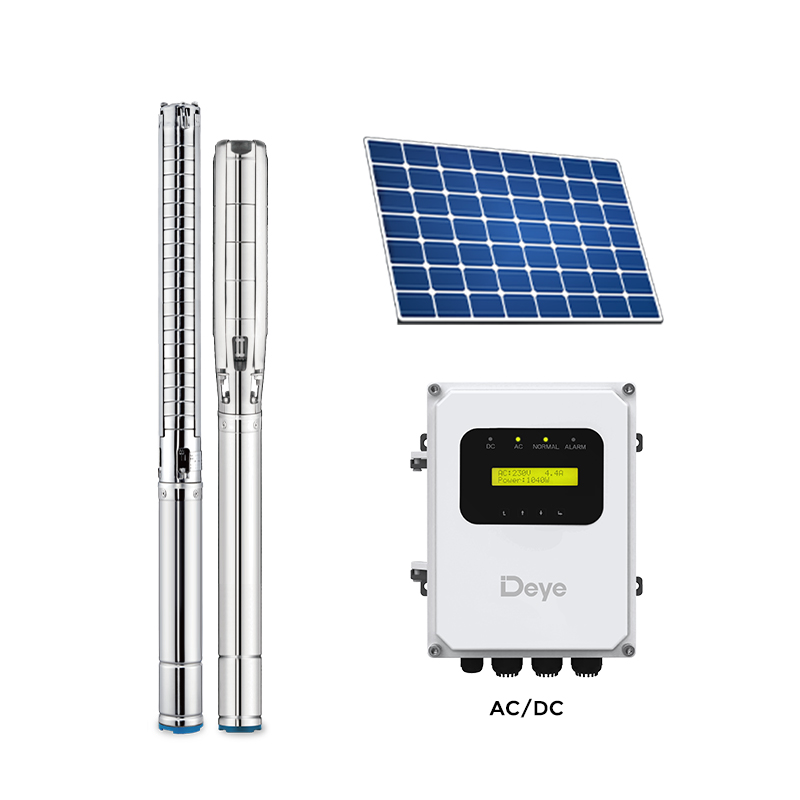 4-Inch Solar AC/DC Submersible Pump with Stainless ImpellerFits standard 4-inch wells and pairs with an AC/DC controller; stainless impeller suits slightly sandy groundwater and demanding water-supply projects.View Product →
Larger casings open the door to higher flow without excessive head loss. A 6-inch stainless pump in the same power band moves more water per hour and runs cooler because the motor has more clearance around it; the penalty is weight, a stronger lifting arrangement on installation day, and a higher kit price.
 Deye 6-Inch Solar AC/DC Submersible PumpStainless-steel 6-inch pump for large-volume village, farm, and industrial water supply, paired with a solar-first AC/DC controller for continuous duty.View Product →
Material choice also shapes service life. Plastic impellers suit clean water and tight budgets; stainless suits abrasive or slightly aggressive water. If you are unsure which configuration fits your borehole, it helps to review the full solar submersible pump range against your measured casing diameter and water chemistry before committing.
Procurement Risks Worth Checking Before You Pay
Most kit failures trace back to a handful of avoidable specification gaps rather than to defective hardware.
- No dry-run protection. A pump running without water destroys its stator in minutes; insist on a level probe or a controller with under-current detection.
- Undersized drop cable. Voltage drop on a 100 m run at low DC voltage can cost 5–8% of output, which shows up as reduced flow at midday.
- Ignored drawdown. Sizing on static level only leaves the pump cavitating at high flow rates.
- Mismatched pump and controller. Buy the pair as a package so the motor's rated current and the controller's limits are documented together.
- Missing wellhead hardware. No torque arrestor, no safety rope, no cap: the three items that protect the pump during and after installation.
- No stated warranty terms. Ask what is covered, for how long, and whether the controller and pump are covered under one claim.
Cost, Payback and First-Year Maintenance
Kit price tracks motor power, impeller material, drop-cable length and controller features; payback is best judged against whatever you are replacing, whether diesel pumping, hauled water, or a grid connection.
Solar kits front-load their cost into the array and controller, then run at close to zero marginal cost per litre. A well-sized system with a storage tank typically pays back within two to four seasons compared with fuel-driven pumping, and the calculation improves quickly where fuel delivery is remote. The most reliable savings come from storing water rather than electricity: a tank sized for two days of demand lets a smaller array work at its efficient point instead of chasing instantaneous flow.
Year-one maintenance is deliberately short. Clean the panels monthly, check the array tilt seasonally, inspect the cable splice and wellhead gland annually, and record flow rate against a stopwatch and a known tank volume — a slow decline is the earliest sign of impeller wear or rising drawdown. For sizing examples across different duties, the guidance on solar water pumping for irrigation shows how head, flow and tank volume interact in practice.
Frequently Asked Questions
Can a solar deep well pump kit run at night?
No, not directly from the array. Night-time or cloudy-day supply comes from a storage tank filled during daylight, or from the AC backup input on a hybrid controller. Batteries are possible but add cost and losses that a tank avoids.
How deep can a solar submersible pump lift water?
Static depth matters less than total dynamic head. Most kits in the 600–3,000 W class handle 40–100 m of combined lift and friction, but the pump's rated maximum head must exceed your calculated figure with margin — running near the limit wastes power and shortens motor life.
Do I need a tank with the kit?
Strongly recommended. A tank decouples pumping from consumption, absorbs cloudy periods, and lets the pump run near its best-efficiency point. Size it for one to two days of demand.
What maintenance does the controller need?
Very little beyond a dry, shaded mounting position and a check of terminal tightness after the first month. Verify that fault codes are readable and that dry-run settings are enabled before the warranty period starts.
The practical rule: measure the borehole, calculate total dynamic head honestly, decide whether an AC fallback is needed, and then choose the pump and controller together rather than shopping for them separately. A kit built in that order delivers water predictably for a decade; a kit built in the reverse order delivers a warranty claim.