

 русский
 Français
 Español
 عربى
 Deutsch
 Português
 italiano
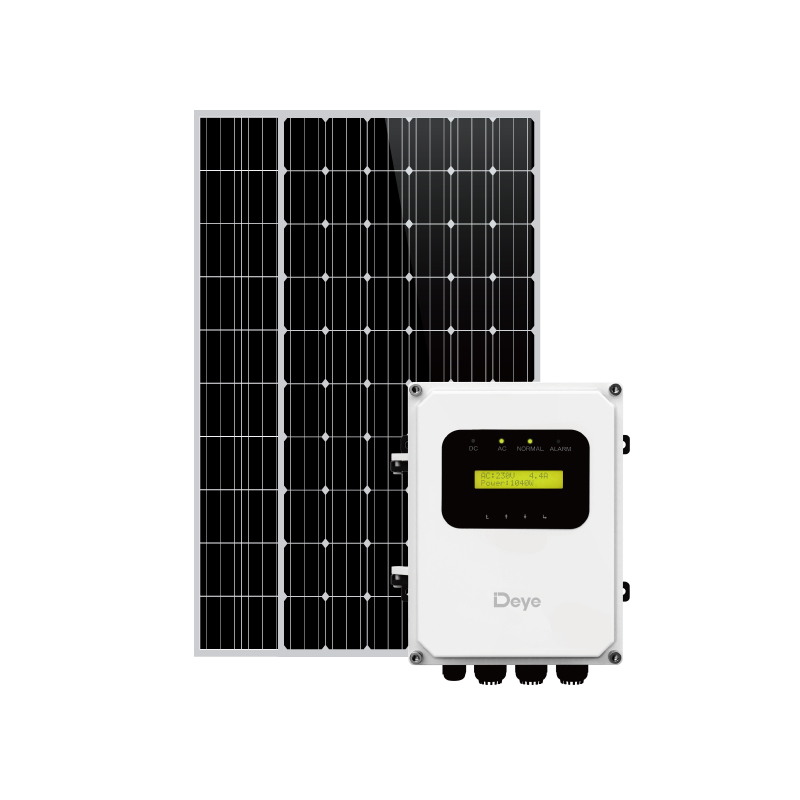
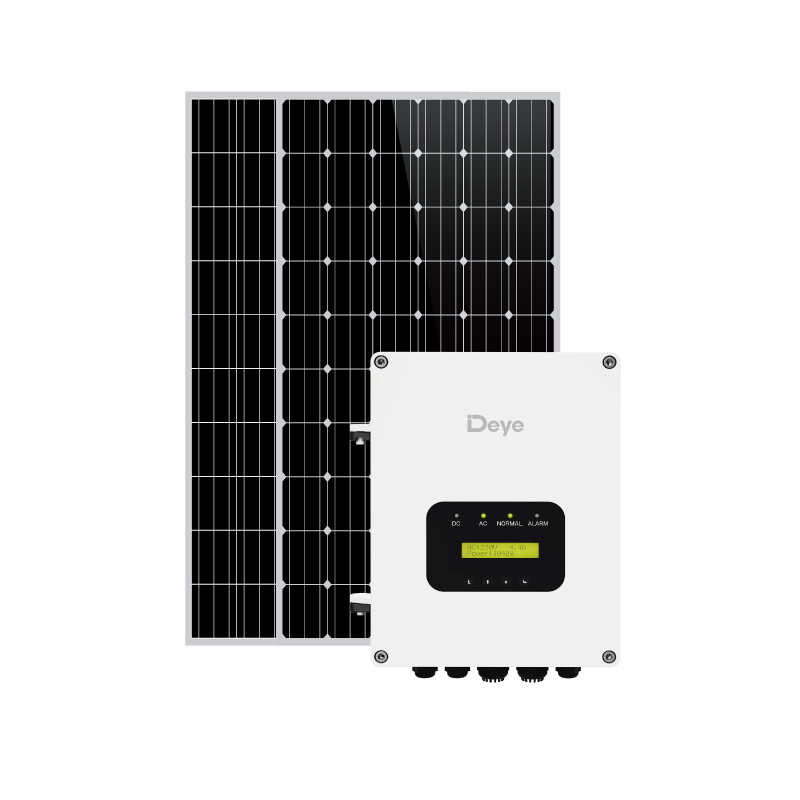
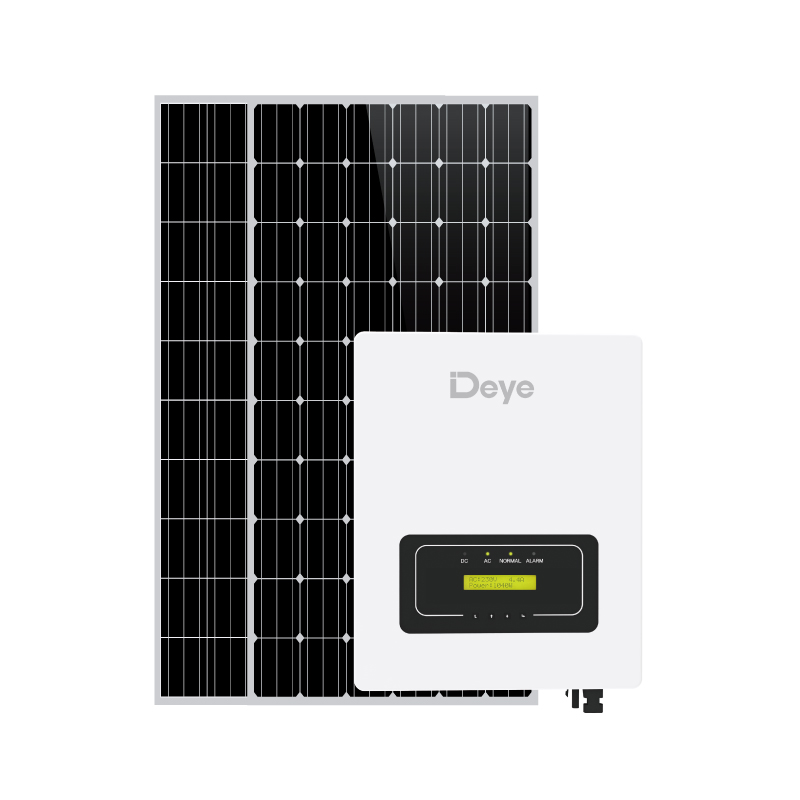
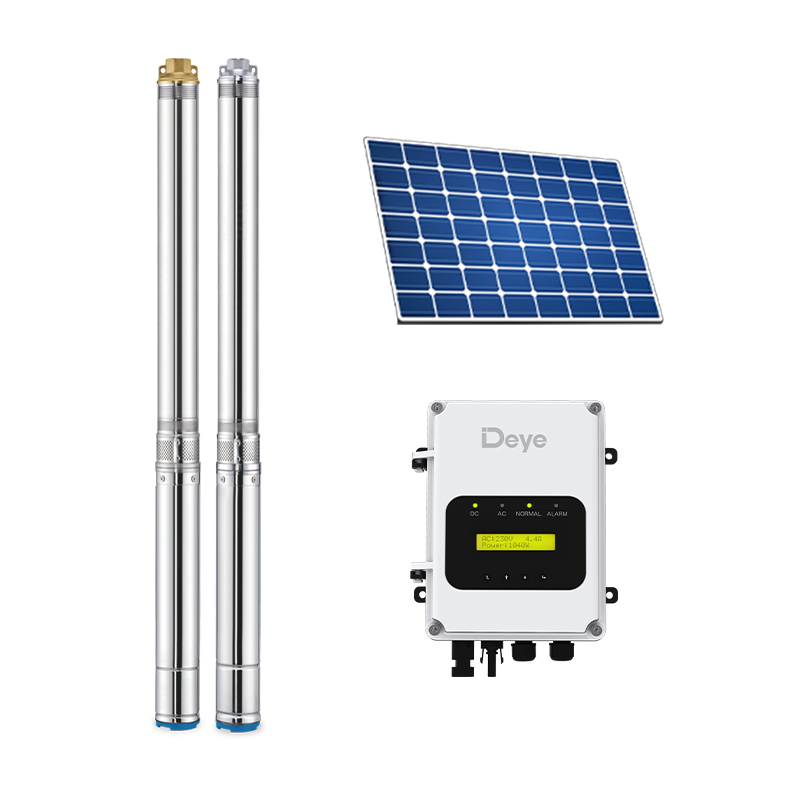
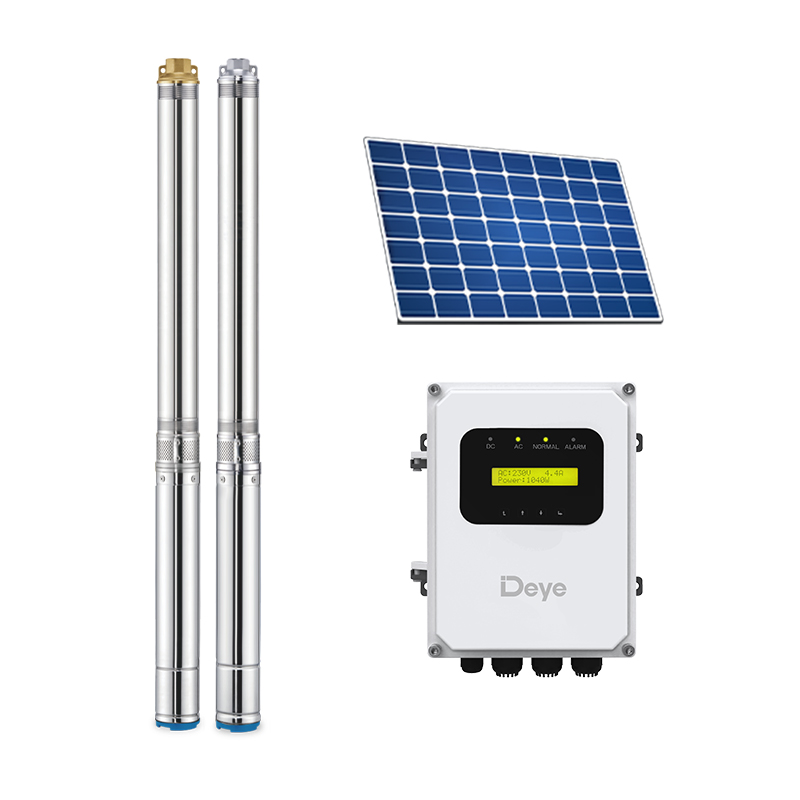
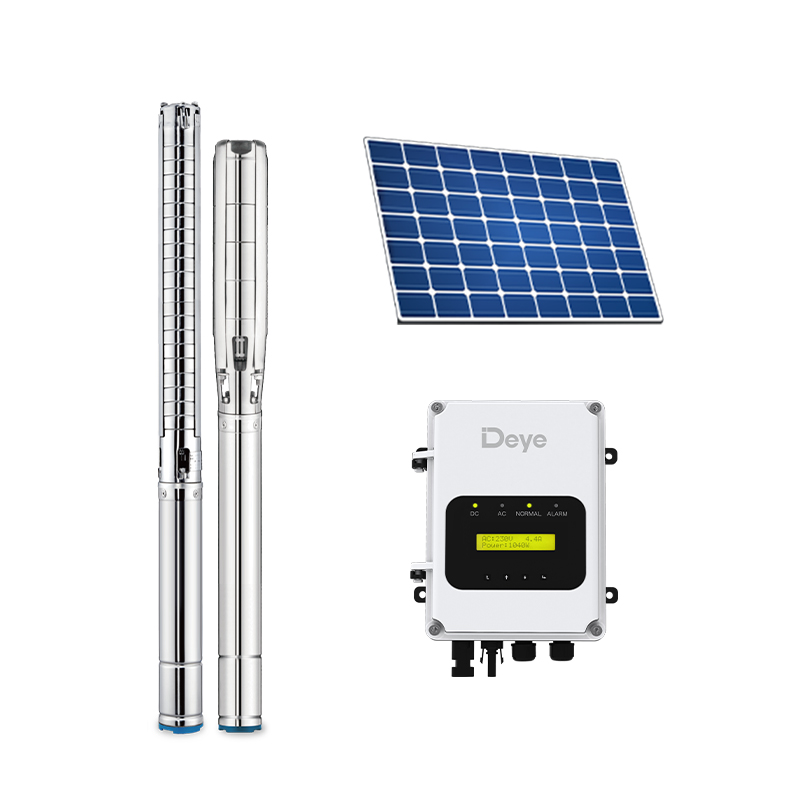
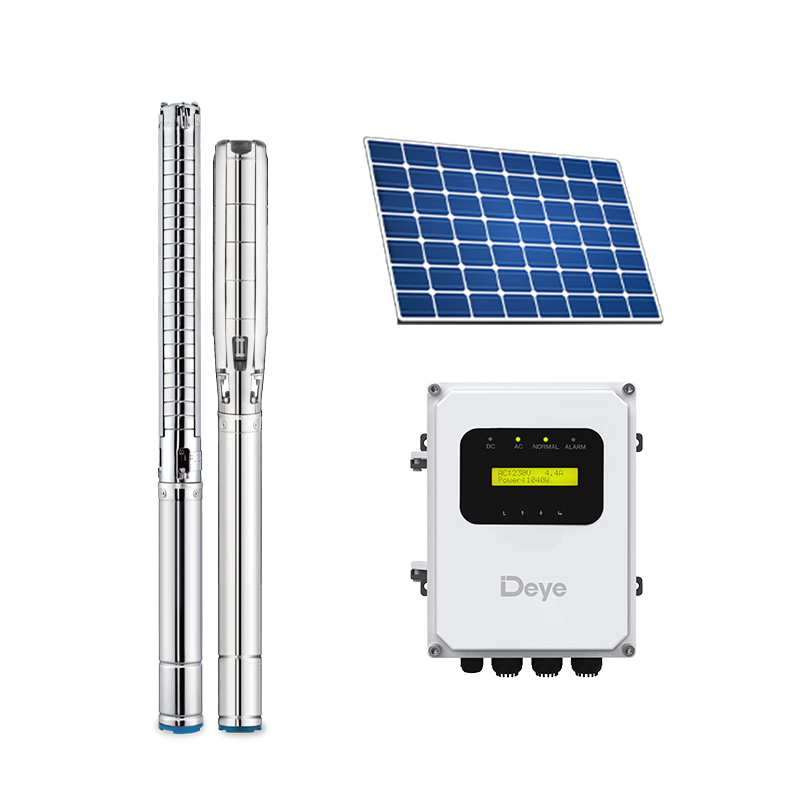
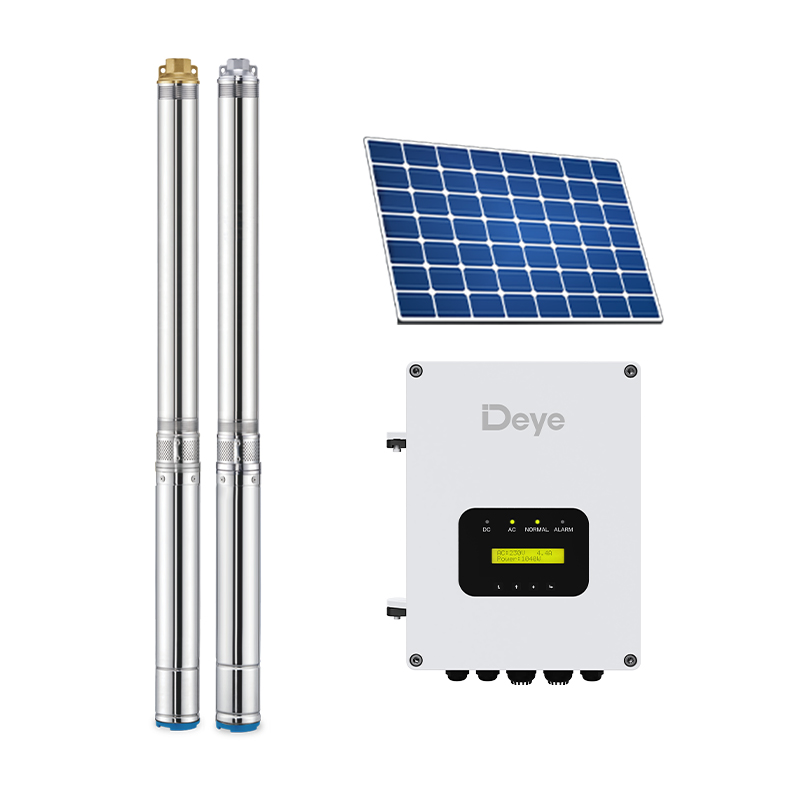
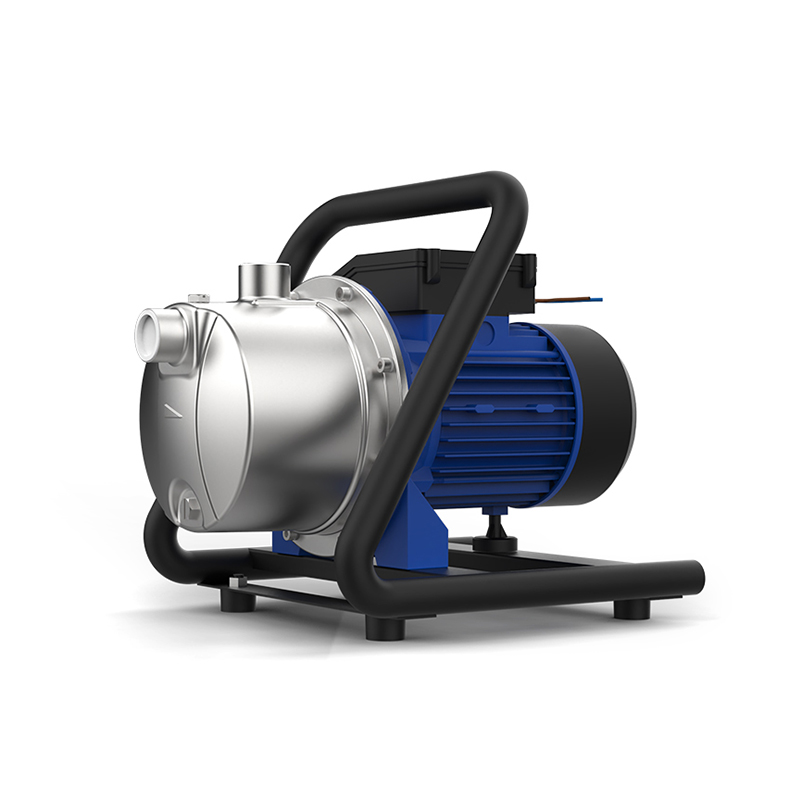
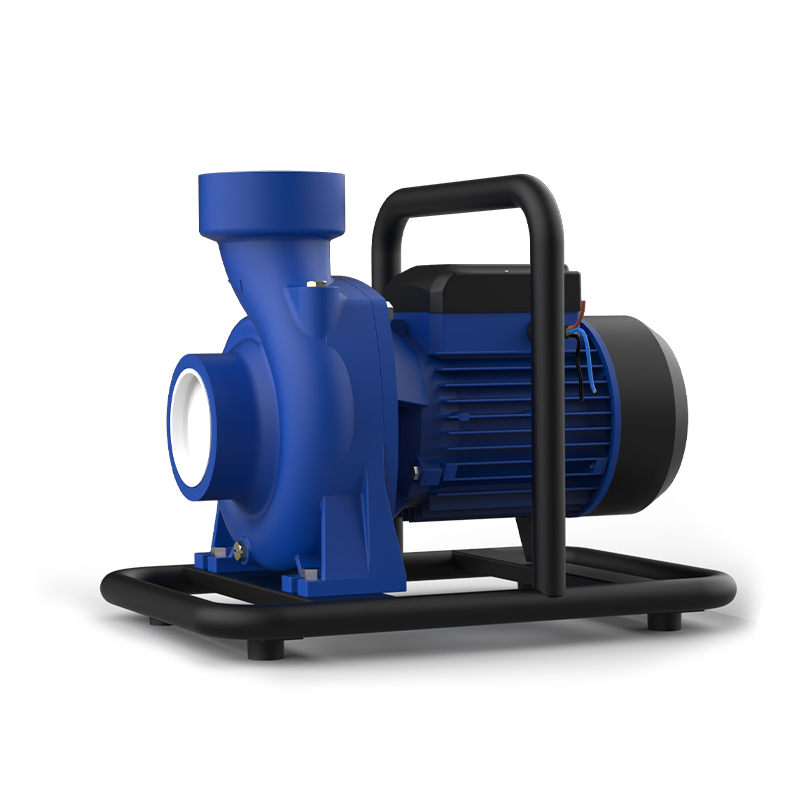
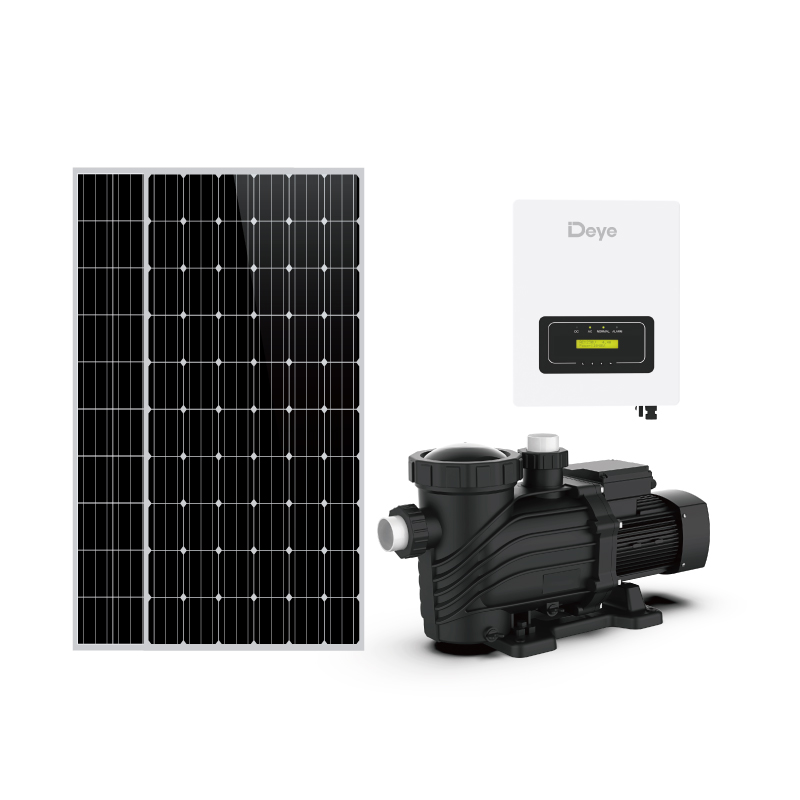
A small solar power water pump is usually a 3- or 4-inch submersible unit, or a compact surface pump, running on roughly 400–1,500 W of PV. In a decent sunny site it will move somewhere between 3,000 and 10,000 litres a day while total head stays under about 40 metres. That is the honest working envelope. Push beyond it — deeper bores, high-pressure sprinkler blocks, long thin pipes — and the system will still run, but it will deliver a trickle instead of a flow, which is the single most common reason owners feel let down by solar pumping.
Sizing comes down to three figures: daily water volume, total head including friction, and usable sun hours at the site. Everything else on the datasheet is secondary.
content
What "Small" Actually Means on a Datasheet
"Small" describes the power class and the physical size of the pump, not a guaranteed flow rate. A unit labelled small can still lift water 80 metres if you accept a low flow, or move 8 m³/h if the head is only 10 metres.
Two habits separate a good purchase from a bad one. First, read flow and head together on the pump curve — never one without the other. Second, treat the controller's rated wattage as a ceiling rather than an expectation; a 1,500 W controller paired with a 900 W array will spend its life at part load.
| Pump class | Typical controller / PV | Typical flow | Typical head | Typical job |
|---|---|---|---|---|
| 3-inch submersible | 400–1,500 W | 0.5–3 m³/h | up to 60–100 m | Single household, borehole to tank |
| 4-inch submersible | 600–3,000 W | 1–8 m³/h | up to 80–150 m | Smallholding, livestock, pressure to house |
| Surface centrifugal | 2,000–3,600 W | 3–20 m³/h | 20–40 m total, suction ≤ 8 m | Tank-to-field irrigation, pool top-up |
| Surface self-priming | 2,000–3,600 W | 3–15 m³/h | Similar, tolerates air in the line | Shallow wells, fluctuating suction lines |
How to Size a Small Solar Pump in Five Steps
Sizing works from demand backwards to the array, never from the catalogue forwards. Follow the sequence and the numbers usually converge on a reasonable answer within a few minutes.
- Fix the daily volume. Count every litre you actually need — drinking, livestock, drip lines, pool top-up — then add 15–20% for evaporation, leaks and overshoot.
- Add up total head. Static lift, plus water-level drawdown while pumping, plus friction losses, plus any discharge pressure. A practical shortcut: add 10–15% friction for short runs, 20–30% for long or narrow lines.
- Use winter sun hours. Divide daily volume by usable sun hours (4–6 h in most sunny regions, 3–4 h in winter). That figure is your required hourly flow.
- Read the curve at that flow. Confirm the head available is at least 20–30% above your calculated total, because curves flatten sharply near maximum head.
- Match the array to the controller. Check the input voltage window and required array wattage before assuming a bigger panel is always better.
Worked example: 2,000 litres a day at 35 m total head over 5 peak sun hours means 400 L/h. That is about 38 W of hydraulic power, and roughly 130 W of electrical input once pump and motor efficiency are allowed for. A 250–300 W array with a 400–1,500 W controller therefore leaves useful margin rather than running flat out.
The Controller Decides the Real-World Performance
Two systems with identical pump ends can behave very differently because of the controller, so it deserves as much scrutiny as the pump itself. A good controller tracks the array's maximum power point, protects against dry running and over-voltage, and soft-starts the motor so the pump does not stall on a long DC cable.
Automatic AC/DC switching is the feature most owners end up valuing. Solar does the work in normal weather; when a monsoon week or a heavy drawdown drains the tank, the controller can accept grid or generator input without a separate changeover panel. That hybrid behaviour is what makes an off-grid installation practical rather than a fair-weather experiment.
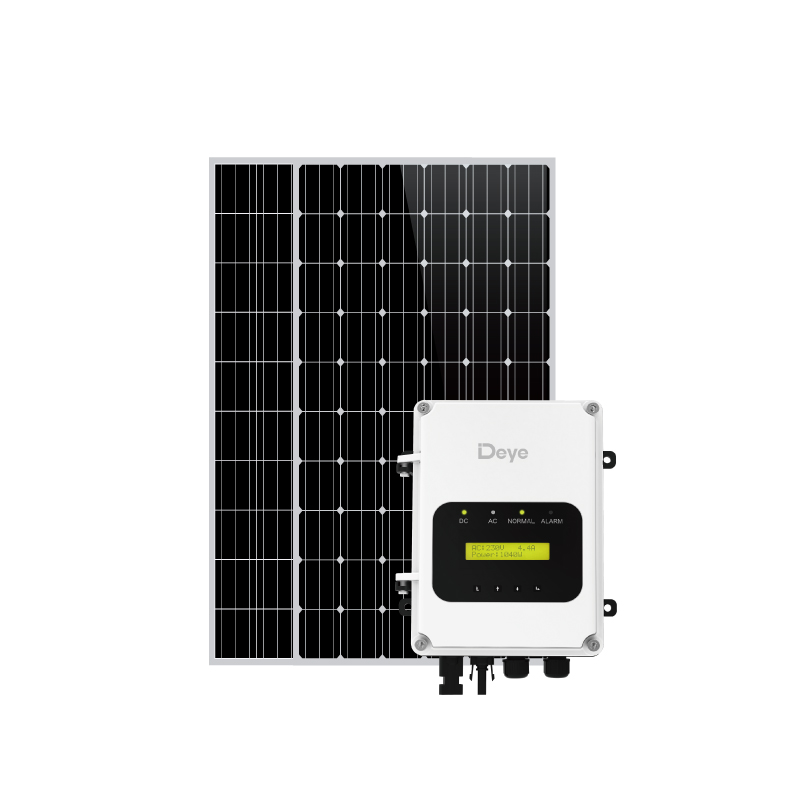 DC Solar Pump Controller for 400–1500 W SystemsOff-grid DC controller for 400–1500 W solar pumping, with MPPT, LCD monitoring, IP65 housing and multiple protections for remote water projects.View Product →
For an overview of controllers, submersibles, surface pumps and pool units in one place, browse the full solar pump product range and compare the power classes against your own head and flow figures.
Submersible or Surface: Matching the Pump to the Water Source
The water source decides the pump type before efficiency or price enter the conversation. Submersible pumps push from below the waterline; surface pumps pull, and pulling is limited by physics to about 8 metres at sea level.
3-inch submersible pumps: the smallest sensible choice
This class fits a 75 mm bore and suits one household or a small garden. Expect modest flow with generous head, and plastic impellers that perform well in clean water. If the bore produces sand, plan for wear.
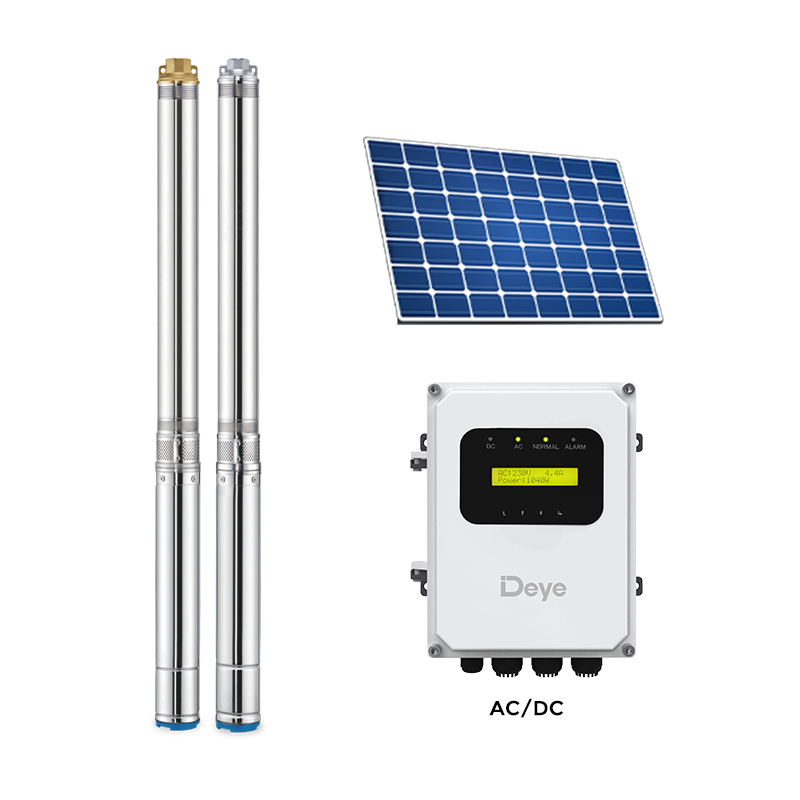 3-Inch Solar Submersible Pump with Plastic ImpellersEntry-level 3-inch submersible pump for clean well water, household supply and small gardens, with 400–1500 W models and AC/DC controller options.View Product →
4-inch submersible pumps: more flow at the same head
Moving up to 4-inch gives roughly two to three times the flow for a similar lift, which is why it suits livestock, smallholdings and tank filling. Where water carries fine abrasives, a stainless-steel impeller stack lasts noticeably longer than plastic.
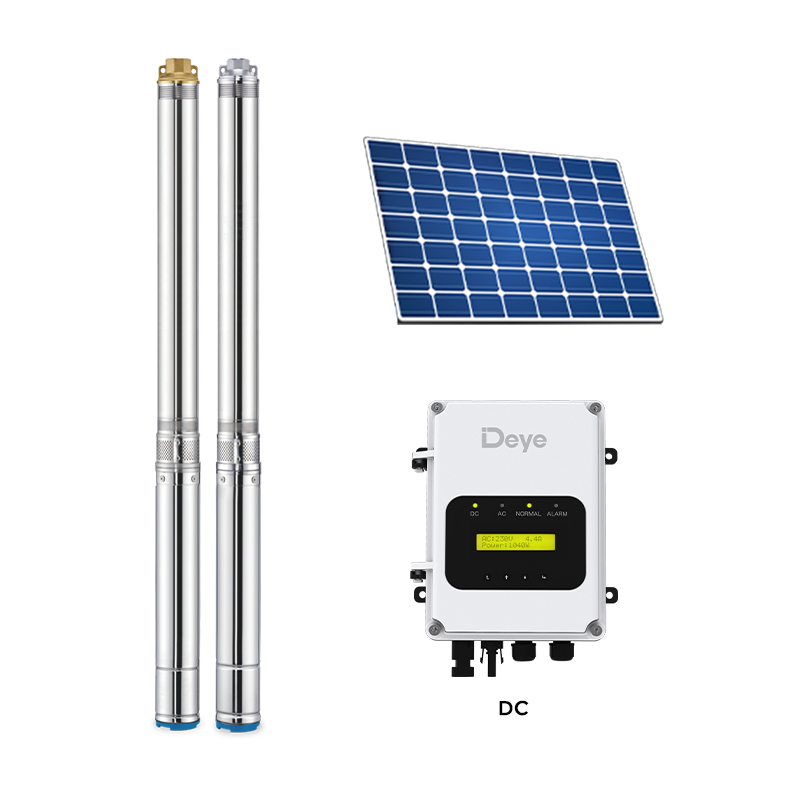 4-Inch Solar Submersible Pumps for Household and Farm Water600–3000 W 4-inch solar submersible range for rural domestic water, irrigation and livestock, with AC/DC controller options and MPPT source switching.View Product →
Surface pumps: when the water sits within suction reach
For tanks, open wells and shallow pits, a centrifugal or self-priming surface pump is simpler to service and easier to inspect. Self-priming units tolerate a line that drains back overnight. This is the usual configuration for drip and sprinkler irrigation from a storage tank, where the pump can be staged close to the field and run during peak sun.
Risks That Only Appear After Installation
Most failures trace back to a handful of predictable errors, and each is cheaper to fix on paper than in the field.
- No head margin. A pump rated to 60 m may deliver almost nothing at 55 m once the water level drops.
- Ignoring drawdown. Static water level is not pumping level; the difference can be several metres in a tight bore.
- Undersized DC cable. Keep voltage drop under about 2%, or you pay for watts that never reach the motor.
- Shading and tilt. A partially shaded string can lose more output than a fully shaded single panel suggests.
- No storage plan. One to two days of tank capacity usually costs less than a battery bank and does more for reliability.
- Wrong impeller material. Abrasive water wears plastic quickly; clean water rarely justifies stainless.
Pre-Order Checklist
Run these five checks before you commit, and a surprising number of unsuitable purchases disappear on their own.
| Check | Target | Why it matters |
|---|---|---|
| Total head | Calculated value plus 20–30% | Flow falls away steeply near maximum head |
| Sun hours | Winter figure, not summer | Sizing on the best month creates a December shortfall |
| Cable run | Voltage drop under 2% | Long thin DC runs waste array output |
| Storage | 1–2 days of demand | Covers cloudy spells without batteries |
| Water quality | Sand and iron noted | Determines plastic versus stainless impellers |
Frequently Asked Questions
How much water can a small solar pump move per day?
Roughly daily volume equals flow at your working head, multiplied by usable sun hours, multiplied by about 0.75 for real-world losses. A 1,000 W system lifting 30 m typically lands in the 5,000–8,000 litre range in summer and closer to 3,000 litres in winter.
Can it run without batteries?
Yes, and most do. The pump runs directly from the array while the sun shines, and water is stored in a tank instead of a battery. Batteries make sense only when you need pressure on demand after dark or during long cloudy periods.
What happens on a cloudy day?
Output drops roughly in proportion to irradiance, so a heavily overcast day may give 20–40% of rated flow. Two days of tank storage absorbs most weather variation far more cheaply than oversizing the array.
Plastic or stainless impellers?
Plastic is fine for clean borehole water and costs less. Choose stainless when the water carries sand, silt or fine sediment, because abrasion is what shortens impeller life.
How deep can a small system lift water?
Submersible units in this class commonly reach 60–100 m at reduced flow, while surface pumps are limited to about 8 m of suction. Always check the head available at your required flow, not the maximum head printed on the label.
A small solar power water pump rewards arithmetic more than optimism. Get the daily volume, the true total head and the winter sun hours right, add a 20–30% head margin, and choose a controller with dry-run protection and AC/DC switching, and the system will quietly do its job for years. Get those numbers wrong, and no amount of extra panel wattage will rescue the flow. If your figures sit near the edge of these ranges, it is worth confirming them with the manufacturer before you order rather than after the bore is capped.