

 русский
 Français
 Español
 عربى
عربى Deutsch
 Português
 italiano
One hot July afternoon, a fish farmer notices the surface of the pond covered with green foam, while fish keep gasping at the waterline. Low dissolved oxygen is almost always the trigger. The quick, practical answer is a solar aerator: a system that uses free sunlight to pump air or move water, restoring oxygen levels without running an electric bill. This guide explains what a solar aerator is, how it works, which type fits your pond or aquaculture site, and how to choose one that will last for years.
content
What Is a Solar Aerator?
A solar aerator is a water treatment device that uses solar panels to power a pump or air compressor for adding oxygen to water. It raises dissolved oxygen levels by creating bubbles, surface agitation, or fountain spray, so fish, plants, and beneficial bacteria can thrive. Unlike grid-powered aerators, it works independently from the electricity network, which is why it is a practical choice for remote ponds, farm reservoirs, and off-grid aquaculture systems.
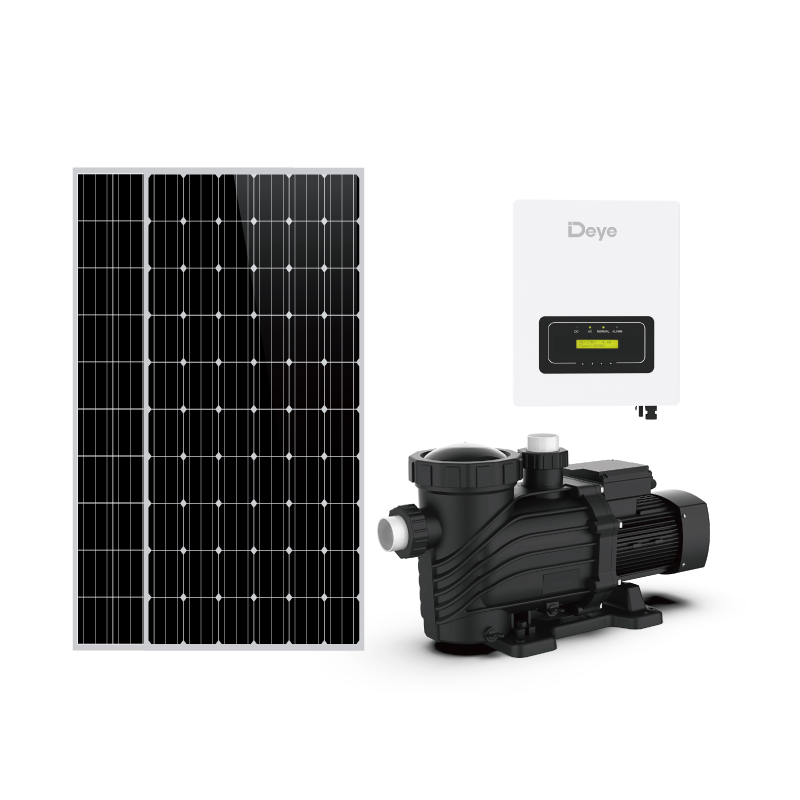
A complete solar aeration system includes four main components:
- Solar panel – collects sunlight and generates direct current electricity.
- Controller – regulates voltage and current, protects the pump, and can switch to AC backup when fitted.
- Pump or air compressor – the working element that moves water or forces air into the water.
- Diffuser, nozzle, or fountain head – distributes air bubbles or spray to maximize oxygen transfer.
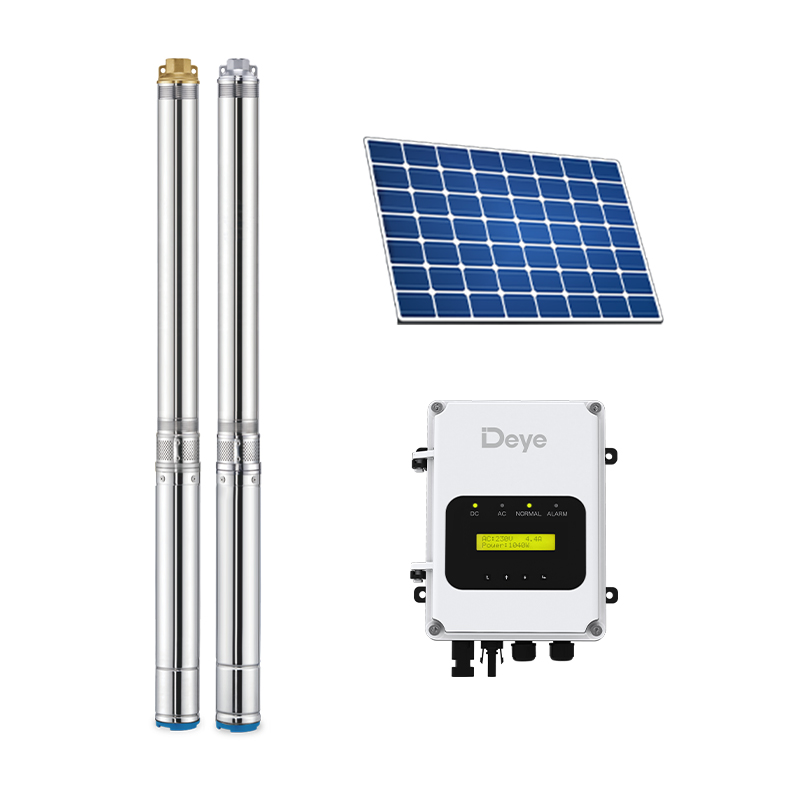
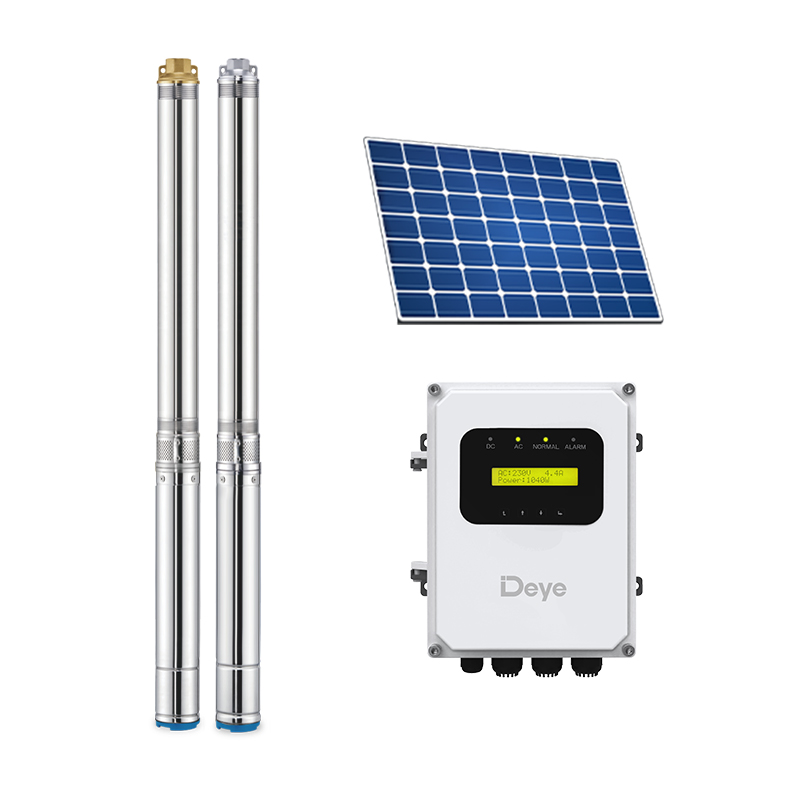
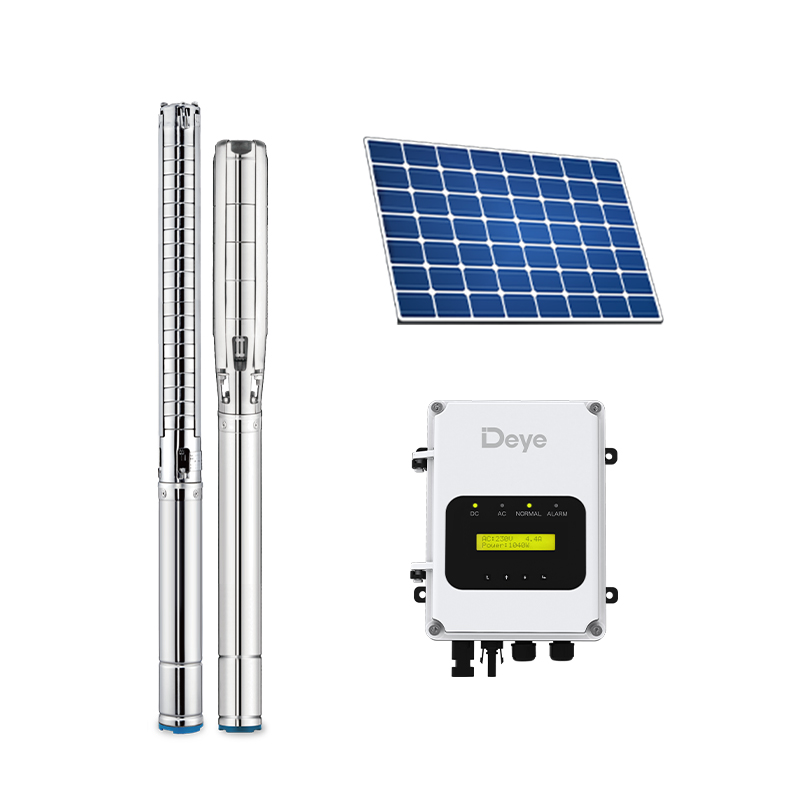
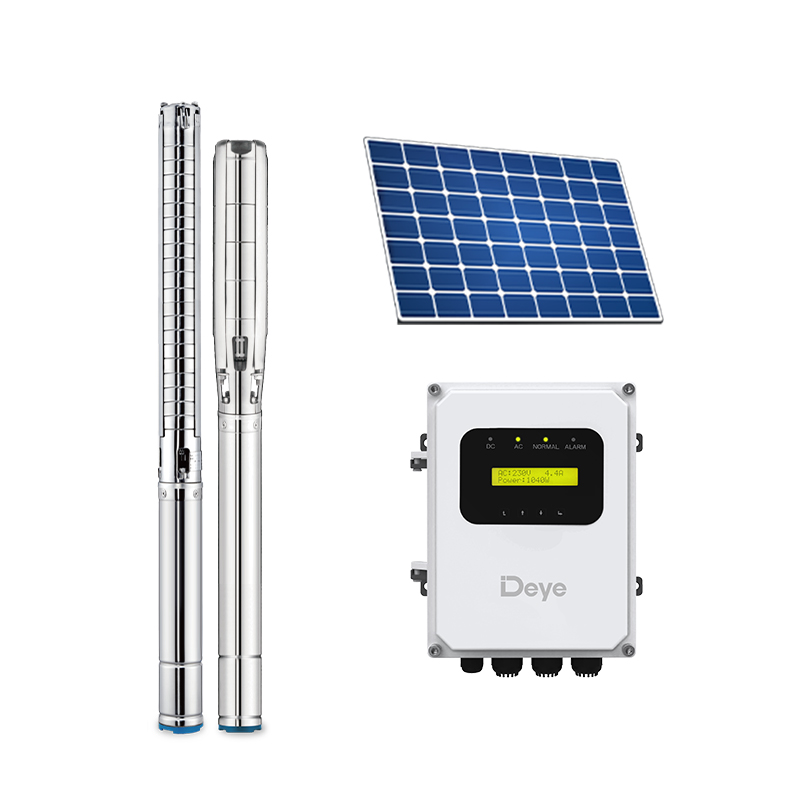
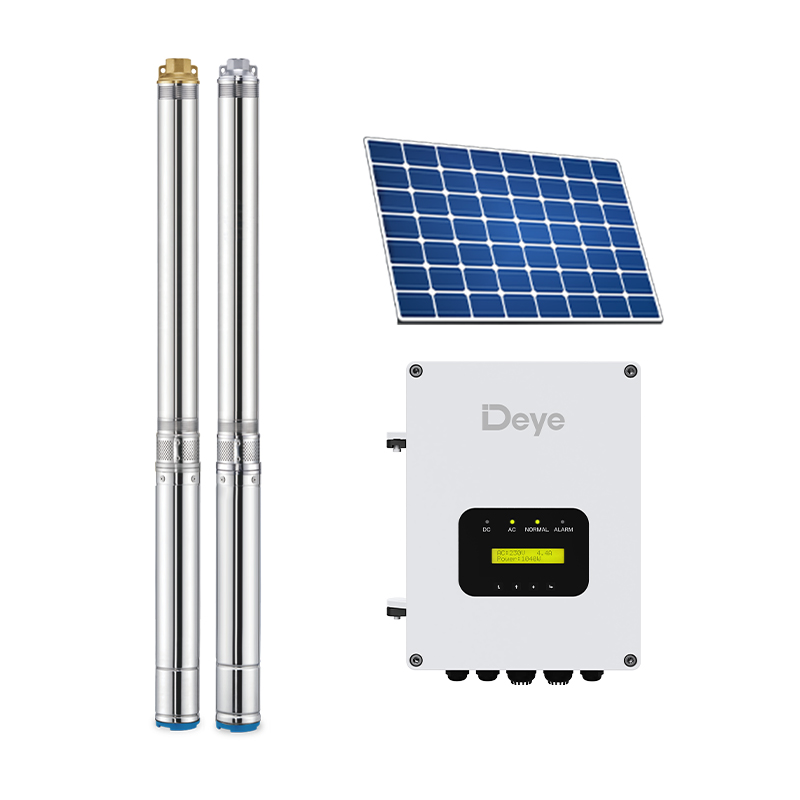
When the aeration point is located in a pond or aquaculture basin, the pump itself is often a solar submersible pump rather than a separate air compressor. For example, a stainless steel impeller submersible pump can push water through a surface discharge or aeration nozzle for years in harsh conditions.
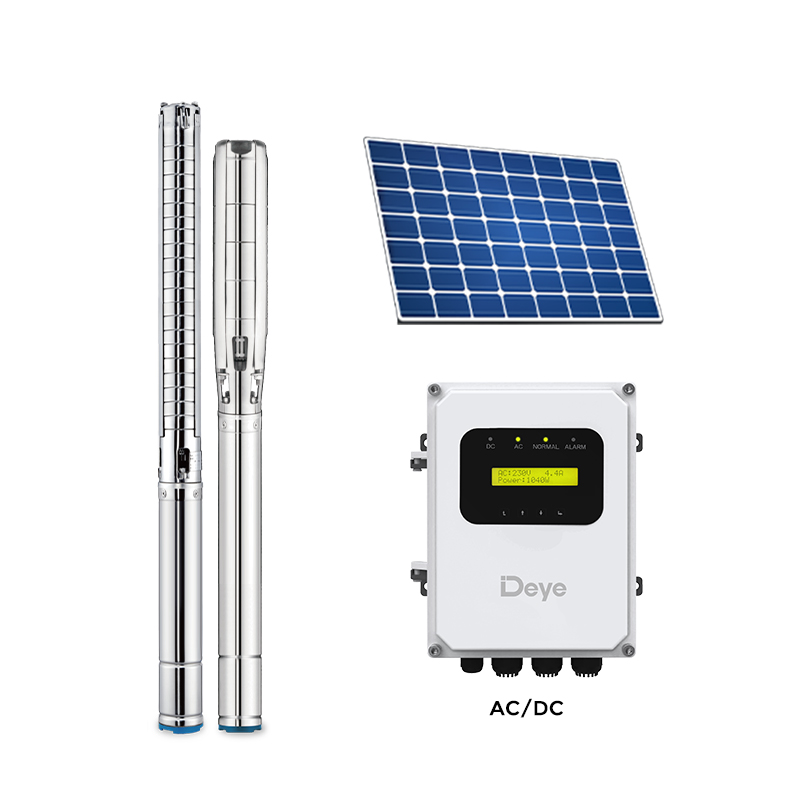 4-Inch Stainless Steel Impeller Solar Submersible Pump with AC/DC ControllerThis corrosion-resistant submersible pump handles sandy water and heavy continuous duty, making it a durable choice for pond aeration where the pump outlet drives surface discharge or aeration nozzles.View Product →
How Does a Solar Aerator Work?
A solar aerator works by converting sunlight into mechanical energy, which creates contact between air and water so oxygen can dissolve. The more surface area that contact creates, the faster oxygen enters the water. In practical terms, the system follows a simple sequence.
- The solar panel absorbs sunlight and generates DC electricity, with higher sun intensity producing more power.
- The solar pump controller stabilizes the voltage and current so the pump runs smoothly even when clouds pass by.
- The pump either lifts water to the surface and throws it into the air, or pushes compressed air through a diffuser at the bottom.
- As water droplets or air bubbles travel, they trap oxygen from the atmosphere and transfer it into the surrounding water column.
This continuous cycle keeps dissolved oxygen above critical levels, especially at night or during hot summer days when oxygen naturally drops. For sites that need round-the-clock aeration, a hybrid controller can automatically switch from solar DC to AC power after sunset or during prolonged cloudy weather, without someone needing to change settings on site.
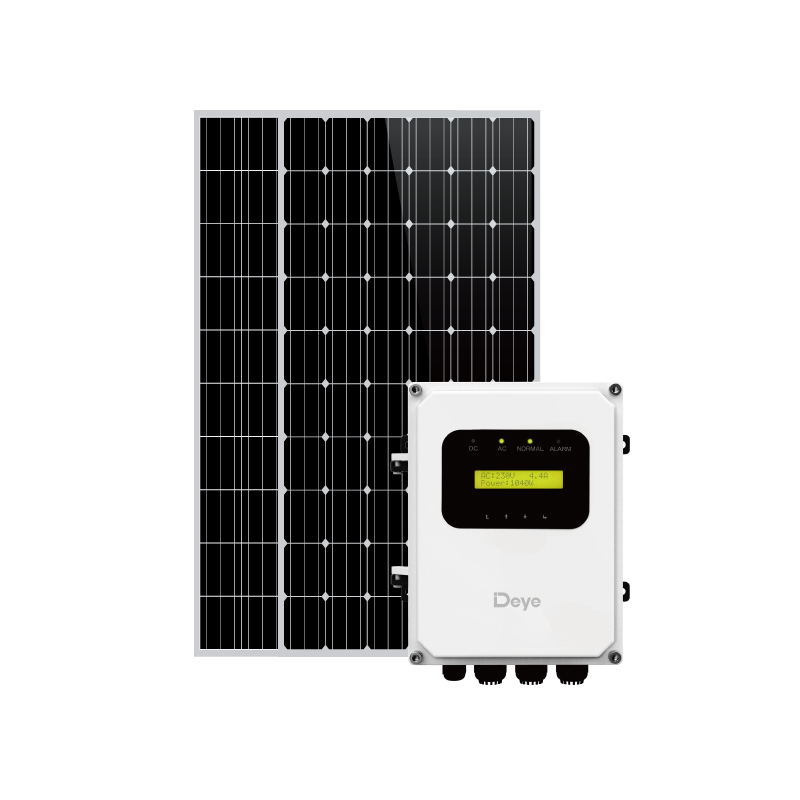
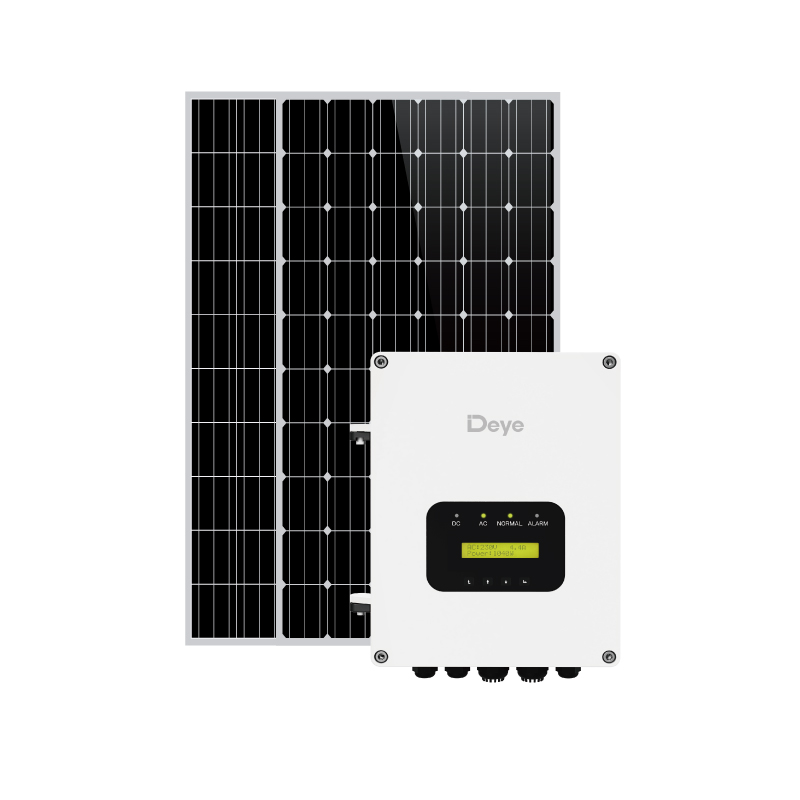
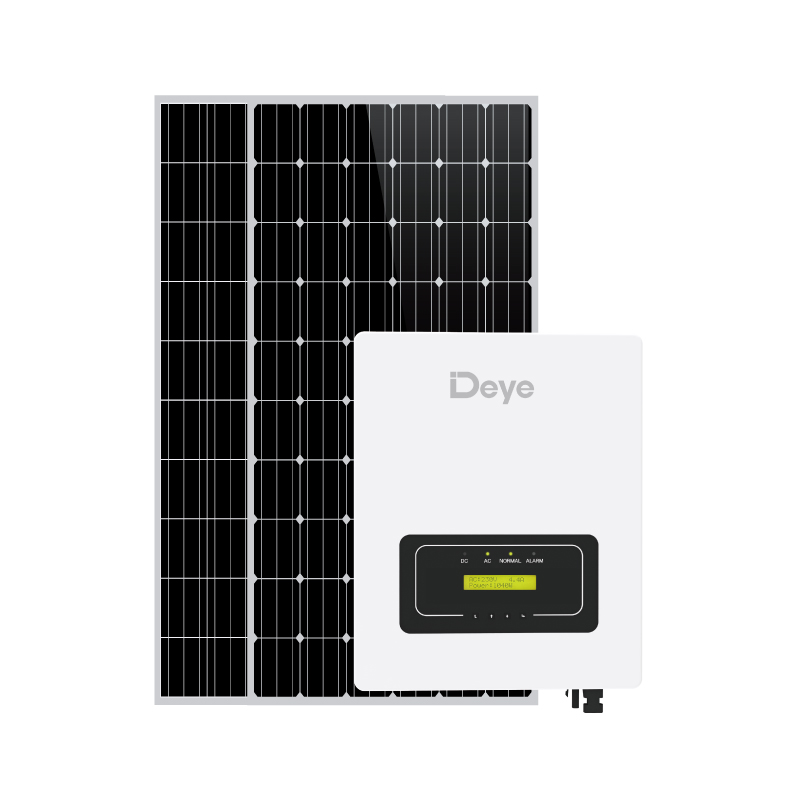
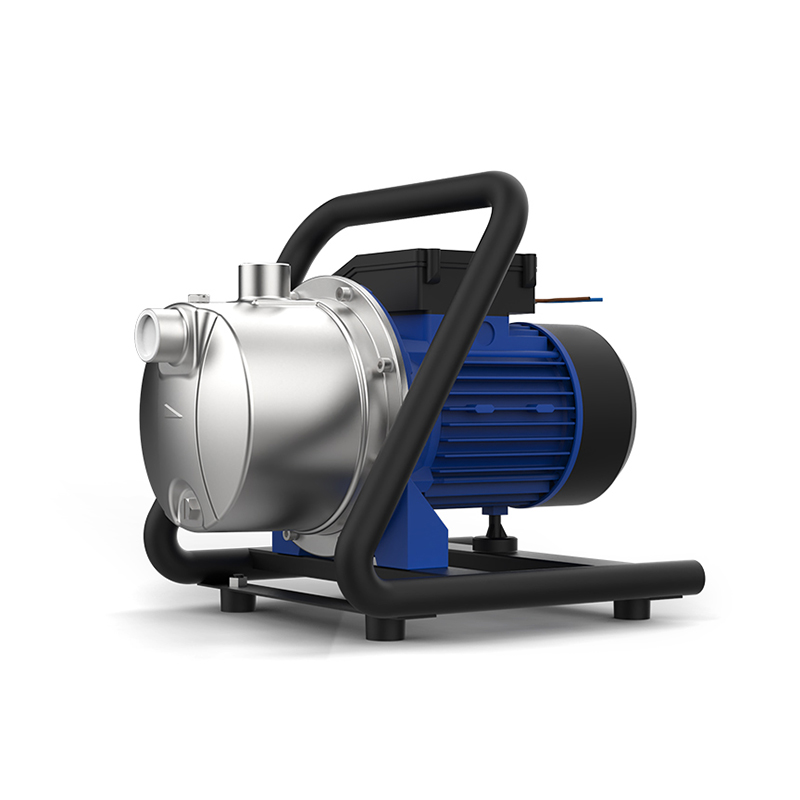
 Solar Auto-Switch AC/DC Pump Controller for Continuous Aeration (1100-3000W)This controller prioritizes solar power and automatically switches to AC at night or in cloudy weather, ensuring round-the-clock aeration without manual intervention for ponds needing stable oxygen levels.View Product →
Types of Solar Aerators
Solar aerators fall into three main types: surface spray aerators, diffused air aerators, and fountain aerators. Choosing the right one depends mainly on water depth, pond size, and how much oxygen your fish or plants need.
| Type | How It Works | Best For |
|---|---|---|
| Surface spray aerator | A pump lifts water and sprays it above the surface; oxygen enters as droplets fall back. | Shallow ponds, fish ponds, and water storage tanks. |
| Diffused air aerator | An air pump sends air through bottom diffusers; fine bubbles rise and transfer oxygen. | Deep ponds, aquaculture tanks, and wastewater lagoons. |
| Fountain aerator | A submersible pump shoots a vertical plume of water for strong visual effect and good oxygenation. | Ornamental lakes, golf course ponds, and public landscapes. |
For aquaculture and river maintenance, diffused and surface spray designs are the most effective because they handle high oxygen demand in dense fish populations. Many operators run a solar submersible pump with a spray head, which doubles as equipment that supports water circulation.
Key Benefits of Solar Aerators
The primary benefit of a solar aerator is energy independence, but owners gain several advantages beyond lower electricity costs. Here is what a well-designed system delivers in practice.
- Low operating cost – once the equipment is installed, sunlight is free, and maintenance is limited to cleaning panels and removing debris.
- Off-grid capability – ponds and farms located far from power lines can still get reliable aeration, especially where a solar water pump already supplies daily water.
- No wiring or trenching – installation requires no buried electrical cables, reducing setup cost and safety risk.
- Better fish health – stable oxygen levels reduce stress, improve feeding efficiency, and lower the chance of fish kills in hot weather.
- Algae control – circulating water disrupts stagnant layers where blue-green algae thrive, so blooms become less frequent.
- Quiet and clean operation – no fuel, no fumes, and very little noise compared to diesel-powered aerators.
For rural properties without stable electricity, the same solar pump technology that aerates water can also support daily household supply. Many off-grid residents combine aeration with a solar pumping system for domestic water, which makes a single solar investment do double duty.
How to Choose the Right Solar Aerator
Choose a solar aerator by matching aeration capacity to water volume, depth, and oxygen demand, not simply by the lowest price. Undersizing leads to low oxygen levels, while oversizing wastes money on panels and pumps that are never used to full capacity.
The most important selection criteria are:
- Water volume and depth – deep water requires a diffused air design or a pump with enough head pressure to lift water from the bottom.
- Oxygen demand – high fish stocking density needs more air flow than a decorative garden pond.
- Solar resource – the number of usable sun hours per day and the available roof or ground area for panels.
- Battery backup – if night-time aeration is needed, the system requires batteries and a controller that support charging and discharging.
- Pump head and flow rate – the pump must overcome the vertical distance to the discharge point while still moving enough water.
- Impeller material – stainless steel impellers resist sand and corrosion, while plastic impellers are lighter and cheaper for clean water.
| Pond Volume | Recommended Aeration Approach |
|---|---|
| Up to 1,000 m³ | Fountain or surface spray with a 400–1,500 W solar pump. |
| 1,000–5,000 m³ | Diffused air system or multiple spray heads with a 600–3,000 W pump. |
| 5,000–15,000 m³ | Larger submersible pump with stainless steel impeller, plus several diffusers. |
| Above 15,000 m³ | Multiple distributed units running during the sunniest hours. |
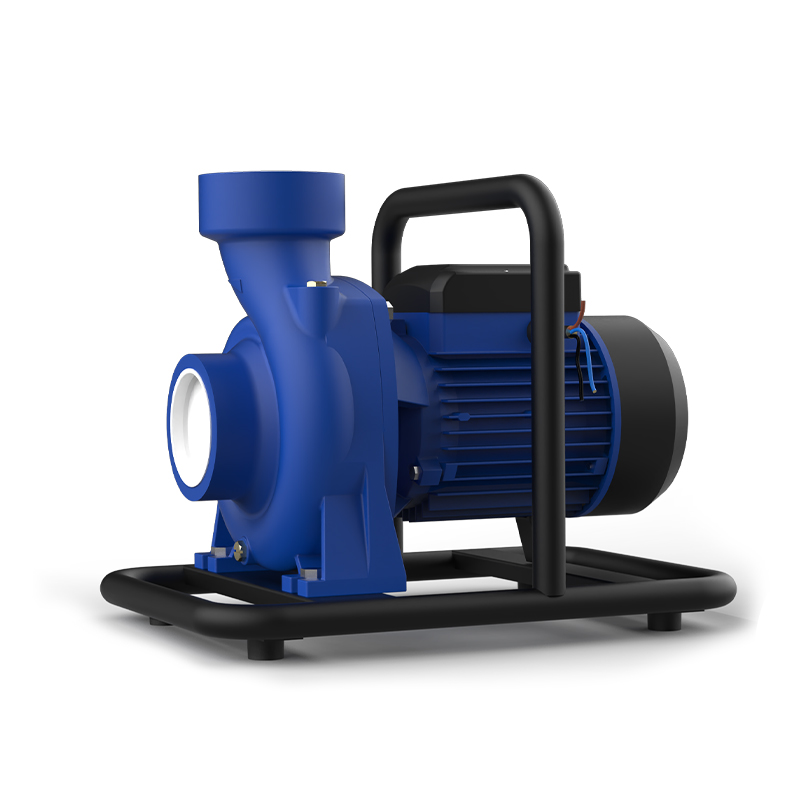
If the goal is a decorative fountain that also aerates a swimming pond or landscape lake, a centrifugal surface solar pump is a good match because it handles high flow at low pressure. That same pump can serve irrigation or water feature circulation when needed.
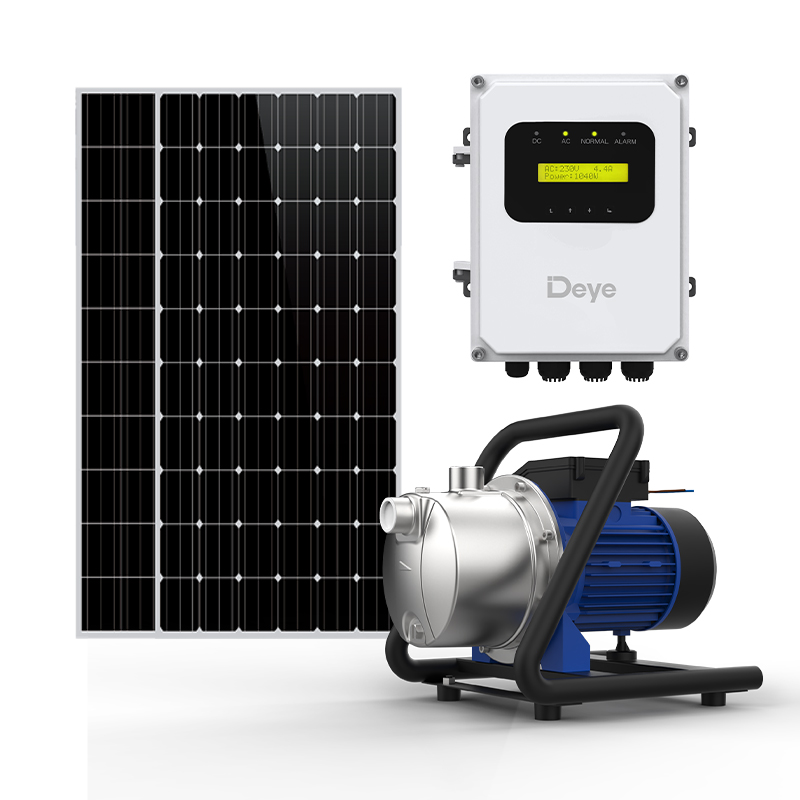 Centrifugal Surface Solar Pump with Auto-Switch AC/DC Controller (2000-3600W)Designed for high flow at low pressure, this pump suits decorative fountains and landscape lakes while also supporting irrigation or water circulation, with automatic switching to AC for continuous operation.View Product →
Solar Aerator vs. Electric Aerator
Solar aerators usually cost more upfront than equivalent electric aerators, but they often win on long-term operating cost and installation flexibility. The table below summarizes the practical differences.
| Factor | Solar Aerator | Electric Aerator |
|---|---|---|
| Energy source | Sunlight | Grid electricity |
| Operating cost | Near zero after installation | Recurring electricity charges |
| Installation | No wiring; works in remote locations | Requires a nearby power outlet or cable |
| Reliability | Dependent on sun and battery backup | Continuous as long as power is on |
| Maintenance | Panel cleaning and pump checks | Motor checks and cable inspection |
| Best use case | Remote ponds, aquaculture, off-grid sites | Small gardens with reliable power nearby |
For most agricultural and aquaculture applications, the solar option pays for itself within a few seasons, especially where grid power is expensive or unavailable.
Installation and Maintenance Tips
Correct installation is mostly about positioning the solar panel and keeping the pump free from debris. Get these basics right and a solar aerator will run with very little attention.
- Install the solar panel facing the sun at an angle equal to your latitude, and avoid shading from trees or buildings between 9:00 and 15:00.
- Clean the panel regularly with water and a soft cloth; dust and bird droppings can cut output by more than 20%.
- Place the pump or diffuser at the depth recommended by the manufacturer, and keep it off the muddy bottom to reduce clogging.
- Check the inlet screen and impeller at least twice per month during peak season, removing leaves, algae, and stringy debris.
- Use a controller with low-voltage protection so the pump stops safely when sunlight fades instead of running inefficiently.
- For winter use in cold climates, protect exposed pipes from freezing, and be aware that surface ice can block diffused aeration.
A system that combines the pump with an automatic AC/DC switching controller also gives you a simple failover: if the sun disappears for several days, the controller lets you run on grid power manually or automatically, so oxygen levels never collapse.
Frequently Asked Questions
How many hours a day can a solar aerator run?
It depends on sun conditions and battery capacity. Without a battery, it runs during daylight hours, typically 6 to 10 hours. With a battery bank and a hybrid controller, it can operate 24 hours a day because the controller recharges the battery during sunny periods and discharges it at night.
Can a solar aerator work in cloudy weather?
Yes, but at reduced output. Most solar pump controllers can still run at lower power in cloudy conditions. If continuous aeration is critical, add a battery backup or choose a controller that can switch over to AC power when solar input is insufficient.
What size solar aerator do I need?
Work out your pond volume, average depth, and fish stocking density. A small ornamental pond only needs a small fountain pump, while a fish farm pond above 5,000 m³ typically needs a 3,000 W class submersible pump with a stainless steel impeller. When in doubt, buy a controller and pump combination that allows future expansion.
Are solar aerators noisy?
Most are very quiet, especially submersible pump designs where the pump sits underwater. The only sound is the water spray, which is generally calm and pleasant. Air compressors are louder, but they are usually placed inside a small housing near the pond.
Final Thoughts on Solar Aerators
A solar aerator is one of the most cost-effective investments for ponds, lakes, and aquaculture facilities that need dependable oxygenation without constant electricity costs. The right system keeps fish healthy, prevents algae problems, and works in places where wired power is too expensive or impossible to install.
At Deye, the same engineering behind reliable solar pumps and automatic switching controllers supports aeration applications across irrigation, aquaculture, and off-grid water management. Start by measuring your pond volume and oxygen demand, then choose a pump and controller combination that offers enough head, flow, and backup flexibility. With a well-matched system, you get cleaner water, healthier fish, and a lower energy bill every sunny day.