

 русский
 Français
 Español
 عربى
 Deutsch
 Português
 italiano
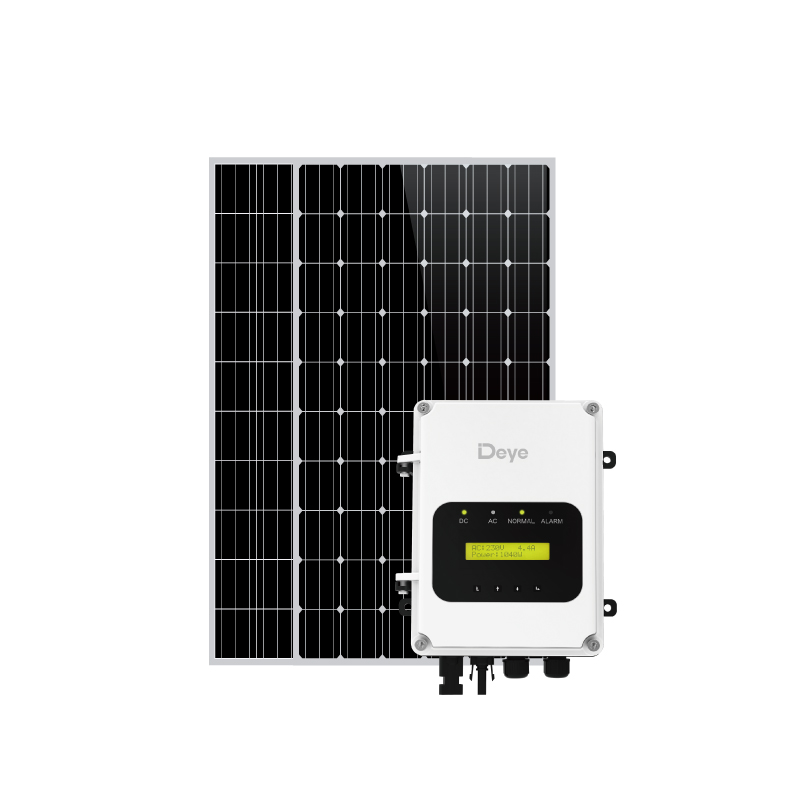
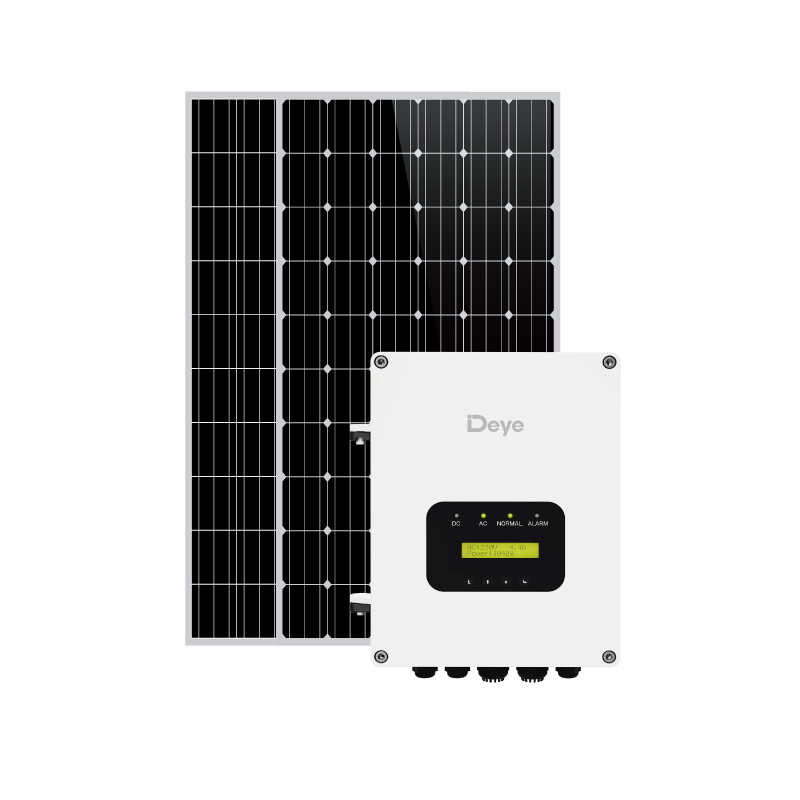
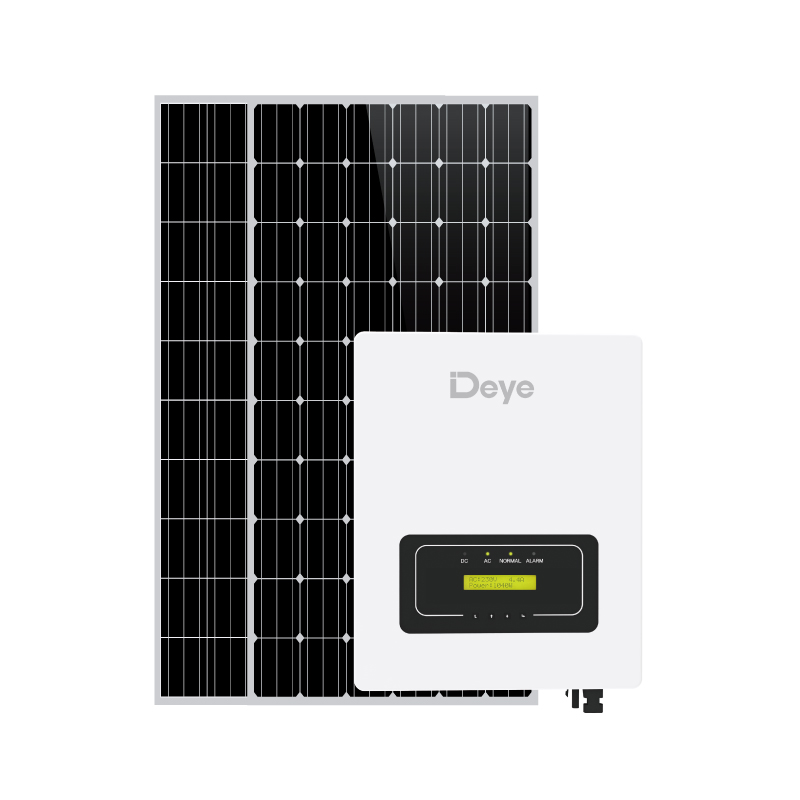
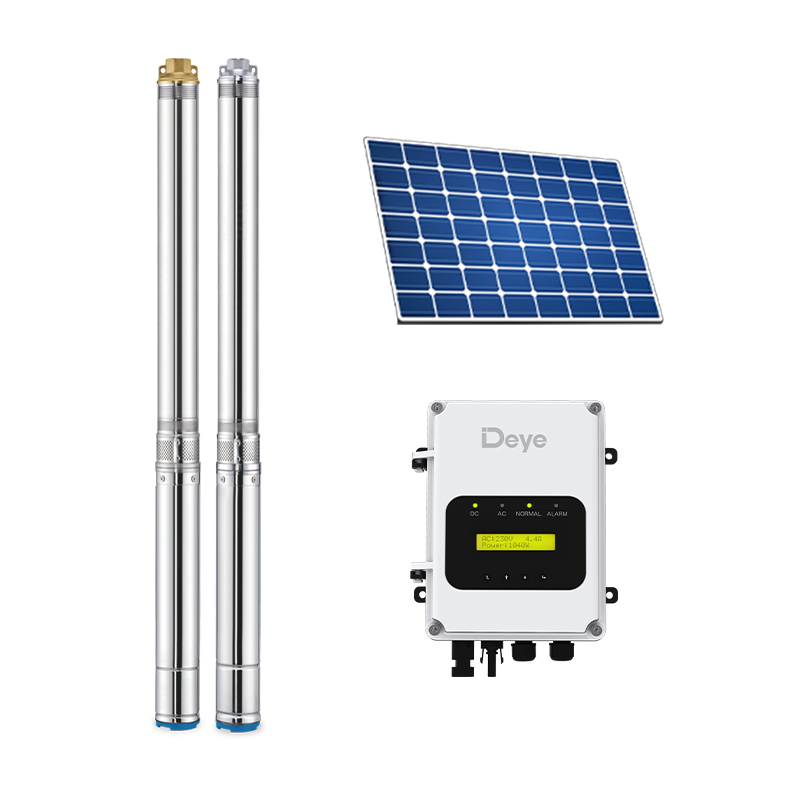
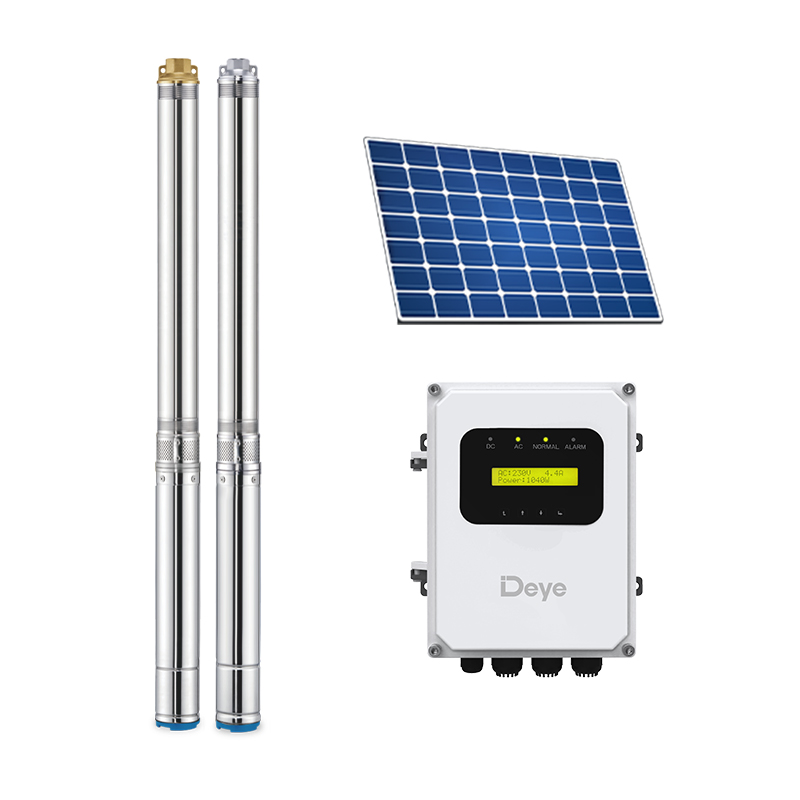
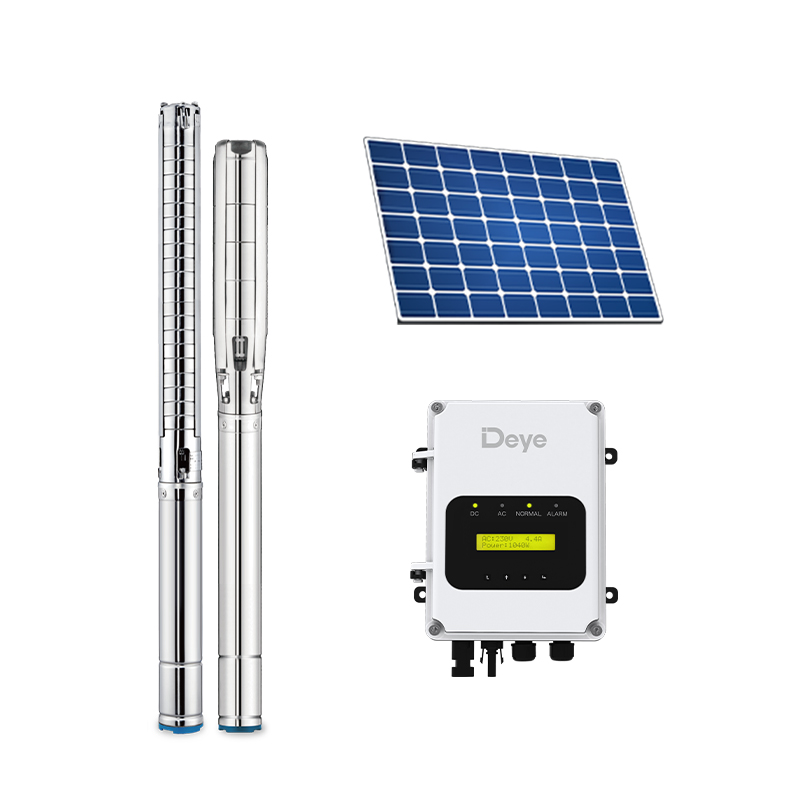
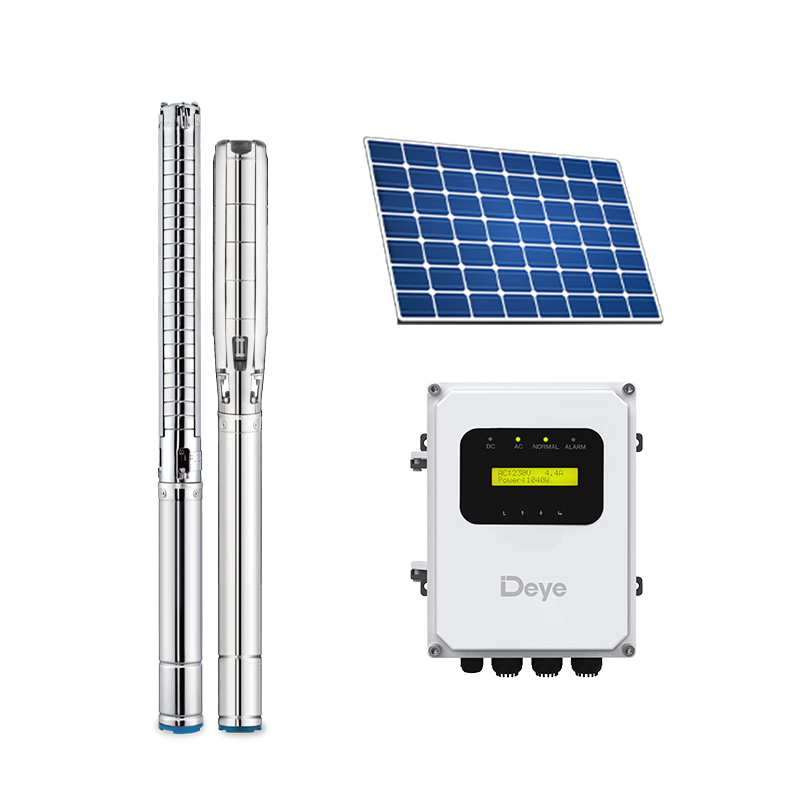
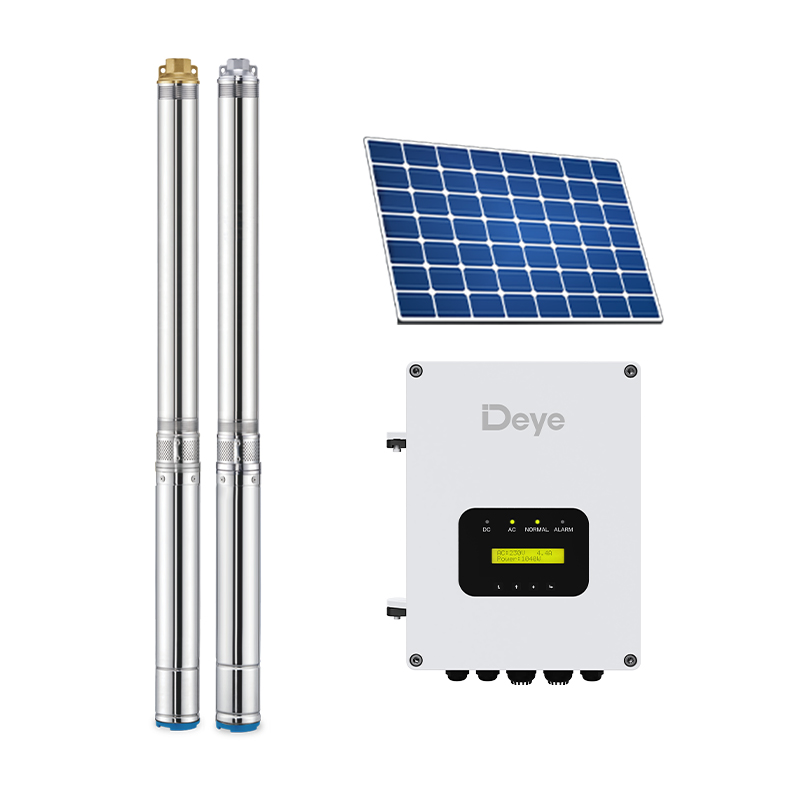
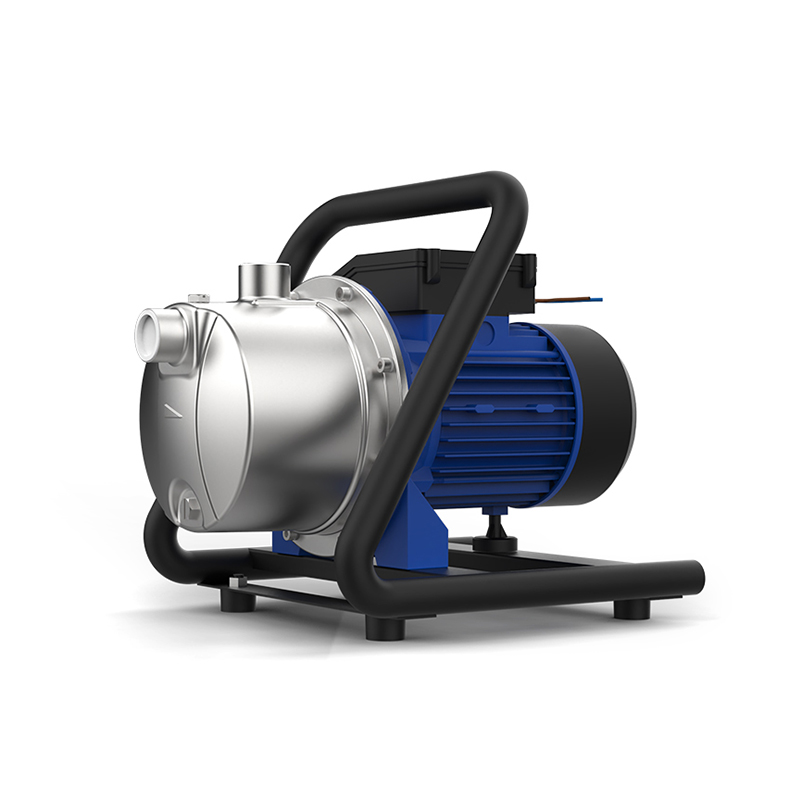
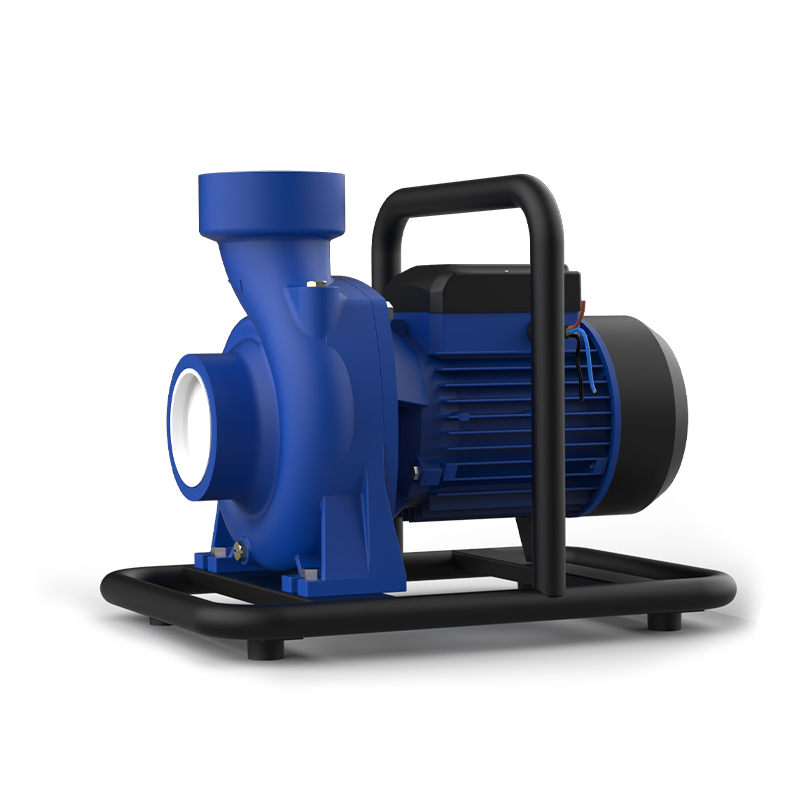
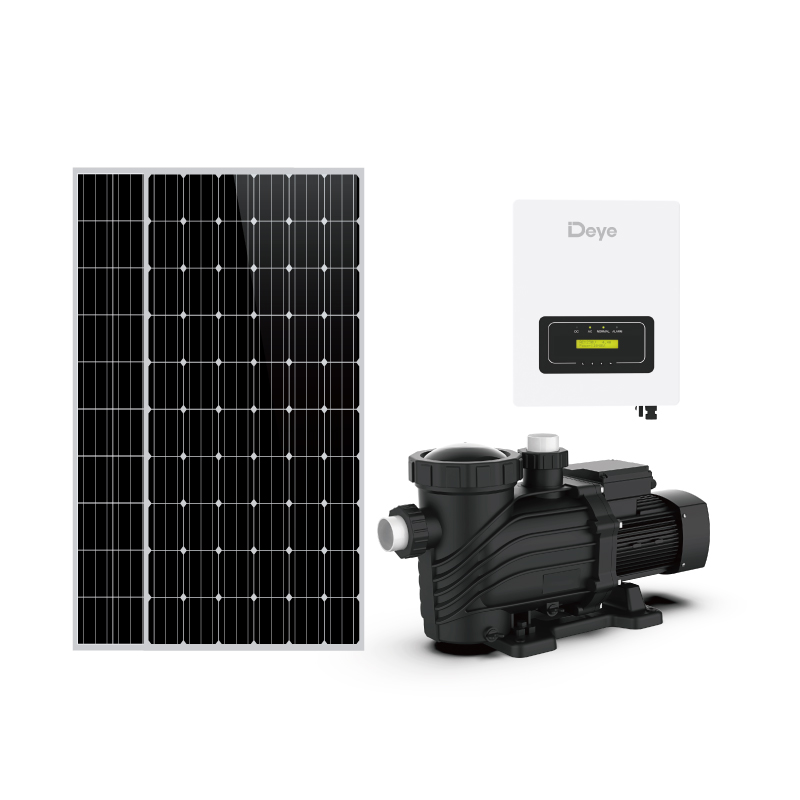
An off grid solar water pump runs directly from photovoltaic panels through a matched controller, with no grid connection and, in most working designs, no battery.
The short answer to the question most buyers are actually asking: size the pump from daily water demand and total head first, choose the controller second, and compare prices last. A correctly sized pump paired with a proper controller outlasts an oversized pump paired with a cheap one, usually by several years.
Off grid systems have almost no slack. A grid-tied pump can hide a bad day by drawing more current from the mains; a solar pump simply delivers less water. Every watt lost to lift, friction, shading or a mismatched controller comes straight out of your tank.
content
- 1 What an Off Grid Solar Water Pump System Includes
- 2 Size the Pump From Demand and Head, Not Panel Wattage
- 3 Matching the Pump Type to Your Water Source
- 4 The Controller Decides Whether the System Survives
- 5 Surface and Pool Pumps for Shallow Water
- 6 Impeller Material, Water Quality and Long-Term Cost
- 7 Buying Checklist and the Risks That Actually Bite
- 8 Frequently Asked Questions
Demand
Litres per day, plus a 30 to 50 percent weather margin.
Head
Static lift, drawdown, friction and tank pressure combined.
Control
MPPT tracking, dry-run protection, automatic AC/DC switching.
What an Off Grid Solar Water Pump System Includes
A complete system has three working parts and one storage decision. In most off grid installations, the battery is a tank on a hill rather than a lithium pack.
| Part | Job | What to verify |
|---|---|---|
| PV array | Converts sunlight into DC power. | Array voltage window, tilt, shading at 9 a.m. and 3 p.m. |
| Controller | Tracks the array and protects the motor. | MPPT range, dry-run protection, AC backup input. |
| Pump | Lifts water against total head. | Flow at your real head, impeller material. |
| Tank | Stores water instead of electricity. | One to two days of demand, overflow protection. |
Storing water rather than electricity is what makes off grid pumping affordable. A tank costs a fraction of a battery bank with the same useful capacity and never wears out through cycling, which is why solar water pump systems for off grid living are almost always built around a cistern.
DC-Only or Hybrid AC/DC?
Buy a hybrid controller if there is any realistic chance of grid power or a generator later. A DC-only controller is simpler and cheaper, but it runs only from the array. A hybrid unit accepts both the solar array and an AC source, then switches automatically.
Size the Pump From Demand and Head, Not Panel Wattage
Two numbers pick the pump: litres per day and total head. Panel wattage is the result of that calculation, never the starting point. Buyers who begin with a target wattage usually end up with a pump that stalls at midday or drains a borehole faster than it refills.
Daily water demand
Multiply normal daily use by 1.3 to 1.5 for cloudy spells and seasonal variation, then round up.
| Application | Daily demand | Notes |
|---|---|---|
| Off grid household, four people | 300 to 600 L | Drinking, cooking, washing |
| Drip irrigation, small plot | 8,000 to 20,000 L | Climate and soil dependent |
| Livestock, 20 cattle | 800 to 1,000 L | Rises sharply in heat |
| Small pool circulation | 15,000 to 40,000 L | Low head, one or two turnovers |
Total head
Total head is static lift plus drawdown plus friction loss plus tank height or irrigation pressure. Drawdown is the drop in water level while the pump runs, and it can be several metres in a weak borehole. Friction is the quiet one: a long run of undersized pipe can add more head than the depth of the well.
Mistakes that surface six months later
- Sizing from nameplate flow instead of flow at working head.
- Ignoring drawdown, so the pump runs dry every afternoon.
- Using pipe one size too small to save on trenching.
- Planning for perfect sunshine with no margin for a three-day overcast spell.
Matching the Pump Type to Your Water Source
If the water surface sits deeper than about eight metres, you need a submersible pump. Atmospheric pressure limits every surface pump to roughly seven or eight metres of suction lift, and no motor size changes that.
| Pump type | Best suited to | Power range |
|---|---|---|
| 3-inch submersible | Narrow boreholes, moderate demand | 400 to 1,500 W |
| 4-inch submersible, plastic impeller | Clean water, domestic and small irrigation | 600 to 3,000 W |
| 4-inch submersible, stainless impeller | Sandy or mineral-heavy water | 800 to 3,000 W |
| High-speed submersible | Deep lifts with high flow from a large array | 5,500 to 13,000 W |
| Surface pump | Rivers, tanks, shallow wells within suction lift | 2,000 to 3,600 W |
A stainless steel impeller is not decoration. It is the difference between a pump that tolerates fine sand in suspension and one that wears its clearances open in two seasons. Where water is clean and the borehole is sound, a plastic impeller does the same job for less money.
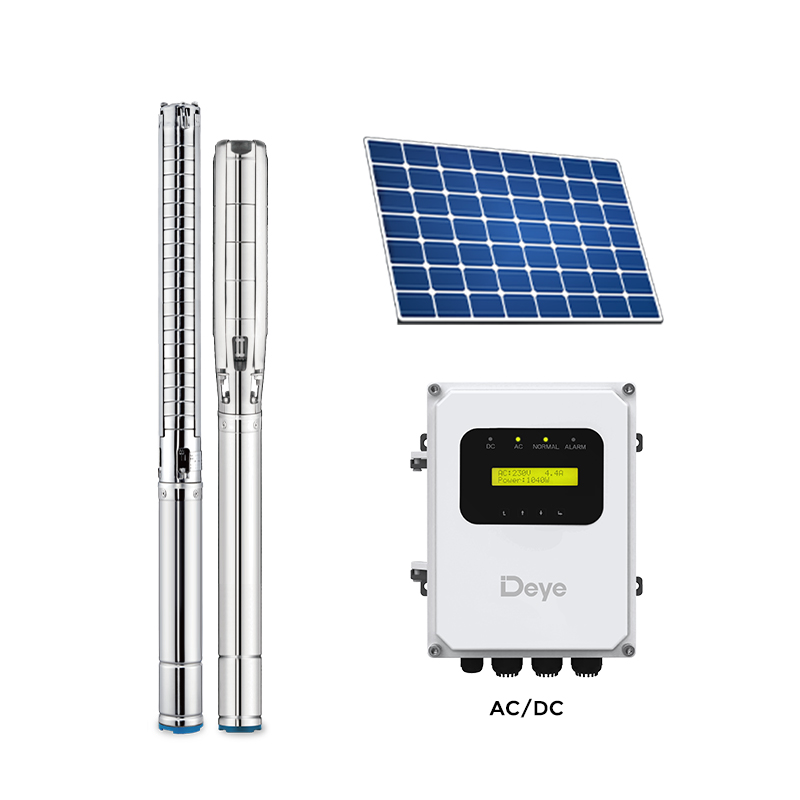 4-Inch Stainless Steel Solar Submersible Pump with AC/DC ControllerDesigned for village drinking water and industrial intake, it tolerates slightly sandy boreholes and pairs with DC or AC/DC controllers for continuous heavy-load solar operation.View Product →
The Controller Decides Whether the System Survives
On real off grid sites the controller saves or kills the system more often than the pump does, yet it is the component most often downgraded during price negotiation.
Controllers are usually grouped by power band:
- DC pump controllers, roughly 400 to 1,500 W, for solar-only systems.
- Solar automatic switching AC/DC controllers, 1,100 to 3,000 W, for homes wanting grid or generator backup.
- Automatic switching AC/DC controllers, 5,500 to 13,000 W, for irrigation and larger lifts.
Features worth paying for
- MPPT tracking rather than simple voltage clamping, especially in hot climates.
- Dry-run protection with a configurable restart delay.
- Soft start, which reduces the surge that stalls an array on a hazy morning.
- Clear fault codes, so a technician fixes the system on the first visit.
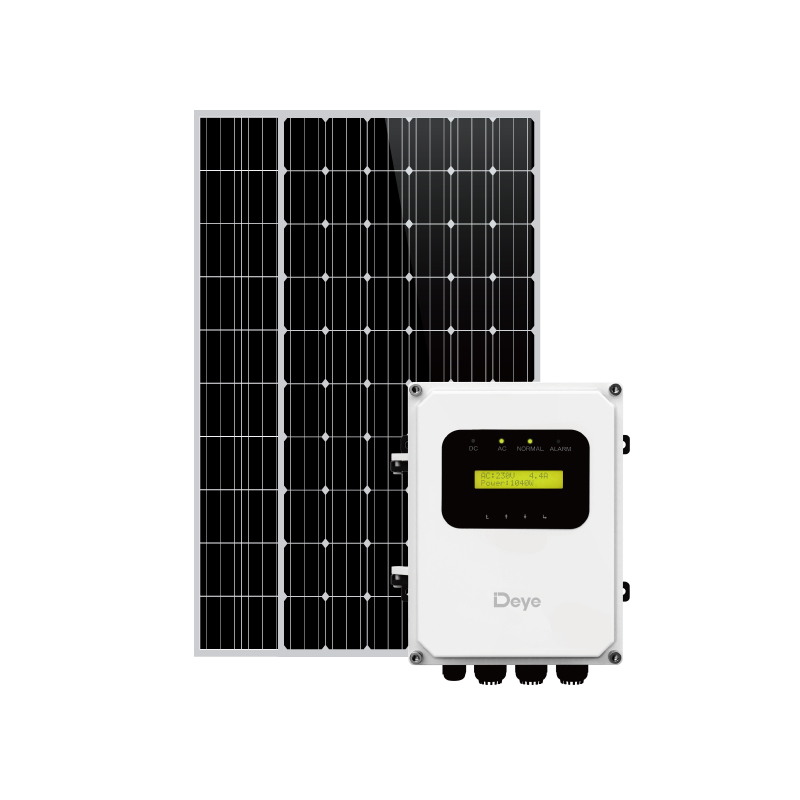 Solar Auto-Switch AC/DC Pump Controller for 1100-3000W SystemsSolar-first controller switches automatically to mains AC at night or in low light, supporting 800-3000W pumps with MPPT, LCD monitoring, and IP65 protection.View Product →
Surface and Pool Pumps for Shallow Water
Where water is within suction lift and you need volume rather than lift, a surface pump delivers more litres per dollar than a submersible. Self-priming units suit lines that drain down between runs; centrifugal units suit steady flow with flooded suction. Both pair naturally with automatic switching controllers, so the same pump can run from the array by day and from a generator at night.
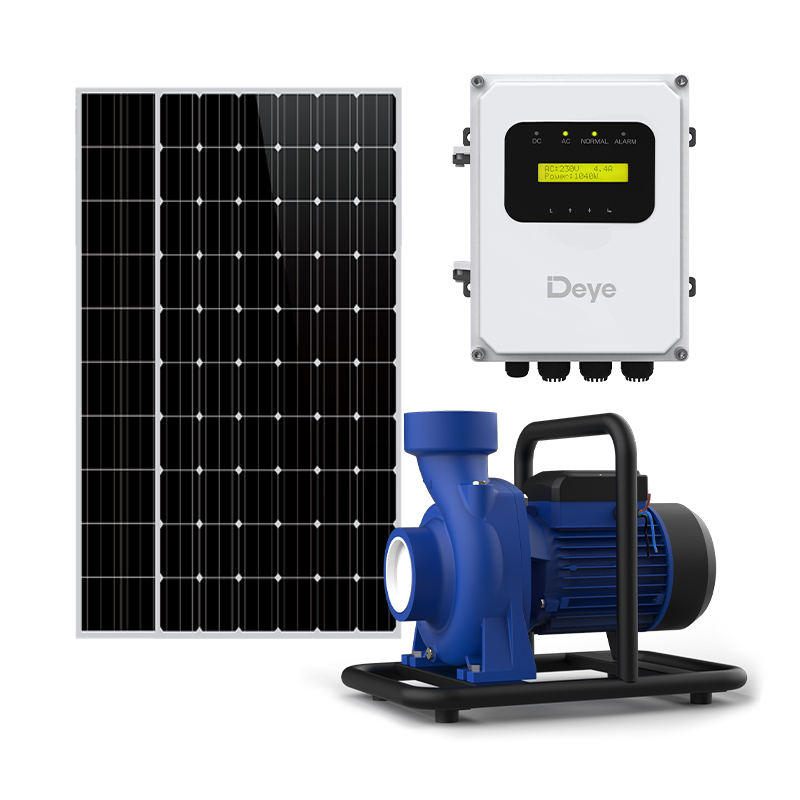 Self-Priming Centrifugal Surface Solar Pump with AC/DC Switching ControllerAbove-ground centrifugal pump draws from shallow wells, rivers, or ponds, switches solar-first to mains, and suits household water supply or small-scale irrigation.View Product →
Impeller Material, Water Quality and Long-Term Cost
Plastic impellers are economical in clean water; stainless steel earns its premium as soon as sand, iron or mildly aggressive water is in play. The wrong choice does not fail immediately. It fails slowly, one season after the warranty ends.
| Factor | Plastic impeller | Stainless impeller |
|---|---|---|
| Water quality | Clear, low turbidity | Sand, silt, iron |
| Upfront cost | Lower | Higher |
| Wear behaviour | Clearances open faster | Clearances hold longer |
| Best fit | Clean domestic boreholes | Irrigation and sandy boreholes |
Durability here is judged by what the pump still delivers in year three, which is why long-term durability is one of the most discussed points among solar pump buyers.
Buying Checklist and the Risks That Actually Bite
Six lines on a specification sheet decide whether the system lasts a decade, so ask for them in writing before paying a deposit.
- Flow rate at your total head, not at zero head.
- Controller rated power window and MPPT voltage range.
- Dry-run protection behaviour and restart delay.
- Separate warranty terms for pump and controller.
- Local availability of spare controllers, seals and impellers.
The risks are predictable. Kits where the controller was never tested with the motor. Nameplate curves that quietly assume a lab bench. No local service, so a five-dollar seal becomes a three-month wait. And a spare controller nobody thought to order, which is the one part standing between a dry tank and a two-week outage.
Frequently Asked Questions
Do I need batteries for an off grid solar water pump?
Usually no. Storing water in a tank is cheaper and lasts longer than storing electricity. Batteries only make sense when you need pressure on demand at night without a gravity tank.
How many panels does a 1 kW pump need?
Plan on roughly 1.2 to 1.5 kW of panels per 1 kW of pump power, plus margin for heat derating. Panels are the cheapest part of the system, so extra array usually beats a bigger pump.
Can the same pump run from the grid at night?
Yes, with an automatic switching AC/DC controller. It draws from the array while the sun is up and switches to AC input when solar output falls below the threshold.
Will a solar pump work on a cloudy day?
It will run at reduced output, and it may not start at all. That is why demand should be sized with a 30 to 50 percent margin and why a tank or an AC backup input is worth planning from the start.
Choosing an off grid solar water pump is really three decisions in sequence: how much water you need, how far it must travel upward, and how well the controller protects the motor through bad days. Get those right and the hardware list almost writes itself.
Start with your numbers, ask for the flow at your head in writing, and insist that the controller matches the pump it is sold with.