

 русский
 Français
 Español
 عربى
عربى Deutsch
 Português
 italiano
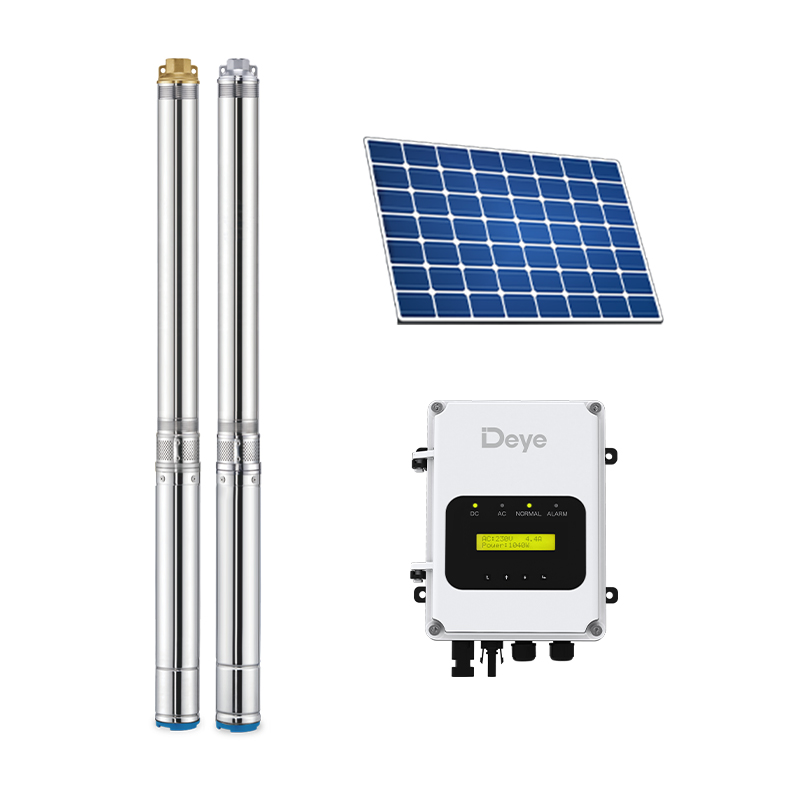
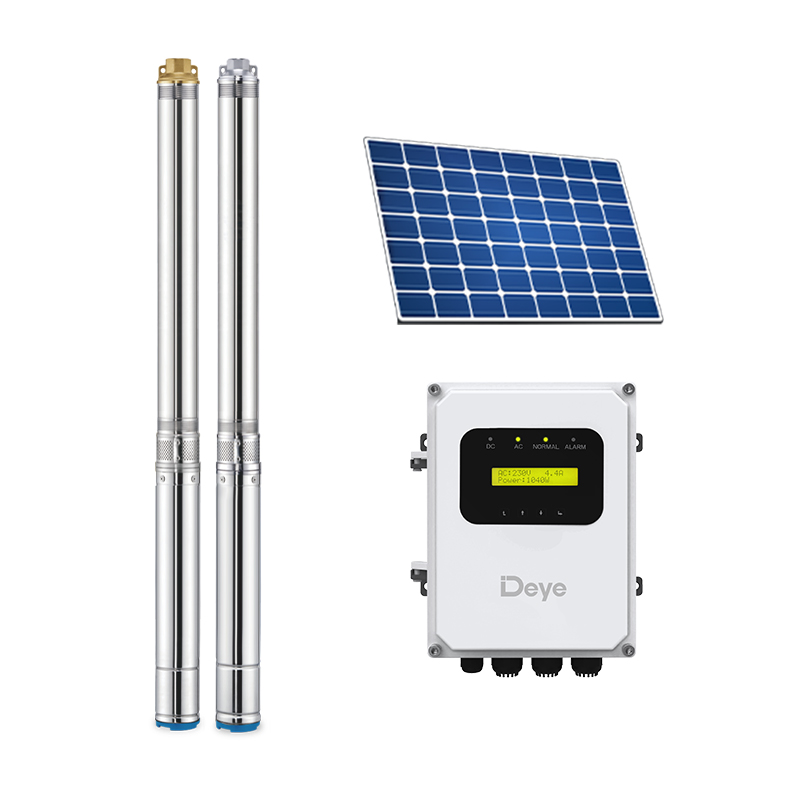
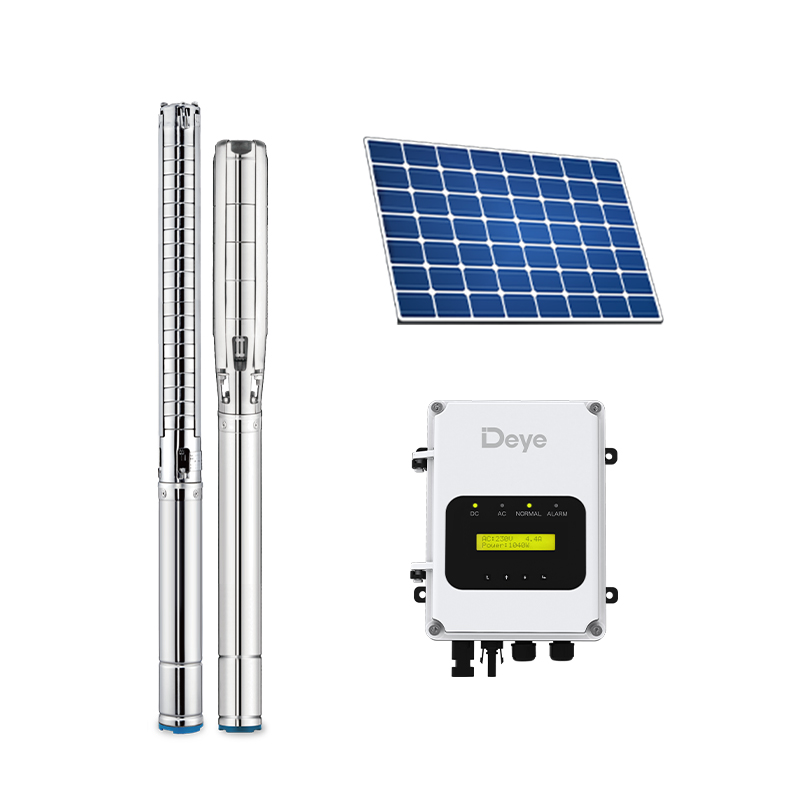
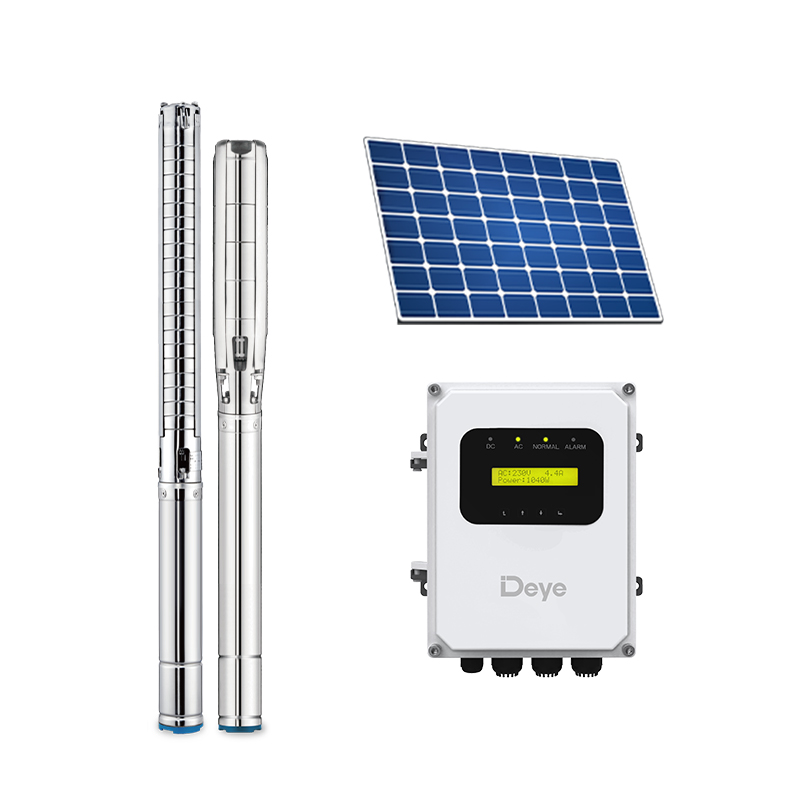
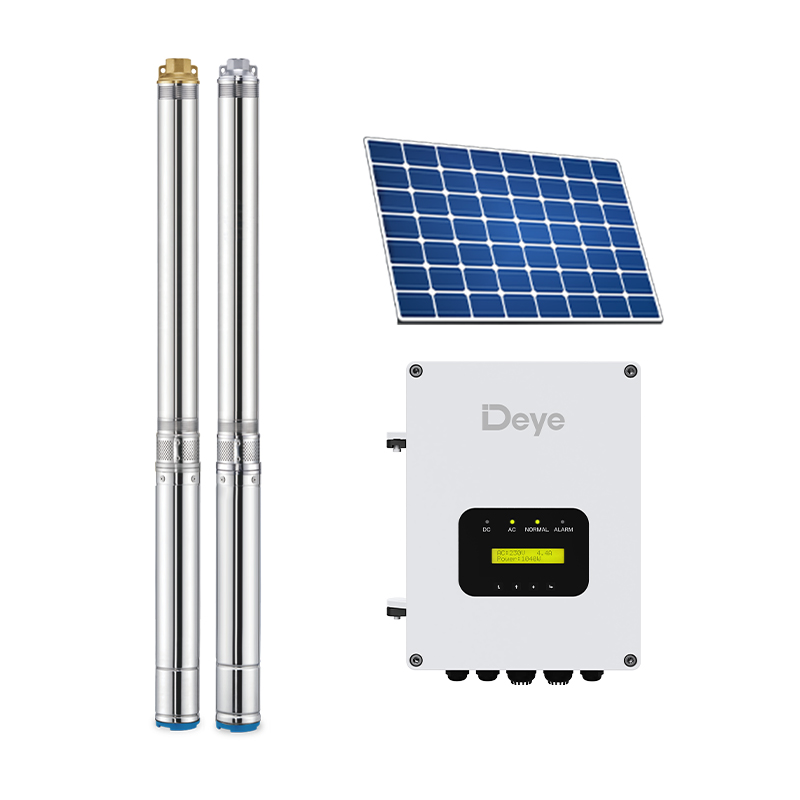
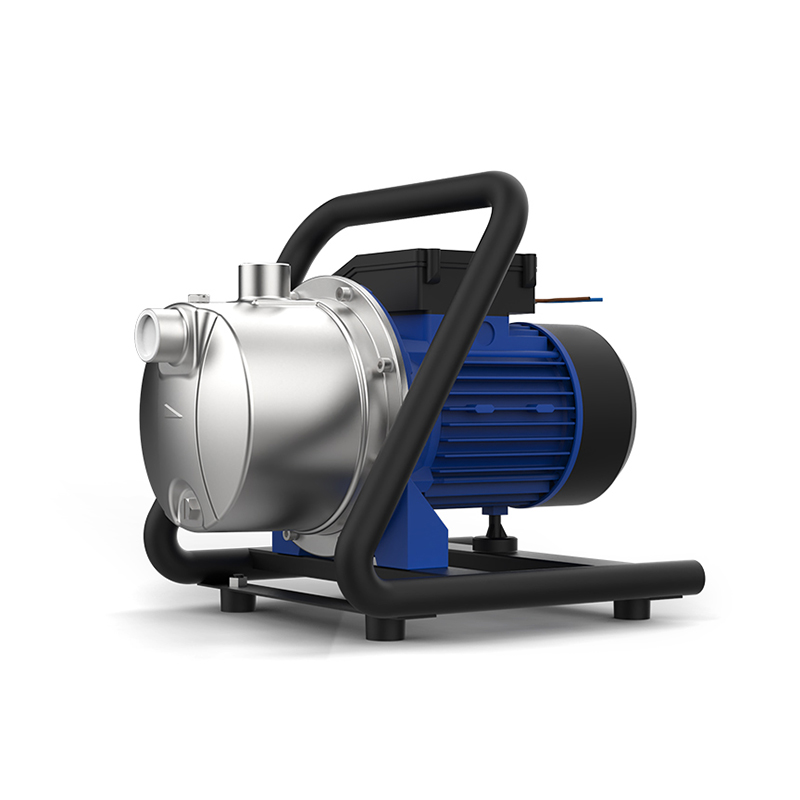
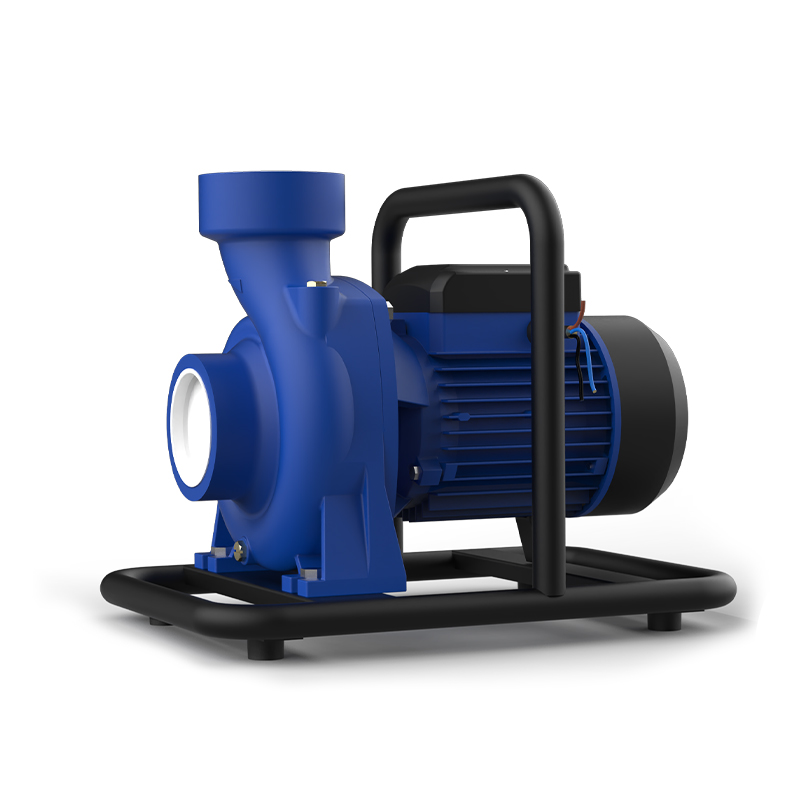
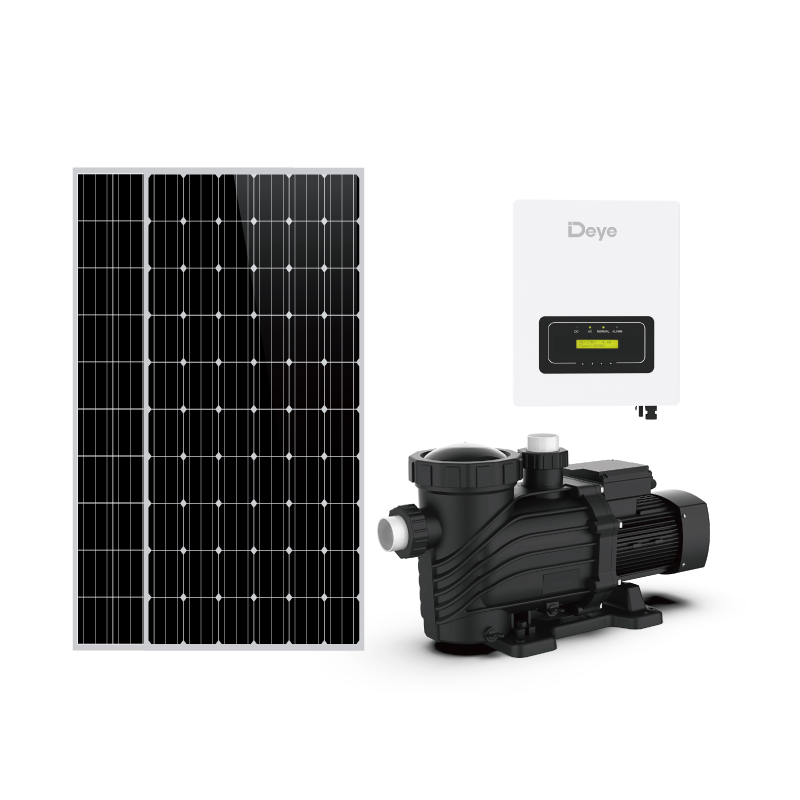
To run a standard 1 horsepower (HP) AC water pump, you typically need between 4 and 6 solar panels rated at 300 watts each, depending on your location's peak sun hours and the pump's actual energy consumption. A 1 HP pump's motor draws approximately 746 watts of electrical power at full load, but with efficiency losses and starting surge, the real-world requirement is closer to 900 to 1,100 watts. The National Renewable Energy Laboratory (NREL) provides solar irradiance data showing that most of the United States receives 4 to 5.5 peak sun hours per day on an annual average. Using these figures, the necessary photovoltaic (PV) array size can be calculated, and the answer to how many solar panels to run a 1 hp pump becomes clear: a 1,500 to 1,800 watt solar array, which translates to five or six 300-watt panels when factoring in system losses and inverter efficiency. This article details the math, compares pump types, and provides a step-by-step sizing guide backed by energy standards from the U.S. Department of Energy (DOE) and solar industry best practices.
content
- 1 Calculating the Real Power Consumption of a 1 HP Pump
- 2 How Peak Sun Hours Determine the Number of Solar Panels
- 3 DC vs. AC Pumps: Why It Matters for Solar Panel Count
- 4 Battery Storage and Its Effect on Panel Count
- 5 Step-by-Step Sizing Guide for a 1 HP Solar Pump System
- 6 Frequently Asked Questions About Solar Panels for a 1 HP Pump
- 6.1 Can I run a 1 HP pump directly from solar panels without batteries?
- 6.2 How many solar panels do I need for a 1 HP submersible well pump?
- 6.3 Will a 1,000-watt solar panel setup run a 1 HP pump?
- 6.4 Can I use used or mismatched solar panels for my pump?
- 6.5 What is the simplest way to find my pump's wattage for solar sizing?
- 7 Conclusion: Planning Your Solar-Powered Pump System
Calculating the Real Power Consumption of a 1 HP Pump
The actual electrical power a 1 HP pump uses is higher than the mechanical horsepower rating because of motor inefficiency and power factor. One mechanical horsepower equals 746 watts. However, a typical single-phase induction motor driving a water pump has an efficiency of 65% to 80%, according to the DOE's MotorMaster+ database. This means the input electrical power can range from 933 watts (746 ÷ 0.80) to 1,148 watts (746 ÷ 0.65). For a conservative estimate, we assume an input of 1,000 watts for a good-quality pump. Additionally, the startup surge can be 2 to 3 times the running wattage, but the solar array only needs to handle the running load if batteries or a variable frequency drive (VFD) are used to manage the surge. When sizing a solar water pump system without batteries, the array must produce enough power during daylight hours to meet the pump's instantaneous demand. For a grid-tied or battery-backed system, the total daily energy (watt-hours) is the key metric.
How Peak Sun Hours Determine the Number of Solar Panels
Peak sun hours (PSH) are the equivalent number of hours per day when solar irradiance averages 1,000 watts per square meter, and they dictate how much energy a solar panel can generate. The NREL's PVWatts calculator shows that Phoenix, Arizona, receives about 6.5 PSH in summer and 5.5 in winter, while Seattle, Washington, may see only 3.5 to 4.5 PSH. If a 1 HP pump needs to run for 4 hours daily, the total energy required is 4 kilowatt-hours (assuming 1,000 watts running load). A single 300-watt panel in a 5 PSH location generates roughly 1.5 kWh per day (300W × 5h). Therefore, to generate 4 kWh, you need about 3 panels. But this is an ideal calculation. Real-world losses from dust, temperature, wiring, and inverter efficiency reduce output by 20% to 30%, so the actual number increases to 4 or 5 panels. The table below shows how the required panel count changes with location and daily pump runtime for a standard 1,000-watt pump load.
| Daily Pump Run Time (hours) | Daily Energy Need (kWh) | Sunny Location (6 PSH) Panels (300W each) | Average Location (5 PSH) Panels (300W each) | Cloudy Location (4 PSH) Panels (300W each) |
|---|---|---|---|---|
| 1 hour | 1.0 kWh | 1 panel (0.8 actual) | 1 panel (0.7 actual) | 1 panel (0.6 actual) |
| 2 hours | 2.0 kWh | 2 panels | 2 panels | 3 panels |
| 4 hours | 4.0 kWh | 3 – 4 panels | 4 panels | 5 panels |
| 6 hours | 6.0 kWh | 5 panels | 6 panels | 7 – 8 panels |
Table: Estimated number of 300-watt solar panels needed to run a 1 HP pump (1,000-watt load) for various daily run times and peak sun hours. Includes 20% system loss factor. Calculations based on NREL solar resource data and DOE motor efficiency guidelines.
DC vs. AC Pumps: Why It Matters for Solar Panel Count
A DC brushless solar pump eliminates the need for an inverter and can operate with 25% to 30% fewer solar panels than an equivalent AC pump system. A 1 HP DC submersible pump is specifically designed for photovoltaic input and includes a built-in maximum power point tracking (MPPT) controller. It draws about 800 to 900 watts of DC power, compared to the 1,000+ watts required by an AC pump with inverter losses. The California Energy Commission's appliance efficiency database indicates that a high-quality solar DC pump can achieve an overall wire-to-water efficiency of 45% to 55%, while an AC pump with a separate inverter might reach only 35% to 45%. This means that for the same daily water output, a DC solar pump system might need 3 to 4 panels instead of 5 to 6 panels. However, DC pumps are typically limited to smaller head and flow requirements, and larger agricultural pumps still favor AC motors for their robustness and lower initial cost. When you ask how many solar panels to run a 1 hp pump, specifying the pump type is essential for an accurate answer.
Battery Storage and Its Effect on Panel Count
Adding batteries to store energy allows the pump to run during non-sun hours, but it increases the total number of solar panels needed by 20% to 40% to cover charging losses and ensure daily energy balance. A typical flooded lead-acid battery bank has a round-trip efficiency of 80% to 85%, while lithium-ion batteries achieve 95%. If the pump must run for 2 hours after sunset, the solar array must generate the extra energy during the day and overcome the battery loss. The DOE's Office of Energy Efficiency and Renewable Energy recommends sizing a stand-alone photovoltaic system to provide 1.3 times the load's daily energy requirement when batteries are included. For a 1 HP pump running 4 hours (4 kWh), a battery-based system would need a 5.2 kWh daily output. In a 5 PSH location, that requires about 1.3 kW of panels, or five 300-watt panels, assuming a 0.77 derating factor. Thus, while batteries provide convenience, they raise the panel count. The following unordered list highlights the key factors to consider.
- Inverter efficiency: Grid-tied string inverters peak at 96% to 98% efficiency. Off-grid inverters may be 90% to 93% efficient. This loss adds directly to the panel requirements.
- Charge controller type: MPPT charge controllers are 92% to 97% efficient and harvest more energy from the panels than PWM controllers, especially in cool weather. Using an MPPT controller can reduce the panel count by one panel in larger systems.
- Tilt and orientation: Panels facing south at a tilt equal to latitude maximize annual output. Deviating from this can reduce output by 10% to 20%, requiring more panels.
- Temperature losses: Solar panels lose 0.3% to 0.5% efficiency per degree Celsius above 25°C. In hot climates, this can raise the needed panel count by 5% to 10%.
Step-by-Step Sizing Guide for a 1 HP Solar Pump System
Following a systematic sizing process ensures the solar array meets the pump's energy demand without overspending on unnecessary panels. The steps below incorporate the standard design methodology used by the Solar Energy Industries Association (SEIA).
- Determine pump power requirement: If you have an AC pump, check the nameplate for watts or amps. If only horsepower is listed, assume 1,000 watts for a 1 HP motor after efficiency losses. For DC pumps, use the manufacturer's specified wattage.
- Decide daily run time in hours: Multiply the pump wattage by hours per day to get daily watt-hours (Wh). Example: 1,000W × 4h = 4,000 Wh.
- Find the location's peak sun hours: Use the NREL PVWatts website or a solar insolation map. Enter the nearest city to get the average daily PSH for the months of intended use.
- Calculate required solar array wattage: Divide the daily Wh by the PSH, then divide by the system efficiency factor (typically 0.75 for a battery-less AC system, 0.65 for a battery-based system). Example: 4,000 ÷ 5 ÷ 0.75 = 1,067 watts of panels.
- Divide by panel wattage to get the number of panels: Using 300W panels, 1,067 ÷ 300 = 3.56, so round up to 4 panels. If in doubt, round up to account for aging and dirt.
Frequently Asked Questions About Solar Panels for a 1 HP Pump
Can I run a 1 HP pump directly from solar panels without batteries?
Yes, a solar pump can be connected directly to panels if it is a DC pump with a built-in controller, or an AC pump with a variable frequency drive designed for solar input. However, the pump will only operate when sunlight is sufficient, and its output will vary with irradiance. This setup is common in agricultural irrigation and pond aeration.
How many solar panels do I need for a 1 HP submersible well pump?
A 1 HP submersible pump typically requires a 1,500-watt array to handle the startup surge and deeper well head. This translates to five 300-watt solar panels. If the well is deeper than 200 feet, a 2,000-watt array may be necessary, which means 6 or 7 panels. Consult the pump's service factor and maximum amps when sizing.
Will a 1,000-watt solar panel setup run a 1 HP pump?
A 1,000-watt array can run a 1 HP pump only if the pump's actual input power is 800 watts or less and the system includes an efficient DC motor or a soft starter. For a standard AC pump, 1,000 watts is borderline and may cause the pump to stall or the inverter to overload during startup. It is safer to have at least 1,200 to 1,500 watts of panels.
Can I use used or mismatched solar panels for my pump?
Yes, but mismatched panels in a series string will produce current limited by the weakest panel, reducing overall output. If using used panels, test each panel's open-circuit voltage and short-circuit current to ensure they are within 10% of each other. The NREL advises that performance degradation of 0.5% to 1% per year for crystalline silicon panels means a 10-year-old panel may have lost 10% of its capacity, so adjust your panel count upward.
What is the simplest way to find my pump's wattage for solar sizing?
The easiest method is to measure the pump's running current with a clamp meter and multiply by the voltage (120V or 240V). For a 1 HP pump, this typically reads 8 to 12 amps at 120V, which is 960 to 1,440 watts. This real-world measurement is more reliable than the nameplate horsepower for sizing solar panels.
Conclusion: Planning Your Solar-Powered Pump System
The answer to how many solar panels to run a 1 hp pump varies from 4 to 6 standard 300-watt panels based on daily run time, geographic sun hours, pump type, and whether batteries are included. By using the step-by-step sizing method and factoring in real-world losses, you can avoid an undersized system that leaves your pump idle on cloudy days or an oversized system that wastes money. Solar water pumping is a mature technology with proven savings; a properly sized array will reliably deliver water for irrigation, livestock, or household use with free, renewable energy for decades.