

-
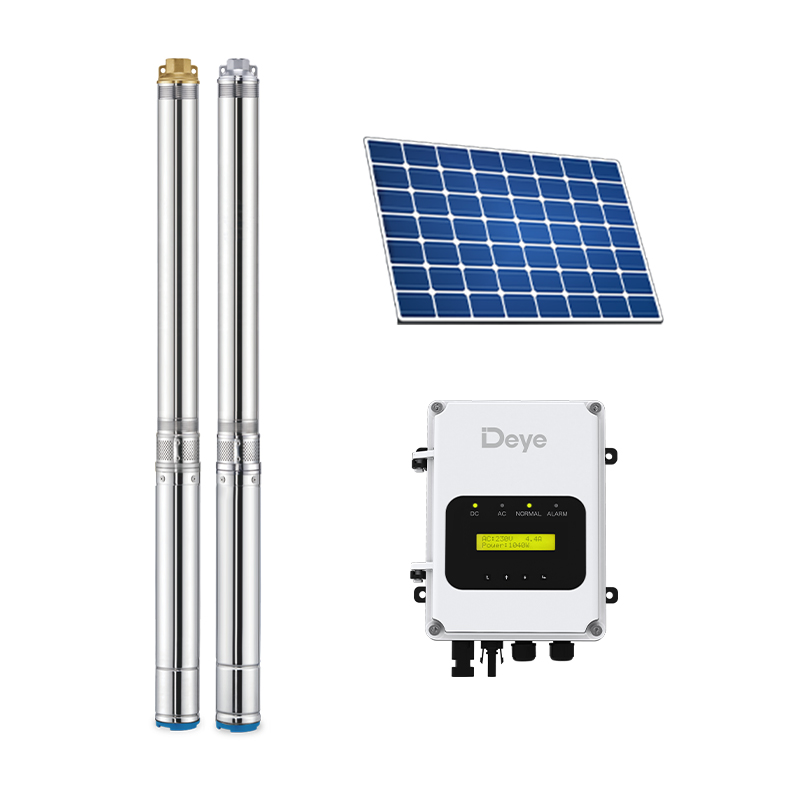
3 Inch Solar AC/DC Pump Controller (400-1500W) Plastic Impeller Submersible Pumps
-
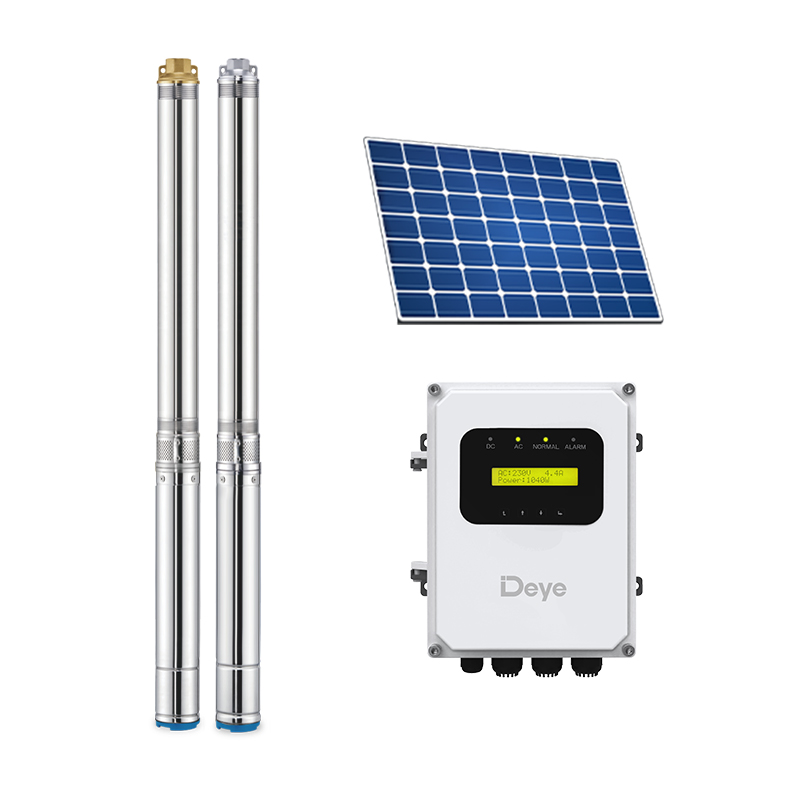
4 Inch Solar AC/DC Pump Controller (600-3000W) Plastic Impeller Submersible Pumps
-
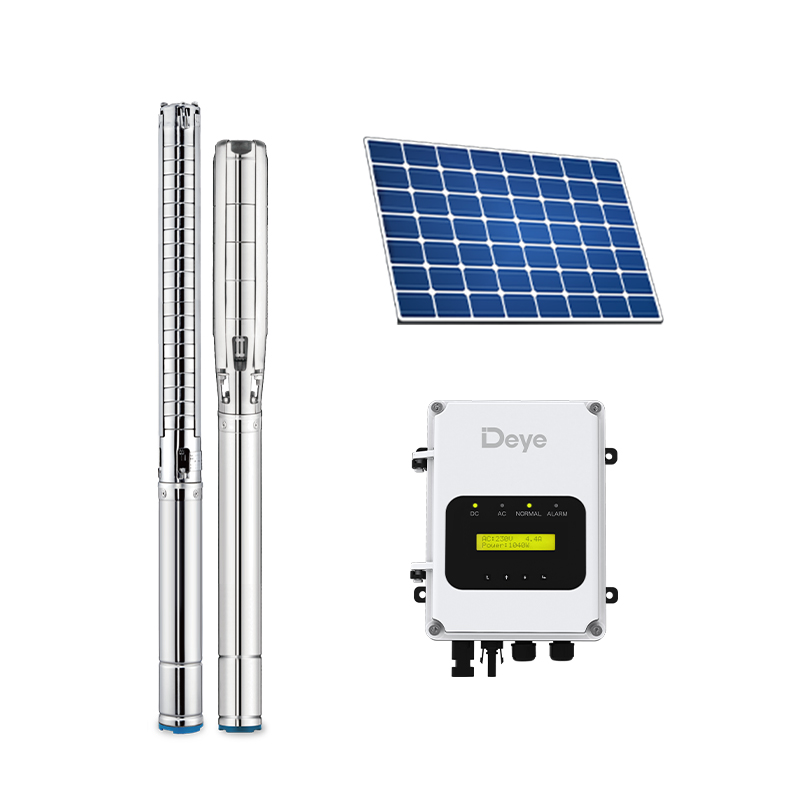
4 Inch Solar AC/DC Pump Controller (800-3000W) Stainless Steel Impeller Submersible Pumps
-
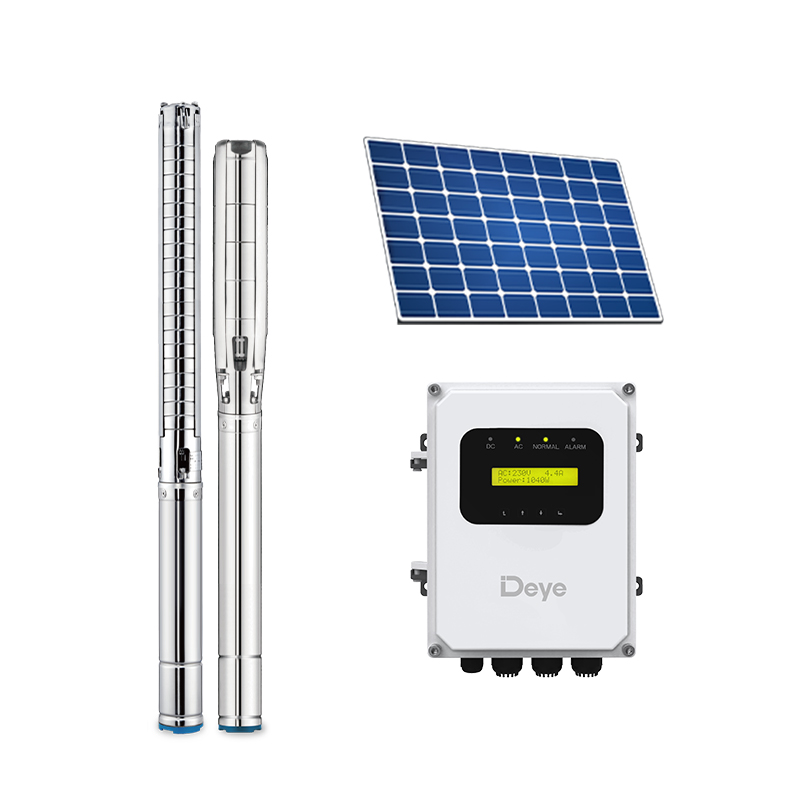
6 Inch Solar AC/DC Pump Controller (800-3000W) Stainless Steel Impeller Submersible Pumps
-
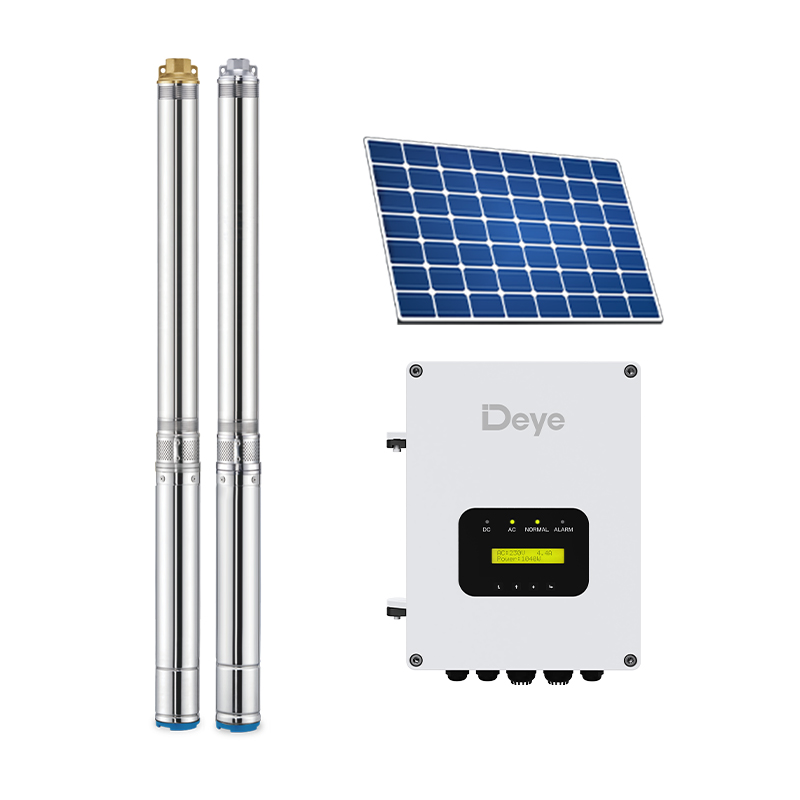
4 Inch High Speed Submersible Solar Pump(5500-13000W)Plastic Impeller Submersible Pumps
Posted by Deye
Solar Irrigation: A Green Transformation and Market Opportunities in Modern Agriculture
Solar irrigation systems are transforming traditional agriculture, using solar energy to drive water pumps and achieve energy self-sufficiency, making them particularly suitable for remote areas. They reduce long-term costs, improve water resource efficiency, and align with the trend of agricultural modernization. Although initial investment is high, their economic and sustainability advantages are significant, and market potential continues to be released as technology is optimized and awareness increases.
In traditional agricultural irrigation, energy consumption and cost control have always been core issues. With technological advancements and market evolution, a system combining solar power generation and water pumping technology is quietly changing the face of agricultural production. This method of directly converting solar energy into kinetic energy for irrigation provides a new solution for vast farmlands, especially in areas with weak power grid coverage or inconvenient energy access. It's not just about the application of technology; it represents a potential shift in production methods, moving towards a more nature-dependent and sustainable cycle. This trend creates new opportunities for the market promotion of related equipment.
As a world famous solar products brand and manuafacturer, Deye with years of experience and advanced technology in solar industry. Deye's solar photovoltaic water pump products provide a reliable solution for promoting green and smart agriculture, effectively addressing market and customer pain points. It is gradually becoming a star product in the photovoltaic agriculture field.
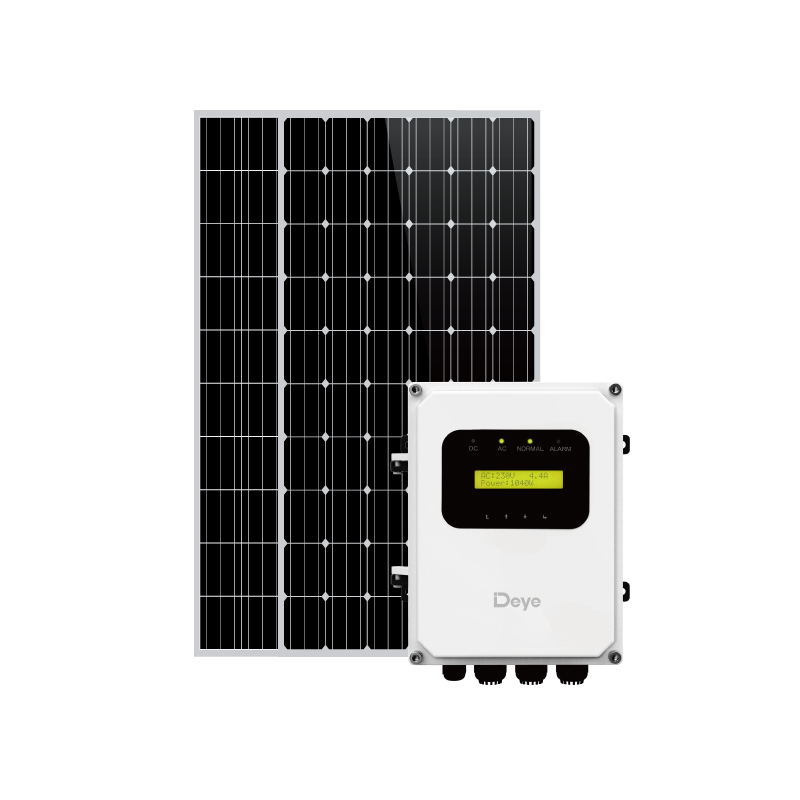
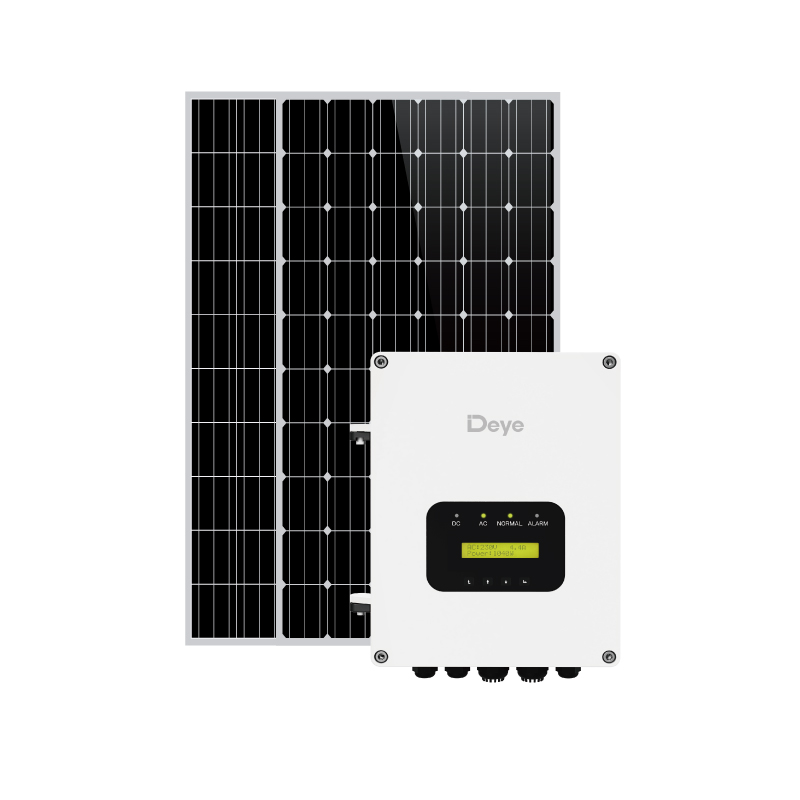
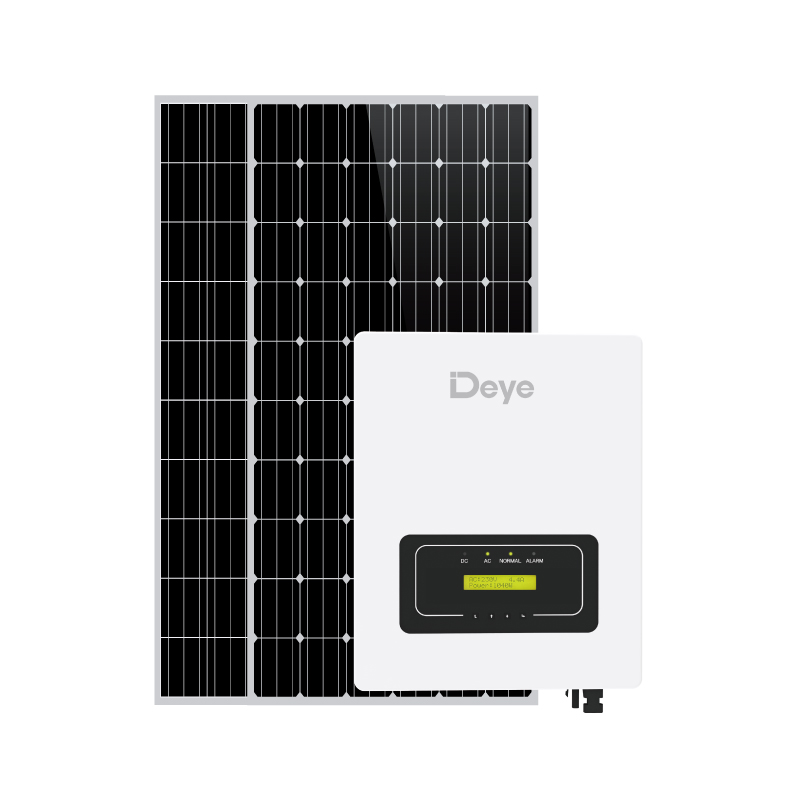
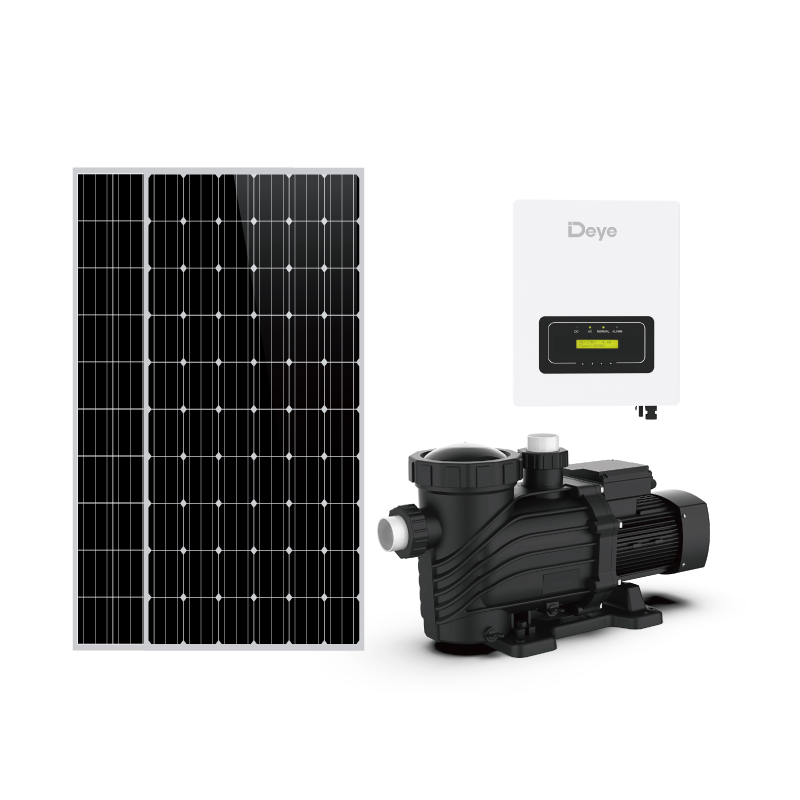
From a technical perspective, the Deye Solar water pumping system mainly consists of photovoltaic modules, solar pump controller, and solar water pump motor. The photovoltaic modules capture solar energy and convert it into electrical energy. The Deye pump controller manages the distribution and stabilization of electrical energy, ultimately driving the water pump to lift groundwater or surface water to farmland. The entire process does not rely on the traditional power grid, achieving energy self-sufficiency. Its operational characteristics determine its unique value in specific scenarios.
Currently, the factors driving the market development of this equipment are multifaceted and can be analyzed systematically from the following aspects:
1. The need to cope with energy cost fluctuations. Traditional irrigation relies on diesel or grid electricity, the prices of which are greatly affected by market fluctuations, bringing uncertain expenditure pressure to agricultural production. Solar energy, as a natural resource, has a near-zero "fuel" cost. Once the system is installed, its main operating cost lies in extremely low maintenance costs, providing farmers with a predictable long-term cost control solution and helping to stabilize agricultural operations.
2. A tangible improvement in irrigation conditions in remote areas. In many hilly, mountainous, or plain areas far from centralized power grids, laying power grid lines involves huge investments and is sometimes even impossible. Diesel power faces problems such as transportation difficulties, storage safety hazards, and noise pollution. Deye Solar water pumping systems, with their modular design and ease of decentralized deployment, can effectively solve the irrigation power problem in these areas, transforming previously unusable water resources or land into arable resources.
3. Responding to Changes in Agricultural Production Patterns. The concepts of precision agriculture and water-saving agriculture are gradually becoming more widespread. Deye soalr water pump system can be easily integrated with water-saving facilities such as drip irrigation and sprinkler irrigation to achieve on-demand water supply and intelligent start-stop (automatic control through sunlight intensity), helping to improve water resource utilization efficiency and aligning with the requirements of resource conservation and environmental friendliness in the process of agricultural modernization.
4. The Emergence of Long-Term Economic Benefits. Although the initial investment may be higher than some traditional water pumps, when calculated over the entire life cycle, Deye soalr water pump system extremely low operating costs and long service life often make its total cost competitive. For agricultural entities with long-term business plans, the economic benefits of this investment are becoming increasingly clear.
5. Increased Social Awareness and Acceptance. With the widespread application of solar energy technology across various fields, the public's understanding of its reliability and effectiveness is deepening. A growing number of success stories have increased agricultural producers' trust in this technology, lowering the cognitive barrier to market promotion.
Looking ahead, with further optimization of related materials and technology costs, and improvements in system integration and intelligent control, the applicability and economics of Deye solar pump system are expected to continue to improve. It is not merely a standalone irrigation device, but is likely to become an integral part of future smart agriculture and ecological farm energy microgrids, working collaboratively with other renewable energy sources, IoT monitoring, and automated control equipment.
Overall, Deye Solar water pump system represents a path that closely integrates clean energy with basic agricultural production. It responds to the multiple needs of the agricultural sector to reduce energy costs, utilize remote resources, and fulfill environmental responsibility. The growth of this market depends not only on breakthroughs in single technologies, but also on a deep understanding of real-world agricultural applications and the construction of a comprehensive support system encompassing products, services, finance, and knowledge. For participants focusing on the intersection of agriculture and energy, the opportunities inherent in this are becoming increasingly clear with each ray of sunshine falling on the fields.
Related Products
-
-
-
-
-
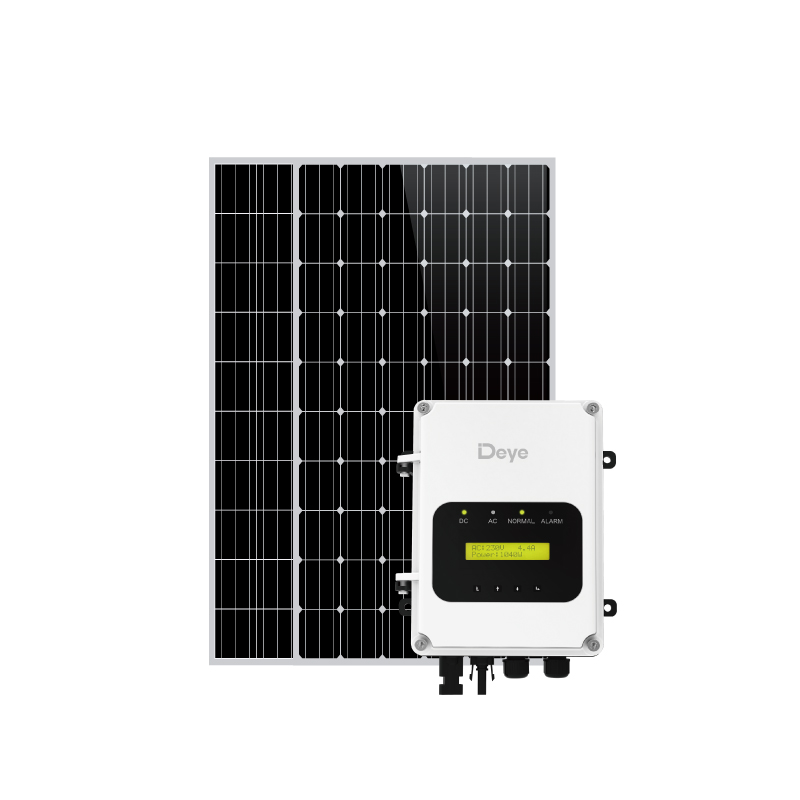
3 Inch Solar AC/DC Pump Controller (400-1500W) Plastic Impeller Submersible Pumps
Deye Solar Submersible Pumping System is an eco-friendly and cost-effective Solar water pumping syst... -

- No. 26, Yongjiang South Road, Beilun Dirstrict, Ningbo City, Zhejiang, China.
-
[email protected] ( Julia )
+86-17802775274 ( WhatsApp )
-
[email protected] ( Moussa )
+86-18419149900 ( WhatsApp )
QUICK LINK
SUPPORT
Copyright ©Zhejiang Deye Electrical Appliances Co., Ltd. All Rights Reserved.

 Back to Top